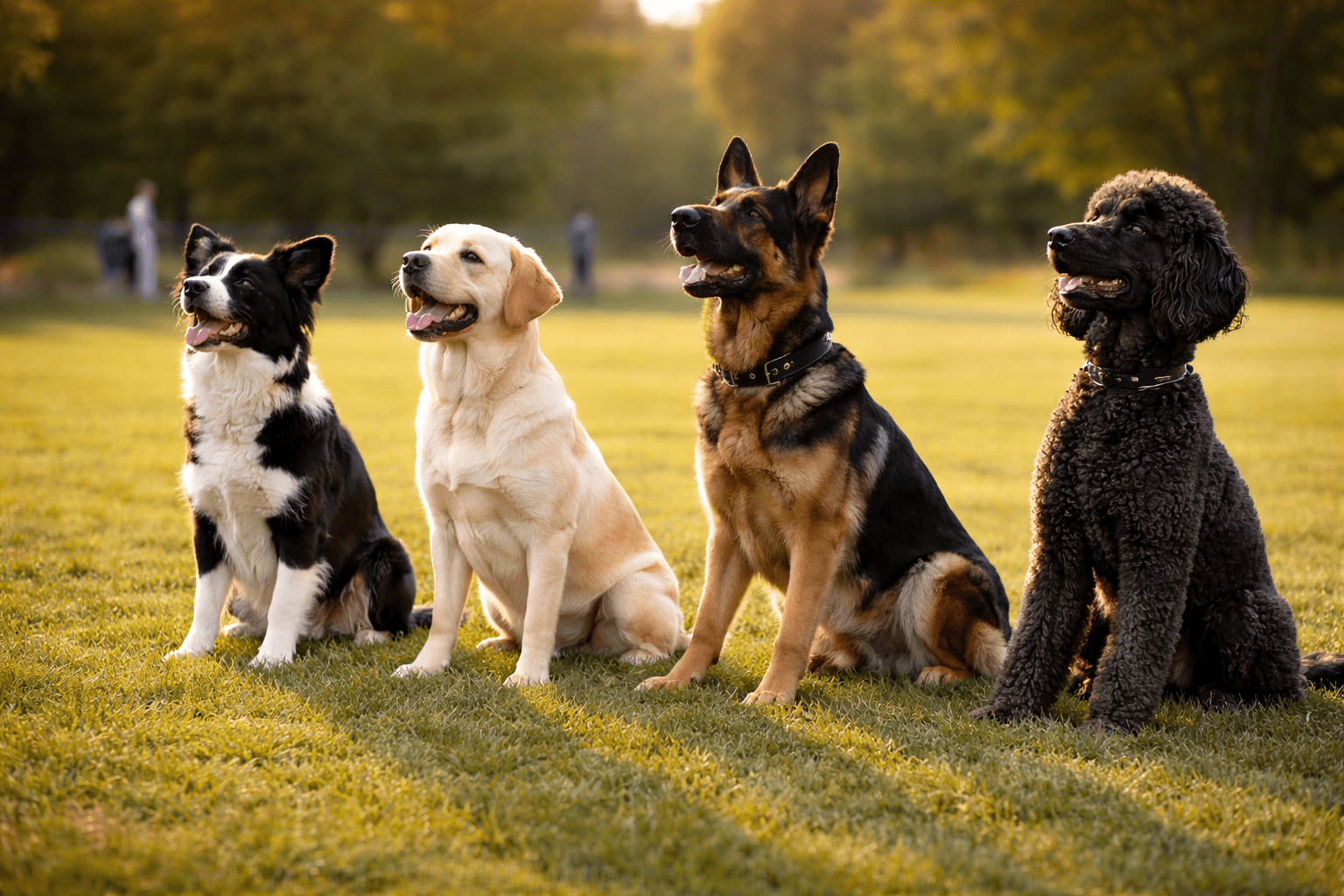
The most trainable dog breeds combine intelligence, eagerness to please, and strong work ethic, making them ideal for first-time owners and experienced handlers alike. These breeds typically master basic commands in just a few repetitions and excel in obedience training, behavioral tasks, and even specialized work like service or therapy roles.
If you’re looking for a four-legged companion who’ll make training feel like a breeze instead of a battle, you’re in the right place. Some breeds seem to read your mind, while others need a little more patience and creativity. The difference often comes down to breeding history, temperament, and natural instincts.
In this guide, we’ll break down the top ten breeds that consistently impress trainers and owners with their quick learning and reliable responses. You’ll also learn what makes these dogs so easy to work with and how to match the right breed to your lifestyle.
Why Trainability Matters When Choosing a Dog
Trainability affects every part of your relationship with your dog. A dog that learns quickly makes daily life smoother, from basic house manners to more advanced skills like recall or leash walking.
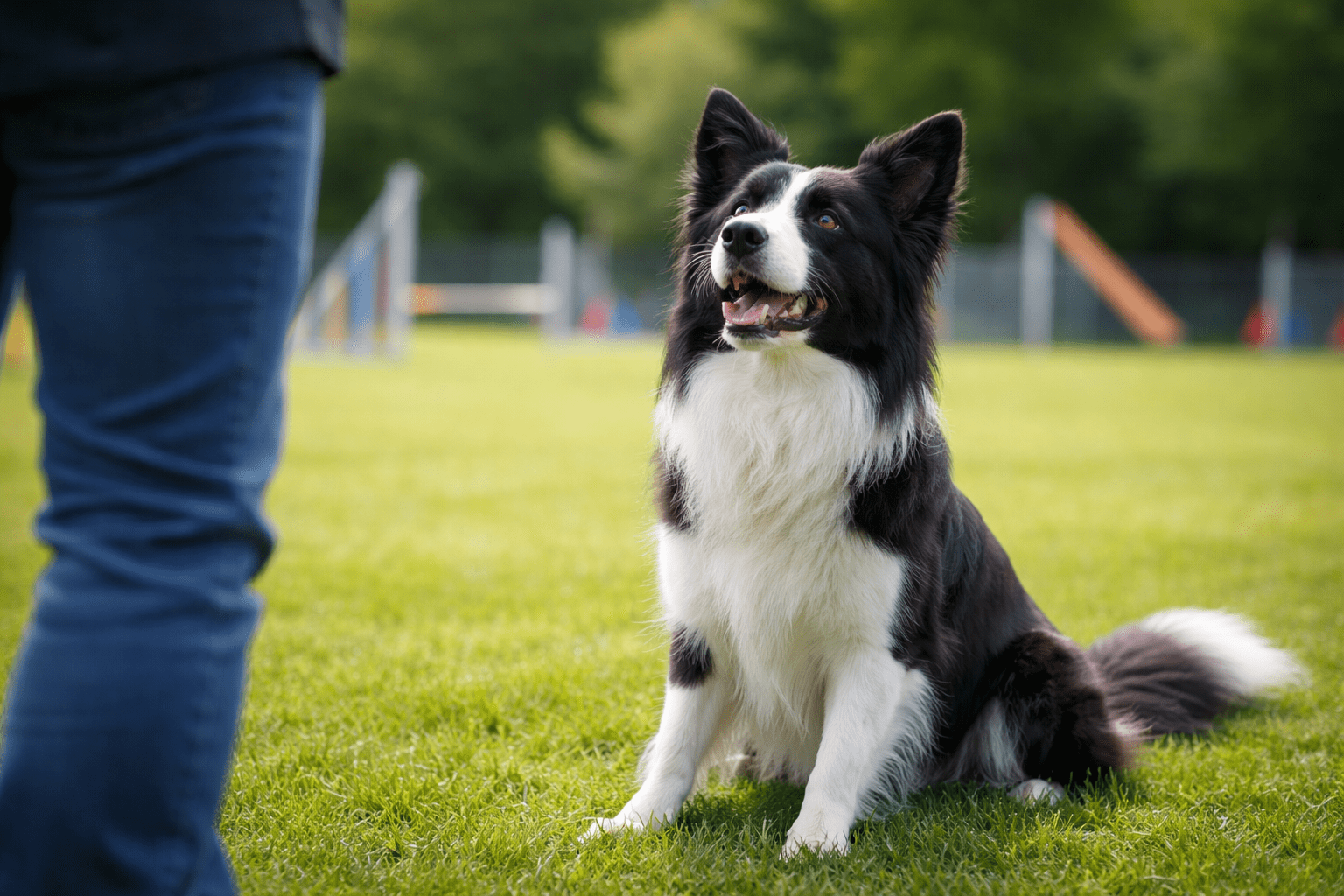
When you choose the right dog breed based on trainability, you set yourself up for success. Dogs that respond well to training are easier to manage in public, safer around children, and less likely to develop frustrating behavioral problems.
Trainability also matters if you have specific goals in mind. Service dogs, therapy animals, and competition dogs all need high levels of focus and obedience. Even if you just want a well-behaved family pet, starting with a breed that’s naturally inclined to learn saves you time and stress.
Top 10 Most Trainable Dog Breeds
These ten breeds consistently rank highest for trainability across professional trainers, behavioral experts, and everyday dog owners. Each brings unique strengths to training sessions.
1. Border Collie
Border Collies top almost every list of trainable breeds. Originally bred to herd sheep in the rugged terrain of Scotland and England, they’re famous for their intense focus and work ethic.
These dogs learn commands after just a few repetitions. They excel in agility, obedience competitions, and complex tasks that require problem-solving. Border Collies need mental stimulation and physical exercise, so they’re best suited for active owners who can keep up with their energy.
Their herding instinct means they sometimes try to “herd” children or other pets, but proper training channels this behavior productively.
2. Poodle (Standard, Miniature, and Toy)
Poodles are often underestimated because of their fancy haircuts, but they’re incredibly smart and versatile. All three sizes rank among the most trainable breeds.
Standard Poodles were originally water retrievers, which required them to work closely with hunters. This history shows in their ability to learn complex sequences and follow detailed instructions.
Poodles pick up on household routines quickly and adapt well to different training methods. They’re sensitive dogs who respond best to positive reinforcement rather than harsh corrections.
3. German Shepherd
German Shepherds combine intelligence with loyalty and courage. They’re the go-to breed for police work, military service, and search-and-rescue operations because they can master complicated tasks and work under pressure.
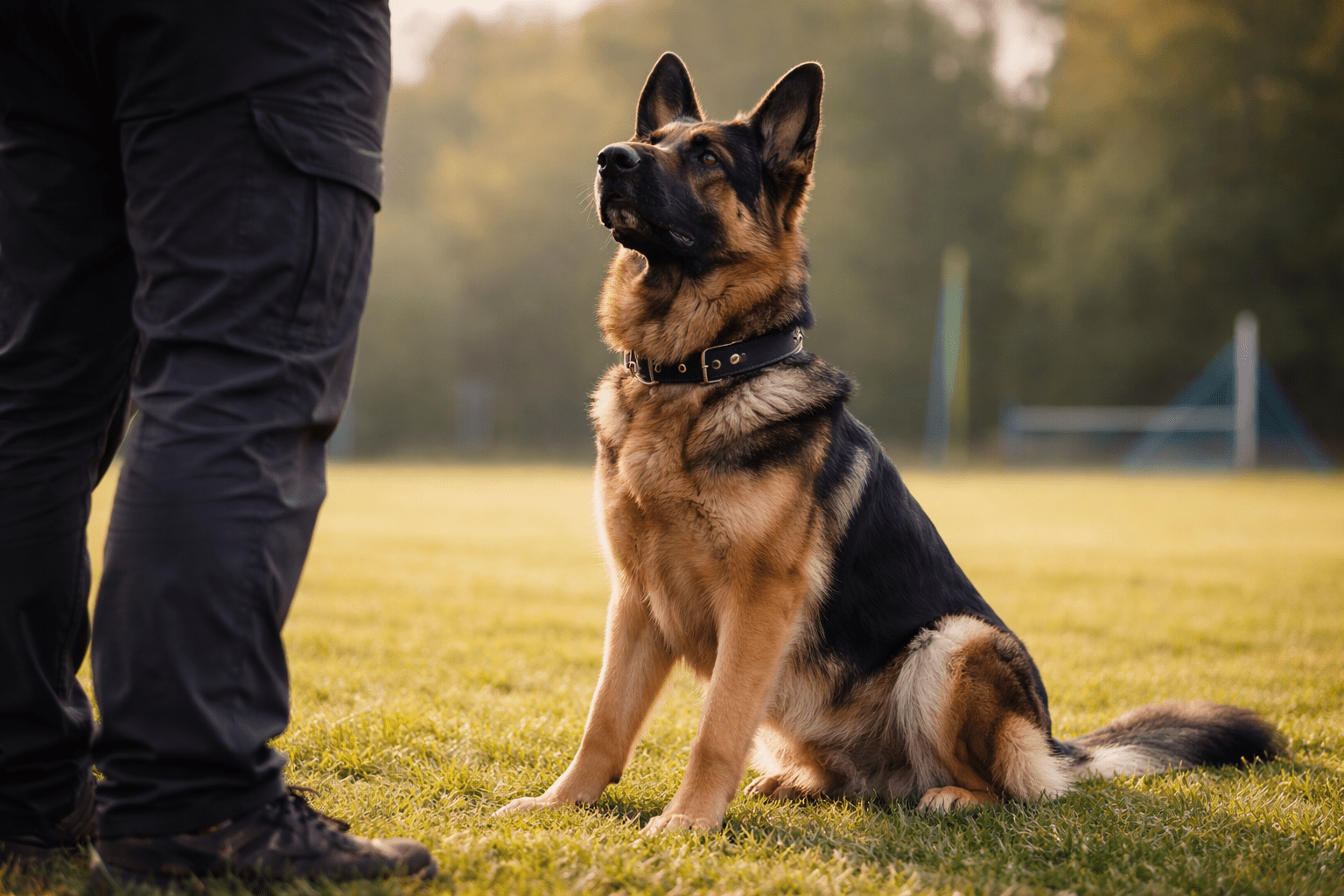
These dogs form strong bonds with their handlers and take training seriously. They’re naturally protective, so early socialization is important. With consistent guidance, German Shepherds become reliable companions who can handle everything from basic obedience to advanced protection work.
Their size and strength mean training needs to start early. A well-trained German Shepherd is confident and calm, while an untrained one can become difficult to manage.
4. Golden Retriever
Golden Retrievers earn their reputation as one of the friendliest and most trainable breeds. Their gentle temperament and desire to please make them perfect for families, especially those new to dog ownership.
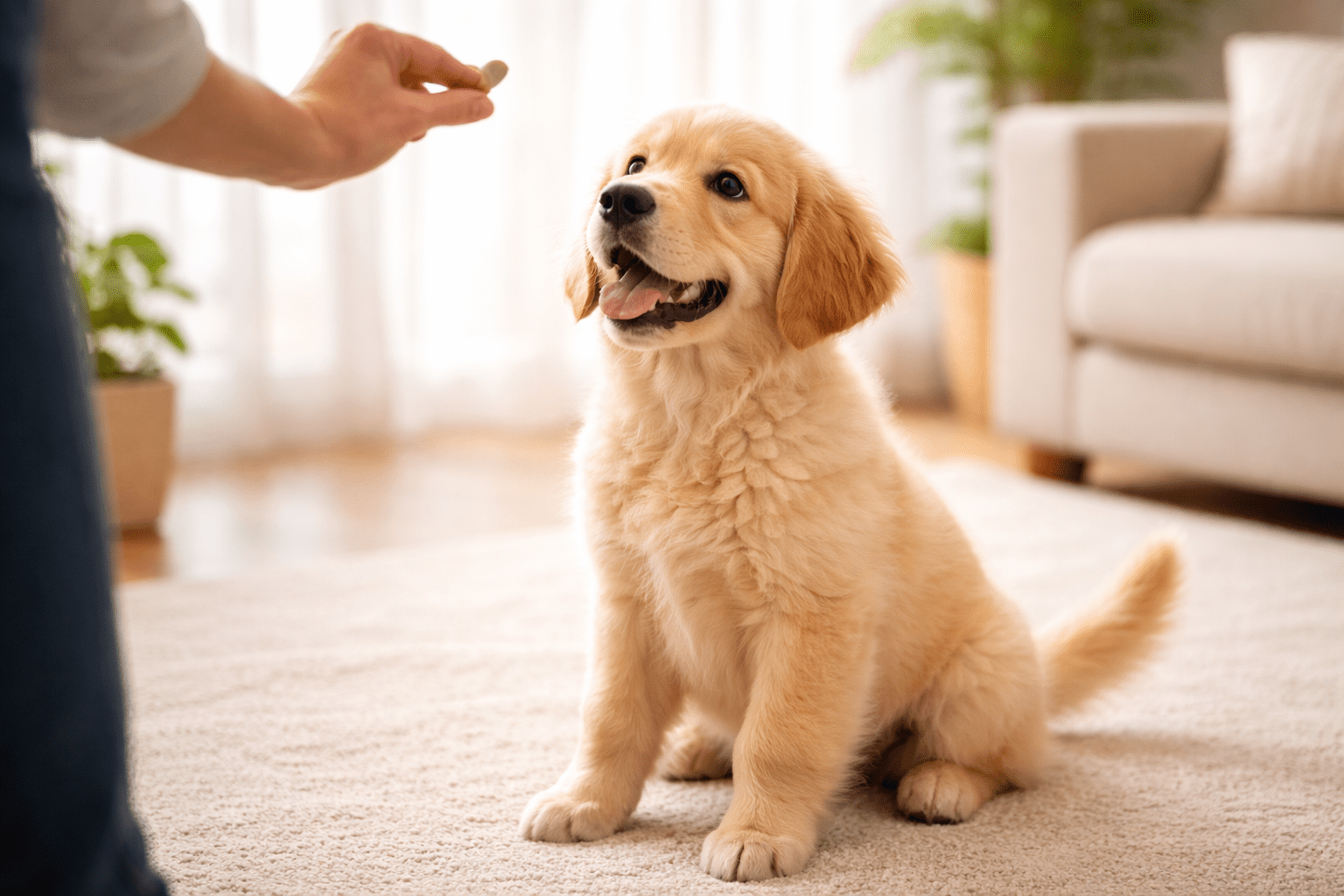
They excel as service dogs, therapy animals, and search-and-rescue workers. Golden Retrievers respond enthusiastically to training and rarely show stubbornness. They’re food-motivated and love praise, which makes positive reinforcement training highly effective.
These dogs remain playful well into adulthood, so incorporating fun into training keeps them engaged. If you want a patient, forgiving training partner, Golden Retrievers deliver.
5. Doberman Pinscher
Dobermans are sleek, powerful dogs bred for protection and companionship. They’re highly intelligent and learn new commands quickly, often surprising first-time owners with how fast they catch on.
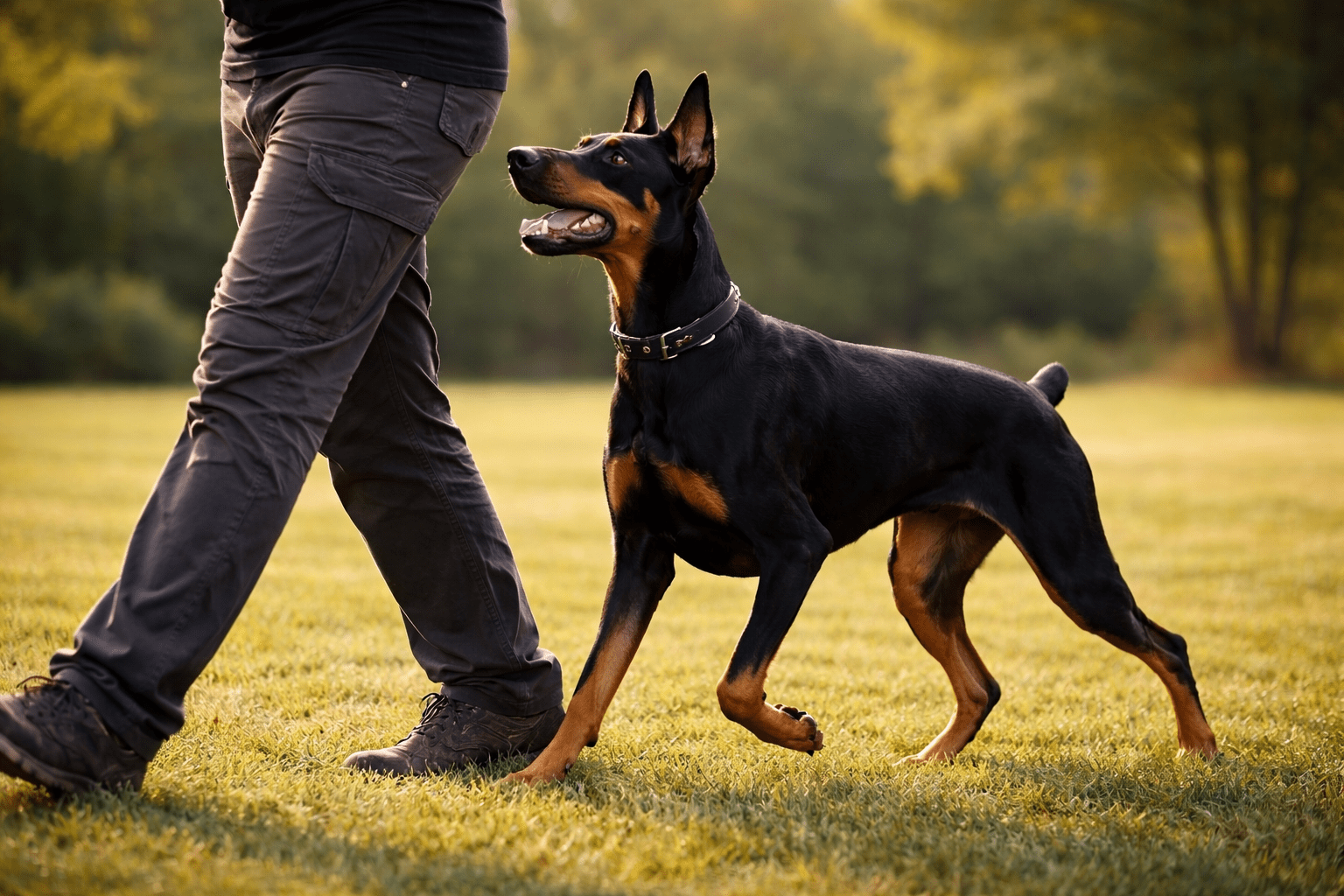
Despite their intimidating appearance, Dobermans are sensitive and form deep attachments to their families. They thrive on structure and clear expectations. Dog obedience training helps Dobermans develop into well-mannered, confident adults.
These dogs need consistent leadership. They’re not aggressive by nature, but they require socialization and training to ensure they’re comfortable in different situations.
6. Shetland Sheepdog
Shetland Sheepdogs, or Shelties, look like miniature Rough Collies. They’re herding dogs with sharp minds and a strong desire to work. Shelties excel in obedience trials and agility courses because they’re quick, responsive, and eager to learn.
They’re vocal dogs who sometimes bark to alert their owners, but training can manage this tendency. Shelties bond closely with their families and can be reserved around strangers, so early socialization helps build their confidence.
Their smaller size makes them easier to manage than larger herding breeds, but they still need plenty of mental and physical exercise.
7. Labrador Retriever
Labrador Retrievers are America’s most popular breed for good reason. They’re friendly, outgoing, and incredibly trainable. Labs were bred to retrieve game for hunters, so they naturally respond to commands and enjoy working alongside people.
These dogs are food-motivated, which makes reward-based training simple and effective. Labs are forgiving of mistakes and eager to try again, making them ideal for inexperienced trainers. They’re versatile enough to succeed as family pets, service dogs, or hunting companions.
Labrador Retriever remain energetic and playful throughout their lives. Regular exercise keeps them focused during training sessions and prevents boredom-related behaviors.
8. Papillon
Papillons might be tiny, but they’re mighty when it comes to intelligence. Their name comes from their butterfly-shaped ears, and they’re one of the smartest toy breeds. Papillons excel in obedience and agility competitions, often outperforming much larger dogs.
These little dogs are confident and curious. They pick up tricks and commands quickly and love showing off what they’ve learned. Despite their small size, Papillons need consistent training and socialization just like larger breeds.
They’re alert and can be vocal, so teaching a “quiet” command early helps manage barking. Papillons thrive on mental challenges and enjoy learning new things throughout their lives.
9. Rottweiler
Rottweilers are strong, confident dogs with a natural protective instinct. They’re intelligent and trainable, but they need experienced handlers who can provide firm, fair guidance.
Rottweilers were originally bred to drive cattle and pull carts. This working background means they respond well to structure and purpose. They’re loyal to their families and can be gentle with children when properly socialized and trained.
Early training is critical with Rottweilers. Their size and strength require owners to establish clear boundaries from puppyhood. With the right approach, they become devoted, well-behaved companions.
10. Australian Cattle Dog
Australian Cattle Dogs, also called Blue Heelers or Red Heelers, are tireless workers bred to herd cattle across vast distances. They’re incredibly smart and independent, which can make training both rewarding and challenging.
These dogs need a job to do. Without proper outlets for their energy and intelligence, they can become destructive or develop behavioral issues. They excel in dog sports, advanced obedience, and tasks that require endurance and focus.
Australian Cattle Dogs bond strongly with their owners but can be wary of strangers. Early socialization and consistent training help them become well-rounded adults. They’re best suited for active households that can match their high energy levels.
What Makes a Dog Breed Highly Trainable
Several traits contribute to how easily a dog picks up new commands and behaviors. Intelligence plays a role, but it’s not the only factor.
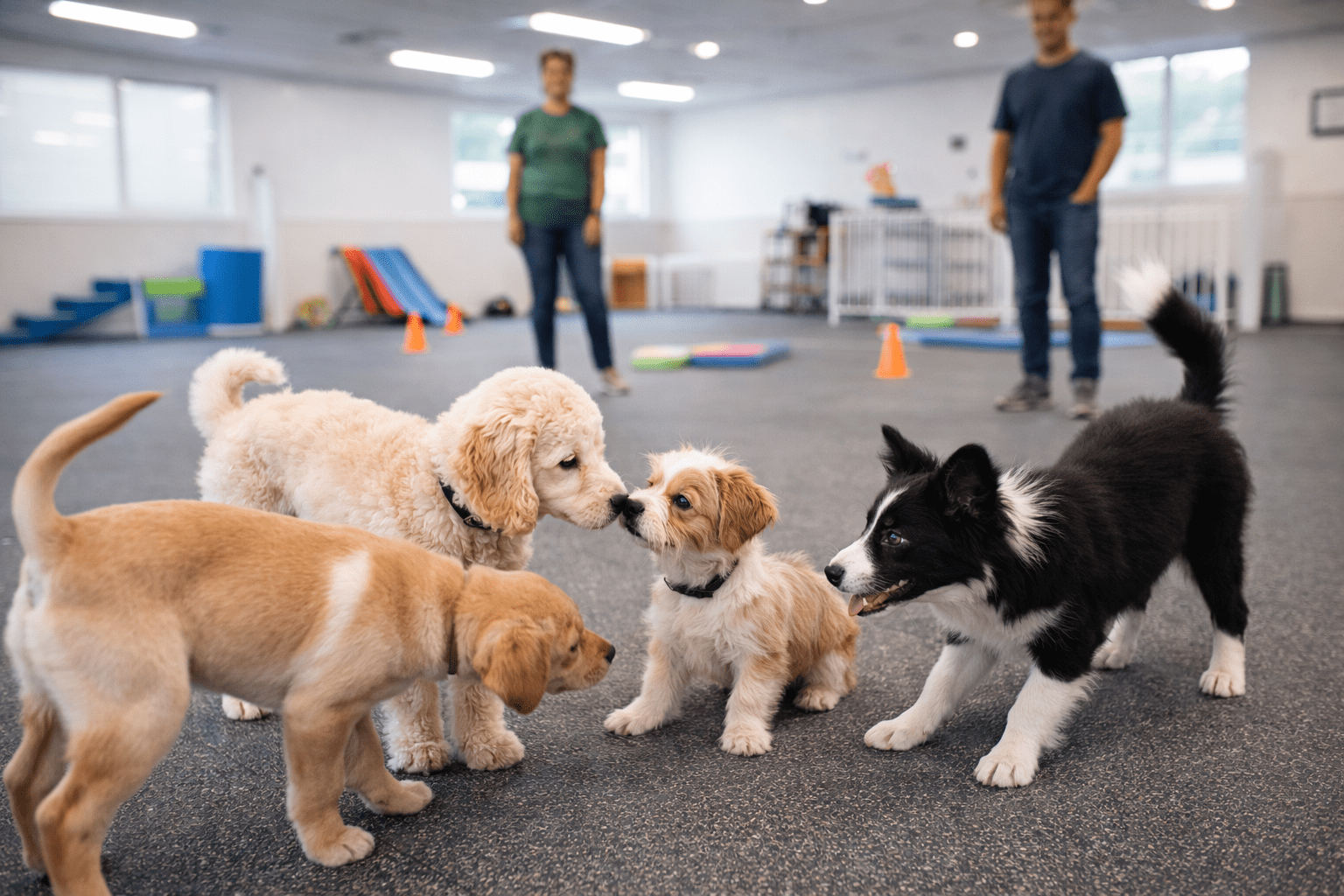
Eagerness to please drives many trainable breeds. These dogs thrive on positive reinforcement and genuinely want to make their owners happy. Breeds like Golden Retrievers and Labrador Retrievers fall into this category.
Work drive matters too. Herding breeds and working dogs were bred to take direction from humans. They’re hardwired to follow cues and complete tasks, which makes them naturals in structured training environments.
Focus and attention span separate the quick learners from the easily distracted. Breeds that can maintain concentration during training sessions progress faster and retain what they’ve learned.
Low stubbornness helps as well. Some smart dogs are independent thinkers who question commands. The most trainable breeds tend to be cooperative rather than willful.
Comparing Trainability Traits Across Popular Dog Breeds
Different breeds bring different strengths to training. This table shows how some of the most trainable breeds stack up across key characteristics.
| Breed | Learning Speed | Eagerness to Please | Focus Level | Best Training Style |
| Border Collie | Very Fast | High | Excellent | Task-oriented, active training |
| Golden Retriever | Fast | Very High | Good | Positive reinforcement, play-based |
| German Shepherd | Fast | High | Excellent | Structured, consistent methods |
| Poodle | Very Fast | High | Excellent | Varied, mentally stimulating |
| Labrador Retriever | Fast | Very High | Good | Reward-based, food motivation |
| Doberman Pinscher | Very Fast | High | Excellent | Firm, fair, consistent |
Training Considerations for Different Dog Breeds
While all the breeds on our list are highly trainable, they each respond best to slightly different approaches. Understanding these differences helps you get the most out of training sessions.
| Breed Category | Training Priority | Common Challenge | Best Approach |
| Herding Breeds (Border Collie, Sheltie, Australian Cattle Dog) | Mental stimulation, focus control | Over-excitement, nipping | Channel herding drive into constructive tasks |
| Sporting Breeds (Golden Retriever, Labrador Retriever) | Impulse control, calm behavior | Jumping, mouthing | Use play and food rewards, teach settle command |
| Working Breeds (German Shepherd, Doberman, Rottweiler) | Socialization, controlled protection | Over-guarding, suspicion | Build confidence through positive exposure |
| Toy Breeds (Papillon) | Prevent small dog syndrome, recall | Excessive barking, fear | Treat as big dog, consistent expectations |
Training Methods That Work Best
The most trainable dog breeds respond well to positive reinforcement. This means rewarding good behavior with treats, praise, or play instead of punishing mistakes.
Consistency matters more than perfection. Dogs learn best when everyone in the household uses the same commands and expectations. Mixed signals confuse even the smartest breeds.
Short, frequent training sessions work better than long, exhausting ones. Most dogs focus best for 10-15 minutes at a time. You can do multiple sessions throughout the day to keep training fresh and engaging.
If you need help getting started, the best ways to train a puppy include establishing routines early and building on small successes.
When to Seek Professional Help
Even highly trainable breeds sometimes need expert guidance. Professional trainers can help if your dog struggles with specific behaviors or if you’re preparing for specialized work.
Private dog training provides one-on-one attention tailored to your dog’s unique needs. This approach works well for reactive dogs, rescue animals with unknown histories, or owners who want to fast-track training progress.
Group classes offer socialization opportunities and teach your dog to focus despite distractions. They’re great for puppies learning basic manners and for dogs who need practice working around other animals.
Matching Trainability to Your Lifestyle
Choosing from the most trainable dog breeds means considering more than learning speed. Match the breed to your daily routine, living situation, and long-term goals.
Active families who enjoy outdoor adventures might love Border Collies or Australian Cattle Dogs. These breeds need exercise and mental challenges for hiking, running, or dog sports.
Families with young children often do well with Golden Retrievers or Labrador Retrievers. These patient, gentle breeds forgive childhood chaos and handle noise well.
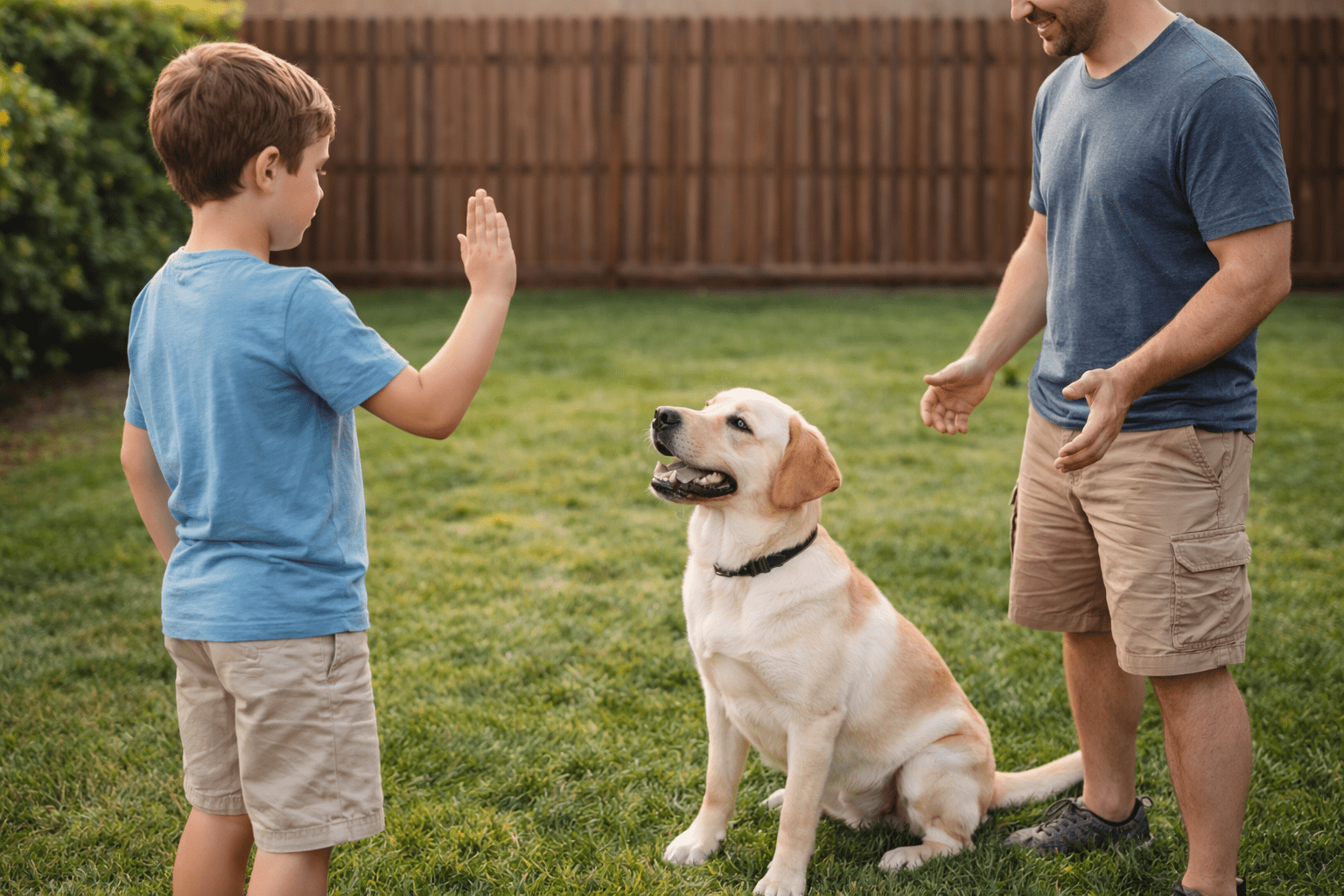
Apartment dwellers should consider Poodles or Papillons, which adapt to limited space with proper mental stimulation and daily walks.
First-time owners need breeds eager to please like Golden Retrievers, Labs, and Poodles. Experienced handlers wanting challenges might enjoy German Shepherds, Dobermans, or Rottweilers.
If you’re considering adding a dog to your family, understanding the best dog breeds for families can help you choose one that will thrive in your household.
Beyond Basic Obedience: Advanced Training Opportunities
The most trainable dog breeds don’t stop at “sit” and “stay.” Many excel in specialized roles and advanced activities that keep their minds sharp and bodies active.
Agility training challenges dogs to navigate obstacle courses with speed and precision. Border Collies, Shelties, and Papillons dominate this sport, but any athletic, trainable breed can participate.
Scent work taps into a dog’s natural abilities. German Shepherds, Labrador Retrievers, and other working breeds thrive in detection work, whether searching for treats in competition or training for real-world applications.
Service and therapy work requires dogs who can remain calm under pressure and respond reliably to commands. Golden Retrievers, Labrador Retrievers, and Standard Poodles are commonly trained as service animals because of their trainability and gentle temperaments.
Protection training suits breeds like German Shepherds, Dobermans, and Rottweilers. This advanced work requires professional guidance to ensure dogs can distinguish between real threats and normal situations.
For families who want a well-rounded companion, learning how to choose the right training program ensures you find activities that match your dog’s abilities and your goals.
Bringing Home Your Highly Trainable Companion
The most trainable dog breeds offer incredible potential, but they still need time, patience, and consistent effort to become the well-mannered companions you’re hoping for. Even breeds known for quick learning don’t train themselves.
Start with realistic expectations. Puppies need several months to master house training and basic commands. Adult rescue dogs might need time to adjust to new routines and overcome past experiences.
Invest in proper equipment like a comfortable collar or harness, a standard leash, and plenty of high-value treats. Set up a consistent schedule for feeding, potty breaks, and training sessions.
Remember that training never really ends. Even highly trained dogs benefit from regular practice and new challenges throughout their lives. Keep sessions fun and varied to maintain your dog’s interest and enthusiasm.
If you’re ready to take training to the next level, consider board and train Long Island programs that provide intensive, professional instruction in a structured environment.
Building a Lifelong Partnership With Your Most Trainable Dog Breed
Choosing one of the most trainable dog breeds sets you up for success, but the real magic happens in daily interactions. Training builds trust, communication, and a lasting bond beyond simple obedience.
The breeds we’ve covered excel because they were bred to work alongside humans. They genuinely want to understand you and make you happy. When you invest time in training, you’re creating a shared language that strengthens your relationship.
Stay patient during the process. Even the smartest breeds have off days. Celebrate small victories and remember that every dog learns at their own pace.
At K9 Mania Dog Training, we’ve transformed countless dogs across Long Island, turning challenging behaviors into polished obedience. As the leading dog board and train program in the area, we understand every dog has potential. Whether you’re struggling with basic manners or preparing for advanced work, our proven methods can help.
Visit our website to learn how we support you and your dog, no matter what behavioral issues you’re facing.
You May Also Want to Read
- How to Stop Resource Guarding in Dogs
- Redirected Aggression in Dogs
- What Is Displacement Behavior in Dogs?
- Why Do Dogs Circle Before Lying Down?
Frequently Asked Questions
What is the most easiest dog breed to train?
Golden Retrievers and Labrador Retrievers consistently rank as the easiest breeds to train for first-time dog owners. Both breeds have strong eagerness to please, gentle temperaments, and high food motivation, making positive reinforcement training highly effective. They’re forgiving of handler mistakes and remain enthusiastic throughout the learning process, which helps new owners build confidence.
Which dog is most trainable?
Border Collies are widely considered the most trainable dog breed overall. They learn new commands after just a few repetitions, excel at complex tasks, and maintain intense focus during training sessions. Their natural herding instincts give them an inherent desire to work with humans, though they require experienced handlers who can provide adequate mental and physical stimulation.
What is the best dog for lazy owners?
No truly trainable breed suits genuinely lazy owners, but lower-energy breeds like Cavalier King Charles Spaniels, Basset Hounds, or English Bulldogs require less intense exercise while still being relatively easy to train. These breeds adapt well to quieter households and shorter activity sessions, though they still need daily walks, basic training, and mental enrichment to stay healthy and well-behaved.
What are the 10 least obedient dogs?
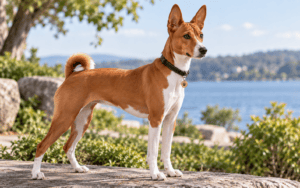
Breeds with independent temperaments typically rank as least obedient, including Afghan Hounds, Basenjis, Beagles, Bulldogs, Chow Chows, Bloodhounds, Borzois, Pekingese, Shiba Inus, and Basset Hounds. These dogs were bred for independent work rather than following human direction closely. They’re intelligent but often choose to ignore commands, requiring more patience and creative training approaches than breeds bred for cooperation.
What’s the calmest dog breed?
Cavalier King Charles Spaniels are among the calmest breeds, combining gentle temperament with moderate trainability. Basset Hounds, Newfoundlands, and Clumber Spaniels also rank high for calm dispositions. However, calmness doesn’t always correlate with high trainability. Many calm breeds are independent thinkers who learn at their own pace rather than eagerly following every command.
What is the hardest breed of dog to train?
Afghan Hounds consistently rank as one of the hardest breeds to train due to their independent nature and low motivation to please humans. They were bred to hunt independently without human direction, making them stubborn and easily distracted during training. Basenjis, Chow Chows, and Bulldogs also present training challenges because of their strong-willed personalities and tendency to question commands rather than automatically obeying.