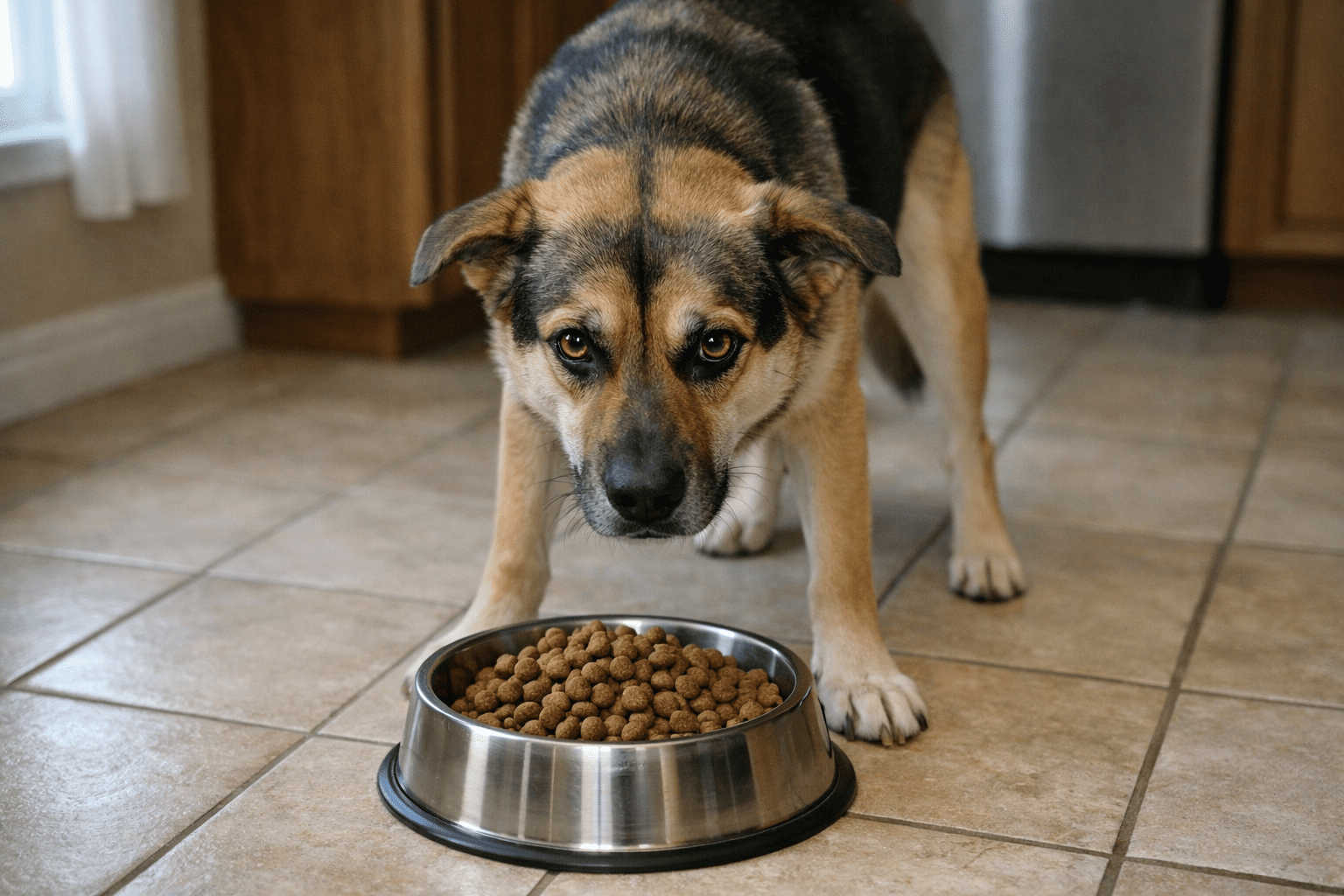
Resource guarding happens when your dog protects food, toys, or spaces from perceived threats. You can stop this behavior through gradual desensitization, trading exercises, and teaching your dog that giving up resources leads to better rewards.
Most dogs show some level of resource guarding because it’s rooted in survival instinct. However, when your pup freezes over a bone, growls when you approach their food bowl, or snaps when someone gets near their favorite toy, you’re dealing with a behavior that needs fixing. The good news is that with the right approach, you can teach your dog to feel safe and relaxed around their belongings instead of being defensive and anxious.
Understanding how to stop resource guarding in dogs starts with recognizing why it happens and what your dog is actually trying to communicate. Keep reading to learn the proven methods that work, common mistakes that make things worse, and when professional training might be your best option.
Build a solid foundation with your puppy. Our puppy training Long Island programs teach appropriate behaviors from the start.
What Is Resource Guarding in Dogs
Resource guarding is a defensive behavior where dogs use body language, growling, or even biting to protect items they value. This can include food, toys, bones, sleeping spots, or even people. While some guarding is natural canine behavior, it becomes a problem when it escalates to aggression or creates unsafe situations in your home.
Types of Resources Dogs Guard
Dogs don’t just guard their dinner bowl. They can become protective over many different things, and understanding what your dog values helps you address the behavior more effectively.
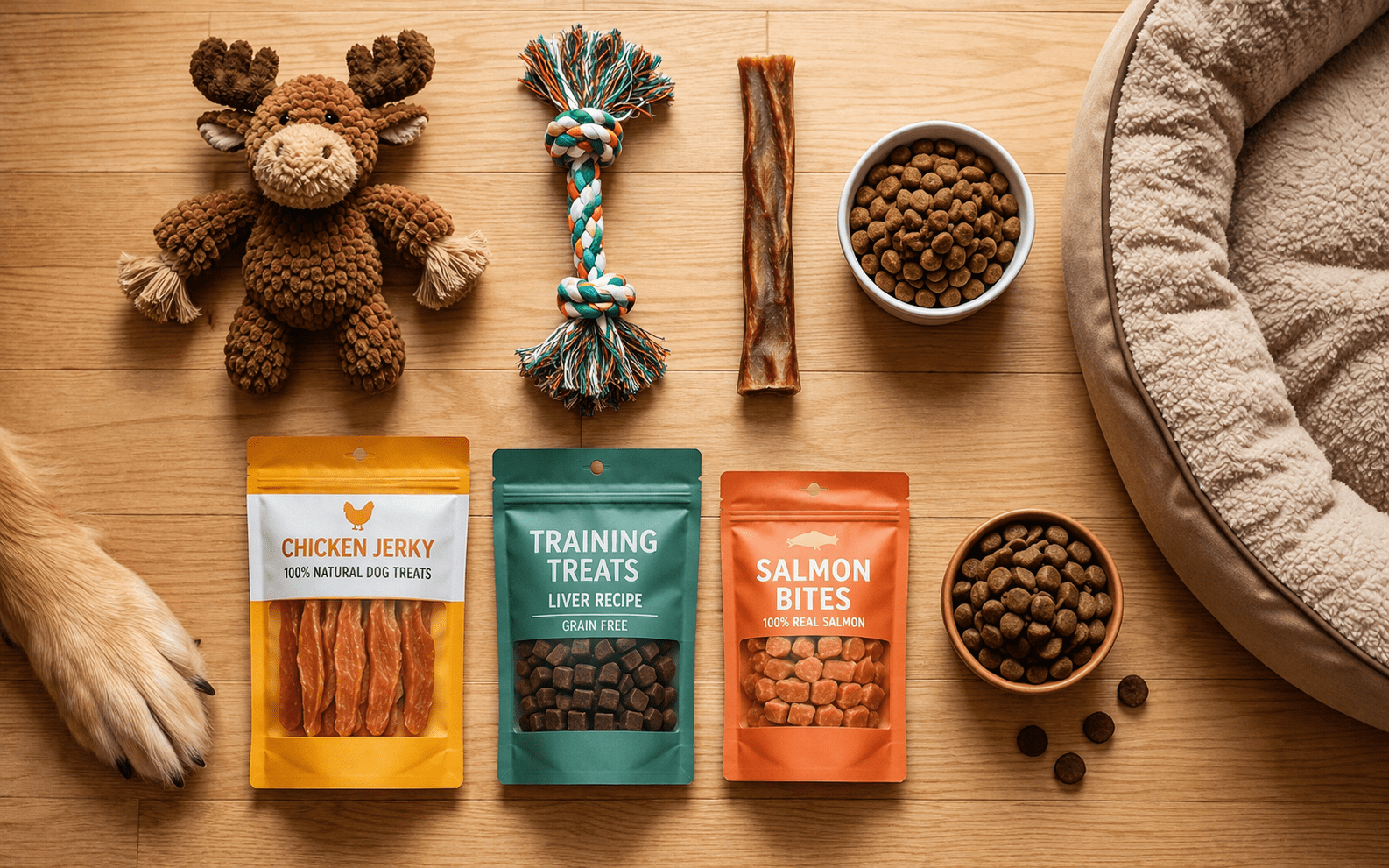
Food is the most common guarded resource. This includes their regular meals, high-value treats, bones, and even empty food bowls. Some dogs guard their water bowls or specific feeding locations.
Objects like toys, balls, sticks, stolen items, or even random household objects can trigger guarding. Your dog might be fine sharing some toys but extremely protective of one specific stuffed animal.
Locations matter too. Dogs often guard beds, crates, furniture, doorways, or spots where they feel cornered. A dog who’s perfectly friendly in the yard might snap when approached on the couch.
People can become guarded resources as well. Your dog might show aggression when other dogs or family members approach you, treating you as a valuable resource worth protecting.
How Resource Guarding Develops
Resource guarding usually starts from a few different sources. Genetics play a role, as some breeds have stronger guarding instincts bred into them over generations. Early life experiences shape this behavior too, especially if a puppy had to compete with littermates for food or grew up in a situation with limited resources.
Sometimes we accidentally teach dogs to guard without realizing it. If you’ve ever chased your dog to get something back, reached into their mouth to remove an item, or punished them for growling, you might have made the problem worse. These actions teach your dog that people approaching means losing their stuff, so they escalate their defensive behavior.
Poor socialization during the critical developmental period can contribute to guarding issues as well. Puppies who don’t learn to share or who experience resource scarcity early in life often carry those defensive patterns into adulthood.
Recognizing the Warning Signs
Catching resource guarding early makes it much easier to fix. Dogs show a progression of signals before they bite, and knowing what to look for helps you intervene before the behavior becomes dangerous.
Body Language Signals
Your dog’s body tells you everything if you know what to watch for. Early warning signs include stiffening or freezing when you approach, eating faster when someone gets near, or positioning their body between you and the item.

Eye changes are significant. Hard stares, whale eye (showing the whites of their eyes), or dilated pupils indicate stress and potential aggression. Your dog might also track your movements with intense focus when they’re guarding something.
Subtle signals often escalate to more obvious ones. These include raised hackles, tense facial muscles, closed mouth, ears pinned back, or a low, still tail. Some dogs show “hovering” behavior, where they stand stiffly over their resource without relaxing.
Aggression Levels in Resource Guarding
Resource guarding exists on a spectrum from mild to severe. Understanding where your dog falls helps you choose the right intervention approach.
| Level | Behaviors | Risk | Action Needed |
| Mild | Freezing, tense body, eating faster, moving away with item | Low | Start training exercises at home |
| Moderate | Growling, lip curling, air snapping, lunging without contact | Medium | Professional guidance recommended |
| Severe | Biting, multiple bites, bite and hold, guarding multiple resources | High | Immediate professional intervention required |
Most dogs start with mild signals and only escalate if those warnings are ignored. That’s why respecting your dog’s early communication is so important. When you punish a growl, you don’t eliminate the guarding, you just remove the warning system that kept everyone safe.
Address underlying behavior problems effectively. Learn more about common dog behavior issues and their solutions.
Why Resource Guarding Happens
Understanding the root causes helps you address the behavior with empathy instead of punishment. Dogs aren’t being “dominant” or “alpha” when they guard, they’re responding to perceived threats based on instinct and experience.
Natural Instincts and Survival
In the wild, wolves and wild dogs who successfully defended their food survived and reproduced. This instinct is hardwired into your dog’s DNA, even with regular meals at home.
Your dog doesn’t understand you’re not trying to steal their dinner. From their perspective, you approaching during mealtime signals competition, especially if they didn’t learn as puppies that humans approaching means good things, not threats.
Scarcity mentality develops when dogs experience unpredictable resource access. Rescue dogs, dogs from large litters, or those who experienced food insecurity often show stronger guarding behaviors.
Common Triggers
High-value items like bones, bully sticks, or special treats trigger stronger guarding than regular kibble. The more valuable the item, the more motivated your dog is to protect it.
Specific people or animals approaching can be triggers. Your dog might guard from strangers but not family members, or vice versa. Some dogs only guard from children or other dogs.
Environmental factors matter too. Dogs guard more intensely in confined spaces, during stress or change, or when tired or unwell.
Past negative experiences create associations. If someone has repeatedly taken things through force or punishment, your dog learns that people approaching means loss, creating a cycle where guarding worsens over time.
Proven Methods to Stop Resource Guarding
Fixing resource guarding takes patience and consistency, but the right techniques work remarkably well. The key is changing how your dog feels about people approaching their stuff, not just suppressing the behavior through punishment.
The Trading Game
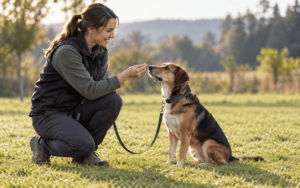
Trading teaches your dog that giving up one thing leads to getting something better. Start with low-value items your dog doesn’t guard intensely. When your dog picks up a toy, approach calmly and offer a high-value treat. As they drop the toy to take the treat, say “drop it” or “give,” then immediately return the toy to them.
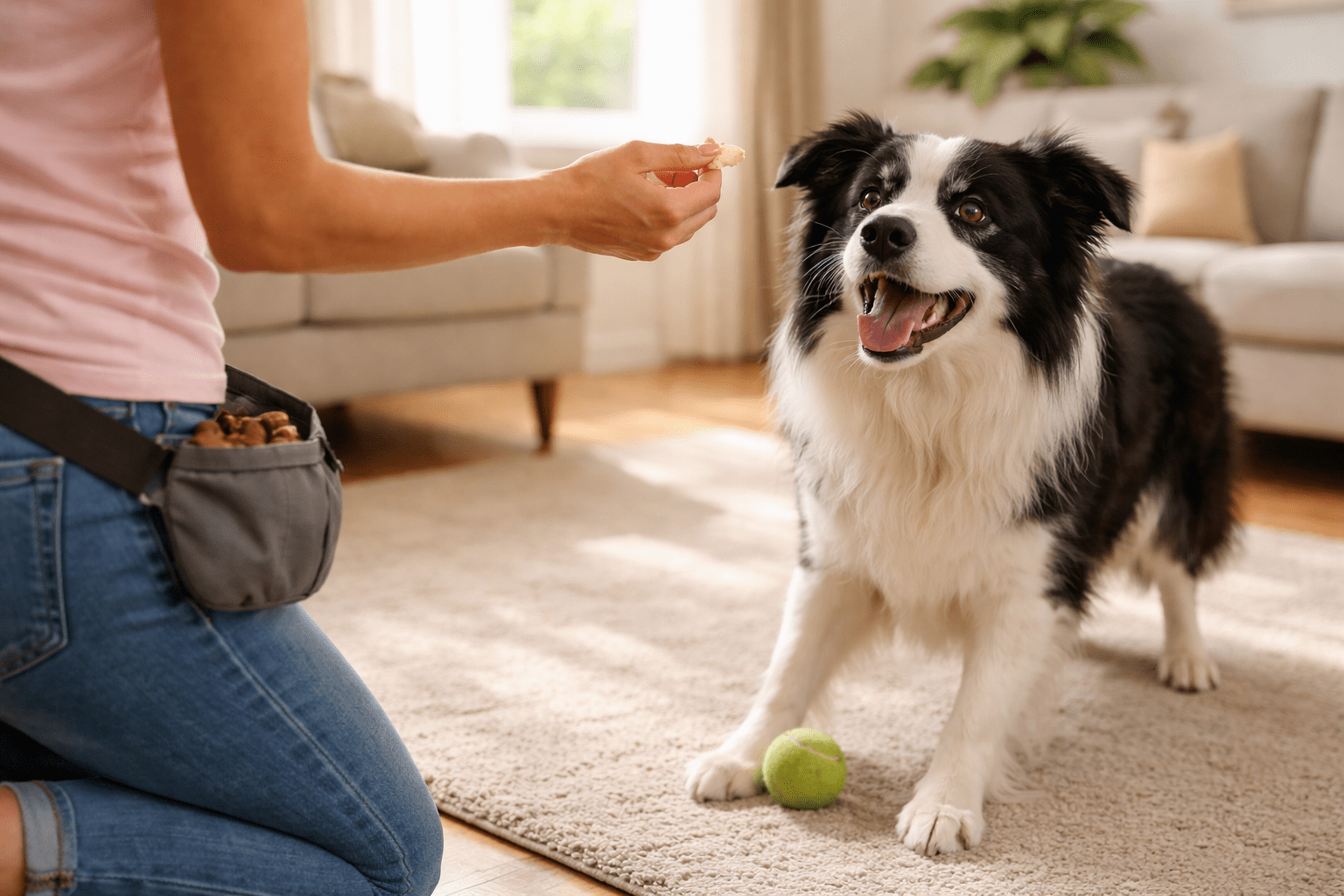
The crucial part is returning the original item along with the treat. This teaches your dog that giving things up doesn’t mean losing them forever. Make the trade clearly worth it by offering something significantly better than what they have.
Desensitization and Counterconditioning
This method changes your dog’s emotional response to people approaching their resources. Start at a distance where your dog notices you but doesn’t guard, perhaps 10 feet from their food bowl. Toss high-value treats toward your dog while they’re eating, then walk away.
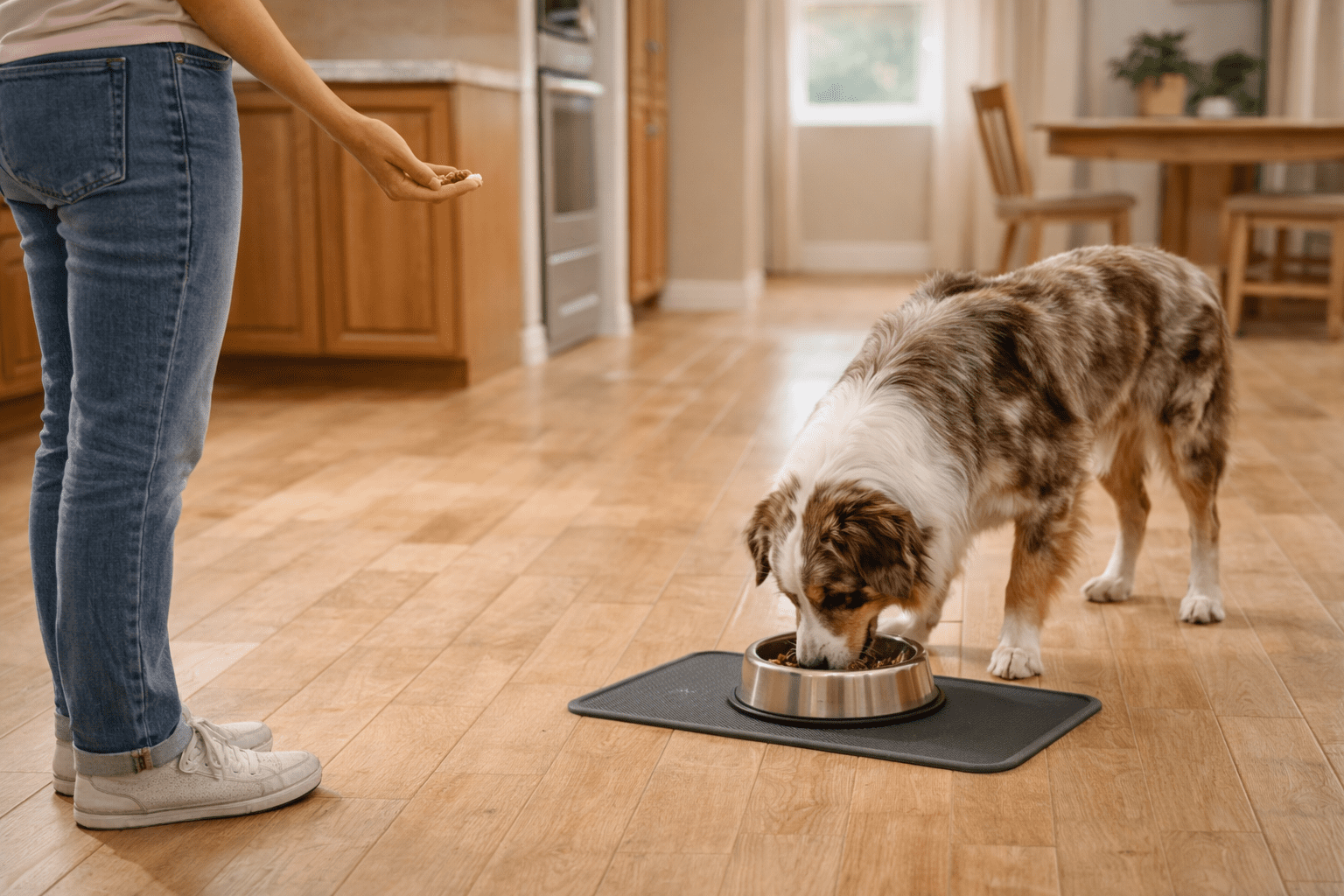
Gradually decrease the distance over multiple sessions. Once you can stand next to your dog while they eat without guarding signals, start adding treats directly to their bowl. This teaches them that hands near their food means more good stuff appears.
“Drop It” and “Leave It” Training
Teach “drop it” through the trading game. Once your dog reliably releases items for treats, add the verbal cue just before they drop the item. “Leave it” teaches your dog to ignore items completely. These cues only work if trained positively, never through force or punishment.
Comprehensive behavior modification works best. Explore our dog obedience training programs for structured solutions.
Training Approaches That Work
Different training philosophies exist for addressing resource guarding, but not all are equally effective or safe. Understanding your options helps you choose the best path forward.
| Method | Approach | Effectiveness | Best For |
| Positive Reinforcement | Reward-based, teaching dogs that giving up resources leads to better outcomes | Highly effective with lasting results | All severity levels, especially mild to moderate cases |
| Desensitization | Gradually exposing dogs to triggers at low intensity while creating positive associations | Very effective for changing emotional responses | Dogs with fear-based guarding or past trauma |
| Balanced Training | Combines rewards with corrections or pressure | Mixed results, risk of increasing anxiety | Not recommended for resource guarding |
| Dominance-Based | Forced submission, alpha rolls, confrontational approaches | Ineffective and dangerous for resource guarding | Never recommended |
The most successful approach for how to stop resource guarding in dogs involves positive reinforcement dog training combined with systematic desensitization. This method addresses the root emotion driving the behavior instead of just suppressing the symptoms.
Why Positive Methods Win
Punishment-based approaches often backfire with resource guarding. When you physically correct a dog for growling or use intimidation to take items, you’re confirming their fear that people approaching means bad things happen. This can eliminate warning signals like growling, but the underlying anxiety and willingness to bite often increase.
Positive methods work because they change how your dog feels at an emotional level. Instead of being scared and defensive, your dog becomes happy and relaxed when people approach their stuff. This creates lasting behavioral change rather than temporary suppression.
Research consistently shows that force-free training produces better outcomes for resource guarding cases with fewer safety risks during the training process. Your dog learns trust and cooperation instead of fear and defensiveness.
Management While Training
While you’re working on fixing resource guarding, smart management prevents rehearsal of the problem behavior. The more your dog practices guarding, the stronger the habit becomes.
Remove or control access to highly guarded items during training. If your dog guards bones, don’t give bones until you’ve made progress with lower-value items. Feed your dog in a separate room away from children or other pets if needed.
Use baby gates or closed doors to create safe spaces. Your dog can enjoy their resources without feeling threatened, and family members can move through the house without triggering guarding.
Prevent situations where someone might get bitten. This isn’t just about safety, it’s about preventing your dog from learning that escalating to a bite successfully drives people away.
Common Mistakes That Make Guarding Worse
Well-meaning owners often accidentally strengthen resource guarding behaviors. Avoiding these mistakes speeds up your progress and keeps everyone safer.
Taking Items Away Forcefully
Reaching into your dog’s mouth, wrestling items away, or physically overpowering your dog teaches them that people approaching means they’ll definitely lose their stuff. Every time you take something by force, you confirm your dog’s fear and make them more defensive next time. Use trading and positive exchanges instead, making giving things up voluntary and rewarding.
Punishing Warning Signals
Growling is communication, not defiance. When your dog growls, they’re asking you to back off. Punishing the growl doesn’t eliminate discomfort, it just removes the warning. Dogs punished for growling often progress straight to biting without warning, making them far more dangerous. Respect warning signals as information about your training pace.
Inconsistent Responses
Unpredictability increases anxiety and defensive behavior. When different family members use different approaches, your dog can’t form clear associations. Create a household plan where everyone uses the same positive methods for faster learning.
When Professional Help Is Necessary
Some resource guarding cases require expert intervention. Knowing when to seek help can prevent injuries and give you access to specialized techniques.
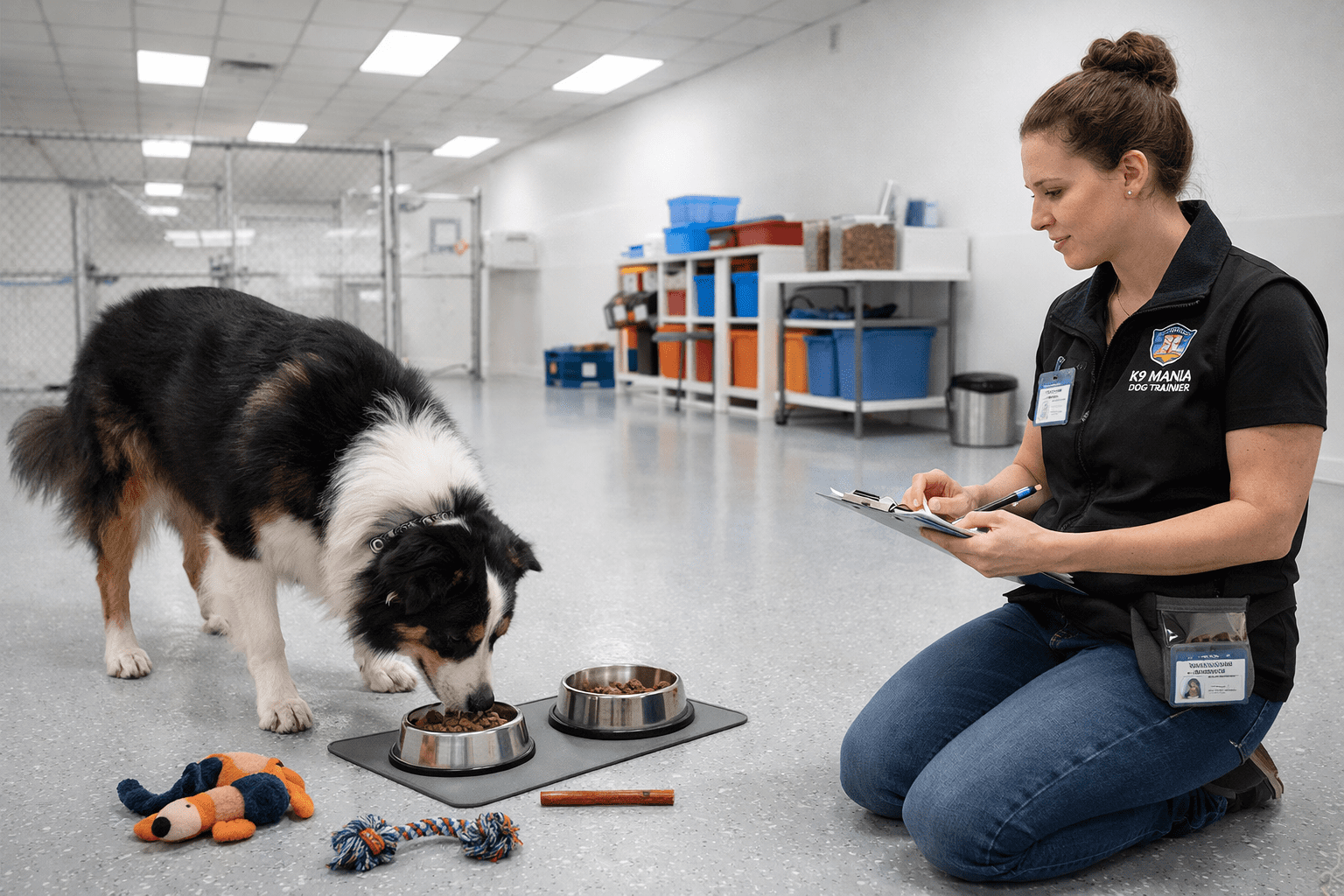
Signs You Need a Trainer
Consider professional help if your dog has bitten or attempted to bite someone over resources. Even if it seems like a one-time incident, bites indicate the behavior has escalated beyond what most owners can safely address alone.
Multiple guarded resources or guarding that’s getting worse despite your efforts also warrant professional support. If your dog guards food, toys, spaces, and people, you’re dealing with a generalized pattern that needs structured intervention.
Severe possessive aggression in dogs that includes intense lunging, multiple bite attempts, or guarding that occurs with little warning requires immediate professional assessment.
Homes with children face higher stakes. Even mild guarding can be dangerous when young kids are involved, as they may not recognize or respect warning signals.
What to Look For in a Trainer
Choose a certified professional with specific experience in aggression cases. Look for credentials like CPDT-KA, IAABC-CDBC, or KPA-CTP, which indicate formal education in behavior modification.
The trainer should use force-free, positive reinforcement methods. Avoid anyone who talks about dominance, being the alpha, or using corrections for resource guarding. These approaches are outdated and dangerous.
A good trainer will assess your dog in your home environment, create a customized training plan, and coach you through implementation. They should make you feel supported and capable, not blamed or intimidated.
Board and train programs can be extremely effective for resource guarding. These intensive programs provide consistent daily training in a controlled environment, often producing faster results than weekly sessions. Your dog learns new patterns without the stress of their home environment, then transitions back with owner education included.
Your Path to a Guarding-Free Home
Understanding how to stop resource guarding in dogs , fixing resource guarding isn’t about winning battles with your dog or establishing dominance. It’s about changing emotions, building trust, and teaching your dog that generosity gets rewarded. The process takes time, but consistency pays off with a calmer, safer household.
Remember that setbacks are normal during training. Progress isn’t always linear, and you might see improvements followed by occasional guarding episodes. This doesn’t mean you’re failing, it means you need to slow down or adjust your approach.
Celebrate small victories along the way. The first time your dog looks at you happily instead of tensing when you approach their food bowl is a huge win. Each successful trade, each relaxed moment, builds toward the bigger goal.
With patience, proper technique, and sometimes professional support, most dogs can overcome resource guarding. You’re teaching your dog that the world is abundant, people are trustworthy, and sharing brings better things than hoarding.
At K9 Mania Dog Training, we’re the leading board and train Long Island provider specializing in aggressive and reactive behaviors, including resource guarding. Our proven programs have helped hundreds of dogs build confidence and trust, creating safer homes for families across Long Island. Whatever challenges you’re facing, we can help. Contact us today to discuss how our training can transform your dog’s behavior.
You May Also Want to Read
- Barrier Aggression in Dogs
- How to Crate Train a Rescue Dog
- Rescue Dog Adjusting to New Home
- Do Dogs Hold Grudges
Frequently Asked Questions
Can dogs be trained out of resource guarding?
Yes, most dogs can be successfully trained out of resource guarding through consistent positive reinforcement and desensitization. Mild to moderate cases improve within weeks to months, while severe cases require professional intervention.
What to do to stop resource guarding?
Implement trading exercises where you exchange items for high-value treats, always returning the original item. Practice desensitization by approaching resources at a safe distance and gradually decreasing it while tossing treats.
What triggers resource guarding?
Common triggers include high-value items like bones and special treats, specific people approaching, confined spaces, stress, illness, unpredictable resource access, past scarcity experiences, competition with other pets, and forced item removal.
Can resource guarding be cured?
Resource guarding can be effectively managed and often eliminated through proper training, though some dogs require ongoing maintenance. Most dogs show dramatic improvement with consistent training, progressing from aggressive guarding to relaxed behavior.
What breeds are prone to resource guarding?
Livestock guardian breeds, terriers, herding breeds like Australian Shepherds and Border Collies, and even retrievers show higher predispositions. However, individual personality, early experiences, and training history matter more than breed alone.
What age does resource guarding start?
Resource guarding can appear as early as eight weeks old, though it often becomes noticeable between four and six months. Early-onset guarding in puppies is easier to modify than established adult behavior.
What not to do for resource guarding?
Never punish growling, forcefully take items, chase your dog, or use dominance-based methods. Don’t ignore early warning signs or allow children to approach a guarding dog without adult supervision and professional guidance.
Get Professional Help for Resource Guarding Today
Visit our Long Island facility or contact us to learn more about our dog board and train programs.
K9 Mania Dog Training
📞 (516) 217-1604
📍 820 Grand Blvd, Deer Park, NY, Long Island
🕒 Mon – Sun: 9:00 AM – 7:00 PM