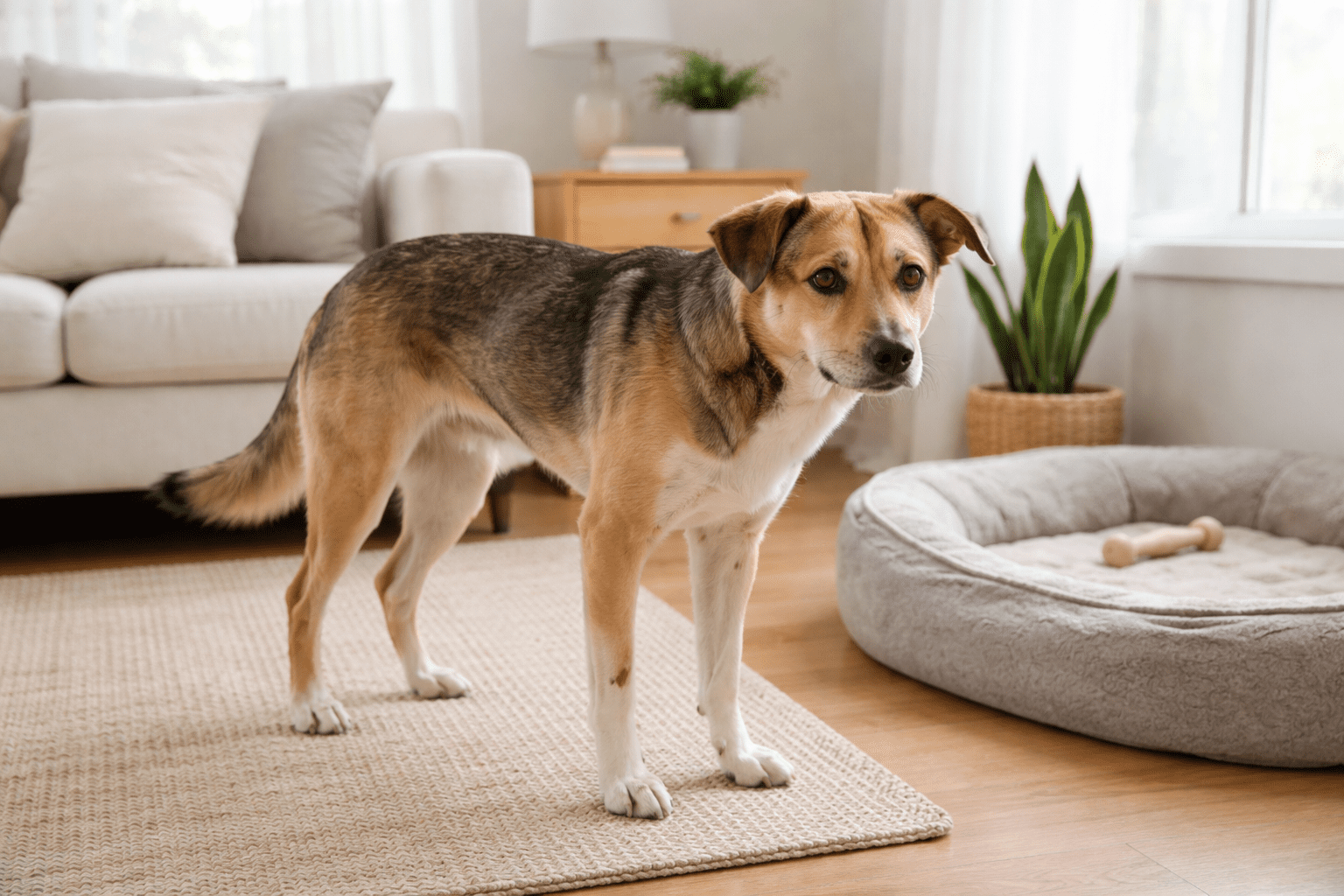
A rescue dog adjusting to a new home typically takes three days to three weeks for initial comfort, though full adjustment can take several months. The first 72 hours are critical for establishing trust, setting routines, and creating a safe environment that helps your new companion feel secure.
Bringing home a rescue dog is exciting, but it also comes with unique challenges. Your new furry friend has likely experienced trauma, multiple living situations, or shelter stress. Understanding what to expect and how to support them makes all the difference in how quickly they settle in and bond with your family.
In this guide, we’ll walk you through the adjustment timeline, common challenges, and practical strategies to help your rescue dog feel at home. You’ll learn how to recognize stress signals, build trust, and set your new companion up for a happy, confident life with you.
Understanding the Rescue Dog Adjustment Timeline
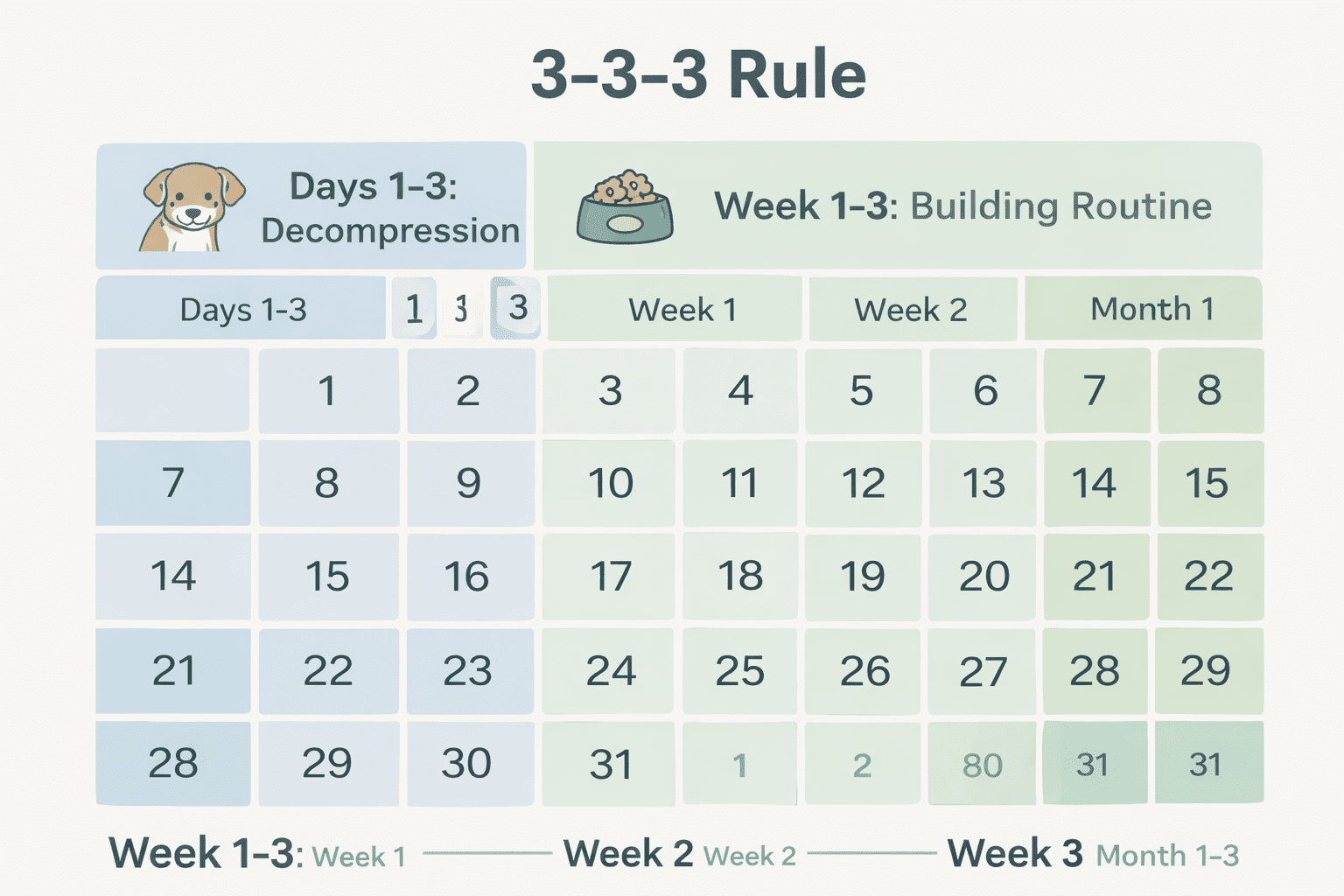
Every rescue dog adjusts at their own pace, but most follow a general pattern known as the “3-3-3 Rule.” This framework helps you understand what to expect during the first days, weeks, and months with your new companion.
The First 3 Days: Decompression Period
The first three days are all about decompression. Your rescue dog is overwhelmed by new sights, sounds, smells, and people. They’re processing a major life change and trying to figure out if this place is safe.
During this period, your dog might seem shut down, anxious, or overly cautious. They may not eat much, hide in corners, or refuse to make eye contact. Some dogs won’t show their true personality at all yet.
This is completely normal. Your dog is in survival mode, assessing their new environment and determining whether they can trust you. Don’t take withdrawn behavior personally or try to force interaction.
Give them space to explore at their own pace. Set up a quiet area with a bed, water, and food where they can retreat when overwhelmed. Keep interactions calm and gentle, letting your dog come to you rather than approaching them directly.
The First 3 Weeks: Building Routine and Trust
After the initial shock wears off, your dog enters a critical adjustment phase. They start testing boundaries, learning house rules, and figuring out how this new home works.
You might see behavioral issues emerge during this time that weren’t visible in the first few days. Some dogs become more confident and start acting out, while others remain cautious but slowly warm up.
Establishing consistent routines is essential during this period. Feed your dog at the same times each day, take them out for potty breaks on a regular schedule, and stick to predictable wake and sleep times.
Routines create a sense of security and help your dog understand what to expect. They learn that food always comes at 7am and 5pm, walks happen after breakfast, and bedtime is at 10pm. This predictability reduces anxiety significantly.
Start basic training during these weeks, but keep sessions short and positive. Focus on simple commands like sit, stay, and come. Training builds communication between you and helps your dog understand their role in your household.
The First 3 Months: True Personality Emerges
Around the three-month mark, your rescue dog finally starts showing their authentic personality. The stress of transition has eased, and they feel comfortable enough to be themselves.
This is when you’ll see the dog you’re going to live with long-term. Quirks, preferences, play styles, and individual personality traits become clear. Some dogs become goofier and more playful, while others show a calmer, more relaxed side.
You might also see new behavioral challenges pop up. A dog who seemed perfectly housetrained might have accidents. A quiet dog might start barking more. These aren’t setbacks but signs your dog feels secure enough to express themselves.
Continue reinforcing positive behaviors and address any issues with consistent, patient training. If you’re struggling with specific problems, consider professional help through dog obedience training to build a strong foundation.
Common Challenges for a Rescue Dog Adjusting to a New Home
Bringing home a rescue comes with unique hurdles that differ from raising a puppy. Understanding these common challenges helps you prepare and respond appropriately when issues arise.
Separation Anxiety and Fear-Based Behaviors
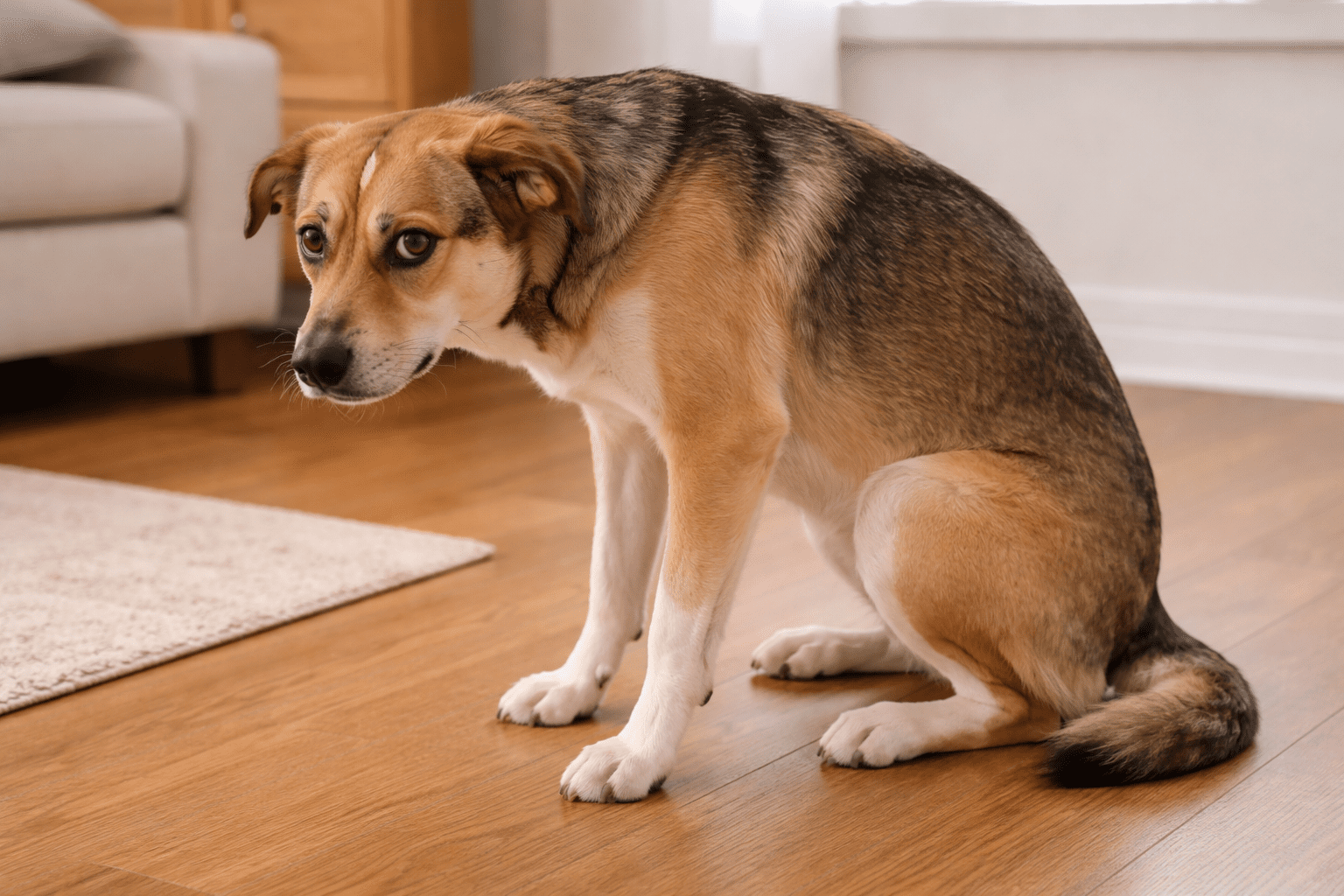
Many rescue dogs struggle with being left alone, especially if they’ve experienced abandonment or multiple rehomings. Separation anxiety shows up as excessive barking, destructive chewing, pacing, or house soiling when you leave.
Your dog isn’t being spiteful. They’re genuinely terrified you won’t come back. This fear triggers panic, and the destructive behaviors are attempts to cope with overwhelming stress.
Start by leaving for very short periods—just a few minutes at first. Gradually increase the time as your dog learns you always return. Create positive associations with your departure by giving special treats or toys that only appear when you leave.
Consider crate training separation anxiety techniques to provide a safe den-like space where your dog feels secure. A crate shouldn’t be used as punishment but as a cozy retreat that reduces stress when you’re gone.
Fear-based behaviors like cowering, excessive submission, or fear of specific objects often stem from past trauma. A dog who flinches at raised hands or panics around men likely had negative experiences before coming to you.
Never punish fear-based reactions. Punishment only confirms their belief that the world is scary and unpredictable. Instead, use counter-conditioning to change their emotional response. Pair the scary thing with something wonderful, like high-value treats or favorite toys.
House Training and Marking Issues
Even previously housetrained adult rescues may have accidents due to transition stress or unfamiliar surroundings. Territorial marking differs from regular accidents—it involves small amounts of urine on vertical surfaces, often from anxiety.
Go back to housetraining basics regardless of your dog’s history. Take them out every two hours and immediately after meals, naps, and play. Reward outdoor success enthusiastically. Clean indoor accidents thoroughly with enzyme cleaners to eliminate odors completely.
For persistent marking, consult a professional. It may be hormonal (reduced through spaying/neutering) or anxiety-driven, requiring behavior modification.
Resource Guarding and Food Aggression
Dogs who experienced shelter scarcity often guard food, toys, or favorite spots by growling or stiffening. This stems from fear of losing resources, not dominance.
Never punish warning signs, your dog might skip warnings and bite instead. Build positive associations by dropping treats into their food bowl as you walk by. Your approach becomes associated with good things, not theft.
For serious guarding, work with a positive reinforcement trainer. Forceful methods escalate problems and damage trust.
How to Help Your Rescue Dog Settle In Successfully
Supporting your new dog through the adjustment period requires patience, consistency, and understanding. These practical strategies create an environment where your rescue can thrive.

Creating a Safe and Comfortable Space
Your rescue needs a designated area that’s entirely their own. This could be a crate, a specific room, or a quiet corner with a bed. This space serves as their sanctuary when everything feels overwhelming.
Make this area inviting with soft bedding, a few toys, and access to water. Keep it in a low-traffic part of your home where your dog can retreat without being disturbed by household chaos.
Understanding the benefits of crate training can help you provide this safe space effectively. A properly introduced crate becomes a den where your dog feels protected and can decompress.
Minimize overwhelming stimuli during the first few weeks. Keep noise levels down, limit the number of visitors, and avoid sudden changes to their environment. Gradual exposure helps prevent sensory overload.
Establishing Routines and Boundaries
Dogs thrive on predictability. Create and stick to consistent daily schedules for feeding, walks, playtime, and bedtime. Your dog quickly learns what happens when and can relax knowing their needs will be met.
Set clear boundaries from day one. Decide which furniture is off-limits, where your dog is allowed in the house, and what behaviors are acceptable. Everyone in your household needs to enforce the same rules consistently.
Inconsistency confuses dogs and makes adjustment harder. If you allow jumping on Monday but scold for it on Tuesday, your dog can’t learn what you actually want.
Use positive reinforcement to teach desired behaviors. Reward what you like with treats, praise, or play. Redirect unwanted behaviors toward acceptable alternatives rather than simply saying “no.”
Building Trust Through Positive Interactions
Trust develops through countless small positive interactions, not grand gestures. Sit quietly near your dog without demanding interaction. Let them approach you on their own terms.
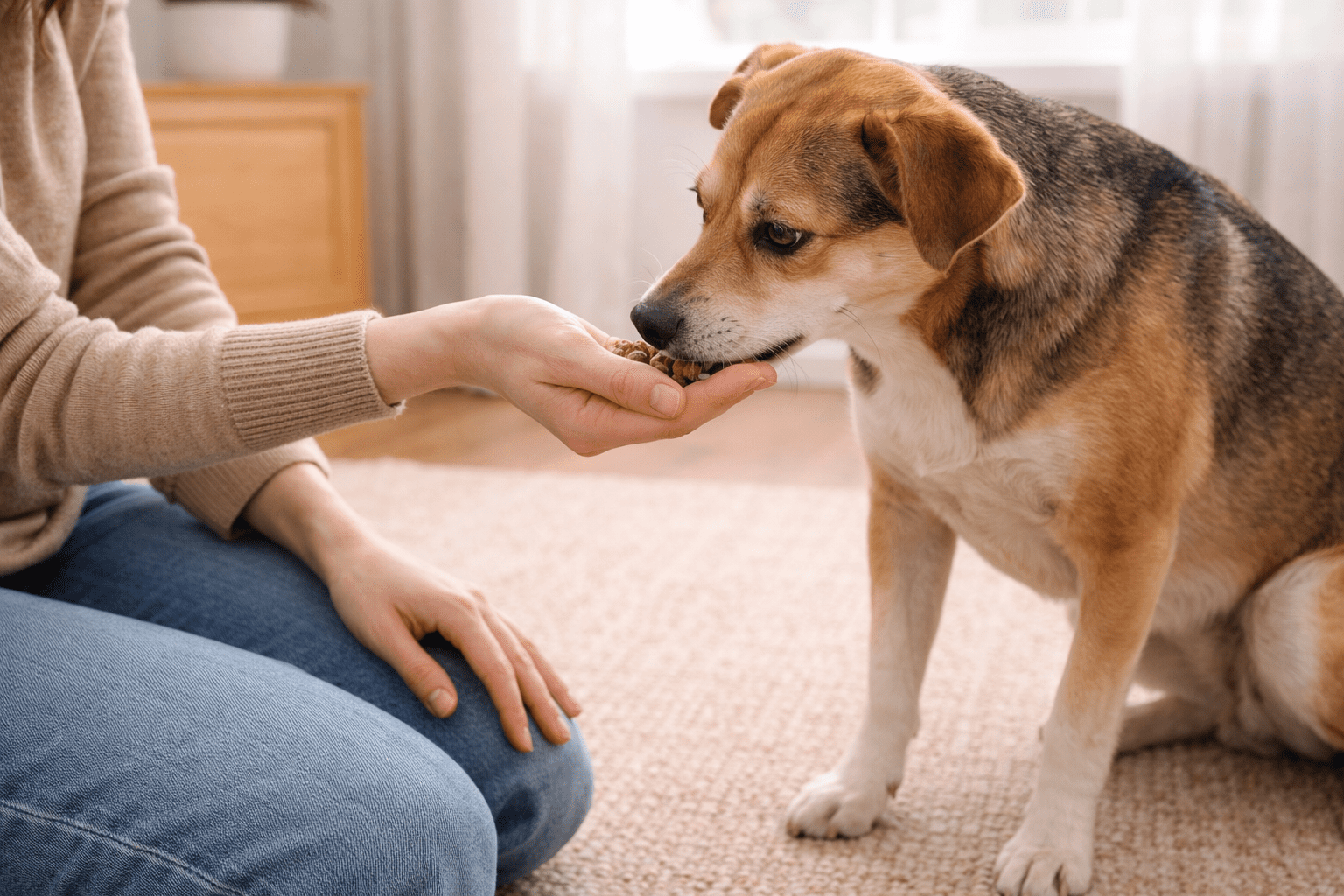
Hand-feed meals occasionally to build positive associations with your presence. Play gentle games that don’t involve intimidation or force. Respect your dog’s body language when they signal they need space.
Avoid overwhelming your dog with affection before they’re ready. Some rescues love immediate cuddles, while others need weeks or months before they’re comfortable with close physical contact.
Learn to read stress signals like whale eye (showing whites of eyes), lip licking, yawning, or turning away. When you see these signs, give your dog more space or end the current interaction.
Recognizing Signs Your Rescue Dog Is Settling In
Knowing what positive progress looks like helps you celebrate small victories and track your dog’s adjustment. These signs indicate your rescue is starting to feel at home.
| Early Signs (Days-Weeks) | Later Signs (Weeks-Months) |
| Eating meals regularly | Playing with toys independently |
| Exploring the house voluntarily | Seeking attention or affection |
| Making eye contact | Relaxed body language around family |
| Responding to their name | Showing excitement for walks or activities |
| Sleeping more peacefully | Comfortable being alone briefly |
| Accepting treats from your hand | Displaying playful or silly behaviors |
A happy, adjusting rescue dog shows increasing confidence and curiosity. They explore their environment, investigate new things, and seem genuinely interested in what’s happening around them.
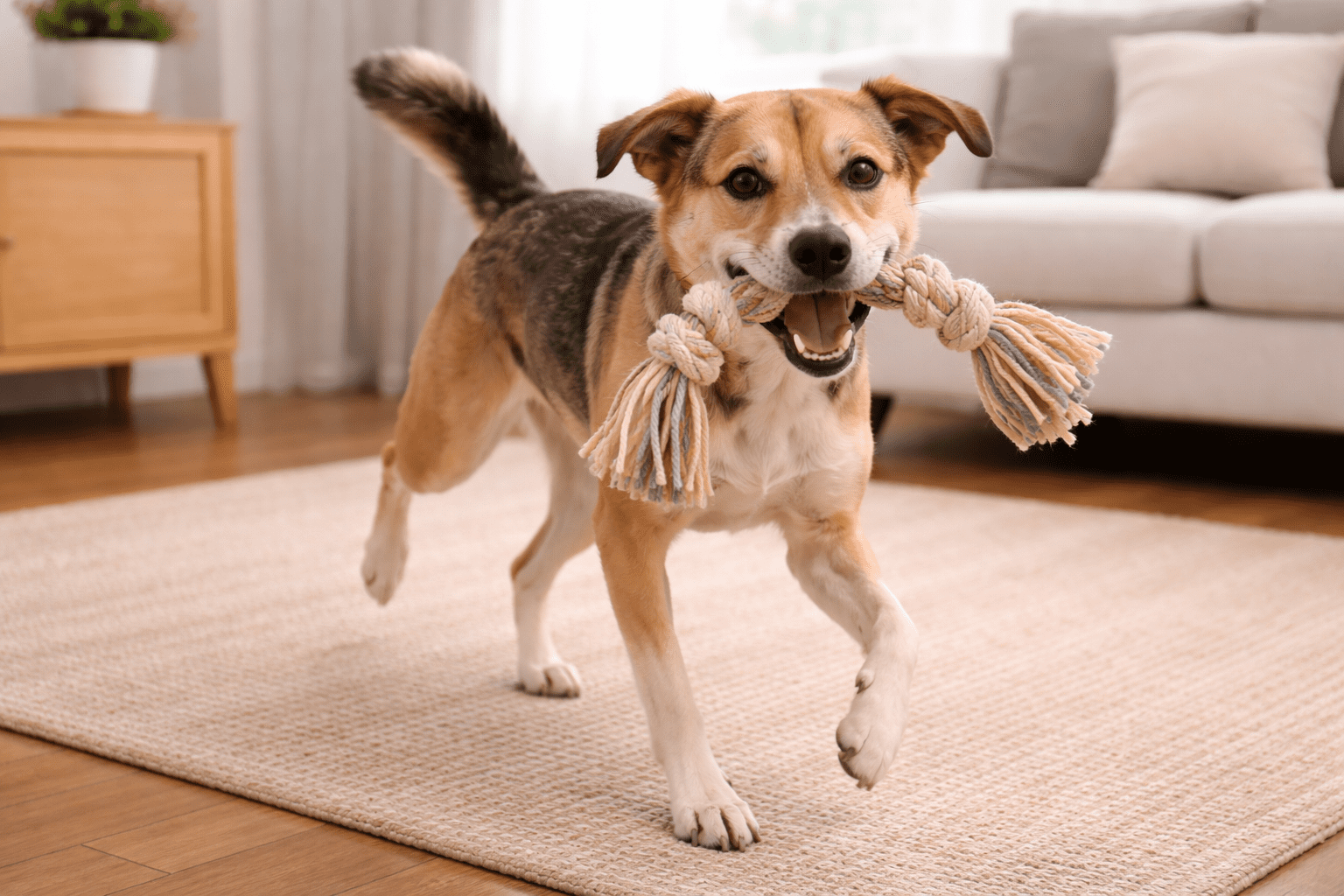
You’ll notice longer periods of relaxation where your dog isn’t constantly alert. They might nap in open areas rather than hiding, or they’ll sprawl out instead of staying curled in a tight ball.
Social engagement increases as your dog settles. They start initiating play, bringing you toys, or following you from room to room not out of anxiety but from genuine desire to be near you.
Physical indicators include a healthy appetite, normal energy levels for their age and breed, and regular elimination patterns. Your dog’s coat may improve as stress decreases and nutrition takes effect.
When to Seek Professional Help
Some adjustment challenges require expertise beyond what you can provide at home. Recognizing when to call in professionals prevents small issues from becoming serious problems.
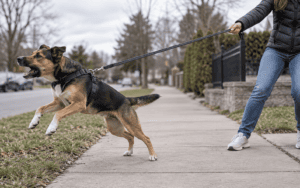
Consider professional help if your dog shows aggression toward people or other pets that doesn’t improve with time. Biting, lunging, or intense reactivity can escalate quickly and requires immediate intervention.
Severe separation anxiety that doesn’t respond to gradual desensitization may need medication combined with behavior modification. A veterinary behaviorist can assess whether anxiety medication would help your dog feel more secure.
If your rescue shows extreme fear that prevents normal life—refusing to walk, hiding constantly, or having panic attacks during routine activities—professional guidance creates a structured treatment plan.
Programs like board and train Long Island offer intensive training that addresses multiple behavioral issues simultaneously. Professional trainers work with your dog in a controlled environment while teaching you how to maintain progress at home.
Understanding board and train preparation helps you determine if this option suits your rescue’s needs and your situation.
Special Considerations for Different Rescue Backgrounds
Your dog’s history influences how they adjust to your home. Understanding their background helps you anticipate challenges and provide appropriate support.
Shelter Dogs vs. Foster Dogs vs. Street Rescues
Shelter dogs often experienced confinement, noise, and competition for attention. They may be overstimulated initially or struggle with house manners they couldn’t practice in a kennel setting.
Foster dogs typically have an easier transition because they’ve already lived in a home environment. They’ve learned basic house rules and what living with a family feels like, though they may still grieve the loss of their foster home.
Street rescues or strays might never have lived indoors. Housetraining starts from scratch, and everyday household items like TVs, vacuum cleaners, or ceiling fans might be frightening. These dogs need extra patience as they learn what home life involves.
Age-Related Adjustment Factors
Puppies adapt quickly but require extensive training and socialization. They’re forming their understanding of the world, so positive early experiences are crucial.
Adult dogs bring established personalities and habits—both good and bad. They may adjust slower than puppies but often come with some training already in place.
Senior rescues need special consideration for health issues, reduced energy, and potential cognitive decline. They may have less tolerance for chaos and need quieter, calmer environments to feel secure.
If you’re interested in welcoming a dog that’s already trained and ready to integrate into your life, you might consider options to adopt a trained rescue dog that has completed professional behavior programs.
Your Rescue’s Journey to Feeling at Home
Helping a rescue dog adjusting to a new home is one of the most rewarding experiences you can have. Yes, it takes patience, consistency, and understanding, but watching your dog transform from scared and uncertain to confident and happy makes every challenge worthwhile.
Remember that adjustment isn’t linear. Your dog will have good days and setbacks, and that’s completely normal. What matters is providing a stable, loving environment where they can heal from past experiences and learn to trust again.
The bond you build with a rescue dog is incredibly special. They know you chose them, gave them a second chance, and created a safe space where they can finally relax. That creates loyalty and love that’s hard to match.
Trust K9 Mania Dog Training to support your rescue dog’s journey. As the leading board and train Long Island provider, we specialize in helping rescue dogs overcome behavioral challenges and build confidence. Whether you’re facing anxiety, aggression, or housetraining issues, our expert trainers create customized programs that help your dog thrive. Let us help you build the relationship you’ve always wanted with your rescue companion.
You May Also Want to Read
- Possessive Aggression in Dogs: What It Is and How to Fix It
- Fear Aggression in Dogs: What It Is and How to Help Your Anxious Dog
- Barrier Aggression in Dogs: Causes, Triggers, and How to Fix It
- How to Crate Train a Rescue Dog
Frequently Asked Questions
How to help a rescue dog adjust to a new home?
Help your rescue adjust by creating predictable routines for feeding, walks, and bedtime. Provide a quiet safe space where they can retreat when overwhelmed. Use positive reinforcement to build trust, and avoid forcing interaction before your dog is ready. Patience and consistency are key during the first few weeks as your dog learns to feel secure in their new environment.
How long will it take my dog to adjust to our new home?
Most rescue dogs follow the 3-3-3 rule: three days to decompress, three weeks to learn routines, and three months to fully settle in. However, every dog is different. Some adjust in weeks, while others need six months or longer depending on their history, age, and temperament. Senior dogs and those with trauma backgrounds often need more time to feel completely comfortable.
What are common challenges for a rescue dog adjusting to a new home?
Common challenges include separation anxiety when left alone, house training accidents despite previous training, fear-based behaviors from past trauma, and resource guarding around food or toys. Many rescues also struggle with trust issues, excessive submission, or difficulty bonding initially. These challenges typically improve with patience, consistent routines, and positive reinforcement training methods.
How to know if a rescue dog is happy?
A happy rescue dog shows relaxed body language with loose posture, soft eyes, and a wagging tail. They eat meals regularly, play with toys, and seek interaction with family members. You’ll notice increased confidence as they explore their environment, sleep peacefully in open areas, and show excitement for activities like walks or playtime. Their overall demeanor becomes more relaxed and content.
What are the signs of stress in rescue dogs?
Stressed rescue dogs display whale eye (showing whites of eyes), excessive panting when not hot, lip licking, yawning when not tired, or tucked tails. They may pace, hide constantly, refuse food, or show destructive behaviors. Some stressed dogs become hypervigilant, unable to relax, or develop compulsive behaviors like excessive licking. Recognizing these signs helps you adjust your approach and reduce their anxiety.
Should I sleep with my rescue dog the first night?
Sleeping arrangements depend on your dog’s comfort level and your long-term plans. Some rescues feel safer sleeping near you initially, which can reduce first-night anxiety and build trust. Others prefer having their own space in a crate or bed. If you don’t want your dog on your bed permanently, start as you mean to continue and provide a comfortable sleeping area near your bedroom instead.