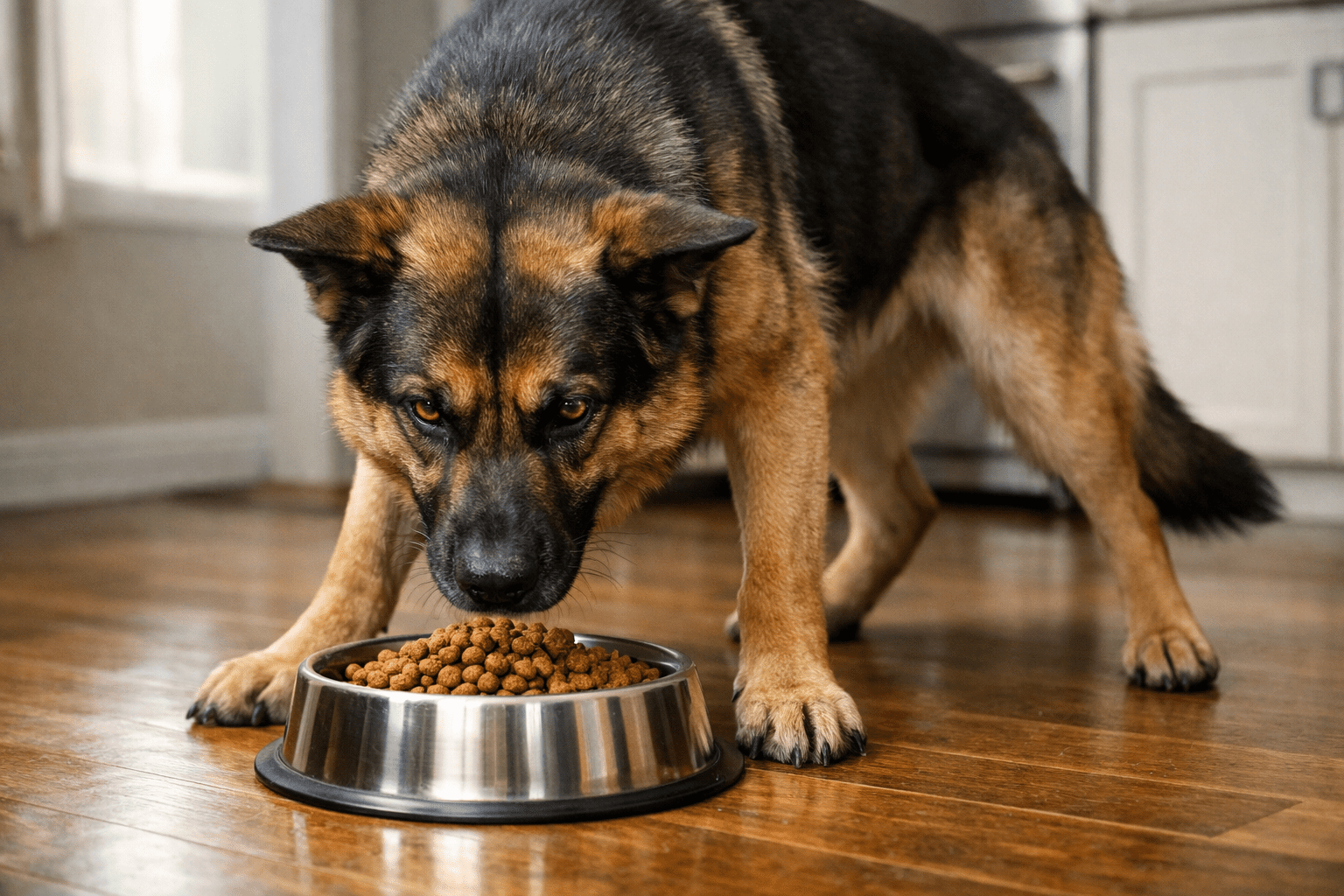
Possessive aggression in dogs occurs when your dog becomes defensive over items, spaces, or people they consider “theirs.” This behavior shows up as growling, snapping, or biting when someone approaches their valued resources.
Understanding why your dog acts possessively is the first step to fixing the problem. Whether it’s food, toys, sleeping spots, or even you, possessive behavior doesn’t mean your dog is bad—it means they need proper training and boundaries.
In this guide, you’ll learn what triggers possessive aggression in dogs, how to spot the warning signs, and the most effective training methods to help your dog feel secure without the need to guard.
What Is Possessive Aggression in Dogs
Possessive aggression, also called resource guarding, happens when dogs protect things they value. This can include food bowls, bones, toys, furniture, or even family members. The behavior stems from a natural instinct to protect valuable resources from being taken away.
Dogs don’t guard to be mean or dominant. They guard because they fear losing something important. Some dogs develop this behavior as puppies, while others pick it up later in life after negative experiences.
Common Triggers and Resources Dogs Guard
Dogs can become possessive over almost anything they find valuable. The most common triggers include:
Food-related items: Kibble bowls, bones, treats, or food found on the ground often spark guarding behavior. Some dogs only guard high-value items like raw bones or stolen human food.
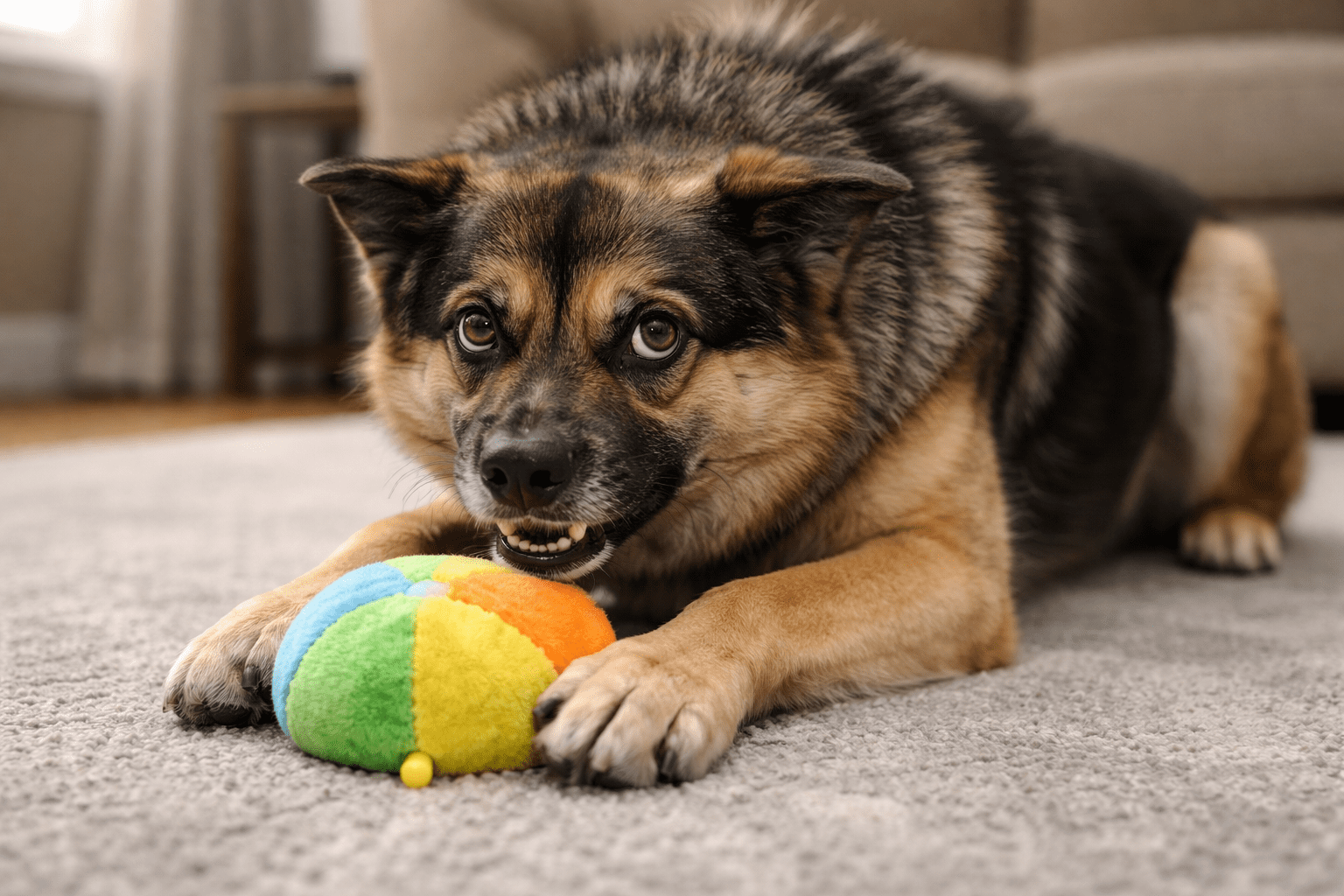
Toys and objects: Favorite balls, stuffed animals, sticks, or random household items like socks can become prized possessions. Dogs might guard certain toys more than others.
Spaces and furniture: Beds, crates, couches, or favorite sleeping spots become territories some dogs defend. They may growl when you approach their claimed area.
People: Dogs sometimes guard their favorite person from other pets or family members. This shows up as blocking, growling, or snapping when others get close.
Location-based resources: Some dogs guard specific rooms, cars, or yards. They act fine everywhere else but become possessive in certain spaces.
Understanding these dog behavior patterns helps you identify what your dog values most and where training should focus.
How It Differs From Other Types of Aggression
Possessive aggression stands apart from other aggressive behaviors in key ways. Unlike fear aggression, which happens when a dog feels cornered or threatened, possessive aggression is about protecting a specific resource.
Dogs showing territorial aggression in dogs guard spaces or property boundaries. Possessive dogs guard movable items or people instead of fixed locations.
Food aggression is actually a type of possessive behavior focused only on meals and treats. You can learn more about this specific issue in our guide on how to stop food aggression in dogs.
The main difference is the trigger. Possessive aggression only appears when the dog has something to protect. Remove the resource, and the aggression disappears until the valued item returns.
Signs Your Dog Has Possessive Aggression
Recognizing the warning signs early helps you address the problem before it escalates. Dogs show possessive behavior through body language and actions that range from subtle to obvious.
Body Language and Warning Signals
Your dog’s body tells you when they’re entering guard mode. Watch for these signals:
Stiff posture: The dog’s body becomes rigid when you approach their resource. Their muscles tense, and they stop moving naturally.
Fixed stare: They lock eyes on you or whoever is approaching. This intense stare often comes with a lowered head position.
Lowered head over the item: The dog hovers over their food bowl, toy, or bone, trying to cover it with their body.
Whale eye: You see the whites of their eyes as they track your movement while keeping their head down over the resource.
Raised hackles: The fur along their back stands up, showing they’re on high alert and ready to defend.
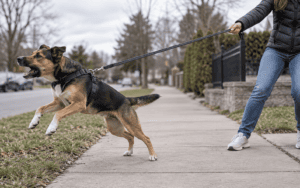
Curled lip or showing teeth: This clear warning means “back off.” Some dogs skip earlier signals and go straight to this.
Progressive Levels of Guarding Behavior
Possessive behavior exists on a spectrum. Most dogs don’t jump straight to biting—they escalate through stages if their earlier warnings are ignored.
| Level | Behavior | What It Looks Like |
| Mild | Freezing, tense body | Dog stops chewing or playing, becomes very still |
| Moderate | Growling, lip curl | Vocal warning with visible teeth, ears back |
| Severe | Snapping, lunging | Quick bite motion without contact, charging forward |
| Extreme | Biting, sustained attack | Contact bites, holding on, multiple bites |
Early warning signs include eating faster when you walk by, moving the item away from you, or positioning their body between you and the resource.
Mid-level guarding shows up as low growls, freeze-and-stare responses, or following you with their eyes while hovering over the item.
Advanced guarding involves snapping at hands, lunging toward people who get too close, or actual bite attempts.
Understanding these stages helps you know where your dog falls on the spectrum. Even mild guarding deserves attention before it progresses to more dangerous levels.
Why Dogs Develop Possessive Aggression
Dogs don’t develop possessive behavior for no reason. Several factors contribute to why some dogs guard resources while others share freely.
Breed Tendencies and Genetic Factors
Certain breeds show higher rates of resource guarding due to their original purpose. Working breeds bred to protect livestock or property may naturally guard more intensely.
Some top aggressive dog breeds have stronger guarding instincts built into their genetics. This doesn’t mean every dog of that breed will guard, but they may need extra training around sharing.
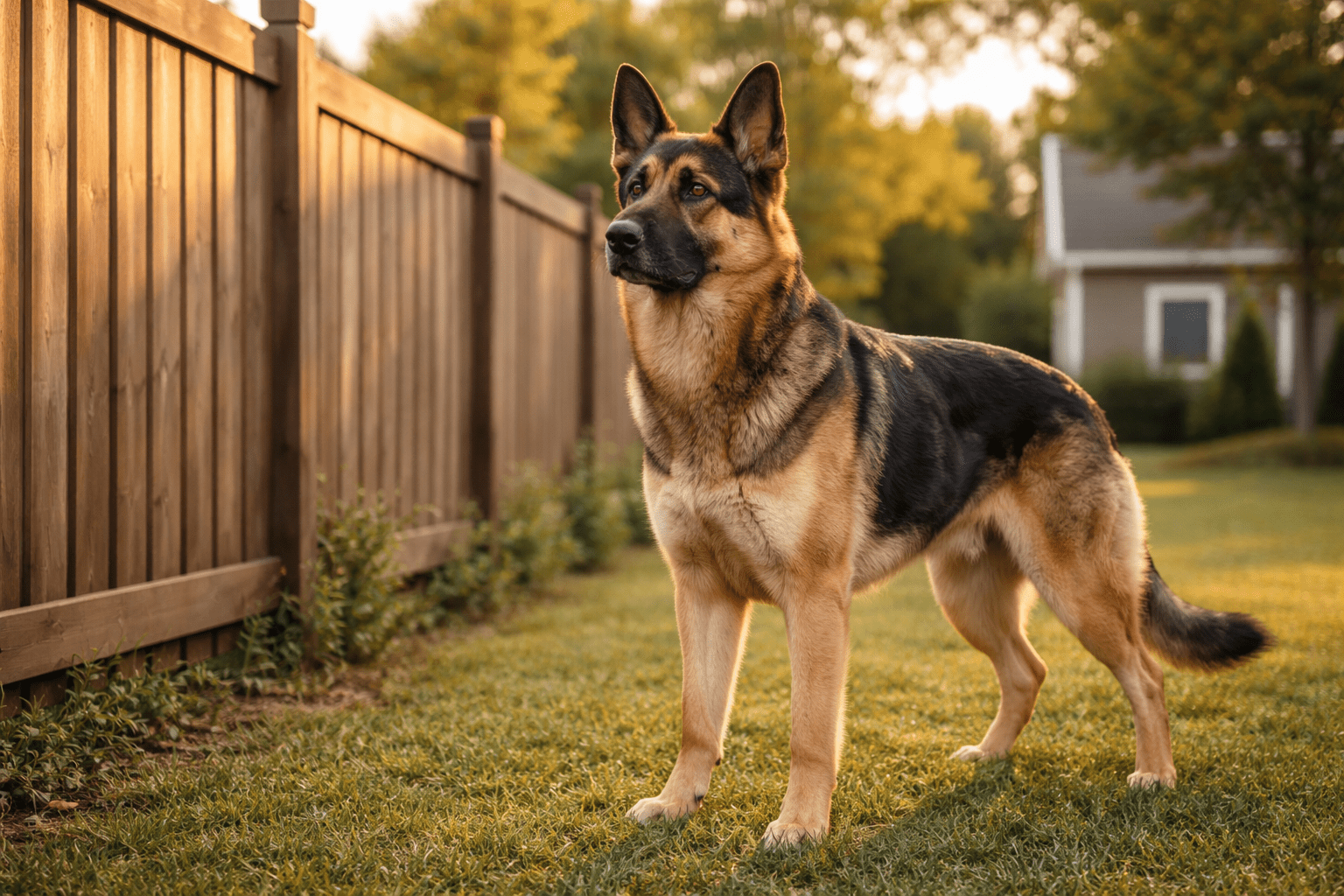
Terriers, herding breeds, and guardian breeds often show more possessive tendencies. Their genes tell them to protect and control resources as part of their job.
However, any breed can develop possessive aggression. Mixed breeds and typically gentle breeds can guard just as fiercely if the right triggers are present.
Past Experiences and Environmental Influences
A dog’s history plays a huge role in possessive behavior. Rescue dogs from shelters or hoarding situations often guard because they once competed for limited food and resources.
Puppies from large litters may learn to eat quickly and protect their portion. This survival behavior can stick with them even after they have reliable access to food.
Dogs who had food or toys taken away as punishment may develop defensive guarding. If reaching for their bowl always meant losing dinner, they learned to defend it.
Inconsistent feeding schedules or unpredictable resource availability can create anxiety around possessions. The dog never knows when they’ll get their next meal or toy, so they protect what they have.
Single traumatic events can trigger guarding too. One bad experience of losing a valued item can make a dog defensive about similar items forever.
Lack of Early Socialization and Training
Puppies who miss critical socialization windows often struggle with resource sharing. Between 3-14 weeks old, puppies should learn that humans approaching their food or toys is safe and sometimes even rewarding.
Dogs who never practiced “give” and “drop it” commands as puppies don’t know appropriate ways to release items. They only know how to defend.
Households that never handle their puppy during meals or playtime raise dogs who view any approach to their resources as threatening. Regular, positive interactions around food and toys prevent this.
Rewarding possessive behavior, even accidentally, strengthens it. If your dog growls and you immediately back away, you’ve taught them that aggression works to keep people away.
How to Fix Possessive Aggression in Dogs
Correcting possessive behavior takes patience, consistency, and the right training approach. The goal isn’t to forcefully take things from your dog but to teach them that sharing and releasing items leads to good outcomes.
Management and Prevention Strategies
Before you start active training, manage the environment to prevent rehearsal of guarding behavior. The more your dog practices guarding, the stronger the habit becomes.
Remove high-value triggers temporarily: Put away the toys, bones, or items your dog guards most intensely until you’ve built basic trust and training skills.
Create distance during meals: Feed your dog in a quiet, low-traffic area where they feel secure. This reduces anxiety around food and prevents family members from accidentally triggering defensive responses.
Use baby gates or crates: Physical barriers let you control access to resources and prevent situations where guarding might happen. Your dog can enjoy their bone in their crate without worrying about interruptions.
Avoid competition: If you have multiple dogs, feed them separately and monitor toy play. Competition for resources can trigger or worsen possessive behavior in dogs.
Never punish growling: A growl is a warning that prevents bites. If you punish growling, your dog may skip the warning next time and go straight to snapping.
Training Techniques That Work
Professional trainers use specific methods to change how dogs feel about people approaching their resources. These techniques build trust instead of forcing submission.
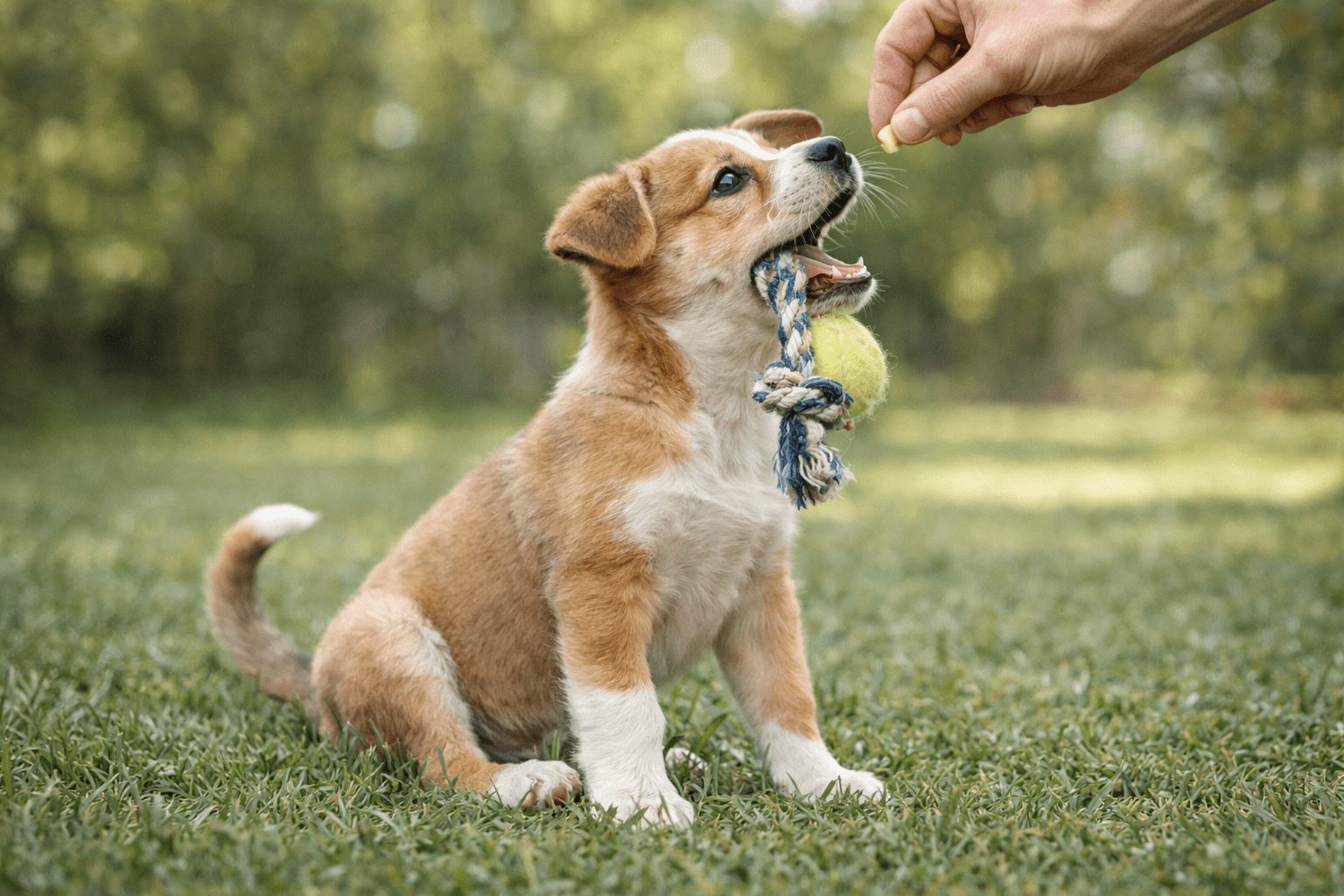
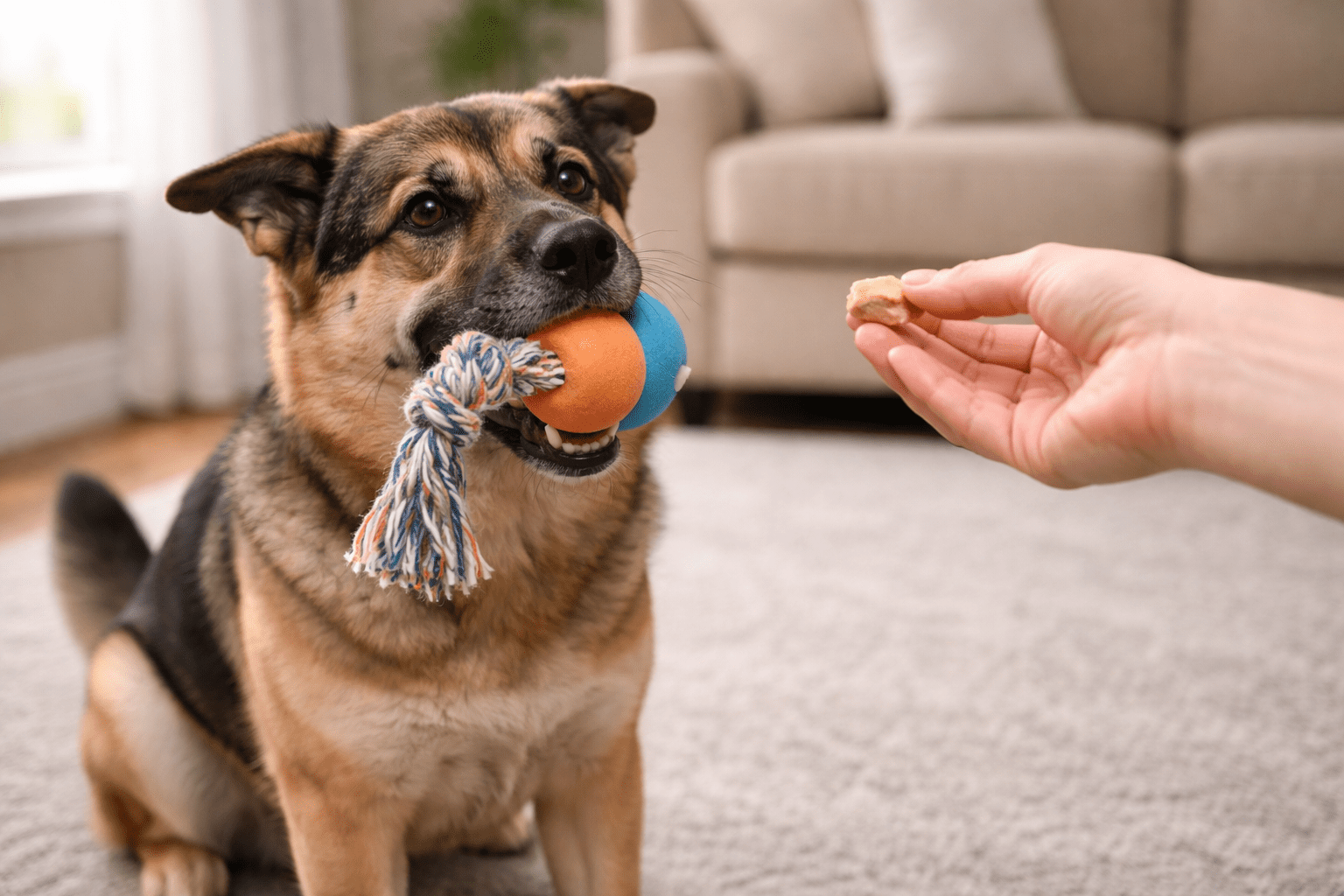
Trade-up method: When your dog has a toy or bone, approach calmly and offer something even better—a higher-value treat or a more exciting toy. Say “drop it” or “trade,” wait for them to release the item, then give the better reward. Pick up the original item, let them enjoy the trade, then return the first item. This teaches that giving up resources leads to good things, not loss.
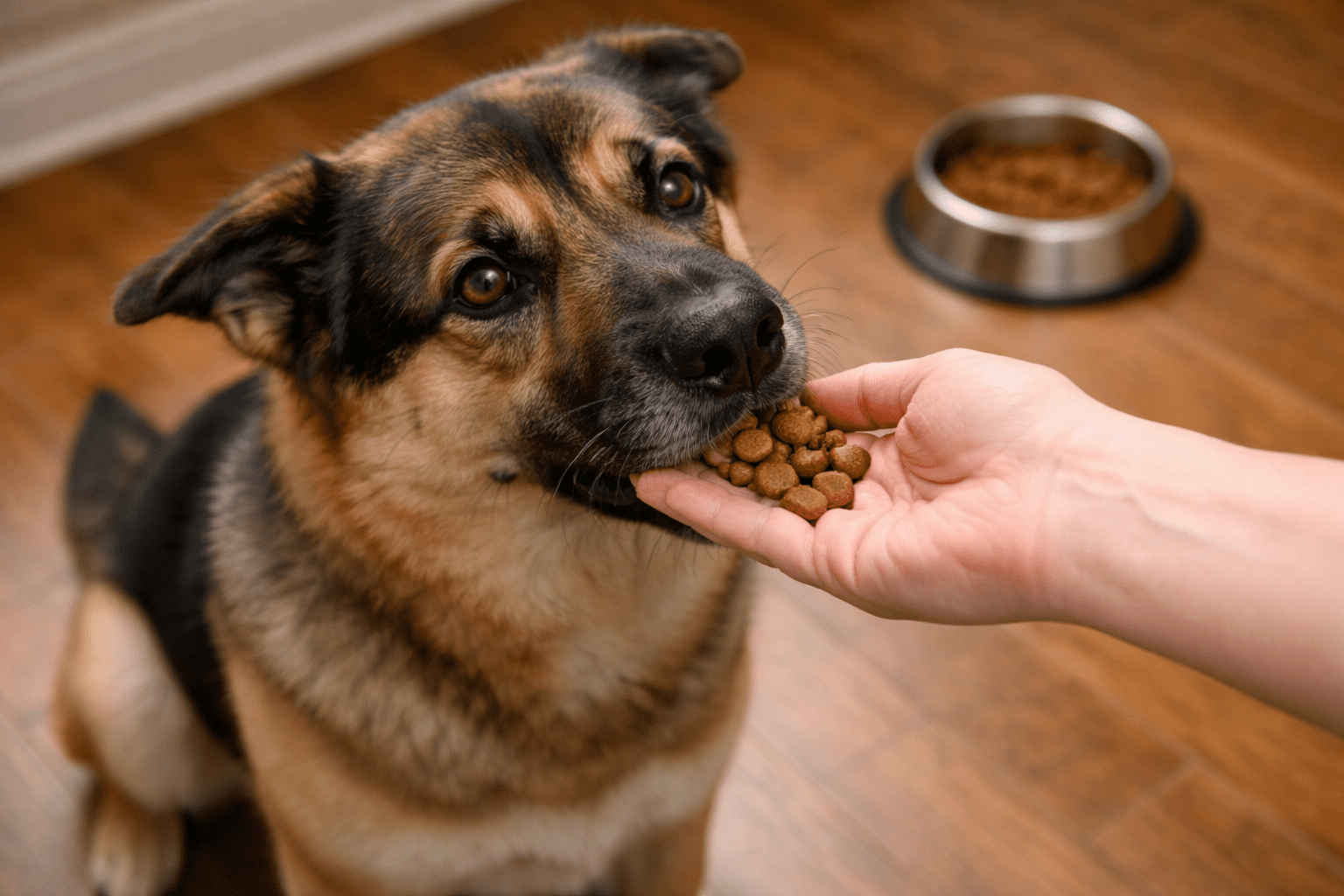
Hand-feeding practice: For food-related guarding, hand-feed meals for several weeks. Sit with your dog and deliver kibble piece by piece or handful by handful. This builds positive associations with your hands near food.
Bowl approaches: Start several feet away from your dog’s food bowl during meals. Toss high-value treats into their bowl as you pass by. Gradually move closer over multiple training sessions. Eventually, you should be able to walk right up, add something delicious, and walk away. Your approach becomes a signal for good things, not a threat.
“Give” and “drop it” training: Practice these commands with low-value items first. When your dog has a toy, offer a treat and say “drop it.” Mark and reward when they release. Start with items they don’t care much about, then gradually work up to more valued possessions.
Professional private dog training Long Island programs can guide you through these techniques safely, especially for dogs with severe guarding issues.
When to Seek Professional Help
Some possessive aggression cases require expert intervention. Don’t wait to get help if you notice these signs:
Your dog has bitten or made contact during a guarding incident: Any bite that breaks skin needs professional assessment immediately.
Multiple family members feel unsafe: If people in your home are scared to walk past your dog when they have a toy or bone, the problem is too serious for DIY training.
The behavior is getting worse despite training: If your consistent efforts aren’t improving the situation or things are escalating, you need a professional evaluation.
You have young children in the home: Kids and severe resource guarding are a dangerous combination. Professional help protects your family.
You feel uncomfortable or unsure about training safely: If you’re nervous about the exercises or don’t know how to proceed without getting bitten, that’s a clear sign to bring in an expert.
A comprehensive dog obedience training course addresses possessive behavior alongside other behavioral issues through structured, proven methods.
Prevention: Raising a Dog Who Doesn’t Guard
Preventing possessive aggression is easier than fixing it. If you have a puppy or young dog, these strategies help them develop healthy attitudes toward resources from the start.
Puppy Training and Socialization
Start early with positive handling around food and toys. While your puppy eats, occasionally walk by and drop something tasty into their bowl. Pet them gently while they eat, always making your presence a good thing.
Practice “give and take” games from day one. Hand your puppy a toy, let them play briefly, then trade for a treat and take the toy. Immediately give the toy back. Repeat this dozens of times so they learn that giving up items is temporary and rewarding.
Expose your puppy to many people handling their food and toys. Have family members, friends, and visitors offer treats and engage in trade games. This prevents your puppy from bonding possessively with items.
Teach “drop it” and “leave it” as core commands before guarding behavior ever appears. Make these skills fun and highly rewarded.
Household Rules and Consistency
Establish clear boundaries around resources in your home. Everyone in the family should follow the same rules about what the dog can keep and how long.
| What to Do | Why It Helps |
| Never chase your dog for items | Chasing creates a “keep away” game that reinforces possession |
| Trade, don’t take | Trading teaches cooperation instead of defensive protection |
| Give resources on your terms | Providing meals, toys, and treats at scheduled times prevents anxiety |
| Practice “nothing in life is free” | Asking for a simple sit before meals or toys teaches that cooperation earns rewards |
| Maintain consistent meal times | Predictable feeding reduces food-related anxiety and guarding |
| Allow appropriate chewing outlets | Legal chew items satisfy the need to possess and protect objects safely |
Teaching your dog that good things come from cooperation, not guarding, sets them up for a lifetime of healthy resource relationships.
Overcoming Possessive Aggression: Your Dog Can Change
Possessive aggression in dogs is manageable with the right approach, patience, and consistency. Understanding what your dog values, recognizing their warning signals, and implementing positive training methods can transform guarding behavior into cooperative sharing.
Remember that resource guarding is a normal dog instinct that’s gone overboard. With proper training, even dogs with serious guarding issues can learn to trust that their resources are safe and that sharing leads to positive outcomes.
Start with management to prevent the behavior from being practiced, use trade-up methods to build positive associations, and don’t hesitate to seek professional help for severe cases. Your dog can learn healthier ways to interact with their valued possessions.
At K9 Mania Dog Training, we specialize in correcting possessive aggression and all forms of behavioral issues through our proven board and train Long Island programs. Our expert trainers understand dog psychology and use science-based methods to create lasting behavioral change. Whether your dog guards food, toys, or spaces, we have the experience and facility to help.
Trust K9 Mania Dog Training to transform your dog’s behavior and restore peace to your home. Visit our website today to learn how we can help you and your dog overcome possessive aggression for good.
You May Also Want to Read
- Signs Your Dog Trusts You: How to Read Your Dog’s Trust Signals
- How to Introduce Dogs to Each Other: Complete Safety Guide
- How to Teach a Dog to Swim: Complete Training Guide
- Muzzle Training for Dogs: A Complete Guide for Safety and Success
Frequently Asked Questions
Which dog breed is the most possessive?
No breed is definitively the most possessive. Guardian breeds like Rottweilers, German Shepherds, and Dobermans may show stronger guarding instincts due to their history. However, possessive behavior can occur in any dog. Training, socialization, environment, and individual temperament influence behavior far more than breed alone.
How do I know if my dog is possessive?
Possessive dogs often stiffen, growl, or snap when someone approaches their food, toys, or resting areas. Other signs include freezing, intense staring, eating faster, hovering over objects, showing teeth, or raised hackles. Even subtle tension or stillness can signal resource guarding behavior.
How do I fix my dog’s territorial aggression?
Start by managing triggers and rewarding calm behavior when people enter the dog’s space. Use counterconditioning so arrivals mean rewards. Teach commands like “place” or “settle,” and gradually expose your dog to mild triggers to reduce reactivity over time.
How do you fix possessive aggression in dogs?
Use management and positive reinforcement. Trade guarded items for better rewards so your dog learns giving up objects is beneficial. Teach “drop it” and “give,” and practice calmly approaching food. Never punish growling, as it increases fear. Severe cases require professional trainers.
What are the top 3 most aggressive dogs?
Aggression depends more on training and environment than breed. However, bite reports often involve Pit Bulls, Rottweilers, and German Shepherds. These breeds are powerful and common, which skews statistics. Responsible ownership, proper training, and early socialization greatly reduce aggressive behavior.
Which dog breed has anger issues?
No dog breed naturally has “anger issues.” Some breeds have stronger guarding instincts or higher reactivity, including terriers or protective breeds. Dogs typically react from fear, instinct, or learned behavior. Proper training, socialization, and clear leadership prevent most behavioral problems.