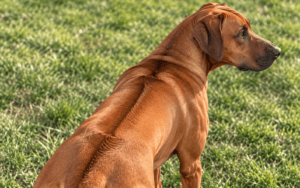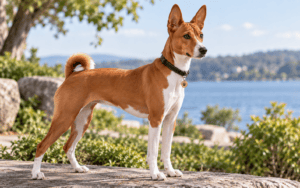
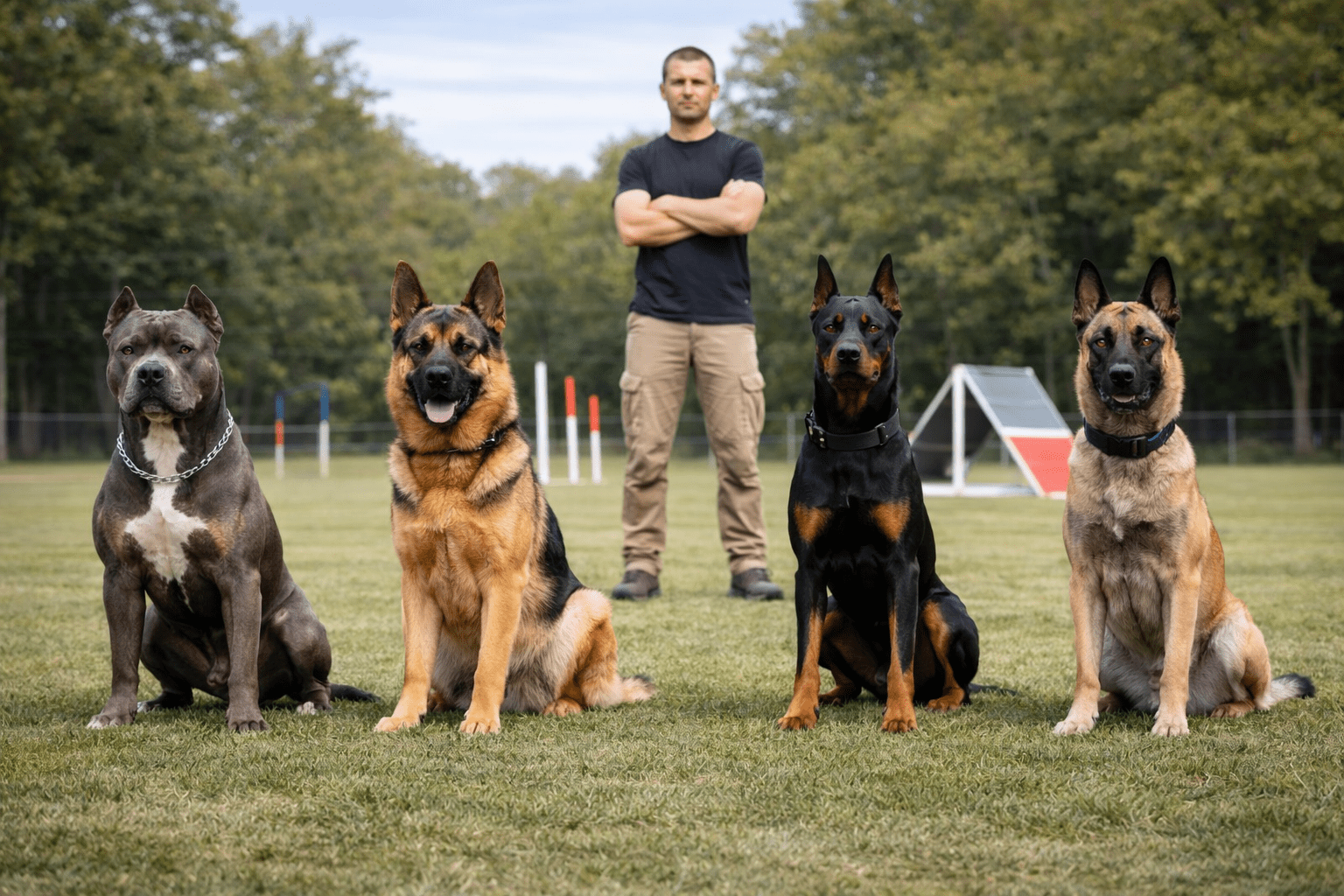
The top 10 aggressive dogs include breeds like Pit Bulls, Rottweilers, and German Shepherds, but aggression depends more on training, socialization, and ownership than breed alone. Understanding which breeds have protective or territorial instincts helps you make informed decisions about training and management.
If you’re considering one of these breeds or already own one, knowing their specific traits and needs is crucial for safety and success. While these dogs can be loyal and loving with proper training, they require experienced handling and consistent boundaries.
In this guide, we’ll break down the top 10 aggressive dogs, what makes them challenging, and how proper training can make all the difference in raising a well-behaved companion.
Need expert help managing aggressive behavior? Our private dog training for every dog program specializes in behavior modification.
Understanding Dog Aggression: Nature vs. Nurture
Dog aggression isn’t just about breed. While certain breeds were historically developed for guarding, protection, or fighting, individual temperament varies widely within any breed.
Aggression typically stems from a combination of genetics, early socialization, training methods, and life experiences. A dog from a supposedly “aggressive” breed raised with positive reinforcement and proper socialization can be gentle and obedient, while a typically friendly breed can develop aggression through neglect or abuse.
What Makes a Dog Aggressive?
Several factors contribute to aggressive behavior in dogs:
- Lack of socialization: Dogs not exposed to different people, animals, and environments during their critical development period (3-14 weeks) often develop fear-based aggression.
- Poor training or abuse: Harsh punishment, inconsistent boundaries, or physical abuse can create defensive or fear-based aggression.
- Protective instincts: Breeds developed for guarding naturally protect their territory and family, which can manifest as aggression toward strangers.
- Resource guarding: Some dogs become aggressive when protecting food, toys, or space. Learn more about stopping food aggression in dogs.
- Medical issues: Pain, illness, or neurological problems can cause sudden aggression in previously gentle dogs.
The Role of Breed Characteristics
Certain breeds were selectively bred for traits that can contribute to aggressive behavior when not properly managed:
- Guarding breeds (Rottweilers, Dobermans) have strong territorial instincts
- Terrier breeds (Pit Bulls, Bull Terriers) were bred for tenacity and fighting spirit
- Working breeds (German Shepherds, Belgian Malinois) have high drive and protective instincts
- Livestock guardians (Caucasian Shepherds, Anatolian Shepherds) were bred to act independently and defend against predators
These traits aren’t inherently bad, but they require experienced owners who understand how to channel these instincts appropriately through training and socialization.
Top 10 Aggressive Dogs: Breed Profiles
Here’s a detailed look at breeds commonly associated with aggressive behavior, along with what makes them challenging and what they need to thrive.
1. Pit Bull Terrier
Pit Bulls consistently appear in bite statistics, but this largely reflects their popularity, misidentification, and often poor breeding or training. Originally bred for bull-baiting and later dog fighting, Pit Bulls have strong jaws and high pain tolerance.
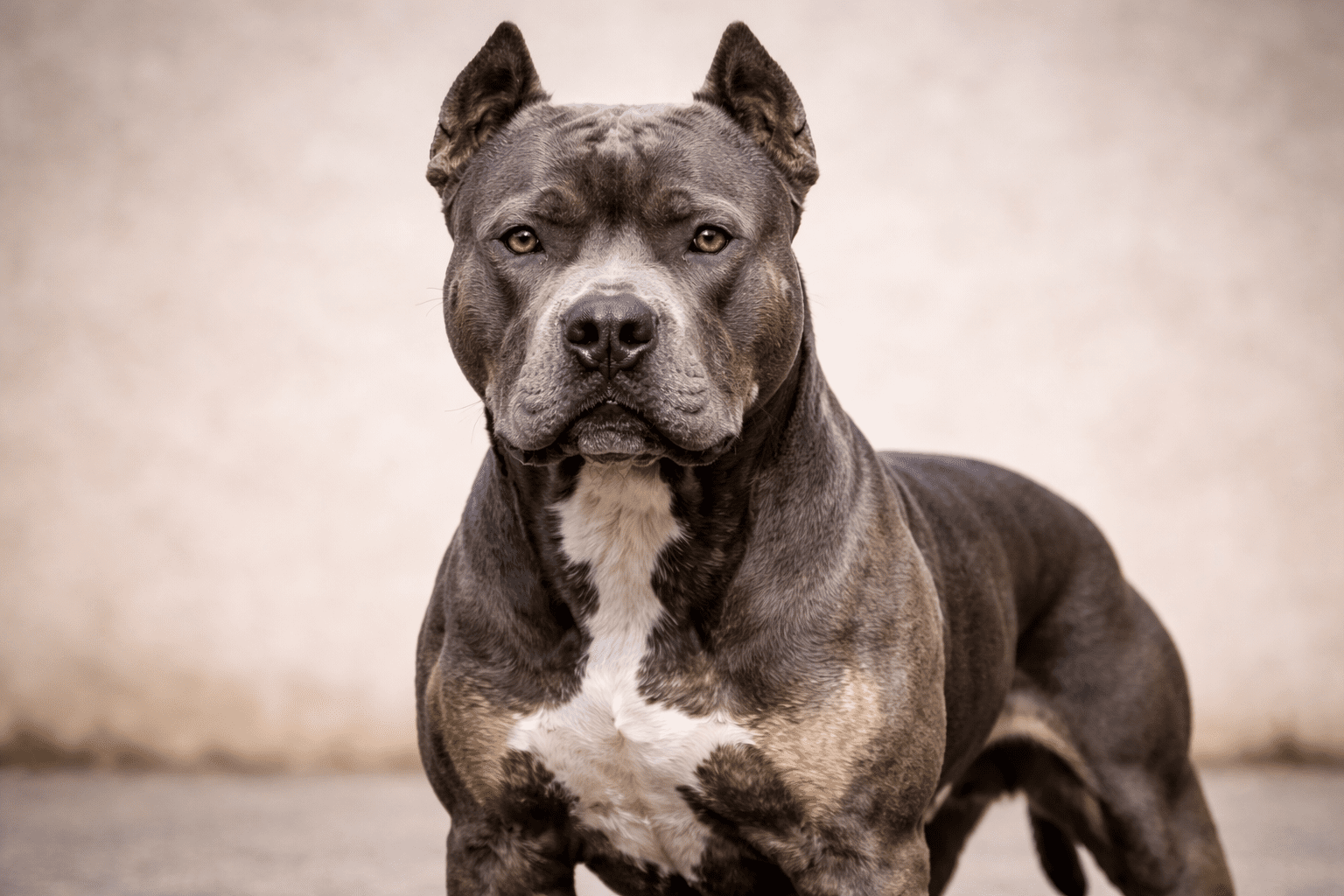
Key traits: Loyal, energetic, stubborn, people-oriented but sometimes dog-aggressive
Challenge level: High. Requires experienced owners, early socialization, and consistent boundaries.
2. Rottweiler
Rottweilers were bred as cattle herders and guard dogs. They’re naturally protective of their family and territory, making them excellent watchdogs but potentially aggressive toward strangers without proper socialization.
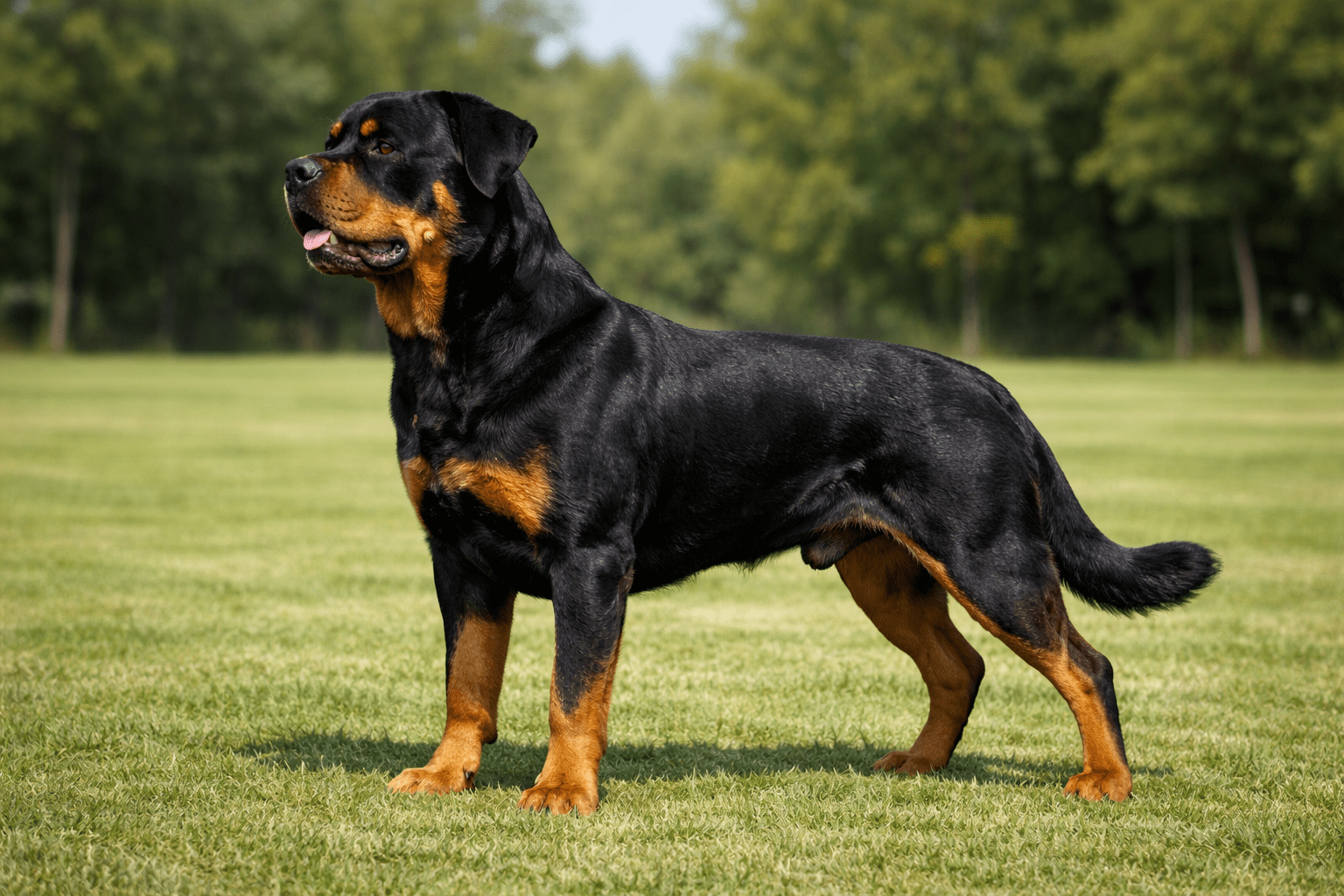
Key traits: Confident, territorial, powerful, calm with family
Challenge level: High. Needs firm, consistent leadership and extensive socialization.
3. German Shepherd
German Shepherds serve as police and military dogs worldwide due to their intelligence, trainability, and protective instincts. They can become overprotective or aggressive if not properly socialized or if they sense their owner’s anxiety.

Key traits: Intelligent, loyal, alert, high energy
Challenge level: Moderate to high. Requires mental stimulation, physical exercise, and clear boundaries.
4. Doberman Pinscher
Developed as personal protection dogs, Dobermans are naturally suspicious of strangers and fiercely protective of their families. They’re intelligent and trainable but need consistent leadership.
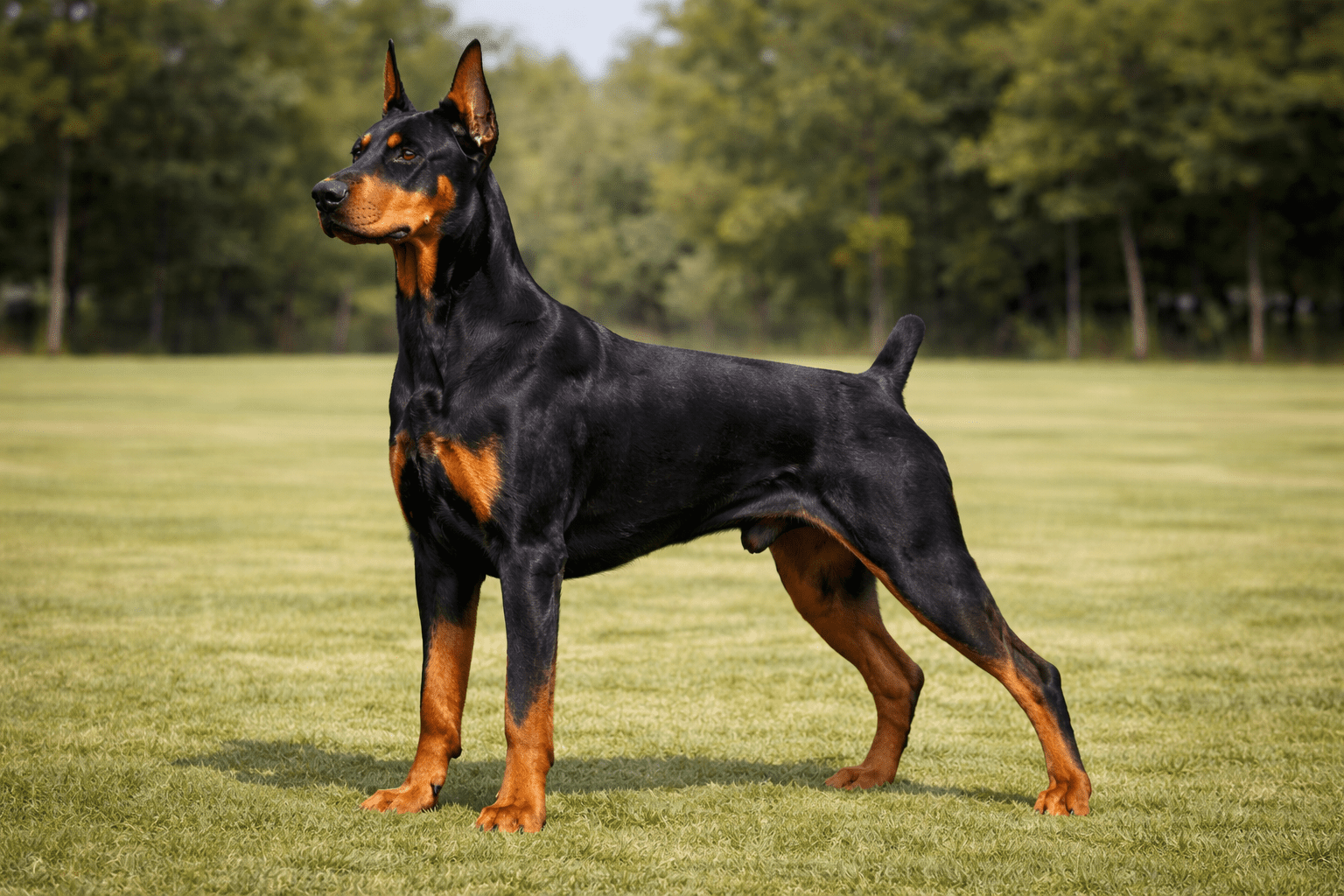
Key traits: Alert, fearless, loyal, energetic
Challenge level: High. Best suited for experienced owners who can provide structure and socialization.
5. Caucasian Shepherd Dog
One of the largest and most powerful breeds, Caucasian Shepherds were bred to protect livestock from wolves and bears. They’re extremely territorial and independent, making them challenging for most owners.
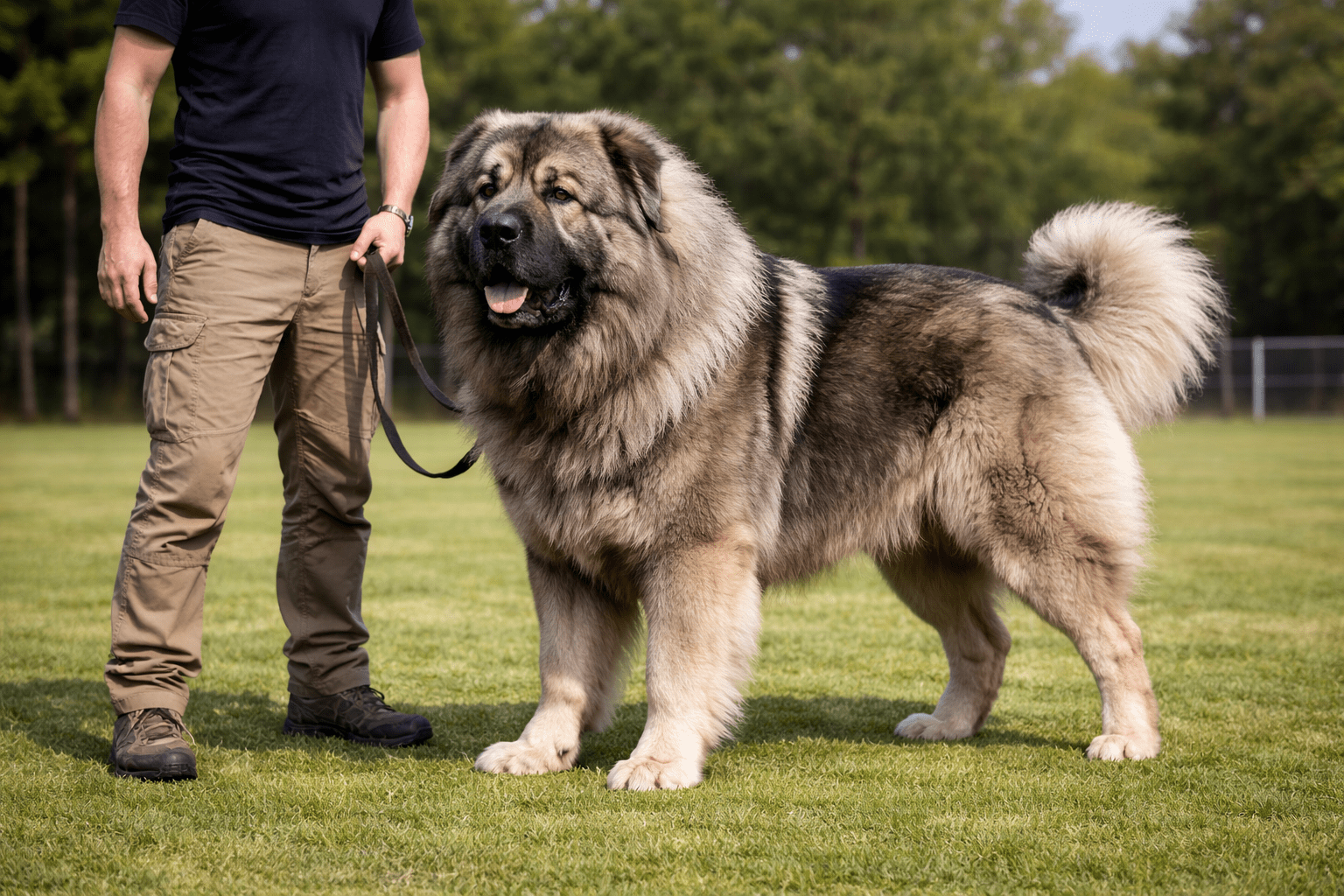
Key traits: Massive, fearless, territorial, independent
Challenge level: Very high. Not recommended for first-time owners.
6. Cane Corso
This Italian mastiff breed was developed for guarding property and hunting large game. Cane Corsos are powerful, intelligent, and naturally dominant, requiring experienced handling from day one.
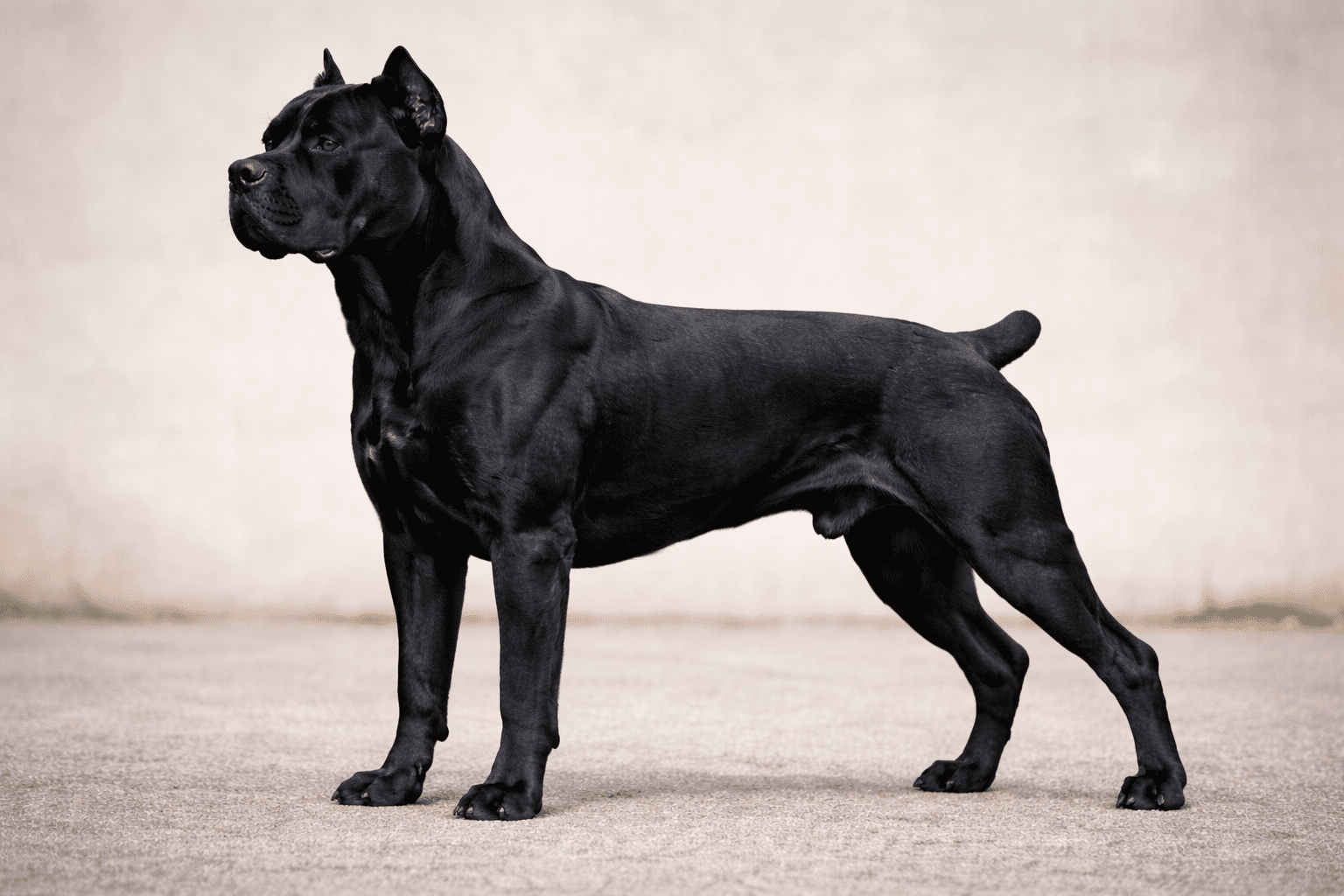
Key traits: Dominant, protective, intelligent, athletic
Challenge level: High. Needs early socialization and firm, consistent training.
7. Chow Chow
Despite their teddy bear appearance, Chow Chows are one of the most naturally aggressive breeds. Originally bred as guard dogs in China, they’re aloof with strangers and can be aggressive toward other dogs.
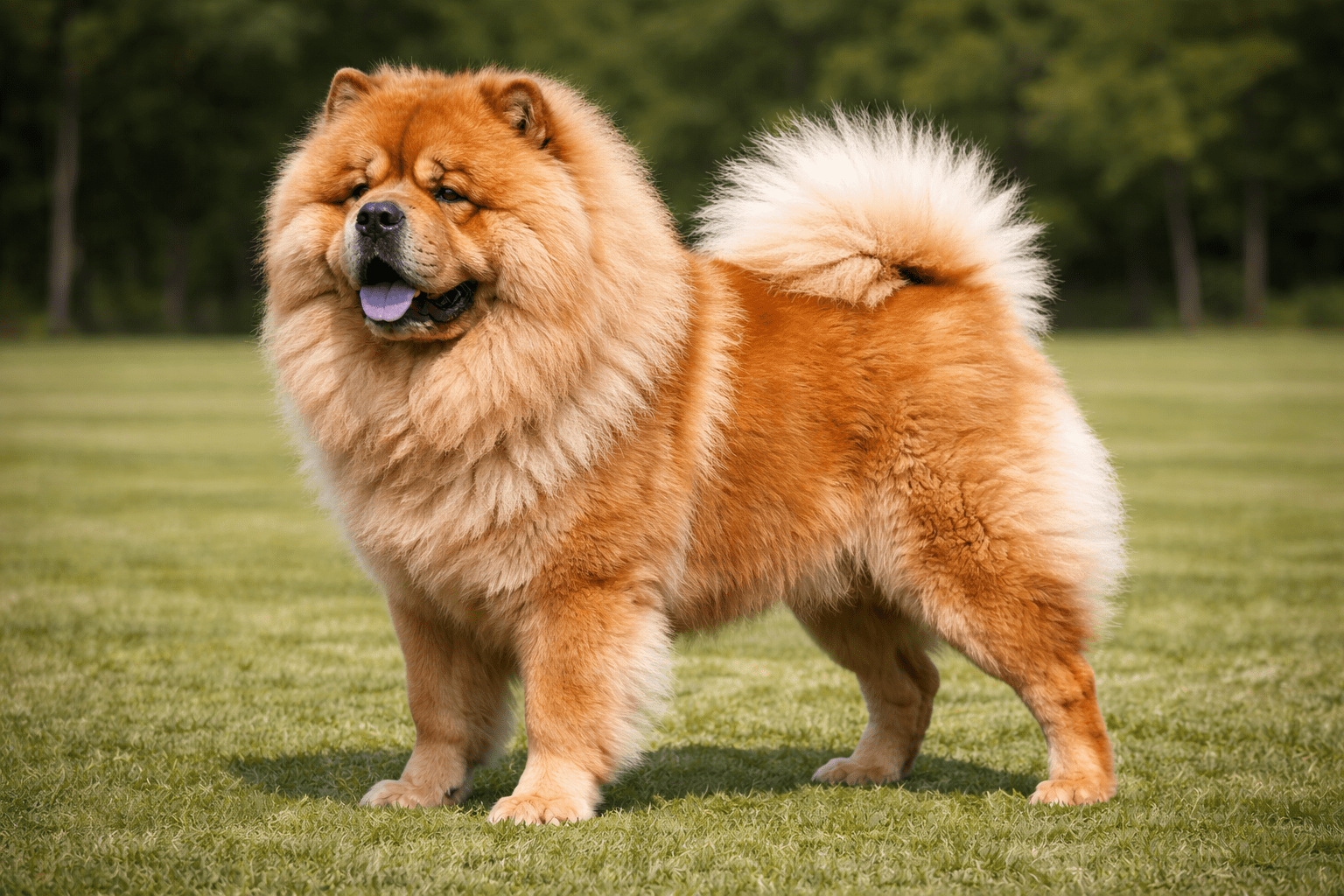
Key traits: Independent, territorial, stubborn, cat-like personality
Challenge level: High. Requires patient, experienced owner who understands their independent nature.
8. Akita
Akitas are large Japanese dogs bred for guarding and hunting. They’re fiercely loyal to their family but often aggressive toward other dogs and suspicious of strangers. They don’t tolerate rough handling or teasing.
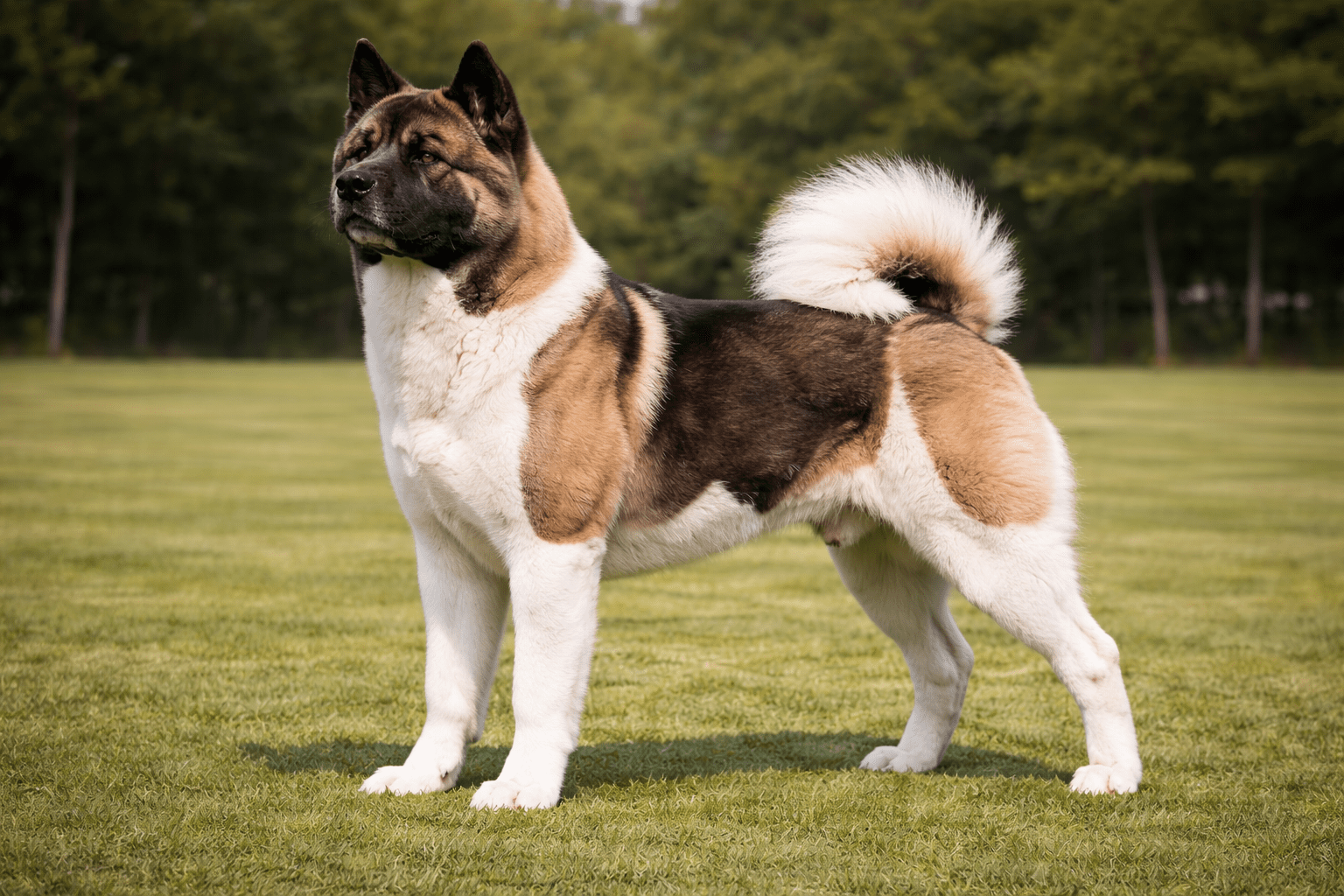
Key traits: Dignified, courageous, territorial, dog-aggressive
Challenge level: Very high. Needs experienced owner and careful management around other animals.
9. Belgian Malinois
Often confused with German Shepherds, Belgian Malinois are high-drive working dogs used extensively in police and military work. They’re intense, energetic, and can become aggressive without proper outlets for their energy and drive.
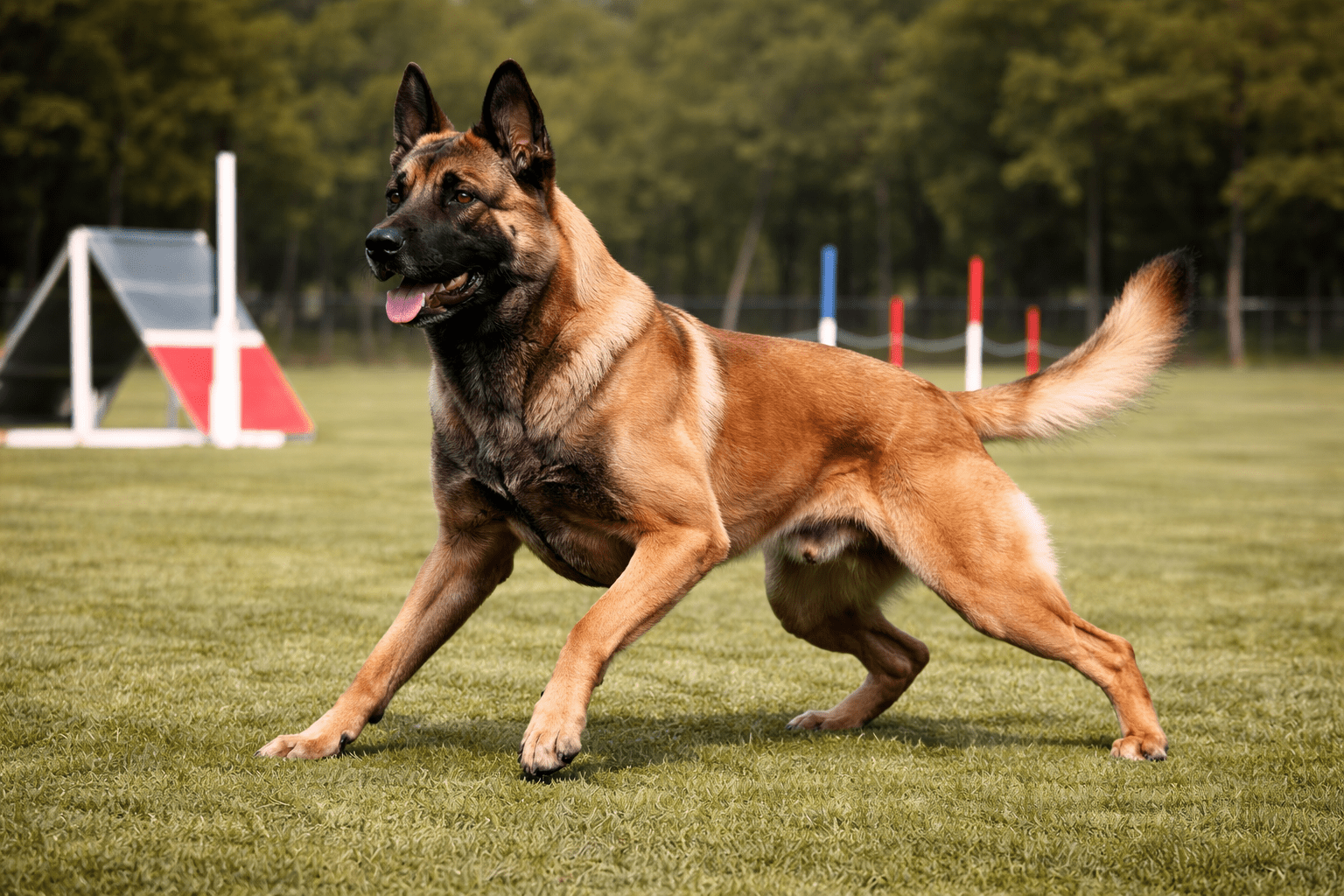
Key traits: Extremely high energy, intelligent, intense, work-driven
Challenge level: Very high. Not suitable for average pet owners.
10. Wolf Hybrid
Wolf hybrids (crosses between wolves and dogs) are unpredictable and retain wild instincts that make them unsuitable as pets. They’re often aggressive toward other animals and can turn on humans unexpectedly.
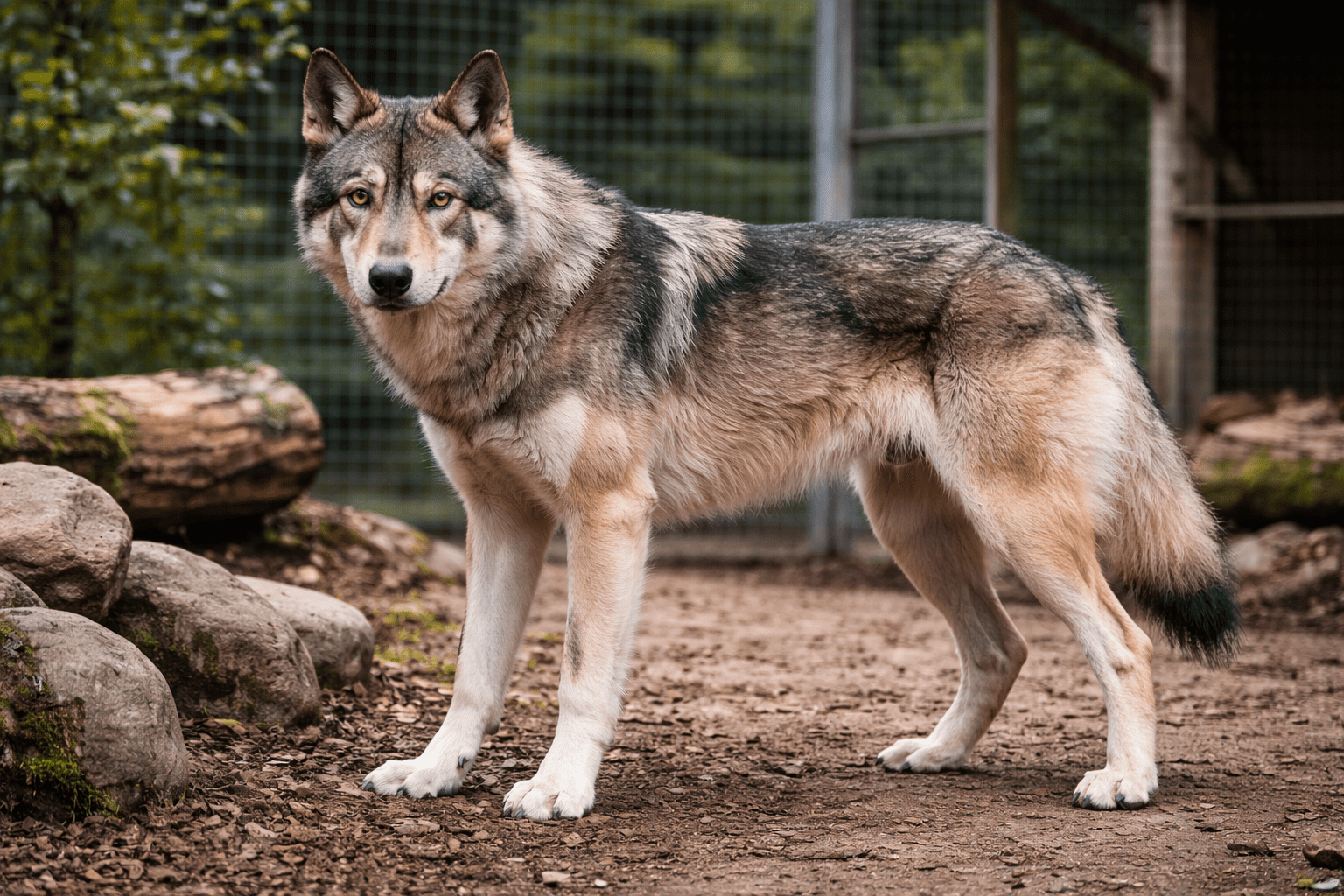
Key traits: Unpredictable, wild instincts, high prey drive, difficult to train
Challenge level: Extreme. Should not be kept as pets in most cases.
Aggression Statistics and Bite Risk Comparison
Understanding which breeds pose the highest bite risk helps inform decisions about ownership, training needs, and safety precautions. Here’s how the top 10 aggressive dogs compare in key areas:
| Breed | Bite Strength (PSI) | Reported Fatal Attacks (US, 2005-2020) | Trainability | Good for First-Time Owners? |
| Pit Bull Terrier | 235-250 | 284 | Moderate-High | No |
| Rottweiler | 328 | 45 | High | No |
| German Shepherd | 238 | 20 | Very High | Experienced beginners |
| Doberman Pinscher | 228 | 8 | Very High | No |
| Caucasian Shepherd | 550-700 | Limited data | Low | Never |
| Cane Corso | 700 | 4 | Moderate | No |
| Chow Chow | 220 | 8 | Low | No |
| Akita | 350-400 | 8 | Moderate | No |
| Belgian Malinois | 195 | 3 | Very High | No |
| Wolf Hybrid | 400+ | Varies | Very Low | Never |
Important note: Bite statistics don’t tell the whole story. Many factors affect bite reports, including breed popularity, misidentification, reporting bias, and owner responsibility. A well-trained dog from any of these breeds can be safe and loving, while a poorly trained dog from a “gentle” breed can be dangerous.
Training and Management Requirements
Owning one of the top 10 aggressive dogs requires commitment to proper training and management. Here’s what these breeds need to thrive safely:
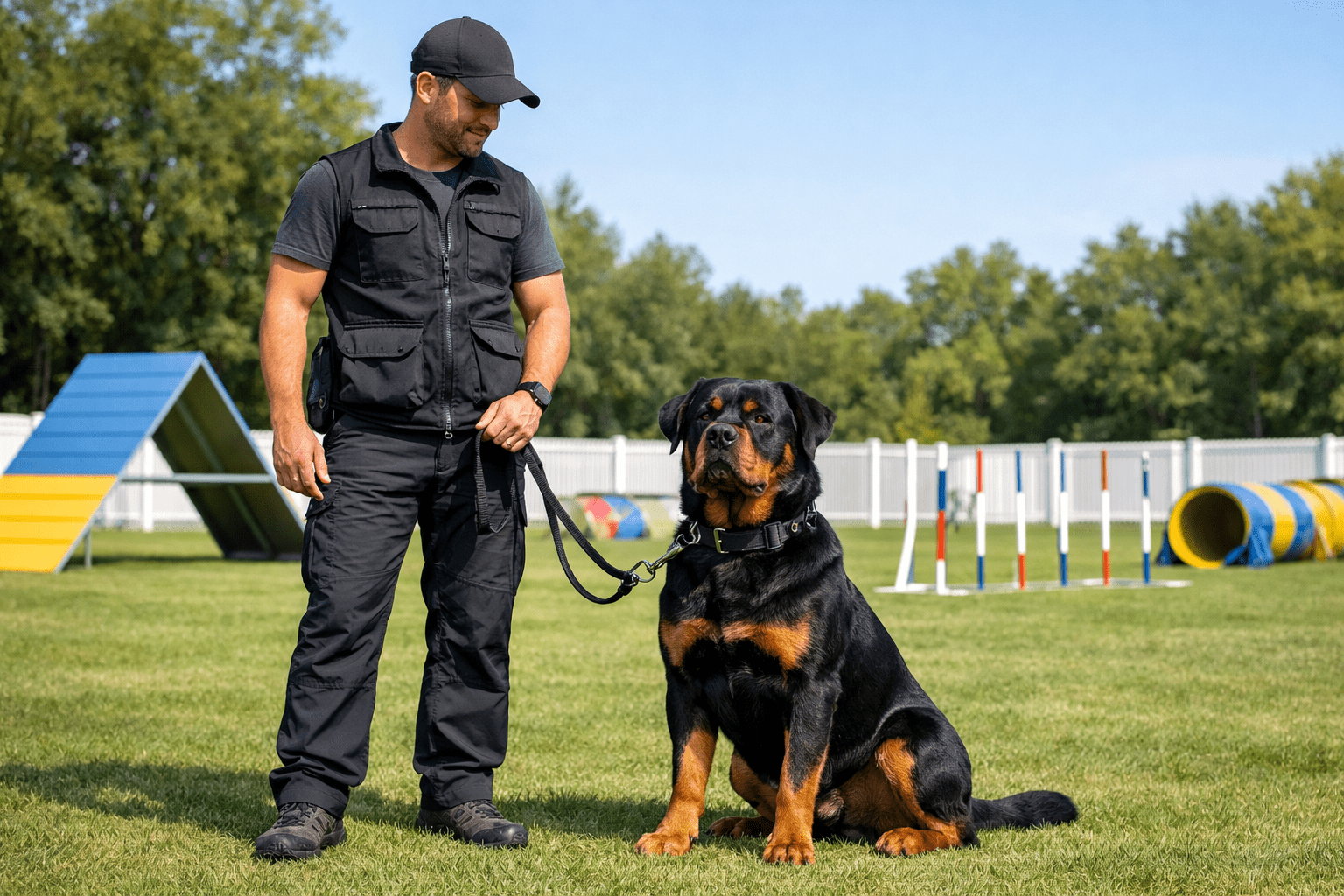
Early Socialization is Non-Negotiable
Socialization during the critical period (3-14 weeks) shapes a dog’s temperament for life. Puppies from these breeds need positive exposure to:
- Different types of people (men, women, children, elderly)
- Other dogs and animals
- Various environments (city streets, parks, car rides)
- Different sounds and situations
Lack of early socialization is the primary reason these breeds develop fear-based aggression. If you adopt an adult dog from one of these breeds, a professional board and train program can help assess temperament and address behavioral issues.
Consistent, Positive Training Methods
These breeds need clear boundaries and consistent rules, but harsh punishment or dominance-based training can backfire and increase aggression. Effective training includes:
- Positive reinforcement: Rewarding good behavior builds trust and cooperation
- Clear hierarchy: Dogs need to understand their place in the family structure
- Impulse control: Teaching “wait,” “leave it,” and “stay” prevents reactive behavior
- Desensitization: Gradually exposing dogs to triggers in controlled settings
For dogs already showing aggressive behavior, seek professional help immediately. Our aggressive dog board and train program specializes in rehabilitating dogs with serious behavioral issues.
Physical and Mental Exercise
Bored, under-exercised dogs from high-energy breeds often develop destructive or aggressive behavior. These breeds typically need:
- Daily physical exercise: 1-2 hours of walking, running, or playing
- Mental stimulation: Puzzle toys, training sessions, nose work
- Job or purpose: Many working breeds need tasks to feel fulfilled
Ongoing Management and Safety Precautions
Responsible ownership of potentially aggressive breeds includes:
- Secure fencing (6+ feet for most large breeds)
- Proper leashing in public (never retractable leashes)
- Muzzle training for reactive dogs
- Supervision around children and other animals
- Understanding your dog’s body language and triggers
When Professional Help is Essential
Certain signs indicate you need immediate professional intervention:
- Aggressive behavior toward family members
- Multiple bite incidents or near-misses
- Severe resource guarding that escalates despite training
- Unpredictable aggression without clear triggers
- Difficulty handling for grooming aggressive dogs or veterinary care
Working with a qualified trainer experienced in aggressive breeds can mean the difference between rehabilitation and disaster. Look for trainers who use science-based methods and have experience with your specific breed’s challenges.
Breed-Specific Training Considerations
Different breeds require tailored approaches based on their specific drives and instincts:
| Breed Type | Primary Drive | Training Focus | Common Mistakes to Avoid |
| Guarding Breeds (Rottweiler, Doberman) | Territory protection | Controlled exposure to visitors, “friend or foe” discrimination | Over-encouraging guarding behavior |
| Terrier Breeds (Pit Bull) | Prey drive, tenacity | Impulse control, dog-dog socialization | Dog park interactions without careful assessment |
| Working Breeds (German Shepherd, Malinois) | Drive to work, please owner | Job-focused training, bite work with professionals | Insufficient mental stimulation |
| Livestock Guardians (Caucasian Shepherd) | Independent decision-making | Bonding with handler, controlled socialization | Expecting typical pet dog behavior |
| Spitz Breeds (Chow Chow, Akita) | Independence, aloofness | Respect-based training, space boundaries | Forced interactions with strangers |
Understanding your dog’s natural instincts helps you work with their nature rather than against it.
Choosing the Right Dog for Your Lifestyle
Before bringing home one of the top 10 aggressive dogs, honestly assess whether you can meet their needs:
You might be ready if you:
- Have previous experience training dogs
- Can provide 1-2 hours daily exercise minimum
- Have a securely fenced yard
- Can afford professional training
- Have time for ongoing socialization
- Understand breed-specific traits and drives
- Are prepared for potential liability issues
Choose a different breed if you:
- Are a first-time dog owner
- Have young children
- Live in an apartment with restrictions
- Work long hours with limited time for training
- Want a low-maintenance companion
- Have other pets and limited dog management experience
There’s no shame in choosing a breed better suited to your experience level and lifestyle. Many wonderful breeds make excellent family pets without the management requirements of these high-risk breeds.
Your Partner in Raising Well-Behaved Dogs
Understanding the top 10 aggressive dogs helps you make informed decisions about breed selection, training needs, and safety management. While these breeds can be challenging, they can also be incredibly loyal and protective companions with proper training and socialization.
The difference between a dangerous dog and a well-adjusted pet often comes down to the quality of training and owner commitment. Whether you’re considering one of these breeds or already own one, professional guidance makes all the difference.
At K9 Mania Dog Training, we specialize in working with challenging breeds and aggressive behavior. Our experienced trainers understand the unique needs of protective and high-drive breeds. We offer customized programs including private training, board and train, and behavior modification. Don’t wait until aggression becomes a serious problem.
Contact K9 Mania Dog Training today and let us help you raise a confident, well-behaved companion you can trust.
You May Also Want to Read
Grooming Aggressive Dogs: Safe Techniques and Professional Tips
How to Stop Food Aggression with Dogs Safely
Board and Train for Aggressive Dogs: Complete Guide
Frequently Asked Questions
Who is the world’s most aggressive dog?
There’s no single “most aggressive” dog breed, as aggression depends on training, socialization, and individual temperament. However, breeds like Caucasian Shepherds, Kangals, and Wolf Hybrids are among the most challenging due to their size, independence, and strong guarding instincts. These breeds require extremely experienced handlers and are not suitable as typical family pets.
What dog has the highest rate of attacks?
Pit Bulls consistently account for the highest number of reported dog attacks and fatalities in the United States. From 2005-2020, Pit Bulls were responsible for approximately 66% of fatal dog attacks. However, this statistic is complicated by breed misidentification, popularity of the breed, and reporting bias. Rottweilers rank second in fatal attacks.
What are the top 5 friendliest dogs?
The friendliest dog breeds typically include Golden Retrievers, Labrador Retrievers, Cavalier King Charles Spaniels, Beagles, and Irish Setters. These breeds were developed as companions or hunting partners and generally have gentle, sociable temperaments with proper socialization. They’re often recommended for families and first-time dog owners.
What dog is known as the wolf killer?
The Irish Wolfhound and Kangal are both known as wolf killers. Irish Wolfhounds were historically bred to hunt wolves in Ireland, while Kangals are Turkish livestock guardian dogs bred to protect flocks from wolves and other predators. The Kangal has one of the strongest bite forces of any dog breed, capable of fighting off wolves effectively.
What dog is most likely to bite a human?
Statistically, Chihuahuas and Dachshunds bite more frequently than large breeds, but their bites rarely cause serious injury. Among larger dogs, Pit Bulls, Rottweilers, and German Shepherds account for the majority of reported bites requiring medical attention. However, any dog can bite when frightened, in pain, or improperly trained, regardless of breed.