
How to train an Akita comes down to three things: early socialization, calm and consistent leadership, and structured obedience work started before bad habits form. Akitas are intelligent and loyal, but their independent nature and strong guarding instincts mean they respond best to patient, confident handling rather than repetition alone.
Akitas were originally bred in Japan to guard property and hunt large game, and that history still shows up in daily life. Territorial behavior, wariness around strangers, and a tendency to test unclear boundaries are common, which is why training approaches that work for easygoing breeds often fall flat with an Akita.
This is not a breed that responds well to a one size fits all training class, and owners who try generic methods often end up frustrated within the first few weeks. Understanding the reasoning behind each technique matters just as much as the technique itself.
In this guide, we will break down why Akitas are considered a challenging breed, the training methods that actually work, and a step by step plan you can start using today.
Quick Insights:
- Akitas need socialization started in puppyhood, ideally before 16 weeks of age.
- Calm, confident leadership works far better than punishment based methods.
- Reliable off leash recall is rare due to high independence and prey drive.
- Crate training and daily structure reduce destructive or guarding behavior.
- Professional support helps most with dog to dog aggression and stubbornness.
“Have a stubborn or territorial Akita at home? Our private dog training Long Island program builds obedience and impulse control through one on one sessions designed for independent, strong willed breeds.”
Are Akitas difficult to train?
Akitas were bred to make independent decisions while guarding livestock and property, not to take direction from a handler at every turn. That same independence makes them harder to motivate with food or praise alone, since an Akita often weighs whether following a command is actually worth it.
Their guarding instinct also means many Akitas are naturally suspicious of strangers and protective of their home and family. Without early socialization, this protectiveness can turn into territorial aggression toward visitors, other dogs, or anyone entering the home unannounced. If you are already seeing growling, blocking, or stiff body language around guests, our guide on territorial aggression in dogs walks through how to recognize and manage it before it escalates.
Add in a strong prey drive and a history of dog on dog aggression in the breed, and it becomes clear why generic training advice does not always translate to an Akita household.
There is also a stamina factor that catches many new owners off guard. Akitas are physically built for endurance work, and a dog that is under exercised tends to channel that excess energy into pacing, barking at the window, or guarding furniture and doorways. Pairing daily physical activity with mental work, such as scent games or puzzle feeders, takes the edge off behavior that owners sometimes mistake for pure stubbornness.
How to Train an Akita the Right Way?
Once you understand why Akitas push back against typical training, the next question is which method actually works. Not every approach suits this breed, and choosing the wrong one can make stubbornness or guarding behavior worse instead of better.
| Training Method | Best For | Akita Suitability | Long Term Results |
| Positive Reinforcement | Building motivation and trust | High | Strong, lasting obedience |
| Punishment Based Methods | Quick suppression of behavior | Low | Often increases fear or aggression |
| Professional Board and Train | Structured, fast skill building | High | Reliable foundation plus owner coaching |
Positive reinforcement paired with firm, consistent boundaries tends to produce the best long term results with this breed. Punishment based corrections frequently backfire with Akitas, since a dog already inclined toward suspicion or guarding can become more defensive rather than more obedient.
For owners who want a faster, more structured start, a board and train Long Island program gives an Akita daily, consistent training from a professional while still teaching the owner how to maintain it at home. This combination, reward based methods plus structured professional guidance, is generally the most effective path for this breed.
It is worth noting that consistency matters more than intensity. A short, focused session done every single day will outperform one long, frustrating session done occasionally. Akitas notice patterns quickly, and a predictable training rhythm helps them settle into the role you are asking them to play within the household.
Understanding Akita Temperament and Drive
Before working through specific training steps, it helps to know what you are working with. Akitas typically show:
- Strong loyalty to their immediate family, often described as one person dog tendencies
- Natural wariness or aloofness toward unfamiliar people
- Low tolerance for other dogs, especially same sex dogs
- High intelligence paired with low interest in repetitive drills
- Minimal interest in pleasing a handler just to please them
- Calm indoor behavior once properly exercised and mentally stimulated
These traits are not flaws. They are the same instincts that made Akitas effective guardians for centuries. The goal of training is to channel that drive productively, not to erase it.
Owners who try to suppress these instincts entirely often end up with a dog that suppresses warning signs too, which can make behavior less predictable rather than safer. Working with the breed’s natural tendencies, instead of against them, produces a far more cooperative dog in the long run.
Step by Step: How to Train an Akita
1. Start Socialization Early
Begin exposing your Akita puppy to new people, sounds, surfaces, and calm dogs as soon as your veterinarian clears it for outings. The window between 8 and 16 weeks is the most important period for shaping how your dog views the world. Keep early interactions short, positive, and low pressure rather than overwhelming.
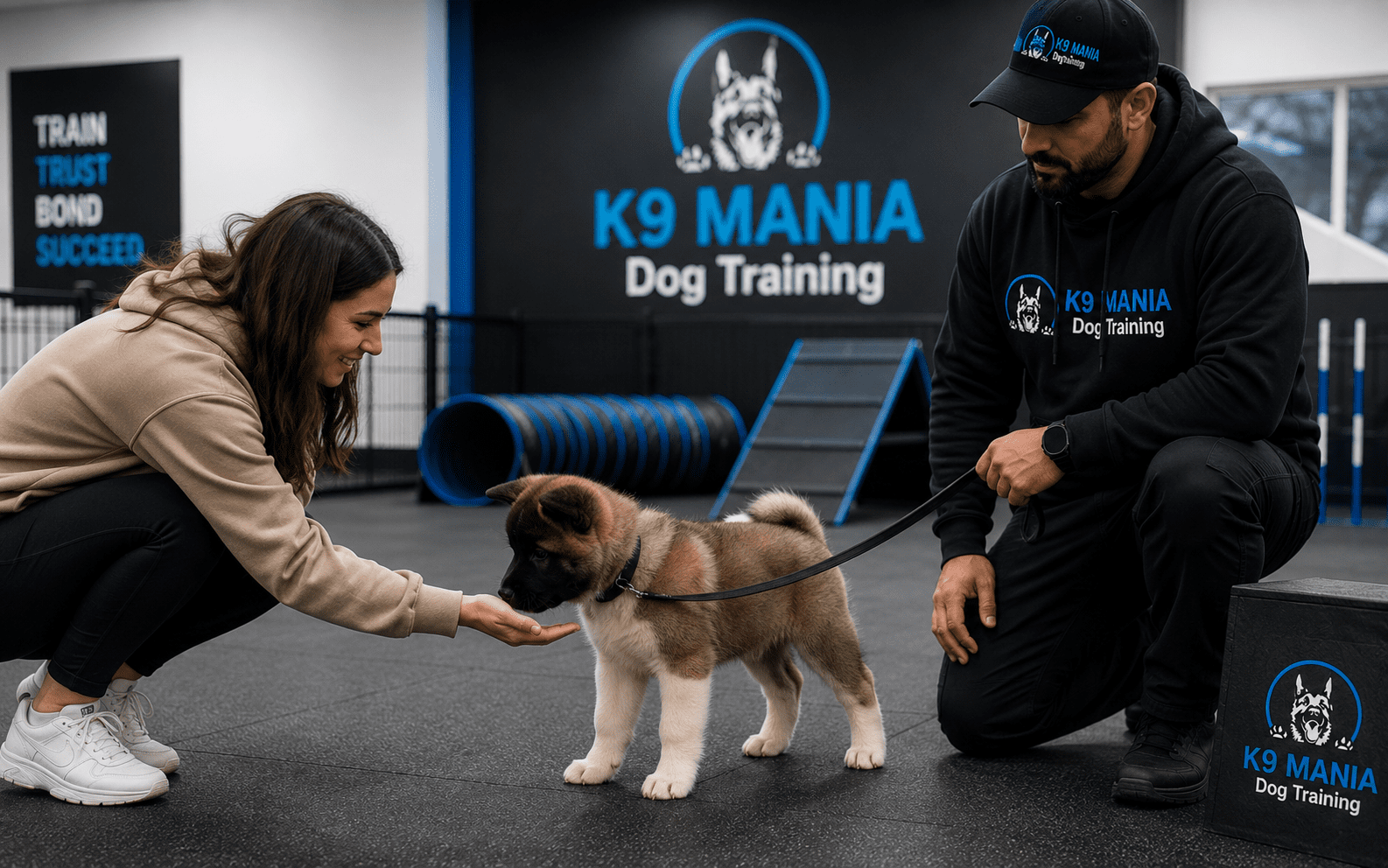
Aim for quality over quantity. A handful of calm, well managed introductions each week will do more for your puppy’s confidence than a crowded dog park visit that ends in overstimulation.
2. Establish Calm Leadership and Boundaries
Akitas respect calm, confident handlers more than loud or forceful ones. Set clear household rules from day one, such as where the dog sleeps, when it eats, and how it greets visitors, and apply those rules consistently. Inconsistency is one of the fastest ways to lose an Akita’s respect.
3. Teach Core Obedience Commands
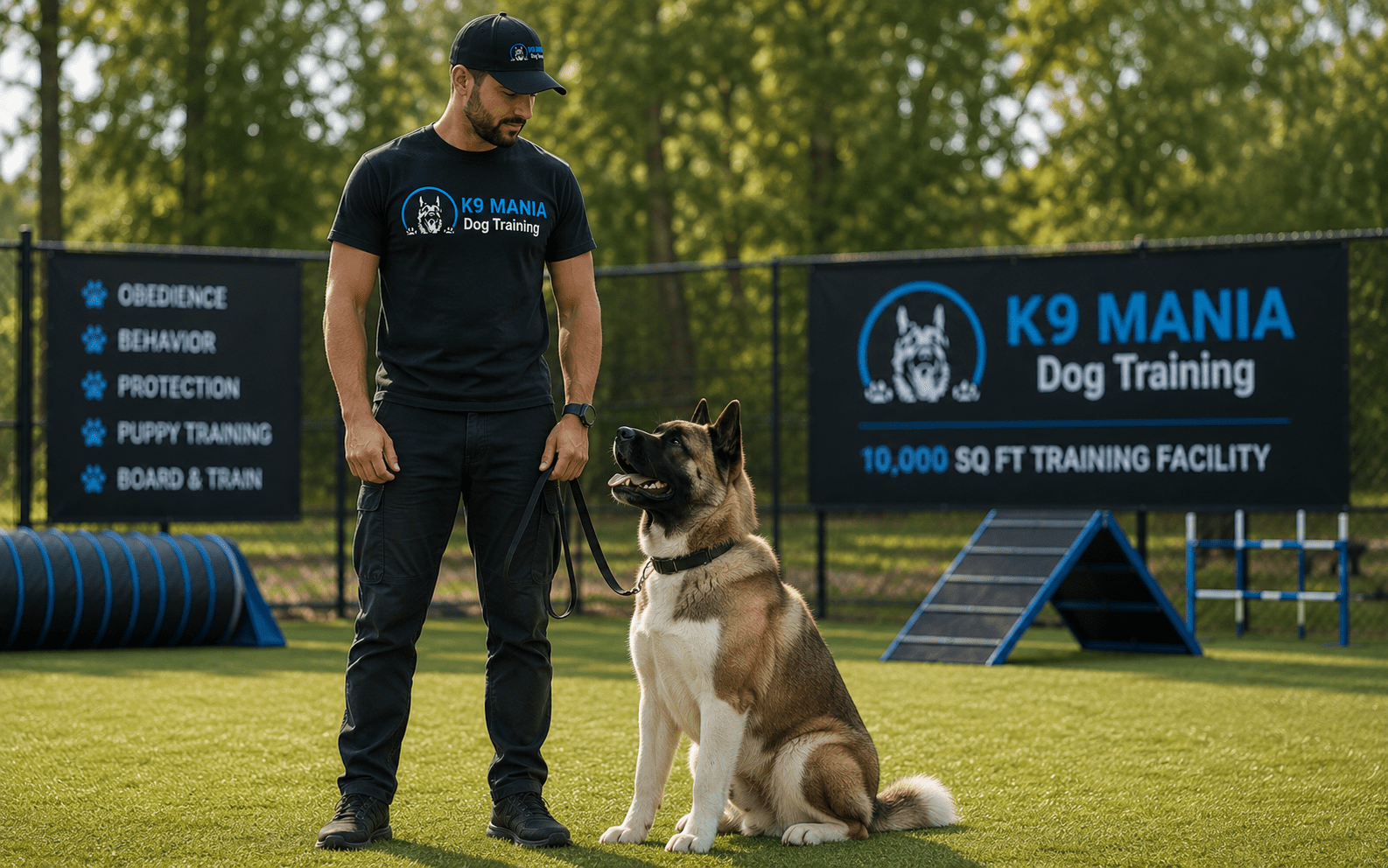
Focus on sit, stay, come, and a reliable leave it before moving to anything more advanced. Keep sessions short, five to ten minutes, since Akitas lose interest quickly with repetitive drilling. End every session on a successful note so the dog associates training with a win.

High value rewards make a real difference here. A piece of chicken or cheese will usually hold an Akita’s attention far longer than a standard kibble treat, especially during the early stages of teaching a new command.
4. Manage Territorial and Dog Aggressive Behavior
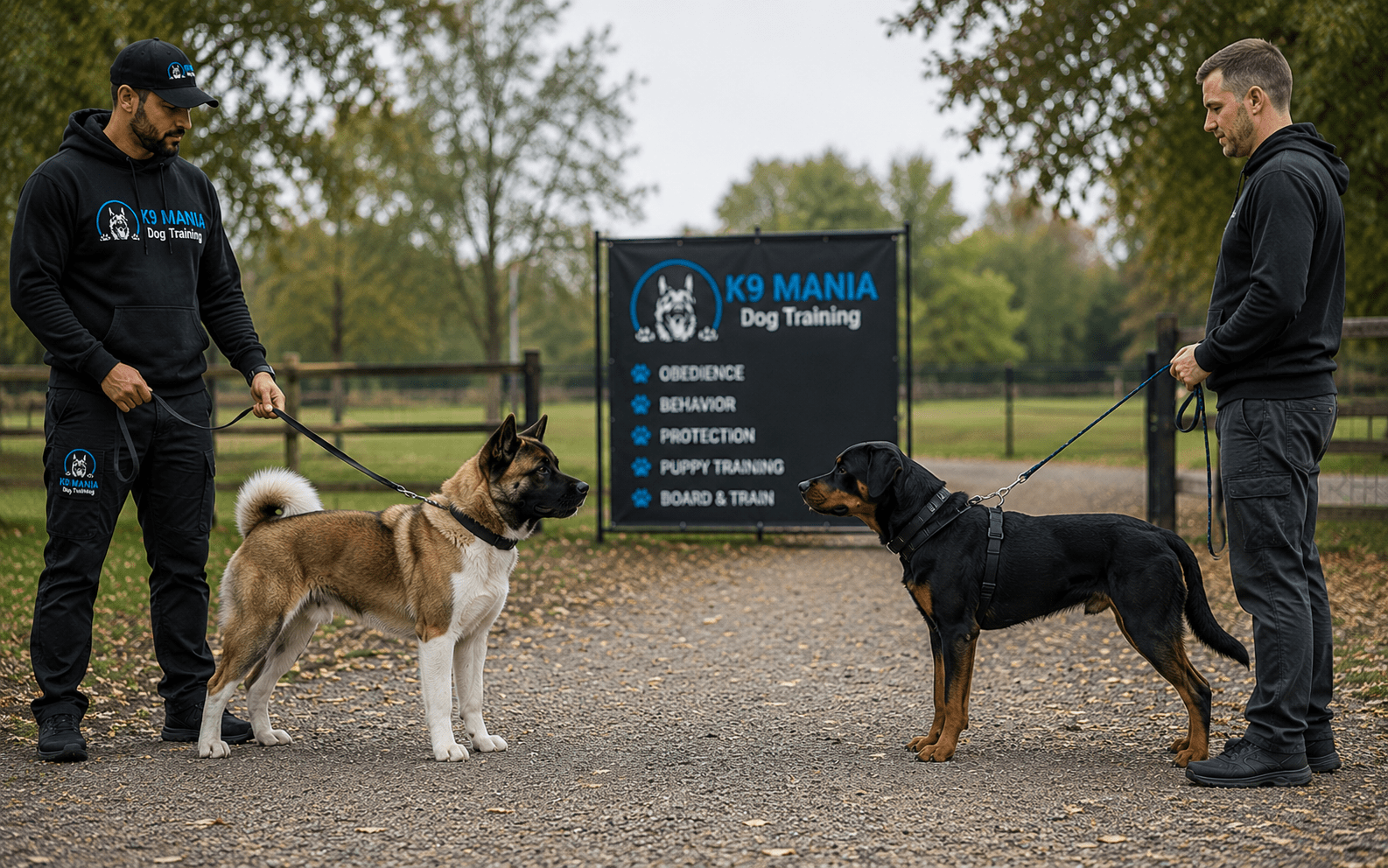
Watch for stiff posture, staring, or growling around visitors or unfamiliar dogs, and interrupt the behavior calmly before it escalates. Controlled introductions on neutral ground work better than forcing greetings at the front door. If guarding behavior is already established, our territorial aggression in dogs guide covers management techniques you can start right away.
5. Use Crate Training and Daily Structure
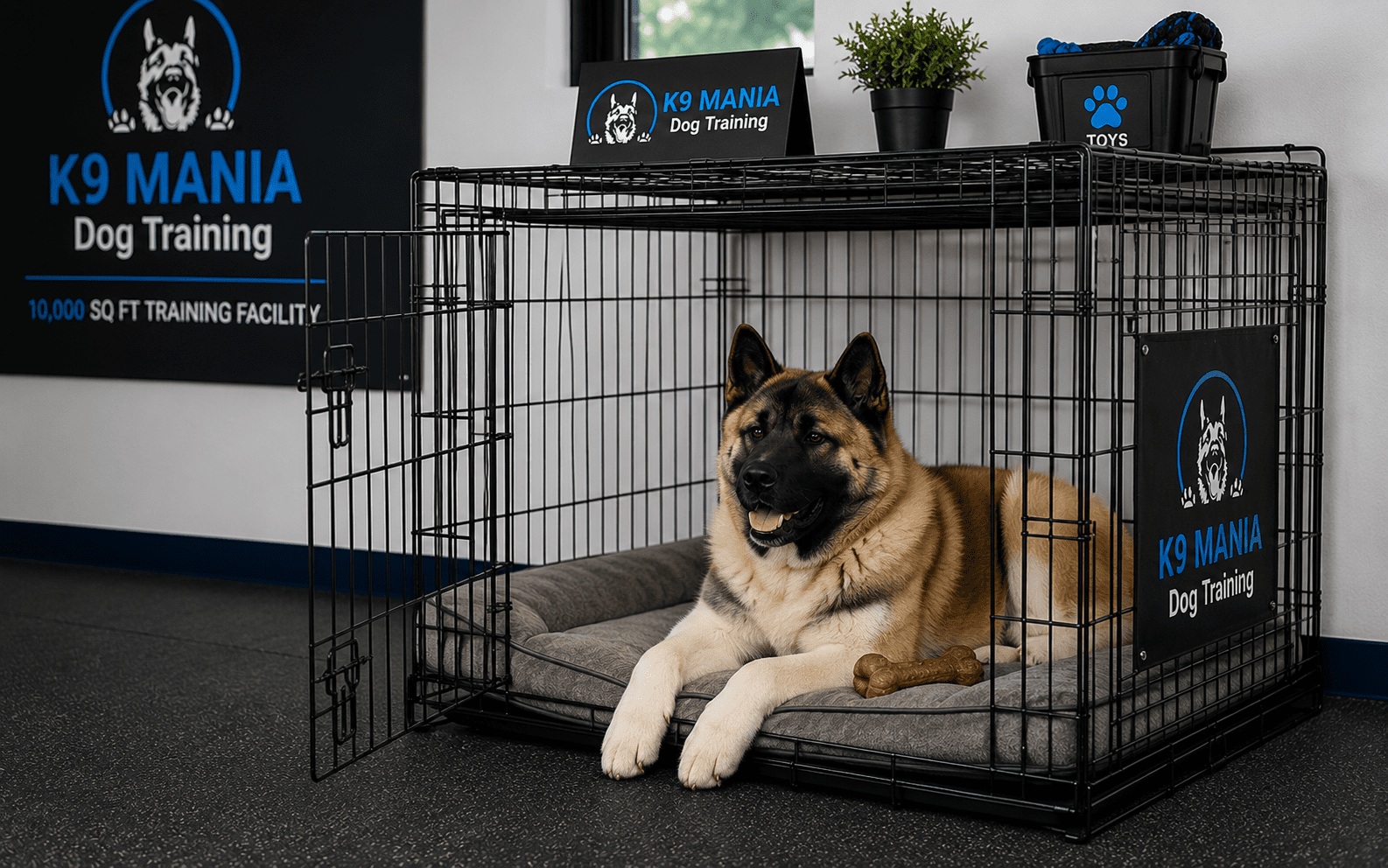
A crate gives an Akita a predictable space to settle, which reduces both anxiety and the destructive chewing or guarding that comes from boredom. Pair crate time with a consistent daily routine of meals, walks, and rest so the dog always knows what comes next.
6. Reinforce With Ongoing Socialization
Training does not stop once basic commands are solid. Continued exposure to new environments, people, and calm dogs throughout adolescence keeps an Akita’s natural wariness from hardening into reactivity. Our article on early dog socialization benefits explains why this ongoing exposure matters well past the puppy stage.
Common Mistakes Akita Owners Make
Even well meaning owners can slow down their own progress with a few avoidable habits. Watch for these patterns as you work through training:
- Assuming a calm puppy will stay calm without continued socialization
- Using harsh corrections that increase defensiveness instead of obedience
- Skipping crate training and expecting full freedom too soon
- Allowing unsupervised greetings with unfamiliar dogs
- Giving up on training sessions when the dog seems disinterested
- Waiting until aggression appears before seeking professional help
Akita Training Timeline by Age
| Age Range | Behavior Focus | Training Priority |
| 8 to 16 weeks | Curiosity and rapid learning | Socialization and basic commands |
| 4 to 12 months | Testing boundaries, confidence building | Consistent obedience and crate routine |
| 1 to 3 years | Adolescent stubbornness, increased guarding | Structured leadership and controlled exposure |
| 3 years and older | Settled temperament, established habits | Maintenance training and mental stimulation |
Most Akitas show noticeable improvement in focus and impulse control between 18 months and 2 years, once adolescence levels out. Owners who stay consistent through that stretch typically end up with a calmer, more predictable adult dog.
It helps to think of this timeline as a guide rather than a guarantee. Genetics, exercise levels, and how much consistent training a dog receives during adolescence all affect how quickly these milestones arrive.
When to Call a Professional Dog Trainer
If your Akita shows aggression toward family members, repeated guarding incidents, or behavior that feels unsafe to manage alone, it is time to bring in a professional rather than waiting to see if it improves. A board and train Long Island program offers an intensive option when you need fast, structured results, while an in home dog training Long Island program works well for owners who want coaching inside the environment where the behavior actually happens.
Either path gives you access to a trainer who has handled this breed’s specific challenges before, rather than relying on trial and error at home. The earlier you bring in support once concerning behavior appears, the easier it tends to be to resolve.
Akita Training Success Starts With the Right Support
Knowing how to train an Akita is only half the equation. The right guidance turns a strong willed, independent breed into a confident, well mannered companion. K9 Mania Dog Training is Long Island’s leading board and train program and home to the best dog behaviorist on Long Island, and we have helped countless Akita owners across Deer Park and the surrounding area work through stubbornness, territorial behavior, and reactivity. Whatever challenge your Akita presents, our trainers have the experience to help. Visit k9maniadogtraining.com to get started today.
Read Related Articles
How To Train A Dachshund: A Complete Step-by-Step Guide
Siberian Husky Training: Proven Techniques
Frequently Asked Questions
Are Akitas difficult to train?
Akitas are considered a moderately difficult breed to train because of their independence and strong guarding instincts, not because of low intelligence. They learn quickly but often question whether following a command benefits them, so consistent, reward based training matters more than repetition.
Do Akitas bond with one person?
Many Akitas do form an especially strong bond with one family member, often the person most involved in their daily care and training. This does not mean they reject the rest of the family, but it does explain why consistency from every household member matters for balanced behavior.
How to discipline an Akita?
Discipline an Akita through calm, immediate corrections paired with clear boundaries, never through yelling or physical punishment. Interrupting unwanted behavior with a firm verbal cue, redirecting to an appropriate action, and rewarding the correct response builds respect without triggering defensiveness.
At what age do Akitas calm down?
Most Akitas begin to show noticeable calming between 18 months and 2 years old, once they move past adolescence. Full maturity, including emotional steadiness, often is not reached until closer to 3 years, especially in males.
Will an Akita turn on its owner?
A well socialized, properly trained Akita is very unlikely to turn on its owner, since the breed’s loyalty to family is one of its defining traits. Aggression issues typically stem from inadequate socialization, inconsistent handling, or unaddressed fear, not a sudden shift in temperament.
What are the top 5 hardest dogs to train?
Breeds frequently cited among the hardest to train include the Akita, Chow Chow, Afghan Hound, Basenji, and Caucasian Shepherd, largely due to independence, low food motivation, or strong guarding instincts. Difficulty does not mean untrainable, it simply means these breeds need experienced, patient handling.