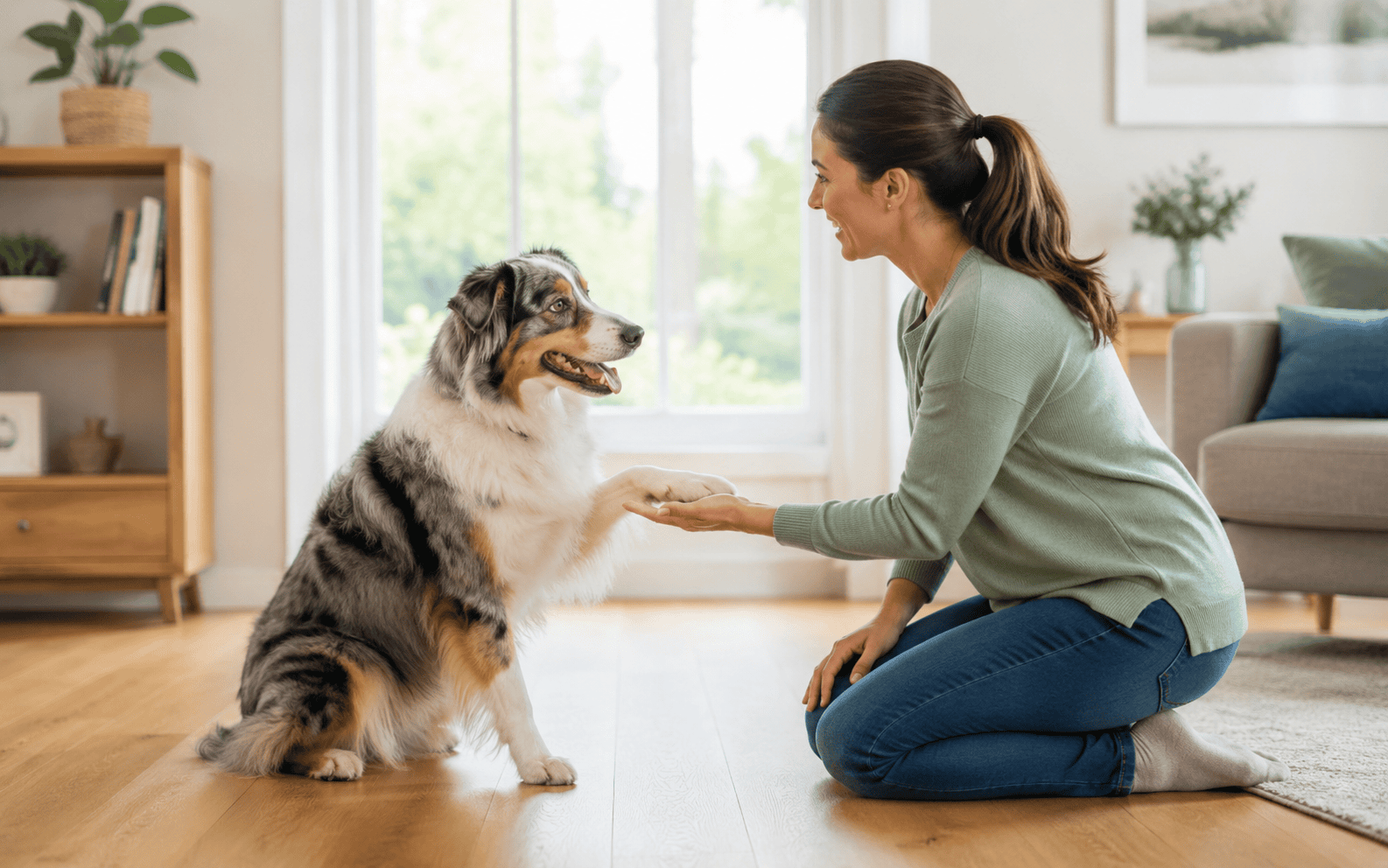
Trick training in dogs is the practice of teaching your dog specific, often entertaining behaviors beyond basic obedience, using positive reinforcement to build mental engagement and strengthen your relationship. It is one of the most effective and enjoyable ways to channel your dog’s natural drive to learn into productive, confidence-building experiences.
Key Takeaways
- Trick training goes beyond entertainment, it actively improves your dog’s focus, impulse control, and overall behavior.
- Positive reinforcement is the foundation of effective trick training, making sessions enjoyable for both dog and owner.
- Even basic tricks like “spin” or “shake” require mental effort that can tire a dog out just as much as physical exercise.
- Trick training works best in short, consistent sessions of 5 to 10 minutes per day.
- Any dog, regardless of age or breed, can benefit from learning tricks with the right approach.
- Professional trainers can help you build a structured trick training plan that complements obedience work.
Why Trick Training Is More Than Just Fun
Most people assume trick training is purely about showing off what their dog can do at parties. In reality, the process of teaching tricks produces measurable behavioral benefits that carry over into everyday life.
When you teach your dog a new trick, you are asking them to focus, process information, and repeat a specific behavior to earn a reward. That mental effort builds what trainers call “cognitive stamina,” which is essentially your dog’s ability to concentrate and respond to you even in distracting environments. Dogs who train regularly tend to be calmer at home, more attentive on leash, and faster to respond to cues in new situations.
There is also a strong neurological component. Mental stimulation triggers dopamine release in dogs, much the same way it does in humans. A dog who spends 10 minutes working through a trick session is often more satisfied and relaxed than one who spent 30 minutes running in the yard. If you are looking for 8 fun activities to keep your dog happy, trick training belongs at the top of that list.
Beyond the science, there is also a relationship benefit. Every successful trick rep is a moment of clear communication between you and your dog. You ask, your dog responds, you reward. That cycle builds trust and reduces the kind of anxiety that often drives problem behaviors like excessive barking, destructive chewing, or jumping on guests.
How Trick Training Actually Works: The Core Methods
The mechanics of trick training rely on a few consistent principles that apply whether you are teaching a simple “paw” or a complex multi-step sequence.
Luring
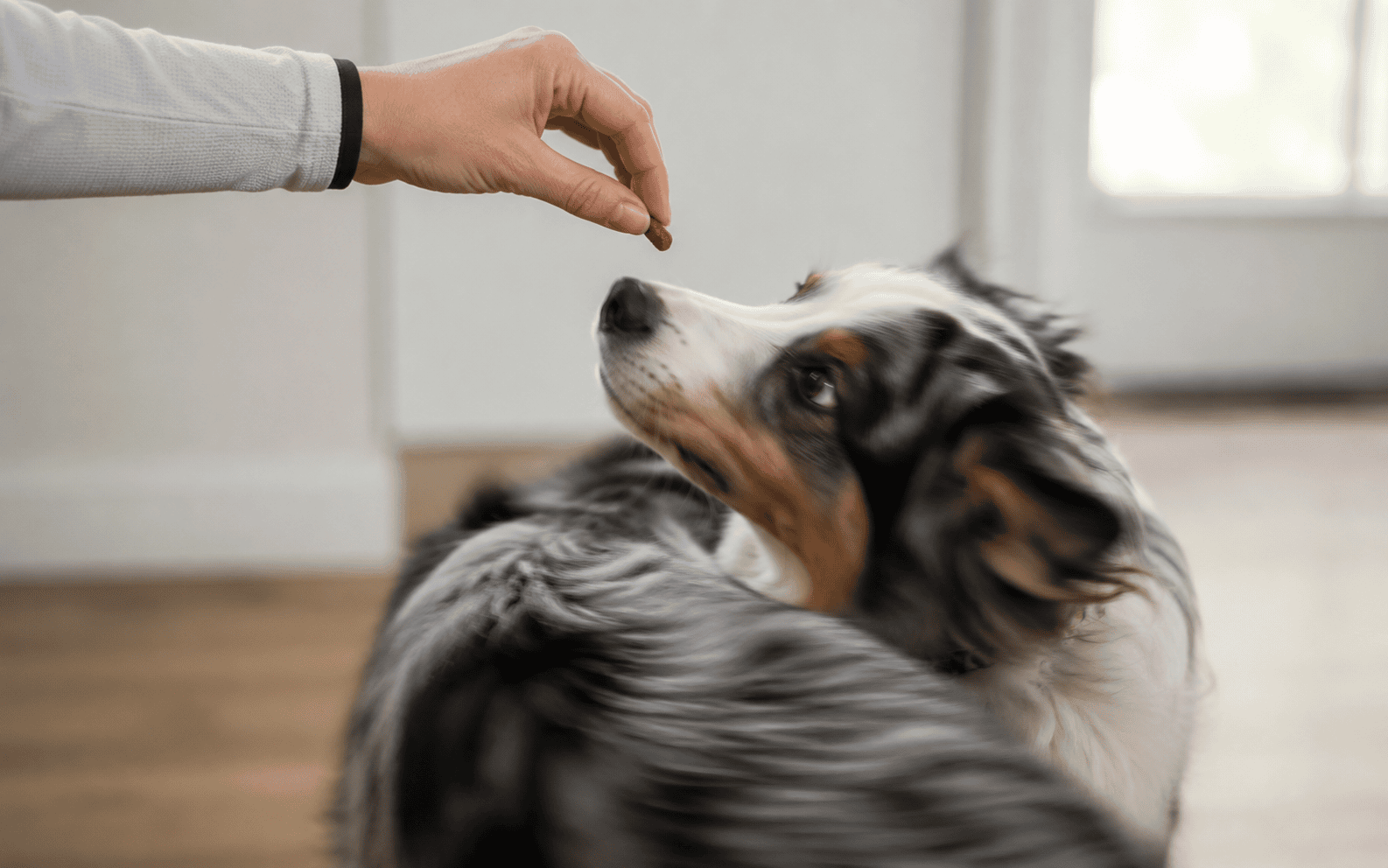
Luring involves using a treat or toy to physically guide your dog into the desired position. For example, if you want to teach your dog to “spin,” you would hold a treat near their nose and slowly move your hand in a circle, guiding their body to follow. Once they complete the movement, you reward immediately. Luring is great for beginners because it gives the dog a clear path to success right from the first session.
Shaping
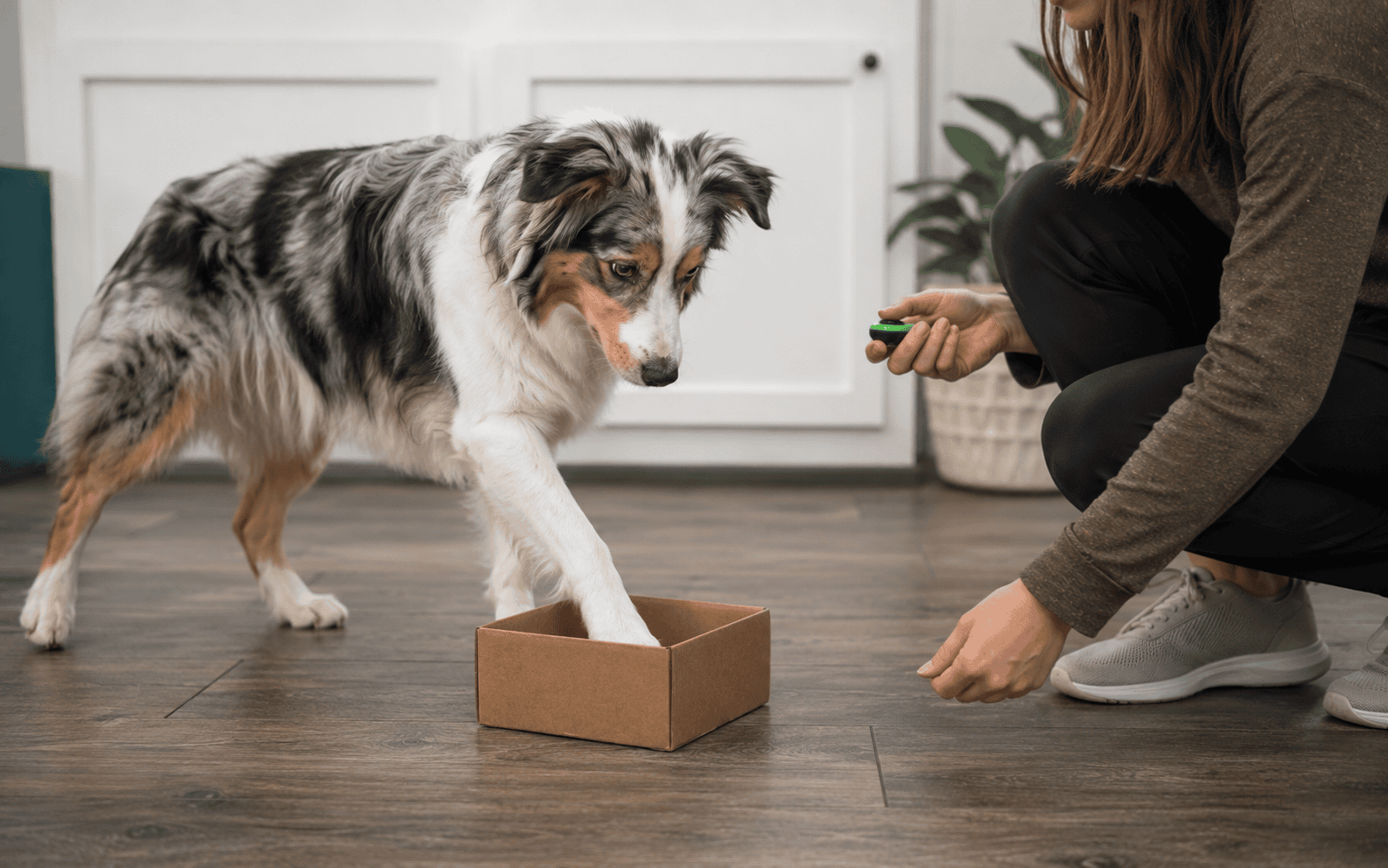
Shaping is a more advanced technique where you reward small incremental steps toward the final behavior. If you want to teach your dog to put their paw in a box, you might first reward them for looking at the box, then for approaching it, then for touching it, and finally for stepping into it. This method builds problem-solving skills in your dog and is especially useful for complex tricks.
Capturing
Capturing means marking and rewarding a behavior your dog does naturally. If your dog stretches every morning, you can start saying “bow” the moment they stretch, then reward them. Over time, they associate the word with the behavior and start offering it on cue. This is one of the most low-effort methods for owners because it requires no physical guidance.
Adding a Verbal Cue
Once your dog is reliably performing the behavior, you introduce a verbal cue or hand signal just before they perform it. The sequence is: cue, behavior, reward. Repeating this sequence consistently is what creates the association between the word and the action.
A useful reference point as you build out your dog’s skill set is the top 10 essential dog commands every owner must know, which covers the foundational cues that make trick training smoother and more effective.
Trick Training vs. Obedience Training: What Is the Difference?
This is a question many dog owners ask when they first start exploring training options. The short answer is that obedience and tricks serve different purposes but complement each other well.
| Feature | Obedience Training | Trick Training |
| Primary goal | Safety and reliability | Mental enrichment and bonding |
| Examples | Sit, stay, heel, come | Spin, roll over, shake, fetch by name |
| Environment | Works under distraction | Often starts in low-distraction spaces |
| Stakes | High — affects public safety | Lower — performance-based |
| Builds | Impulse control, structure | Creativity, confidence, problem-solving |
| Used together? | Yes, frequently | Yes, as a supplement to obedience |
Obedience dog training focuses on behaviors that keep your dog safe and manageable in real-world situations: coming when called, walking without pulling, staying when asked. Trick training supplements that by giving your dog a mental outlet and keeping their relationship with learning positive and enjoyable.
Many professional trainers recommend weaving trick work into obedience sessions to keep the dog engaged and motivated. A dog who associates training with fun is more likely to stay focused throughout a full obedience session.
What Is Trick Training in Dogs Good For? Real-World Applications
The benefits of trick training extend well beyond the living room floor.
Behavioral rehabilitation: Dogs recovering from fear or anxiety often respond well to trick training because it gives them a sense of control. When a dog understands that their behavior directly produces a reward, it reduces the helplessness that drives anxiety-based reactions.
Senior dogs: Cognitive decline is a real concern in older dogs, similar to how it affects aging humans. Regular mental stimulation through trick work can slow that process and keep aging dogs sharp and engaged.
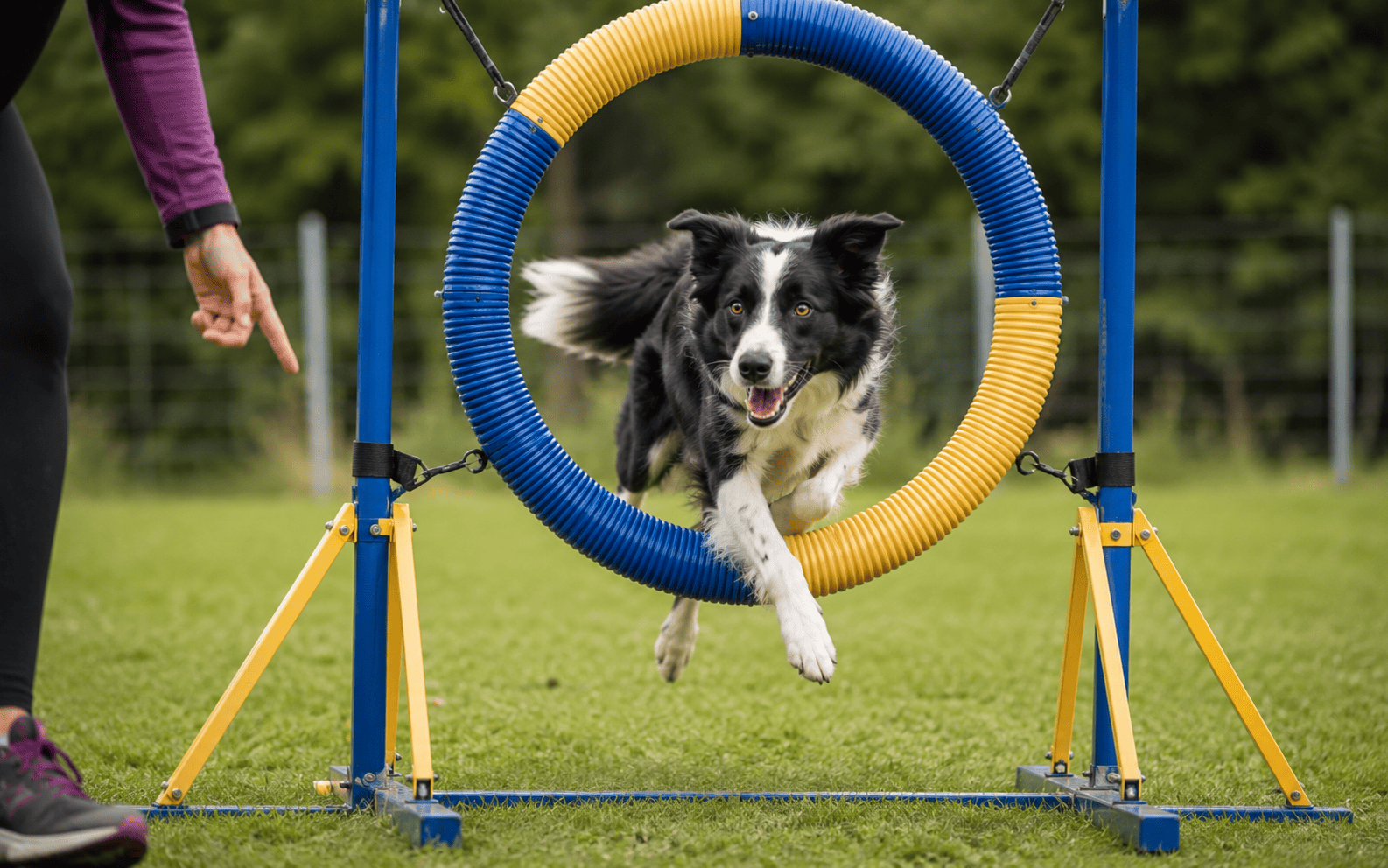
High-drive breeds: Breeds like Belgian Malinois, Border Collies, and Australian Shepherds have working instincts that need an outlet. Without it, they redirect that drive into destructive behavior. Trick training provides structured mental engagement that satisfies those instincts without requiring you to own a sheep farm.
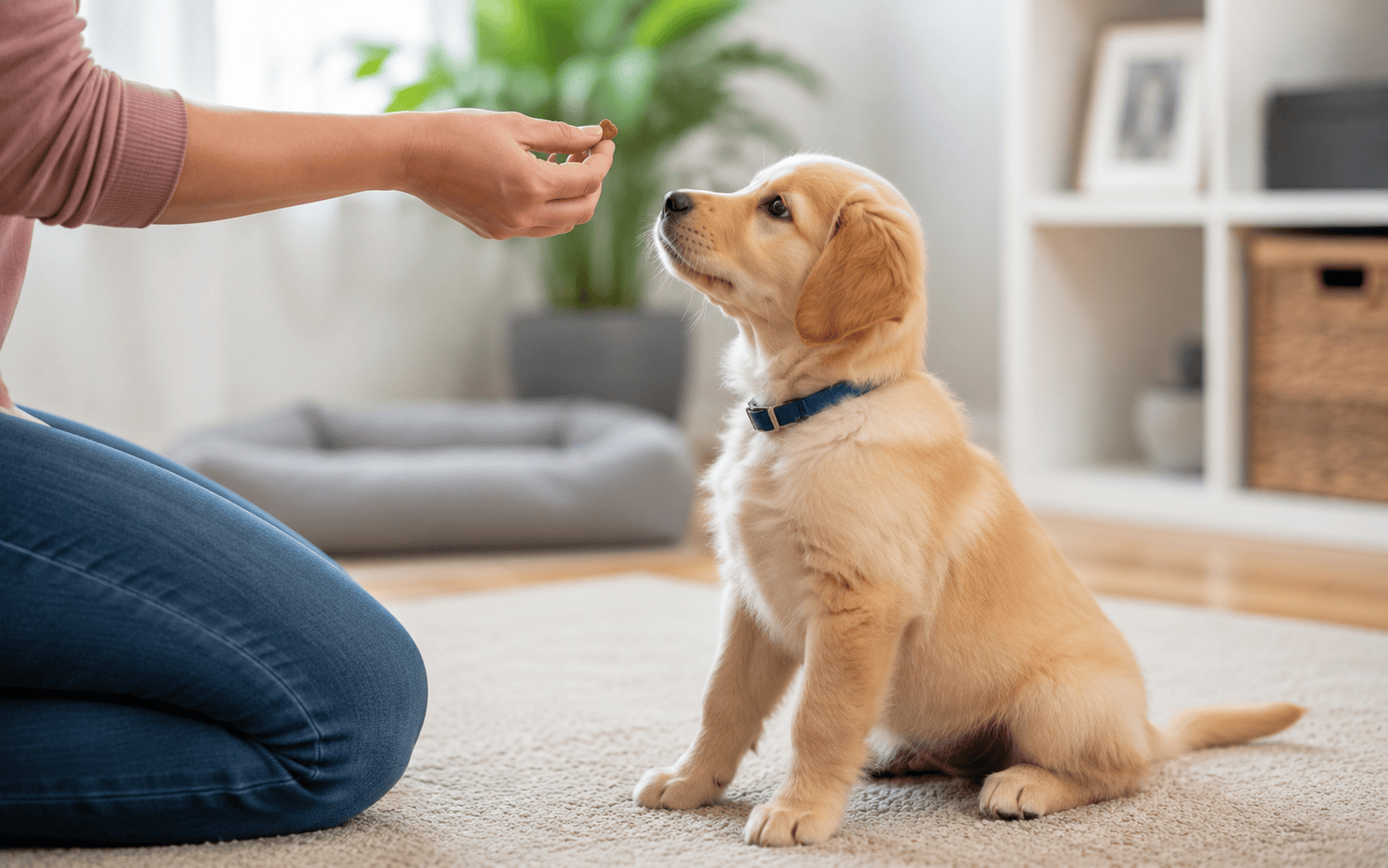
Puppies: Starting trick training early builds focus and teaches puppies that working with you is rewarding. Puppies who learn to engage with training at a young age develop into dogs who are significantly easier to manage as adults.
Dogs with physical limitations: Unlike agility or high-impact sports, many tricks can be adapted for dogs with joint issues or mobility limitations, making it an accessible option for dogs who cannot engage in strenuous exercise.
Things to Know
- Short sessions are more effective than long ones. Five to ten minutes twice a day outperforms a single 40-minute marathon every time.
- The treat does not have to be large. A pea-sized piece of chicken or cheese is enough to reinforce a behavior without overfeeding your dog.
- Inconsistency in cues confuses dogs. Every person in your household needs to use the same words and hand signals.
- Not every dog learns at the same pace. Slower progress does not mean your dog is stubborn, it often means the steps are too large and need to be broken down further.
- End every session on a win. If your dog is struggling, ask for something they know confidently so they finish on a positive note.
- Dogs can learn new tricks at any age. The idea that “you can’t teach an old dog new tricks” has been disproved repeatedly in behavioral research.
Choosing the Right Starting Point for Your Dog
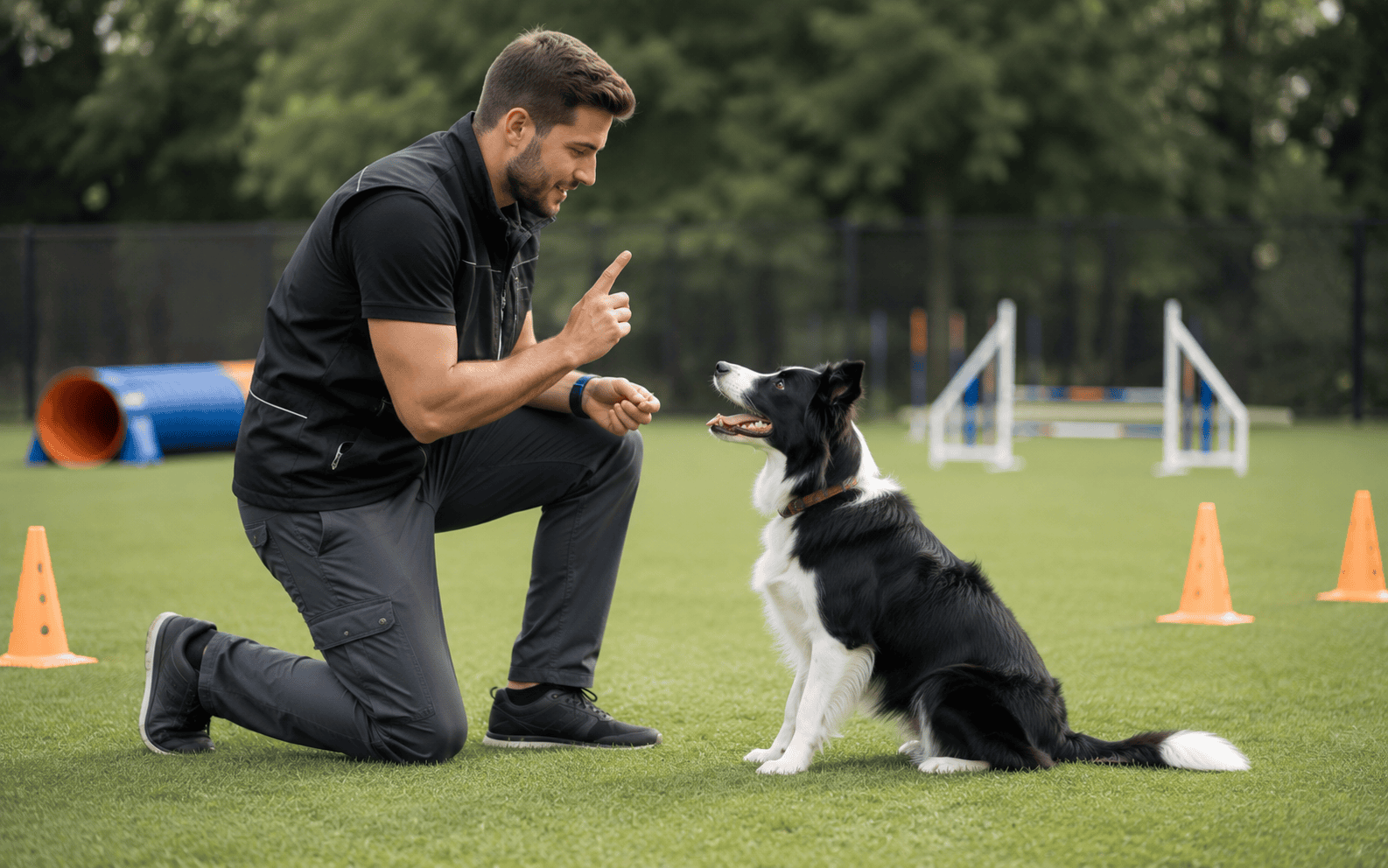
Where you start depends on your dog’s current training history, age, and temperament.
If your dog has no formal training background, begin with something simple that requires a single action, such as “sit up” (a begging position), “touch” (nose to hand), or “spin.” These tricks have a short learning curve and give your dog early wins that build confidence.
If your dog already has solid obedience dog training foundations, you can move into more complex behaviors like “roll over,” “play dead,” “fetch by color,” or even trick sequences that chain multiple behaviors together.
For owners who want structured support, working with a professional trainer makes a significant difference. In home dog training long island sessions allow a trainer to observe your dog in their natural environment, identify what motivates them specifically, and design a trick training plan tailored to their personality and drive.
If you prefer a more intensive option, board and train long island programs give your dog structured daily training with an experienced handler, accelerating progress significantly. When you work with private dog training long island professionals, you also get one-on-one guidance on how to continue the work at home between sessions.
Train Smarter With K9 Mania Dog Training on Long Island
If your dog is pulling on leash, ignoring commands, or just not reaching their potential, structured training can change that fast. Trick training is a powerful tool, but it works best when built on a solid foundation of communication and trust between you and your dog.
K9 Mania Dog Training offers a full range of programs designed to meet your dog exactly where they are. Whether your pup is just starting out or you are dealing with more complex behavioral challenges, there is a program that fits. Services include Board and Train Programs, Private Dog Training, Puppy Training, Obedience Training, and Behavior Modification, all delivered by experienced trainers who understand how dogs actually learn.
K9 Mania serves Long Island and surrounding areas, bringing professional training expertise directly to local dog owners. Contact K9 Mania Dog Training today to find the right program for your dog and start building the skills that make every day easier and more enjoyable.
You May Also want to Read
What Is Trigger Stacking in Dogs
What Are Group Dog Training Classes
Frequently Asked Questions
At what age can I start trick training my dog?
You can start trick training as early as 8 weeks old, using very short sessions with high-value treats.
Puppies have short attention spans, so keep early sessions to 2 to 3 minutes focused on one behavior at a time. Simple tricks like “sit,” “touch,” and “spin” are ideal starting points for young dogs.
How long does it take for a dog to learn a new trick?
Most dogs can learn a basic trick within 5 to 10 short training sessions if the steps are broken down correctly.
More complex tricks or multi-step behaviors can take several weeks of consistent practice. The speed of learning depends heavily on the individual dog’s drive, the clarity of your cues, and how motivating the reward is.
Do I always need treats to train tricks?
Treats are the most effective reinforcer for most dogs, but you can also use toys, praise, or play as rewards.
The key is finding what your dog values most and using that consistently. Some dogs are more motivated by a game of tug than a food reward, and both work perfectly well in a trick training context.
Can trick training help with a dog’s anxiety?
Yes, trick training is commonly used as part of a confidence-building program for anxious or fearful dogs.
The structured nature of trick training gives anxious dogs a clear, predictable way to interact with their environment and earn rewards. Over time, this reduces the uncertainty that drives fearful behavior and builds genuine confidence.
Is trick training appropriate for all breeds?
Yes, all breeds can benefit from trick training, though the best approach varies based on the breed’s natural drives and energy levels.
High-energy working breeds may need more complex, mentally demanding tricks to stay engaged. Lower-energy or brachycephalic breeds might prefer shorter sessions and simpler behaviors that do not require intense physical effort.
The Bottom Line on What Is Trick Training in Dogs
What is trick training in dogs, at its core? It is a structured, positive, and highly effective way to build a smarter, calmer, and more connected dog. It is not just about impressing your neighbors, it is about giving your dog the mental engagement they need to thrive and giving yourself a reliable, enjoyable way to strengthen your bond every single day.
Start simple, be consistent, and do not underestimate how much your dog wants to learn. If you want professional guidance to get started or take your dog’s skills to the next level, reach out to K9 Mania Dog Training to find the program that fits your dog’s needs and your lifestyle.