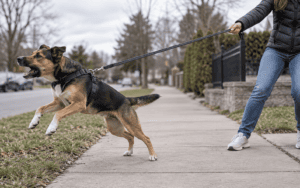
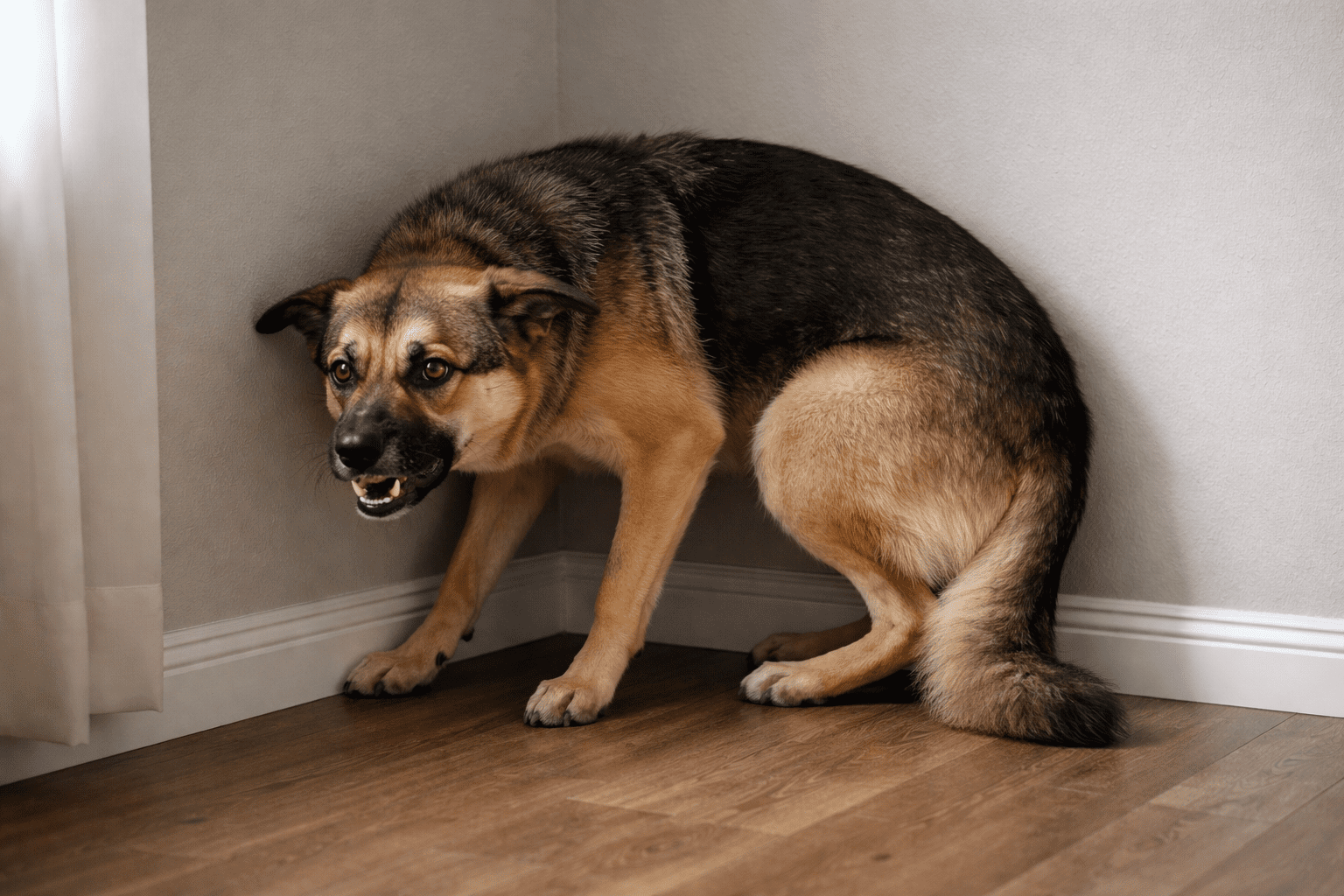
Fear aggression in dogs occurs when a dog bites, snaps, or attacks because they feel threatened and can’t escape. This defensive behavior stems from anxiety and past trauma rather than dominance or meanness.
If you’ve noticed your dog growling, lunging, or snapping when they’re scared, you’re dealing with a serious but fixable problem. Fear-based aggression isn’t about your dog being “bad”—it’s about them feeling trapped and unsafe. The good news is that with the right approach, patience, and professional training, most dogs can learn to feel secure and respond calmly instead of lashing out.
Understanding why your dog reacts this way and recognizing the warning signs early can prevent bites and help your dog live a happier, less stressful life. Keep reading to learn what triggers this behavior, how to spot it before it escalates, and what you can do to help your dog feel safe again.
Struggling with aggressive behavior? Our board and train Long Island program gives your dog the structure and confidence they need in a safe, controlled environment.
What Is Fear Aggression in Dogs
Fear aggression happens when a dog feels cornered, threatened, or unable to escape from something scary. Instead of running away, the dog defends itself by barking, growling, snapping, or biting. This reaction isn’t about being dominant or mean—it’s a survival response driven by anxiety and fear.
How Fear Aggression Differs From Other Types of Aggression
Not all aggression looks the same, and understanding the difference helps you address the root cause. Fear-based aggression is defensive, while other types might be territorial, possessive, or driven by frustration.
Dogs showing territorial aggression guard their space or belongings. They might bark at strangers near the house or snap when someone approaches their food bowl. This behavior comes from a desire to protect what’s theirs, not from feeling scared.
Possessive or resource guarding aggression happens when a dog doesn’t want to share toys, food, or even people. The dog feels ownership over an item and reacts aggressively when someone tries to take it away.
Redirected aggression occurs when a dog can’t reach the real source of frustration, so they lash out at whatever is nearby. For example, if two dogs are barking at each other through a fence, one might turn and bite the person trying to pull them away.
Fear aggression stands apart because the dog is reacting to perceived danger. Their body language often shows stress—ears back, tail tucked, crouching low—before they snap. They’re not trying to take control or guard resources; they just want the scary thing to go away. If they had a choice, they’d run, but when escape feels impossible, they fight instead.
Why Fear Aggression Is a Defensive Response
When a dog feels trapped or overwhelmed, their brain switches into survival mode. Fight-or-flight kicks in, and if flight isn’t an option, the dog will fight to protect itself. This is an instinctive reaction, not something the dog plans or controls.
Common situations that trigger this response include being cornered in a small space, approached by a stranger while on a leash, or touched in a way that feels threatening. Dogs with a history of abuse, neglect, or poor socialization are more likely to react this way because they’ve learned the world can be dangerous.
Once a dog has successfully used aggression to make a scary thing go away, they’re more likely to try it again. If snapping at someone caused that person to back off, the dog learns that aggression works. This cycle reinforces the behavior and makes it harder to change without professional help.
Understanding that fear drives this aggression is the first step toward fixing it. Punishing a scared dog only makes things worse because it increases their anxiety. Instead, the goal is to help them feel safe so they don’t need to defend themselves in the first place.
Why Dogs Develop Fear Aggression
Fear aggression doesn’t appear out of nowhere. It develops over time due to past experiences, lack of socialization, genetics, or traumatic events. Knowing what causes it helps you prevent it or address it early before it becomes a bigger problem.
Common Causes and Triggers
Several factors contribute to a dog developing fear-based aggression. Some dogs are born more anxious, while others learn to be fearful through negative experiences.
Lack of Early Socialization: Puppies that aren’t exposed to different people, places, sounds, and situations during their first few months often grow up fearful of the unfamiliar. If a dog didn’t meet strangers, hear traffic, or interact with other dogs as a puppy, they might see these things as threats later in life.
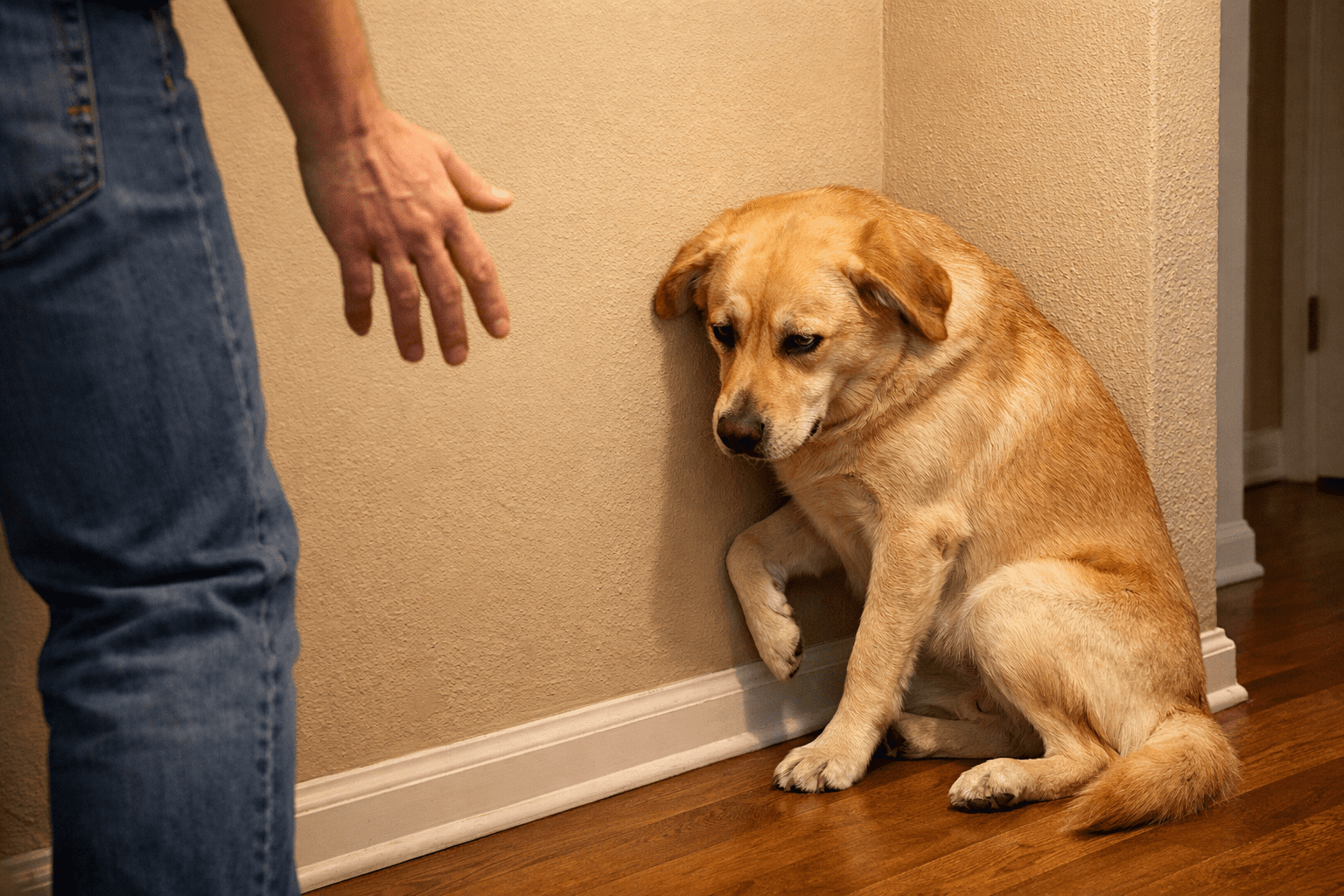
Traumatic Experiences: Dogs that have been abused, attacked by another animal, or experienced something frightening often develop lasting fear. Even a single bad event—like being cornered by a loud stranger or hurt during a vet visit—can create a fear response that sticks.
Genetics and Breed Tendencies: Some dogs are naturally more anxious or sensitive. Breeds bred for guarding or protection may have stronger defensive instincts, but any dog can develop fear aggression depending on their personality and life experiences.
Medical Issues: Pain or illness can make a dog more reactive. If a dog has arthritis, dental pain, or an injury, being touched in certain areas might hurt, causing them to snap defensively. Always rule out medical problems before assuming behavior is purely fear-based.
Inconsistent or Harsh Training: Dogs trained with punishment, yelling, or physical corrections often become more anxious and defensive. If a dog doesn’t understand what’s expected or is afraid of making mistakes, they may lash out when they feel pressured.
Understanding why my dog is scared can help you identify patterns and work on building their confidence.
Situations That Trigger Fear Aggression
Even a well-adjusted dog can react aggressively if placed in the wrong situation. Recognizing these triggers helps you manage your dog’s environment and reduce stress.
| Trigger | Why It Causes Fear | Example |
| Being cornered or restrained | Dog feels trapped with no escape route | A dog backed into a corner by a stranger or held tightly during grooming |
| Sudden movements or loud noises | Unpredictable stimuli startle the dog | A child running toward the dog or fireworks going off nearby |
| Strangers approaching on leash | Dog can’t flee, feels vulnerable | A person reaching to pet a leashed dog on a sidewalk |
| Unfamiliar environments | New places create anxiety | First vet visit or entering a crowded park |
| Direct eye contact or looming over | Perceived as a threat in dog language | Someone staring at the dog or leaning over them to pet |
| Previous abuse or trauma reminders | Specific triggers tied to past events | A raised hand if the dog was hit before, or a certain type of person |
Avoiding these situations when possible and gradually desensitizing your dog to them with positive reinforcement can reduce aggressive reactions over time. If your dog shows signs of dog behavior issues related to fear, addressing triggers early prevents escalation.
Recognizing Fear Aggression in Dogs
Spotting fear aggression before it escalates into a bite gives you time to intervene and keep everyone safe. Dogs give plenty of warning signs through their body language and behavior, but many people miss these cues until it’s too late.
Warning Signs and Body Language
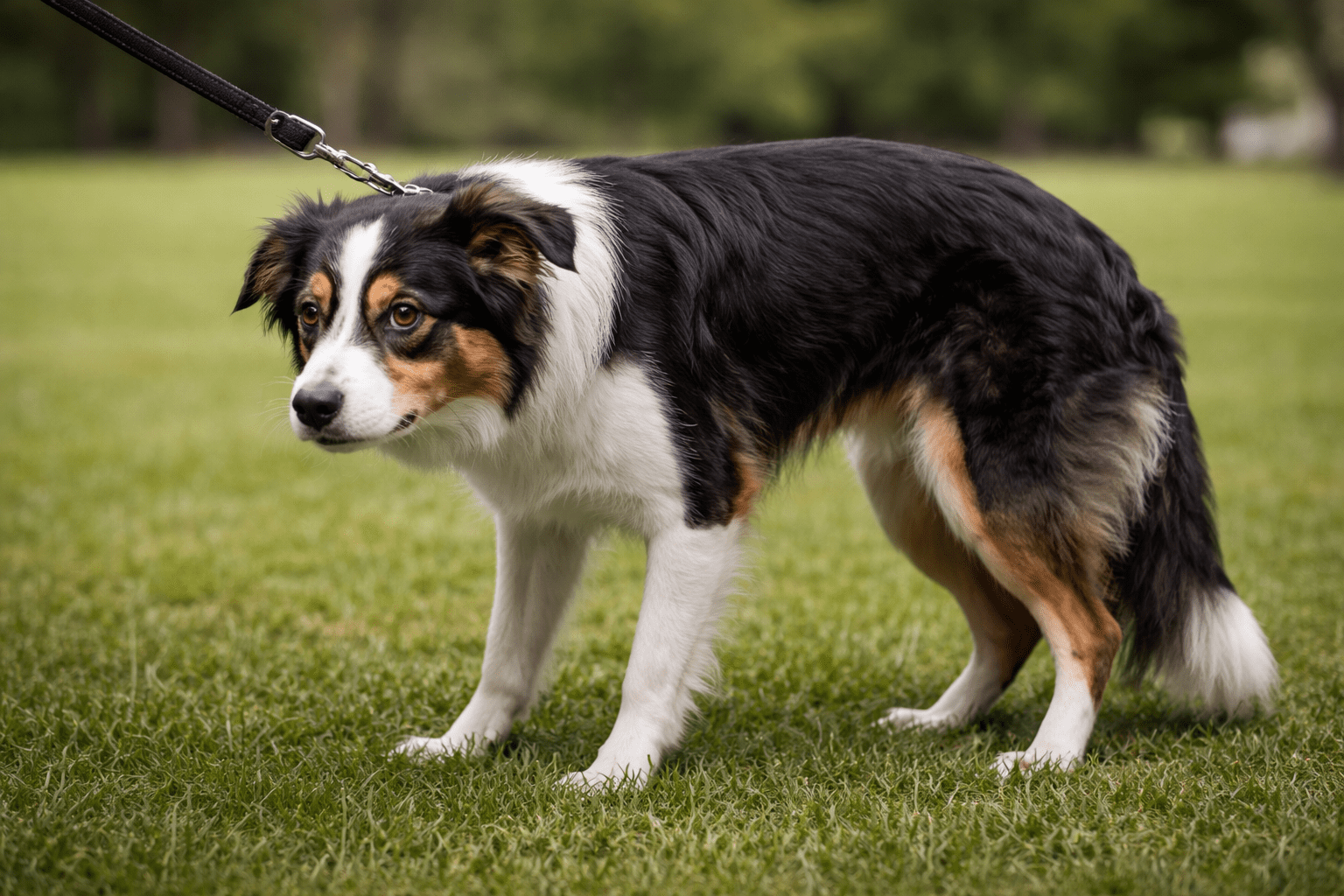
A dog experiencing fear shows stress through their posture, facial expressions, and movements. Learning to read these signals helps you step in before the dog feels the need to snap or bite.
Subtle Signs of Fear:
- Ears pinned back against the head
- Tail tucked between the legs
- Crouching or trying to make themselves smaller
- Licking lips repeatedly or yawning when not tired
- Whale eye (showing the whites of their eyes)
- Turning their head away or avoiding eye contact
- Panting heavily when it’s not hot
- Shedding excessively in a stressful situation
Escalating Warning Signs:
- Freezing in place, stiff body
- Low growling or showing teeth
- Raised hackles (fur standing up along the back)
- Staring intensely at the perceived threat
- Barking aggressively while backing away
- Lunging forward and snapping without making contact
If you ignore these early signals, the dog may feel they have no choice but to bite. Many people punish growling, which removes the dog’s warning system and makes them more likely to bite without any notice next time.
Differences Between Playful, Fearful, and Aggressive Behavior
Not all barking or growling means aggression, and not all aggression looks the same. Context and body language help you tell the difference.
| Behavior Type | Body Language | Motivation | What It Looks Like |
| Playful | Loose, wiggly body; play bow (front down, rear up); mouth open in a relaxed way | Excitement, engagement | Bouncing around, short barks, gentle mouthing during play |
| Fearful (pre-aggression) | Tense, crouched, ears back, tail tucked, avoiding eye contact | Anxiety, trying to avoid conflict | Backing away, lip licking, freezing, low growl as a warning |
| Fear Aggression | Stiff body, hackles up, direct stare, teeth showing, ears pinned back | Defensive, trying to create distance | Barking while retreating, lunging with snapping, biting if cornered |
| Confident Aggression | Forward-leaning, ears up, tail high and stiff, intense stare | Offensive, asserting dominance or protecting resources | Advancing toward the threat, sustained growling, bite and hold |
Fear-based aggression usually involves the dog trying to increase distance between themselves and the threat. They’re not confident or trying to dominate—they just want space. If you see your dog showing fearful body language, don’t force them into the situation. Give them room and work on building their confidence gradually.
Learning to help a fearful dog gain confidence takes patience, but recognizing fear early makes training more effective.
How to Help a Dog with Fear Aggression
Fixing fear aggression takes time, consistency, and the right approach. Punishing a scared dog only makes things worse, so the focus should be on building confidence, creating positive associations, and teaching the dog that they’re safe.
Training Approaches That Work
The goal of training a fear-aggressive dog is to change how they feel about the things that scare them. This means using positive reinforcement, desensitization, and counter-conditioning rather than punishment.
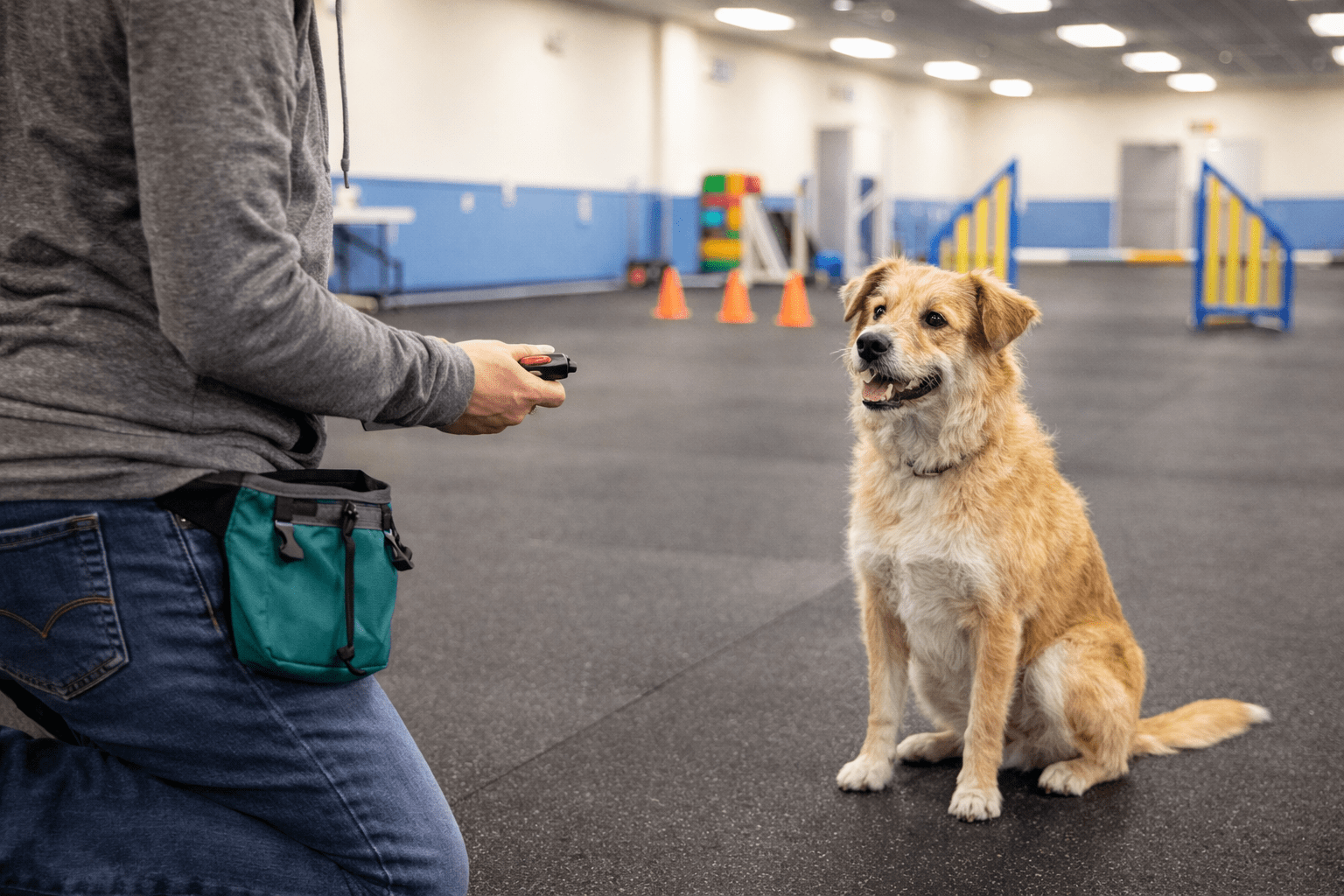
Desensitization: Gradually expose your dog to the trigger at a low intensity where they notice it but don’t react. For example, if your dog is afraid of strangers, start by having a person stand far away while you reward your dog for staying calm. Over many sessions, slowly decrease the distance as your dog becomes more comfortable.
Counter-Conditioning: Pair the scary thing with something your dog loves, like high-value treats or a favorite toy. If your dog sees a stranger and gets a piece of chicken, they start to associate strangers with good things instead of danger. Repeat this process until the dog’s emotional response changes from fear to anticipation.
Positive Reinforcement: Reward calm, non-aggressive behavior every time. If your dog looks at a trigger and doesn’t react, mark that moment with “yes” or a clicker and give them a treat. This teaches them that staying calm is more rewarding than reacting.
Avoid Flooding: Don’t force your dog into a situation that overwhelms them, hoping they’ll “get over it.” This often backfires and makes the fear worse. Training should happen in small, manageable steps at the dog’s pace.
Management: While you’re working on training, manage your dog’s environment to prevent aggressive reactions. Use baby gates, keep your dog on a leash in public, and avoid situations where they might feel cornered. Prevention stops the behavior from being rehearsed and reinforced.

If your dog needs intensive help, a structured program like dog boarding camp Long Island provides a controlled environment where your dog can learn without the distractions and triggers of everyday life.
When to Seek Professional Help
Some cases of fear aggression are too complex or dangerous to handle alone. A certified dog trainer or veterinary behaviorist can assess your dog’s specific needs and create a customized plan.
Signs You Need a Professional:
- Your dog has bitten someone or another animal
- Aggression is getting worse despite your efforts
- You feel unsafe handling your dog in certain situations
- Your dog’s fear is severe and affects their quality of life
- You’re not seeing progress after several weeks of training
A professional can teach you safe handling techniques, help you understand your dog’s body language better, and provide hands-on coaching. In some cases, medication prescribed by a vet may help reduce anxiety while you work on behavior modification.
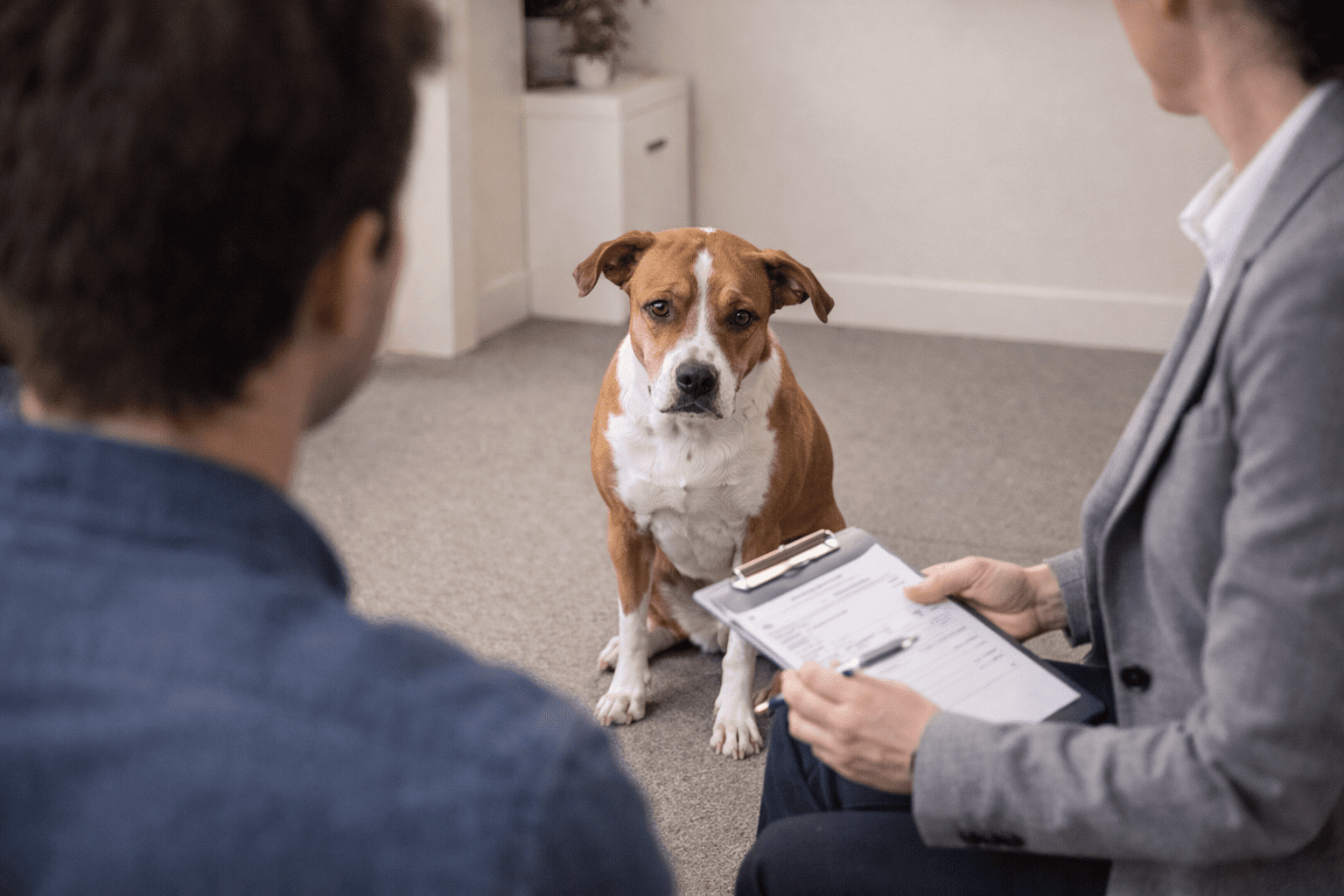
Programs like dog obedience training provide structured learning that builds your dog’s confidence and gives them clear expectations. Consistency and expert guidance make the biggest difference in long-term success.
Transforming Fear Aggression in Dogs Through Expert Training
Fear aggression in dogs is a challenging but solvable problem when you understand the root cause and use the right training methods. Your dog isn’t being stubborn or bad, they’re scared and trying to protect themselves. With patience, positive reinforcement, and professional support, most dogs can learn to feel safe and respond calmly instead of lashing out.
If you’re struggling with a fear-aggressive dog, don’t wait for the problem to get worse. At K9 Mania Dog Training, we specialize in helping anxious, reactive dogs build the confidence they need to thrive. As Long Island’s leading board and train provider, we offer customized programs designed to address fear-based behaviors in a structured, supportive environment. Whether your dog needs intensive training or ongoing behavior support, we’re here to help you both succeed. Visit our website today and discover how we can transform your dog’s fear into confidence.
You May Also Want to Read
- How to Introduce Dogs to Each Other: Complete Safety Guide
- How to Teach a Dog to Swim: Complete Training Guide
- Muzzle Training for Dogs: A Complete Guide for Safety and Success
- Possessive Aggression in Dogs: What It Is and How to Fix It
Frequently Asked Questions
How to calm a scared dog?
Calming a scared dog starts with removing them from the stressful situation if possible and giving them space to relax. Speak in a soft, soothing voice and avoid making direct eye contact, which can feel threatening. Offer a quiet, safe place like a crate or a room where they feel secure, and let them come to you when they’re ready rather than forcing interaction.
Why is my dog acting weird and scared all of a sudden?
Sudden fearful behavior can be caused by a traumatic event, a medical issue causing pain, changes in the environment, or even something as simple as a new sound or smell. If your dog’s fear seems to come out of nowhere, check for injuries or illness and consider any recent changes in their routine. If the behavior continues, consult a vet to rule out health problems.
How to tell if your dog is fear aggressive?
You can tell a dog is fear aggressive if they show defensive body language like crouching, ears back, tail tucked, and then escalate to growling, snapping, or biting when they feel cornered or unable to escape. The key difference is that they’re reacting to perceived threats rather than trying to dominate or protect resources, and they often try to retreat before becoming aggressive.
Can a fear-aggressive dog be trained?
Yes, a fear-aggressive dog can be trained with the right approach, including desensitization, counter-conditioning, and positive reinforcement. Training focuses on changing the dog’s emotional response to triggers and building their confidence over time. Professional help from a certified trainer or behaviorist is often needed for the best and safest results.
How to help a dog fear, anxiety, and stress?
Helping a dog with fear, anxiety, and stress involves creating a predictable routine, providing a safe space, using positive reinforcement training, and gradually exposing them to triggers at a comfortable pace. Calming supplements, anxiety wraps, or vet-prescribed medication may also help in severe cases, but behavior modification should always be part of the plan.
Should you comfort a fearful dog?
You should comfort a fearful dog in a calm, matter-of-fact way without reinforcing the fearful behavior. Petting and speaking softly can help, but avoid overly dramatic reassurance or treating the dog like something terrible is happening, as this can confirm their fear. Instead, stay calm and redirect them to a positive activity or reward calm behavior.