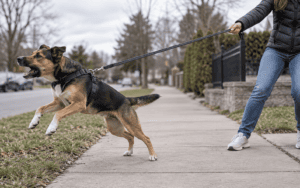
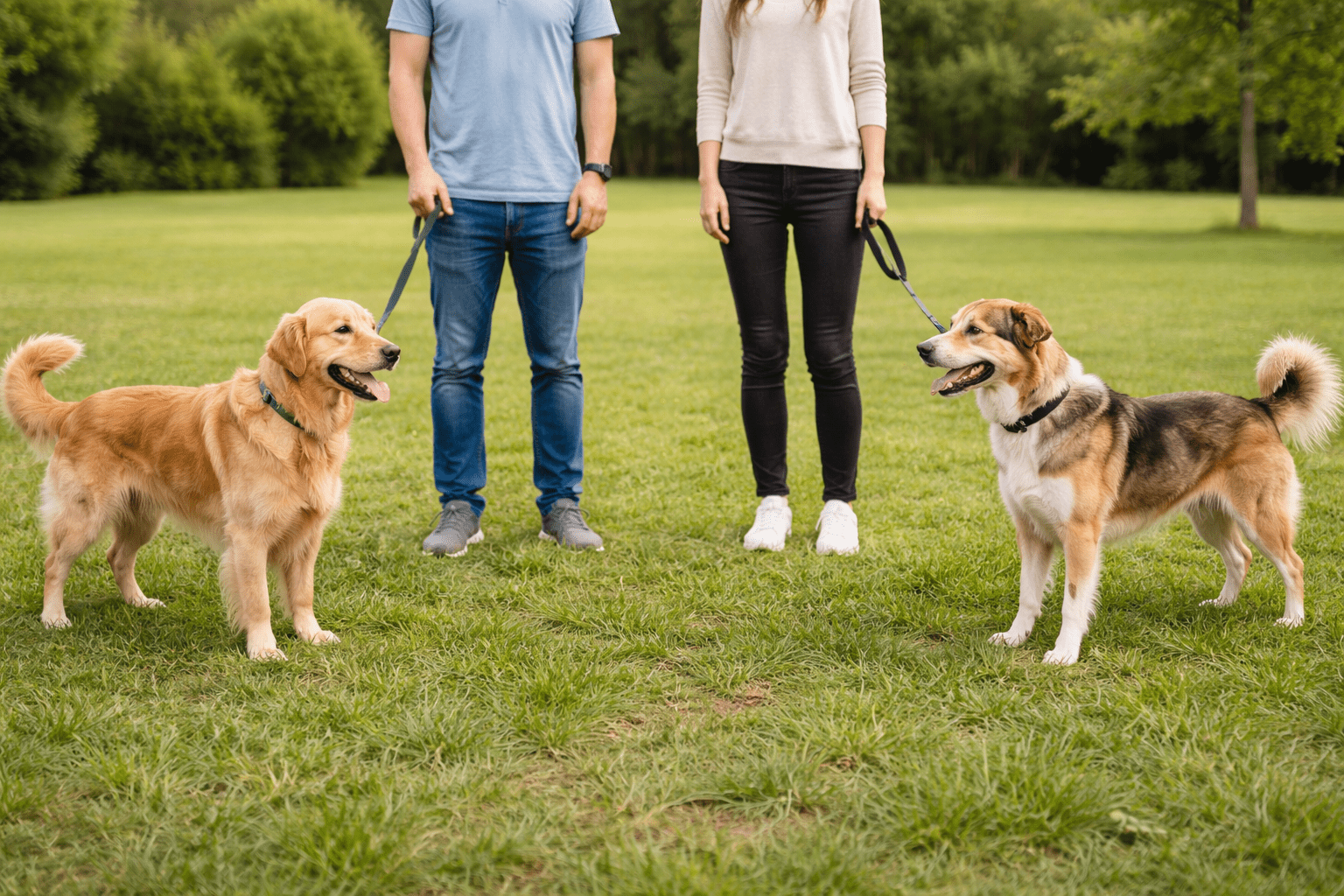
Introducing dogs to each other requires a neutral location, controlled environment, and patience to prevent conflicts. The safest method involves keeping both dogs on leashes in a neutral area where neither feels territorial, allowing them to observe each other from a distance before gradually decreasing space between them.
Getting two dogs to meet for the first time can feel stressful, but with the right approach, you can set them up for success. Whether you’re bringing home a new puppy, adopting a rescue, or simply arranging a playdate, knowing the proper introduction process protects both dogs from fear, anxiety, and potential aggression.
In this guide, we’ll walk you through everything you need to know about how to introduce dogs to each other, from preparation and location selection to reading body language and troubleshooting problems. You’ll learn the step-by-step process that professional trainers use to create positive first impressions between dogs.
Looking for expert guidance on dog behavior? Check out our board and train Long Island program for professional support.
Why Proper Dog Introductions Matter
The first meeting between two dogs sets the tone for their entire relationship. A bad introduction can create lasting fear, anxiety, or aggression that takes months to undo. On the other hand, a calm, controlled meeting builds confidence and helps dogs feel safe around each other.
Dogs are naturally social animals, but they need structure and guidance during introductions. Without proper management, even friendly dogs can become overwhelmed, defensive, or overstimulated. This is especially true for dogs who haven’t learned good dog body language signals or have limited social experience.
Common Risks of Poor Introductions
Rushing the introduction process puts both dogs at risk. When dogs meet face-to-face in confined spaces or high-stress environments, they may react defensively. Common problems include:
- Resource guarding: Dogs may protect toys, food, or even their owners
- Territorial aggression: The resident dog may view the new dog as an intruder
- Fear responses: Shy or anxious dogs may snap or hide when overwhelmed
- Overstimulation: Excited dogs may play too roughly, leading to conflict
Dogs with a history of poor socialization face additional challenges. If you notice poorly socialized dog signs like excessive fear, aggression toward other dogs, or inability to read social cues, professional training becomes even more important.
Benefits of Successful Introductions
When you introduce dogs properly, you create a foundation for positive interactions. Well-introduced dogs are more likely to:
- Play gently and respectfully with each other
- Share space without conflict or stress
- Develop trust and companionship over time
- Show relaxed body language in each other’s presence
Successful introductions also reduce stress for you as an owner. You won’t need to constantly manage tense interactions or separate dogs who can’t get along. Instead, you can enjoy watching your dogs build a healthy relationship.
Pre-Introduction Preparation
Preparation makes the difference between a smooth introduction and a stressful one. Before the dogs ever meet, you need to set up the right environment and gather the necessary tools.
Choosing the Right Location
The location for your dog introduction matters more than most people realize. You want a neutral area where neither dog feels ownership or territorial pressure. Good options include:
- Public parks: Choose a quiet corner away from busy trails
- Empty parking lots: Large, open spaces with minimal distractions
- Friend’s yard: A fenced area neither dog has visited before
- Quiet neighborhood streets: Low-traffic areas where dogs can walk parallel
Avoid introducing dogs in your home, backyard, car, or any space your current dog considers their territory. Even friendly dogs may act defensively when a stranger enters their domain.
Essential Supplies for Safe Introductions
Gather these items before the meeting:
- Two standard 6-foot leashes (not retractable)
- Comfortable harnesses or flat collars
- High-value treats for both dogs
- Water bowls and fresh water
- Patience and realistic expectations
Make sure both dogs have exercised beforehand. A tired dog is a calmer dog, which reduces the chance of overexcitement or reactivity during the introduction.
Understanding Each Dog’s History
Learn as much as possible about both dogs before they meet. Important factors include:
- Age and energy level
- Previous experience with other dogs
- Any history of fear, aggression, or reactivity
- Health conditions that might affect behavior
- Current training level and responsiveness
If the new dog is a rescue or has an unknown background, proceed with extra caution. Many rescue dogs need time to decompress and socialize an adult dog properly before meeting resident pets.
Step-by-Step Dog Introduction Process
How to introduce dogs to each other follows a systematic approach that prioritizes safety and comfort for both animals. This process takes time but creates the best chance for success.
Step 1: Parallel Walking
Start with both dogs on opposite sides of a street or wide path. Keep enough distance so neither dog reacts to the other. You want them aware of each other but not fixated.
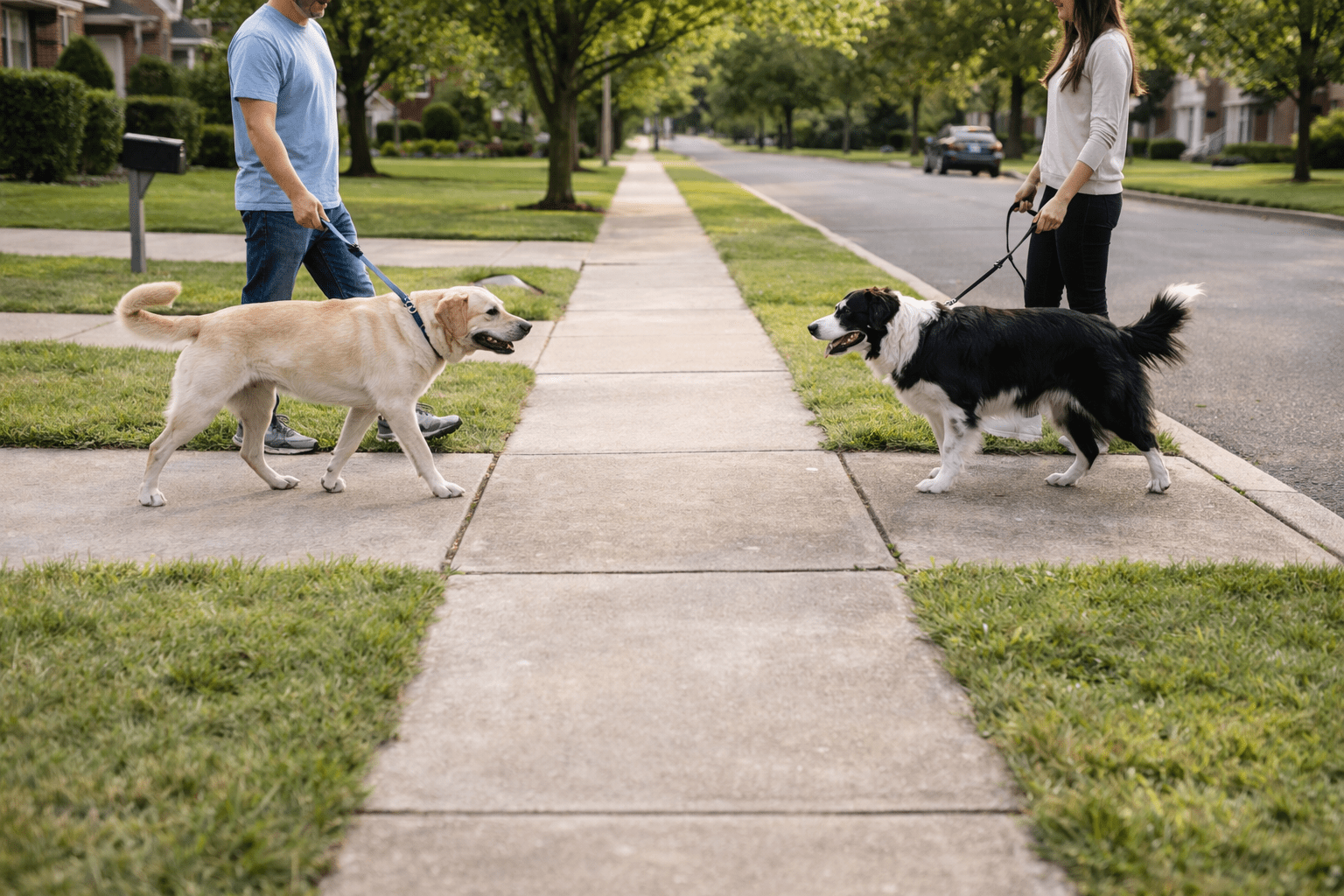
Walk in the same direction, maintaining parallel paths. This allows dogs to process each other’s presence without direct confrontation. Watch for relaxed body language:
- Loose, wagging tails
- Soft eyes and ears
- Interest in sniffing the ground
- Ability to focus on their handler
If either dog shows tension, stiffness, or intense staring, increase the distance. The goal is calm awareness, not intense focus on the other dog.
Step 2: Gradual Distance Reduction
After 5-10 minutes of parallel walking, slowly decrease the space between dogs. Move in increments of a few feet, checking body language after each adjustment.
Stop if you notice:
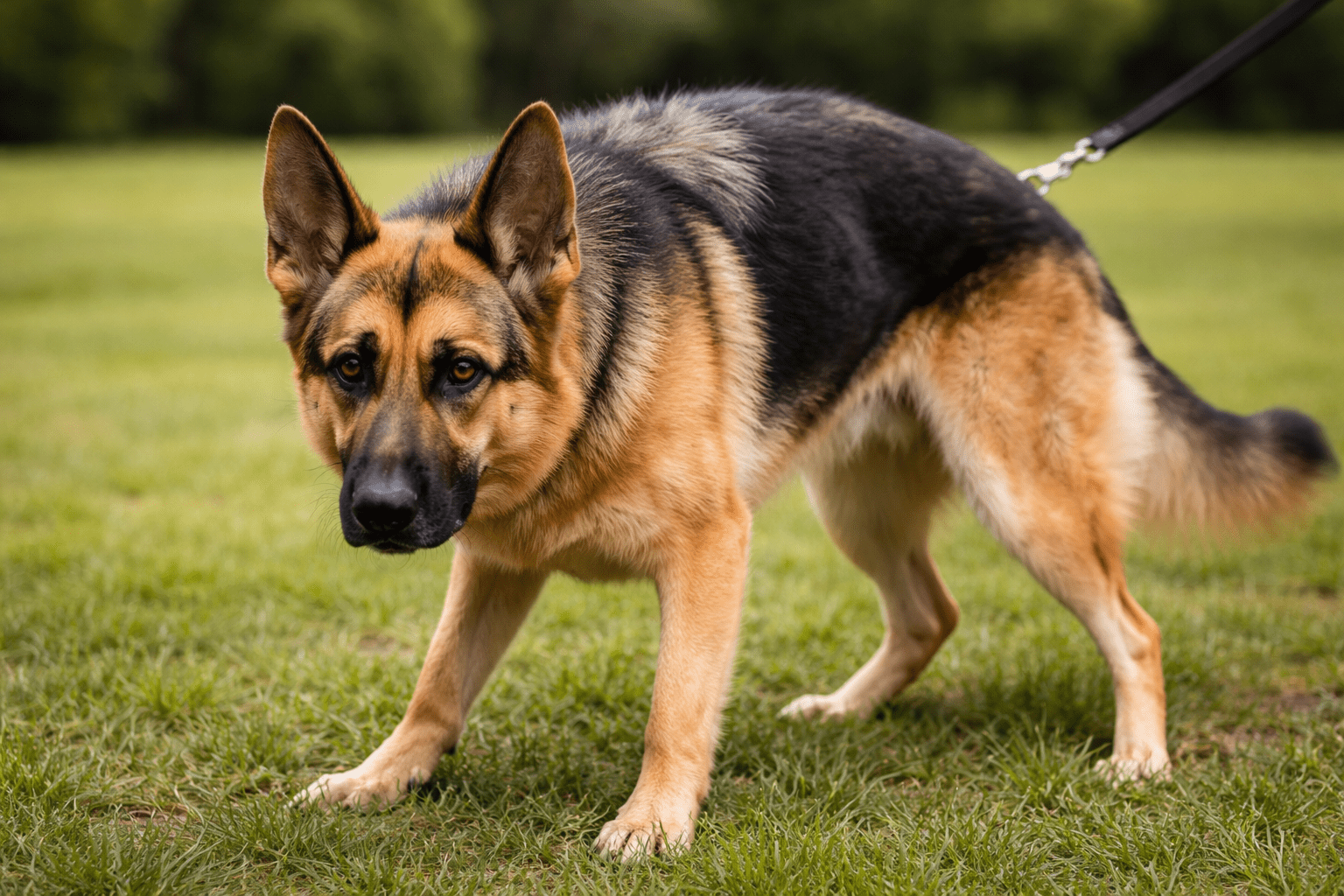
- Raised hackles or stiff posture
- Direct, hard staring
- Growling or showing teeth
- Pulling toward or away from the other dog
These signals mean you’re moving too fast. Return to the previous comfortable distance and continue walking until both dogs relax again.
Step 3: Brief Greetings
When both dogs remain calm at close distance, allow a short greeting. Keep leashes loose but maintain control. Let the dogs sniff each other for 3-5 seconds, then call them away.
Use a cheerful voice and treats to reward disengagement. This teaches dogs that good things happen when they politely greet and then move on. Repeat this process several times, gradually increasing greeting duration.
Step 4: Supervised Interaction
If greetings go well, you can allow more extended interaction in a safe, enclosed area. Remove leashes only if both dogs show consistently friendly behavior. Watch closely for:
- Play bows and bouncy movements
- Taking turns chasing
- Soft mouthing without hard biting
- Frequent breaks in play
Interrupt play every few minutes to prevent overexcitement. Call the dogs to you, reward calm behavior, then release them to play again.
Need professional help with dog training? Our private dog training Long Island sessions offer personalized support for successful introductions.
Reading Dog Body Language During Introductions
Understanding canine communication helps you identify when introductions are going well or when intervention is needed.
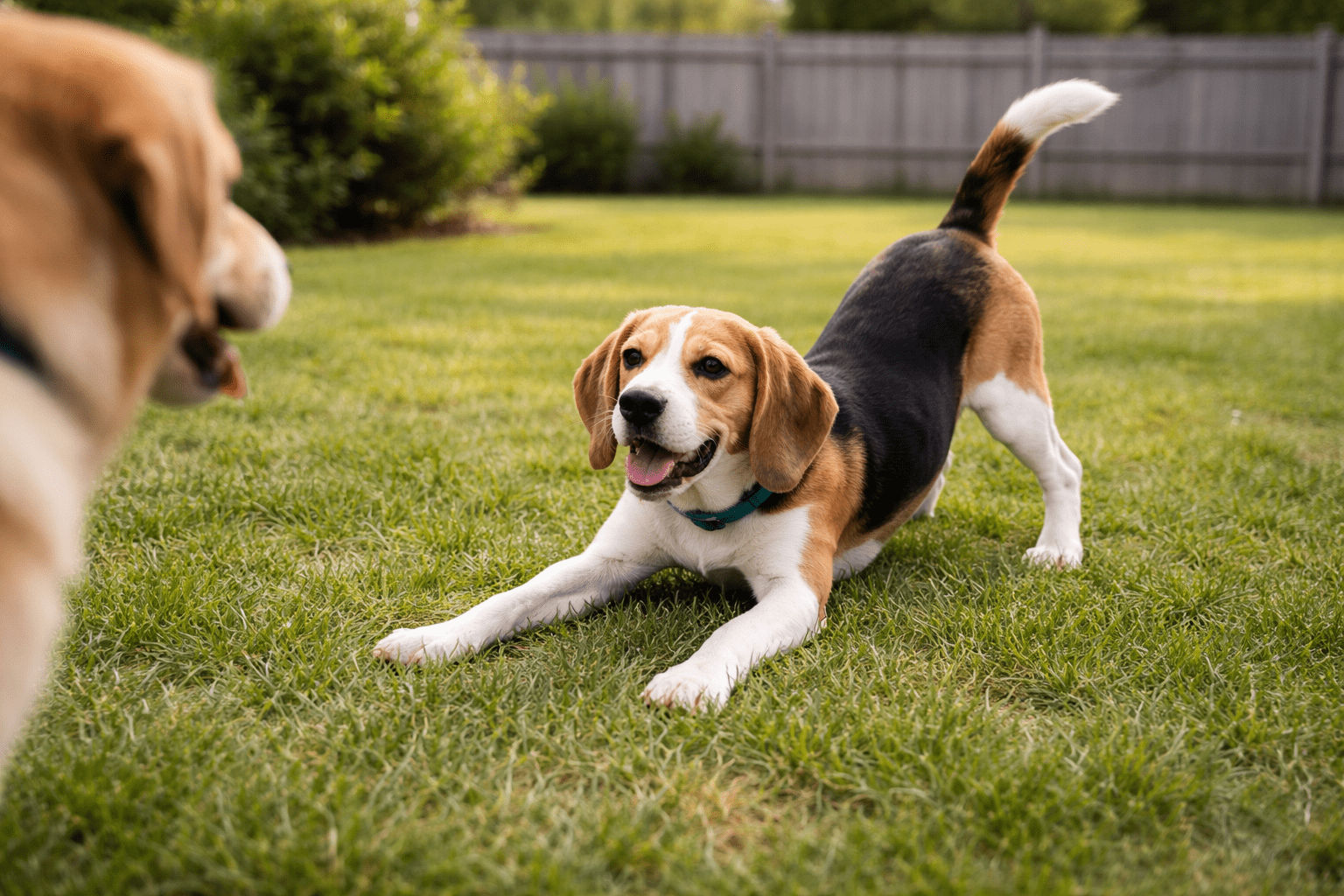
Positive Signs
| Body Language | What It Means |
| Loose, wiggly body | Relaxed and friendly |
| Play bow (front end down, rear up) | Invitation to play |
| Soft eyes, relaxed ears | Comfortable and calm |
| Taking breaks from interaction | Self-regulation and control |
| Sniffing ground or environment | Stress relief and processing |
Warning Signs
| Body Language | What It Means |
| Stiff, frozen posture | High tension or fear |
| Hard staring, whale eye (showing whites) | Discomfort or potential aggression |
| Raised hackles, tucked tail | Fear or defensive arousal |
| Showing teeth, growling | Clear warning to back off |
| Excessive panting or drooling | Stress or anxiety |
| Attempting to hide or escape | Overwhelmed and fearful |
When you spot warning signs, immediately increase distance between dogs. Don’t wait to see if things improve on their own. Early intervention prevents fights and builds positive associations.
Common Introduction Mistakes to Avoid
Even well-meaning owners make mistakes that sabotage dog introductions. Knowing what not to do is just as important as knowing the right steps.
Rushing the Process
The biggest mistake is moving too fast. Some owners expect dogs to become friends within minutes, but building trust takes time. Forcing interaction before dogs are ready increases stress and conflict risk.
Take breaks during the introduction. If either dog seems tired or overwhelmed, end the session on a positive note. You can always continue another day.
Using the Wrong Environment
Introducing dogs at home or in confined spaces creates territorial pressure. Your resident dog may become defensive, while the new dog feels trapped. Always choose neutral territory for first meetings.
Avoid high-traffic areas with lots of distractions. Dogs need to focus on each other during introductions, not competing stimuli like other dogs, children, or loud noises.
Ignoring Stress Signals
Many owners miss or dismiss early warning signs. They assume dogs will “work it out” if left alone. This approach often leads to fights that could have been prevented.
Learn to recognize subtle stress signals like lip licking, yawning, scratching, or sniffing the ground. These behaviors indicate a dog needs a break or more space.
Allowing On-Leash Greetings in Tight Spaces
Face-to-face greetings on tight leashes create tension. Dogs feel trapped and may react defensively. This is why parallel walking works better than direct approaches.
Keep leashes loose during greetings. Tight leashes communicate tension down the line, making dogs more reactive.
Special Considerations for Different Situations
Different scenarios require adjustments to the standard introduction process.
Introducing a Puppy to an Adult Dog
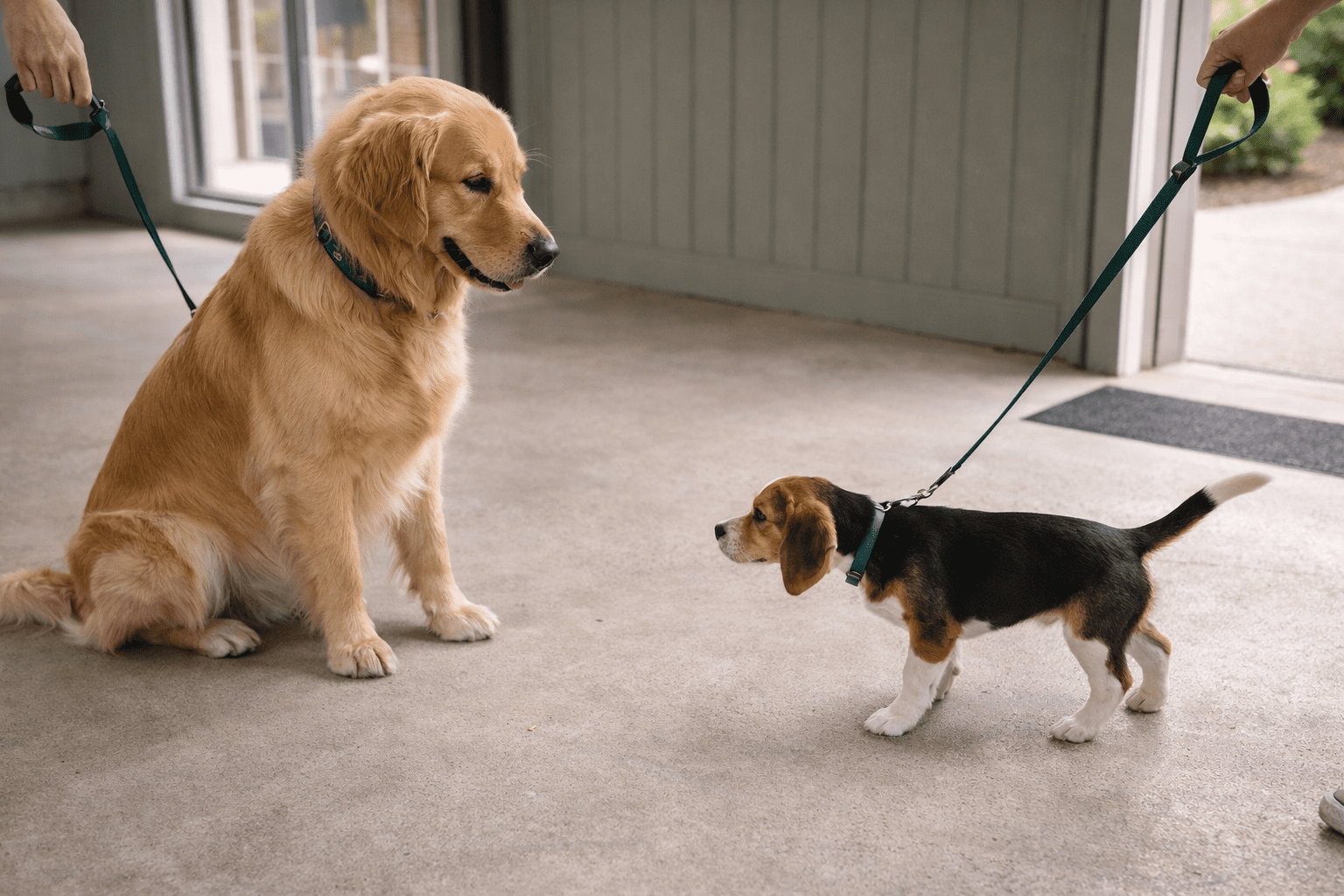
Puppies lack social skills and may overwhelm adult dogs with their energy. Give your adult dog breaks from puppy interaction. Allow the adult to set boundaries by growling or walking away, as long as they don’t escalate to aggression.
Supervise all interactions closely. Puppies can learn bad habits from negative experiences, so protect them from bullying or fear.
Introducing Senior Dogs
Older dogs may have less patience for energetic newcomers. They might also have health issues like arthritis that make rough play painful. Keep initial interactions brief and calm.
Provide the senior dog with a safe space to retreat when needed. Respect their need for quiet and rest.
Introducing Dogs of Different Sizes
Size differences create safety concerns. A large dog can accidentally injure a small dog during play, even with good intentions. Monitor play closely and interrupt if the small dog seems overwhelmed or scared.
Teach the larger dog gentle play behaviors through structured training. Consider our dog obedience training course for impulse control skills.
Introducing Multiple Dogs
When adding a third or fourth dog to your household, introduce them one at a time. Start with your most social, stable dog. Once that relationship is solid, introduce the new dog to the next resident dog.
Never overwhelm a new dog by letting the entire pack rush them at once. This creates fear and defensive behavior.
Post-Introduction Management
The work doesn’t end after a successful first meeting. Building a long-term relationship requires ongoing management and supervision.
First Few Weeks at Home
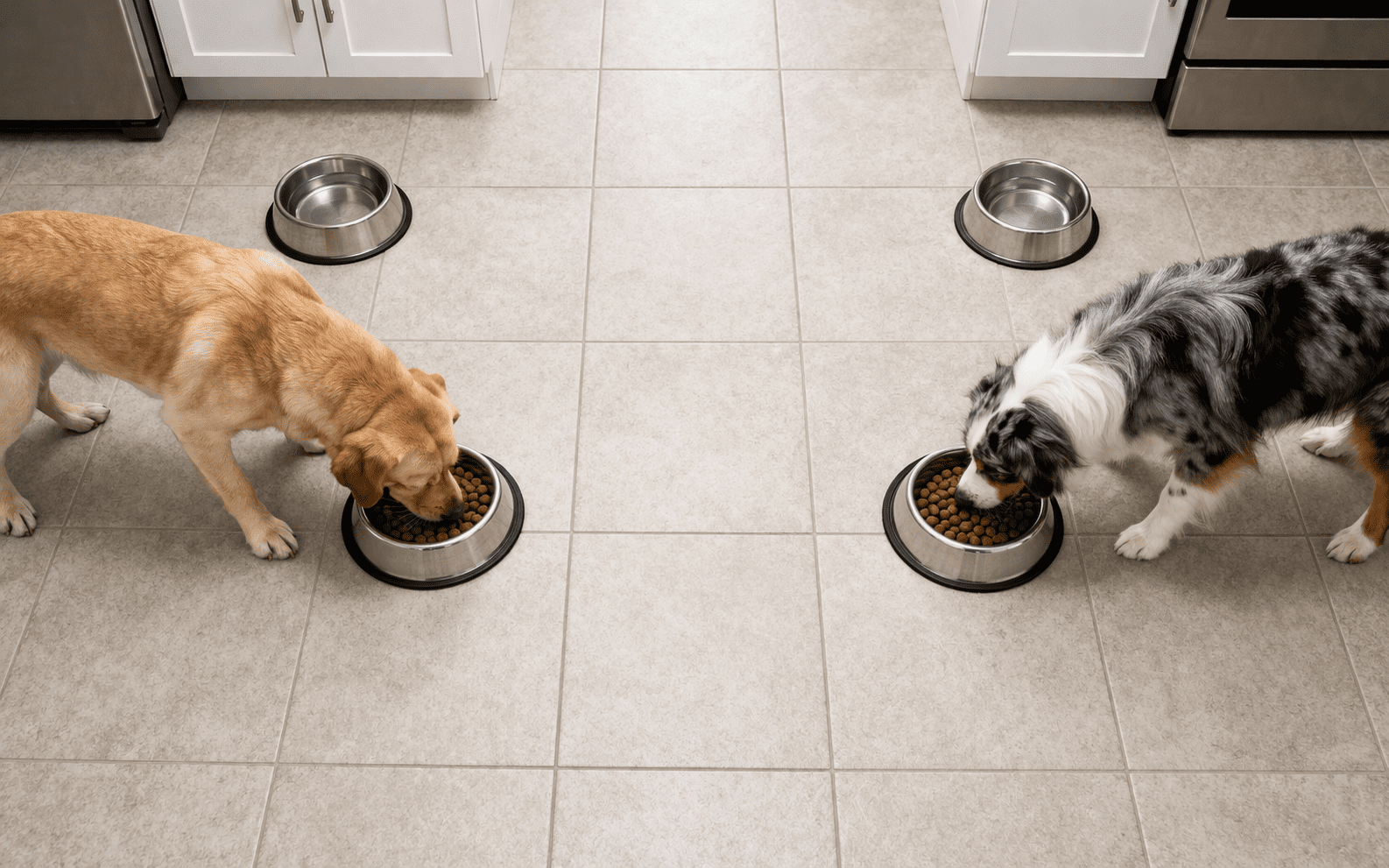
Keep interactions supervised for at least two weeks. Even dogs who met well initially may have conflicts over resources at home. Feed dogs separately, provide individual toys, and ensure each dog has their own space.
Prevent competition by giving attention to your resident dog first. This maintains the existing hierarchy and reduces jealousy.
Monitoring for Problems
Watch for signs of tension or conflict:
- Blocking doorways or food bowls
- Stiff body language around each other
- One dog avoiding or hiding from the other
- Excessive mounting or pestering
- Resource guarding toys, food, or people
Address problems immediately with training and management. Small issues can escalate if ignored.
Building Positive Associations
Create positive experiences when the dogs are together. Feed them in the same room (but at a distance), give treats during calm interactions, and engage in activities both dogs enjoy.
Reward polite behavior like gentle play, taking turns, and respecting each other’s space. This reinforces good relationship habits.
Making Introductions Smooth and Successful
Learning how to introduce dogs to each other properly protects both animals from stress and sets the foundation for a positive relationship. By choosing neutral locations, watching body language closely, and moving at each dog’s pace, you create the best chance for friendship between your dogs.
Remember that every dog is unique. Some bond quickly while others need weeks or months to fully accept a new companion. Patience, consistency, and proper management make all the difference in creating a peaceful multi-dog household.
At K9 Mania Dog Training, we’re the leading board and train Long Island provider, and we understand that introducing dogs can be challenging. Whether you’re dealing with aggression, fear, or simply want professional guidance, our expert trainers can help you create successful introductions and build lasting bonds between your dogs. Visit our website to learn how we can support you through this process.
You May Also Want to Read
- Why Do Dogs Get the Zoomies
- Dog Body Language: How to Read Your Dog’s Signals
- How to Stop Dog from Counter Surfing: Effective Training Solutions
- Signs Your Dog Trusts You: How to Read Your Dog’s Trust Signals
Frequently Asked Questions
What not to do when introducing two dogs?
Never introduce dogs in confined spaces, your home, or while both are on tight leashes facing each other. Avoid forcing interaction if either dog shows stress signals like stiff posture, hard staring, or attempts to retreat. Don’t rush the process or leave dogs unsupervised during early meetings. These mistakes increase conflict risk and create negative associations that are hard to reverse.
How should I introduce two dogs to each other?
Start in a neutral location with both dogs on leashes. Walk parallel to each other at a comfortable distance, gradually decreasing space as dogs remain calm. Allow brief greetings after several minutes of relaxed parallel walking, then separate and reward calm behavior. Repeat this process over multiple sessions before allowing extended off-leash interaction in a safe, enclosed area.
How long does it take for a dog to accept another dog?
Most dogs need 2-4 weeks of supervised interaction before fully accepting a new companion. Some dogs bond within days, while others require several months depending on personality, past experiences, and socialization history. Shy or fearful dogs may need professional training support to build confidence and trust with new canine friends.
What are common mistakes in dog introductions?
Common mistakes include introducing dogs at home instead of neutral territory, allowing face-to-face meetings on tight leashes, ignoring stress signals, rushing the process, and leaving dogs unsupervised too soon. Many owners also fail to exercise dogs beforehand or forget to prepare separate resources like food bowls and sleeping areas, which can trigger conflict.
Are dogs happier with two dogs?
Many dogs enjoy companionship and benefit from having a canine friend for play and social interaction. However, some dogs prefer being the only pet and may experience stress with another dog in the home. Success depends on proper introductions, compatible personalities, and adequate resources for both dogs. Not every dog needs or wants a companion.
What are the warning signs when introducing dogs?
Warning signs include stiff body posture, intense staring, raised hackles, showing teeth, growling, excessive panting, attempting to hide or escape, and aggressive lunging. More subtle signs include whale eye (showing whites of eyes), lip licking, yawning, excessive sniffing of the ground, and refusing treats. Any of these signals mean you should increase distance between dogs immediately.