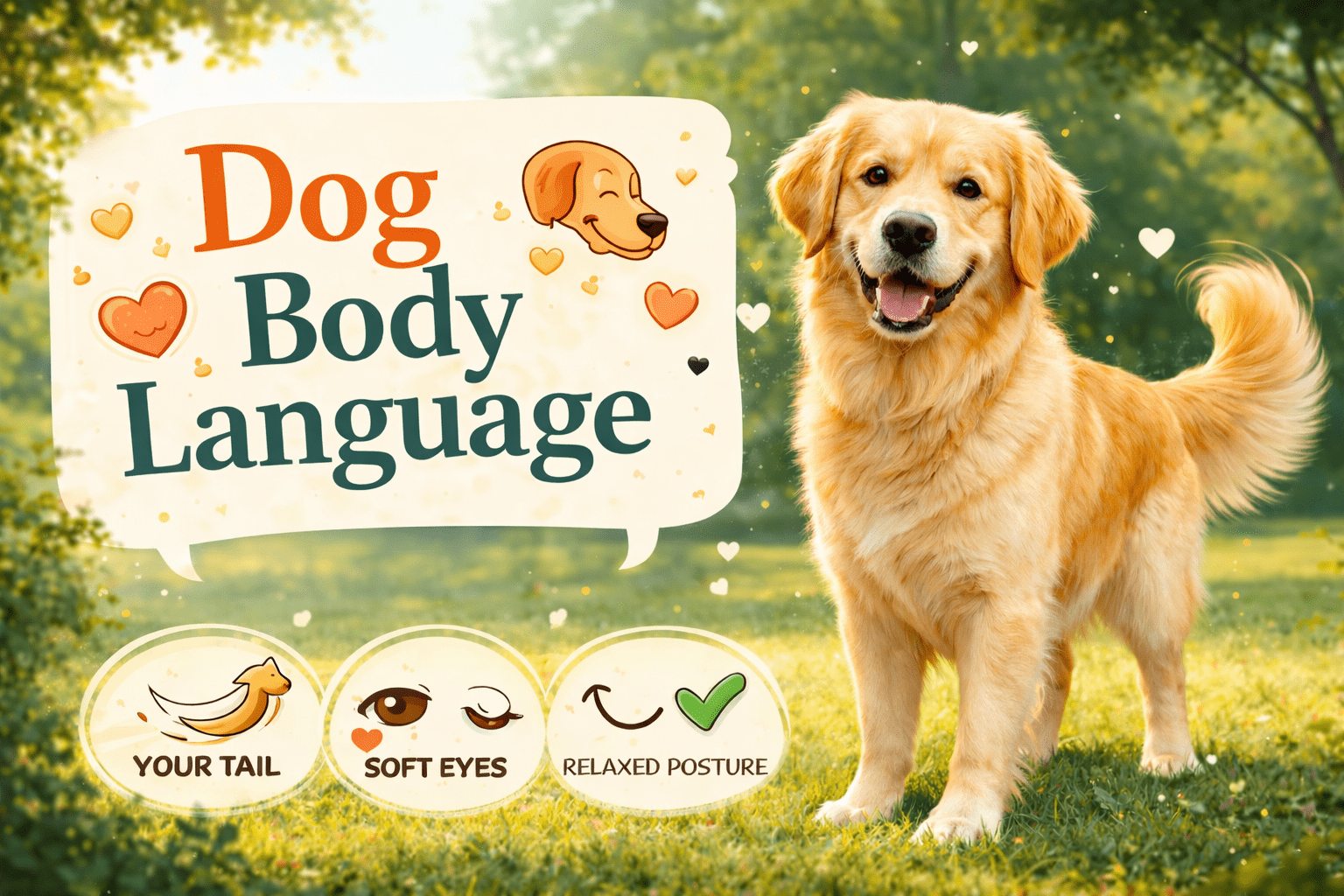
Understanding dog body language is the key to building a stronger bond with your pet and preventing behavioral problems. Dogs communicate through their tails, ears, eyes, and overall posture, sending clear signals about how they feel in any situation.
Reading these signals helps you know when your dog is happy, stressed, scared, or ready to play. Once you learn what to look for, you’ll see that your dog is talking to you all the time.
In this guide, we’ll break down the most important body signals dogs use and show you how to respond to them for better communication and a happier relationship.
How to Read Dog Body Language
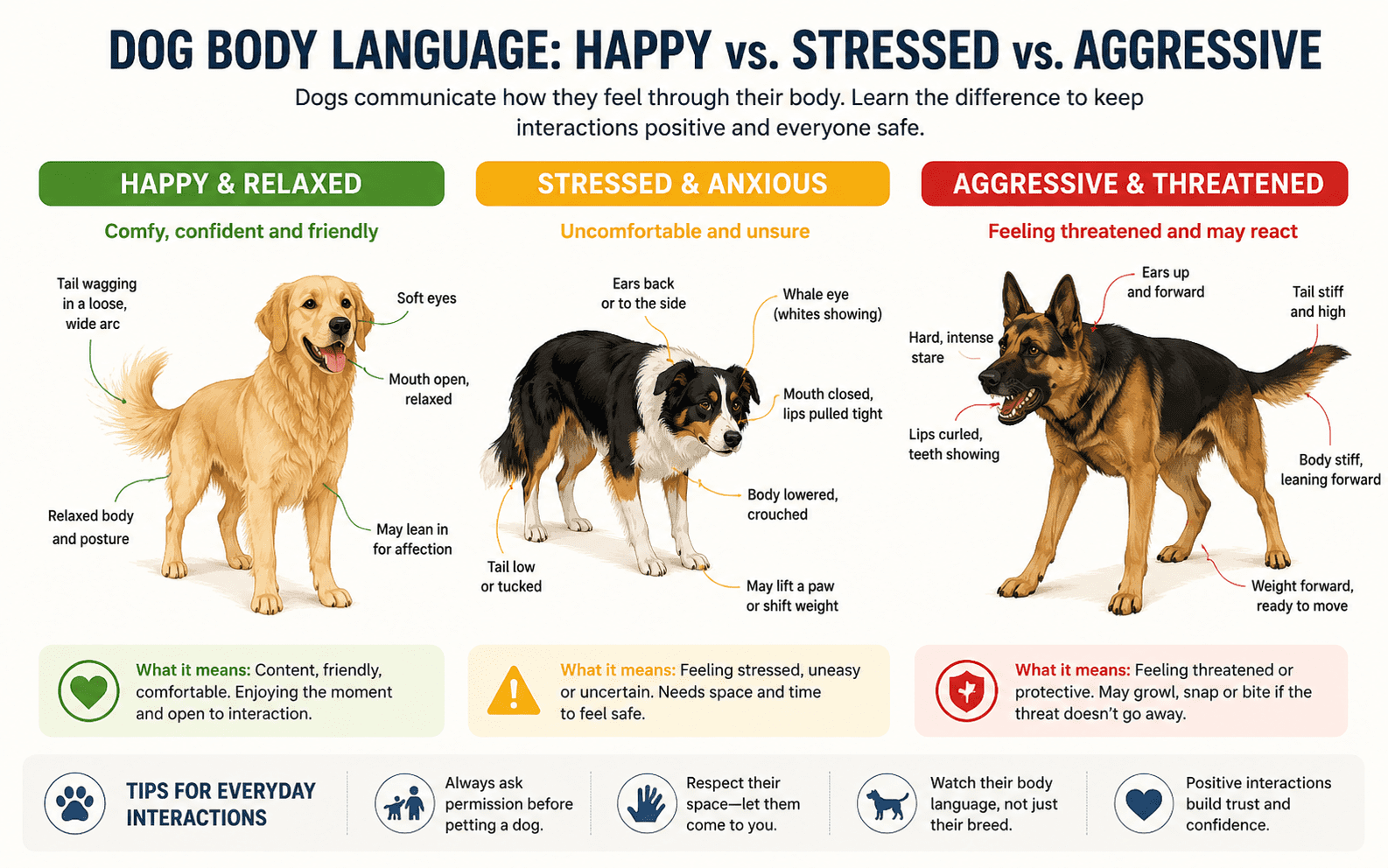
Dogs can’t use words, so they rely on body signals to tell you how they feel. When you learn to read these cues, you can spot stress, fear, or discomfort before it turns into a bigger problem.
Misreading your dog’s signals can lead to unwanted behaviors like biting, growling, or running away. For example, a wagging tail doesn’t always mean your dog is happy. The position and speed of the wag tell you much more about their emotional state.
Knowing how your dog communicates also makes training easier. You can adjust your approach based on whether they’re relaxed, anxious, or overstimulated. This is especially important when working on dog behavior training or introducing your dog to new environments.
Understanding these signals helps you keep your dog safe in social situations. If you see warning signs like stiff posture or pinned ears, you can remove your dog from a stressful situation before things escalate.
The better you understand dog body language, the easier it becomes to meet your dog’s needs and build trust.
Reading Your Dog’s Tail Signals
The tail is one of the most expressive parts of your dog’s body. How it moves, where it sits, and how fast it wags all give you clues about what your dog is feeling.
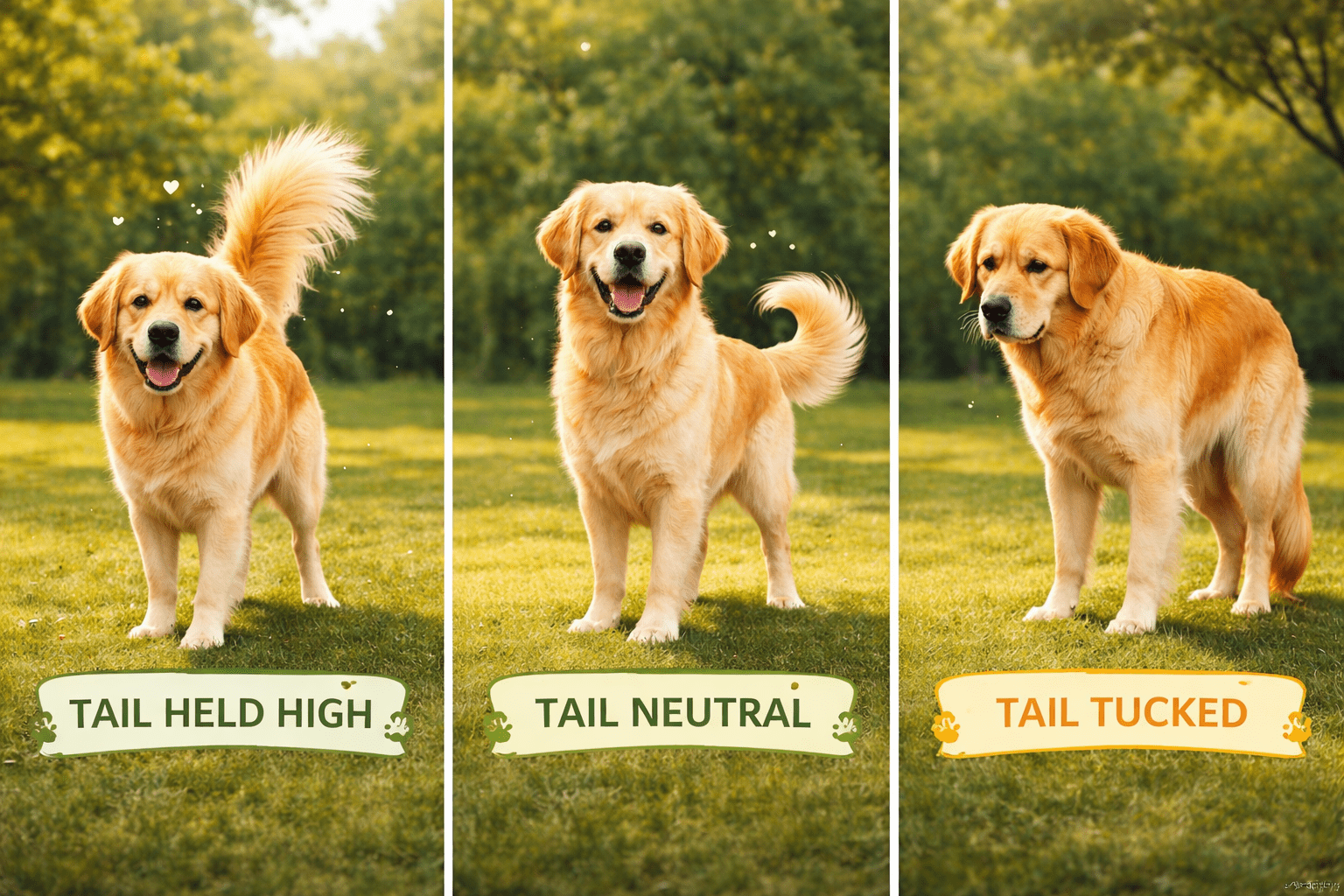
Tail Position and What It Means
A high, stiff tail often signals alertness or dominance. Your dog is focused on something and may be preparing to act. If the tail is wagging quickly in this position, it could mean excitement or tension, not necessarily friendliness.
A tail held at a neutral level, roughly in line with the spine, usually means your dog is relaxed and comfortable. This is the baseline you want to see during calm, everyday moments.
A low tail or one tucked between the legs shows fear, submission, or anxiety. If your dog’s tail drops suddenly, they’re likely feeling uncomfortable or threatened. Understanding why dogs growl can also help you recognize when a tucked tail might come with other warning signs.
A tail that wags in broad, sweeping motions usually indicates happiness and friendliness. The wider and looser the wag, the more relaxed and joyful your dog feels.
Tail Wagging Speed and Direction
Fast wagging doesn’t always mean happiness. A quick, tight wag with a stiff body can signal agitation or over-excitement. Pay attention to the rest of your dog’s body to get the full picture.
Slow wagging often means your dog is unsure or cautious. They’re processing the situation and haven’t decided how to feel yet. Give them space and let them approach on their own terms.
Studies suggest that dogs wag more to the right when they’re happy and more to the left when they’re anxious or uncertain. While this isn’t always easy to spot, it’s another layer of communication your dog uses.
How to Read Ear Positions
Your dog’s ears signals are incredibly expressive and shift constantly based on their mood and surroundings. The position and movement of the ears give you instant feedback about how your dog is feeling.
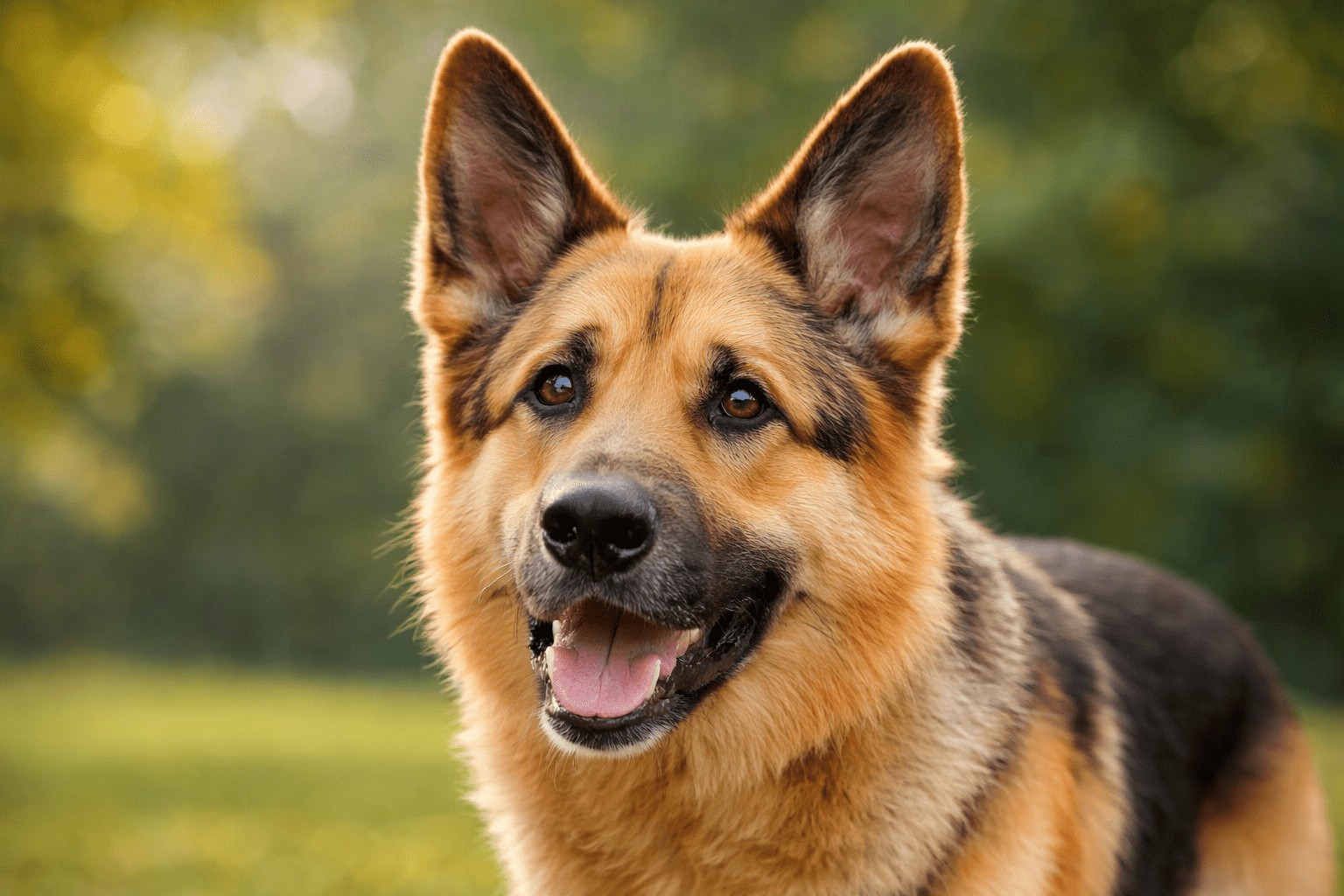
Relaxed and Forward Ears
When your dog’s ears are in a natural, relaxed position, they’re comfortable and at ease. The exact position depends on the breed, but you’ll notice the ears aren’t stiff or pulled back.
Ears that perk forward show curiosity or focus. Your dog has locked onto something interesting and is paying close attention. This is common when they hear a new sound or spot something they want to investigate.
Pinned Back or Flat Ears
Ears that flatten against the head signal fear, submission, or stress. Your dog is trying to make themselves smaller and less threatening. If you see this, check the rest of their body language to understand the situation better.
In some cases, pinned ears can also mean aggression, especially if paired with a stiff body, showing teeth, or a low growl. This is a warning that your dog feels threatened and may react defensively.
Dogs often pin their ears back during grooming aggressive dogs situations if they’re uncomfortable with the handling. Recognizing this early can help prevent bites or anxiety.
One Ear Up, One Ear Down
If one ear is up and the other is relaxed or down, your dog is likely uncertain or trying to listen to two things at once. This is common when they’re processing new information or deciding how to respond.
Eye Contact and Facial Expressions
Your dog’s eyes and face reveal a lot about their emotional state. Learning to read these subtle cues helps you respond appropriately and avoid misunderstandings.
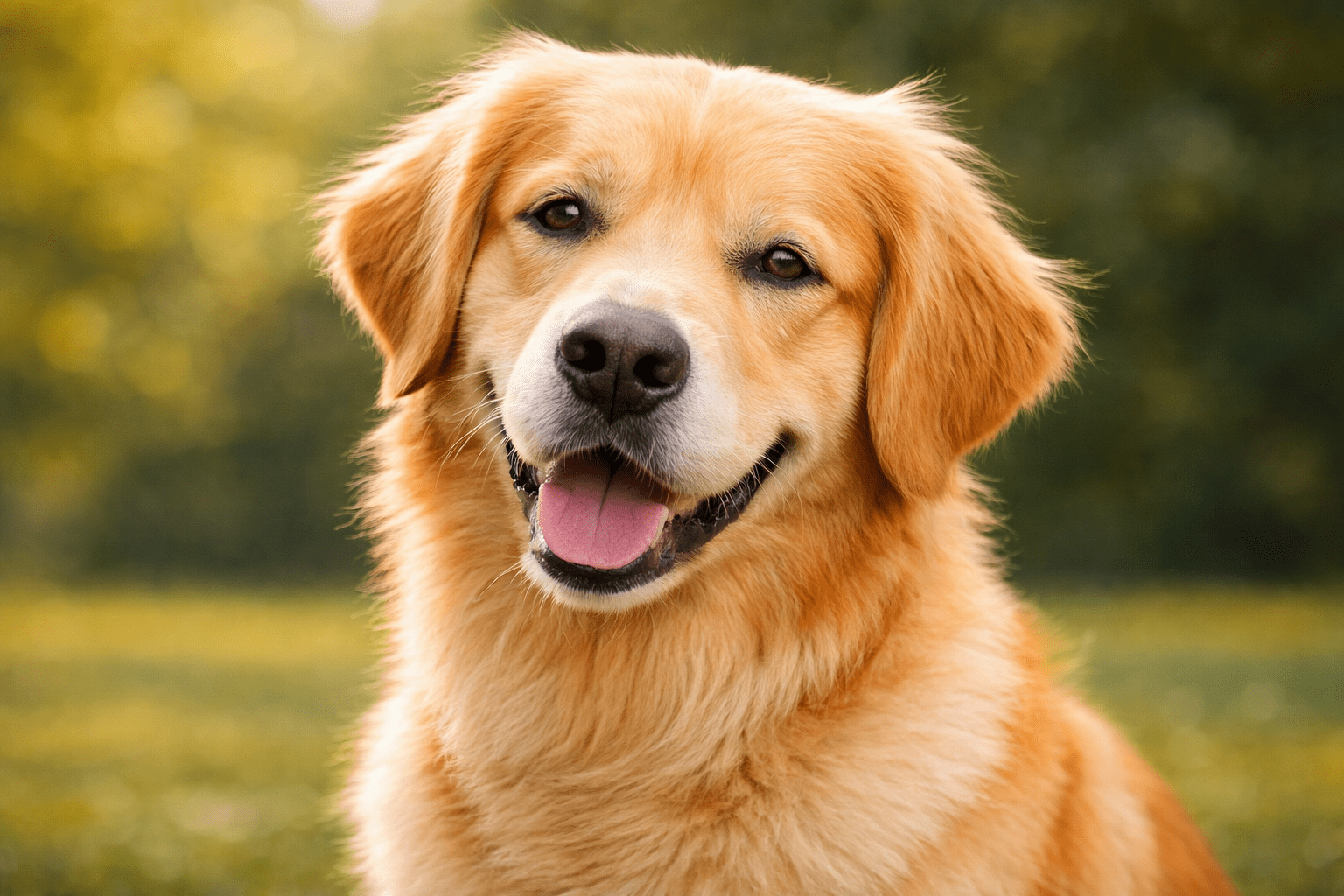
Soft Eyes vs. Hard Stare
Soft, relaxed eyes with a loose face mean your dog is calm and comfortable. You might notice a gentle squint or slow blinking, which are signs of trust and affection.
A hard stare with wide eyes signals tension or a challenge. If your dog locks eyes with another dog or person and doesn’t look away, they’re likely feeling threatened or assertive. This is a warning sign that conflict might follow.
Whale Eye and Other Warning Signs
“Whale eye” happens when your dog turns their head away but keeps their eyes on you or another target, showing the whites of their eyes. This is a clear sign of stress, fear, or discomfort.
If you see whale eye, your dog is trying to avoid confrontation while staying alert to a threat. Give them space and remove whatever is causing the stress.
Dilated pupils can indicate excitement, fear, or arousal. Combined with other body signals, this helps you understand whether your dog is overstimulated or anxious.
Lip Licking and Yawning
Dogs often lick their lips when they’re nervous or trying to calm themselves down. If your dog starts licking their lips repeatedly in a new or tense situation, they’re likely feeling stressed.
Yawning isn’t always about being tired. Dogs yawn to release tension and signal that they’re uncomfortable. You might see this during training sessions or when they’re around unfamiliar people or dogs.
Reading Body Posture and Movement
The way your dog holds their body and moves through space tells you how confident, relaxed, or stressed they are. Posture shifts quickly based on mood, so it’s important to watch for changes.
Relaxed and Loose Body
A relaxed dog has a soft, loose body with no tension in their muscles. Their movements are fluid, and they might move around freely without seeming on edge.
When your dog is calm and happy, they’ll often have a slightly open mouth, a wagging tail, and a bouncy gait. This is the ideal state for play, training, and bonding.
Stiff or Frozen Posture
A stiff, rigid body is a major warning sign. When a dog freezes, they’re often on high alert and may be preparing to react defensively. This can happen before a bite or a lunge.
If your dog suddenly stops moving and tenses up, assess the situation immediately. Remove them from the trigger if possible and avoid forcing interaction.
Play Bow and Inviting Behavior
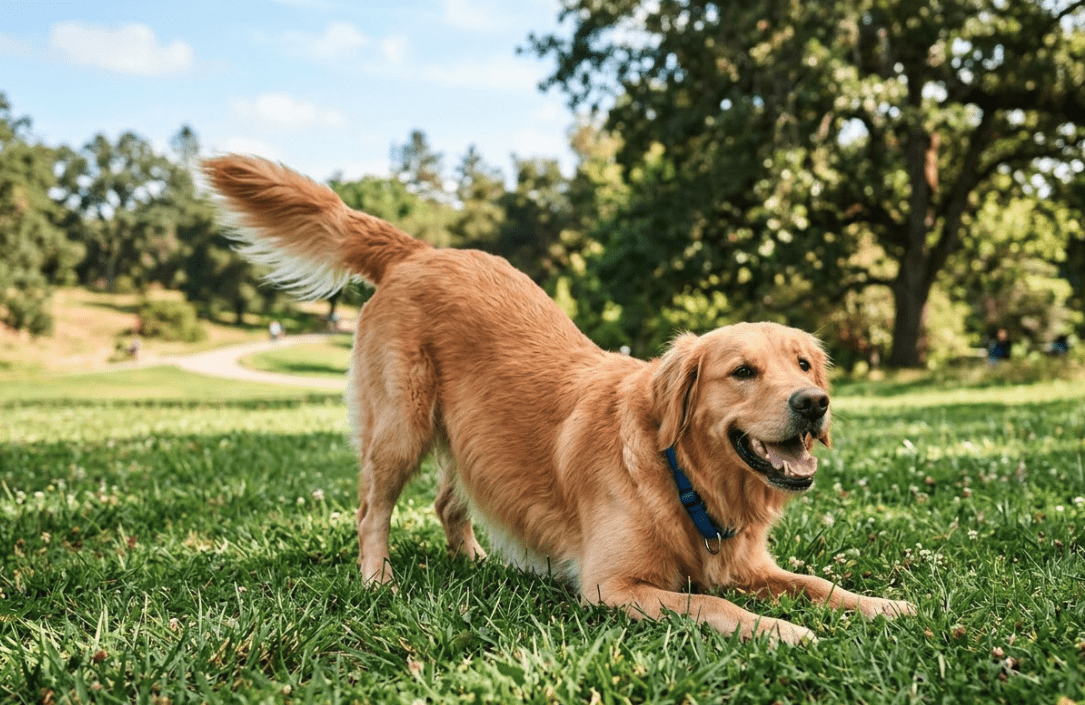
The play bow is a clear invitation to play. Your dog drops their front legs and chest to the ground while keeping their rear end up in the air. This posture shows excitement and friendliness.
You’ll often see this when dogs greet each other or when they want to engage with you. It’s a positive signal that your dog is feeling playful and social.
Cowering or Lowering the Body
When a dog lowers their body or crouches close to the ground, they’re showing fear or submission. This posture makes them appear smaller and less threatening.
If your dog does this around certain people, dogs, or situations, they’re uncomfortable and need reassurance. Pushing them to interact can make the fear worse, so take things slowly and build confidence through positive experiences.
Recognizing Stress and Anxiety Signals
Dogs show stress in many ways, and spotting these signs early can prevent anxiety from turning into aggression or fear-based behaviors.
Common Stress Signals
| Signal | What It Means |
| Panting (when not hot or exercising) | Stress, anxiety, or discomfort |
| Excessive shedding | Nervous response to a stressful situation |
| Pacing or restlessness | Inability to settle due to anxiety |
| Drooling (when not around food) | Nervousness or fear |
| Tucked tail | Fear or submission |
| Avoiding eye contact | Trying to defuse tension or avoid conflict |
When Stress Becomes a Problem
Short-term stress is normal, but chronic anxiety can lead to serious behavioral issues. If your dog constantly shows stress signals, it’s time to evaluate their environment and routine.
Working with a professional through obedience dog training can help reduce anxiety and build your dog’s confidence in stressful situations.
Dogs that missed early socialization often struggle with stress and fear. If you have an adult dog with these issues, learning how to socialize an adult dog can make a big difference in their quality of life.
Playful vs. Aggressive Body Language
It’s not always easy to tell if dogs are playing or fighting, especially when things get loud and physical. Knowing the difference keeps everyone safe and prevents unnecessary interruptions during healthy play.
Signs of Healthy Play
| Playful Behavior | Aggressive Behavior |
| Loose, bouncy movements | Stiff, tense posture |
| Play bow (front down, rear up) | Standing tall, hackles raised |
| Open mouth, relaxed jaw | Closed mouth or bared teeth |
| Taking turns chasing or wrestling | One dog always on top or pinning the other |
| Frequent pauses or breaks | No breaks, relentless pursuit |
| Soft, playful growls or barks | Deep, intense growling |
When to Step In
If one dog shows stress signals like pinned ears, a tucked tail, or tries to escape, it’s time to intervene. Healthy play involves mutual enjoyment, so if one dog isn’t having fun, separate them calmly.
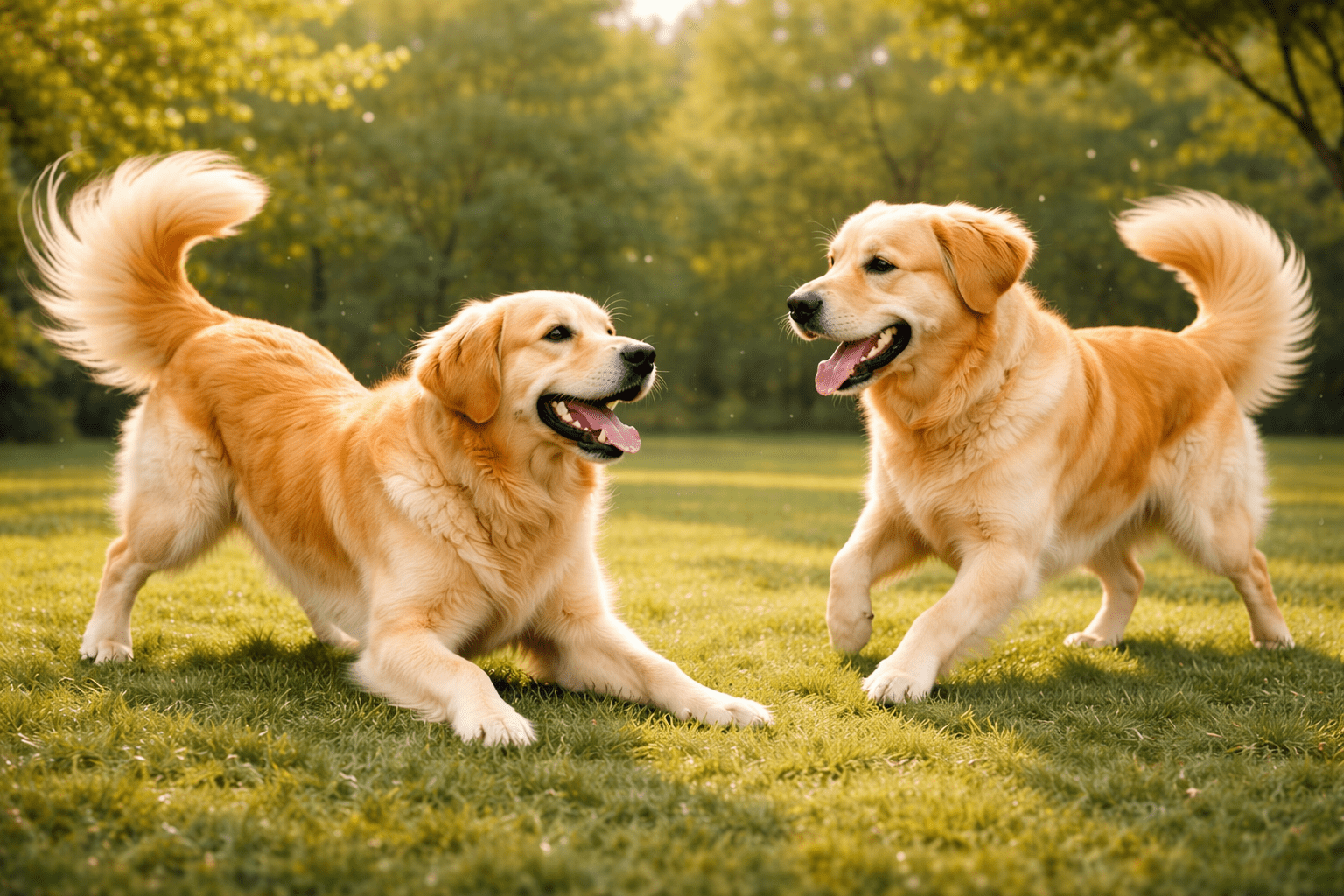
Watch for escalation. Play can turn serious quickly if one dog becomes overstimulated or frustrated. If the energy shifts from loose and fun to tense and focused, give both dogs a break.
How to Respond to Your Dog’s Body Language
Once you recognize what your dog is telling you, the next step is responding in a way that supports their emotional state and builds trust.
When Your Dog Shows Fear or Stress
Don’t force interaction or exposure to the trigger. If your dog is scared of another dog, person, or situation, give them space and let them approach on their own terms.
Use calm, reassuring body language. Avoid leaning over them or making direct eye contact, as this can increase their stress. Sit or kneel at their level and speak softly.
Reward brave behavior with treats or praise, but don’t coddle fearfulness. Acknowledge their courage when they move closer to the trigger, but avoid excessive comfort that reinforces the fear.
When Your Dog Is Overstimulated or Excited
If your dog is bouncing off the walls with excitement, redirect their energy into a structured activity like a game of fetch or a training session. This helps them burn off energy in a productive way.
Teach a “calm” or “settle” cue so your dog learns to bring their energy down on command. This is especially useful before guests arrive or during high-energy moments.
When Your Dog Is Relaxed and Happy
Enjoy these moments and reinforce calm behavior. Petting, soft praise, or quiet time together strengthens your bond and encourages more of this relaxed state.
Use these calm moments for training or introducing new experiences. Your dog is more receptive to learning when they’re in a relaxed, positive mindset.
Wrapping Up: Reading Dog Body Language
Learning to read dog body language isn’t just about understanding your dog better. It’s about preventing problems, improving training, and creating a relationship built on trust and clear communication. When you know what your dog is saying, you can respond in ways that make them feel safe, confident, and understood.
At K9 Mania Dog Training, we’re the leading board and train Long Island provider, and we help owners decode their dog’s signals every day. Whether you’re struggling with behavior issues or just want to strengthen your bond, we’re here to help. Visit our website to learn how we can guide you and your dog toward better communication and a happier life together.
You May Also Want to Read
- Why Do Dogs Roll in the Grass?
- Why Does My Dog Sit On Me
- Why Do Dogs Shake?
- Why Do Dogs Get the Zoomies
Frequently Asked Questions: Dog Body Language
What does it mean when a dog lowers its head?
A lowered head signals submission, appeasement, or discomfort. Your dog is trying to appear non-threatening. If paired with a tucked tail or pinned ears, they may be fearful or trying to avoid conflict.
How do I know if my dog is scared or anxious?
Look for a tucked tail, flattened ears, whale eye, yawning, lip-licking, or trembling. A scared dog may crouch low, avoid eye contact, or try to escape the situation entirely.
What is whale eye in dogs?
Whale eye is when you can see the whites of your dog’s eyes in a crescent shape. It signals discomfort, stress, or warning — especially when paired with a stiff body or tense face.
How do dogs say “I love you”?
Dogs show love through soft eye contact, leaning into you, and gentle tail wags. They might also bring you toys, follow you around, or rest their head on your lap. Licking your face or hands is another way dogs express affection and trust. When your dog seeks you out for comfort or closeness, that’s their way of saying they love you.
What is the 7 7 7 rule for dogs?
The 7 7 7 rule is a guideline for new dog adoption. It suggests that a dog needs 7 days to decompress, 7 weeks to learn your routine, and 7 months to fully settle into their new home. During this time, they adjust to new surroundings, build trust, and show their true personality. Patience and consistency are key during this transition period.
How to describe dog body language?
Dog body language includes tail position and movement, ear placement, eye contact, facial expressions, and overall posture. A relaxed dog has soft eyes, a loose body, and a gently wagging tail. Stress or fear shows through pinned ears, a tucked tail, and a stiff or lowered body. Observing these signals together gives you a complete picture of your dog’s emotional state.
What are the 7 words dogs can understand?
While dogs can’t understand words like humans do, they learn to associate sounds with actions or objects. Common words dogs recognize include “sit,” “stay,” “come,” “down,” “no,” “good,” and their name. Consistent training and positive reinforcement help dogs connect these words to specific behaviors. Tone and body language also play a big role in how dogs respond to commands.
What is hello in dog language?
Dogs greet each other and people through body language rather than vocalizations. A friendly greeting includes a loose, wagging tail, soft eyes, and a relaxed posture. Dogs might approach calmly, sniff, or offer a play bow. Licking, gentle nudges, or leaning against you are also common ways dogs say hello. Avoid forcing greetings, as some dogs prefer to approach on their own terms.
How to tell a dog likes you?
A dog that likes you will seek out your company, maintain soft eye contact, and lean into your touch. They’ll bring you toys, follow you around, and show excitement when you come home. Relaxed body language, gentle tail wags, and sitting close to you are all signs of trust and affection. Dogs that like you will also be more responsive to your commands and eager to please you.