Dog ear signals are one of the most reliable ways to understand what your dog is feeling right now. Each position, whether fully upright and forward or pinned flat against the skull, reflects a distinct emotional state that shapes how your dog will behave in the next few seconds.
Once you can read these cues, you’ll start catching stress, excitement, and fear before they escalate into something harder to manage. Whether you’re working through training or simply trying to understand your dog better, this breakdown covers every position and what it actually tells you.
Why Dog Ear Signals Matter More Than Most People Realize
Dogs don’t use words. Their body does the talking, and ears are one of the fastest, most expressive parts of their anatomy. They can shift position in under a second, often before any other body part moves.
Learning to read ears correctly gives you a heads-up before a reaction happens. You’ll know when your dog is locking onto something with intense focus, when they’re feeling uncertain, or when they’re telling you the situation is too much for them. That information is especially useful when you’re managing a reactive dog, making introductions, or working through behavioral issues.
Understanding dog body language signals in full, ears included, is what separates owners who prevent problems from those who only respond after something goes wrong.
📌 Things to Know
- Ear positions always need to be read alongside other body signals, not alone
- Context changes what any ear position actually means
- Floppy-eared breeds still show ear movement, just at the base
- Ears pinned flat are almost always a fear response
- A calm dog holds their ears in a relaxed, neutral position
- One ear forward and one back is common and usually means curiosity mixed with caution
- Ears can shift multiple times in under a minute during high-stress situations
The Main Dog Ear Signals and What Each One Means
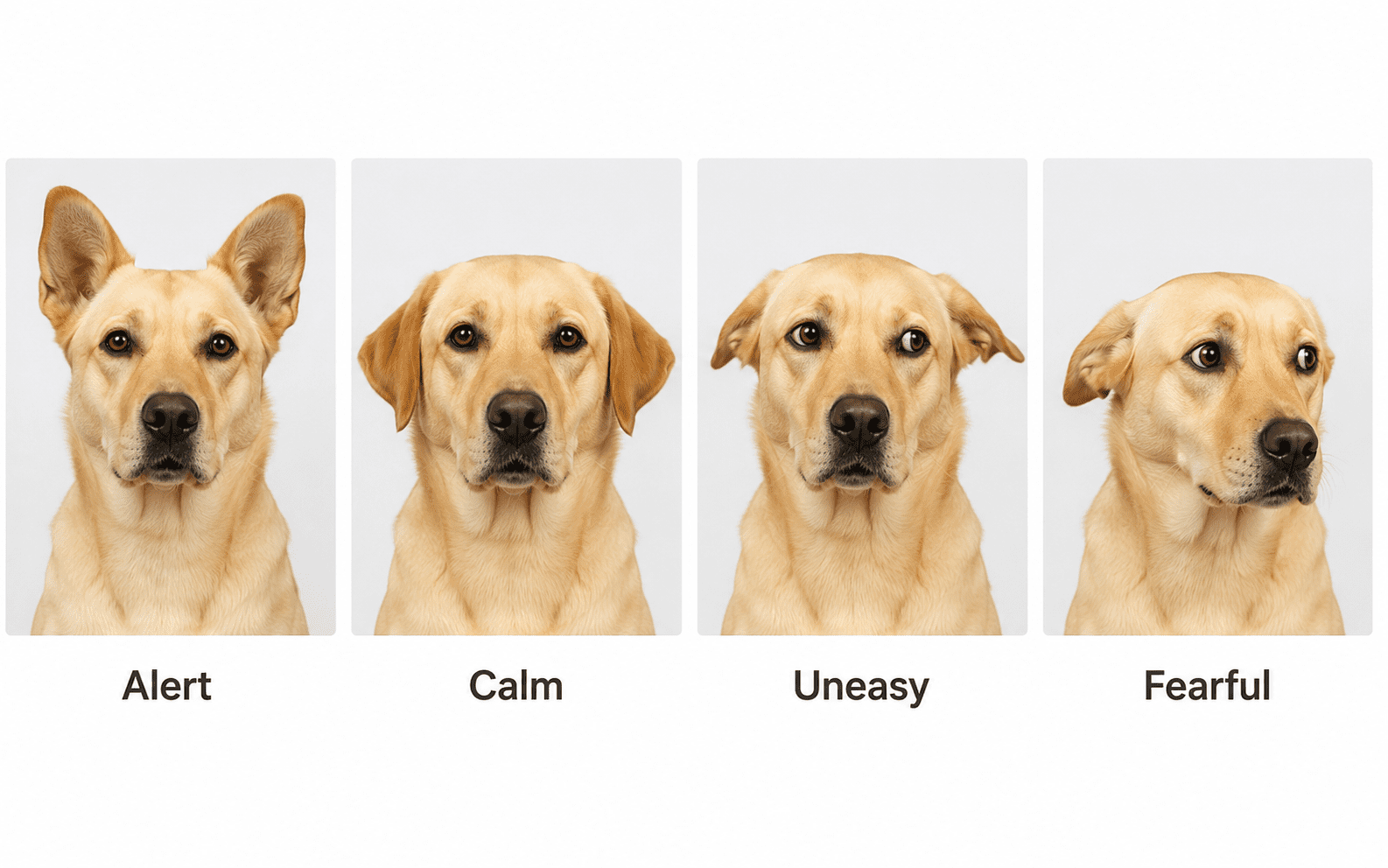
Most ear positions fall into four core categories. Here’s what each one tells you and when it matters.
Ears Up and Forward
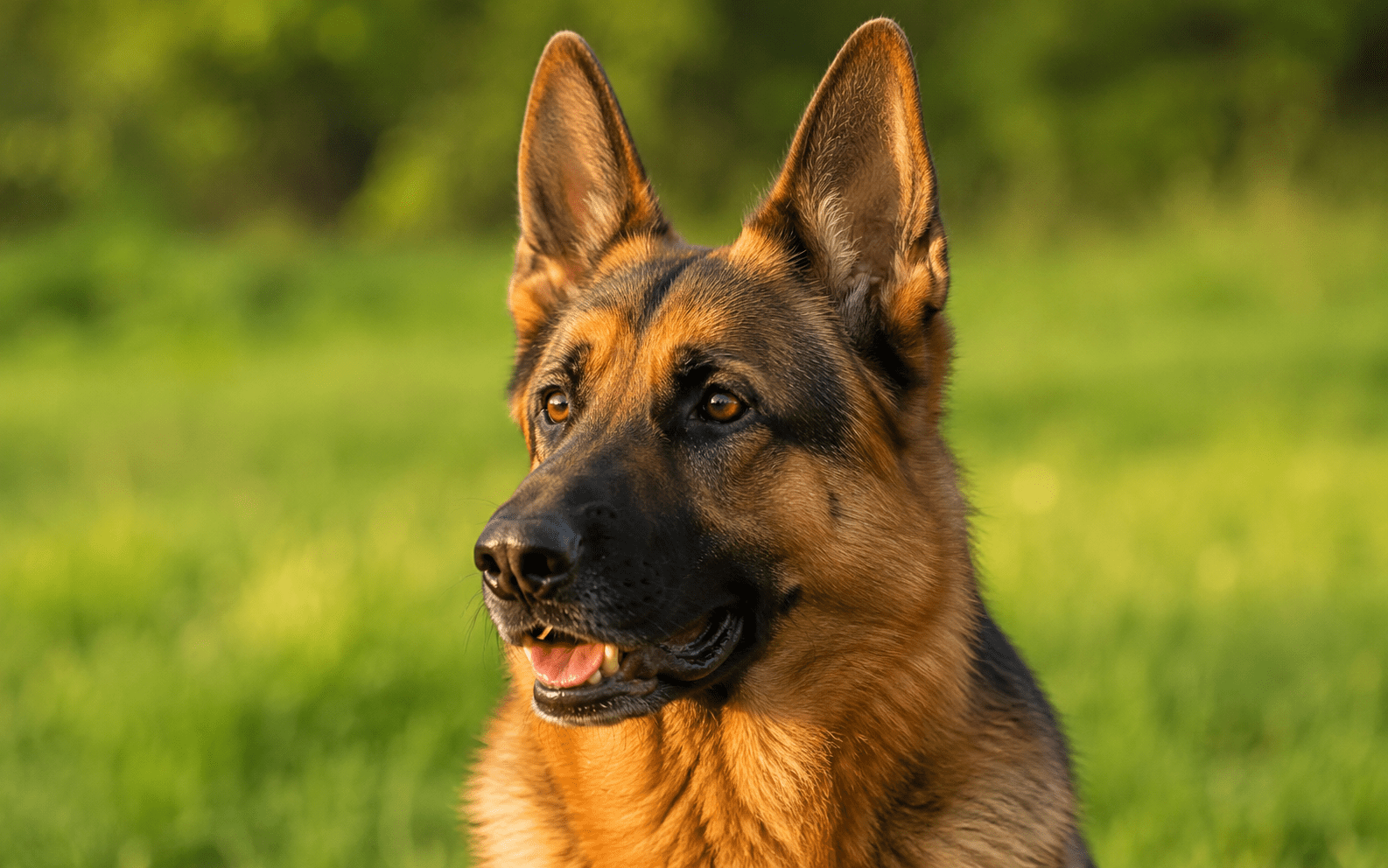
This is the alert position. Your dog has spotted or heard something and is fully focused on it. Think of it as their attention-locked mode.
You’ll see this during play, when they hear an unfamiliar sound, or when they’re watching something move in the yard. Ears forward isn’t automatically a warning, but context matters.
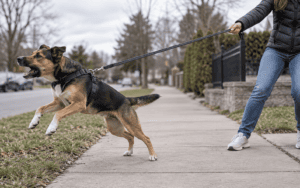
When forward ears appear alongside a stiff body, a fixed stare, and a still tail, that combination moves toward predatory focus or an early aggression signal. Forward ears alone are fine. Forward ears combined with a rigid body mean you should redirect immediately, before the tension builds further.
Relaxed or Neutral Ears
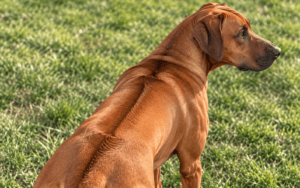
This is the baseline. A calm dog holds their ears in a natural resting position, neither pushed forward nor pulled back. For upright-eared breeds, that usually means ears sitting comfortably at the sides of the head. For floppy-eared breeds, the leathers hang without any tension at the base.

To find your dog’s neutral position, observe them when they’re completely relaxed at home with no outside triggers. That’s their reset state, and you measure everything else from there.
Ears Pulled Back Slightly
This is one of the easiest signals to miss because it’s subtle. Slightly pulled-back ears usually mean mild stress, uncertainty, or appeasement. Your dog is trying to appear less threatening, often because they’re unsure about what’s happening around them.
You’ll see this a lot when a dog is meeting someone new and hasn’t decided how to read them yet, or when they sense tension in the room. It’s not panic, but it’s worth paying attention to. If you’re consistently noticing this posture during training sessions, your dog may need a slower approach with less pressure. That’s exactly the kind of pattern a good obedience dog training program should catch and address early.
Ears Pinned Flat Against the Head
Flat, pinned ears signal fear. This is the clearest, most unambiguous position in a dog’s ear vocabulary and one that should always change how you respond in that moment.
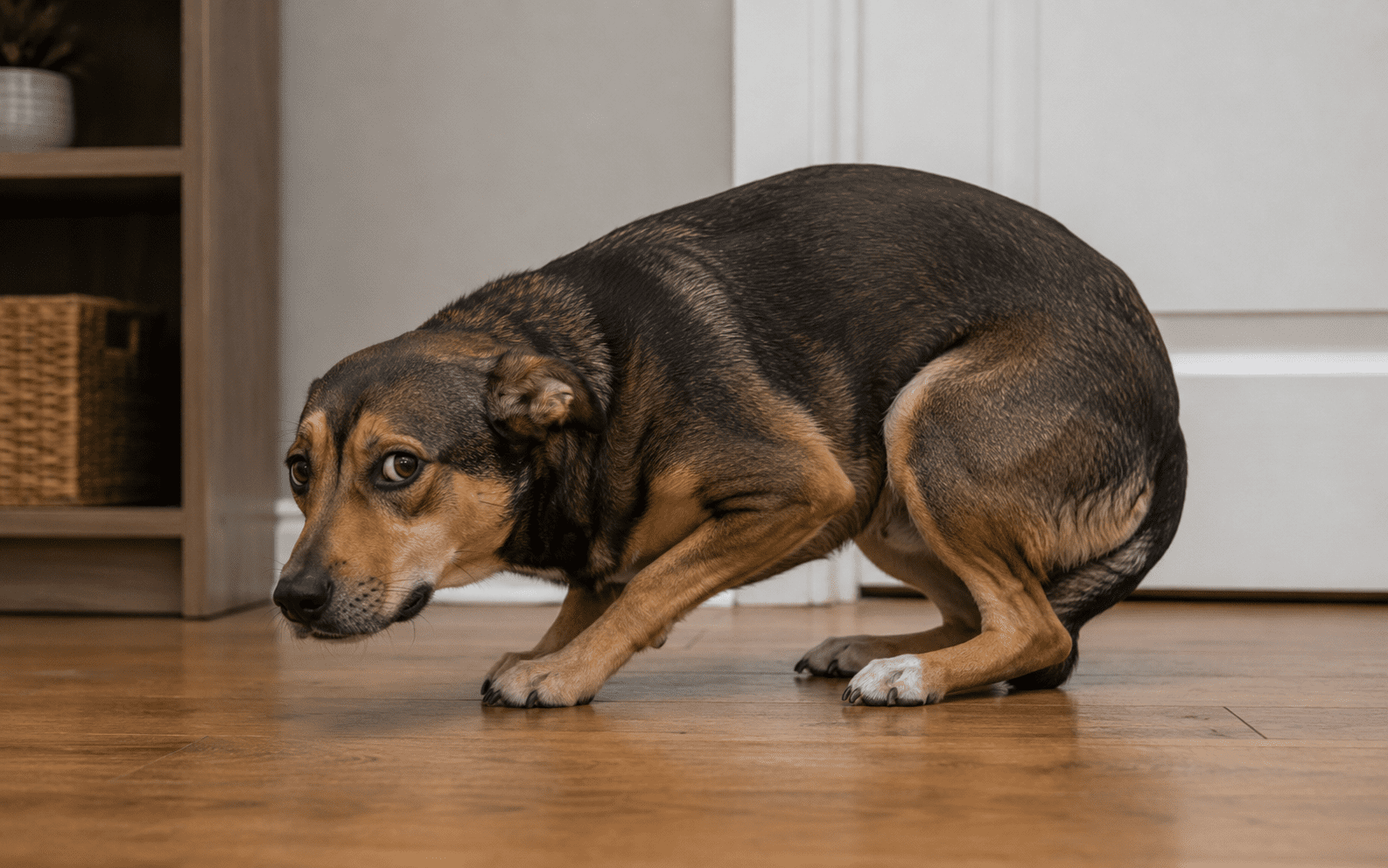
A dog with ears pinned flat is overwhelmed. They’ll often also be low to the ground, tail tucked, avoiding eye contact, or refusing to move. Some dogs freeze. Some will bite if they feel cornered or see no way out. Catching this early is critical.
If your dog shows this pattern consistently around specific people, places, or other animals, that’s not something to push through on your own. Private dog training Long Island gives you a direct line to a trainer who can identify what’s driving the fear and build a plan to address it.
Ear Position Quick Reference
| Ear Position | What It Usually Means | What You Should Do |
| Upright and forward | Alert, engaged, or early warning | Check the rest of the body for tension |
| Neutral or relaxed | Calm, comfortable, not stressed | Nothing, your dog is fine |
| Slightly pulled back | Mild stress, appeasement, uncertainty | Reduce pressure, give a little space |
| Pinned flat against head | Fear, severe stress, potential bite risk | Stop what you’re doing, create distance |
Context Changes Everything
The same ear position can mean completely different things depending on what else is happening. A dog with ears forward while chasing a ball is completely different from a dog with ears forward while staring at a stranger through a fence.
This is why understanding how dogs communicate is never a single-signal skill. Ears are one piece. You also need to factor in tail position, body weight distribution, whether the mouth is open or closed, and whether the eyes look soft or hard.
Here’s how the combinations typically play out:
- Ears forward + loose body + open mouth = excited and happy
- Ears forward + stiff body + closed mouth = alert and building toward reactive
- Ears slightly back + low tail wag + soft eyes = submissive and friendly
- Ears pinned + tail tucked + turning away = fearful and shutting down
That last combination, especially, is a signal to slow down immediately, not push forward.
Reading Ears on Floppy-Eared Breeds
If your dog is a Labrador, Basset Hound, Beagle, or Cocker Spaniel, you might think ear-reading doesn’t apply. It does. You just need to look closer and train your eye to the smaller range of motion.
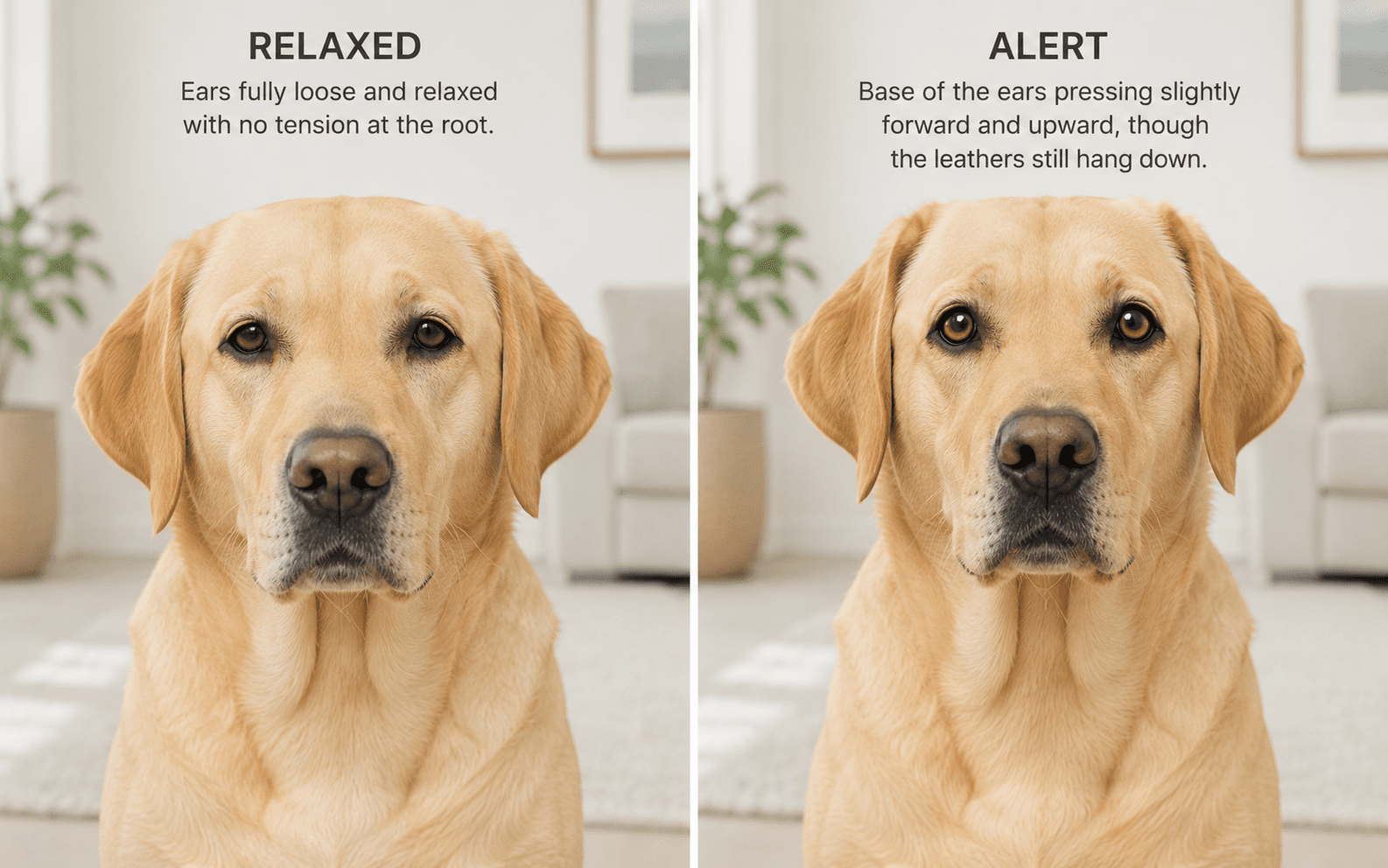
Floppy-eared dogs still move the base of their ears. Watch for:
- Ears pressing slightly forward at the base when alert
- Ears pulling tight and flat against the neck when fearful
- Ears hanging loose and without tension when calm
| Breed Type | Ear Visibility | Reading Difficulty | What to Focus On |
| Upright ears (Husky, GSD) | High | Easy | Full range of movement clearly visible |
| Semi-erect ears (Collie) | Moderate | Medium | Tip direction and base tension |
| Floppy ears (Lab, Beagle) | Low | Harder | Base of ear and press against skull |
| Very heavy ears (Basset Hound) | Very low | Most difficult | Muscle tension at the base only |
The range of movement is smaller, but the signals are still there once you know what to look for on your specific dog.
When Ear Signals Should Change How You Act
Knowing what to look for matters most when you’re in a situation that requires a quick decision. Here are the moments where getting it right is critical.

Greeting strangers. A dog approaching someone with ears forward and a loose, wiggly body is typically safe. A dog greeting with ears pinned and a stiff posture is in conflict, and pushing that interaction often leads to bites.
Dog-to-dog introductions. Both dogs’ ears should ideally be relaxed or slightly back during a first meeting. If both dogs have ears fully forward, bodies rigid, and eyes locked, that’s tension rising, not curiosity, and you need to interrupt it.
During training sessions. If your dog’s ears are consistently pinned during training, the method or pacing may be creating stress. This is worth flagging with a professional. In-home dog training Long Island is particularly useful here because it lets a trainer observe your dog in their own environment, where they’re most themselves.
Around children. Kids move fast and unpredictably, and dogs often give clearer ear signals around them than anywhere else. Any pinning or rapid shifting of the ears during play with kids should trigger an immediate separation and calm reset.
Understanding why dogs tilt their heads is part of this same skill set. The more you understand the physical signals your dog uses to process the world, the better equipped you are to support them and prevent problems before they start.
According to the American Kennel Club, ear position is one of the key indicators professionals use when assessing a dog’s emotional state during behavioral evaluations, always read alongside posture, tail, and facial expression rather than in isolation.
Trust the Ears: How Dog Ear Signals Make You a Better Owner
Dog ear signals give you real-time access to what’s happening in your dog’s head, and that’s genuinely useful every single day. At K9 Mania Dog Training, we’re the leading board and train Long Island provider and home to some of the best animal behaviorists for dogs on Long Island. Whether your dog is fearful, reactive, or just hard to read, we can help. Our programs are built around what your dog actually needs, not a cookie-cutter plan. Whatever behavior challenge you’re facing, trust K9 Mania Dog Training to guide you through it.
You May Also Want to Read
Why Do Dogs Nibble on You? What It Really Means
How to Calm a Reactive Dog: What Actually Works
How to Stop Dogs From Fighting
Frequently Asked Questions
What Do Your Dog’s Ear Positions Mean?
Each ear position reflects a specific emotional state your dog is experiencing. Forward ears signal alertness or focus. Neutral ears mean your dog is calm. Slightly pulled-back ears indicate mild stress or appeasement. Pinned, flat ears are a clear sign of fear. Reading them alongside body posture, tail, and facial expression gives you the full picture of what your dog is experiencing in any given moment.
What does it mean when my dog’s ears are straight up and forward?
Your dog is alert and focused on something specific. They’ve detected a sound, a person, or an animal and are processing it. This isn’t automatically a problem, but if the body is also stiff, the gaze is fixed, and the tail is rigid, your dog may be building toward a reactive response and needs to be calmly redirected before that tension rises further.
Why does my dog pull their ears back?
Pulled-back ears usually mean mild stress, uncertainty, or a desire to look non-threatening. You’ll see this a lot when your dog is greeting someone new, sensing tension in the environment, or anticipating something they’re unsure about. It’s softer than pinned ears, but it still tells you your dog isn’t fully comfortable in that moment and may need a little more space or a slower pace.
What does “pinned back” or “flattened” ears mean?
Pinned or flattened ears are a strong signal of fear or severe stress. This is the clearest warning a dog can give with their ears. A dog in this state may freeze, cower, or bite if they feel they have no exit. Always reduce pressure, increase distance, and remove your dog from the situation immediately when you see this position consistently.
What are “airplane ears”?
Airplane ears describe when a dog’s ears splay out sideways, resembling airplane wings. It’s most common in floppy-eared or semi-erect breeds and often signals mild anxiety or uncertainty. It sits somewhere between relaxed and pulled back, and typically means your dog is processing something they haven’t quite decided how to feel about yet. It’s worth watching, but it’s not a red flag on its own.
Can I read a dog’s emotions if they have floppy ears?
Yes, though it takes closer observation than with upright-eared breeds. Floppy-eared dogs still move the base of their ears when reacting emotionally. Watch for the ears pressing slightly forward at the root when your dog is alert, pulling tight and flat against the skull when stressed, and hanging loose and soft when calm. The visible movement is smaller, but the signals are consistent once you know what to look for on your specific dog.
What is the “neutral” ear position?
Neutral ears sit in a relaxed resting position with no visible tension pulling them forward or back. For upright-eared breeds, that usually means ears angled naturally to the sides of the head. For floppy-eared dogs, it’s soft, hanging ears with no muscle tension at the base. A dog in neutral is calm and at ease. It’s your baseline, the position you measure every other ear signal against in any given situation.