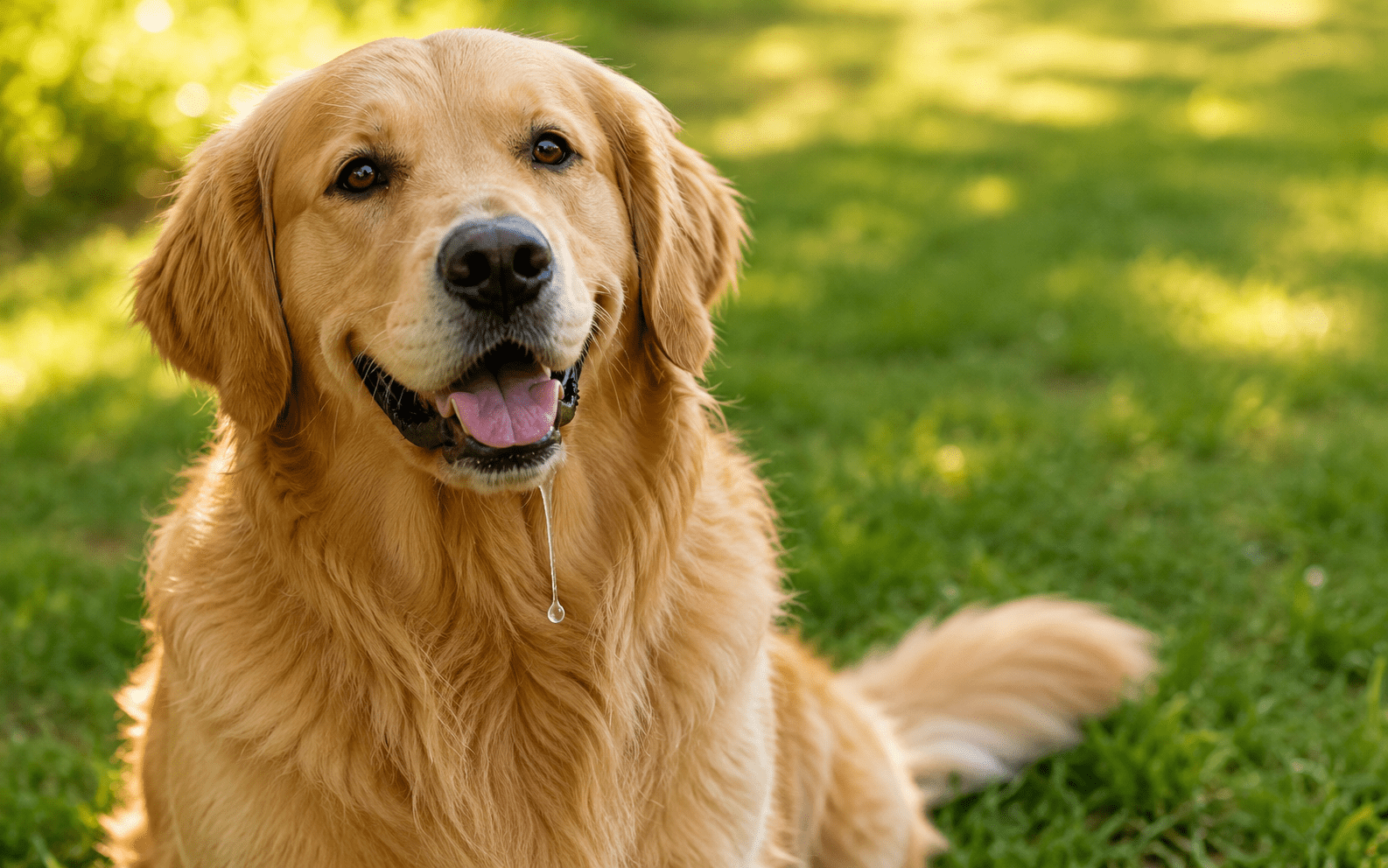
Dogs drool because their salivary glands respond to food smells, excitement, physical activity, or breed anatomy, and for most dogs it is one of the most natural things they do. Sudden or excessive drooling with no clear trigger, however, can signal dental pain, nausea, anxiety, or something more serious that needs attention.
Knowing why do dogs drool helps you separate the normal from the concerning so you are not constantly second-guessing a wet couch cushion or rushing to the vet over a post-dinner puddle. If you have been dealing with a soggy dog and are not sure what is behind it, this breakdown gives you a straight answer without the fluff.
📌 Things to Know
- Drooling is a completely natural reflex triggered by food, excitement, heat, and activity
- Certain breeds drool constantly because of their facial anatomy, not because anything is wrong
- Sudden or excessive drooling with no trigger can point to dental disease, nausea, or anxiety
- Foreign objects, toxic ingestion, and heatstroke are serious causes that need immediate attention
- Anxiety-driven drooling is one of the most commonly missed stress signals in dogs
- Knowing your dog’s normal drool baseline makes it much easier to catch a real problem early
The Normal Side of Dog Drooling
Food, Smell, and Excitement Are the Biggest Triggers
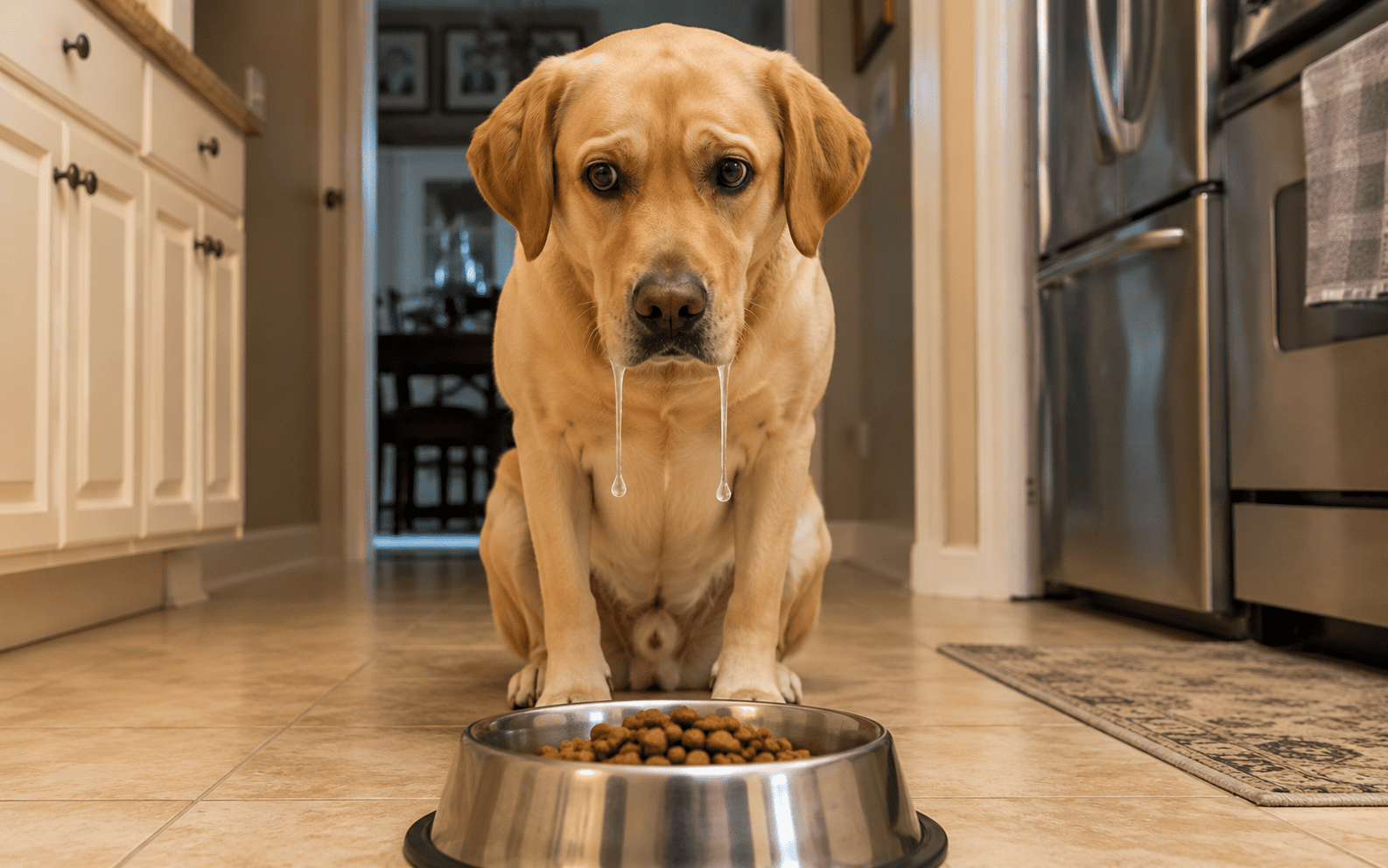
Most drooling you see in a healthy dog is completely normal and nothing to stress over. When your dog catches the smell of food, hears the treat bag crinkling, or watches you put on your shoes to head outside, the brain sends a signal to the salivary glands and saliva starts flowing. It is the same involuntary reflex Pavlov famously studied, and dogs cannot stop it any more than you can stop your mouth from watering at the smell of fresh bread.
Physical activity and excitement push drooling even higher. A dog that just finished a run in the backyard, played fetch at the park, or had a full wrestling session with another dog will drool more because the body is working hard and generating heat. Once they settle down and cool off, it stops on its own. No cause for concern.
Paying attention to your dog’s dog body language signals helps you connect the drooling to its actual source. A relaxed, tail-wagging dog drooling at the sight of their dinner bowl is a happy dog. A dog drooling while crouched low and avoiding eye contact is showing you something else entirely.
Some Breeds Are Simply Built to Drool
For certain dogs, drooling has nothing to do with emotions or food. It is pure anatomy. Breeds with loose, heavy lips and deep skin folds around the mouth, called flews, have less structural control over saliva because there is nowhere for it to pool and stay contained. It spills out, and that is just daily life with those dogs.
| Breed | Drool Level | Primary Reason |
| Saint Bernard | Very High | Loose jowls and large lips |
| Bloodhound | Very High | Deep lip folds and long ear structure |
| Mastiff | Very High | Broad mouth and heavy flews |
| Labrador Retriever | Moderate | High food drive and active lifestyle |
| German Shepherd | Low to Moderate | Tighter, more controlled facial structure |
| Poodle | Low | Smaller mouth and tighter lip closure |
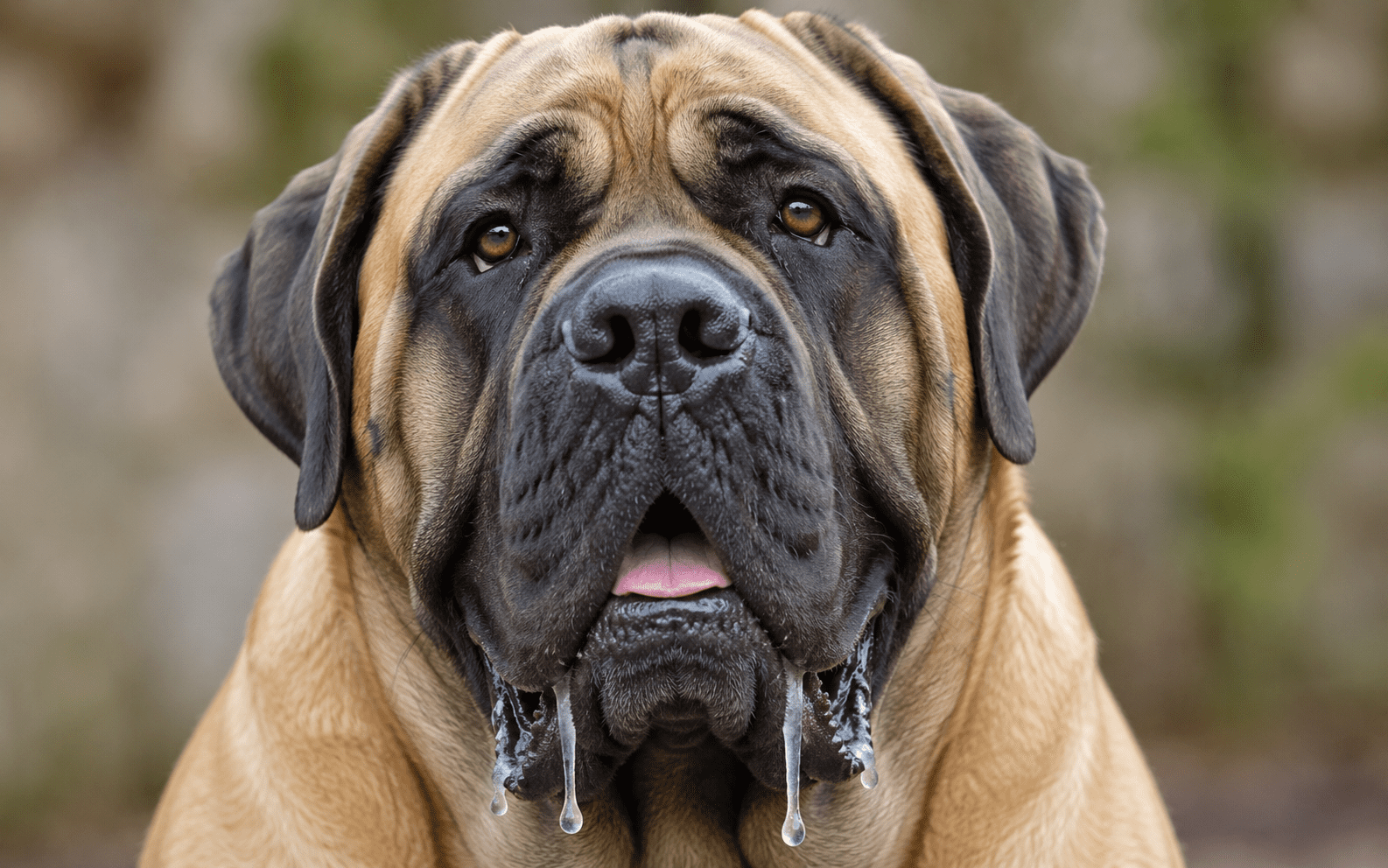
If you own a Saint Bernard or a Mastiff, a drool bib is not a quirky accessory. It is a daily tool. No amount of training changes this because it is a structural feature, not a behavior problem.
When Drooling Is Telling You Something Is Wrong
Health Issues That Cause Sudden or Excessive Drooling
The real answer to why do dogs drool suddenly, without food or excitement involved, is usually one of these health-related causes. A dog that was not drooling much before and now is soaking through everything deserves a closer look.
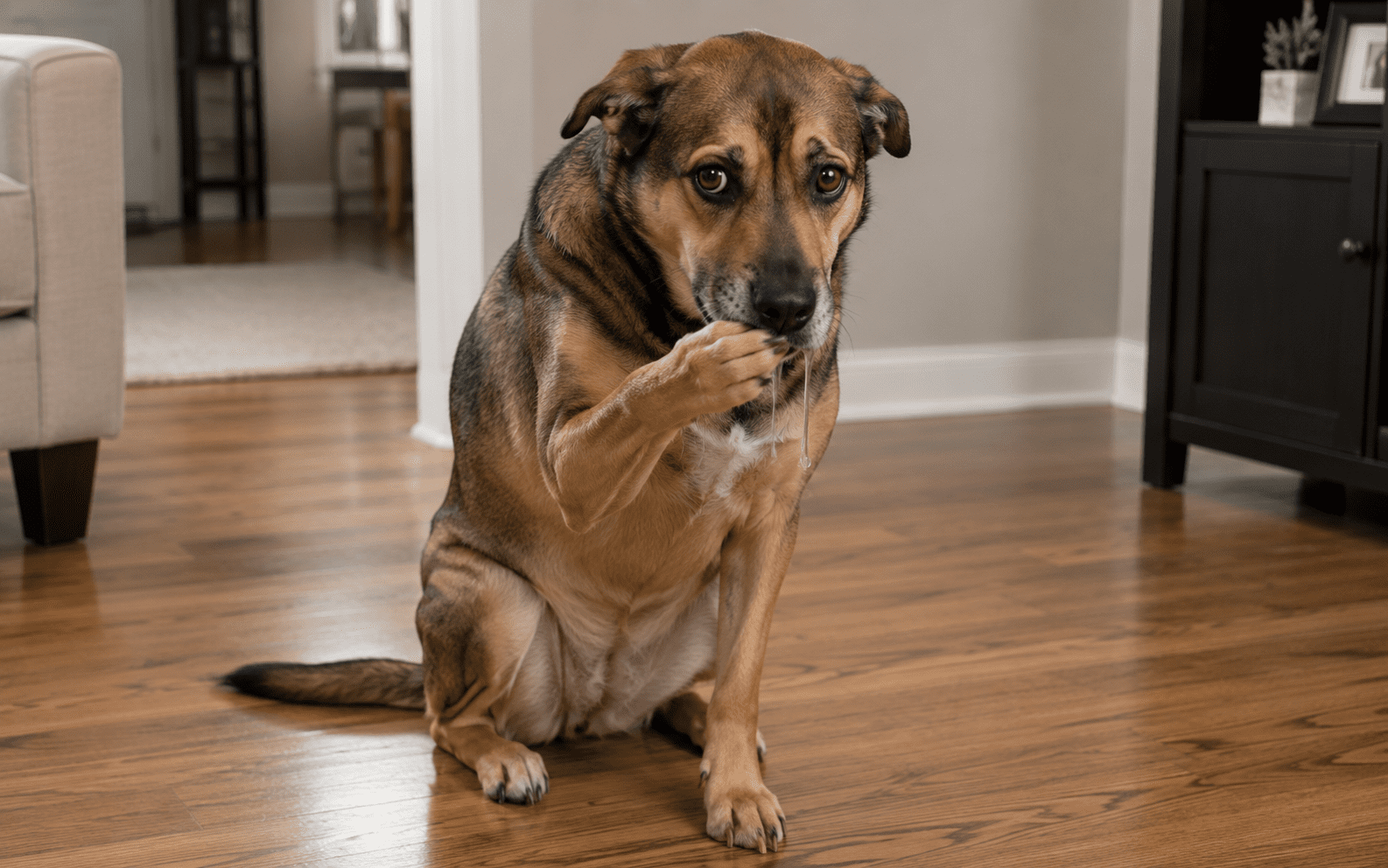
Common health triggers include:
- Dental disease or mouth pain – Infected teeth, abscessed gums, or painful sores cause the body to increase saliva production as a direct response to pain and irritation
- Nausea – Whether from motion sickness, dietary changes, or eating something questionable off the ground, nausea is one of the fastest drool triggers dogs have
- Foreign object in the mouth or throat – A splinter, bone chip, or piece of a chewed toy lodged inside causes constant, heavy drooling that does not ease up
- Toxic plant or chemical ingestion – Common plants like sago palm and azalea, along with certain cleaning products, trigger immediate and heavy drooling as the body reacts
- Heatstroke – An overheated dog pants and drools heavily as the body fights to regulate its temperature
- Neurological conditions – Certain conditions affecting the nervous system disrupt muscle control around the mouth, causing drooling the dog cannot control
If the drooling comes with pawing at the mouth, gagging, refusing food, acting lethargic, or vomiting, do not wait. Those symptoms together rule out normal causes quickly and point to something that needs a vet.
Stress and Anxiety Show Up as Drool More Than Owners Realize
Stress-related drooling is one of the most commonly missed signals in dogs. When a dog feels scared, anxious, or overwhelmed, the body reacts physically and drooling is one of the first things that happens. It works the same way a nervous person might develop sweaty palms or a tight stomach before something stressful. The dog is not choosing to drool. The body is just responding.
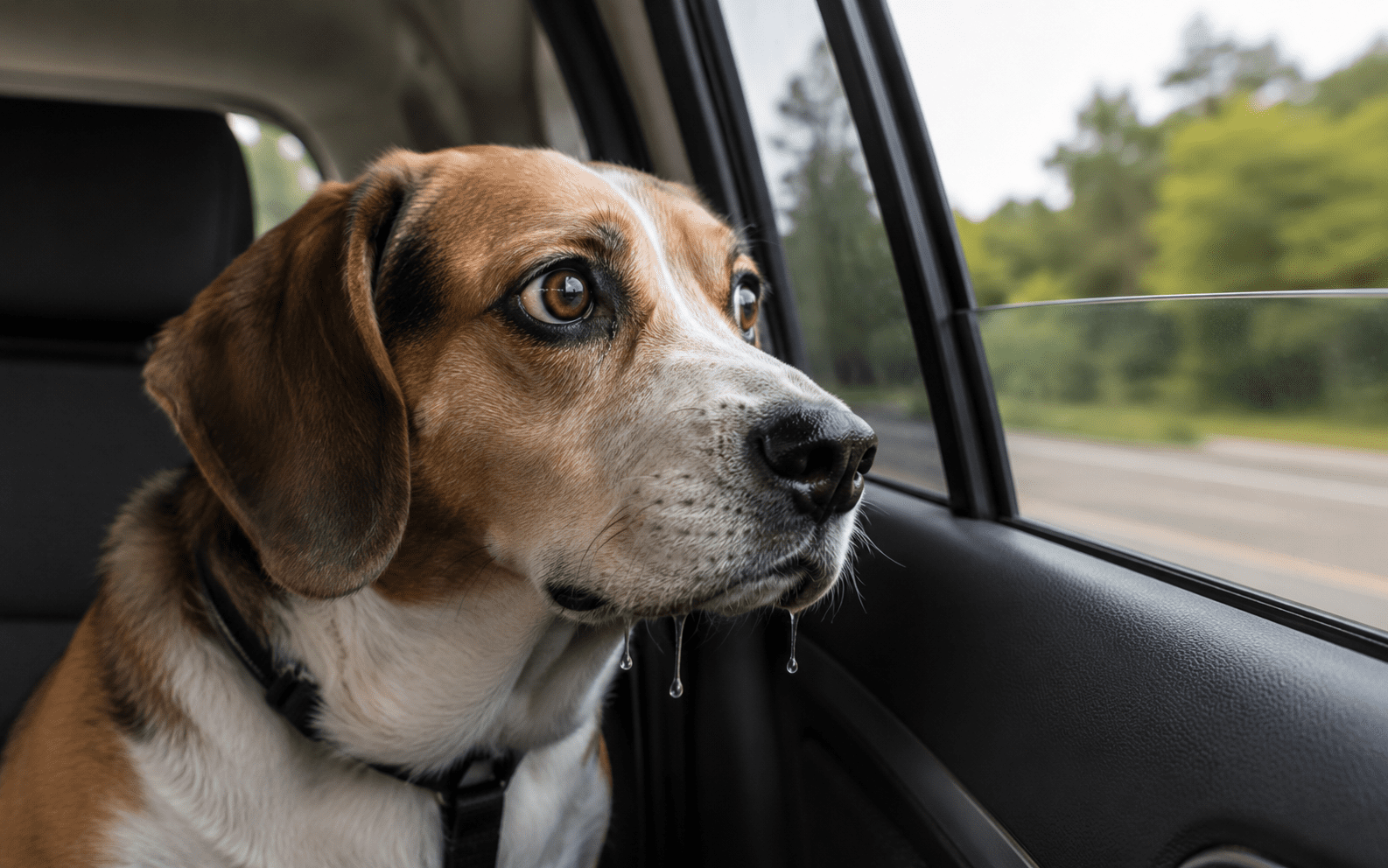
Dogs that drool heavily during car rides, thunderstorms, vet visits, or when left alone are often responding to anxiety, not a physical health problem. If the drooling only appears in specific situations and clears up once the trigger is removed, that pattern is telling you the root cause is emotional rather than medical.
Understanding why my dog is scared can help you connect a specific trigger to the drooling that follows. Once you identify what the fear source is, the drooling becomes a lot easier to address through the right kind of training and desensitization work.
How to Tell Normal Drool from a Warning Sign
Pattern and context matter more than the amount of drool alone. Use this as a quick reference when you are not sure what you are looking at.
| Normal Drool | Concerning Drool |
| Triggered by food, play, or activity | Sudden onset with no obvious reason |
| Stops when the trigger is removed | Continuous and does not slow down |
| Consistent with the dog’s normal baseline | Much more than their usual amount |
| No other symptoms present | Paired with vomiting, pawing, or dullness |
| Dog seems relaxed and comfortable | Dog seems restless or clearly uncomfortable |
| Breed-typical behavior | New behavior or a noticeable recent shift |
Pay Attention to Texture and Timing
The texture of the drool tells you more than just the volume. Thick, ropy, or foamy saliva points toward nausea, oral pain, or something obstructing the throat. Thin, watery drooling during a walk or a vigorous play session is the body working normally under heat and exertion.
Timing is equally useful information. Drooling that only shows up in the car points toward motion sickness or travel anxiety. Drooling that appears every time you leave the house points toward separation anxiety. Drooling that started recently and has not let up points toward a health issue worth investigating.
Learning how to calm a panting dog is relevant here too, since heavy panting and drooling tend to show up together when a dog is overheated, overstimulated, or anxious and looking for relief.
What to Do When the Drooling Becomes a Problem
If drooling is breed-related, your job is mostly management. Keep towels nearby, wipe the jowl folds regularly to prevent skin irritation and trapped moisture in the creases, and accept that some furniture is going to get wet. That is the trade-off with heavy-drooling breeds.
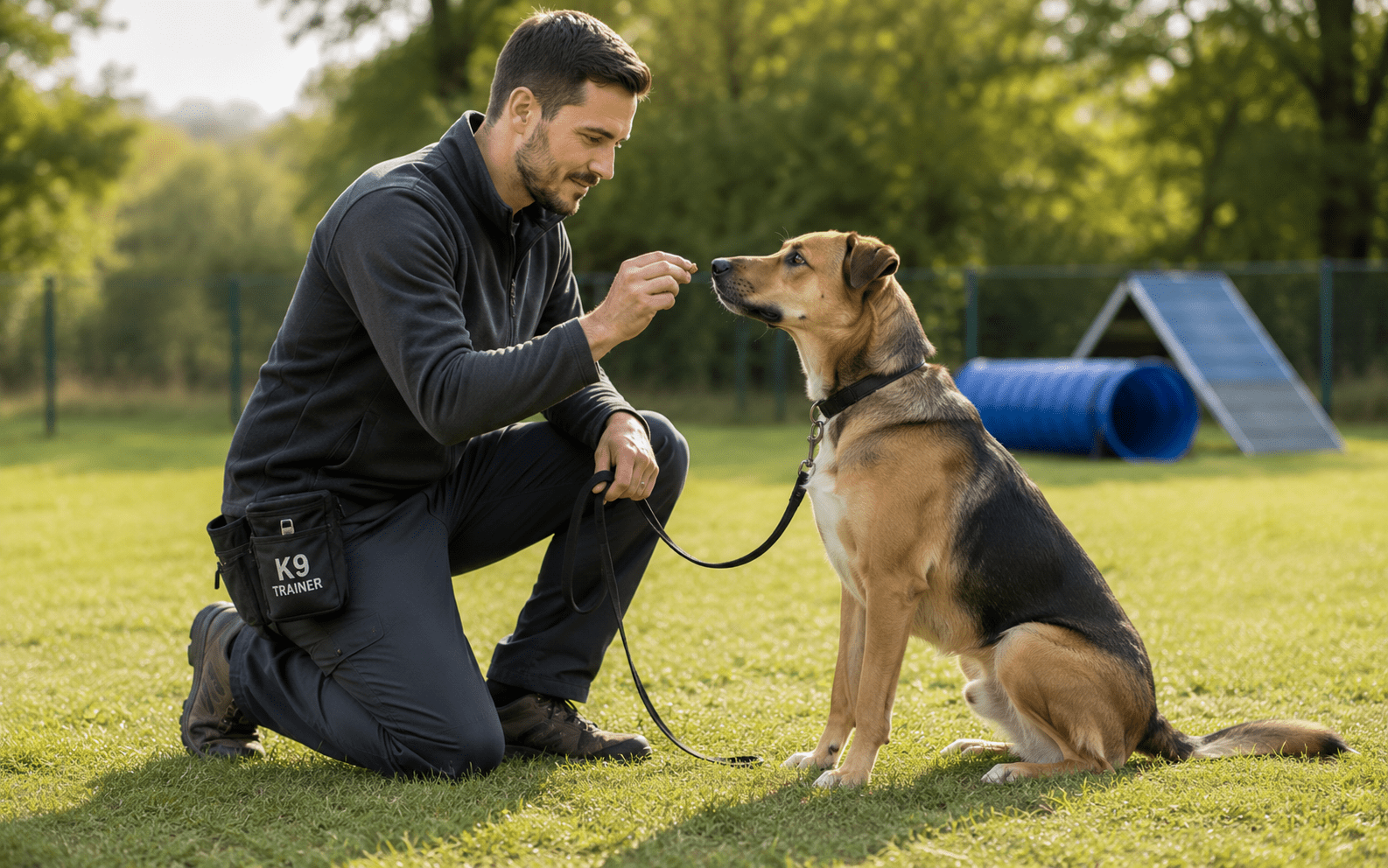
If anxiety is driving the drooling, addressing the behavior underneath is what actually fixes the problem. A dog drooling from fear or stress needs confidence-building, clear structure, and a way to process the triggers that are setting it off. Our board and train Long Island program works directly with anxiety-driven behaviors in a focused, structured environment where real and lasting change happens.
For dogs that need that work done inside the home where the anxiety actually lives, in home dog training Long Island brings training directly into the space where the triggers are. And if your dog needs an individualized plan built around their specific history and stress responses, private dog training Long Island gives you one-on-one attention with a trainer who gets to know your dog specifically.
The Real Answer to Why Do Dogs Drool Starts With Knowing Your Dog
Understanding why do dogs drool gives you the confidence to act when it matters and relax when it does not. At K9 Mania Dog Training, we are Long Island’s leading board and train provider with experienced animal behaviorists who know how to read what your dog is really communicating. Whether the drooling connects to anxiety, fear, or another behavior challenge, we can help you get to the root of it and fix it. Trust K9 Mania Dog Training with whatever your dog is dealing with. Contact us today and let us help.
You May Also Want to Read
How to Stop a Dog from Marking in the House
Dog Collar Color Meaning: What Each Color Signals to Strangers
Why Do Dogs Nibble on You? What It Really Means
How to Calm a Reactive Dog: What Actually Works
Frequently Asked Questions About Why Dogs Drool
Should I be worried if my dog is drooling?
Not always. Most drooling is completely harmless and tied to food, excitement, or breed anatomy.
If the drooling is sudden, heavier than normal, or comes alongside other symptoms like vomiting, pawing at the mouth, or changes in behavior, that shift is worth a vet call. Knowing your dog’s normal drool baseline makes it much easier to notice when something has actually changed and act on it quickly.
Is drooling a stress response in dogs?
Yes. Drooling is one of the most consistent physical signs of stress and anxiety in dogs.
When a dog feels scared, nervous, or overwhelmed, the body triggers a stress response that can include drooling, panting, yawning, and trembling. Car rides, loud noises, unfamiliar people, and being left alone are common triggers that show up this way in dogs of all sizes and breeds.
Why is saliva dripping out of my dog’s mouth?
Saliva drips from a dog’s mouth when the salivary glands produce more than the mouth structure can contain.
Loose-lipped breeds drip naturally because of their facial anatomy and it is nothing to worry about. If a dog that does not normally drip suddenly starts, look for signs of mouth pain, a foreign object, or nausea. A vet checkup that includes a full mouth exam is the right first step.
When should I be worried about drooling?
Worry when drooling is sudden, excessive, and paired with symptoms like vomiting, difficulty swallowing, or behavioral changes.
A dog that is drooling while also pawing at their face, refusing food, acting confused, or showing pain signals needs veterinary attention quickly. Toxic ingestion, dental abscesses, and foreign objects lodged in the throat are situations where waiting makes things significantly worse.
Why is my old dog drooling a lot suddenly but acting fine?
Sudden drooling in an older dog that otherwise seems fine often points to dental disease, a mild digestive issue, or early neurological changes.
Senior dogs develop dental infections and gum disease more commonly than younger dogs, and these conditions can increase saliva production without making the dog appear obviously sick at first. A vet checkup that includes a thorough mouth exam is the best starting point to rule out hidden pain or infection below the surface.
What to give a dog for excessive drooling?
There is no single remedy. The right approach depends entirely on what is causing the drooling.
If anxiety is the trigger, behavior training and environmental management work far better than any supplement or product. If nausea is the cause, a vet may recommend anti-nausea medication. If dental disease is responsible, proper treatment is the only real fix. Never medicate a drooling dog without understanding the actual root cause first.