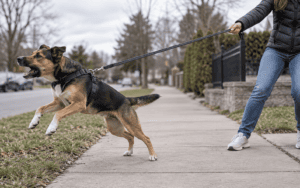
Some dogs bark, growl, or pull when they see people or other dogs. This can happen because they feel scared, nervous, or too excited. If your dog acts this way, you’re not alone. Many dog owners face similar issues and want to help their dogs feel better.
Reactive dog training is a way to teach your dog to stay calm in stressful moments. It uses clear and simple steps to slowly change how your dog acts. In this guide, you’ll learn how to help your dog stay relaxed and enjoy a more peaceful and happy life with you.
What Is a Reactive Dog?
A reactive dog shows strong behavior like barking, pulling, or jumping when around loud noises, strangers, or other dogs. These actions often come from fear, stress, or frustration. Reactive dog training helps calm these reactions and makes your dog feel safer and more relaxed.
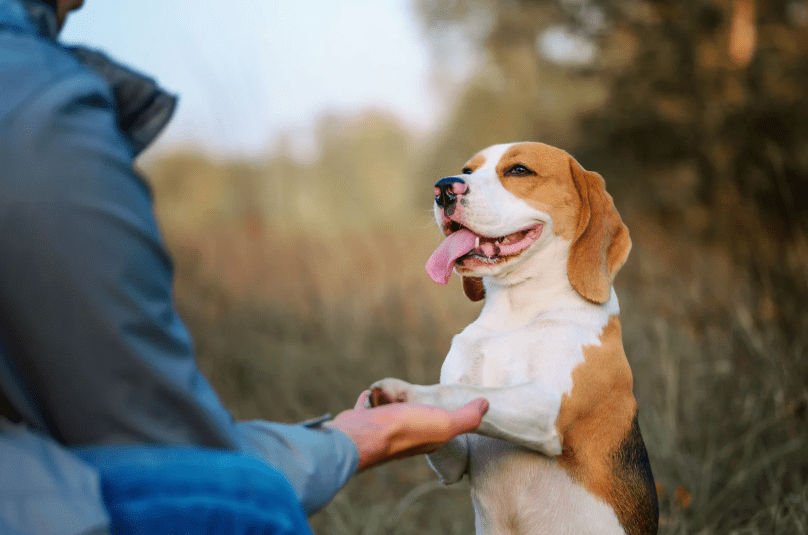
Reactivity is not the same as aggression. Many dogs react because they feel nervous, not because they want to hurt anyone. With patience, the right steps, and a steady routine, you can help your dog gain confidence and enjoy calmer walks through proper reactive dog training.
What Causes Reactivity in Dogs?
Reactivity in dogs often builds up over time due to things like genetics, lack of socialization, or past trauma. Some dog breeds are more sensitive, making them react strongly to normal sights or sounds.
Dogs from shelters may not be used to everyday situations. Bad experiences like loud storms or fights can also cause fear-based behavior that leads to reactivity in the future.
Even friendly dogs can become reactive if they don’t get enough mental or physical activity. High-energy dogs require regular stimulation to prevent them from acting out due to boredom or excess energy.
Why Reactive Dog Training Is Important?
Reactive dog training helps your dog stay calm when things around get loud or busy. It also builds trust and helps you understand each other better. Training keeps your dog safe and makes walks or trips easier and more fun for both of you.
If your dog doesn’t get the right training, small problems can get worse. Barking or pulling might turn into biting or running away. Starting training early helps your dog learn better habits and stay safe. It’s a simple way to help your dog feel calm and happy every day.
Steps on How to Train a Reactive Dog the Easy Way
Reactive dog training works best with patience, consistency, and the right techniques. Let’s break it down into simple steps you can follow:
Step 1: Find Out What Triggers Your Dog
Watch closely to see what makes your dog react. It might be other dogs, loud noises, or certain people. Write down what happens, where, and when. Knowing your dog’s triggers helps you plan your reactive dog training with a calm and clear approach.
Step 2: Give Enough Space from Triggers
Every dog has a distance where they feel safe around triggers. Start your training from that safe space. Slowly work closer as your dog stays calm. Never push too fast. Keeping your dog comfortable builds trust and better long-term behavior.
Step 3: Slowly Change How Your Dog Reacts
Desensitization means showing your dog the trigger in a calm way. Counter-conditioning means giving treats to create a good feeling. Over time, your dog will connect the trigger with something positive. This step helps lower fear and makes your dog feel safe
Step 4: Teach Your Dog to Focus on You
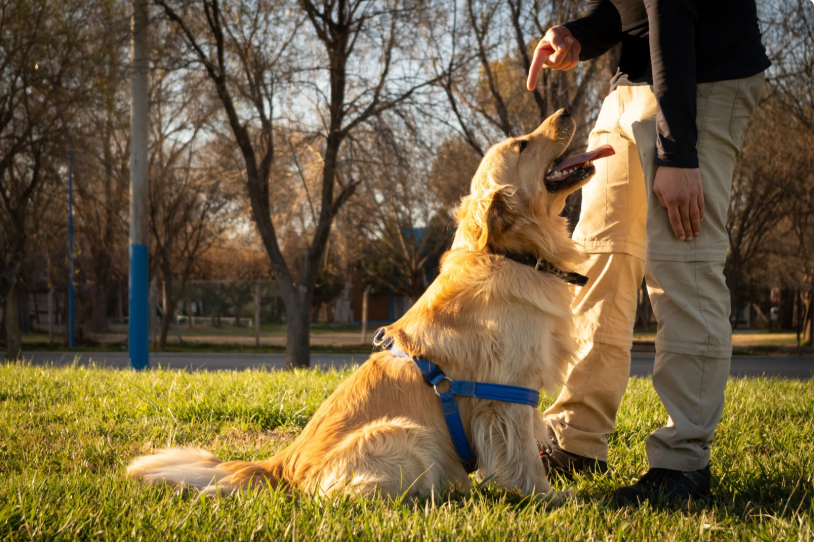
Train your dog to look at you using a cue like “watch me.” Reward them for checking in. This builds focus and helps manage distractions. A dog that knows how to pay attention is easier to guide during reactive dog training situations.
Step 5: Keep Training Short and Positive
Short training sessions, about 10 minutes, work best. Don’t push your dog too hard. Always end on a calm, happy note. Avoid yelling or punishment. Use kind words, treats, and a relaxed setting so your dog stays calm and enjoys the process.
Mistakes to Avoid in Reactive Dog Training
Some dog owners unintentionally make reactivity worse by pulling on the leash, shouting, or avoiding proper training. Pulling adds tension, while yelling raises stress levels. Avoiding triggers may offer short-term relief, but it doesn’t fix the real issue. Harsh tools like prong collars can also backfire.
Reactive dog training focuses on long-term behavior change, not quick fixes. The goal is to help your dog feel safe, supported, and more in control. With steady training, your dog can learn better ways to respond to stress, making daily life calmer for both of you
Tools That Help with Reactive Dog Training
Using the right tools can make reactive dog training more effective and less stressful. These tools help you stay in control while keeping your dog calm, safe, and focused during practice.
Front-Clip Harness
A front-clip harness helps you control your dog without causing pain or pressure on the neck. It gently guides your dog to face you, reduces pulling, and keeps your walks calmer. It’s a safe tool for reactive dog training.
Treat Pouch
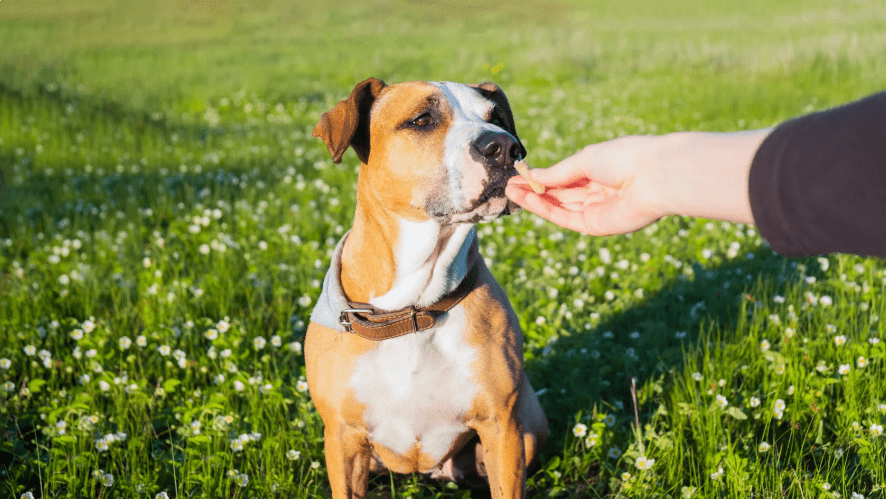
A treat pouch keeps your hands free and treats easy to reach. Fast rewards help your dog connect good behavior with positive results. Using one enables you to stay ready to reinforce calm moments during reactive dog training sessions or walks.
Long Leash
A long leash gives your dog room to move while keeping them safe and secure. It’s great for training at a distance, especially when working on reactivity. Your dog feels more relaxed, and you still stay in control during practice time.
Professional Trainer
Working with a professional dog trainer gives you the right tools and support. They can spot problems quickly, show you better training steps, and adjust methods for your dog’s needs. Their help speeds up progress during your reactive dog training journey.
How Long Does Reactive Dog Training Take
Every dog is different, so progress with reactive dog training can vary. Some dogs improve in a few weeks, while others take longer. The key is staying consistent. Don’t rush the process. Stick to your training plan, adjust as needed, and celebrate small wins like fewer outbursts or faster recovery.
🔗 Learn more about our Board and Train Long Island program.
Life After Training: How to Keep Your Dog on Track
Reactive dog training continues even after progress. Keep walks fun, switch routes, and visit calm places. Use praise, treats, and toys to reward good behavior. Confidence games and positive experiences help your dog stay relaxed. The more calm moments they have, the better they handle stress in the future.
Frequently Asked Questions
Can reactivity be trained out of a dog?
Yes, you can help a reactive dog get better with training. Use treats, calm words, and slow steps to help your dog stay relaxed. Over time, many reactive dogs learn to feel safe and stop overreacting to things that used to scare them.
How do I train my dog to stop being reactive?
Start by finding what upsets your reactive dog. Keep space from the trigger, reward calm behavior, and train in short, quiet sessions. With time and patience, your dog can learn to stay calm in situations that once made them bark, growl, or panic.
Can a dog reactive dog be cured?
A reactive dog may never be perfect, but they can get much better with the right help. With time, training, and love, most reactive dogs learn to stay calm and enjoy life without getting upset by every sound, person, or dog they see.
What not to do with reactive dogs?
Don’t yell, punish, or force a reactive dog into scary places. Don’t let them get too close to what upsets them. Stay calm, give space, and help them feel safe. Pushing too hard can make your reactive dog act worse, not better.
Can you calm a reactive dog?
Yes, you can calm a reactive dog with soft voices, space from triggers, and rewards for calm behavior. Practice often and keep training fun. Over time, your reactive dog will feel more relaxed and learn that calm choices bring good things.
Conclusion
K9 Mania Dog Training knows it’s tough when your dog barks, pulls or gets upset around people or other dogs. That’s why we’re here to help with reactive dog training that works and makes life easier for both you and your dog.
We don’t just teach commands. We help your dog feel calm and safe every day. Our training uses easy steps and kind support to help your dog stay cool and focused. With a little help, your dog can learn better ways to act and feel more at ease.
Now is the best time to begin. Call K9 Mania Dog Training at (516) 217-1604 and let us help you. We’ll make walks easier and help you enjoy more peaceful days with your pup.
You May Also Want to Read
How to Stop Food Aggression with Dogs Safely
Board and Train for Aggressive Dogs: Complete Guide
Board and Train vs Private Lessons for Aggressive Dogs
End Note
If you are looking for expert help to train your puppy, our Puppy Training in Long Island program is a great place to begin. We teach good behavior, basic commands, and social skills. Meet our friendly and skilled team on the Our Team page to learn more.
We work in many areas and create simple training plans that fit every dog’s needs. Visit Location Served to see where we offer services. You can reach us through Contact Us. For tips and real stories, check out our Blog. To become a trainer, join our Dog Trainer Program at K9 Mania Dog Trainer Academy.
We share real results and training moments online. Follow us on Facebook, Instagram, TikTok, and YouTube. Visit K9 Mania Dog Training and let us help you build better behavior step by step.