Dogs communicate with each other through body language, scent, vocalizations, and eye contact. Understanding how do dogs communicate with each other helps you read what your dog is saying before small tension turns into a real problem.
Things to Know
- Body language carries more information than barking ever will
- Tail position, ear placement, and posture all send specific social signals
- Scent is one of the richest communication channels dogs have
- Growling is a warning, not always aggression
- Misreading dog signals is one of the most common causes of dog-to-dog conflict
- A relaxed, curved body approach signals safety during greetings
- Suppressing communication without fixing the cause often makes behavior worse
Most people think barking is the main way dogs talk. It’s actually the least nuanced form of communication dogs use. The real conversation happens in how your dog holds its body, where it looks, and what it smells. If you’re only watching for barking, you’re missing most of what’s going on.
Body Language Is Their First Language
Every shift in your dog’s posture carries meaning. Before you can manage your dog around other dogs, you need to know what those shifts actually look like in real life.
Tail, Ears, and Posture
A wagging tail doesn’t always mean a happy dog. The position and speed of the wag matter just as much as the wag itself. A slow, stiff wag with the tail held high often signals tension or assertion. A loose, low wag usually means the dog is relaxed and open to interaction.
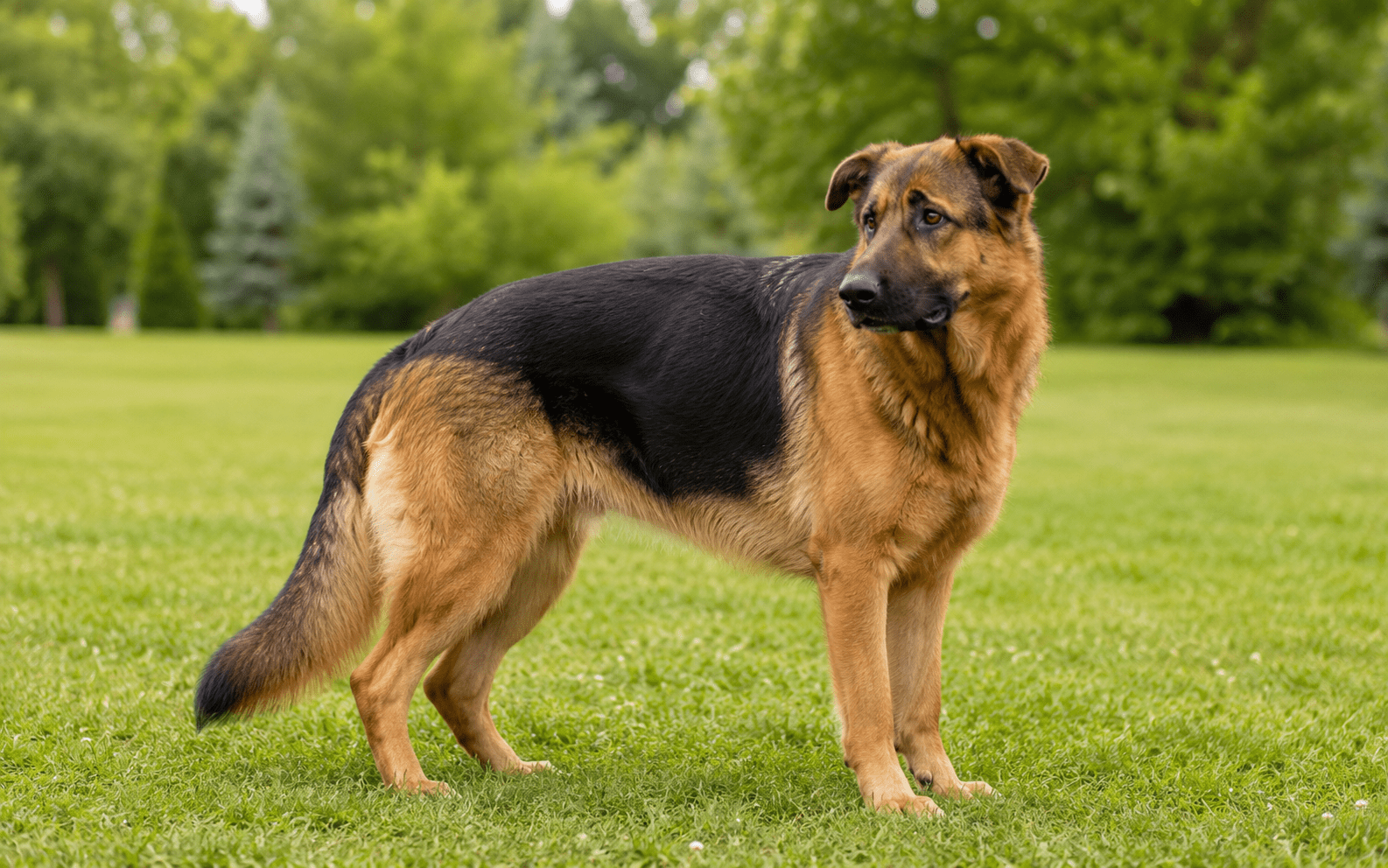
Ears follow a similar pattern. Ears pinned flat against the head signal fear or submission. Ears pushed forward and upright mean the dog is alert or asserting itself. Neither one is automatically a problem, but both tell you something important about what that dog is feeling right now.
Posture ties it all together. A dog that leans forward with its weight over its front paws is asserting itself. A dog that crouches low, rolls over, or turns its head away is showing deference. Other dogs read these signals instantly, even when you don’t.
For a detailed breakdown of each cue, the full guide on dog body language signals covers what to look for in each area of the body.
Eye Contact and Facial Expressions
Direct, hard eye contact between dogs is often a challenge. It’s one of the first things dogs assess when two unfamiliar dogs meet. Soft eyes with occasional blinking signal that a dog is comfortable and not looking for conflict.
Lip licking, yawning, and looking away are calming signals. Dogs use these actively to de-escalate tension and communicate that they don’t want trouble. When you see your dog do any of these during a greeting, they’re not distracted. They’re talking.
How Dogs Use Sound to Communicate
Vocalizations are part of the picture, but each sound is more specific than most owners realize. Context changes the meaning completely.
| Vocalization | What It Usually Means | What to Watch For |
| High, rapid bark | Excitement or alert | Paired triggers like strangers or new dogs |
| Growl | Warning, discomfort, or play invitation | Stiff body vs. relaxed body tells you which |
| Whine | Stress, frustration, or attention-seeking | Paired with pacing or pawing |
| Howl | Long-distance communication or sound response | Common in hound and Nordic breeds |
| Soft grunt or sigh | Contentment or settling | Usually happens when lying down |
Growling gets misunderstood more than almost any other signal. Many owners try to stop it immediately, but growling is communication. It’s your dog saying “I’m not okay with this” before something escalates further. Suppressing the growl without addressing what caused it often leads to a dog that skips the warning and bites without notice.
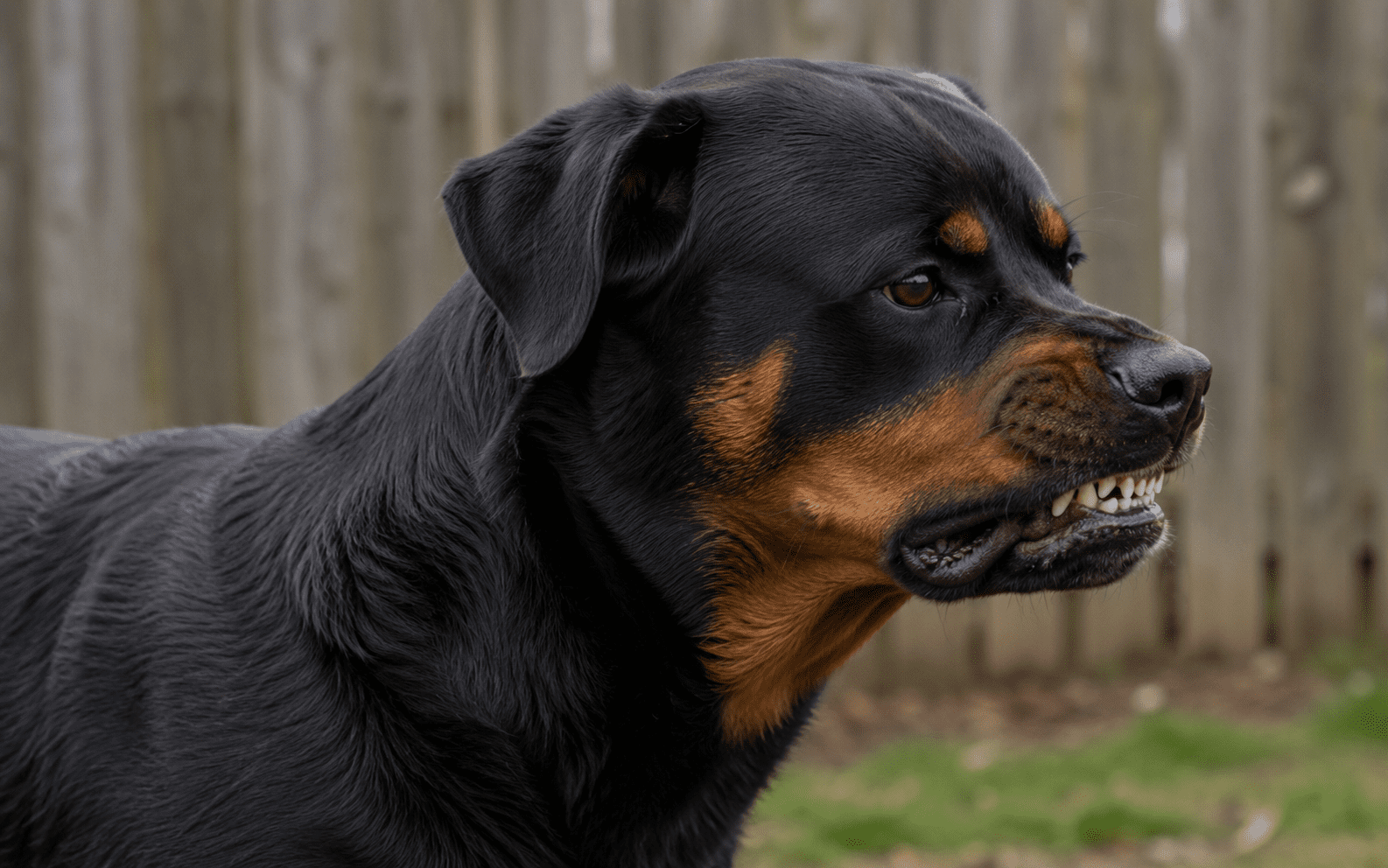
The article on why dogs growl breaks down when growling is normal and when it’s a flag for something deeper.
Scent: The Communication Channel You Can’t See
Scent is probably the richest communication tool dogs have, and it’s the one most owners overlook entirely because humans can’t access it.
When dogs sniff each other, especially around the face, ears, and rear, they’re reading a detailed profile. Age, health, reproductive status, emotional state, and recent experiences can all be picked up through scent. What looks like a slow, awkward greeting to you is actually an exchange of information.
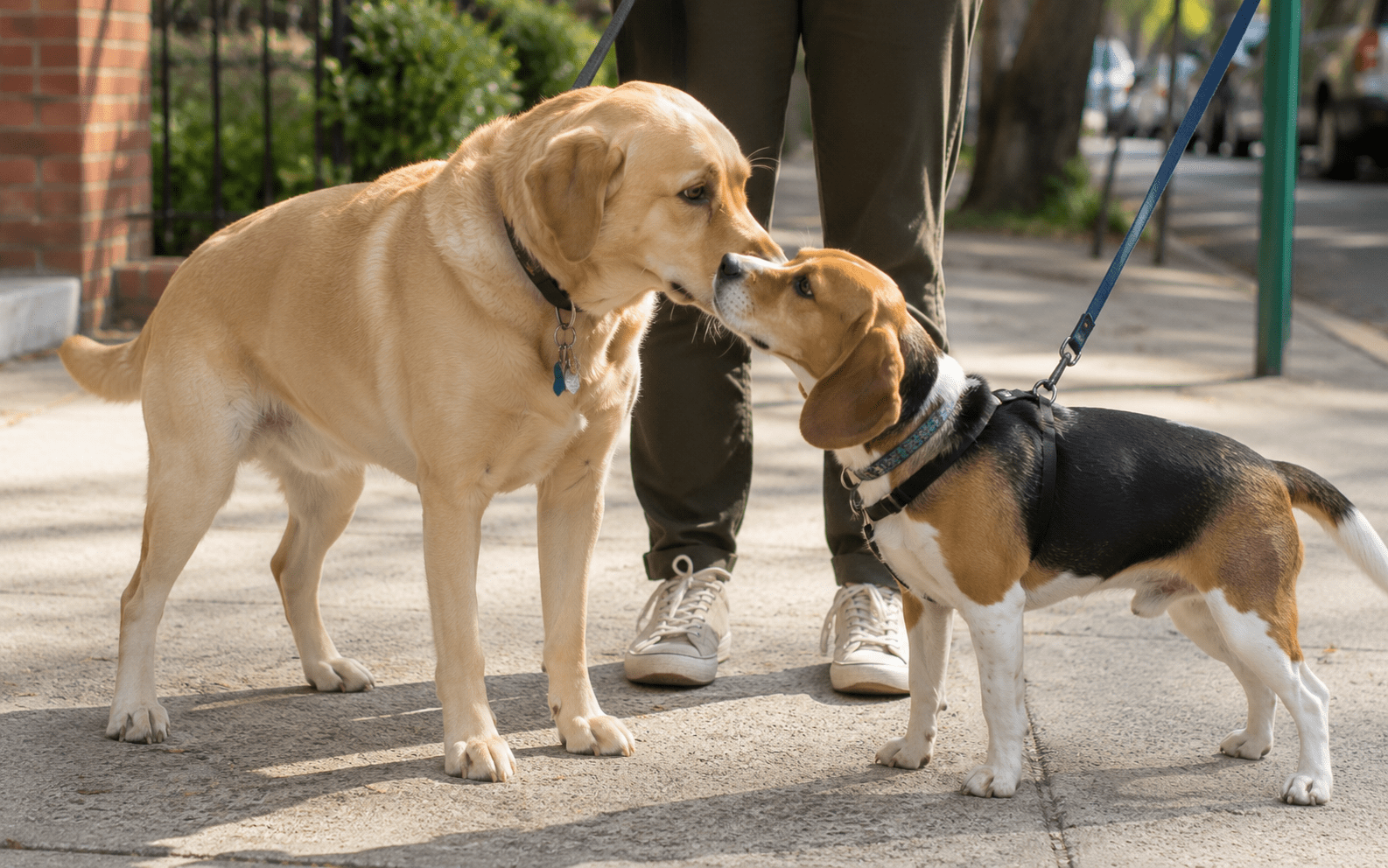
This is also why forcing a greeting between two dogs that aren’t ready creates problems. One dog might be giving off stress signals through scent that the other dog reads as threatening, even if both look calm on the surface.
Scent marking through urine works the same way but for dogs that aren’t even present. When your dog stops to sniff every post and tree on a walk, they’re catching up on what other dogs left behind. That behavior isn’t a bad habit. It’s a normal part of how dogs gather information about their environment.
What a Real Dog Greeting Actually Looks Like
Knowing individual signals matters. But watching how they all come together in a live greeting is where it counts most.
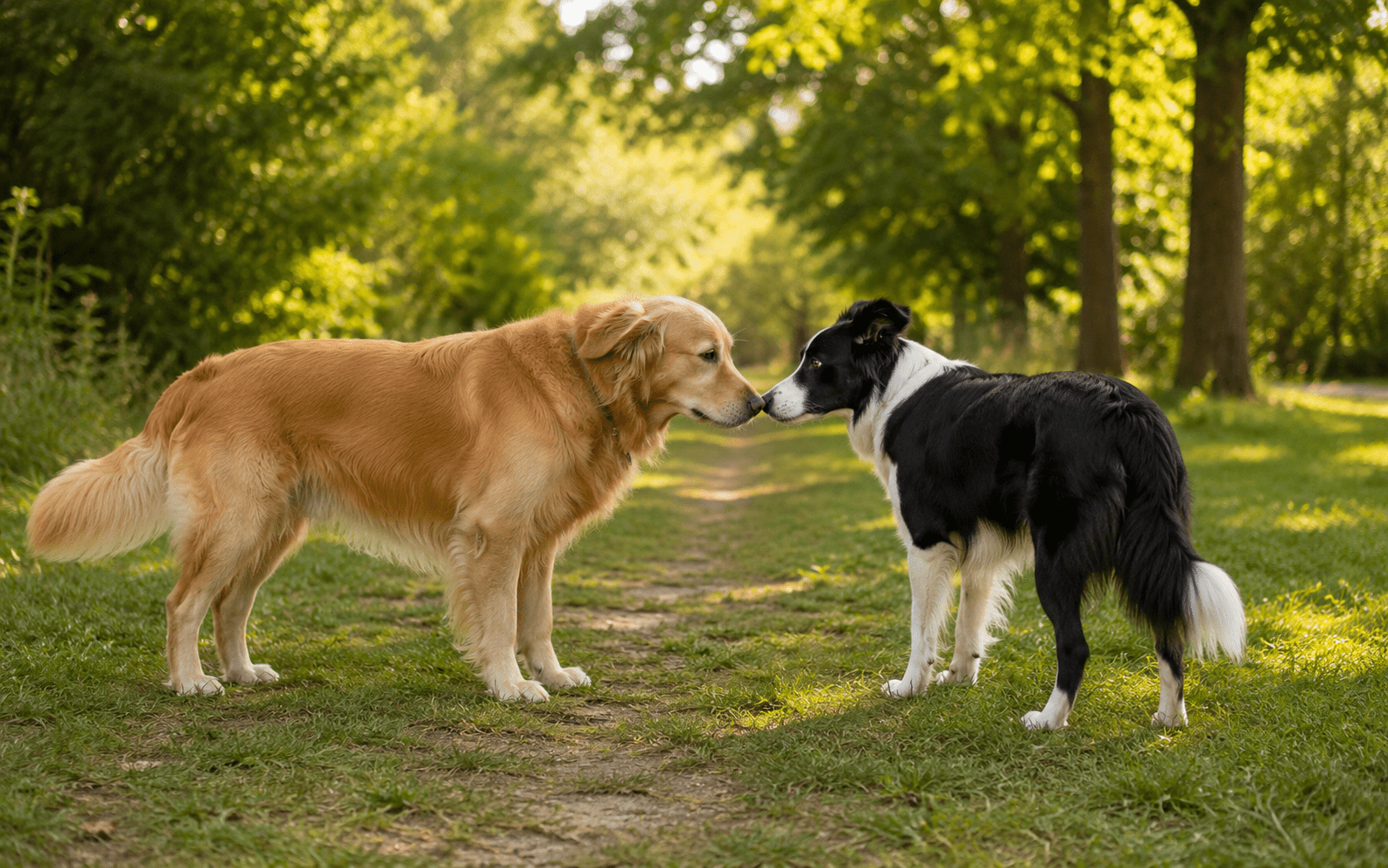
A healthy greeting between two dogs tends to follow a loose pattern. Both dogs approach with curved, relaxed bodies rather than going head-on. They sniff, look away, sniff again. One might offer a play bow, dropping the front end down while the back end stays up. That’s a clear invitation and about as direct as dog communication gets.
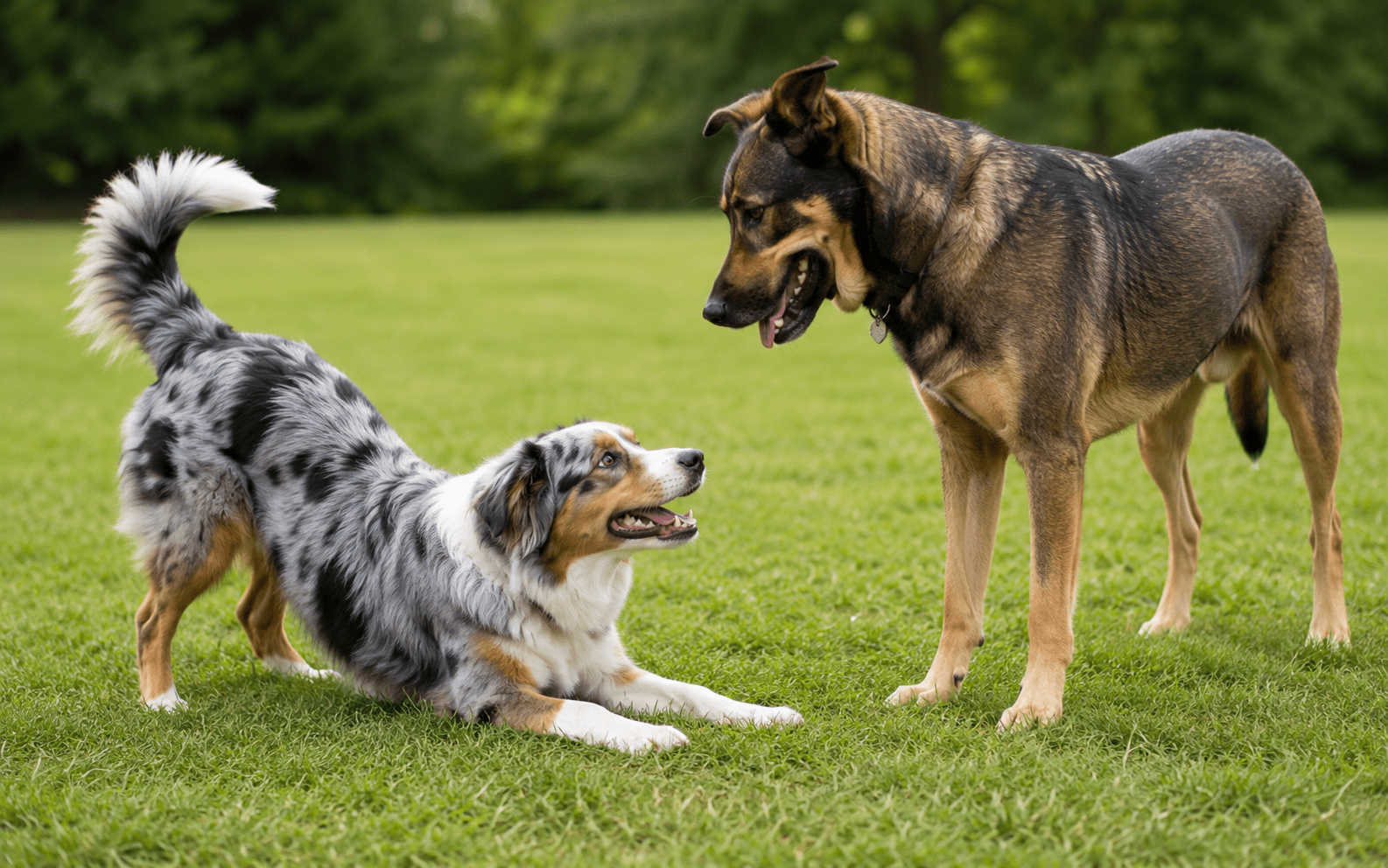
Tension looks different. Stiff legs, a held pause, hard eye contact, a tail held high and barely moving. These are signs a greeting is going in the wrong direction, and stepping in to redirect at that point prevents what comes next.
| Signal | Relaxed Greeting | Tense Greeting |
| Body posture | Loose, wiggly, curved approach | Stiff, upright, forward-leaning |
| Tail position | Low and loose | High and rigid |
| Eye contact | Soft, broken gaze | Hard, sustained stare |
| Breathing | Normal pace | Held or shallow |
| Approach angle | Curved, side-to-side | Direct and head-on |
| Response to sniff | Allows and returns it | Stiffens or snaps |
If you’re planning to bring a new dog home or set up a first meeting, reading these signals in real time makes the difference. The step-by-step process in our guide on how to introduce dogs to each other walks you through how to set it up safely.
What Understanding Dog Communication Does for You as an Owner
Once you understand how do dogs communicate with each other, you stop reacting to behavior after it happens and start catching it before it escalates.
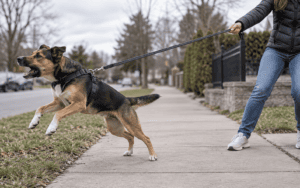
If your dog goes stiff on leash when another dog approaches, that’s information. If they lick their lips and look away every time a guest walks in, that’s information too. These aren’t random. They’re signals your dog has been sending, often long before the first growl or snap ever happened.
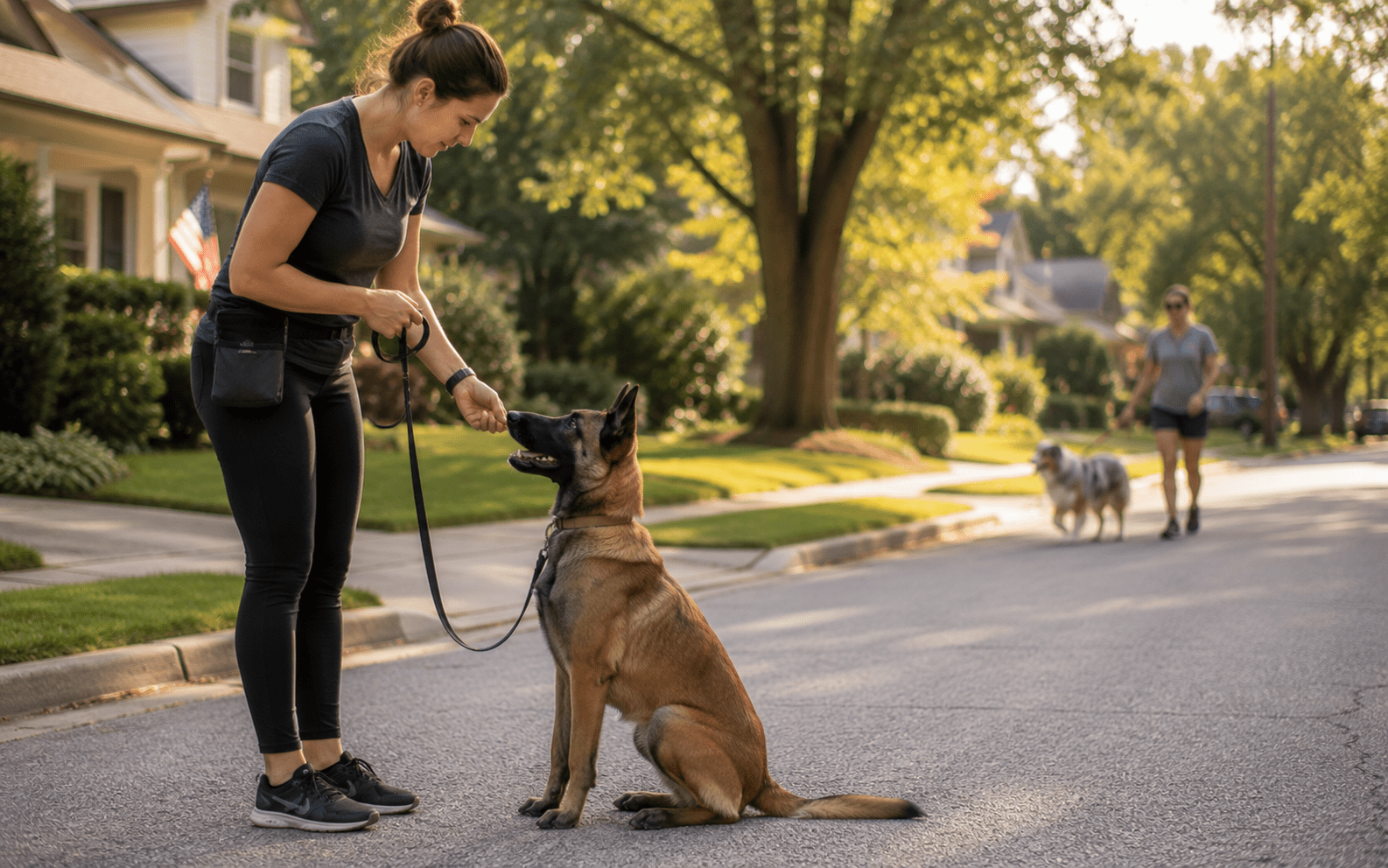
Your job isn’t to stop the communication. It’s to listen to it and respond before the situation gets worse.
If your dog is reactive around other dogs, anxious in new situations, or showing early signs of aggression, professional support makes a real difference. In home dog training Long Island gives you real-time coaching in the environments where your dog actually struggles. For dogs that need more intensive daily work, board and train Long Island puts your dog with experienced trainers who can build the foundation they’re missing. And if you want focused, one-on-one sessions tailored to your dog’s specific triggers, private dog training Long Island is the most direct path to real change.
What You Now Know About How Dogs Communicate With Each Other
Dogs have a full language. It runs through their body, their nose, and their voice. The more fluent you become in reading it, the better your relationship with your dog gets and the safer every interaction around other dogs becomes.
At K9 Mania Dog Training, we’re Long Island’s leading board and train facility with expert animal behaviorists who specialize in exactly this. Whether your dog is reactive, socially anxious, or showing signs of aggression, we know how to help. We work with all breeds, all ages, and all behavior challenges. If something feels off, don’t wait for it to get worse. K9 Mania Dog Training is here to help you understand your dog and build the behavior they’re capable of.
Frequently Asked Questions
What is the 7 7 7 rule for dogs?
The 7 7 7 rule means introducing a puppy to 7 new people, 7 new places, and 7 new experiences by 7 weeks old. It’s a structured socialization approach designed to reduce fear-based behavior later in life. Early positive exposure to different environments, sounds, and people shapes how a dog handles the world as an adult. The more varied and positive those early experiences are, the more confident the dog tends to be.
How do I say “I love you” in dog language?
Slow blinking, soft eye contact, and a relaxed body are the clearest ways to signal safety and affection to a dog. Crouching to their level rather than looming over them, letting them approach on their own terms, and matching their calm energy all communicate that you’re not a threat. Dogs read physical stillness and calm as trust. Forcing hugs or direct eye contact tends to communicate the opposite.
Do dogs have conversations with each other?
Yes, dogs exchange back-and-forth signals that function a lot like a real conversation. One dog sends a signal through posture or eye contact, the other responds, and both adjust based on what they read. This exchange happens through body posture, scent, vocalizations, and eye contact, often in just a few seconds. It’s faster and more layered than most people expect.
How long does 1 hour feel for a dog?
There’s no exact answer, but dogs don’t track time the way humans do. Research suggests they rely on light changes and scent cues rather than any internal clock. Whether an hour feels short or long likely depends on how mentally and physically stimulated the dog is. A tired, well-exercised dog handles time alone far better than a bored, under-stimulated one.
Do dogs forgive you for yelling at them?
Dogs don’t hold grudges the way people do, but repeated harsh corrections do affect their trust over time. A single incident of yelling probably won’t cause lasting damage. But consistent patterns of harsh handling create anxious, fearful dogs that start to associate you with stress rather than safety. The fastest way to repair a tense moment is to return to calm, predictable interaction as quickly as possible.
How do dogs say they’re sorry?
Dogs show appeasement behaviors after tension rather than an apology in the human sense. These include licking your face or hands, offering a soft lowered body, rolling over, or avoiding eye contact. These are submissive signals that communicate “I don’t want conflict” and are meant to restore calm after a tense moment. It’s not guilt exactly, but it is your dog actively trying to repair the social situation.
What is the 3-3-3 rule with dogs?
The 3-3-3 rule describes the adjustment window for a newly adopted dog: 3 days to decompress, 3 weeks to learn the routine, and 3 months to feel at home. In the first three days, a dog may shut down, hide, or act out from stress. In weeks two and three, their personality starts showing. By month three, they’ve settled enough to show you who they really are. Rushing that process almost always backfires.