Why does my dog sit on me? Your dog sits on you primarily to show affection, seek comfort and security, or claim you as part of their pack. This common behavior usually signals your dog’s love and trust, though it can sometimes indicate anxiety or dominance issues that need addressing.
If your furry friend has made your lap their favorite spot, you’re probably wondering what it means. The good news is that this behavior is almost always a sign of the strong bond you share with your pup.
In this guide, we’ll break down all the reasons behind this adorable habit, when it might signal a problem, and how to manage it if your dog takes “sitting on you” a bit too far.
Need expert help with your dog’s behavior? Our dog behavior training program can address clingy habits and build confidence.
What It Means When Your Dog Sits On You
When your dog plops down on your lap or sits directly on you, they’re communicating something specific. Understanding these motivations helps you respond appropriately and strengthen your relationship.
Showing Affection and Love
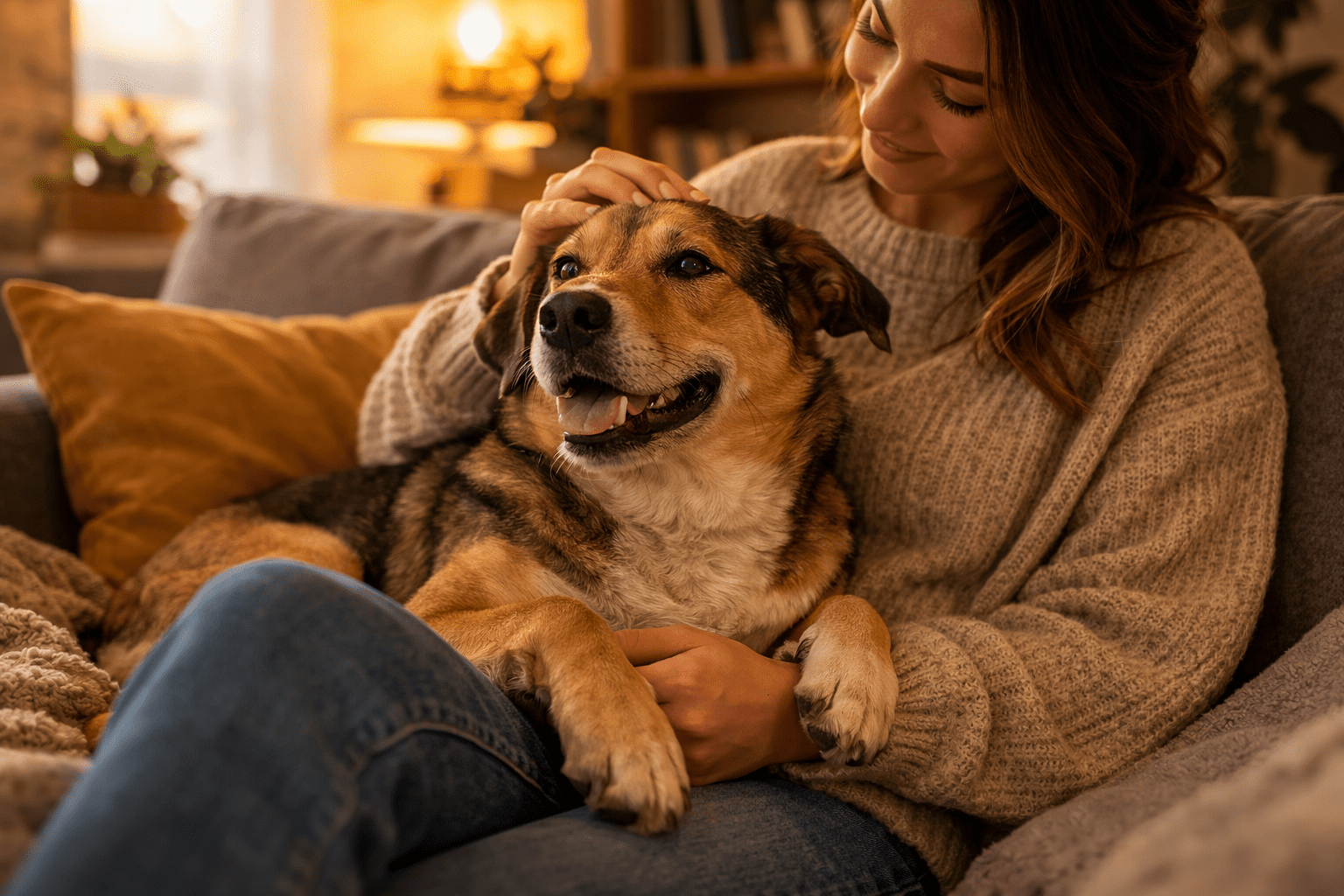
The most common reason dogs sit on their owners is pure affection. Your dog sees you as their favorite person and wants to be as close as possible.
This physical contact releases oxytocin in both you and your dog, sometimes called the “love hormone.” It strengthens your bond and makes both of you feel good.
Dogs are pack animals by nature. In a pack, members sleep touching each other for warmth and security. When your dog sits on you, they’re treating you like a valued pack member.
Breeds that were developed as companion animals tend to show this behavior more. Lap dogs like Cavalier King Charles Spaniels or Shih Tzus were literally bred to sit on people.
Seeking Security and Comfort
Your dog might sit on you when they feel anxious or uncertain. You represent safety and protection in their world.
During thunderstorms, fireworks, or other scary situations, dogs often climb onto their owners. Your presence calms their nervous system and helps them feel protected.
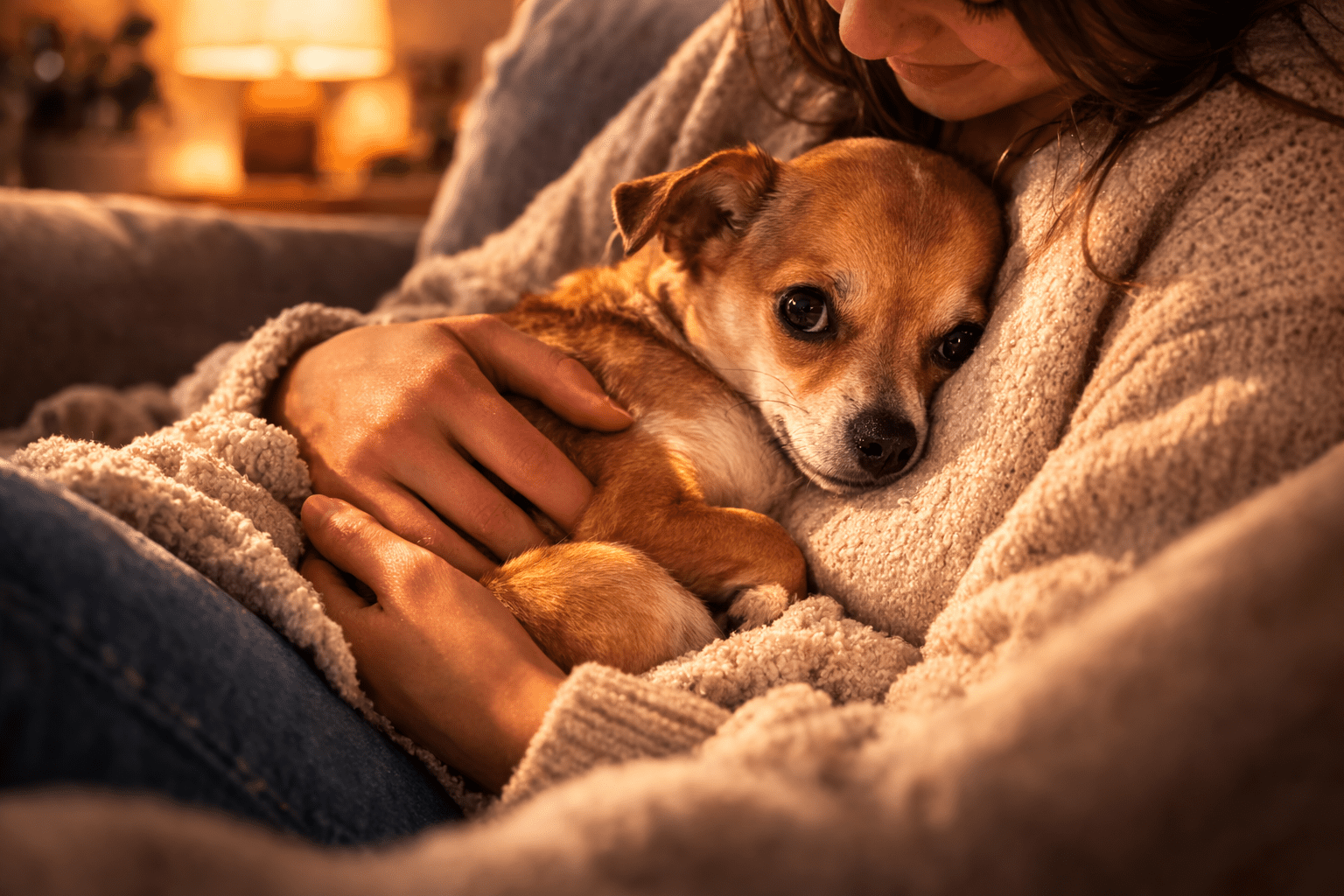
Puppies and newly adopted dogs show this behavior frequently as they adjust to their new environment. Sitting on you becomes their safe space while everything else feels unfamiliar.
Some dogs develop this habit after a traumatic experience. If your dog suddenly starts sitting on you more than usual, consider whether something recently frightened them.
Claiming You as Theirs
Dogs have scent glands in their paws and bodies. When they sit on you, they’re marking you with their scent.
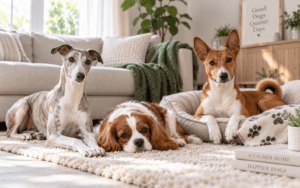
This behavior says “this human is mine” to other pets in the household. If you have multiple dogs, you might notice them competing for lap space.
Resource guarding can play a role here. Some dogs view their owners as valuable resources and sitting on you prevents other pets from getting close.
This claiming behavior usually shows up more when guests visit or when you give attention to another pet. Your dog wants to make sure everyone knows who you belong to.
Getting Warmth
Dogs naturally seek out warm spots. Your body temperature is higher than room temperature, making you a perfect heating pad.
Smaller dogs and those with thin coats feel cold more easily. Breeds like Chihuahuas, Italian Greyhounds, and Whippets particularly love sitting on warm laps.
During winter months, you’ll probably notice this behavior increases. Your dog isn’t being extra clingy, they’re just staying cozy.
Older dogs with arthritis might sit on you for the warmth that soothes their aching joints. The combination of heat and closeness provides comfort for senior pups.
Demanding Attention
Smart dogs quickly learn that sitting on you gets a reaction. Even if you gently push them off, you’re still giving them attention.
If your dog sits on you right when you pick up your phone or start reading, they’re interrupting on purpose. They want your focus back on them.
This attention-seeking behavior can become a habit if you always respond by petting them or talking to them. You’re accidentally training them that sitting on you equals getting what they want.
Dogs left alone for long periods during the day might overdo the sitting when you get home. They’re making up for all the attention they missed.
Is your dog’s clingy behavior getting overwhelming? Learn more about why my dog is clingy and what you can do about it.
Different Types of Sitting Behaviors
Not all sitting behaviors look the same. The way your dog sits on you can tell you a lot about what they’re trying to communicate.
| Sitting Style | What It Means | When It Happens | Your Response |
| Gentle lap sitting | Affection and companionship | During calm moments like watching TV | Enjoy the bonding time, pet them gently |
| Sitting on chest/face | High affection or mild dominance | When you’re lying down | Redirect if uncomfortable, reward calm behavior nearby |
| Sitting on feet | Seeking security and closeness | During activities or around strangers | Normal behavior, shows trust |
| Pressing full weight | Anxiety or stress relief | During storms, loud noises, stressful events | Comfort them, consider anxiety training |
| Sitting between you and others | Protective or possessive behavior | When you interact with other people or pets | May need boundary training if excessive |
| Brief sit and leave | Checking in, saying hello | Throughout the day randomly | Healthy independent behavior, acknowledge briefly |
Reading Your Dog’s Body Language
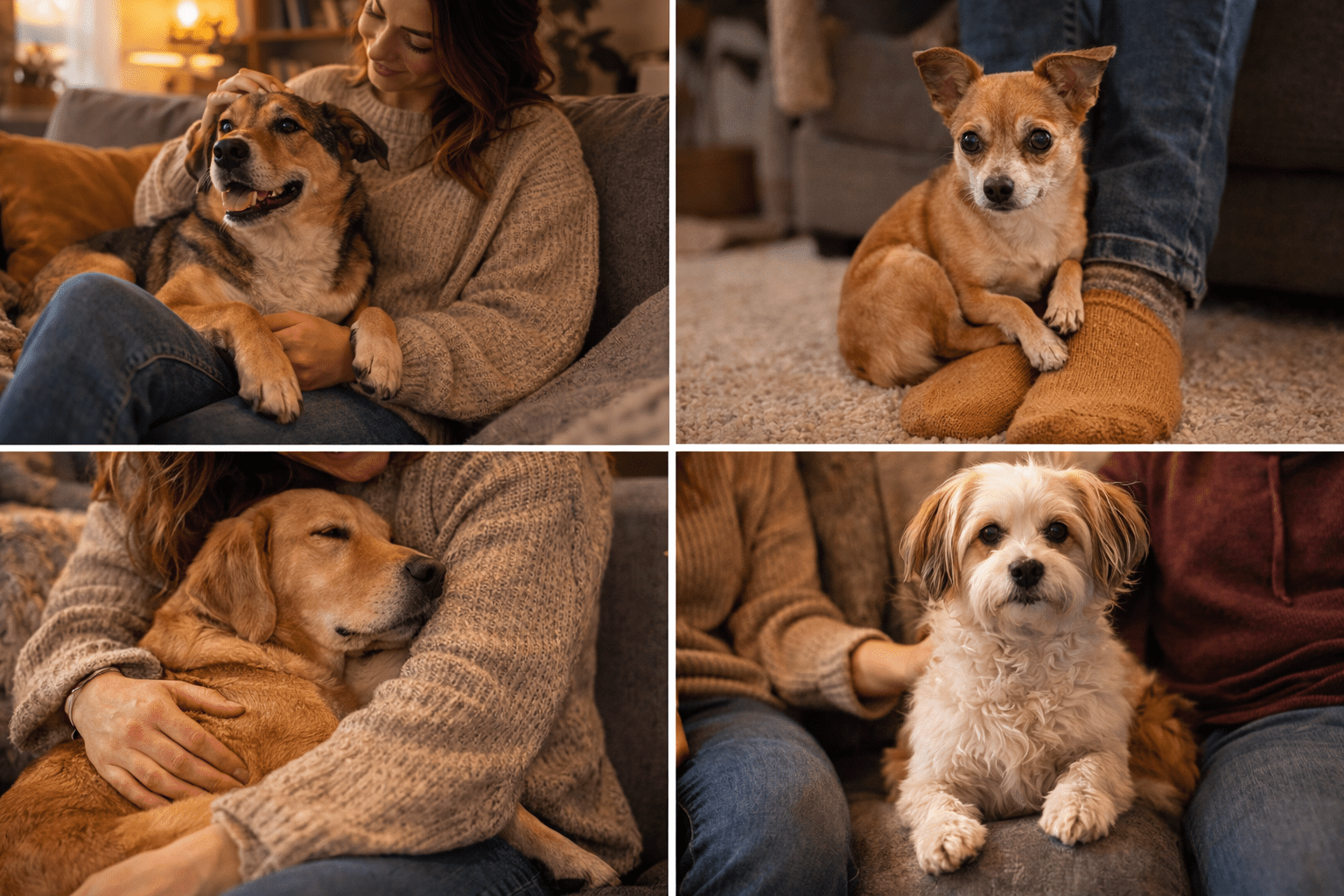
Pay attention to what your dog does while sitting on you. A relaxed dog will have soft eyes, loose body posture, and maybe even fall asleep.
A tense dog sitting on you might have wide eyes, stiff muscles, or stay alert to their surroundings. This suggests anxiety or guarding behavior rather than simple affection.
Tail position matters too. A wagging tail shows happiness, while a tucked tail indicates fear or submission. A high, stiff tail might signal dominance issues.
Watch how your dog reacts when you try to move them. A well-adjusted dog will move willingly when asked. A dog with behavior issues might growl, snap, or refuse to budge.
Breed-Specific Sitting Tendencies
Some dog breeds are naturally more inclined to sit on their owners. Genetics play a big role in this behavior.
| Breed Category | Sitting Tendency | Common Breeds | Why They Do It |
| Lap Dogs | Very High | Cavalier King Charles Spaniel, Maltese, Pomeranian, Shih Tzu | Bred specifically as companion animals for sitting on laps |
| Velcro Dogs | High | Labrador Retriever, Golden Retriever, Vizsla, German Shepherd | Strong bonding instinct, bred to work closely with humans |
| Independent Breeds | Low to Moderate | Basenji, Akita, Chow Chow, Shiba Inu | More aloof personalities, prefer nearby presence over contact |
| Working Dogs | Moderate | Border Collie, Australian Shepherd, Belgian Malinois | Task-oriented, sit on you during downtime for bonding |
| Guardian Breeds | Moderate to High | Rottweiler, Great Pyrenees, Mastiff | Protective nature, stay close to guard you |
| Terriers | Low to Moderate | Jack Russell, Cairn Terrier, Scottish Terrier | Independent hunters, show affection differently |
How Size Affects Sitting Behavior
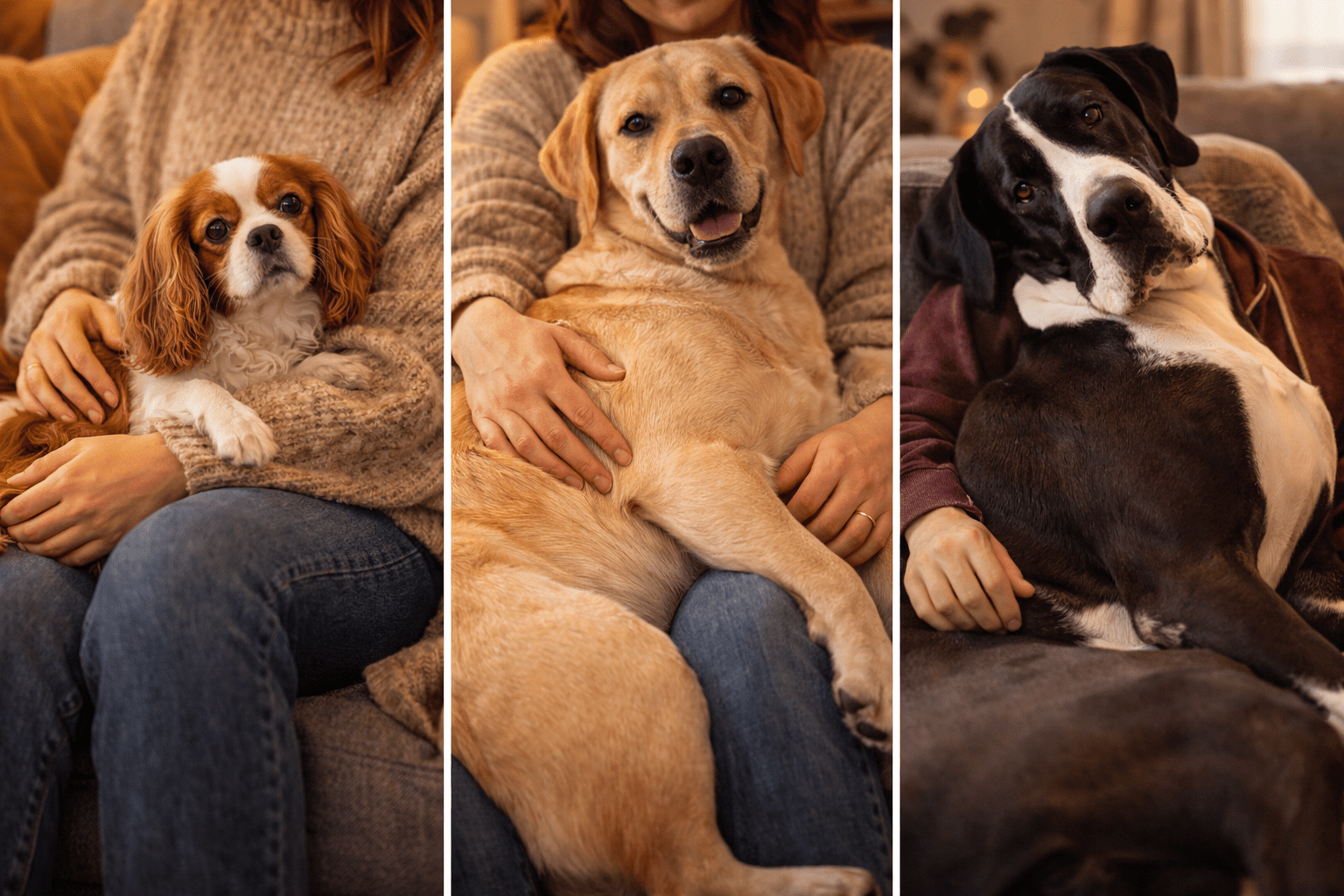
Small dogs physically fit on your lap easily, so they develop this habit more readily. A 10-pound Chihuahua sitting on you feels natural.
Large dogs often think they’re lap dogs too. A 70-pound Labrador trying to sit on you can become problematic, even if their intentions are sweet.
Medium-sized dogs usually find a compromise. They might sit with just their front half on your lap or lean their full weight against you instead.
Giant breeds like Great Danes or Saint Bernards rarely sit fully on their owners simply because of physics. They show affection by leaning or laying their head on you instead.
Looking to teach your large dog better boundaries? Our obedience dog training helps dogs of all sizes learn polite manners.
When Sitting Becomes a Problem
While most sitting behavior is harmless and sweet, sometimes it crosses into problematic territory. Knowing the difference helps you address issues before they escalate.
Signs of Separation Anxiety
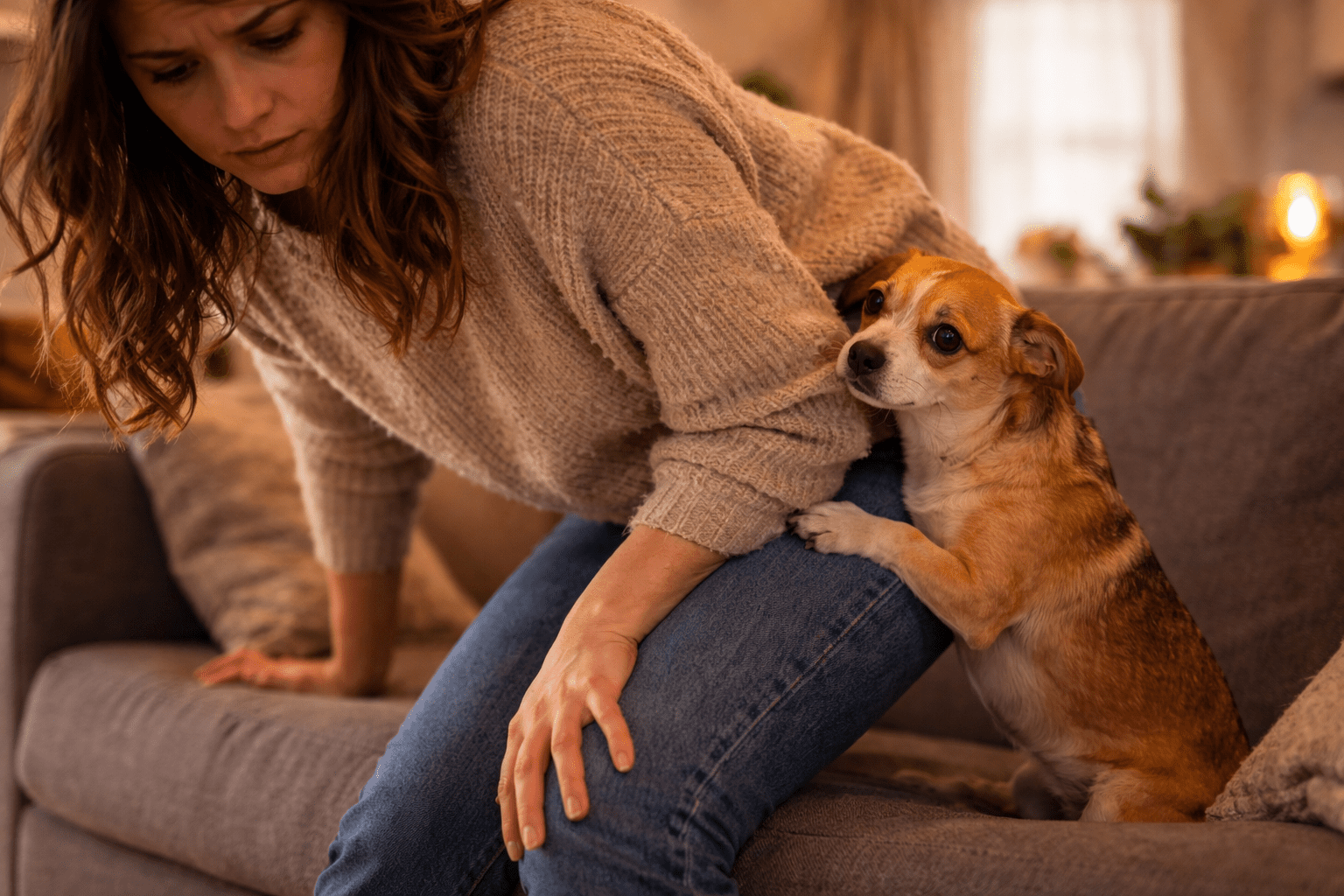
If your dog sits on you constantly and panics when you stand up, they might have separation anxiety. Other signs include following you everywhere, even to the bathroom.
Dogs with separation anxiety often become destructive when left alone. They might bark excessively, have accidents in the house, or destroy furniture.
This goes beyond normal attachment. These dogs can’t relax unless they’re touching you, which isn’t healthy for either of you.
Separation anxiety needs professional intervention. It won’t improve on its own and often gets worse over time without proper training.
Dominance and Control Issues
Some dogs sit on you to assert dominance and control your movements. They might growl when you try to move them or when other pets approach.
Resource guarding you as if you’re a possession indicates a behavior problem. This can lead to aggression toward other family members or pets.
Dogs showing dominance through sitting often display other controlling behaviors. They might block doorways, push through doors first, or refuse commands.
These issues require immediate attention from a professional trainer. Dominance-based sitting can escalate into biting if not addressed properly.
Excessive Attention-Seeking
If your dog demands to sit on you constantly and throws tantrums when you say no, the behavior has become excessive.
This often develops when owners accidentally reward the behavior every time. The dog learns that sitting on you always gets them what they want.
Excessive attention-seeking interferes with your daily life. You can’t work, cook, or do normal activities because your dog insists on sitting on you.
This behavior pattern needs retraining. Your dog must learn that they can’t always have immediate access to your lap.
Dogs showing similar attention-demanding behaviors might also exhibit other clingy habits. Discover if why dogs put paw on you relates to the same underlying needs.
How to Manage the Sitting Behavior
You don’t have to completely stop your dog from sitting on you, but teaching them when it’s appropriate creates a better balance.
Setting Healthy Boundaries
Create specific times when lap sitting is allowed. For example, cuddle time might be after dinner while watching TV, but not during meals or work hours.
Use a verbal cue like “up” when you invite your dog onto your lap. This teaches them to wait for permission rather than assuming they can always climb on you.
Provide an alternative comfortable spot near you. A dog bed next to the couch lets your dog stay close without being on top of you.
Reward your dog when they choose their own bed or sit nearby without climbing on you. This reinforces that good things happen when they respect boundaries.
Teaching the “Off” Command
Start by gently guiding your dog off your lap while saying “off” in a calm, firm voice. Reward them immediately when all four paws are on the ground.
Practice this command even when you don’t mind them sitting on you. Consistency helps your dog understand that “off” always means the same thing.
Never push or shove your dog off roughly. This can damage your relationship and might cause fear or aggression.
If your dog refuses to move when you say “off,” stand up calmly. This naturally moves them and reinforces that you control the sitting time.
Building Independence and Confidence
Gradually increase the time your dog spends not touching you. Start with just a few minutes and slowly extend the duration.
Engage in activities that don’t involve lap sitting. Play fetch, practice training commands, or go for walks to build your bond in different ways.
Puzzle toys and long-lasting chews keep your dog occupied without needing to be on you. A busy dog is less likely to demand constant contact.
Crate training or teaching your dog to settle on a mat gives them a job and a place of their own. This builds confidence and reduces clinginess.
When to Seek Professional Help
If your dog shows aggression when you try to move them, contact a professional trainer immediately. This isn’t a problem you should try to fix alone.
Severe separation anxiety that causes destructive behavior or self-harm requires help from a veterinary behaviorist or certified trainer.
When basic training doesn’t improve the behavior after several weeks of consistent effort, professional guidance can identify what you’re missing.
If the sitting behavior suddenly changes or intensifies, rule out medical issues first. Pain or illness can cause dogs to seek more comfort from their owners.
Ready for expert guidance? Our board and train Long Island program addresses behavior issues in an intensive, effective format.
Final Thoughts on Why Does My Dog Sit On Me
Understanding why does my dog sit on me helps you appreciate this behavior for what it usually is: a sign of love and trust. Most dogs sit on their owners simply because they adore them and want to be close.
By recognizing the different motivations behind the behavior, you can respond appropriately. You’ll know when to enjoy the cuddles and when to set boundaries or seek professional help.
At K9 Mania Dog Training, we’re the leading board and train Long Island provider, helping dog owners build balanced relationships with their pets. Whether your dog’s sitting behavior has become overwhelming or you’re dealing with other training challenges, we can help you create the well-behaved companion you deserve. Visit our website to learn how we can transform your dog’s behavior.
Want to dive deeper into understanding your dog’s communication? Check out our guide on the effectiveness of board and train programs and how they address complex behavior patterns.
You May Also Want to Read
- 20 Common Dog Behavior Issues
- Why Is My Dog Whining?
- How to Help a Fearful Dog Gain Confidence
- Why Do Dogs Growl
- Why Do Dogs Roll in the Grass?
Frequently Asked Questions
Why does my dog literally sit on me?
Your dog literally sits on you because they want direct physical contact with you, their favorite person. This behavior combines several motivations including showing affection, seeking warmth and security, and claiming you as theirs. Dogs are pack animals who naturally seek closeness with their family members, and sitting directly on you satisfies this deep instinct while also giving them the comfort and reassurance they crave from your presence.
How do you know if your dog is imprinted on you?
You’ll know your dog is imprinted on you if they consistently choose you over other family members, follow you from room to room, get excited when you come home, and seek you out for comfort when scared. Imprinted dogs also make frequent eye contact with you, respond quickly to your commands, and show signs of distress when separated from you. They prefer your company even when other people or dogs are available for interaction.
What breed of dog is the most clingy?
Breeds known for being the most clingy include Vizslas, Labrador Retrievers, Golden Retrievers, Italian Greyhounds, and Cavalier King Charles Spaniels. These breeds were developed to work closely with humans or serve as companion animals, so they naturally form extremely strong attachments to their owners. Vizslas are often called “velcro dogs” because they literally want to be touching their owners at all times throughout the day.
What are the 4 signs your dog thinks of you as a parent?
The four signs your dog views you as a parent are: seeking you for comfort when frightened or stressed, checking in with you regularly during walks or playtime, bringing you toys or “gifts” to share, and showing separation distress when you leave. Dogs who see you as a parental figure also tend to sleep near you, follow basic household rules you’ve established, and look to you for guidance in unfamiliar situations rather than acting independently.
How do dogs apologize?
Dogs apologize through submissive body language like lowered heads, tucked tails, avoiding eye contact, rolling over to expose their belly, and offering gentle paw touches or nose nudges. They might also bring you a toy, lick your hand, or follow you around looking remorseful after misbehaving. While dogs don’t feel guilt the way humans do, they recognize when you’re upset and try to restore peace through these appeasement behaviors that signal they want to reconnect.
What are 5 signs your dog loves you?
Five clear signs your dog loves you include: making prolonged eye contact that releases bonding hormones, leaning their body weight against you, getting excited when you return home even after short absences, choosing to sleep near or on you, and bringing you their favorite toys. Dogs also show love by following you around the house, raising their eyebrows when they see you, and remaining calm and relaxed in your presence, which demonstrates they feel completely safe and content with you.
This article is reviewed and updated regularly to reflect the latest information.