You can help a fearful dog gain confidence through gradual desensitization, positive reinforcement, and creating safe environments where your dog feels secure. With patience and the right techniques, even the most anxious dogs can learn to face their fears and become more relaxed around triggers.
Fear in dogs is more common than you might think. Whether your dog cowers at loud noises, hides from strangers, or panics in new situations, understanding why they react this way is the first step toward helping them build courage.
In this guide, we’ll walk you through practical strategies to boost your dog’s confidence, from identifying fear triggers to implementing training techniques that actually work.
Struggling with dog behavior issues? Our proven methods help fearful dogs become confident, well-adjusted companions.
Understanding Fear in Dogs
Fear is a natural emotion that helps dogs avoid danger, but when it becomes excessive, it can seriously limit their quality of life. Some dogs are born with nervous temperaments, while others develop fear after negative experiences.
Recognizing the difference between normal caution and problematic fear is crucial for helping your dog overcome their anxieties.
Common Signs of a Fearful Dog
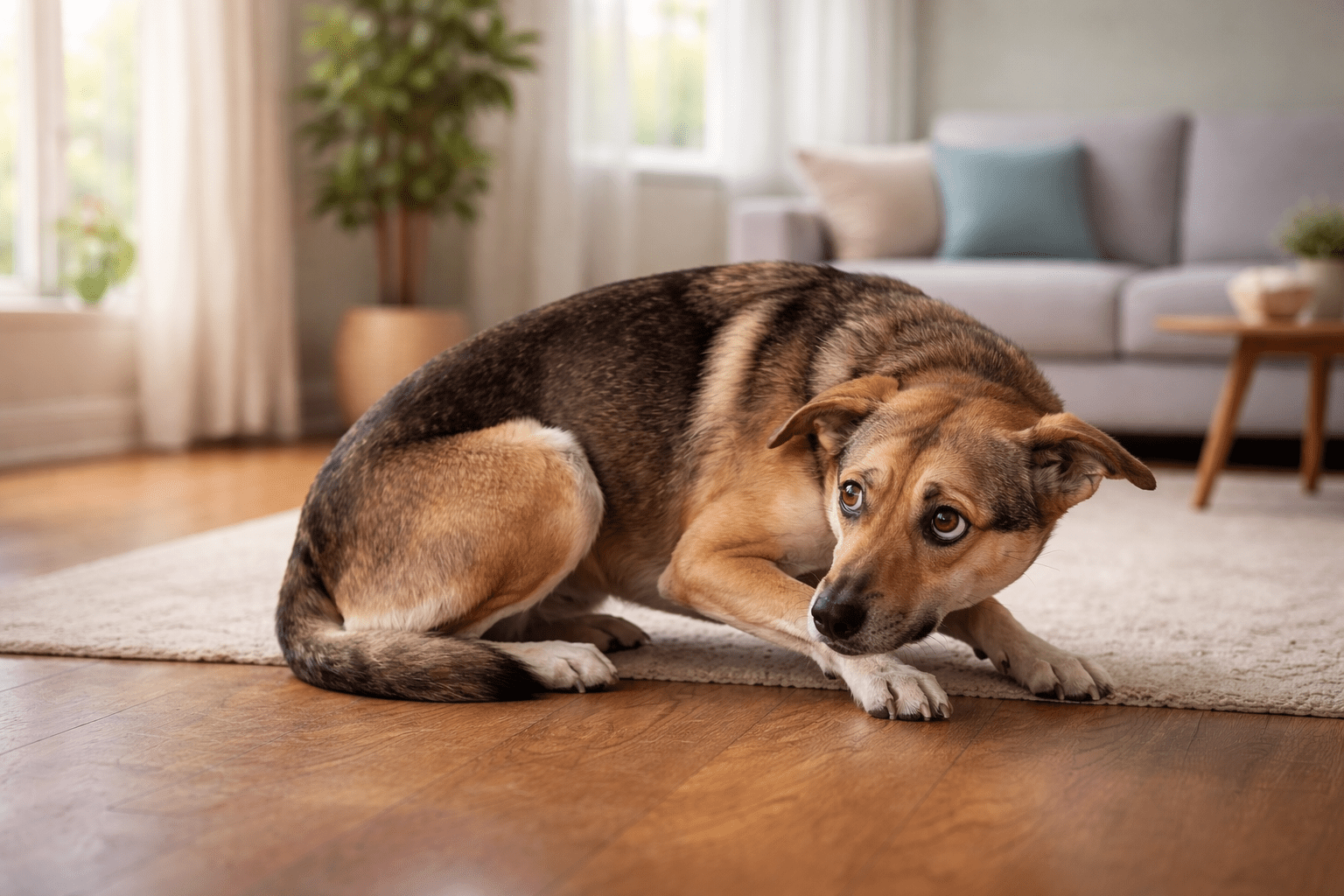
Fearful dogs show their anxiety in many ways. You might notice your dog tucking their tail between their legs, flattening their ears back, or trying to make themselves look smaller.
Many scared dogs will try to escape or hide when they encounter something frightening. Some freeze in place and refuse to move, while others tremble or pant excessively even when it’s not hot.
Body language tells you a lot. A fearful dog often avoids eye contact, licks their lips nervously, or yawns when they’re not tired. These are called stress signals, and learning to read them helps you understand when your dog needs support.
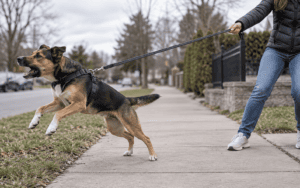
Some dogs show fear through aggression. They might bark, growl, or even snap when they feel cornered or threatened. This happens because they’re trying to make the scary thing go away, not because they’re mean.
What Causes Fear in Dogs
Several factors can make a dog fearful. Genetics play a big role – some breeds and individual dogs are naturally more anxious than others.
Lack of socialization during the critical period (between 3 and 14 weeks of age) often creates fearful adult dogs. Puppies who don’t experience different people, places, sounds, and situations during this window may struggle with new experiences later.
Traumatic experiences can cause lasting fear. A dog who was attacked by another dog might become fearful of all dogs. One who was hurt during a thunderstorm might develop noise phobias.
Previous living conditions matter too. Dogs from puppy mills, hoarding situations, or abusive homes often carry deep-seated fears that take time and patience to overcome.
Building Blocks for Confidence
Creating the right foundation is essential before you start any specific confidence-building exercises. Your fearful dog needs to feel safe, understood, and supported in their daily environment.
Creating a Safe Space
Every fearful dog needs a retreat where they can relax without pressure. This might be a crate with a cover, a quiet bedroom, or a corner with their bed and favorite toys.
Make this space truly safe by keeping it off-limits to children, visitors, and other pets. Never force your dog out of their safe space or punish them when they’re in it.
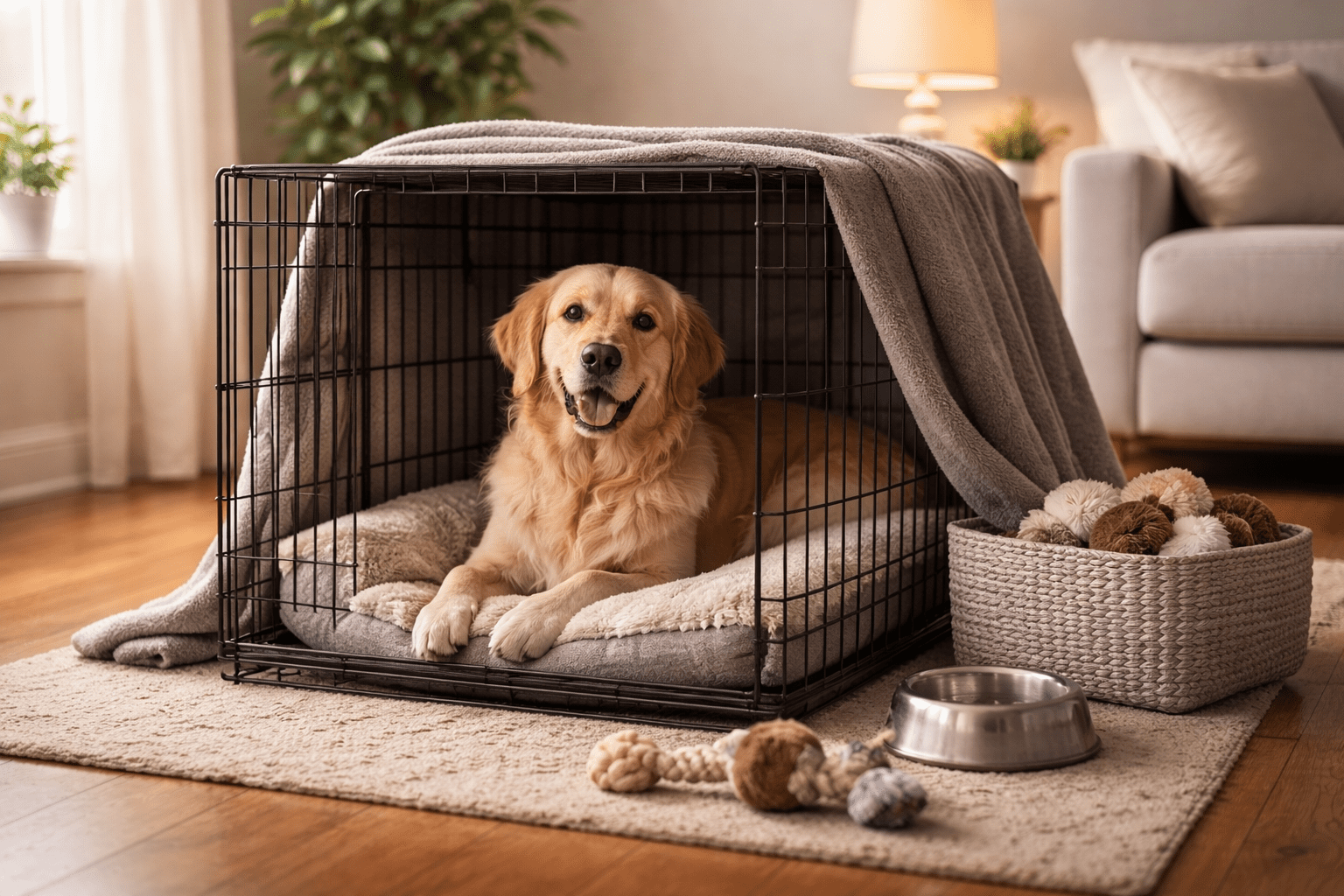
Add comfort items like a worn t-shirt with your scent, calming music, or a white noise machine to help your dog relax. Some dogs benefit from anxiety wraps or calming supplements, but talk to your vet first.
The Power of Routine
Fearful dogs thrive on predictability. When they know what to expect, they feel more secure and less anxious about daily activities.
Establish consistent times for meals, walks, play sessions, and rest. Feed your dog in the same spot at the same times each day. Take the same route on morning walks until your dog feels comfortable, then gradually introduce variety.
Use the same cues and commands for behaviors. If you say “outside” for potty breaks, stick with that word instead of switching between “outside,” “potty,” and “let’s go.”
Predictable routines help your dog understand that life follows patterns. This reduces anxiety because they’re not constantly wondering what will happen next.
Ready to transform your fearful dog? Explore our dog behavior training programs designed specifically for anxious and reactive dogs.
Practical Techniques to Build Confidence
Once you’ve created a supportive foundation, you can start active training to help your fearful dog gain confidence. These methods work best when applied consistently and patiently over time.
Desensitization and Counter-Conditioning
Desensitization means gradually exposing your dog to whatever scares them, starting at a level they can handle. Counter-conditioning changes how your dog feels about the scary thing by pairing it with something wonderful.
Here’s how it works: If your dog fears strangers, you’d start by having a person stand far away (maybe 50 feet) where your dog notices them but doesn’t panic. At that distance, give your dog high-value treats like chicken or cheese.
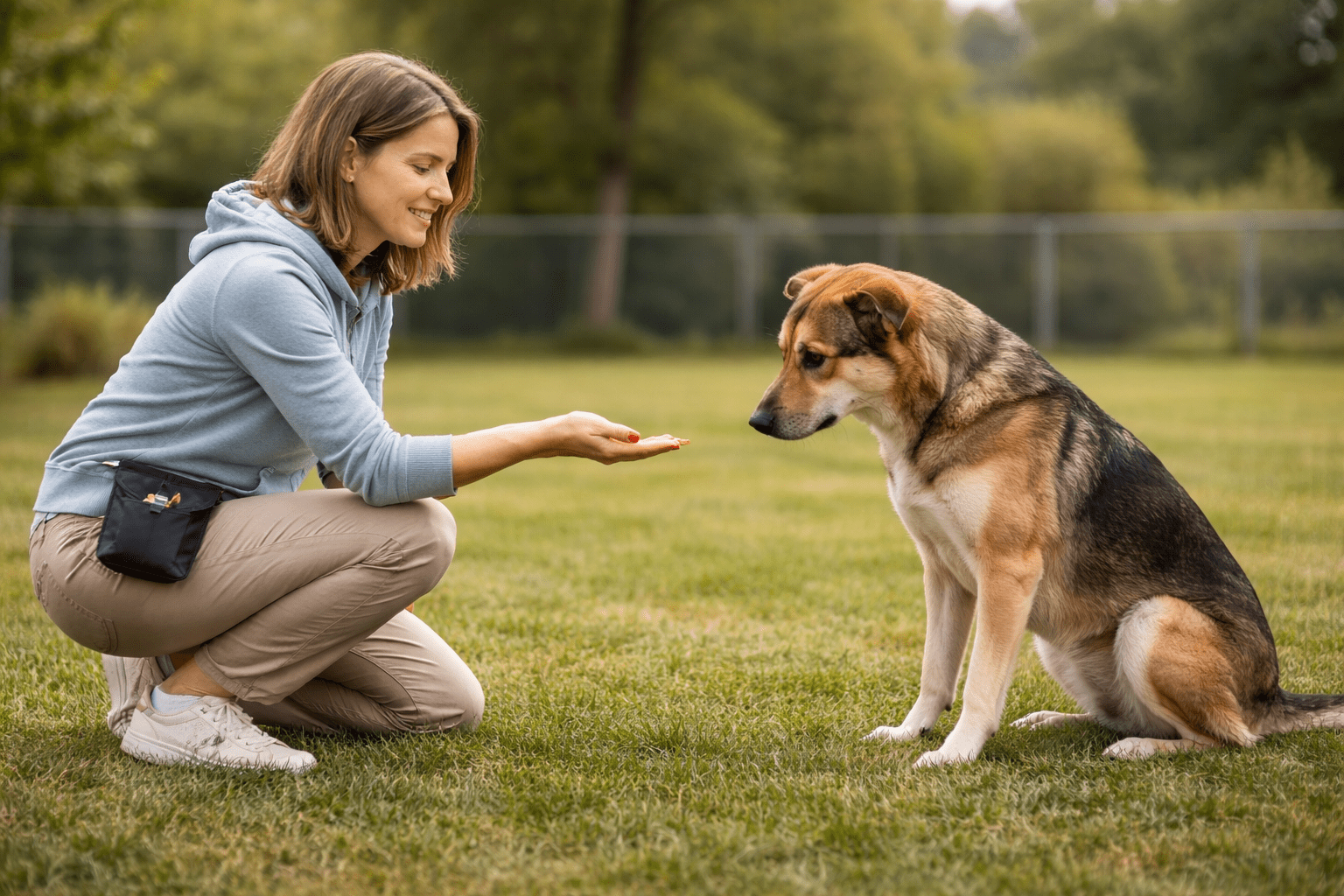
The stranger doesn’t approach or interact. They just exist in the background while your dog gets amazing rewards. Over many sessions, the stranger gradually moves closer, but only as fast as your dog can handle without showing fear.
The goal is for your dog to think: “Strangers predict treats!” instead of “Strangers are scary!” This takes time, sometimes weeks or months depending on the severity of the fear.
Never rush this process. If your dog shows fear at any step, you’ve moved too fast. Go back to an easier level and build up more slowly.
Building Confidence Through Training
Teaching your dog new skills builds their confidence in multiple ways. Successfully learning commands shows them they can master challenges. The mental stimulation tires them out, leaving less energy for anxiety.
Start with basic obedience dog training commands like sit, down, and stay. These give your dog structure and something to focus on besides their fears.
Keep training sessions short (5-10 minutes) and always end on a positive note. If your dog is struggling, ask for something easy they already know, reward them, and finish the session.
Use high-value rewards that your dog loves. Fearful dogs often aren’t motivated by regular kibble, so find special treats they’ll work for.
Practice in low-stress environments first. Once your dog masters a command at home, gradually practice in slightly more challenging locations.
Confidence-Building Activities
Physical and mental challenges help dogs build courage when presented at the right level. These activities teach problem-solving skills and show your dog they can handle new experiences.
Puzzle toys and food-dispensing toys engage your dog’s brain and reward persistence. Start with easy puzzles and gradually increase difficulty as your dog succeeds.
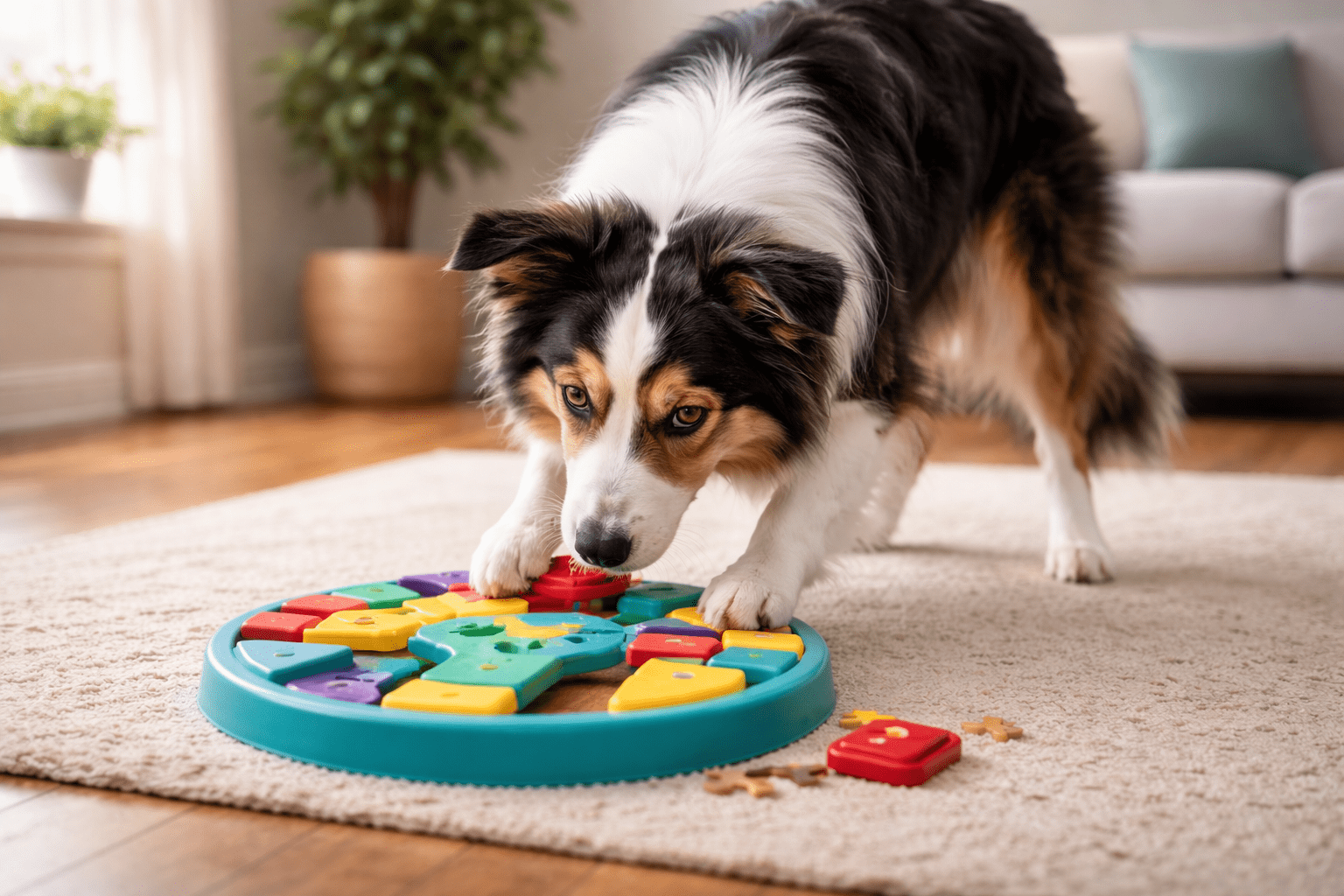
Nose work or scent games tap into natural dog behaviors and build confidence through success. Hide treats around the house and encourage your dog to find them. This is especially good for fearful dogs because it focuses on their strongest sense.
Trick training keeps things fun and varied. Teaching “spin,” “paw,” or “play dead” gives your dog a sense of accomplishment without any pressure.
Common Mistakes to Avoid
Even with the best intentions, you might accidentally make your dog’s fear worse. Understanding what not to do is just as important as knowing the right techniques.
Forcing Interaction
Never force a fearful dog to face their fears head-on. Pushing them into situations they can’t handle will make the fear worse, not better.
If your dog is scared of other dogs, don’t drag them to a busy dog park hoping they’ll “get over it.” This approach, called flooding, often backfires and creates more intense fear or even aggression.
Let your dog set the pace. If they want to hide during a thunderstorm, let them. Forcing them to sit in the middle of the room won’t teach bravery – it just adds stress.
Respect your dog’s body language. When they’re showing fear signals, they’re communicating that they need space or a break. Listen to what they’re telling you.
Reinforcing Fear (What Really Happens)
Many people worry that comforting a scared dog will “reinforce” the fear, but this is a myth. You can’t reinforce an emotion with affection.
If your dog is scared and you pet them calmly, you’re not making the fear worse. You’re providing comfort and security, which can actually help them calm down faster.
What you should avoid is making a big fuss or acting anxious yourself. Dogs pick up on your energy. If you tense up and start baby-talking frantically when your dog gets scared, you’re confirming that there’s something to worry about.
Stay calm and confident. Provide gentle reassurance without overdoing it, then redirect your dog to something positive when they’re ready.
Inconsistent Training
Working on confidence one day and ignoring it the next won’t create lasting change. Fearful dogs need consistent, patient support from everyone in the household.
Make sure all family members use the same approach. If one person forces the dog into scary situations while another allows avoidance, you’re sending mixed messages.
Set realistic expectations. Building confidence takes months, not days. Celebrate small victories like your dog taking one step closer to a trigger or relaxing slightly in a previously scary situation.
Learn proven reactive dog training steps that help fearful and reactive dogs overcome their triggers with positive methods.
When to Seek Professional Help
Sometimes fear in dogs goes beyond what you can manage alone. Recognizing when you need professional support can make the difference between success and ongoing struggles.
Signs You Need a Professional Trainer
If your dog’s fear is getting worse despite your efforts, it’s time to bring in an expert. Progressive fear means your current approach isn’t working and might even be making things worse.
Aggression stemming from fear requires professional guidance. A dog who bites, lunges, or shows intense aggression when scared needs a qualified trainer who understands fear-based reactivity.
When fear severely limits your dog’s quality of life – they can’t go on walks, panic at every noise, or can’t be left alone – professional help becomes essential.
If you feel overwhelmed or unsure how to proceed, there’s no shame in asking for help. Professional trainers see these issues every day and have techniques you might not know about.
Choosing the Right Training Program
Look for trainers who use positive reinforcement methods rather than punishment or dominance-based approaches. Fearful dogs need to build trust, not learn through intimidation.
Ask about their experience with fearful and anxious dogs specifically. Training a confident dog is very different from helping a fearful one, and you want someone who specializes in behavior modification.
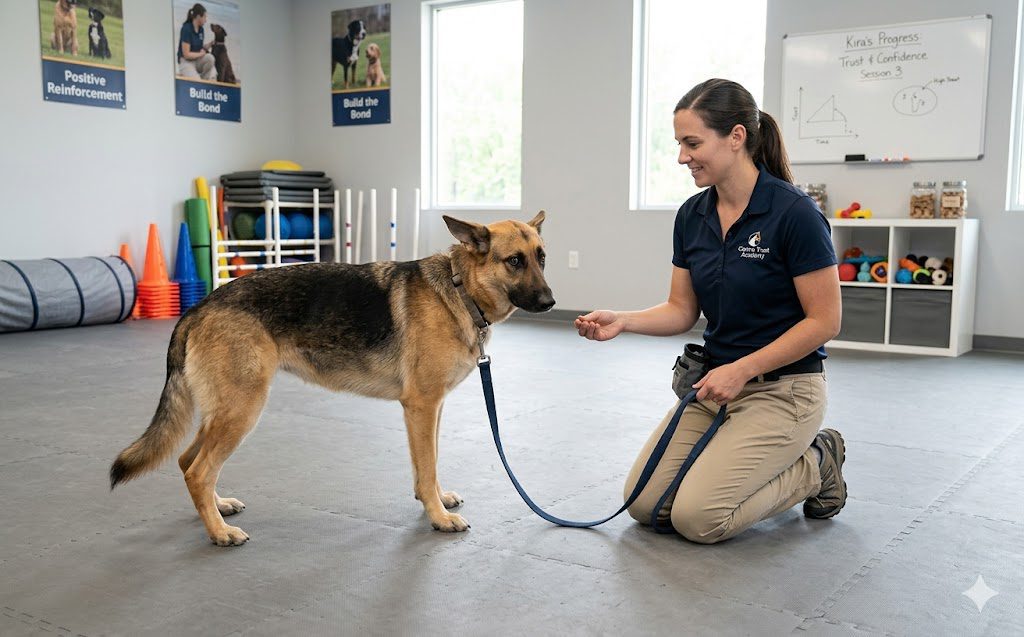
A board and train Long Island program can be excellent for fearful dogs because it provides consistent, professional training in a controlled environment. Your dog works with experts daily while you learn how to continue the progress at home.
Private sessions work well if your dog is too stressed in group classes. One-on-one attention lets the trainer customize the approach to your dog’s specific fears and progress at their own pace.
Comparing Training Approaches for Fearful Dogs
Different methods work better for different dogs and situations. Understanding your options helps you choose the best approach for your dog’s needs.
| Approach | Best For | Timeline | Pros | Cons |
| DIY Training at Home | Mild fear, motivated owners, single trigger | 3-6 months | Cost-effective, bonds with your dog, flexible schedule | Slow progress possible, risk of mistakes, limited expertise |
| Private Training Sessions | Moderate fear, specific issues, owners who need guidance | 2-4 months | Personalized attention, expert guidance, flexible | More expensive, requires owner participation between sessions |
| Board and Train Programs | Severe fear, multiple triggers, need intensive work | 2-4 weeks intensive + follow-up | Fast results, consistent training, professional environment | Higher cost, owner must maintain training at home |
| Group Classes | Mild fear, socialization needs, budget-conscious | 6-12 weeks | Affordable, controlled socialization, group support | May be overwhelming for very fearful dogs, slower individual progress |
Measuring Progress and Setting Realistic Goals
Understanding what success looks like helps you stay motivated and recognize the improvements your dog is making, even when progress feels slow.
What Success Looks Like
Success for a fearful dog isn’t about becoming the most outgoing dog at the park. It’s about reducing stress and increasing their comfort zone bit by bit.
Early wins might look small: your dog glances at a trigger without panicking, they eat treats in a previously scary location, or they recover from fear faster than before.
Mid-stage progress includes your dog approaching triggers on their own, showing relaxed body language in situations that used to cause stress, or choosing to engage instead of hide.
Advanced confidence shows when your dog can handle surprises without falling apart, bounces back quickly from stressful events, and seeks out new experiences with curiosity instead of fear.
Remember that setbacks happen. A scared reaction doesn’t erase all your progress. It just means you need to adjust your approach or slow down the pace.
Timeline Expectations
Building confidence in a fearful dog takes months to years, not weeks. The more severe the fear and the longer it’s been established, the longer recovery takes.
Puppies and young dogs often respond faster than adult dogs because their fears are less ingrained. Adult dogs who’ve been fearful for years need more time and patience.
Expect to see small improvements within 4-6 weeks if you’re consistent with training. Significant changes usually take 3-6 months. Full transformation can take a year or more.
Don’t compare your dog to others. Every dog is different, and progress happens at individual rates. Focus on your dog’s improvement compared to where they started, not where other dogs are.
Tools and Resources That Help
While training techniques are most important, certain tools can support your confidence-building efforts.
| Tool Type | How It Helps | Best For | Things to Know |
| Calming Supplements | Reduces baseline anxiety | Dogs with generalized anxiety | Talk to your vet first, not a cure-all |
| Anxiety Wraps | Provides gentle pressure for comfort | Noise phobias, general nervousness | Some dogs don’t like them, try before events |
| Long Lines | Gives freedom while maintaining safety | Building confidence outdoors | Use with harness, not collar, supervise always |
| High-Value Treats | Motivates during stressful training | Counter-conditioning, desensitization | Keep special, use only for fear work |
| Puzzle Toys | Builds problem-solving confidence | Mental stimulation, independence | Start easy, increase difficulty gradually |
A properly fitted harness gives you better control than a collar and doesn’t cause pain or fear during training. Look for front-clip harnesses that discourage pulling without punishment.
Treat pouches keep rewards easily accessible so you can reward brave behavior instantly. Timing matters in training, and fumbling for treats breaks the moment.
Wondering is private dog training worth it for your fearful dog? Learn how personalized attention accelerates confidence building.
Finding Courage Together: Your Fearful Dog’s Journey
Helping a fearful dog gain confidence is one of the most rewarding challenges you’ll face as a dog owner. Every small victory – a relaxed tail wag in a new place, choosing to approach instead of hide, recovering quickly from a scare – represents real progress toward a happier, more balanced life for your dog.
At K9 Mania Dog Training, we’ve helped hundreds of fearful and anxious dogs transform into confident companions through our specialized programs. As the leading board and train Long Island provider, we understand that every fearful dog needs a customized approach. Whether your dog struggles with specific triggers or generalized anxiety, our expert trainers have the skills and experience to help. Trust us to guide you and your dog toward lasting confidence and peace of mind.
You May Also Want to Read
- Why Do Dogs Eat Grass?
- Do Dogs Have a Sense of Time?
- 20 Common Dog Behavior Issues
- Why Is My Dog Whining?
Frequently Asked Questions
How to help a fearful dog become confident?
Create a safe environment and slowly expose your dog to fears using desensitization. Reward brave behavior with treats and avoid forcing scary situations. Consistent positive training builds confidence over time.
How to help an extremely fearful dog?
Extremely fearful dogs often need professional help. Start with a veterinary check, then work with an experienced trainer or behaviorist. Progress can take months but improves with consistent training.
How to correct a fearful, aggressive dog?
Fear-based aggression needs professional training. Avoid punishment, which worsens fear. Trainers use desensitization and teach safer responses while managing triggers to prevent aggressive reactions.
How to tell if your dog lacks confidence?
Signs include tucked tail, lowered head, flattened ears, and avoiding eye contact. Fearful dogs may hide, hesitate in new environments, or startle easily at normal sounds.
Is it ever too late to socialize a dog?
No. Adult dogs can still improve with gradual exposure and positive experiences. Progress may take longer than with puppies, but many dogs become more comfortable over time.
What is a red flag puppy’s behavior?
Red flags include extreme fear, hiding constantly, refusing food from stress, or aggressive reactions to normal handling. Early professional evaluation is important for serious behavioral concerns.