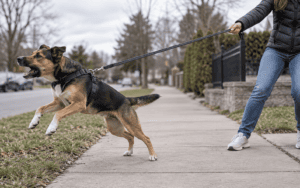

Why is my dog whining? Your dog whines as a form of communication to express needs such as hunger, anxiety, pain, or a desire for attention. Whining is a normal vocalization that dogs use to get your attention and signal that something in their environment needs to change.
If your dog has started whining more than usual, you’re probably wondering what’s wrong and how to help. The good news is that most whining is easily addressed once you understand what your dog is trying to tell you.
Dogs can’t use words to explain their feelings, so they rely on sounds like whining to communicate with us. Sometimes they want playtime or food, while other times they might be feeling anxious or unwell. Learning to read these vocal cues helps you respond in ways that strengthen your bond and address the root cause.
In this guide, we’ll break down the different types of whining, common triggers, and practical steps you can take to help your dog feel more comfortable and secure.
Transform your dog’s behavior with proven results. Explore our board and train Long Island program for lasting changes.
Understanding Different Types of Dog Whining
Not all whining sounds the same, and the context matters just as much as the sound itself. Your dog’s body language, the situation, and the pitch of the whine all provide clues about what they’re trying to communicate.
Attention-Seeking Whining
This type of whining happens when your dog wants something from you right now. They might whine while staring at you, pawing at your leg, or following you around the house.
Attention-seeking whines often sound higher-pitched and come in short bursts. Your dog has learned that whining gets results, whether that’s a treat, a walk, or simply your focus.
While it’s tempting to give in immediately, responding every time can accidentally reinforce the behavior. Instead, wait for a quiet moment before giving attention or rewards.
Anxiety or Stress Whining
Anxious whining usually sounds more continuous and may be accompanied by pacing, trembling, or destructive behavior. Dogs whine from stress when they feel uncertain, scared, or overwhelmed.
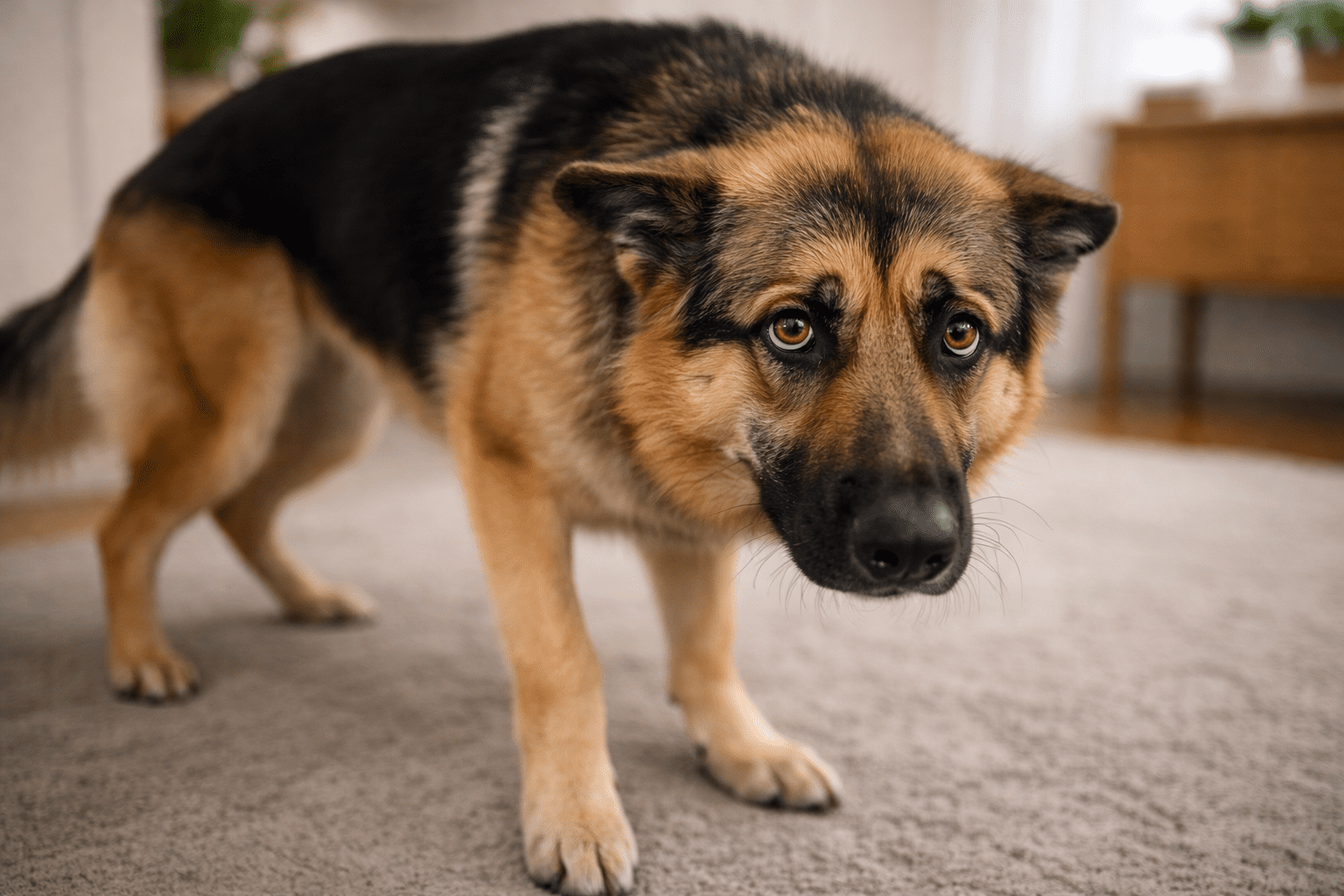
Common anxiety triggers include thunderstorms, fireworks, being left alone, or changes in routine. Some dogs also whine when they’re in unfamiliar environments or around new people.
If your dog whines from anxiety, they need help feeling safe and secure. Forcing them into stressful situations without support can make the problem worse over time.
Pain or Discomfort Whining
Whining from pain tends to sound different from other types. It may be sudden, sharp, and happen when your dog moves in certain ways or when you touch specific areas.
Dogs in pain might also show reduced activity, loss of appetite, or unusual aggression when approached. They can’t tell us where it hurts, so whining becomes their way of signaling something is wrong.
Never ignore sudden changes in whining patterns, especially if accompanied by limping, lethargy, or changes in eating habits. These signs warrant a vet visit to rule out injury or illness.

Common Reasons Dogs Whine
Dogs whine for many reasons, and identifying the specific cause helps you respond appropriately. Here are the most frequent triggers and what they typically mean:
Basic Needs and Wants
Your dog might whine because they need something essential or simply want your attention for play or affection.
Hunger and thirst are straightforward causes. If it’s close to mealtime or their water bowl is empty, whining serves as a direct request.
Needing to go outside for bathroom breaks often triggers whining, especially in house-trained dogs who don’t want to have accidents indoors. Puppies and senior dogs may whine more frequently due to smaller bladders or reduced control.
Some dogs whine when they want to play, go for a walk, or get your attention for cuddles. This type of whining usually stops once you meet their request.

Emotional Triggers
Emotional states like excitement, fear, or separation anxiety frequently cause whining behavior.
Excited whining happens when your dog anticipates something positive, like seeing you grab the leash for a walk or hearing the treat bag rustle. The whining comes from an overflow of happy energy they can’t contain.
Fear-based whining occurs in response to perceived threats such as loud noises, unfamiliar people, or other animals. Your dog uses whining to express discomfort and possibly to seek protection from you.
Separation anxiety causes persistent whining when you leave or prepare to leave. Dogs with this condition may also show destructive behavior, excessive drooling, or attempts to escape when left alone.
Health-Related Causes
Sometimes whining points to a medical issue that needs professional attention.
| Trigger | Common Signs | When to Act |
| Hunger/Thirst | Whining near food/water bowls, licking lips | Maintain regular feeding schedule |
| Bathroom Need | Whining at door, pacing, circling | Take outside immediately |
| Pain/Injury | Sudden whining, limping, sensitivity to touch | Vet visit within 24 hours |
| Anxiety | Continuous whining, pacing, trembling | Address with training or vet consultation |
| Excitement | High-pitched whines, jumping, tail wagging | Redirect energy with play or commands |
| Attention-Seeking | Whining while staring, pawing at you | Wait for quiet before responding |
Pain from arthritis, dental problems, or internal issues can cause whining that increases with movement or at certain times of day. Older dogs commonly develop conditions that make them uncomfortable.
Cognitive decline in senior dogs sometimes leads to whining, especially at night. They may feel confused or disoriented, triggering vocal distress.
If your dog’s whining comes with vomiting, diarrhea, bloating, or refusal to eat, these symptoms require immediate veterinary care.
Struggling with persistent dog behavior issues? Our expert trainers can help identify and resolve the root causes.
How to Respond to Your Whining Dog
The way you react to whining shapes whether the behavior continues, improves, or gets worse. Your response should match the underlying cause rather than treating all whining the same way.
When to Respond and When to Ignore
Ignoring attention-seeking whining teaches your dog that quiet behavior gets rewards while whining doesn’t. Wait until your dog stops whining for at least 30 seconds, then praise and reward the silence.
Never ignore whining that signals genuine needs like bathroom breaks or pain. Ignoring these situations damages trust and can lead to accidents or worsening health problems.
For anxiety-related whining, complete ignoring rarely helps. Instead, work on building confidence through gradual exposure and positive associations with stress triggers.
Meeting Legitimate Needs
When whining communicates a real need, address it promptly and calmly. Take your dog outside if they need to potty, fill their water bowl if it’s empty, or check that meals happen on schedule.
If your dog whines before walks, establish a consistent routine so they know when to expect exercise. This reduces uncertainty and the need to constantly request attention.
Make sure your dog gets enough physical activity and mental stimulation each day. A tired dog with a satisfied mind whines less from boredom or excess energy.
Training Techniques That Help
Teaching your dog alternative ways to communicate reduces whining over time. Train a specific behavior like sitting quietly or touching a bell when they need something.
Reward calm behavior consistently. When your dog remains quiet in situations that previously triggered whining, immediately mark that silence with praise or treats.

Our obedience dog training programs teach dogs to express needs through learned commands rather than vocal demands. This creates clearer communication between you and your pet.
Avoid accidentally reinforcing whining by giving attention the moment it starts. Even scolding can work as a reward because it’s still attention. Wait for quiet, then engage.
Building Confidence in Anxious Dogs
For dogs who whine from fear or anxiety, gradual desensitization helps them feel safer. Expose them to anxiety triggers at very low levels while pairing the experience with positive things like treats or play.
Create a safe space where your dog can retreat when feeling overwhelmed. This might be a crate, a quiet room, or a comfortable bed in a low-traffic area.
Consider positive reinforcement dog training methods that build confidence without adding stress. These approaches teach dogs to cope with challenges rather than just suppressing visible symptoms.
When Dog Whining Signals a Problem
While occasional whining is normal, certain patterns indicate serious issues that need professional help. Recognizing these red flags ensures your dog gets the care they need.
Medical Warning Signs
Sudden increases in whining, especially in older dogs or those with no history of vocal behavior, often point to medical problems. Pain from arthritis, dental disease, or internal conditions can develop gradually or appear overnight.

Watch for whining that happens during specific movements like climbing stairs, getting up from rest, or being touched in certain spots. These patterns suggest localized pain or discomfort.
Whining combined with these symptoms requires immediate veterinary attention:
- Vomiting or diarrhea lasting more than 24 hours
- Bloated or hard abdomen
- Refusal to eat or drink for more than one meal
- Extreme lethargy or inability to stand
- Labored breathing or coughing
- Sudden aggression when approached
Don’t wait to see if symptoms improve on their own. Early intervention prevents minor issues from becoming serious complications.
Behavioral Red Flags
Separation anxiety severe enough to cause constant whining needs professional behavior modification. Dogs with this condition may also destroy property, attempt to escape, or injure themselves when left alone.
Whining that escalates to aggressive behavior like growling, snapping, or biting indicates your dog feels threatened or is resource guarding. This requires careful management and often professional training intervention.
If your dog whines excessively at night and you’ve ruled out medical causes, cognitive dysfunction might be developing. Senior dogs sometimes experience confusion similar to dementia in humans.
Comparing Normal vs. Concerning Whining Patterns
| Aspect | Normal Whining | Concerning Whining |
| Frequency | Occasional, specific triggers | Constant, increasing over time |
| Duration | Brief episodes, stops when need is met | Prolonged, continues despite intervention |
| Context | Clear cause (door, food bowl, playtime) | No obvious trigger or all-day occurrence |
| Other Behaviors | Normal eating, playing, sleeping | Changes in appetite, activity, or aggression |
| Response to Comfort | Calms when reassured or need addressed | No improvement with attention or care |
| Physical State | Healthy appearance, normal movement | Limping, lethargy, visible discomfort |
Understanding these differences helps you decide when home management is enough and when expert help becomes necessary. Trust your instincts about your dog’s well-being.
Getting Professional Help
If you can’t identify why your dog is whining or if the behavior is getting worse despite your efforts, professional guidance makes a difference. Start with your veterinarian to rule out medical causes.
Once health issues are eliminated, working with experienced trainers helps address behavioral whining. Programs like dog behavior training provide structured approaches to modify unwanted vocal behaviors while strengthening overall obedience.
Some cases benefit from both veterinary and training support working together. Dogs with severe anxiety might need medication alongside behavior modification for the best results.
Don’t feel discouraged if whining persists longer than you expected. Some behaviors take weeks or months to change, especially if they’ve become deeply ingrained habits.
Notice your dog constantly seeking your presence? Learn more about why my dog is clingy and how to create healthy independence.
Your Next Steps for a Quieter, Happier Dog
Understanding why is my dog whining gives you the power to respond effectively and strengthen your relationship. Most whining situations improve once you identify the trigger and address it consistently.
Remember that whining is communication, not misbehavior. Your dog is trying to tell you something important about their physical or emotional state. Responding with patience and observation helps you meet their needs while teaching better ways to communicate.
Start by ruling out medical causes with your veterinarian, especially if whining appears suddenly or comes with other symptoms. Once health issues are eliminated, focus on consistent training and meeting your dog’s daily needs for exercise, mental stimulation, and security.
If you’re feeling overwhelmed by persistent whining or other behavior challenges, you don’t have to figure it out alone. K9 Mania Dog Training is the leading board and train provider on Long Island, with proven methods to address whining, anxiety, and all training concerns. Our expert team works with you to create lasting behavioral changes that bring peace to your home. Visit our website to discover how we can help transform your dog’s behavior and strengthen your bond.
You May Also Want to Read
- Do Dogs Get Embarrassed? Understanding Your Dog’s Emotions
- Why Do Dogs Eat Grass?
- Do Dogs Have a Sense of Time? Understanding Your Dog’s Perception
- 20 Common Dog Behavior Issues: Causes and How to Fix Them
Frequently Asked Questions
Why is my dog whining for no reason?
Your dog isn’t whining for no reason, even if the cause isn’t immediately obvious to you. Dogs whine to communicate something they need or feel, whether it’s a physical need, emotional state, or environmental trigger. Common hidden causes include mild discomfort, hearing sounds you can’t detect (like distant sirens), feeling too hot or cold, or simply wanting reassurance. Keep a journal of when whining occurs to identify patterns you might be missing, such as specific times of day or particular situations that make your dog uncomfortable.
How do I tell if my dog is whining because of pain?
Pain-related whining typically differs from other types by being sudden, intense, or happening during specific movements and activities. Watch for whining that occurs when your dog stands up, climbs stairs, or when you touch certain body parts. Additional pain indicators include decreased appetite, reluctance to jump or play, limping, excessive licking of one area, or unusual aggression when approached. If whining is accompanied by any of these signs or seems out of character for your dog, schedule a veterinary examination to rule out injury, arthritis, dental problems, or internal issues that require medical attention.
When to worry about a dog whining?
You should be concerned about dog whining when it appears suddenly without clear cause, increases in frequency or intensity, or comes with other symptoms like vomiting, lethargy, loss of appetite, or behavioral changes. Constant whining that doesn’t stop despite meeting all basic needs signals a potential problem. Whining during the night that’s new for your dog, especially in senior pets, may indicate cognitive decline or pain that worsens when lying down. Any whining combined with visible distress, difficulty breathing, or inability to settle comfortably warrants immediate veterinary evaluation to ensure your dog isn’t experiencing a medical emergency.
Should I ignore a whining dog?
Whether to ignore whining depends entirely on the cause behind the behavior. You should ignore attention-seeking whining where your dog has learned that whining gets them what they want, as responding reinforces the behavior. However, never ignore whining that signals legitimate needs like bathroom breaks, hunger, or pain. For anxiety-based whining, complete ignoring often makes the problem worse because it doesn’t address the underlying fear or stress. Instead of blanket ignoring, learn to distinguish between different types of whining and respond appropriately to each situation while teaching your dog better communication methods through consistent training.
What are common triggers for dog whining?
The most common triggers for dog whining include hunger or thirst, needing to go outside for bathroom breaks, wanting attention or play, excitement about anticipated activities like walks, fear of loud noises or unfamiliar situations, separation anxiety when you leave, pain or physical discomfort from injury or illness, and boredom from insufficient mental or physical stimulation. Some dogs also whine when they see other animals, hear doorbells or knocking, or experience changes in their routine or environment. Identifying your specific dog’s triggers helps you address the root cause rather than just the symptom of whining itself.
Is my dog crying or just whining?
Dogs don’t cry emotional tears like humans do, though they can produce tears for medical reasons like eye irritation or blocked tear ducts. What we interpret as crying is actually whining, which serves as vocal communication to express needs, emotions, or discomfort. The sound might seem similar to human crying, especially high-pitched, continuous whining that occurs during distress or separation. While dogs don’t cry from sadness in the human sense, they absolutely experience emotional distress that they express through whining, body language, and behavioral changes. If your dog’s eyes are watering excessively, this indicates a medical issue like allergies or infection rather than emotional crying and should be examined by your veterinarian.