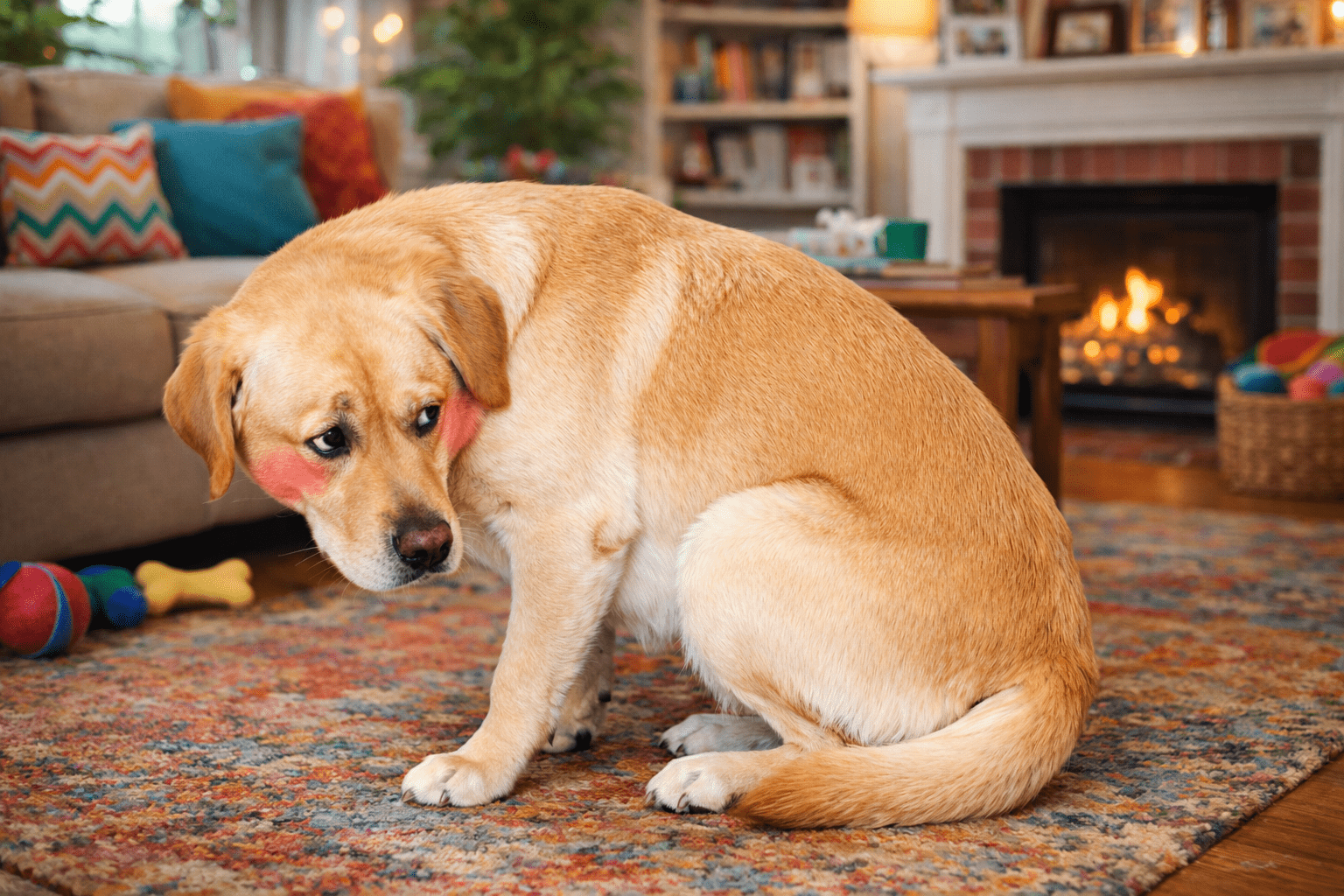
Do dogs get embarrassed the way humans do? The short answer is no. While your dog might show behaviors that look like embarrassment after an accident or clumsy moment, they’re actually experiencing different emotions like stress, confusion, or worry about your reaction.
You’ve probably seen your dog act sheepish after knocking something over or having an indoor accident. That guilty look might seem like embarrassment, but it’s really your dog reading your body language and responding to your emotional state. Many people wonder do dogs get embarrassed in these awkward situations, but understanding what your dog truly feels during these moments helps you respond in ways that build confidence instead of creating more anxiety.
In this guide, we’ll explore what really happens when your dog seems embarrassed, the science behind canine emotions, and how to support your dog through awkward situations.
Build your dog’s confidence with professional guidance. Explore our board and train Long Island program for comprehensive behavioral support.
What Is Embarrassment in Dogs
Embarrassment is a complex social emotion that requires self-awareness and understanding of social standards. For a human to feel embarrassed, they need to recognize that others are judging them and care about that judgment. This involves a level of self-consciousness that dogs simply don’t possess. So when you ask do dogs get embarrassed, the answer lies in understanding canine brain development and emotional capacity.
How Dog Emotions Work
Dogs experience primary emotions like joy, fear, anger, and affection. These basic feelings happen quickly and don’t require much thinking. When your dog sees you come home, they feel genuine happiness. When they hear a loud noise, they feel real fear.
Secondary emotions like embarrassment, guilt, or shame require more complex thinking. They need an understanding of social rules, self-reflection, and awareness of how others see you. Research shows dogs don’t have the brain development needed for these complicated emotional processes.
Understanding Canine Feelings
Studies on dog cognition show that dogs are incredibly good at reading human emotions and responding to them. When your dog seems embarrassed, they’re actually picking up on your disappointment, frustration, or concern and reacting to those signals.
Dogs learn through association. If your dog has an accident indoors and you get upset, they connect your mood with the situation. Next time, they show submissive behaviors not because they feel ashamed, but because they remember your reaction and want to avoid conflict.
The “guilty look” that seems like embarrassment is actually appeasement behavior. Your dog lowers their head, avoids eye contact, and acts submissive to calm you down and prevent negative consequences.
Signs That Might Look Like Embarrassment
When you think your dog looks embarrassed, you’re seeing real behaviors, but they mean something different than you might assume. Learning to read these signals correctly helps you understand what your dog actually needs from you.
Body Language Clues
Dogs show specific body language when they’re worried about your reaction or feeling stressed:
- Lowered head and tucked tail
- Avoiding direct eye contact
- Ears pinned back against the head
- Licking lips or yawning when not tired
- Crouching or making themselves look smaller
- Slow, careful movements
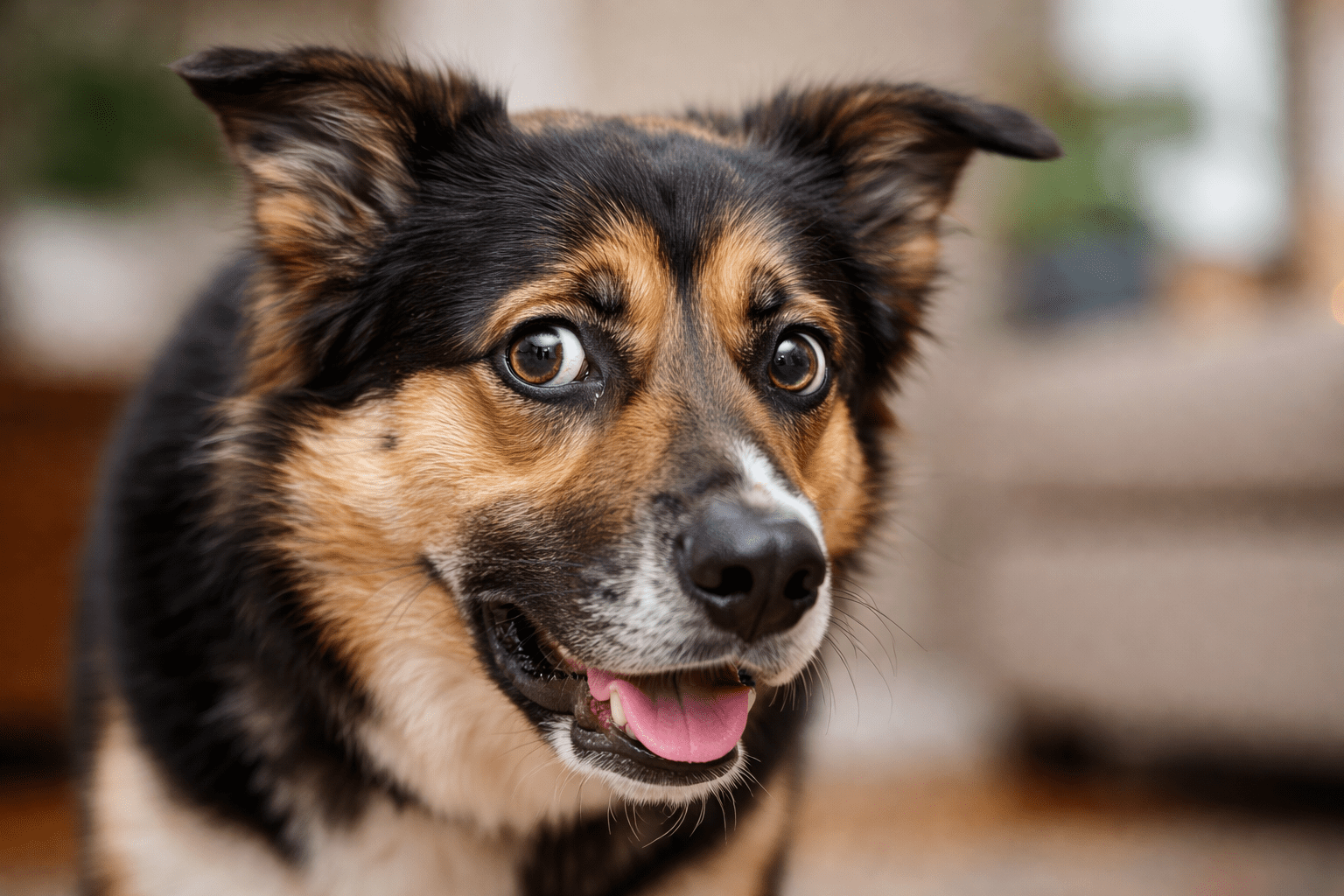
These signals indicate stress, submission, or an attempt to defuse tension. Your dog isn’t feeling embarrassed about what happened. They’re responding to the energy in the room and trying to communicate that they’re not a threat.
Behavioral Responses
Beyond body language, dogs show behavioral patterns that look like embarrassment but stem from different causes:
Hiding or Leaving the Room: When your dog slinks away after doing something wrong, they’re removing themselves from a tense situation or avoiding what they’ve learned is an uncomfortable interaction.
Excessive Appeasement: Some dogs go overboard with submissive behaviors, rolling on their backs, crawling, or frantically licking. This comes from anxiety about your reaction.
Freezing or Stillness: A dog who suddenly becomes very still after a mishap is experiencing stress or uncertainty.
If your dog shows these behaviors frequently, they might be dealing with anxiety issues. Check out our guide on signs your dog has separation anxiety to understand more about canine stress signals.
Common Situations Where Dogs Seem Embarrassed
Certain situations make dogs look especially “embarrassed,” but understanding what’s really happening helps you respond better to your dog’s actual needs.
After Getting Scolded
That guilty look your dog gives you after you discover they raided the trash? They’re not embarrassed about their choice. They’ve learned to associate your discovery of the mess with your angry tone and body language.
Dogs live in the present moment. When you come home and find the mess, your dog doesn’t connect your current anger with their past action from hours ago. They just know you’re upset now, and they’re trying to appease you.
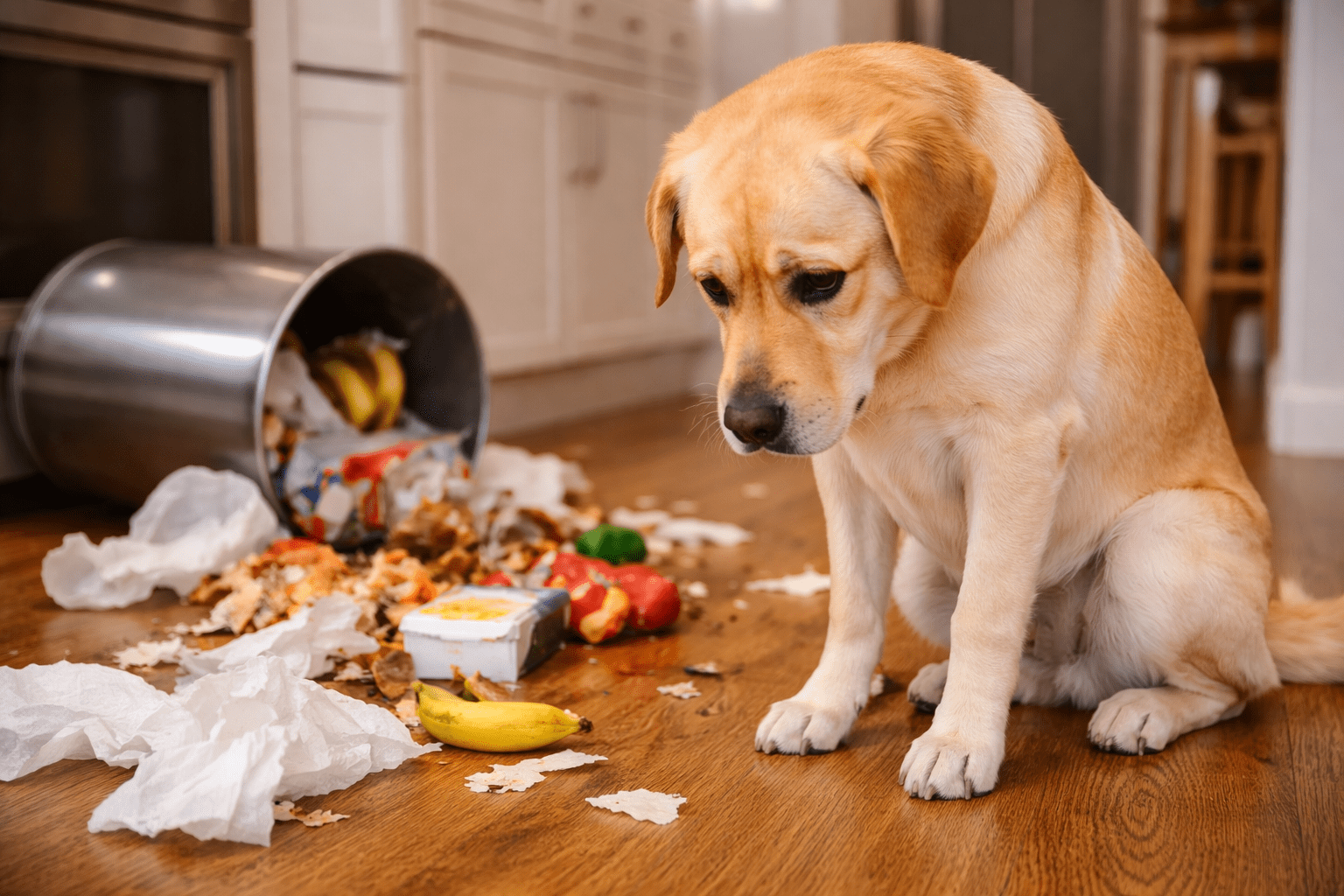
Scolding a dog after the fact doesn’t teach them not to repeat the behavior. For effective solutions to behavior problems, our private dog training program focuses on positive reinforcement techniques.
Physical Mishaps and Falls
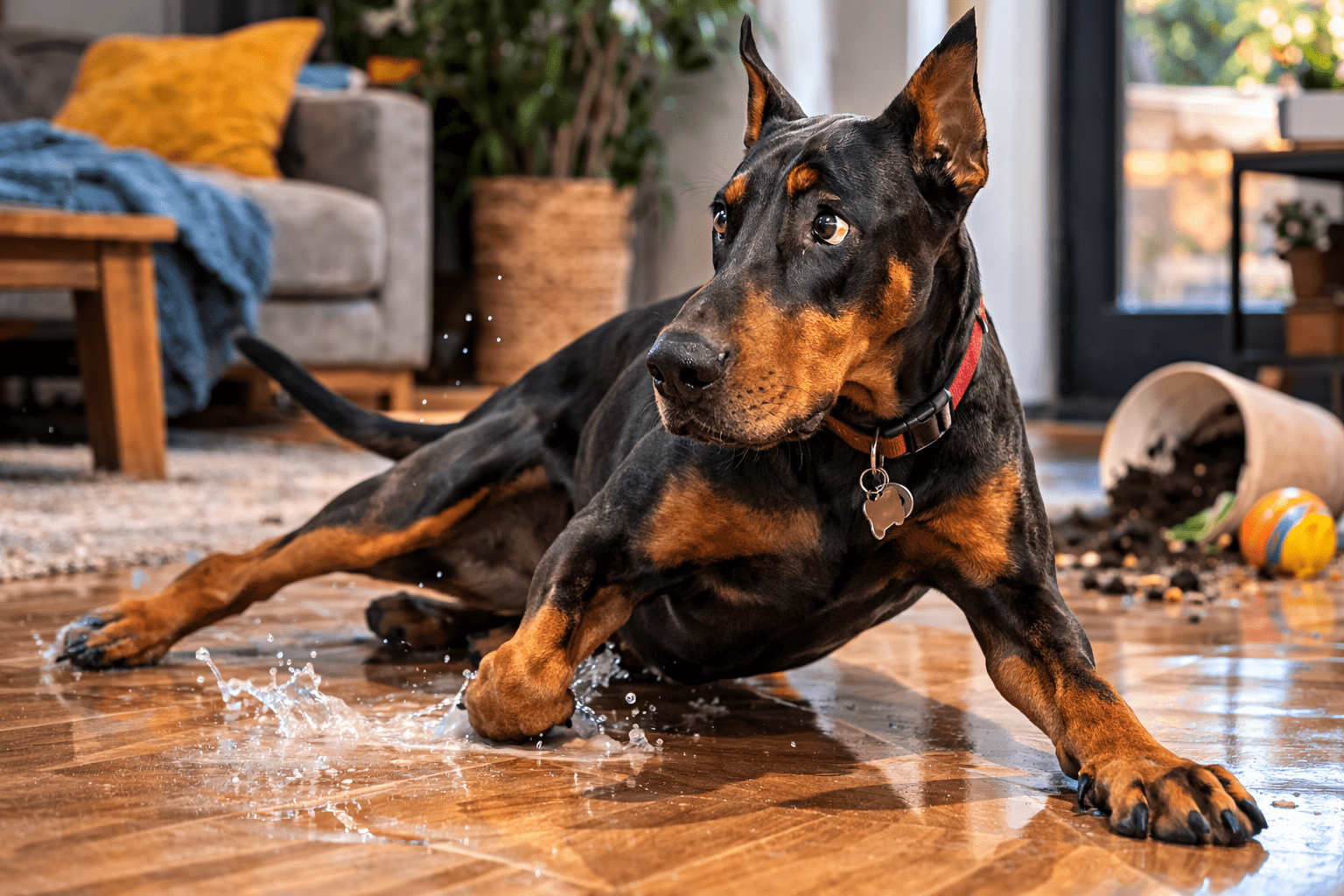
When your dog slips on the floor or miscalculates a jump, they might look around quickly or act differently for a moment. People often interpret this as embarrassment, but your dog is actually checking for threats.
In the wild, a fall or stumble makes an animal vulnerable. Your dog’s quick look around is an instinctive safety check, not a social worry about looking foolish.
If you laugh when your dog falls, they might act more cautious or subdued. They’re not embarrassed by your laughter, but they are picking up on your change in energy and trying to figure out what it means.
Grooming and Appearance Changes
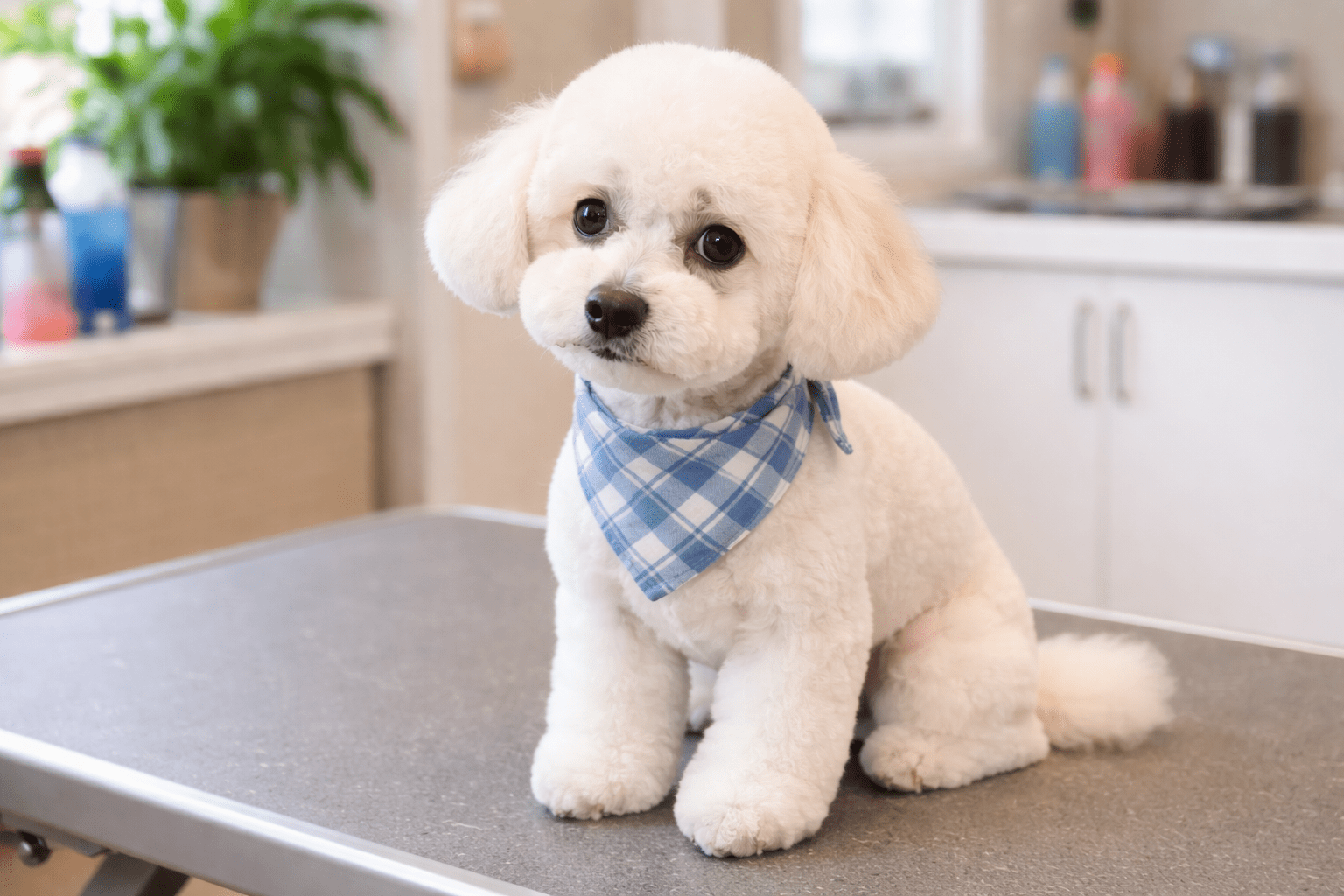
Many owners swear their dogs act embarrassed after grooming, especially after a dramatic haircut. Dogs do sometimes act differently after grooming, but this isn’t about appearance.
Grooming changes how your dog smells and feels. Dogs rely heavily on scent for identity. After a bath or haircut, your dog smells different to themselves and to other dogs. This can make them feel uncomfortable or unsure, not embarrassed.
Some dogs find the grooming process stressful. Acting subdued afterward is often leftover stress, not shame about how they look.
What Your Dog Actually Feels
Understanding what emotions your dog can and cannot experience helps you respond to their needs more effectively and build a stronger relationship based on how they actually think and feel.
Confusion vs Embarrassment
When dogs seem embarrassed, they’re usually confused. Confusion happens when your dog doesn’t understand what’s expected of them or why you’re reacting a certain way.
For example, if your dog has an accident indoors and you get angry, they don’t understand the connection between the act and your response if time has passed. They just know you’re upset, which confuses them.
This confusion can look like guilt or embarrassment because confused dogs often show submissive behaviors. They’re trying to figure out the situation and avoid conflict.
Stress and Anxiety Signals
Most behaviors that look like embarrassment are actually signs of stress or anxiety. Recognizing stress signals helps you support your dog better. Learning to train a dog with separation anxiety can help if your dog shows frequent stress behaviors.
| Relaxed Dog | Stressed Dog |
| Soft, natural body posture | Tense muscles, rigid stance |
| Tail in natural position, wagging loosely | Tail tucked or held stiffly |
| Ears in normal position for breed | Ears pinned back or forward and alert |
| Soft eyes, relaxed face | Hard stare or avoiding eye contact |
| Open mouth, relaxed jaw | Closed mouth or excessive panting |
| Interested in environment | Excessive focus on owner or potential threat |
| Normal appetite and behavior | Loss of appetite, destructive behavior |
Understanding these stress signals helps you identify when your dog needs support.
How to Respond When Your Dog Acts “Embarrassed”
How you respond to your dog’s submissive or worried behaviors can either build their confidence or increase their anxiety. The right approach makes a big difference in your dog’s emotional wellbeing.
Reading Your Dog’s Real Needs
When your dog shows behaviors that look like embarrassment, pause and assess what they actually need:
If your dog had an accident: Clean it up calmly and consider whether they need more frequent bathroom breaks, have a medical issue, or need help with house training.
If your dog made a mistake: Redirect them to appropriate behavior instead of focusing on what they did wrong.
If your dog seems worried after a mishap: Reassure them with a calm, upbeat tone. This helps them feel safe and reduces anxiety.
Training Tips for Confident Dogs
Building confidence in your dog prevents many of the behaviors that look like embarrassment. Confident dogs are less likely to show excessive submission or anxiety.
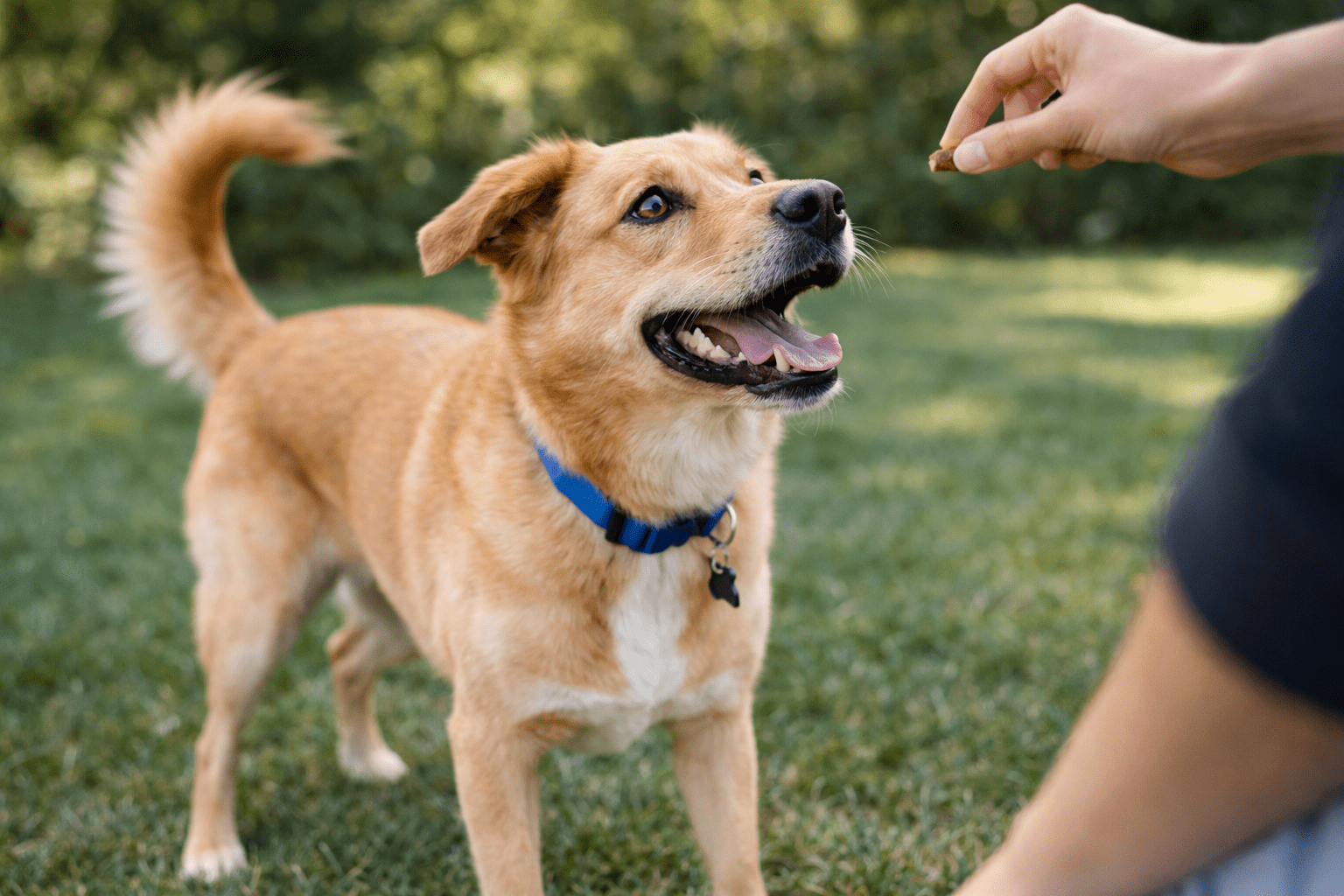
Use Positive Reinforcement: Reward behaviors you want to see more of. This builds confidence because your dog learns they can make good choices and get positive results.
Avoid Punishment: Punishment creates anxiety and confusion. It doesn’t teach your dog what to do, only what to avoid.
Set Clear Expectations: Consistency helps dogs understand what’s expected. When rules are clear and consistent, dogs feel more secure and confident.
Provide Mental Enrichment: Bored dogs are more likely to get into trouble. Mental stimulation through training and puzzle toys builds confidence.
| Aspect | Punishment-Based Training | Positive Reinforcement Training |
| Dog’s Emotional State | Fearful, anxious, watchful for mistakes | Confident, eager to learn, relaxed |
| Learning Speed | Learns what not to do, but unclear on alternatives | Quickly learns desired behaviors |
| Relationship with Owner | Based on fear and avoidance | Based on trust and cooperation |
| Long-Term Results | May suppress behaviors temporarily but creates anxiety | Creates lasting behavioral changes |
| Submissive Behaviors | Frequent appeasement, “guilty” looks | Minimal stress signals, more confidence |
| Problem-Solving Ability | Hesitant to try new things | Willing to experiment and learn |
For many common dog behavior issues like jumping, barking, or destructive chewing, the root cause is often anxiety or lack of clear expectations.
Support Your Dog’s Confidence with the Right Tools: Quality training equipment makes a difference in your dog’s learning experience. Check out dog training tools designed to make positive reinforcement training easier.
The Real Story Behind “Embarrassed” Dogs
So, do dogs get embarrassed when they fall, have accidents, or experience awkward moments? No, they don’t experience embarrassment the way humans do. What looks like embarrassment is actually your dog reading your emotional state and responding with submissive behaviors to maintain harmony.
Understanding this difference changes how you interact with your dog during these moments. Instead of assuming your dog feels ashamed, recognize they’re confused, stressed, or trying to make sure you’re not upset with them. Your dog’s ability to read and respond to your emotions is actually a sign of their deep bond with you.
Whether you’re dealing with behavioral challenges or want to strengthen your relationship with your dog, professional guidance makes all the difference. K9 Mania Dog Training is the leading dog boarding camp Long Island provider, and we understand exactly what your dog needs. Our experienced trainers help dogs build confidence while addressing anxiety, confusion, and unwanted behaviors. Trust us to help you create the happy, well-adjusted companion you deserve.
You May Also Want to Read
- Why Do Dogs Stretch? Understanding Your Dog’s Body Language
- Why Do Dogs Sniff Your Crotch? Understanding Canine Behavior
- Why Do Dogs Put Their Paw on You? Understanding This Common Behavior
- Why Do Dogs Chase Their Tails?
Frequently Asked Questions
How do you know if your dog is embarrassed?
You can’t actually tell if your dog is embarrassed because dogs don’t experience this complex emotion. What you’re seeing is stress, anxiety, or submissive behavior in response to your reaction. Signs like a lowered head, tucked tail, avoiding eye contact, and a crouched posture indicate your dog is trying to appease you or feels uncertain.
Do dogs get embarrassed if they fall?
Dogs don’t feel embarrassed when they fall or stumble. What might look like embarrassment is actually a quick safety check. After a fall, dogs instinctively look around to make sure no threats are nearby, since a stumble makes them temporarily vulnerable. If you laugh or change your energy after your dog falls, they pick up on that change and might act more cautious.
Do cats get embarrassed when you laugh at them?
Like dogs, cats don’t experience embarrassment. When you laugh at a cat after they do something clumsy, they might walk away with their tail up or groom themselves. This isn’t embarrassment but rather cats being sensitive to changes in your behavior and choosing to remove themselves or engage in calming self-soothing.
Do dogs apologize to each other?
Dogs don’t apologize in the human sense because that requires understanding they did something socially wrong. However, dogs do use appeasement behaviors with other dogs. After a conflict, you might see play bows, licking, or submissive postures. These behaviors help restore peace and reduce tension between dogs, but they’re instinctive social signals rather than conscious apologies.
Do dogs get embarrassed when they fart?
Dogs don’t get embarrassed when they pass gas. If your dog looks startled or quickly stands up after passing gas, they’re reacting to the unexpected sensation or sound, not feeling socially awkward. Dogs don’t have the self-awareness needed to feel embarrassed about bodily functions.
Do dogs get embarrassed when you have their fur trimmed?
Dogs don’t feel embarrassed about their appearance after grooming, but they might act differently for other reasons. A dramatic haircut changes how they smell and feel, which can be disorienting since dogs rely heavily on scent. If grooming was stressful, your dog might still be recovering from that anxiety.