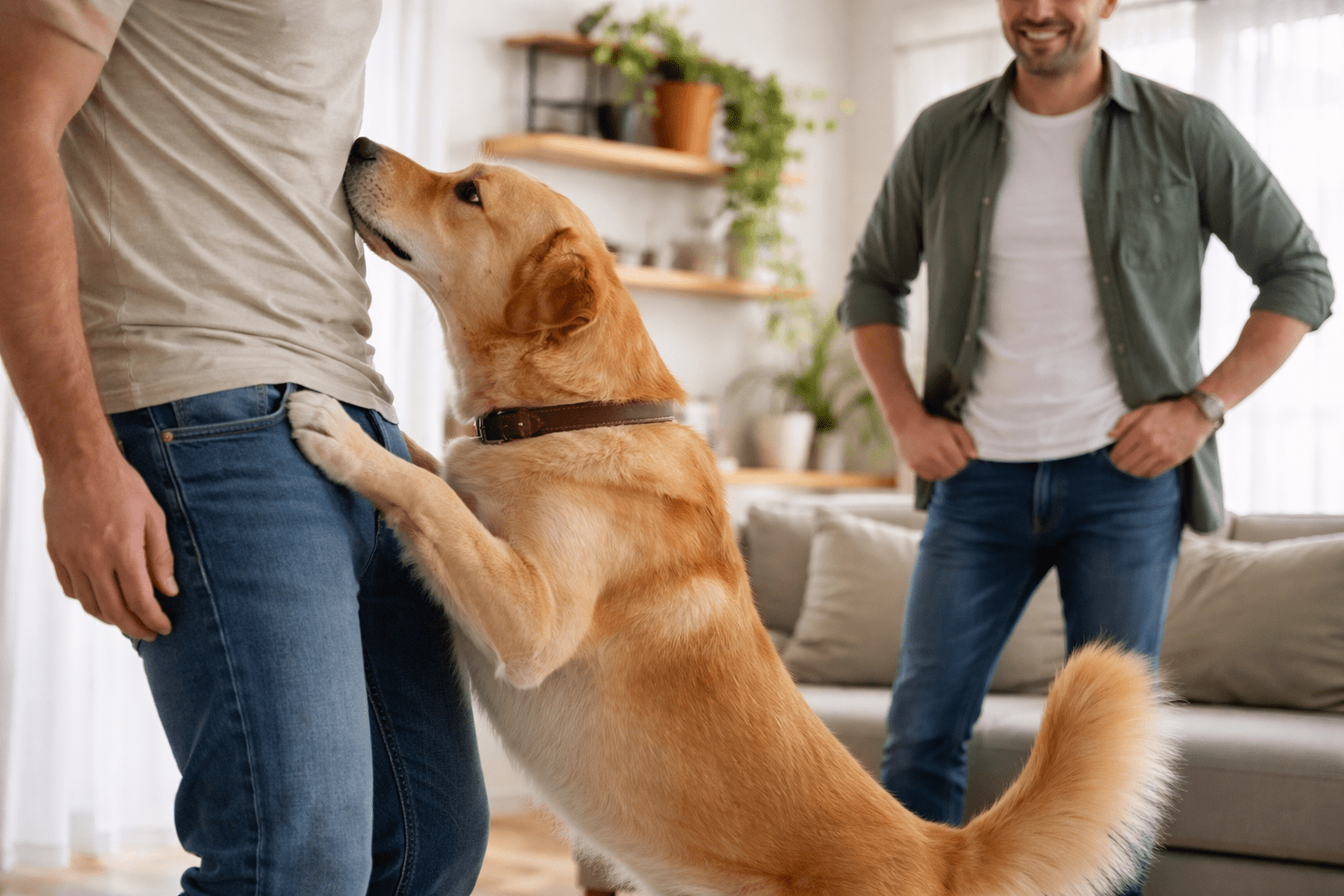
Why do dogs sniff your crotch? Dogs sniff human crotches because their noses detect pheromones and chemical signals from sweat glands in private areas, giving them detailed information about your identity, health, and emotional state. This natural behavior might feel embarrassing, but it’s simply how dogs gather information about the world around them.
While this habit can make greeting guests awkward, understanding the reason behind it helps you respond appropriately. Dogs aren’t being rude or inappropriate. They’re using their most powerful senses to learn about you in the same way humans might shake hands or make eye contact.
In this guide, we’ll explain the science behind this common behavior, when it’s normal versus concerning, and practical ways to redirect your dog to more polite greetings. Whether you’re dealing with an overly curious puppy or an adult dog with persistent habits, these insights will help you manage the situation with confidence.
Need expert guidance on managing your dog’s behavior? Our board and train Long Island programs teach dogs polite greeting manners in real-world situations.
Why Dogs Sniff Private Areas
Dogs experience the world primarily through smell rather than sight. Their noses contain up to 300 million scent receptors compared to only 6 million in humans. This incredible ability turns every sniff into a detailed information session about their environment and the people in it.
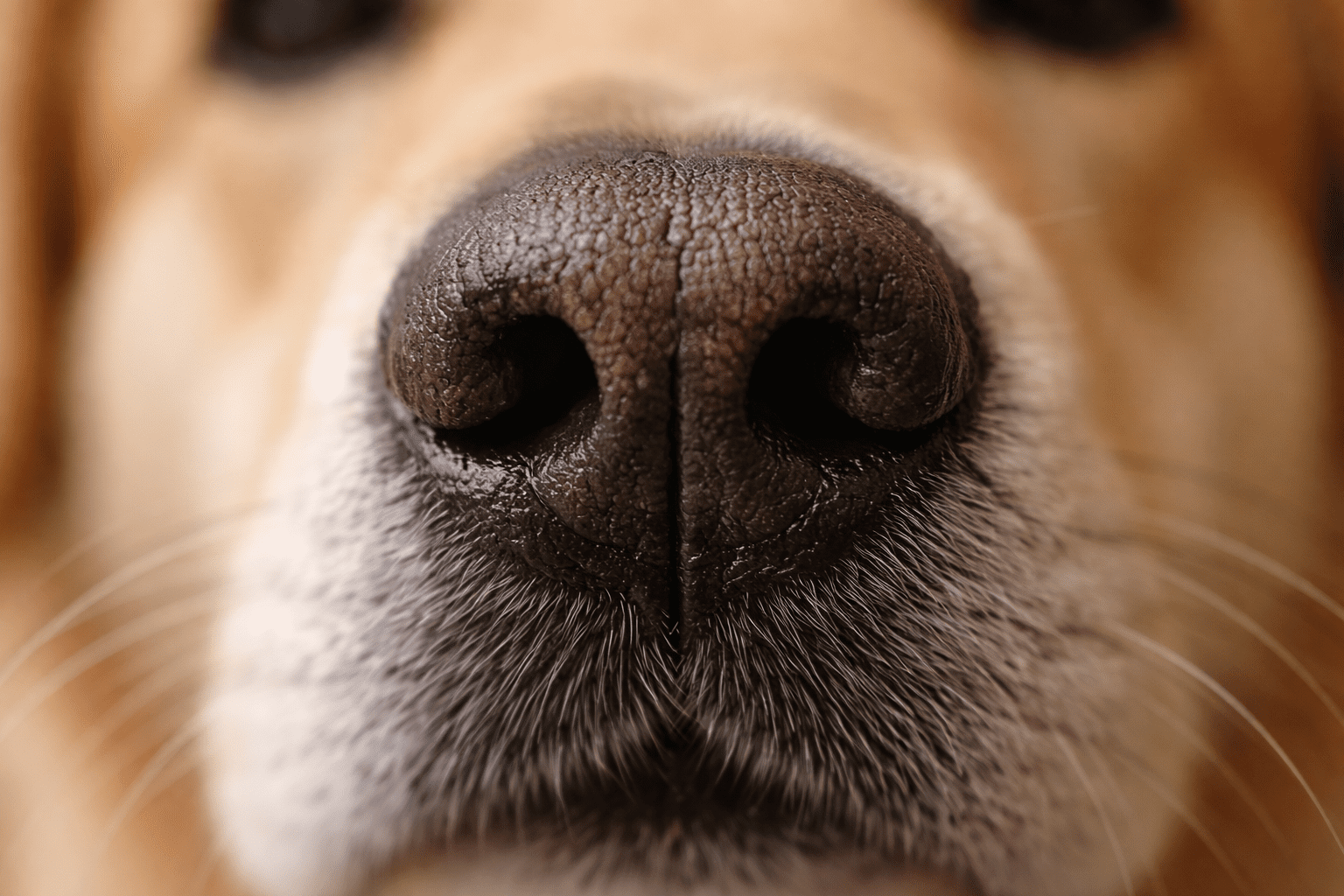
The areas dogs target, like crotches and rear ends, contain apocrine sweat glands that release pheromones. These chemical messengers carry specific information about a person’s identity, diet, emotional state, reproductive status, and even health conditions. To a dog, sniffing these areas is like reading a detailed biography.
How Dogs’ Sense of Smell Works
A dog’s nose processes information very differently from human noses. When dogs inhale, air splits into two paths: one for breathing and another dedicated entirely to scent processing. This special nasal cavity contains millions of receptors that detect odors at concentrations nearly 100,000 times lower than humans can perceive.
The vomeronasal organ, located above the roof of a dog’s mouth, specifically detects pheromones. When a dog curls its lip while sniffing, it’s opening ducts to this organ to gather even more chemical information about you.
What Information Dogs Gather
Through sniffing, dogs collect amazing amounts of data. They identify your gender, age, and whether you’ve been around other animals. They detect emotional states by sensing stress hormones like cortisol in your sweat.
Dogs smell hormonal changes related to menstruation, pregnancy, or ovulation. They also pick up health markers indicating illness or certain diseases. Your diet, medications, and recent locations all leave scent traces dogs can detect.
Common Reasons Dogs Sniff Crotches
Dogs don’t sniff private areas to embarrass you or act inappropriately. Several legitimate reasons drive this behavior, all connected to how dogs process information about their environment and the people in it.
Identifying New People
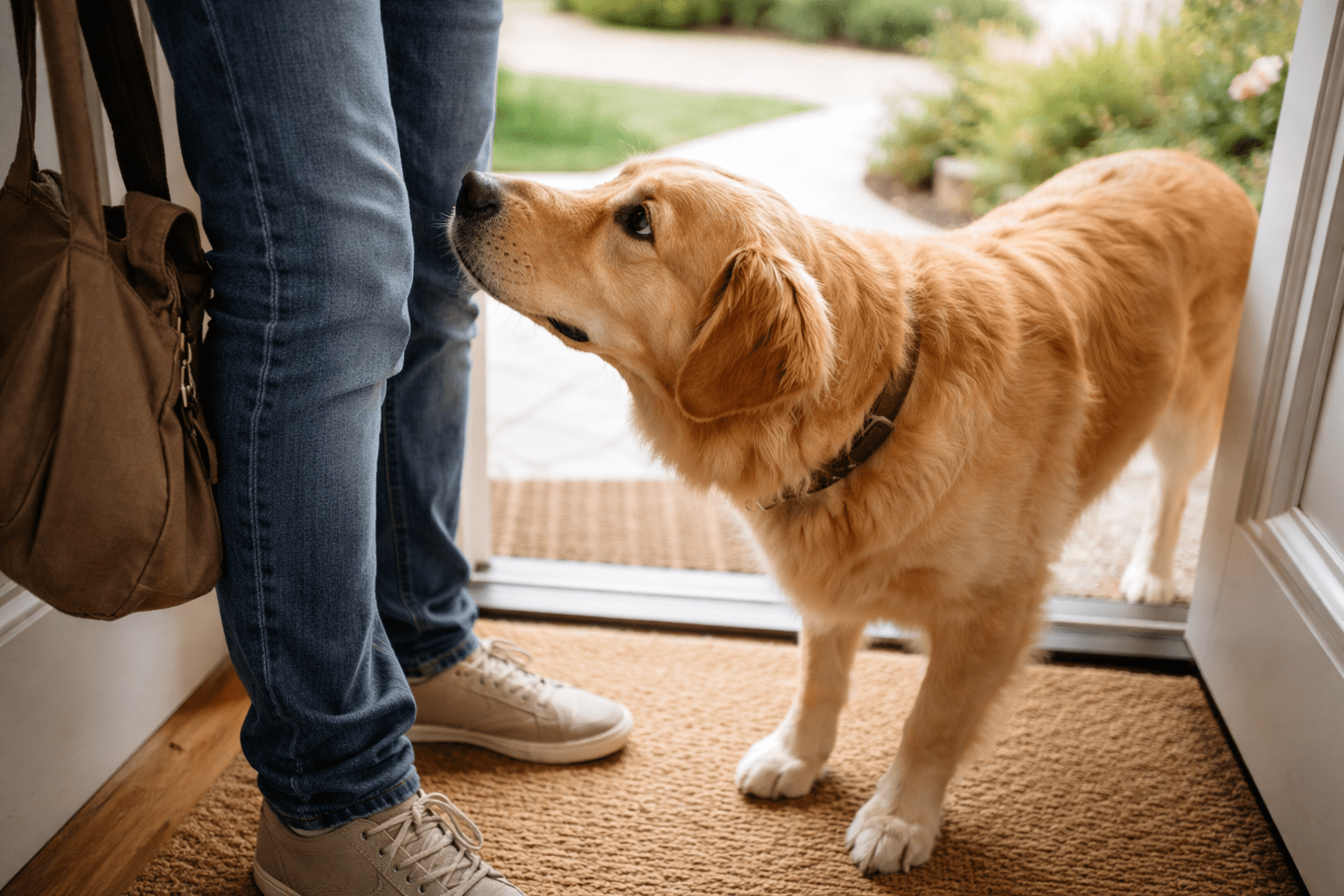
When meeting someone new, dogs gather concentrated scent information from the crotch area to quickly identify and remember individuals. This behavior is especially common when strangers enter your home.
Puppies and younger dogs sniff more frequently because everything is new. As dogs mature and become familiar with regular visitors, the sniffing usually decreases, though some maintain this greeting habit if not redirected.
Detecting Hormonal Changes
Dogs are incredibly sensitive to hormonal fluctuations in humans. Women going through menstrual cycles, pregnancy, or menopause release different pheromones that dogs immediately detect. This explains why dogs may sniff women more intensely during these times.
The same applies to people experiencing puberty, taking hormonal medications, or dealing with thyroid issues. Any change in your body’s chemical makeup shows up in your scent, and dogs notice these shifts right away.
This sensitivity isn’t limited to reproductive hormones. Dogs also detect stress hormones, adrenaline, and other chemical changes related to anxiety, fear, or excitement. Your emotional state literally changes your smell, and dogs pick up on these subtle differences.
Reading Emotional States
Your emotions create chemical changes that dogs smell. When you’re anxious or scared, your body releases cortisol and adrenaline, changing your scent and signaling to your dog that something might be wrong.
Dogs sniff more intensely when they sense emotional changes, trying to understand the situation. This explains why dogs become more attentive when you’re upset or nervous.
Looking for more insights on understanding dog behavior? Check out our valuable tips for new dog owners to learn how dogs communicate.
What Dogs Can Detect Through Smell
Here’s a breakdown of the specific information dogs gather when they sniff:
| Information Type | What Dogs Can Detect | How They Use This Information |
| Identity | Unique scent signature, gender, approximate age | Recognizing individuals, differentiating between family and strangers |
| Health Status | Illness markers, infections, blood sugar levels, certain cancers | Alerting to medical issues, showing concern for sick individuals |
| Emotional State | Stress hormones (cortisol), fear pheromones, excitement markers | Adjusting behavior based on human emotions, providing comfort |
| Reproductive Status | Menstruation, pregnancy, ovulation, hormonal changes | Understanding biological changes in familiar people |
| Recent Activities | Where you’ve been, other animals you’ve contacted, food you’ve eaten | Building a picture of your day and experiences |
| Diet and Medication | Food remnants, medication traces, vitamins | Understanding your routine and any health treatments |
This table shows why dogs find certain areas so informative. The concentration of sweat glands in private areas makes them prime spots for gathering this data efficiently.
Is This Behavior Normal or Concerning?
Most crotch-sniffing behavior falls well within normal canine conduct. However, understanding when it crosses into problematic territory helps you address issues before they become ingrained habits.
When Sniffing Is Normal
Brief, occasional sniffing during greetings is completely normal. If your dog gives a quick sniff when meeting someone new then moves on, this is typical behavior. Most dogs sniff for just a few seconds before redirecting their attention.
Increased sniffing during certain life stages is expected. Puppies sniff more while learning. Pregnant women often notice dogs sniff them more than usual due to hormonal changes.
When to Address the Behavior
Persistent, intense sniffing that won’t stop even with redirection needs attention. If your dog fixates on one person and refuses to back off, or if they push forcefully against people trying to move away, the behavior has become intrusive.
Sniffing accompanied by mounting, excessive excitement, or aggressive posturing signals a problem. These behaviors suggest your dog lacks impulse control or proper social training. Dogs should be able to greet people calmly without overwhelming them.
If guests feel uncomfortable or children become frightened by your dog’s sniffing behavior, it’s time to work on better greeting manners. Your dog’s behavior shouldn’t make visitors anxious or cause them to avoid your home.
Our private dog training Long Island sessions help dogs learn appropriate boundaries and respectful greeting behaviors.
Normal vs Excessive Sniffing Behaviors
Understanding the difference between normal investigation and problematic behavior helps you decide when intervention is needed:
| Behavior Aspect | Normal Sniffing | Excessive/Problematic Sniffing |
| Duration | Quick sniff (2-5 seconds), then moves on | Persistent sniffing lasting 30+ seconds, refuses to stop |
| Frequency | Occasional greeting behavior with new people | Repeatedly returns to sniff the same person multiple times |
| Intensity | Gentle sniff without physical pressure | Forceful pushing, jumping, or pawing while sniffing |
| Response to Redirection | Easily redirected to other activities | Ignores commands, persists despite correction attempts |
| Context | Primarily with strangers or during hormonal changes | Sniffs familiar people obsessively, shows fixation |
| Associated Behaviors | Calm demeanor, friendly body language | Mounting, hyperactivity, whining, or aggressive posturing |
| Guest Comfort | Guests tolerate or don’t mind brief sniffing | Guests feel uncomfortable, try to avoid your dog |
| Training Response | Improves with basic obedience training | Requires professional intervention, doesn’t respond to basic training |
This table helps you assess whether your dog’s sniffing behavior needs professional attention or just basic boundary training at home.
How to Manage Crotch-Sniffing Behavior
While you can’t eliminate your dog’s natural sniffing instinct, you can teach them more polite ways to greet people. The goal is redirecting the behavior rather than punishing your dog for doing what comes naturally.
Training Techniques That Work
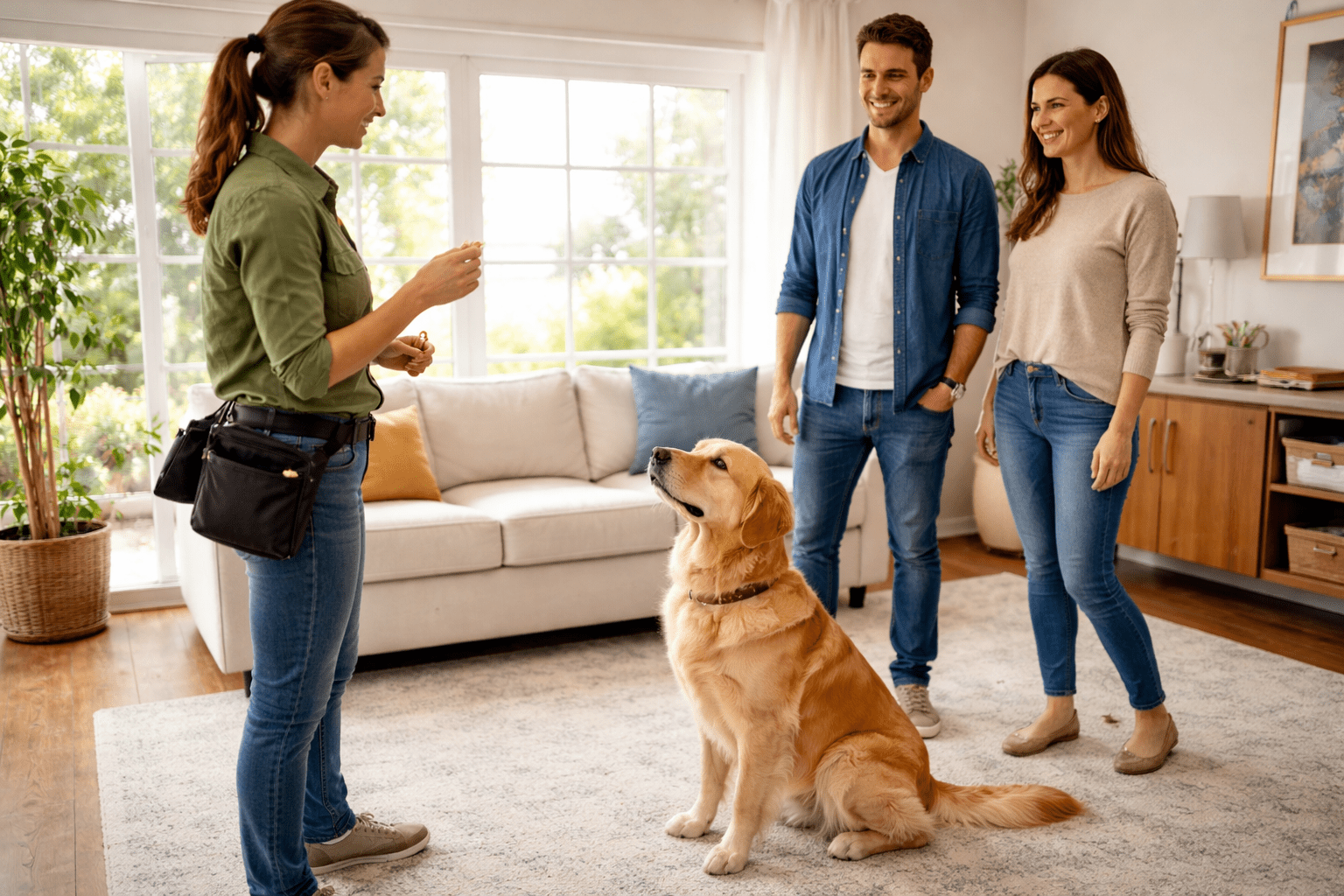
Teaching “sit” and “stay” commands creates a foundation for better greetings. When guests arrive, ask your dog to sit before allowing them to approach. Reward your dog for maintaining position while people enter.
The “off” or “back” command creates physical distance. When your dog starts inappropriate sniffing, use this command to move them away, then immediately redirect to an acceptable behavior like sitting.
Consistency matters more than any single training session. Everyone in your household should use the same commands and enforce the same rules.
Redirecting the Behavior
Give your dog an alternative greeting method. Teach them to bring a toy to guests or offer a paw for shaking, which redirects their greeting energy appropriately.
Create distance during initial greetings. Keep your dog on a leash or behind a baby gate until they calm down. Once settled, allow controlled interaction with clear boundaries.
Reward calm greetings immediately with praise and treats. Exercise your dog before expected visitors arrive to reduce overly enthusiastic greetings.
Want professional help teaching your dog better manners? Our obedience dog training programs focus on real-world situations and polite social behaviors.
Teaching Polite Greetings
Training your dog to greet people politely requires patience and consistent practice. Have guests ignore your dog completely until they’re calm. No eye contact, talking, or touching until your dog sits quietly.
Practice the “four paws on the floor” rule. Your dog only receives attention when all four paws are on the ground. If they jump or push, the person immediately turns away.
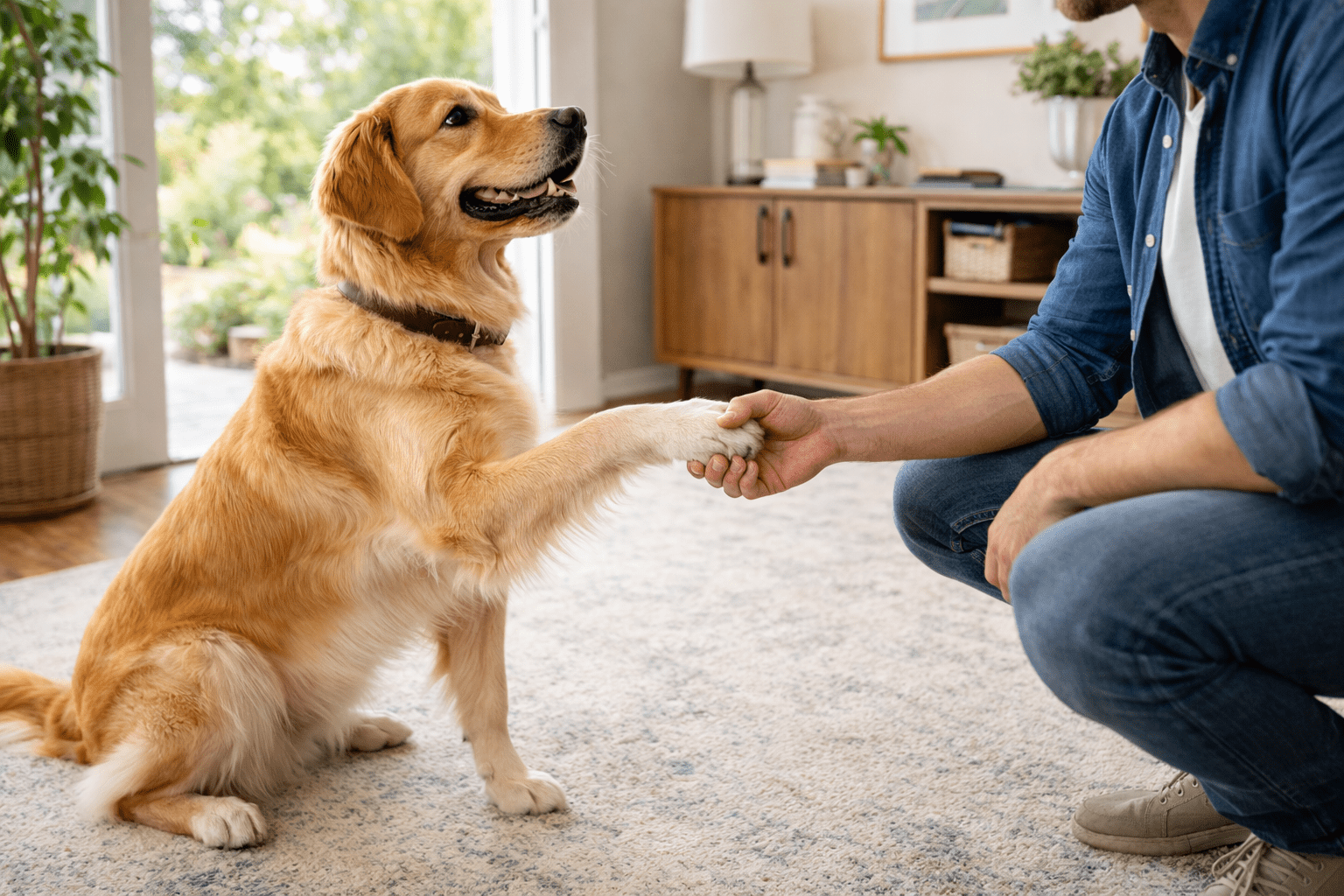
Use hand targeting as an alternative greeting. Teach your dog to touch their nose to an outstretched palm. This gives them a job during greetings that redirects attention from inappropriate sniffing.
Remember that changing greeting behavior takes time. Dogs need many repetitions before new habits replace old ones. For ongoing challenges, consider enrolling in positive reinforcement dog training classes.
Final Thoughts on Why Do Dogs Sniff Your Crotch
Understanding why do dogs sniff your crotch helps you respond with patience rather than embarrassment. This natural canine behavior stems from your dog’s incredible sense of smell and their need to gather information about the people around them. While it might feel awkward when your dog investigates guests, remember they’re simply doing what evolution designed them to do.
The good news is that you can teach your dog more socially acceptable ways to greet people while still honoring their natural instincts. Through consistent training, clear boundaries, and positive reinforcement, most dogs learn to control their sniffing impulses and greet visitors politely.
If your dog’s greeting behavior has become overwhelming or if you’re struggling to redirect it on your own, professional help makes a significant difference.
At K9 Mania Dog Training, we’re the leading board and train Long Island facility specializing in real-world behavior solutions. Our expert trainers can help your dog master polite greeting manners and resolve any training challenges you’re facing. Trust our proven methods to transform your dog’s behavior and strengthen your bond.
You May Also Want to Read
- Why Do Dogs Stare at Walls? Understanding This Unusual Behavior
- Why Do Dogs Tilt Their Heads: Understanding This Adorable Behavior
- Why Is My Dog So Clingy? Understanding and Managing Velcro Dog Behavior
- Why Do Dogs Stretch? Understanding Your Dog’s Body Language
Frequently Asked Questions
Why does my dog sniff my private area?
Your dog sniffs your private area because that’s where your body produces the strongest concentration of pheromones and scent information. The apocrine sweat glands in these areas release chemical signals that tell your dog about your identity, emotional state, and health status. This is completely normal canine behavior driven by their powerful sense of smell.
Should you let your dog sniff your crotch?
You don’t need to allow your dog to sniff your crotch or your guests’ private areas. While the behavior is natural, you can teach your dog more polite greeting alternatives. Redirect them to sit, offer a paw, or bring a toy instead. This maintains your dog’s dignity while respecting human social boundaries.
How do dogs act when they smell sickness?
Dogs often show increased attention and gentle behavior when they smell illness in humans. They may sniff more persistently around the affected area, follow you more closely, or rest near you. Some dogs become protective or refuse to leave your side. Trained medical alert dogs can even warn their owners before symptoms appear by detecting chemical changes in breath or sweat.
Can dogs smell when you are ovulating?
Yes, dogs can smell when you’re ovulating. The hormonal changes during your menstrual cycle create distinct scent signatures that dogs detect easily. You might notice your dog sniffs you more during ovulation or seems more interested in staying close. This heightened attention is simply your dog responding to the pheromone changes your body produces.
Do dogs like their privates touched?
Most dogs don’t particularly enjoy having their private areas touched, though they tolerate gentle handling from trusted people for grooming or medical care. Dogs may lick their own private areas for grooming or if they’re experiencing discomfort. If your dog shows excessive interest in their private areas through licking or scooting, consult your veterinarian as this could indicate a medical issue.
How long does it take to train a dog to stop sniffing crotches?
Training a dog to stop inappropriate sniffing typically takes 2-6 weeks of consistent practice, though some dogs require longer. Success depends on your dog’s age, personality, and how ingrained the habit is. Puppies often learn faster than adult dogs with established patterns. Daily practice sessions of 10-15 minutes, combined with real-world opportunities to greet people politely, produce the best results. Professional training can significantly speed up the process.