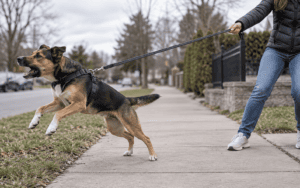
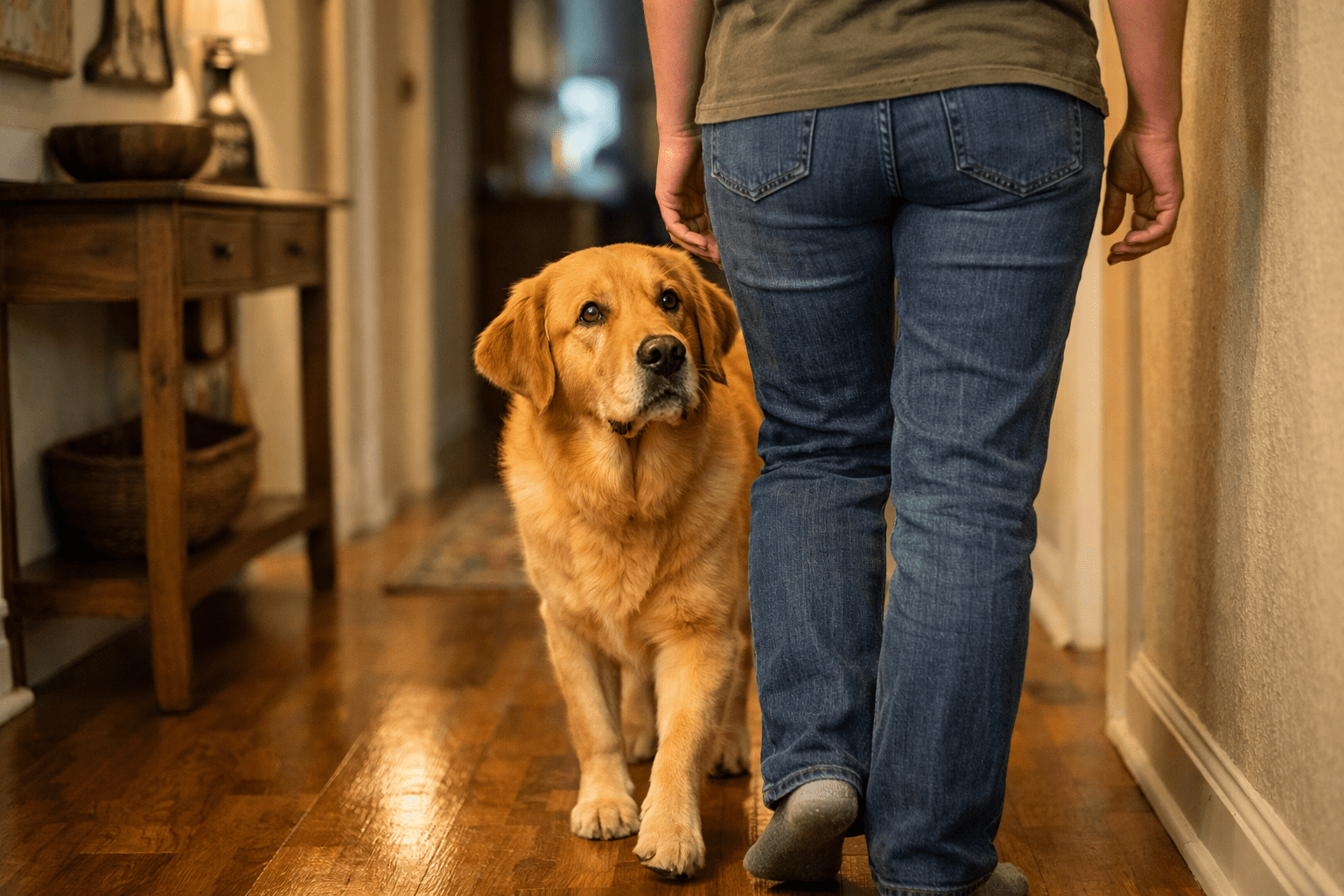
Why is my dog so clingy? Most dogs become clingy due to separation anxiety, lack of confidence, breed tendencies, or sudden life changes that make them feel insecure. This “velcro dog” behavior happens when your pup follows you everywhere, can’t relax when you’re out of sight, and needs constant reassurance you’re nearby.
Whether your dog has always been attached at the hip or suddenly started shadowing your every move, understanding the root cause helps you address the behavior effectively. Some clinginess is normal and even endearing, but excessive dependence can signal deeper anxiety issues that need attention.
In this guide, we’ll explore what makes dogs clingy, how to tell if it’s a problem, and practical steps you can take to help your dog feel more confident and independent.
Struggling with your dog’s separation anxiety? Our board and train Long Island program helps dogs build confidence and independence through structured training.
What Is a Velcro Dog?
A velcro dog is a dog that wants to be by your side at all times — following you from room to room, leaning against you, and becoming uneasy the moment you’re out of sight. The term comes from Velcro fasteners: these dogs “stick” to their owners. Velcro dog behavior is usually rooted in breed instinct, insecurity, or learned dependency rather than disobedience.
Being a velcro dog isn’t the same as having separation anxiety. A velcro dog prefers to be near you but can cope when you leave; a dog with separation anxiety panics. The sections below break down what causes velcro dog behavior and how to build your dog’s independence.
Understanding Why Dogs Become Clingy
Dogs don’t become velcro pets overnight. Several factors contribute to clingy behavior, and identifying the specific cause helps you create an effective training plan.

Separation Anxiety vs. Normal Attachment
There’s a big difference between a dog who enjoys your company and one suffering from separation anxiety. A dog with healthy attachment might follow you around the house but settles down when you leave. They might greet you happily when you return but don’t show signs of distress.
A dog with separation anxiety experiences genuine panic when separated from you. They might drool excessively, pace frantically, bark nonstop, or even hurt themselves trying to escape. This goes beyond wanting to be near you and becomes a serious behavioral issue.
Normal attachment feels comfortable for both you and your dog. Separation anxiety creates stress for everyone involved. If your dog destroys furniture, has accidents indoors only when you’re gone, or injures themselves in your absence, you’re likely dealing with anxiety rather than simple preference.
Breed Tendencies and Personality Traits
Some breeds were specifically developed to work closely with humans. Herding breeds like Australian Shepherds and Border Collies have strong instincts to keep their “flock” together, which often means following you from room to room.
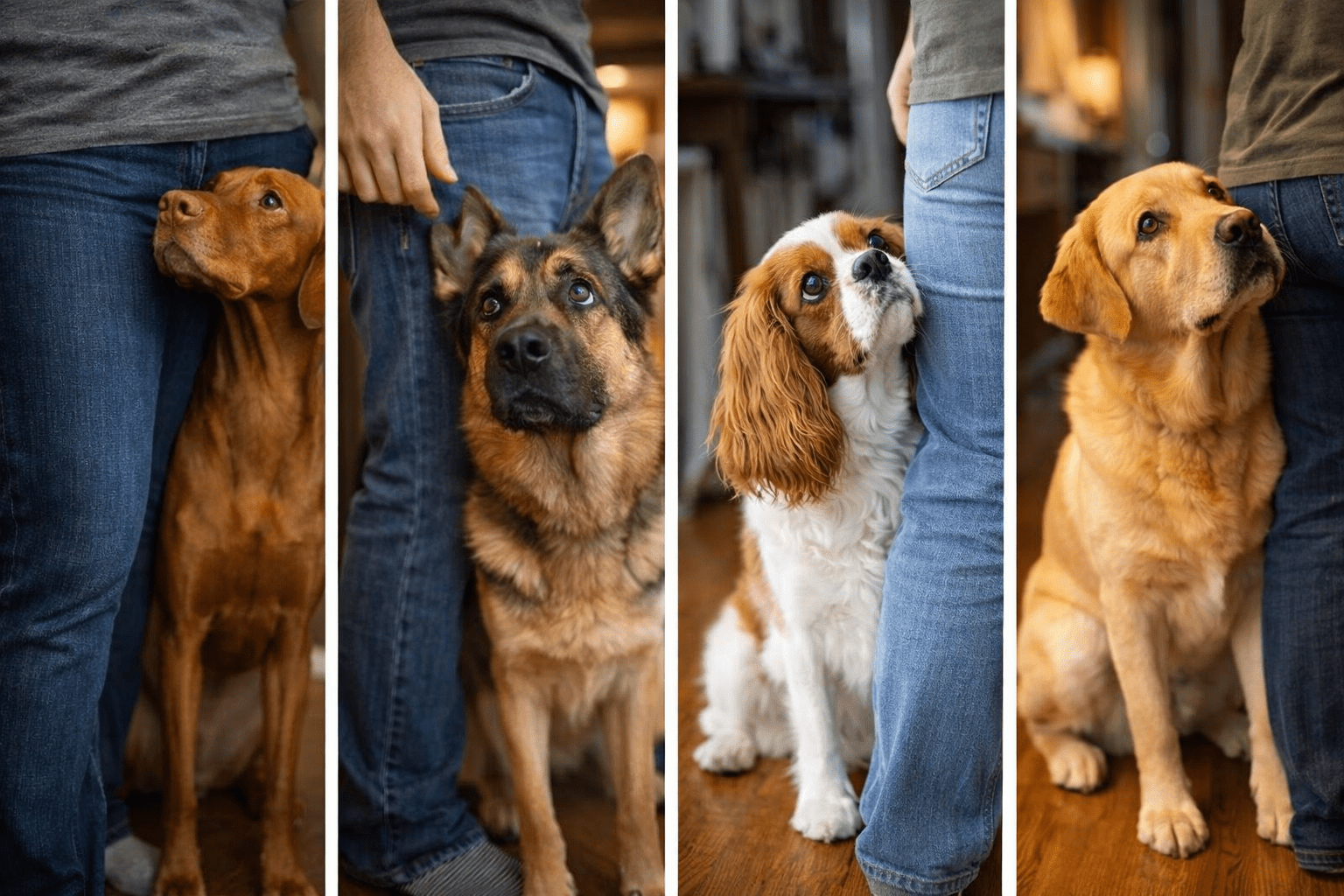
Companion breeds like Cavalier King Charles Spaniels, Havanese, and Toy Poodles were bred specifically to be lap dogs and constant companions. Their entire job throughout history has been staying close to their humans.
Velcro breeds include:
- Labrador Retrievers
- Golden Retrievers
- German Shepherds
- Vizslas
- Italian Greyhounds
- French Bulldogs
Even within these breeds, individual personality plays a huge role. Some Labs are perfectly content lounging alone in another room, while others won’t let you out of their sight.
Life Changes and Environmental Factors
Dogs are creatures of habit, and major changes can trigger clingy behavior even in previously independent dogs. Moving to a new house, adding a baby to the family, changing work schedules, or losing another pet can all make dogs feel insecure.
Rescue dogs often show clingy behavior as they adjust to their new homes. They’ve experienced loss and uncertainty, so they naturally want to keep their new person in sight at all times.
Medical issues like hearing or vision loss can also increase clinginess. When dogs can’t rely on their senses as well, they depend more heavily on staying physically close to feel safe.
Common Causes of Clingy Dog Behavior
Understanding the specific reasons behind your dog’s clinginess helps you address the root cause rather than just treating symptoms.
| Cause | What It Looks Like | Why It Happens |
| Lack of Early Socialization | Dog is fearful of new situations, relies on you for security | Didn’t learn independence as a puppy, sees you as only safe space |
| Reinforced Dependency | Dog gets attention every time they demand it | You’ve accidentally trained them that being clingy gets rewards |
| Boredom and Lack of Stimulation | Follows you because there’s nothing else interesting to do | Not enough mental or physical exercise, you’re their only entertainment |
| Medical Issues | Sudden increase in clingy behavior, especially in older dogs | Pain, cognitive decline, or illness making them feel vulnerable |
| Past Trauma or Rehoming | Extreme fear of being left alone, panic at separation | Previous abandonment or inconsistent care created trust issues |
| Natural Breed Instinct | Constant following but generally calm demeanor | Bred to work closely with humans or be companion animals |
Signs Your Dog Has Become Too Clingy
Not all attachment is problematic. Here’s how to tell if your dog’s clinginess has crossed into concerning territory.
Physical Following and Shadow Behavior
A clingy dog literally becomes your shadow. They follow you to the bathroom, stand outside the shower, and position themselves between you and the door whenever you move toward it. This goes beyond normal curiosity or companionship.
Watch for your dog blocking your path or physically inserting themselves between you and other people or pets. This possessive behavior often stems from insecurity rather than protectiveness.
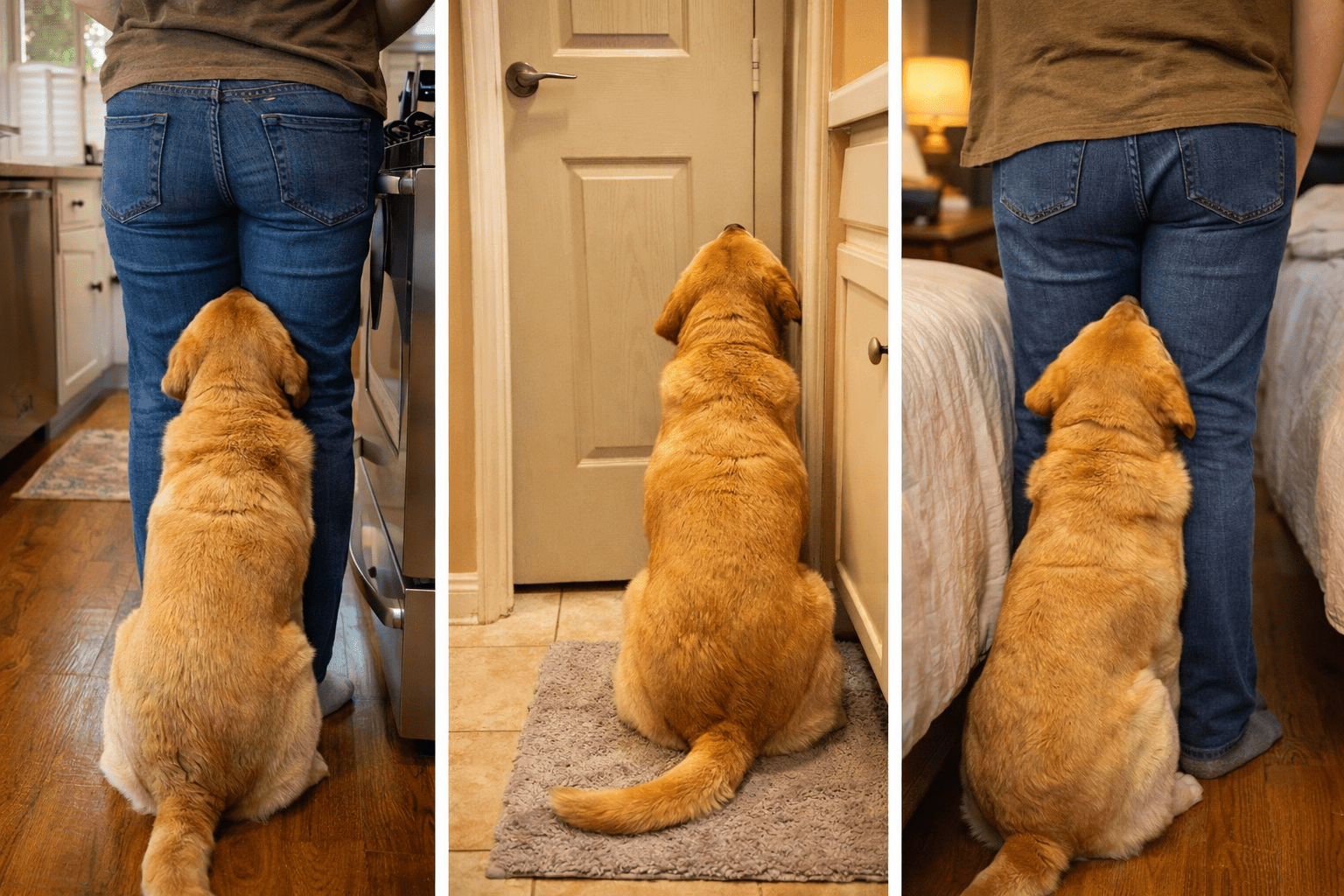
If your dog can’t settle down unless they’re touching you, or they immediately stand up and follow whenever you shift positions, they’ve likely developed unhealthy dependence.
Excessive Whining or Barking
Some vocalization when you leave is normal, especially for puppies still learning independence. Excessive noise that continues for extended periods signals a problem.
Dogs with separation distress often start whining or barking the moment you grab your keys or put on shoes. They’ve learned these cues mean you’re leaving, and their anxiety spikes immediately.
Neighbors reporting constant barking while you’re gone is a clear sign your dog isn’t just missing you but is genuinely distressed by your absence.
Destructive Behavior When Left Alone
A truly anxious dog doesn’t destroy things out of spite or boredom. They’re trying to escape to find you, or they’re so stressed they need an outlet for their anxiety.
Common destruction patterns include:
- Scratching at doors and windows
- Chewing door frames or window sills near exits
- Destroying items that smell like you (shoes, clothing, furniture you sit on)
- Having accidents indoors despite being housetrained
This destructive behavior typically happens within the first 30 minutes of your departure. If your dog can handle short absences but falls apart after an hour or two, you’re more likely dealing with boredom than separation anxiety.
Does your dog show signs of depression alongside clingy behavior? Read our guide on signs your dog is depressed to understand the connection between anxiety and mood changes.
Breed Differences in Clinginess
Why is my dog so clingy when other dogs seem perfectly independent? Genetics play a surprisingly large role in your dog’s need for constant companionship.
Velcro Dog Breeds: Dogs Bred for Companionship
Toy breeds and companion dogs were specifically developed to be lap warmers and constant companions for their owners. Their entire genetic purpose revolves around staying close to humans.
Breeds like Pugs, Shih Tzus, and Maltese have no job other than being your best friend. Expecting them to be independent goes against centuries of selective breeding. These dogs often struggle more with alone time than working breeds.
Small companion breeds also lack the confidence that comes with size. Being tiny in a big world naturally makes them more reliant on their humans for safety and security.
Working Dogs and Attachment
Working breeds form intense bonds because they were bred to take direction from and work closely with handlers. German Shepherds, Border Collies, and Belgian Malinois create deep attachments to their primary handler.
The difference is that working breeds usually transfer their attachment to a job or task. When properly trained and given work to do, they channel their bonding instinct into their tasks rather than clingy behavior.
Without adequate mental stimulation and structured training, working breeds often become anxiously attached. They have intense drives and intelligence with nowhere to direct it, so they fixate on their owner as their sole purpose.
Clingy vs. Anxious Behavior Comparison
Not all following and attachment signals a problem. Here’s how to tell the difference between a dog who loves your company and one suffering from anxiety.
| Clingy (Normal Attachment) | Anxious (Problematic Attachment) |
| Follows you but settles down when you’re busy | Can’t relax even when you’re home and present |
| Greets you happily but doesn’t panic when you leave | Shows distress signals before you even leave |
| Enjoys being near you but can play independently | Refuses to engage with toys or activities without you |
| Sleeps peacefully in another room if needed | Must sleep touching you or can’t settle |
| Responds to basic commands even when excited | Too anxious to focus on training or commands |
| Shows interest in other people and dogs | Ignores others, fixated only on you |
| Can stay with trusted friends or family without issues | Refuses to eat or engage when you’re not present |
How to Help Your Clingy Dog Become More Independent
You can help your velcro dog develop confidence and independence without damaging your bond. These techniques work gradually to reduce anxiety and build self-assurance.
Gradual Desensitization Training
Start with extremely short separations. Leave the room for five seconds, then return before your dog gets anxious. Gradually increase the time as your dog learns you always come back.
Practice departure cues without actually leaving. Put on your shoes, grab your keys, then sit back down and watch TV. This helps break the association between these actions and your departure.
Create a departure routine that becomes boring and predictable. When leaving always causes panic, making it mundane helps reduce the emotional intensity. Give your dog a long-lasting chew, say a calm goodbye, and leave without fanfare.
The key is working below your dog’s anxiety threshold. If your dog shows distress, you’ve moved too fast. Back up to a level where they stay calm and rebuild from there.
Creating Safe Spaces
Give your dog a designated spot where they feel secure when you’re away. This could be a crate, a specific room, or a comfortable bed in a quiet corner.
Make this space positive by feeding meals there, providing special treats, and ensuring it’s associated with good things. Never use it for punishment or timeouts.
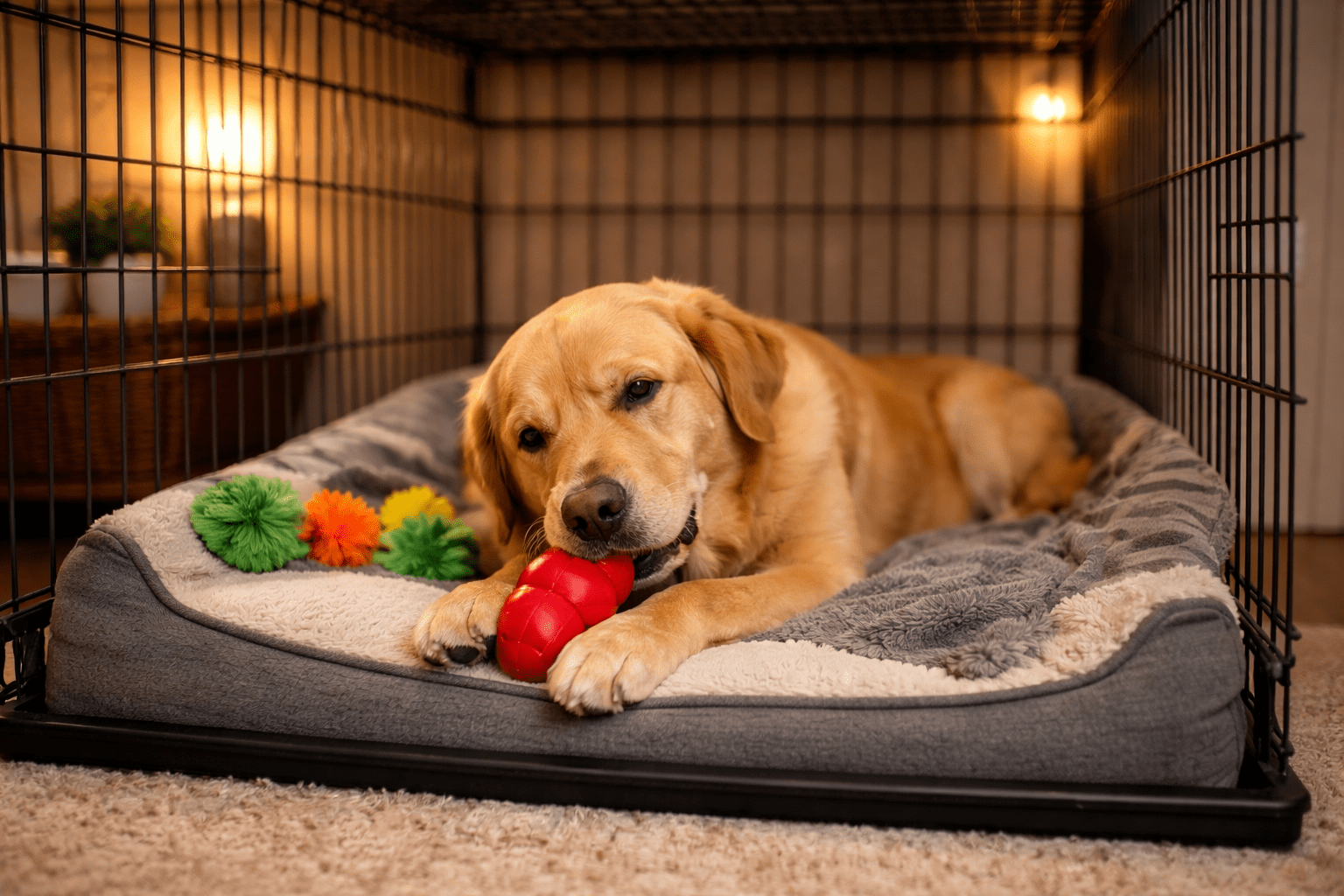
Consider leaving an item of clothing with your scent or playing calming music designed for dogs. Some dogs benefit from puzzle toys or frozen Kongs that keep them occupied during your absence.
The goal is creating an environment where your dog can relax without you, not just tolerating your absence but actually enjoying their alone time.
Building Confidence Through Training
Dogs who lack confidence often become clingy because they don’t trust their own ability to handle situations. Training builds confidence by teaching them they can solve problems and make decisions.
Teach your dog new skills and tricks regularly. The mental stimulation tires them out, and successfully learning commands boosts their self-esteem. Even simple tricks like “spin” or “high five” help build confidence.
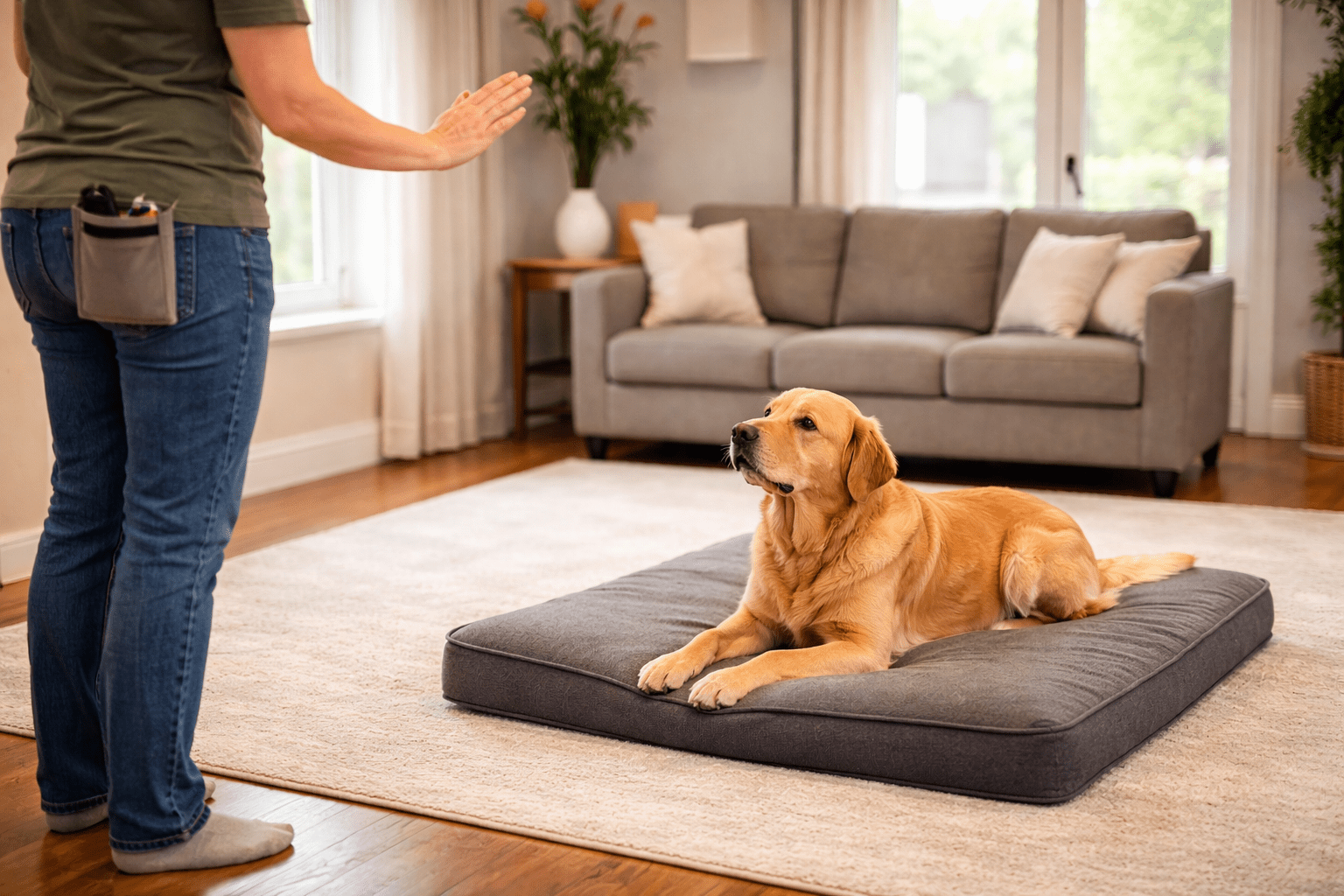
Practice independence exercises where your dog must work slightly away from you. “Place” or “go to bed” commands teach them they can be comfortable at a distance. Gradually increase the distance and duration.
Proper socialization with other dogs and people also builds confidence. Dogs who have positive experiences in various environments become more adaptable and less dependent on you as their only source of security.
Ready to transform your clingy dog into a confident companion? Our private dog training Long Island sessions focus on building independence and reducing anxiety through proven techniques.
When Clingy Behavior Signals a Problem
Sometimes excessive clinginess points to underlying issues that need professional attention. Knowing when to seek help prevents problems from escalating.
Medical Issues to Rule Out
Sudden changes in behavior often have medical causes. If your independent dog suddenly becomes velcro-attached, schedule a vet visit before assuming it’s purely behavioral.
Older dogs developing cognitive dysfunction may become clingy because they’re confused or disoriented. Vision or hearing loss makes dogs more dependent on staying close to you for navigation and security.
Pain and illness naturally make dogs seek comfort from their owners. Conditions like hypothyroidism can cause anxiety and mood changes that manifest as clinginess.
Always rule out medical causes before implementing behavior modification plans. Treating anxiety with training when your dog has an underlying health issue won’t solve the problem and may make things worse.
Behavioral Red Flags
Some clingy behaviors indicate severe separation anxiety or other serious issues requiring professional help:
- Self-injury when left alone (broken teeth, damaged nails, cuts from escape attempts)
- Complete refusal to eat or drink when separated
- Persistent house soiling despite being fully housetrained
- Aggressive behavior toward people trying to separate you from your dog
- Panic attacks with excessive drooling, panting, and inability to settle
These severe symptoms don’t respond well to DIY training. Working with a certified dog trainer or veterinary behaviorist gives you and your dog the best chance at improvement.
Medication may be necessary alongside behavior modification for dogs with true separation anxiety. Don’t view this as failure but as providing your dog with the tools they need to feel safe and calm.
Understanding your dog’s overall behavioral health helps address clinginess effectively. Learn more about top reasons to train your dog and how structured training builds confidence and independence.
Wrapping Up: Why Is My Dog So Clingy
Understanding why is my dog so clingy helps you address the root cause rather than just managing symptoms. Whether your dog’s attachment stems from breed tendencies, lack of socialization, past trauma, or separation anxiety, you can help them develop independence while maintaining your strong bond.
The most effective approach combines gradual desensitization, confidence-building training, and creating positive associations with alone time. Remember that some breeds naturally stick closer to their owners, and that’s perfectly normal as long as both you and your dog are comfortable with the arrangement.
If your dog’s clinginess interferes with daily life or causes genuine distress for either of you, don’t hesitate to seek professional help. With patience, consistency, and the right training approach, even the most velcro dog can learn to feel secure and confident when you’re not around.
At K9 Mania Dog Training, we specialize in helping anxious, clingy dogs become confident and independent through our proven board and train Long Island program. Our experienced trainers understand separation anxiety and use positive, effective methods to help dogs feel secure without constant human presence. Whether your dog needs obedience dog training or intensive behavior modification, we’ll create a customized plan that addresses your dog’s specific needs. Trust K9 Mania Dog Training to help your velcro dog become the confident companion they’re meant to be.
You May Also Want to Read
- How to Stop Territorial Barking: Effective Training Methods That Work
- How to Calm a Panting Dog: Expert Techniques That Work
- Why Do Dogs Stare at Walls? Understanding This Unusual Behavior
- Why Do Dogs Tilt Their Heads: Understanding This Adorable Behavior
Frequently Asked Questions
What does velcro dog mean?
A velcro dog is a dog that wants to stay very close to their owner all the time, almost like they are “stuck” to them. They may follow you from room to room, sit beside you, sleep near you, or get anxious when you leave. This can come from affection, habit, boredom, insecurity, or separation anxiety.
Why is my dog so attached to me?
Dogs become attached to their primary caregiver because you provide food, safety, companionship, and meet all their basic needs. This attachment is healthy and normal. However, excessive attachment where your dog can’t function without you present indicates separation anxiety rather than normal bonding. Strong attachment becomes problematic only when it causes distress for you or your dog.
What breed of dog is the most clingy?
Velcro breeds include Vizslas, Italian Greyhounds, Labrador Retrievers, German Shepherds, and most toy breeds like Cavalier King Charles Spaniels and Maltese. These dogs were bred specifically for companionship or to work closely with handlers. However, individual personality matters more than breed. Any dog can be clingy depending on their experiences, training, and temperament.
How do I get my dog to stop being so clingy?
Start with short separations and gradually increase duration as your dog stays calm. Practice departure cues without leaving to reduce anxiety triggers. Build confidence through regular training sessions and provide mental stimulation with puzzle toys. Create positive associations with alone time using special treats or Kongs. Most importantly, avoid reinforcing clingy behavior by giving attention when your dog demands it. Reward calm, independent behavior instead.
Is it OK to ignore a clingy dog?
Ignoring demands for attention can help reduce clingy behavior, but completely ignoring a truly anxious dog may worsen their panic. The key is teaching your dog that calm, independent behavior earns rewards while demanding behavior gets nothing. If your dog shows genuine distress rather than just seeking attention, work on gradual desensitization instead of pure ignoring. Consider consulting a professional if you’re unsure whether your dog is anxious or just attention-seeking.
What is a red flag dog’s behavior?
Red flag behaviors include sudden aggression, resource guarding that escalates quickly, inability to settle or relax even when needs are met, and self-injury during separation. Other concerning signs include constant panting or drooling without exercise, refusing to eat for extended periods, persistent house soiling despite being trained, and extreme fear responses to normal situations. These behaviors often require professional intervention rather than DIY training solutions.
How do dogs choose their favorite person?
Dogs typically bond strongest with whoever spends the most positive time with them during their critical socialization period (3-14 weeks). In adult dogs, the person who provides food, walks, training, and play usually becomes the favorite. Positive associations matter more than time spent together. Consistent, reward-based interactions create stronger bonds than simply being present. Dogs also gravitate toward calm, confident people who meet their needs without creating stress or anxiety.