Dogs shake for many reasons, from simple excitement and wet fur to more serious causes like fear, pain, or medical conditions. Most shaking is normal behavior, but persistent or unexplained shaking can signal health issues that need veterinary attention.
Have you ever watched your dog suddenly start shaking and wondered if something was wrong? You’re not alone. Dog owners everywhere ask “why do dogs shake” when they notice their furry friend trembling, shivering, or shuddering.
The good news is that shaking is often completely normal. Dogs shake to dry off, release tension, or express emotions. But sometimes, shaking points to deeper problems like illness, pain, or anxiety that require professional help.
In this guide, we’ll break down the most common reasons for dog shaking, help you spot warning signs, and show you when to take action. By the end, you’ll know exactly what your dog’s shaking means and what to do about it.
Does your dog show signs of fear or anxiety? Learn more about why my dog is scared and how to help them feel safe.
Common Reasons Why Do Dogs Shake
Understanding the different causes of shaking helps you respond appropriately to your dog’s needs. Some triggers are totally harmless, while others need immediate attention from a vet or professional trainer.
Physical Reasons for Shaking
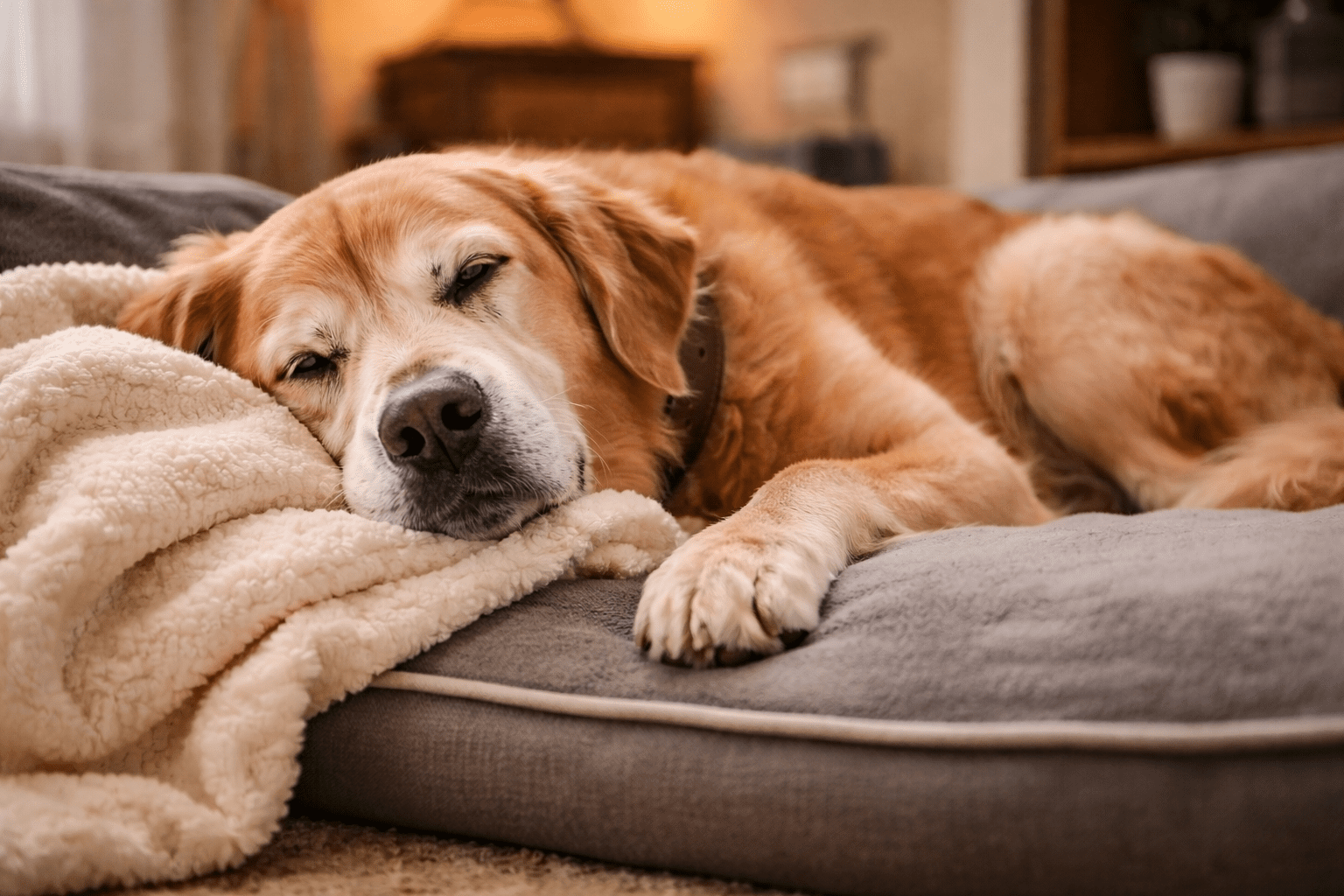
Dogs shake their bodies for practical physical reasons that have nothing to do with health problems.
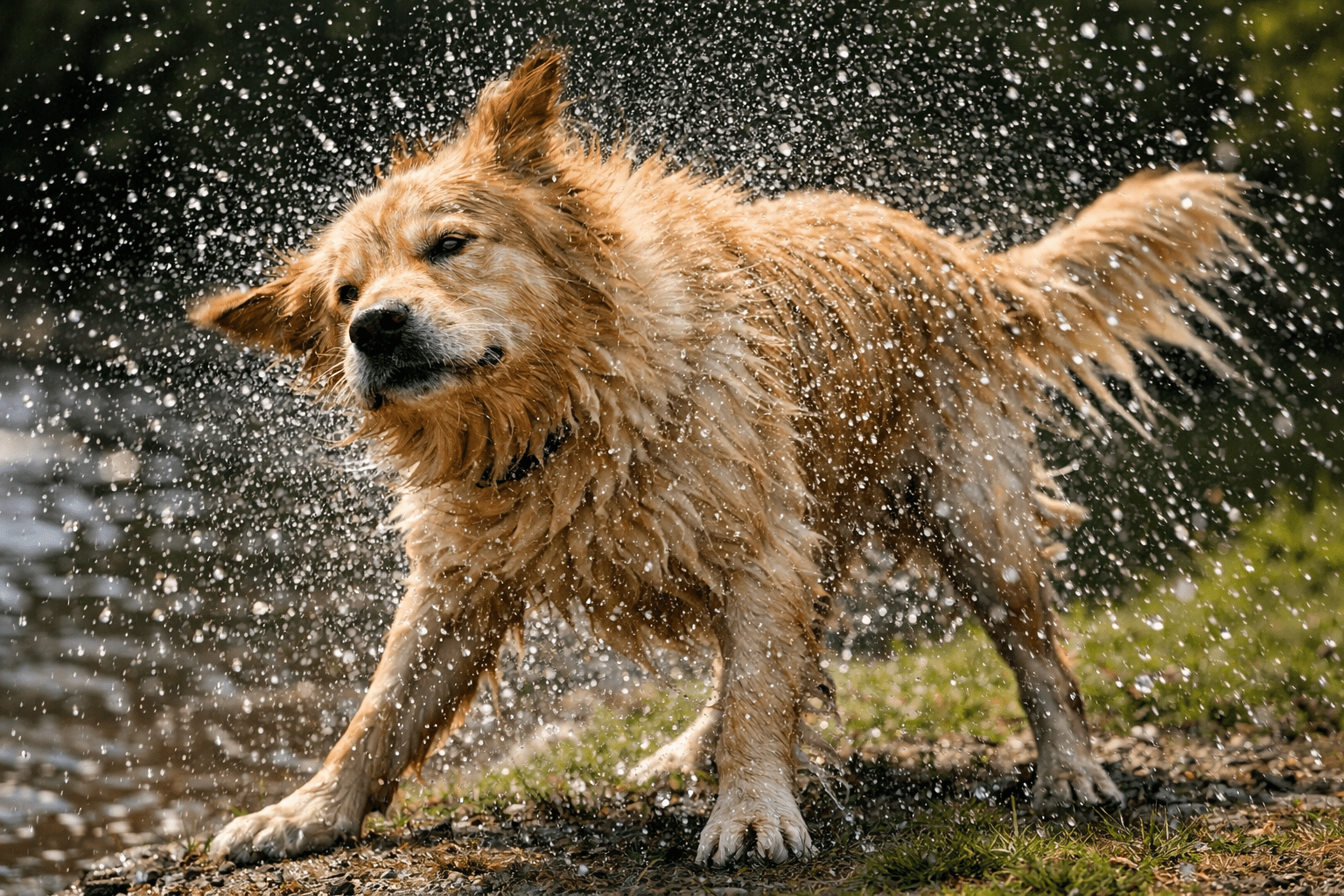
The most obvious is when your dog gets wet. After a bath, swim, or walk in the rain, dogs shake vigorously from head to tail. This full-body shake can remove up to 70% of water from their coat in just seconds. It’s an efficient drying method that’s completely instinctive.
Dogs also shake when they wake up from sleep or a long rest. This helps them transition from relaxation mode to activity. It loosens their muscles and gets blood flowing, similar to how people stretch after sitting too long.
Sometimes dogs shake to relieve tension or discomfort. If your dog wears a collar, harness, or clothing, they might shake to adjust how it feels. They also shake after stressful situations, like vet visits or encounters with other dogs, to release built-up tension.
Emotional and Behavioral Triggers
Your dog’s emotional state directly affects their physical behavior, and shaking is one way they express feelings.
Excitement causes many dogs to shake or tremble. When you come home after being away, your dog might shake with joy and anticipation. This type of shaking usually comes with other happy behaviors like tail wagging, jumping, or spinning.
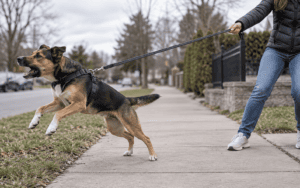
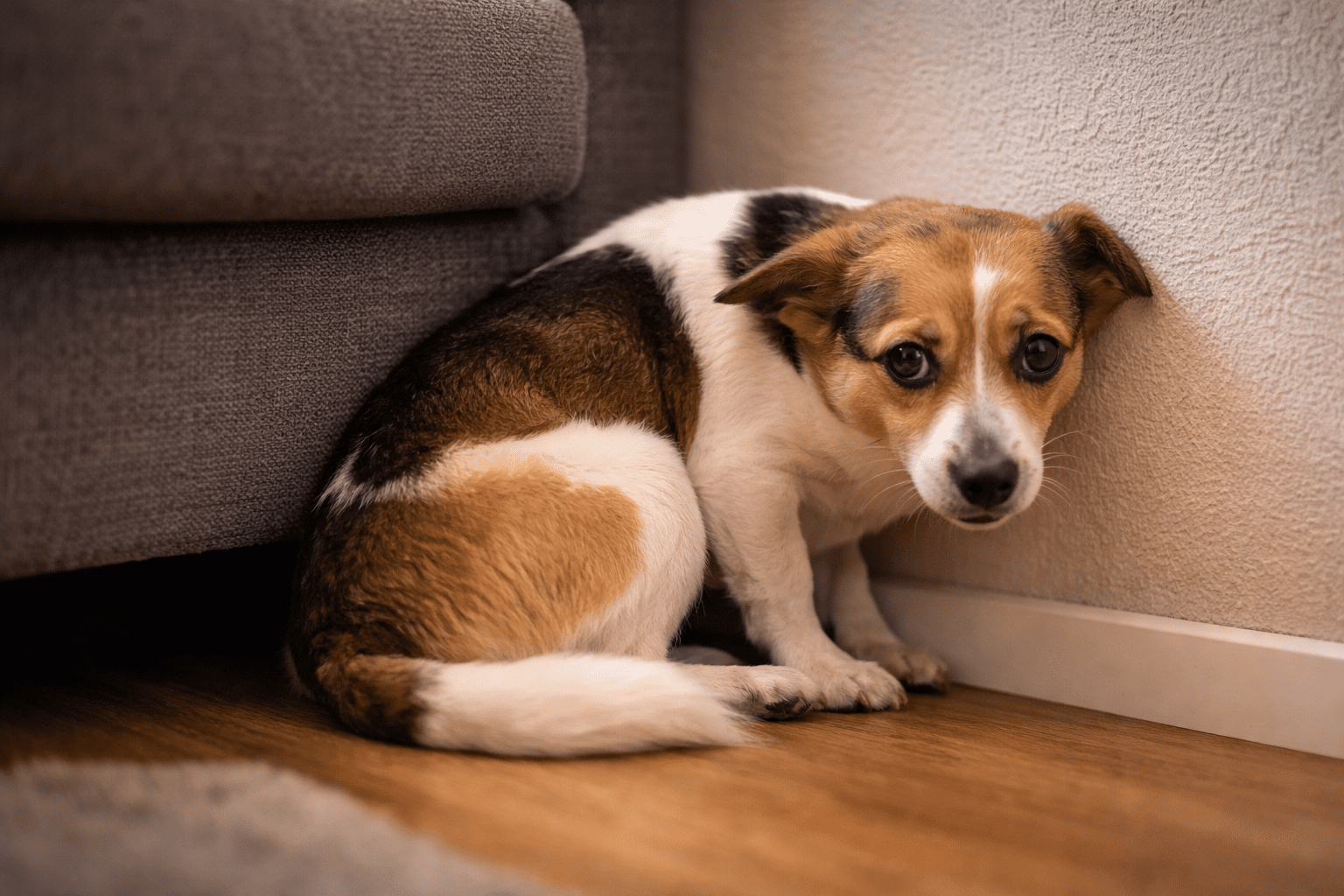
Fear and anxiety are major causes of shaking in dogs. Loud noises like thunderstorms, fireworks, or construction can trigger trembling. Some dogs shake when meeting new people or visiting unfamiliar places. If your dog consistently shakes in certain situations, they may have developed an anxiety response that needs addressing through dog behavior training.
Stress also manifests as shaking. Changes in routine, new family members, or moving to a new home can stress dogs enough to cause trembling. Unlike excitement shaking, stress-related shaking often comes with other signs like pacing, panting, or avoiding eye contact.
Medical Conditions That Cause Shaking
While many reasons for shaking are harmless, some point to health issues that need veterinary care.
Pain is a common medical reason dogs shake. If your dog has arthritis, an injury, or an internal problem, they might tremble as their body responds to discomfort. Shaking from pain often gets worse with movement or when you touch certain areas of their body.
Nausea and digestive problems can cause shaking too. Dogs who ate something that upset their stomach or who have motion sickness may shake or shiver. This usually comes with other symptoms like drooling, lip licking, or refusing food.
Neurological issues sometimes cause persistent shaking. Conditions like seizures, distemper, or generalized tremor syndrome affect the nervous system and lead to uncontrollable shaking. Generalized tremor syndrome, also called white shaker syndrome, causes full-body tremors that don’t stop without treatment.
Poisoning is a serious cause of sudden shaking. If your dog ate something toxic like chocolate, certain plants, or household chemicals, they might shake along with vomiting, weakness, or collapse. This is always an emergency.
Old age brings conditions like cognitive dysfunction or muscle weakness that can cause shaking in senior dogs. Their bodies simply don’t regulate temperature or movement as well as they used to.
Do Dogs Shake When Excited?
Yes, dogs often shake or tremble when they’re excited, and it’s completely normal behavior. This type of shaking typically occurs during highly stimulating situations like greeting their favorite person, anticipating a walk, or before mealtime. The trembling happens because excitement triggers an adrenaline rush, causing involuntary muscle contractions.
You’ll notice this excitement-shaking differs from stress-related trembling, it’s accompanied by positive body language like tail wagging, jumping, and alert ears. Small and high-energy breeds tend to shake more visibly when excited due to their faster metabolisms and heightened emotional responses. If your dog shakes during happy moments but otherwise seems healthy and energetic, there’s typically no cause for
When Shaking Is Normal Behavior
Not all shaking means something is wrong. Dogs shake as part of their natural behavior patterns, and recognizing normal shaking helps you avoid unnecessary worry.
The Classic Wet Dog Shake
Every dog owner knows this one. The moment your dog steps out of water, they plant their feet and shake violently from nose to tail. This shake starts at the head and travels down the body in a wave-like motion.
This type of shaking is hardwired into your dog’s instincts. Wet fur is heavy and cold, and shaking is the fastest way to remove water. Studies show dogs can shake at speeds that create centrifugal forces strong enough to fling water several feet.
You’ll notice this shake is different from other types. It’s intentional, vigorous, and your dog usually does it right after getting wet. There’s nothing to worry about here.
Post-Sleep and Wake-Up Shakes
Many dogs shake when they first wake up or stand up after lying down for a while. This is their way of loosening stiff muscles and getting their body ready to move.
Think of it like your morning stretch. The shake helps increase blood flow and alerts their nervous system that it’s time to be active. You might also hear them groan or yawn during this shake.
This type of shaking is brief, happens during transitions from rest to activity, and doesn’t continue throughout the day. It’s completely normal.
Excitement and Happy Shaking
Some dogs tremble when they’re extremely happy or excited. This often happens during greetings, before meals, or when they know something fun is about to happen.
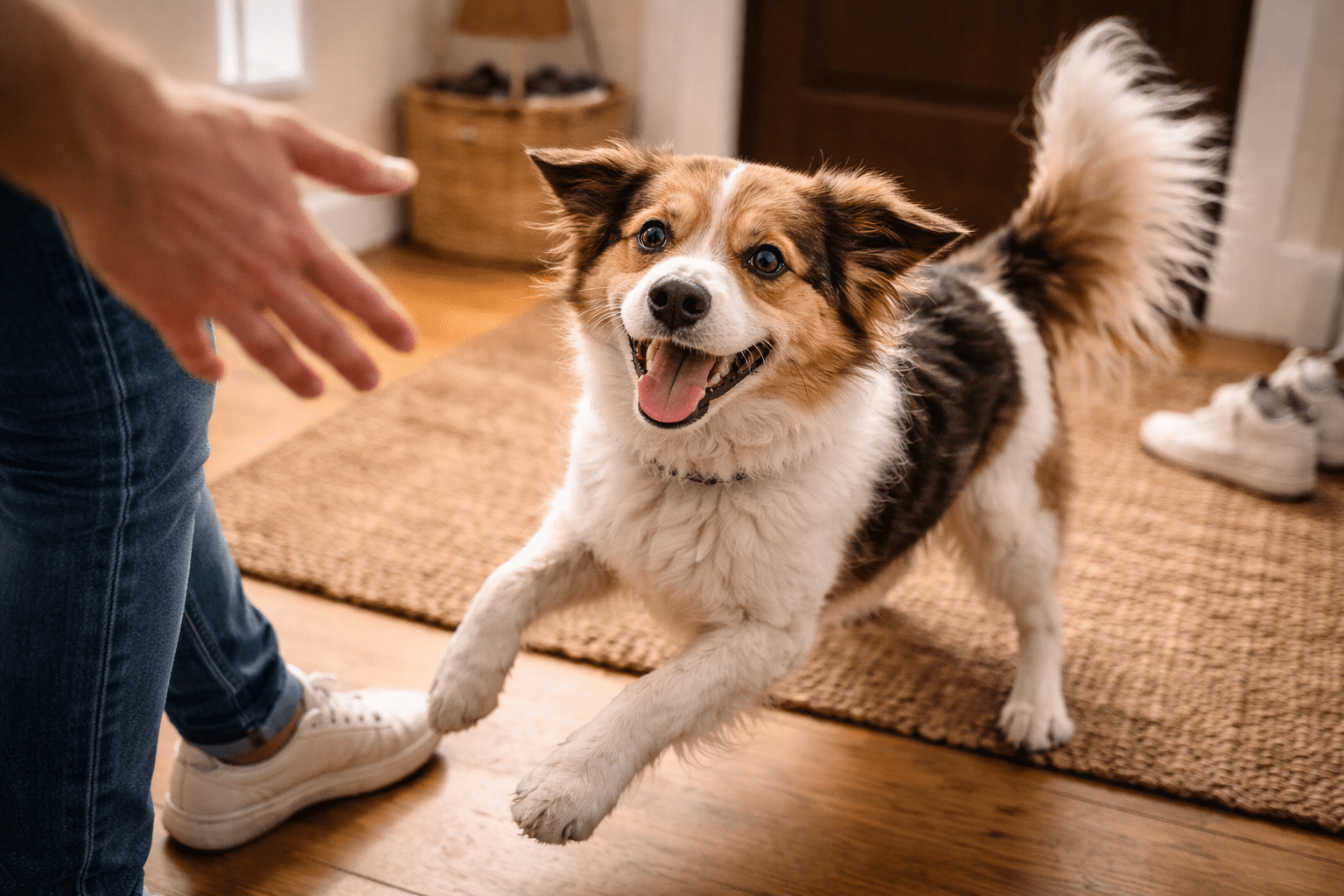
This shaking looks different from fear-based trembling. Your dog’s body language will be loose and wiggly, their tail will wag, and they might jump or vocalize. The shaking stops once the exciting moment passes.
If your dog only shakes during positive experiences and shows no signs of distress, this is just their way of expressing joy.
When to Worry About Your Dog Shaking
Knowing the difference between normal and concerning shaking can help you decide when to call your vet or seek professional training help.
Red Flags That Need Veterinary Attention
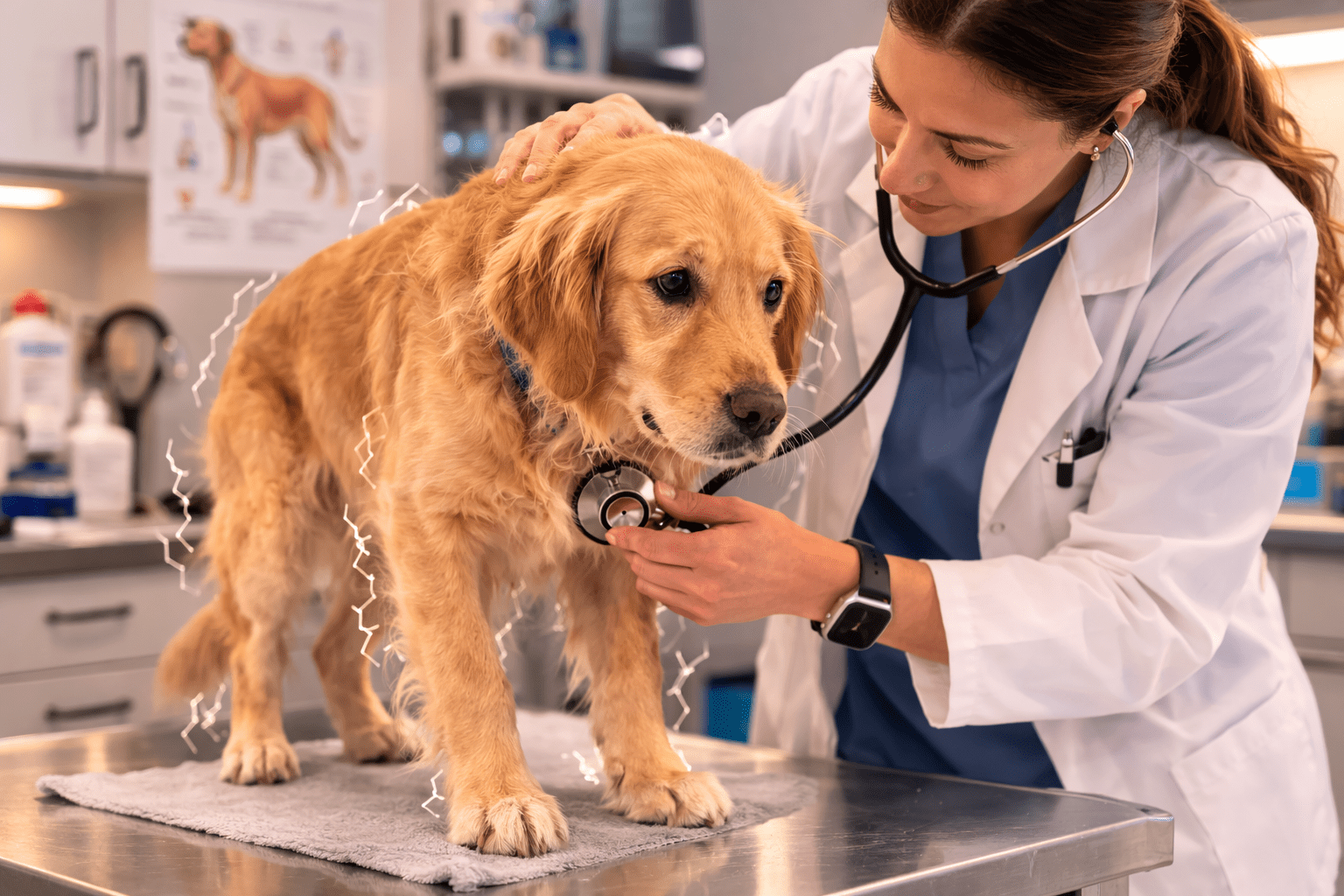
Some types of shaking require immediate medical care. Watch for these warning signs:
| Warning Sign | What It Might Mean | Action to Take |
| Shaking with vomiting, diarrhea, or lethargy | Poisoning, severe illness, or organ failure | Emergency vet visit immediately |
| Shaking that won’t stop or gets worse | Neurological problem, seizure disorder, or pain | Call vet same day |
| Shaking with weakness or collapse | Heart problem, internal bleeding, or shock | Emergency vet visit immediately |
| Shaking with difficulty breathing | Respiratory distress, heart failure, or allergic reaction | Emergency vet visit immediately |
| Localized shaking in one limb | Injury, nerve damage, or joint problem | Vet appointment within 24-48 hours |
| Shaking with loss of appetite lasting over 24 hours | Various illnesses, pain, or digestive issues | Vet appointment within 24-48 hours |
Behavioral Shaking That Needs Training
Not all concerning shaking is medical. Some dogs shake because of fear, anxiety, or lack of proper socialization. These behavioral issues respond well to professional training.
If your dog shakes during specific situations like car rides, vet visits, or when meeting strangers, they likely need help managing anxiety. Shaking that happens during thunderstorms or fireworks suggests noise phobia.
Dogs who shake when left alone might have separation anxiety. Those who tremble around other dogs may need better socialization skills.
Professional obedience dog training can address these issues by building confidence, teaching coping skills, and creating positive associations with triggering situations.
How to Help a Shaking Dog
Your response to your dog’s shaking depends on the cause. Here’s how to help based on different situations.
Solutions for Common Shaking Triggers
| Cause of Shaking | What to Do | What NOT to Do |
| Wet from bath or rain | Let them shake it off, then towel dry | Prevent the natural shake (they need it) |
| Excitement | Stay calm, reward calm behavior | Match their energy level |
| Fear or anxiety | Create safe space, use calming techniques | Force them into scary situations |
| Cold temperature | Provide warmth, shelter, or dog coat | Leave them outside in cold weather |
| After stressful event | Allow decompression time, gentle comfort | Immediately introduce more stress |
| Pain or illness | Contact vet, avoid moving them unnecessarily | Give human medication or wait too long |
Building Confidence Through Training
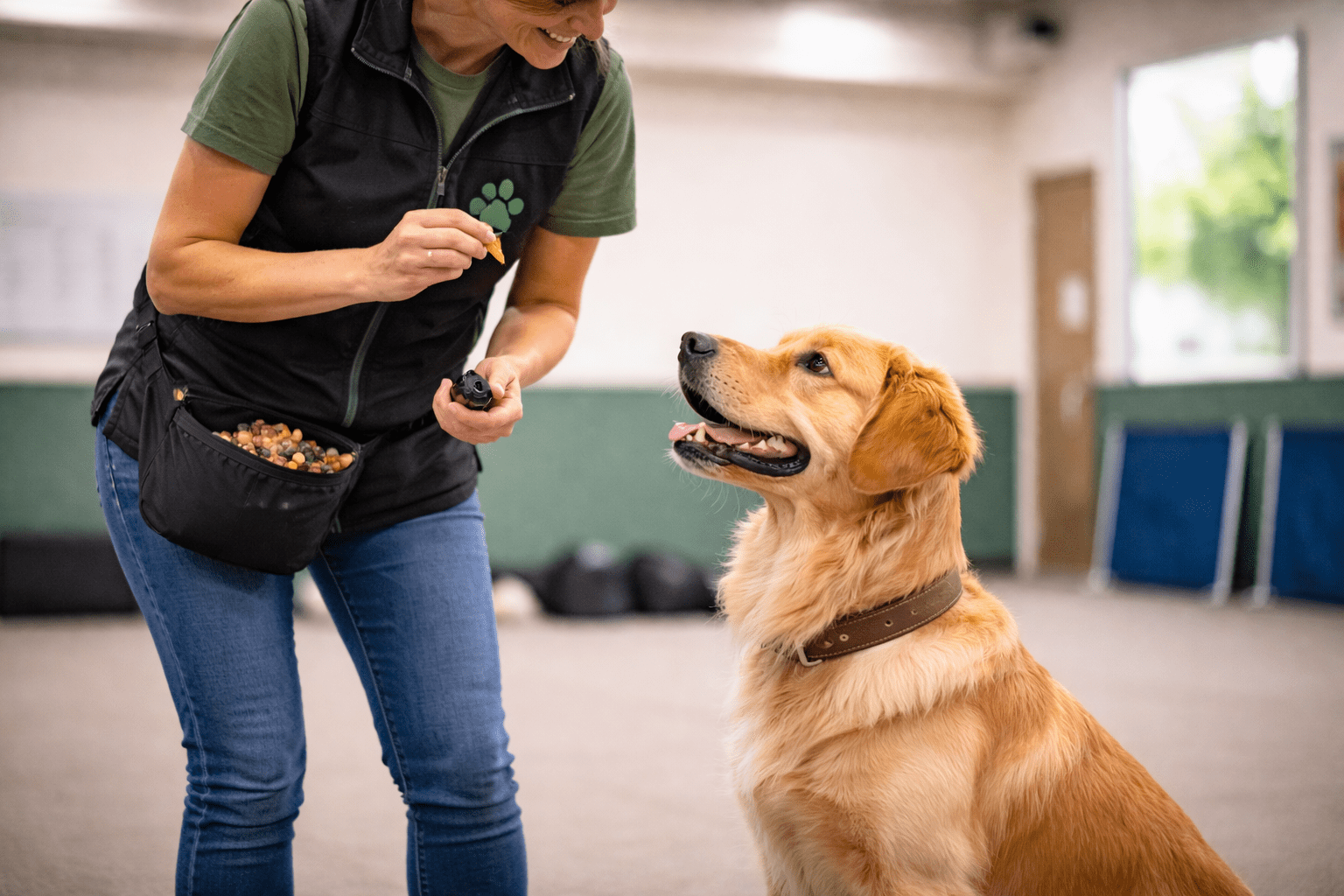
Many behavioral causes of shaking improve with proper training. Dogs who learn essential dog training commands feel more secure because they understand what’s expected of them.
Teaching your dog the top things to teach dogs like sit, stay, and come helps them develop self-control. This reduces anxiety-based shaking because they have learned behaviors to fall back on during stressful moments.
Counter-conditioning works well for specific triggers. If your dog shakes during car rides, start by rewarding them for simply being near the car. Gradually work up to sitting in the parked car, then short trips. This slow exposure paired with positive rewards changes their emotional response.
Desensitization helps with noise phobias. Play recordings of scary sounds at very low volumes while doing fun activities with your dog. Slowly increase the volume over weeks or months until the sound no longer triggers shaking.
Creating a Calm Environment
Your dog picks up on your energy. If you react anxiously to their shaking, you reinforce that something is wrong. Stay calm and confident instead.
For anxiety-based shaking, create a safe space where your dog can retreat. This might be a crate with comfortable bedding, a quiet room, or their favorite corner. Let them choose to go there when they need to feel secure.
Consistent routines reduce stress and shaking. Feed your dog at the same times, walk the same routes, and maintain predictable schedules. Dogs feel more secure when they know what to expect.
Sometimes the best thing you can do is nothing. If your dog is shaking after a stressful event but shows no signs of illness or injury, give them space to decompress on their own terms.
Prevention and Long-Term Solutions
Preventing shaking caused by behavioral issues starts with proper training and socialization from puppyhood.
The Role of Professional Training
Professional training makes a massive difference for dogs who shake due to fear, anxiety, or poor socialization. A qualified trainer can assess your dog’s specific triggers and create a customized plan to address them.
Board and train Long Island programs offer intensive training in a controlled environment. Your dog lives with professional trainers who work with them multiple times daily, teaching confidence-building skills and addressing anxiety triggers.
These programs work especially well for dogs with severe behavioral issues because trainers can control the environment completely. Your dog learns new behaviors without the distractions or triggers present at home.
Group classes help dogs who shake around other dogs or people. Controlled exposure to these triggers in a training setting, with professional guidance, helps them learn that these situations aren’t dangerous.
Private training sessions let trainers work one-on-one with your dog on specific issues. This personalized attention addresses the exact situations that cause your dog to shake.
Early Intervention Matters
The sooner you address behavioral shaking, the easier it is to fix. Puppies are especially receptive to learning and can overcome fears before they become deep-seated phobias.
Young dogs who shake during socialization opportunities need gentle, positive exposure to new experiences. Forcing them into scary situations makes shaking worse, but gradual, reward-based introduction builds confidence.
Even adult dogs benefit from training, though it may take longer to change established patterns. The key is consistency, patience, and professional guidance when needed.
Final Thoughts on Understanding Why Dogs Shake
Figuring out why do dogs shake isn’t always straightforward, but paying attention to context gives you important clues. A dog shaking after a bath is very different from one trembling in the corner for no apparent reason.
Most shaking is harmless and temporary. Your dog will shake off water, excitement, or tension and move on with their day. But when shaking becomes frequent, intense, or is paired with other symptoms, taking action protects your dog’s health and quality of life.
Training builds the confidence and skills dogs need to handle stressful situations without shaking. Whether your dog needs help with basic obedience, socialization, or overcoming specific fears, professional guidance makes all the difference.
At K9 Mania Dog Training, we’re the leading board and train provider on Long Island, specializing in helping dogs overcome behavioral challenges including anxiety and fear-based behaviors. Our expert trainers understand why dogs shake and create personalized training plans to build confidence and reduce stress. Whether your dog needs intensive board and train or targeted behavior modification, we can help. Visit our website to learn how we can transform your dog’s life and eliminate the underlying causes of behavioral shaking.
You May Also Want to Read
- Why Is My Dog Whining?
- How to Help a Fearful Dog Gain Confidence
- Why Do Dogs Growl
- Why Do Dogs Roll in the Grass?
- Why Does My Dog Sit On Me
Frequently Asked Questions: Why Do Dogs Shake
What is the reason why my dog is shaking?
Your dog might be shaking for several reasons including being cold, wet, excited, fearful, or in pain. Normal shaking happens after baths, during greetings, or when waking up from sleep. Medical causes include nausea, neurological conditions, poisoning, or injuries. If shaking persists without an obvious cause, happens with other symptoms like vomiting or weakness, or if your dog seems distressed, contact your veterinarian immediately to rule out serious health issues.
What is the 3-3-3 rule for dog anxiety?
The 3-3-3 rule helps new rescue dogs adjust to their homes and manage anxiety. It means dogs typically feel overwhelmed for the first 3 days, start settling in after 3 weeks, and fully decompress after 3 months. During the first 3 days, dogs might shake, hide, or refuse food as they process the change. After 3 weeks, they begin showing their true personality. By 3 months, they feel completely comfortable and secure in their new environment.
What can I give my dog to stop him from shaking?
Never give your dog human medications without veterinary approval, as many are toxic to dogs. For shaking caused by cold, provide warmth through blankets or a dog coat. For anxiety-based shaking, create a calm environment and consider calming aids like pressure wraps, pheromone diffusers, or calming supplements after consulting your vet. For medical causes, only your veterinarian can prescribe appropriate treatment. Professional training addresses behavioral shaking by teaching coping skills and building confidence.
Do puppies grow out of shaking puppy syndrome?
Shaking puppy syndrome, or hypomyelination, is a neurological condition affecting young puppies that causes rhythmic tremors. Some puppies do improve as they mature because their nervous system continues developing. Mild cases may resolve completely by 1-2 years of age as myelin properly forms around nerve fibers. However, severe cases may cause permanent tremors. Affected puppies need veterinary monitoring and supportive care. The condition doesn’t cause pain and many affected dogs live normal, happy lives despite persistent tremors.
Does trembling mean a dog is in pain?
Trembling can indicate pain, but it’s not the only cause. Dogs in pain often shake or tremble, especially if the pain is severe or accompanied by nausea. Look for other pain signals like reluctance to move, whimpering, aggression when touched, changes in posture, or decreased appetite. Pain-related shaking typically worsens with movement or when you touch certain areas. If you suspect your dog is trembling from pain, avoid moving them unnecessarily and contact your veterinarian immediately for proper diagnosis and pain management.
What are signs your dog is going to pass away?
Dogs nearing the end of life may show multiple concerning symptoms including extreme weakness, loss of appetite lasting several days, difficulty breathing, uncontrolled shaking or seizures, loss of bladder or bowel control, and complete withdrawal from family. They might seek isolation, refuse water, have pale or blue gums, and show no interest in favorite activities. Shaking combined with these symptoms suggests organ failure or severe illness. Contact your veterinarian immediately to discuss your dog’s quality of life and end-of-life care options.