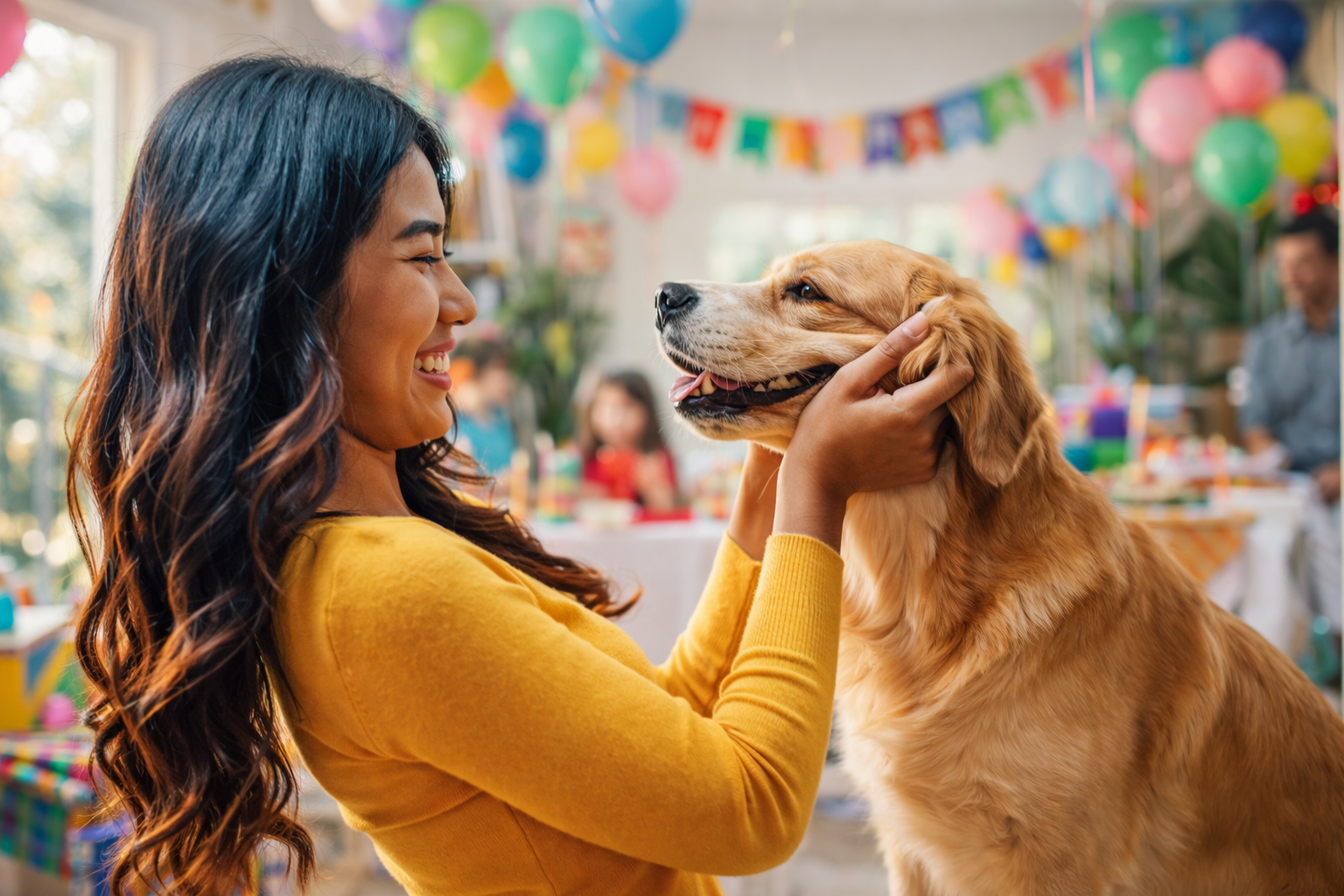
A dog that trusts you will show relaxed body language, seek your presence, and respond calmly to your guidance. These trust indicators reveal the strength of your bond and how secure your dog feels in your relationship.
Understanding the signs your dog trusts you helps you recognize when your training and care are working. Trust is the foundation of every healthy dog-owner relationship, and spotting these signals lets you know you’re on the right track.
In this guide, we’ll walk through the physical and behavioral signs that show your dog trusts you completely. You’ll learn what each signal means, why it matters, and how to keep building that trust over time.
Build unshakeable trust through professional guidance. Explore our board and train Long Island program for expert support.
Understanding Trust in Dogs
Trust between you and your dog doesn’t happen overnight. It develops through consistent interactions, clear communication, and reliable care that shows your dog they’re safe with you.
What Trust Means for Your Dog
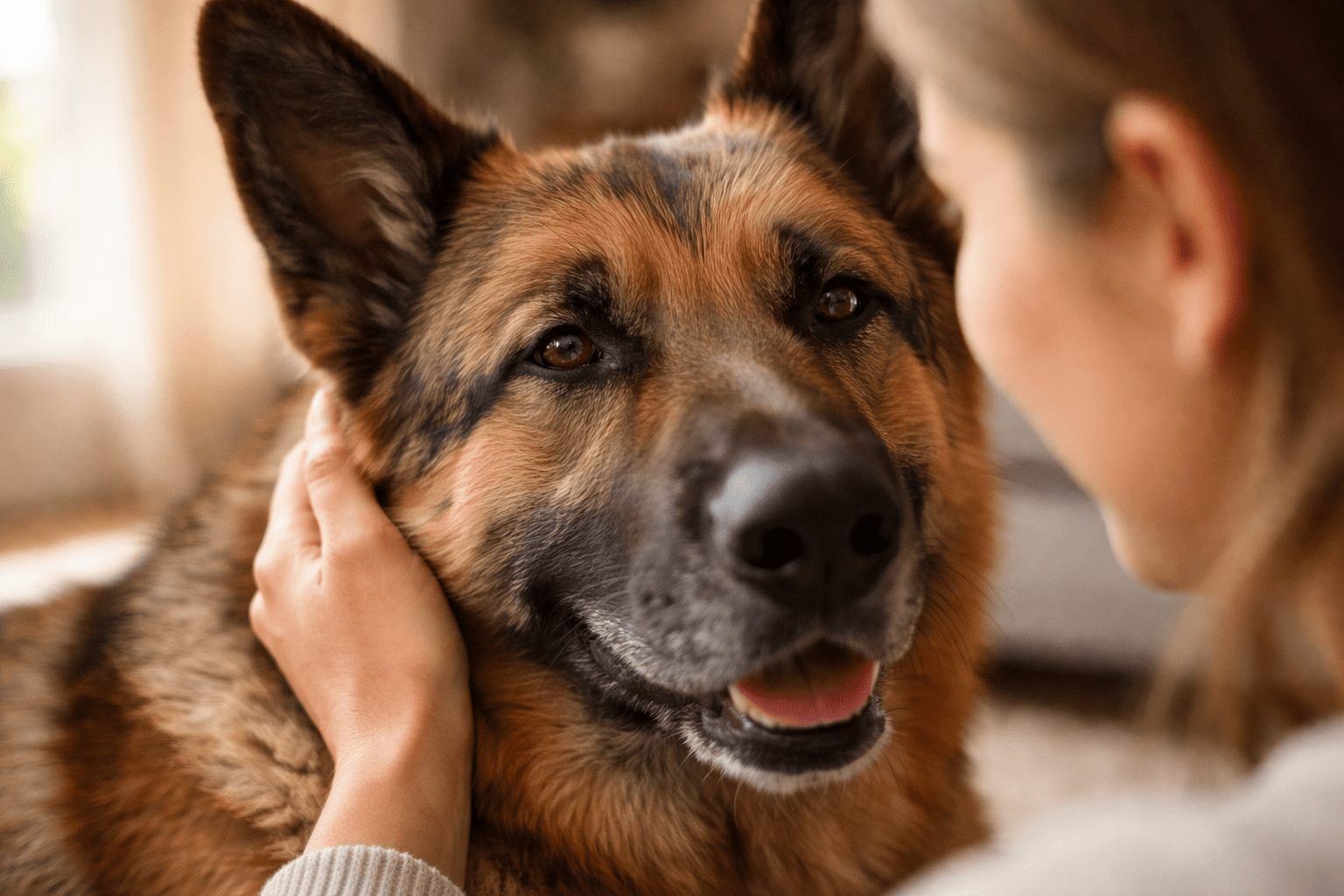
For your dog, trust means feeling secure enough to be vulnerable around you. When a dog trusts their owner, they believe you won’t hurt them, will meet their needs, and will protect them when needed.
Dogs show trust differently than humans do. While we might express trust through words or long-term commitments, dogs communicate trust through their body language, behavior patterns, and willingness to follow your lead.
A trusting dog sees you as a dependable source of food, safety, comfort, and guidance. They don’t flinch when you reach toward them, they come when called even in distracting situations, and they look to you for direction when uncertain.
This kind of trust builds slowly through hundreds of small, positive interactions. Every time you feed your dog on schedule, speak calmly during stressful moments, or play together, you’re making deposits in your trust account.
Why Trust Matters in Your Relationship
Trust transforms a dog from a pet you own into a true companion. Without trust, training becomes a battle, daily care turns stressful, and your dog may develop anxiety or behavioral problems.
When your dog trusts you, training becomes easier because they want to please you and believe following your commands leads to good outcomes. A trusting dog learns faster and retains lessons better than one who’s uncertain about your intentions.
Trust also impacts your dog’s overall wellbeing. Dogs who trust their owners show lower stress levels, adapt better to changes, and recover faster from scary experiences. They sleep more soundly, eat more consistently, and play more enthusiastically.
Understanding dog body language signals helps you recognize when trust is present or when it needs repair. This awareness makes you a better owner and strengthens your bond over time.
Physical Signs Your Dog Trusts You
Your dog’s body tells a clear story about how they feel around you. These physical indicators are some of the most reliable ways to measure trust in your relationship.
Body Language Indicators
A relaxed body posture is one of the clearest signs your dog trusts you. When your dog stands or sits near you with loose muscles, a slightly open mouth, and soft eyes, they’re showing they feel safe and comfortable.
Watch your dog’s tail position and movement. A tail held at a natural height (not tucked or rigidly high) that wags in wide, sweeping motions shows contentment and trust. The famous “helicopter tail” or full-body wiggle when you come home proves your dog is genuinely happy to see you.
Eye contact matters, too. A trusting dog makes soft, gentle eye contact with you. This is different from a hard stare, which can signal discomfort or challenge. When your dog looks at you with relaxed eyes and maybe even slow blinks, they’re expressing affection and trust.
Ear position reveals emotional state. Forward-facing or naturally positioned ears show alertness and comfort. Pinned-back ears usually indicate fear or stress, though some dogs pin their ears slightly back during happy greetings.
Here are key body language signals of trust:
| Body Part | Trusted Behavior | What It Means |
| Eyes | Soft gaze, slow blinks, gentle eye contact | Feels safe and affectionate toward you |
| Tail | Natural position, wide wags, full-body wiggle | Happy, excited, and comfortable in your presence |
| Ears | Forward or naturally positioned | Alert but relaxed, not fearful or stressed |
| Mouth | Slightly open, relaxed jaw, “smile” appearance | Calm and content, not anxious or tense |
| Overall Posture | Loose muscles, weight evenly distributed | Completely at ease, no tension or fear |
Contact and Proximity Behaviors
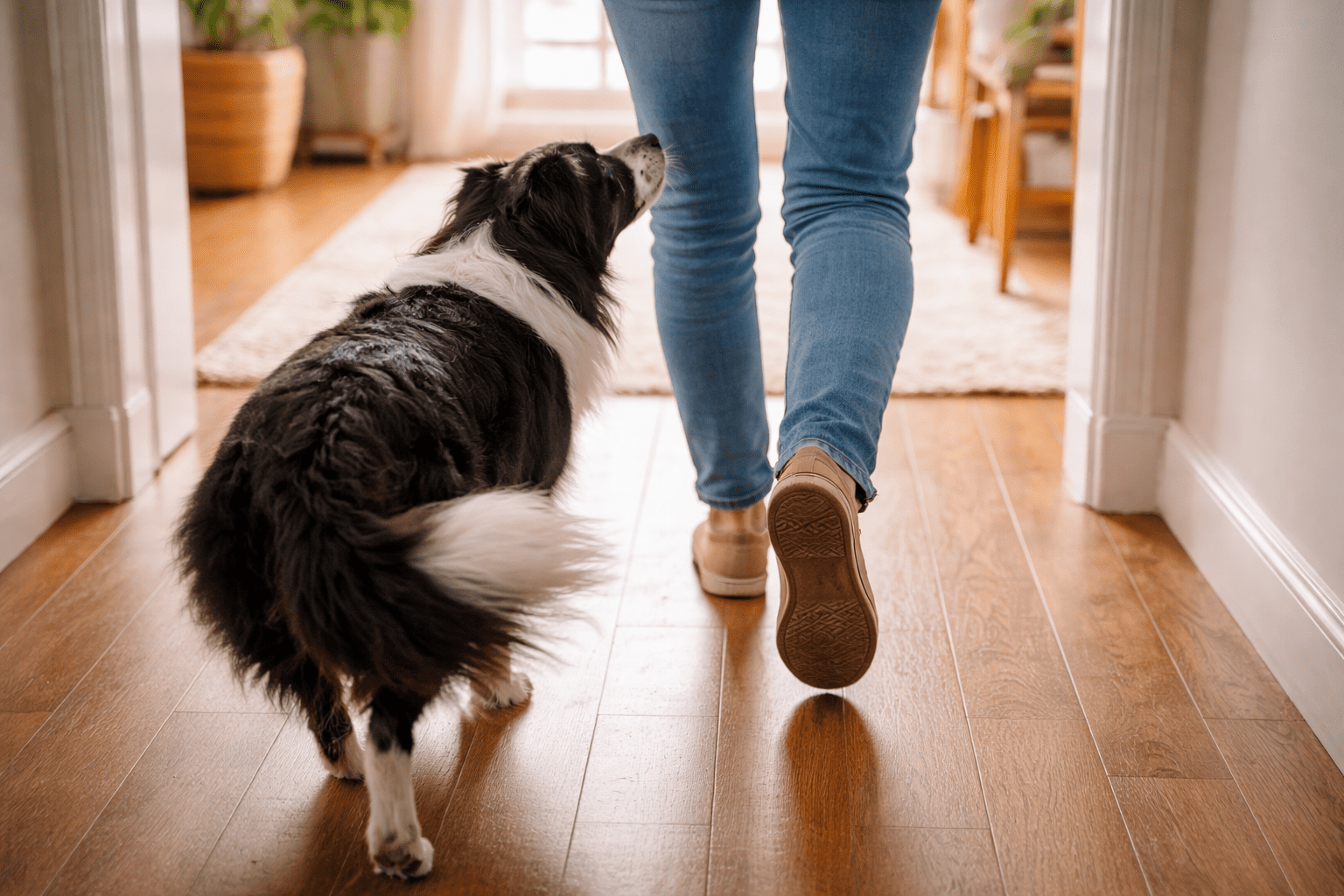
Dogs who trust you seek physical closeness without being forced. If your dog chooses to lie near you, follows you from room to room, or leans against your legs, they’re showing they feel secure in your presence
Belly exposure is a huge trust signal. When your dog rolls over to show their belly, they’re displaying the most vulnerable part of their body. This isn’t always a request for belly rubs (some dogs don’t enjoy them), but it’s always a sign of trust and submission.
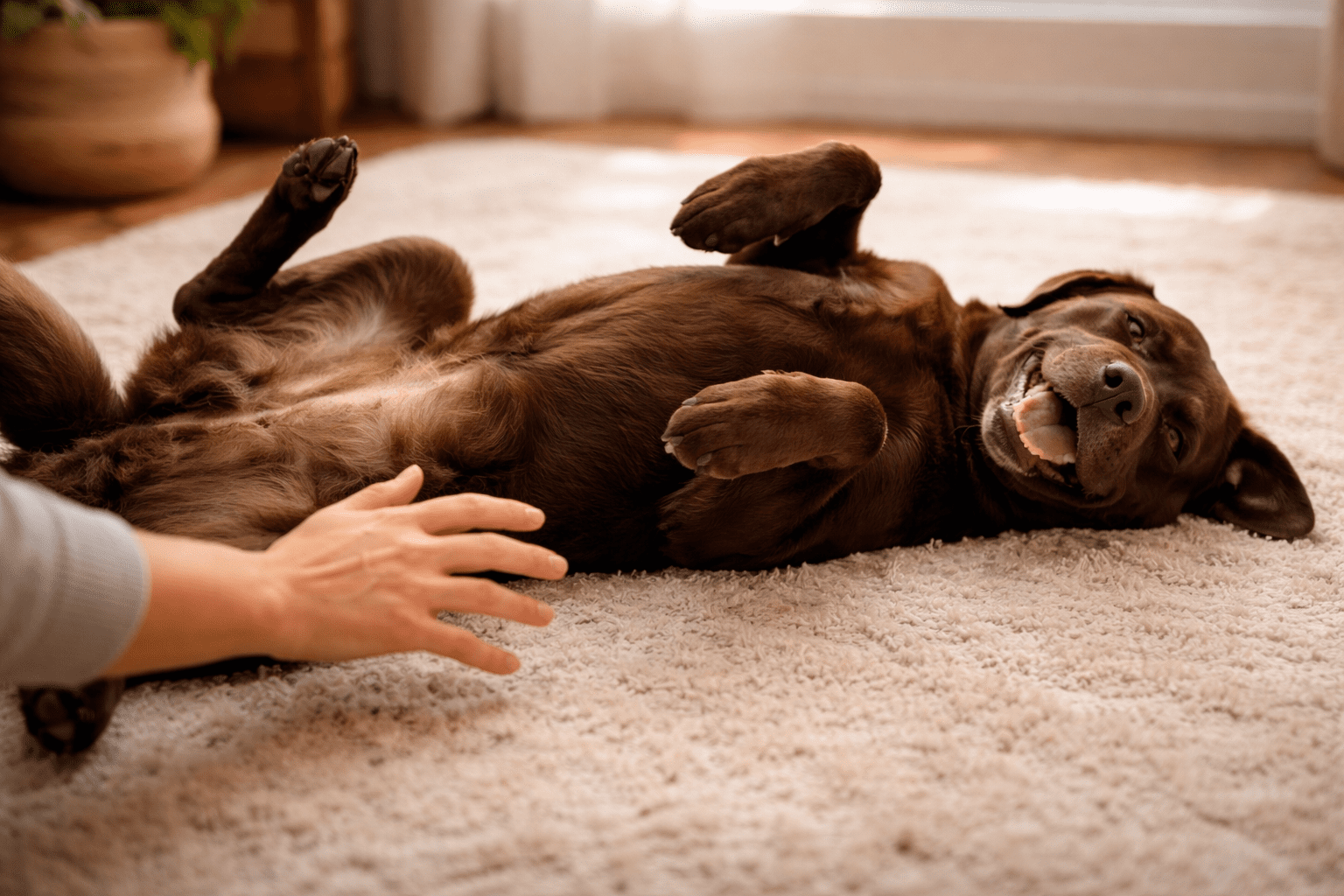
Sleeping near you or even touching you while sleeping shows deep trust. Dogs are vulnerable when they sleep, so choosing to rest beside you means they believe you’ll keep them safe. If your dog falls asleep with their back to you, that’s even stronger trust because they’re confident you’ll watch out for threats.
Many dog owners wonder why my dog sits on me, and the answer often relates to trust and bonding. This behavior shows your dog feels safe with you and wants to maintain physical contact.
Physical touch acceptance is another clear indicator. A trusting dog doesn’t pull away when you reach to pet them, remains calm during grooming or vet visits when you’re present, and may even seek out your touch for comfort during stressful moments.
Behavioral Signs Your Dog Trusts You
Beyond physical signals, your dog’s actions and reactions reveal how much they trust you. These behavioral patterns show up in daily life and special situations.
During Daily Interactions
A dog who trusts you responds positively to your presence and commands. They come when called, even if something more interesting is happening nearby. This shows they value your direction and believe following you leads to good outcomes.
Trusting dogs show excitement when you arrive home, whether you’ve been gone five minutes or five hours. This enthusiasm isn’t just about getting fed or walked. It’s genuine joy at your return because they missed your company.
Your dog’s eating behavior also reveals trust. A dog who eats calmly in your presence, allows you to approach their food bowl without guarding, or even pauses eating to greet you shows they don’t see you as a threat to their resources.
Play is another trust indicator. Dogs who trust their owners initiate play, bring toys to you, and engage in rough play without becoming aggressive. They understand you won’t hurt them, even during excited moments.
Training responsiveness shows trust too. If your dog learns quickly in private dog training Long Island sessions and follows commands reliably at home, they trust your leadership and want to please you.
In New or Stressful Situations
How your dog acts in unfamiliar or scary situations reveals the depth of your trust bond. A dog who trusts you looks to you for guidance when facing something new or frightening.
When encountering a strange object, person, or situation, a trusting dog checks in with you before reacting. They might look at your face to gauge your reaction, then proceed based on your calmness or concern. This is called social referencing, and it shows your dog values your opinion.
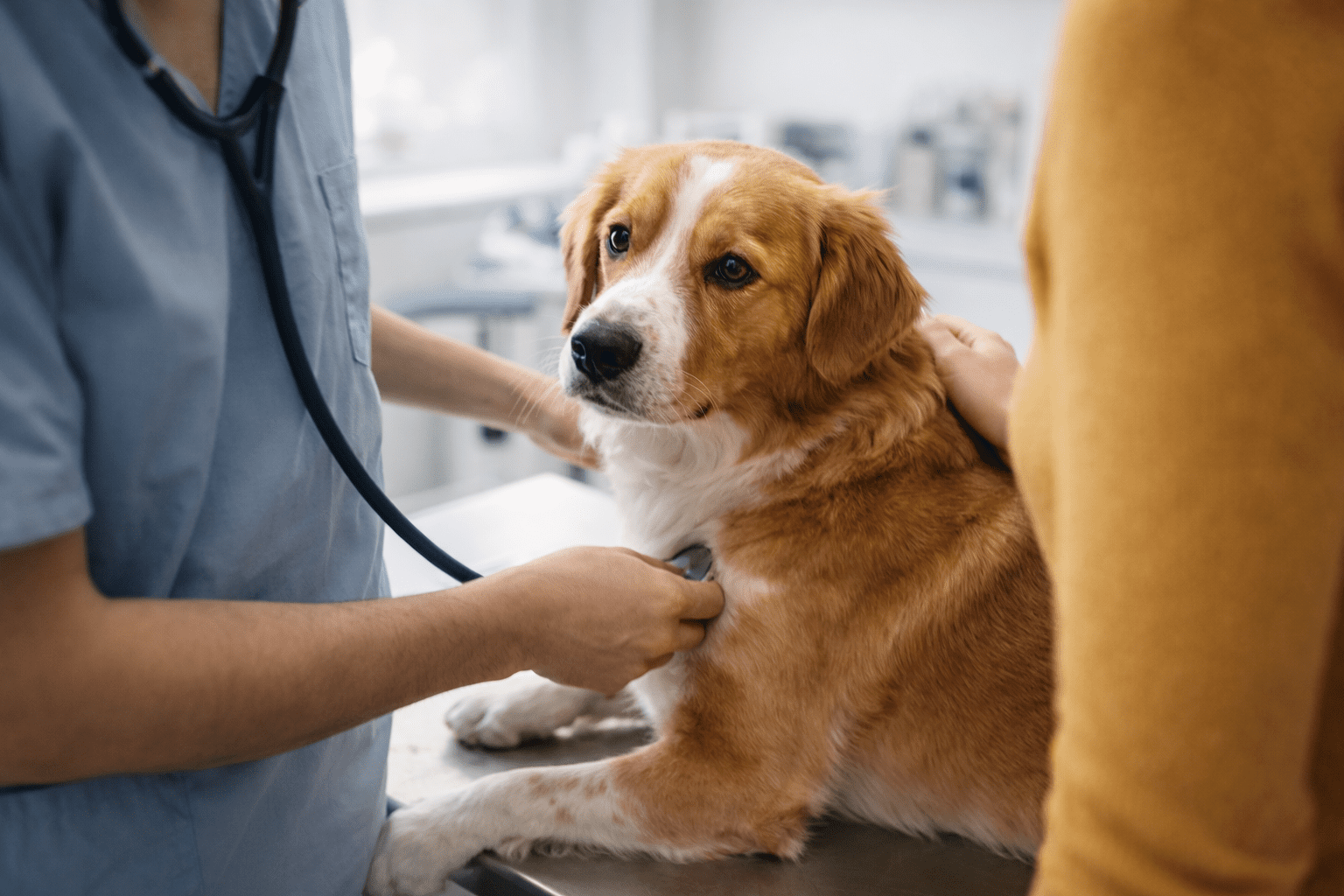
During vet visits, grooming appointments, or other potentially stressful experiences, a trusting dog stays calmer when you’re present. They may still show some anxiety, but your presence provides comfort and helps them cope.
Separation behavior matters too. While all dogs may show some sadness when you leave, extreme anxiety or destructive behavior suggests trust issues or insecurity. A dog who trusts you understands you’ll return and can relax in your absence.
Recovery from mistakes shows trust as well. If you accidentally step on your dog’s paw or bump them, a trusting dog quickly forgives you and returns to normal behavior. They understand accidents happen and don’t hold grudges.
Here’s how trusting dogs respond in various situations:
| Situation | Trusting Dog Response | Low Trust Response |
| New Environment | Explores after checking with you, returns periodically | Hides, refuses to explore, shows extreme fear |
| Stranger Approaches | Looks to you for cues, accepts calm introductions | Aggressive barking, hiding behind you, trembling |
| Loud Noise | Startles but recovers quickly with your reassurance | Panics, tries to escape, takes long time to calm |
| Veterinary Exam | Nervous but allows handling when you’re present | Aggressive, must be muzzled, extremely fearful |
| Training Challenge | Tries multiple times, looks to you for guidance | Gives up quickly, avoids trying, shows frustration |
| Your Accident (stepping on paw) | Yelps but immediately forgives, stays near you | Moves away permanently, flinches at your approach |
Building and Maintaining Trust
Trust isn’t just something you earn once and keep forever. It requires ongoing effort, consistency, and the right approach to training and daily interactions.
Training Approaches That Build Trust
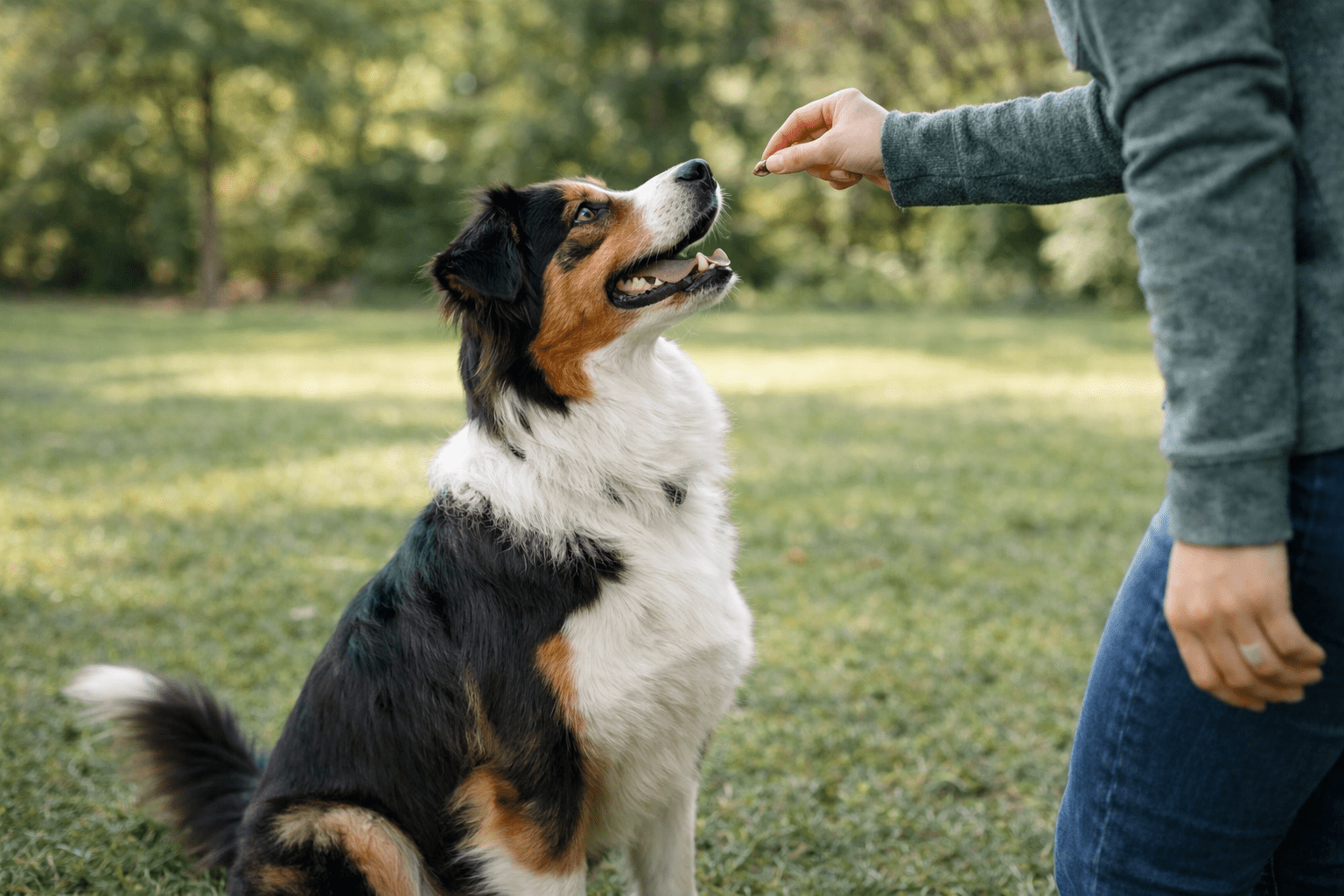
Positive reinforcement training creates trust because your dog learns that working with you brings rewards. When you consistently reward good behavior with treats, praise, or play, your dog sees you as a source of good things.
A quality dog obedience training course teaches you how to communicate clearly with your dog using methods that build confidence rather than fear. Clear communication helps your dog understand what you want, reducing confusion and frustration.
Consistency in rules and responses builds trust over time. If jumping on the couch is sometimes allowed and sometimes punished, your dog feels uncertain about what’s expected. Consistent boundaries help your dog feel secure because they can predict your reactions.
Patience during the learning process shows your dog you won’t give up on them. When you stay calm during training setbacks and celebrate small victories, your dog learns they can trust you to be fair and supportive.
Physical handling that’s always gentle teaches your dog they’re safe with you. Regular grooming, nail trims, and health checks done calmly and with treats create positive associations with your touch.
Meeting your dog’s needs reliably builds foundational trust. Feeding on schedule, providing regular exercise, offering mental stimulation, and ensuring comfortable rest spaces all show your dog they can depend on you.
Common Mistakes That Break Trust
Punishment-based training damages trust quickly. Hitting, yelling, or using shock collars may stop unwanted behavior temporarily, but they make your dog fear you rather than trust you. Fear and trust can’t coexist in a healthy relationship.
Inconsistent responses confuse dogs and erode trust. If you sometimes laugh at a behavior and sometimes scold it, your dog can’t predict your reaction. This uncertainty makes them anxious and less confident in your leadership.
Forcing interactions your dog clearly dislikes breaks trust. If your dog shows discomfort with hugs, forcing them to tolerate hugs teaches them their communication doesn’t matter to you. Respecting their boundaries strengthens trust.
Breaking promises matters to dogs too. If you regularly promise walks (by grabbing the leash) but then don’t follow through, or if you call your dog and then do something unpleasant like give medicine, they learn your cues can’t be trusted.
Ignoring stress signals damages your relationship. When your dog shows fear or discomfort and you force them to continue anyway, you’re teaching them their feelings don’t matter and you won’t protect them.
To build a strong bond with your dog, focus on understanding their needs, communicating clearly, and responding consistently to their behavior. These practices create the foundation for lasting trust.
Recognizing When Your Dog Trusts You Completely
Dogs show trust differently based on their personality and past experiences. A shy rescue dog’s trust looks different from a confident puppy’s trust, but both are equally valid and meaningful.
The clearest sign of complete trust is when your dog maintains calm confidence in your presence, even during challenging moments. They don’t question your intentions, they follow your lead naturally, and they seek your company by choice rather than obligation.
You’ll know you’ve earned deep trust when your dog shows you their most vulnerable self: sleeping deeply near you, exposing their belly freely, coming to you for comfort when scared, and staying relaxed during handling or medical care.
Remember that trust can be damaged but also repaired. If your relationship with your dog has trust issues due to past mistakes or their history before you, patient, consistent positive interactions can rebuild that bond over time.
Trust Your Dog’s Development to the Experts
The signs your dog trusts you tell the story of your relationship’s health and strength. From relaxed body language to confident behavior in new situations, these signals show that your bond is built on security, respect, and mutual understanding.
Building and maintaining trust takes time, consistency, and the right training approach. Whether you’re starting fresh with a new puppy or repairing trust with a rescue dog, professional guidance can make the process smoother and more effective.
K9 Mania Dog Training is Long Island’s leading board and train provider, specializing in building trust-based relationships between dogs and owners. Our expert trainers use proven methods that strengthen bonds while addressing any behavioral challenges your dog may face. Trust us to help you create the confident, happy partnership you and your dog deserve.
You May Also Want to Read
- Why Do Dogs Shake?
- Why Do Dogs Get the Zoomies
- Dog Body Language: How to Read Your Dog’s Signals
- How to Stop Dog from Counter Surfing: Effective Training Solutions
Frequently Asked Questions
How do you know if your dog trusts you completely?
Complete trust shows through multiple consistent behaviors over time. Your dog seeks your presence voluntarily, remains calm during handling or stressful situations, responds reliably to your commands, and shows relaxed body language around you. They look to you for guidance in new situations and recover quickly from accidents or mistakes. Most importantly, they choose to be near you when other options are available.
What are signs a dog doesn’t trust you?
Dogs who lack trust avoid eye contact, flinch when you reach toward them, hide when you approach, or refuse to come when called. They may guard resources aggressively, show excessive submission like cowering or submissive urination, or remain tense in your presence. Destructive behavior when you leave, difficulty accepting handling, and failure to look to you for guidance in new situations also indicate trust issues that need addressing.
What behaviors show dog trust?
Trust behaviors include choosing to sleep near you, exposing their belly, bringing toys for play, eating calmly in your presence, and following you from room to room. Trusting dogs make soft eye contact, show excitement when you return home, allow grooming and handling without resistance, and look to you for direction when uncertain. They also recover quickly from startling events when you’re present.
How long does it take for your dog to trust you?
Building trust varies by dog and situation. Puppies raised in positive environments may show trust within weeks, while rescue dogs with trauma histories might need months or even a year. Consistency speeds the process considerably. Most dogs show initial trust signs within two to four weeks of regular, positive interactions, but deep, unshakeable trust typically develops over several months of reliable care and clear communication.
How to tell if a dog chooses you?
A dog who chooses you specifically seeks your attention over others, follows you preferentially, and responds more enthusiastically to your presence. They look to you first for guidance, comfort, or play opportunities. In multi-person households, this dog stays near you most often, brings toys specifically to you, and shows more excitement when you (rather than others) come home. They also respond more reliably to your commands than to others’.
How to tell if a dog doesn’t like you anymore?
Changes in affection levels signal potential problems. A dog who previously sought your attention but now avoids you, shows tension in your presence, or no longer greets you enthusiastically may be losing trust or affection. Other signs include refusing treats from you, not making eye contact, moving away when you approach, or showing more interest in other people. These changes warrant examining recent interactions for possible trust-breaking moments and may require professional guidance to repair the relationship.