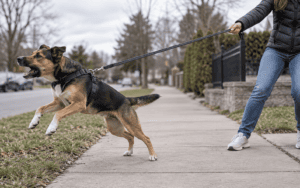
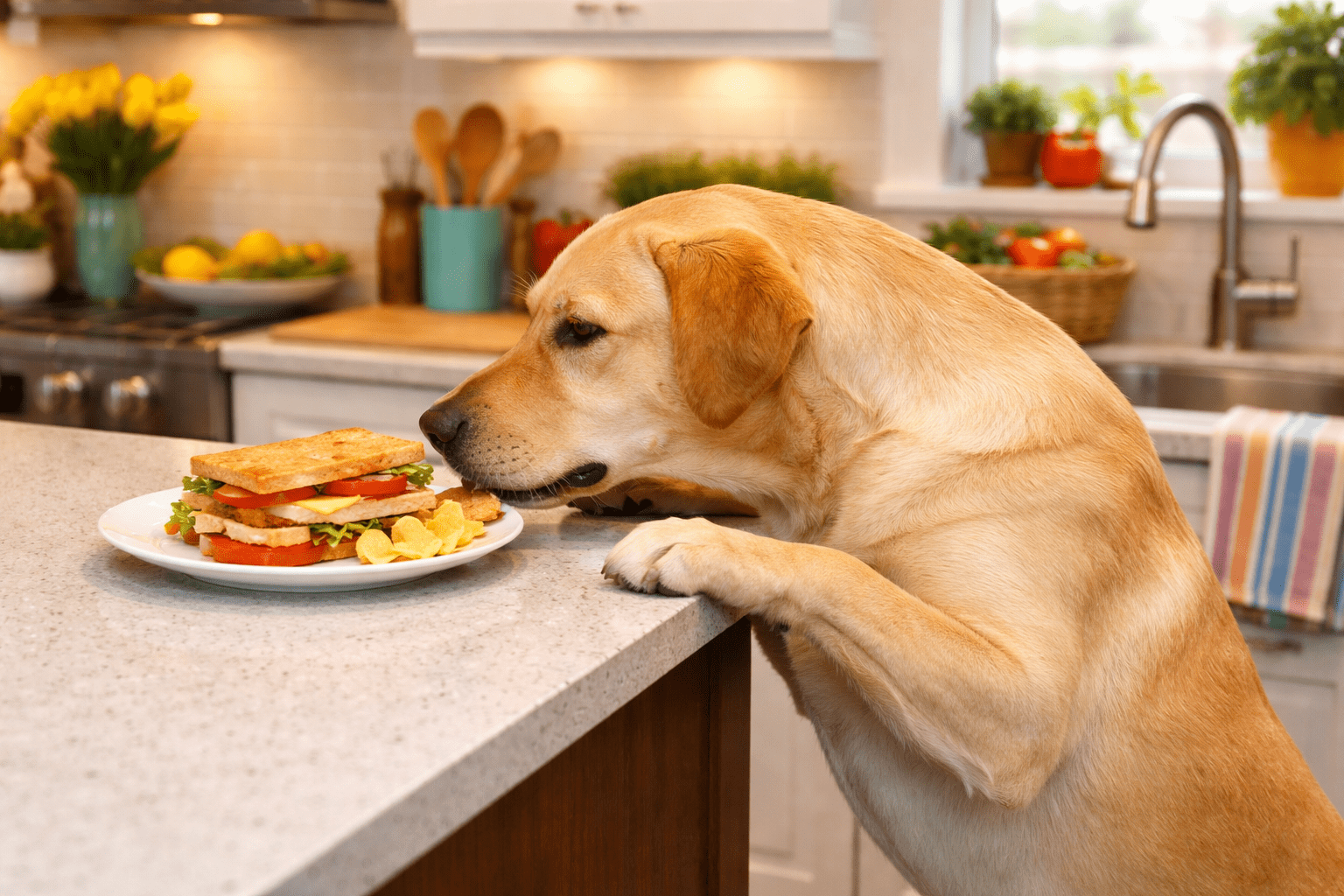
Understanding how to stop dog from counter surfing starts with management and consistent training. The most effective approach combines removing temptation from counters, teaching incompatible behaviors like “place” or “down,” and rewarding your dog for making better choices instead of stealing food.
Counter surfing happens when dogs discover that jumping up to snag food from kitchen counters pays off. Once they score that leftover chicken or fresh sandwich, the behavior becomes self-rewarding and tough to break. But with the right strategy, you can teach your dog that staying off counters is far more rewarding than raiding them.
In this guide, you’ll learn proven methods to end counter surfing, from management techniques to training exercises that give your dog better options. We’ll also cover what not to do and how to stay consistent so the habit doesn’t come back.
Struggling with unwanted behaviors? Our board and train Long Island program tackles counter surfing and other common issues with proven results.
Understanding Why Dogs Counter Surf
Before you can fix the problem, you need to understand what drives it. Counter surfing isn’t your dog being spiteful or trying to annoy you. It’s a behavior rooted in natural instincts and learned rewards.
Natural Scavenging Instincts
Dogs are natural scavengers. In the wild, they search for food wherever they can find it, so your kitchen counter looks like an easy food source.
If a dog can reach the counter, they’ll try. Large dogs may grab food easily, but small dogs will jump or climb if motivated.

Food smells are extremely powerful to a dog’s nose. When they smell things like chicken or bread, their instincts tell them to investigate and grab it.
This behavior isn’t about disobedience. Your dog is simply following natural instincts when they detect food nearby.
The Self-Rewarding Cycle
Counter surfing becomes a habit because it rewards itself. When a dog successfully steals food, their brain releases dopamine.
The food tastes great, and the excitement of getting it reinforces the behavior. The reward is the food itself.
This creates a cycle. Even if they only succeed occasionally, the chance of getting food keeps them trying.
It works like a slot machine. A few wins encourage more attempts. The longer it continues, the harder it is to stop, which is why early training matters.
Common Triggers and Opportunities
Counter surfing usually happens when the opportunity appears.
Leaving food unattended is the biggest trigger. Even stepping away for a moment can give your dog a chance. Cooking times also create opportunities because smells are strong and attention is elsewhere.
Foods like meat, cheese, bread, and greasy items are especially tempting. If they’re within reach, dogs will likely try to grab them.
Daily routines also matter. If food is regularly left on the counter at certain times, dogs quickly learn the pattern. Guests or family members who leave food out can also encourage the behavior.
Management Strategies to Prevent Counter Surfing
The fastest way to reduce counter surfing is to remove the opportunity. Management doesn’t train your dog, but it stops them from practicing the unwanted behavior while you work on training.
Keep Counters Completely Clear
The simplest solution is also the most effective. Don’t leave food on counters, ever.
Put groceries away immediately after shopping. Move dishes to the sink or dishwasher right after meals. Store bread, fruit, and snacks in cabinets or the refrigerator.
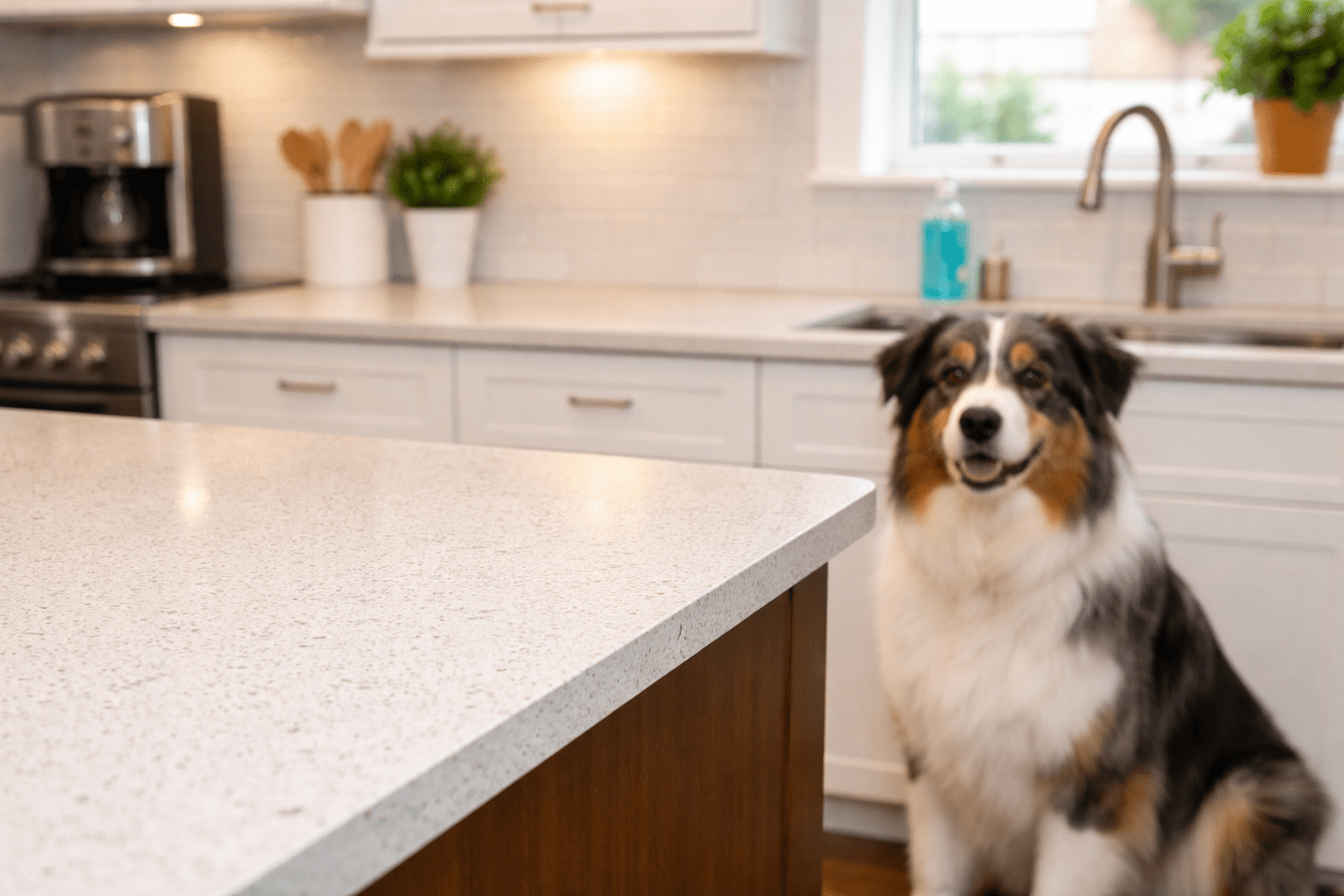
If food never appears on the counter, your dog stops checking. This breaks the cycle of reward and reduces their motivation to jump up.
This step requires everyone in the household to cooperate. Kids, roommates, and guests need to follow the same rules. One slip creates another successful attempt that strengthens the habit.
Keep trash secure too. Dogs will counter surf for scraps and wrappers. Use a lidded trash can or store it in a cabinet.
Create Physical Barriers
Baby gates and closed doors give you control over your dog’s access to the kitchen.
When you’re cooking or can’t supervise, keep your dog in another room. A baby gate lets you see each other while preventing counter surfing opportunities.
You can also use a crate or exercise pen in another part of the house. This creates a safe space for your dog while protecting your counters.
Physical barriers work best during high-risk times like meal prep, dinner parties, or when you’re busy with other tasks. Over time, as training progresses, you’ll need these less.
Use Deterrents Strategically
Some owners find success with deterrents that make the counter less appealing.
Motion-activated air sprays startle dogs when they approach the counter. The sudden noise and puff of air create an unpleasant experience without you needing to be present.
Sticky mats or aluminum foil on counter edges can discourage jumping. Dogs dislike the texture and may avoid the area.
These tools work best as temporary measures while you train. They’re not permanent solutions because they don’t teach your dog what to do instead.
Training Methods to Stop Counter Surfing
Management prevents the behavior, but training teaches your dog better choices. These methods give your dog alternative behaviors that earn rewards and make counter surfing less appealing.
Teach “Off” and “Leave It” Commands
The “off” command tells your dog to remove their paws from any surface. Start training this away from the kitchen where distractions are low.
Place a treat on a low chair or table. When your dog puts their paws up to investigate, say “off” and use a treat to lure them back to the floor. Mark the moment all four paws hit the ground with “yes” and give the treat.

Practice this daily until your dog reliably backs away from surfaces on command. Then move the training to the kitchen and use actual counter scenarios.
The “leave it” command works for food already on the counter. Hold a treat in your closed fist and say “leave it.” When your dog stops trying to get it and looks at you, mark and reward with a different treat.
Build up to placing treats on the counter while your dog watches. Say “leave it” and reward them for ignoring the food. This teaches impulse control around tempting items.
Both commands need consistent practice to work in real situations. Short training sessions several times a day work better than one long session.
Reward Incompatible Behaviors
Teaching your dog an incompatible behavior means they can’t counter surf while doing it.
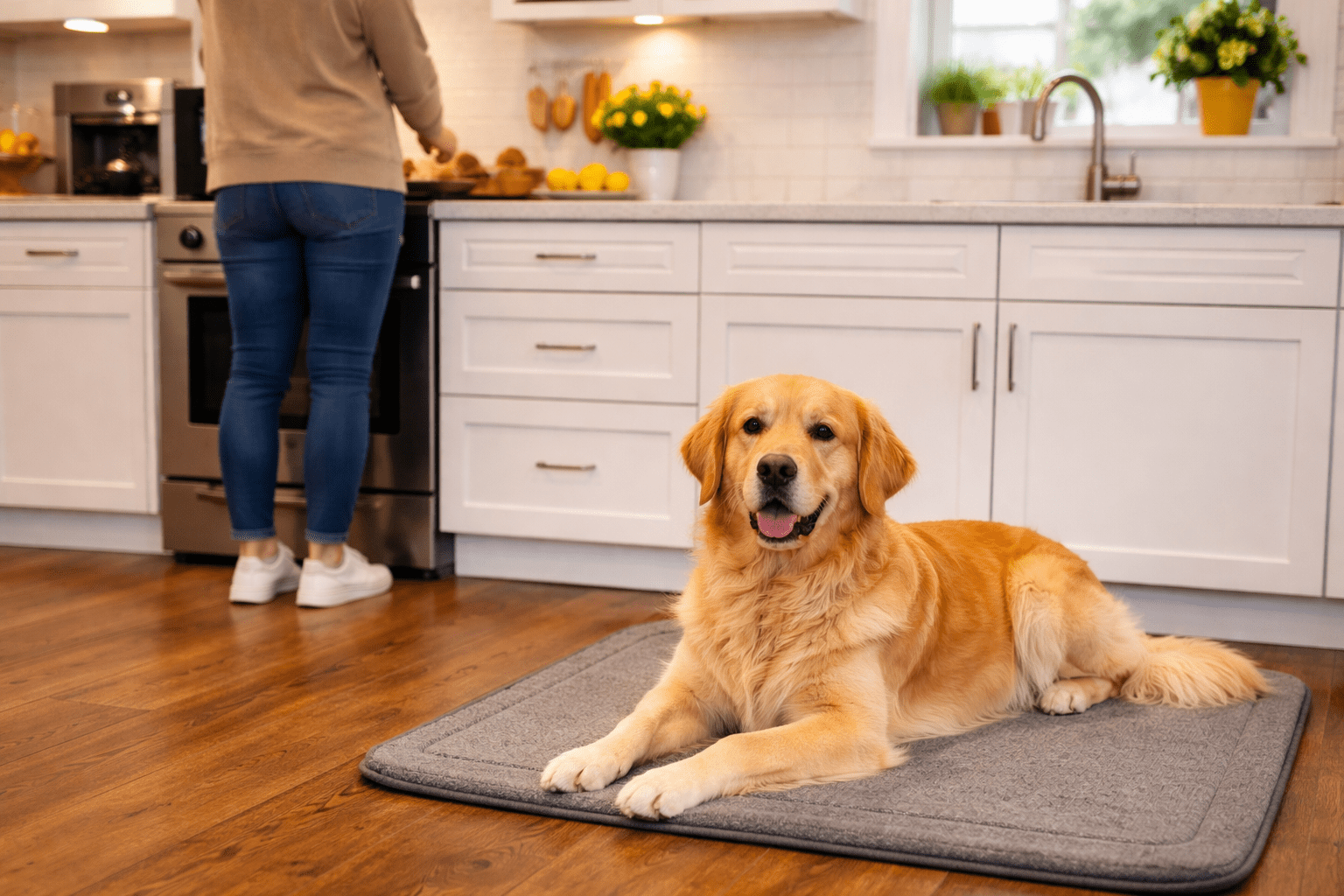
The “place” command sends your dog to a mat or bed. They can’t be on the counter and on their bed at the same time.
Start by rewarding your dog for going to their bed on cue. Use treats and praise to make the bed a great place to be. Practice this during calm times first.
Once your dog understands “place,” use it during cooking. Send them to their bed when you’re working in the kitchen. Reward them every few minutes for staying there.
The “down-stay” works similarly. Your dog lies down and holds the position until released. This keeps them away from counters and builds impulse control.
Reward these behaviors heavily at first. Over time, your dog learns that staying in position during kitchen time leads to good things, while counter surfing leads to nothing.
Our private dog training Long Island sessions teach these commands in your home environment for maximum effectiveness.
Practice Impulse Control Exercises
Impulse control helps your dog resist temptation even when food is visible.
Start with simple exercises like “wait” before meals. Make your dog hold a sit or down position before you put their bowl down. This teaches patience around food.
Try the “treat on paws” exercise. Place a treat on your dog’s paws while they’re lying down. Release them to eat it only after they hold still for several seconds. Gradually increase the wait time.
Use real-life scenarios for practice. Place food on a low table and work on “leave it” with your dog on leash nearby. Reward them for choosing to look at you instead of the food.
These exercises build the mental strength your dog needs to resist counter surfing. They learn that waiting and making good choices pays better than stealing food.
The table below shows which training methods work best for different situations:
| Situation | Best Training Method | Why It Works |
| Active cooking time | “Place” command | Keeps dog in one spot, incompatible with surfing |
| Food temporarily on counter | “Leave it” command | Teaches impulse control around visible food |
| Dog already has paws up | “Off” command | Immediately stops the behavior in progress |
| Building general obedience | Down-stay exercises | Strengthens impulse control and focus |
What Not to Do When Stopping Counter Surfing
Some common approaches make the problem worse instead of better. Avoid these mistakes to keep your training on track.
Avoid After-the-Fact Punishment
Yelling at your dog after you discover they counter surfed doesn’t work. Dogs live in the moment and can’t connect punishment to something they did minutes or hours ago.
If you come home and find your dinner missing from the counter, your dog has already moved on. Scolding them now only creates confusion and fear. They don’t understand why you’re upset.
That “guilty look” isn’t guilt. It’s your dog responding to your angry body language and tone. They’re showing appeasement behaviors because they sense you’re mad, not because they know what they did wrong.
Punishment only works if it happens the instant the behavior occurs. Even then, timing needs to be perfect, which is nearly impossible with counter surfing.
Don’t Rely on Startling or Scaring
Some people suggest setting up booby traps like stacks of pans that crash when the dog jumps up. While this might work once or twice, it creates bigger problems.
Startling your dog can create anxiety and fear around the kitchen. They might become nervous in the space even when behaving well.
Dogs are also smart. They learn that the scary thing only happens when you’re not around. They’ll counter surf when you’re home because the trap isn’t there.
Scare tactics don’t teach your dog what to do instead. They just create stress without building better behaviors.
Skip the Food-Based Traps
Putting hot sauce or bitter spray on food to catch your dog seems clever, but it’s risky.
Some dogs don’t care about the taste and eat it anyway. Others might have a negative reaction to spicy or bitter substances. It’s also wasteful and doesn’t address the root cause.
More importantly, this method requires leaving food out, which reinforces the habit of checking the counter. You want your dog to stop looking, not learn that sometimes the food tastes bad.
Focus on management and positive training instead of tricks that might backfire.
Building Long-Term Success
Stopping counter surfing takes time and consistency. These strategies help you maintain progress and prevent backsliding.
Consistency Across the Household
Everyone who interacts with your dog needs to follow the same rules. Mixed messages confuse your dog and slow progress.
If you never leave food out but your spouse does, your dog will keep trying. If kids reward the dog for begging but you don’t, the training falls apart.
Hold a family meeting to discuss the rules. Make sure everyone understands why counter surfing is a problem and agrees to help solve it.
Post reminders in the kitchen if needed. A simple note that says “Keep counters clear” helps everyone stay on track.
Guests and dog sitters need instructions too. Brief them on your rules before they’re alone with your dog.
Gradually Increase Difficulty
Start training in easy situations and slowly add challenges.
Begin with no food on counters while you practice commands. Once your dog succeeds consistently, add less tempting items like a banana or piece of bread.
Work up to highly desirable foods like chicken or cheese. Always supervise these training sessions so you can redirect and reward good choices.
Practice at different times of day. If counter surfing usually happens during dinner prep, that’s when training matters most.
The goal is to proof the behavior so your dog makes good choices even when tempted. This takes weeks or months depending on how ingrained the habit is.
Know When to Get Professional Help
Some dogs need more support than home training can provide. If counter surfing continues despite your best efforts, professional guidance makes sense.
Behaviors tied to anxiety or compulsion require expert assessment. A trainer can identify underlying issues and create a customized plan.
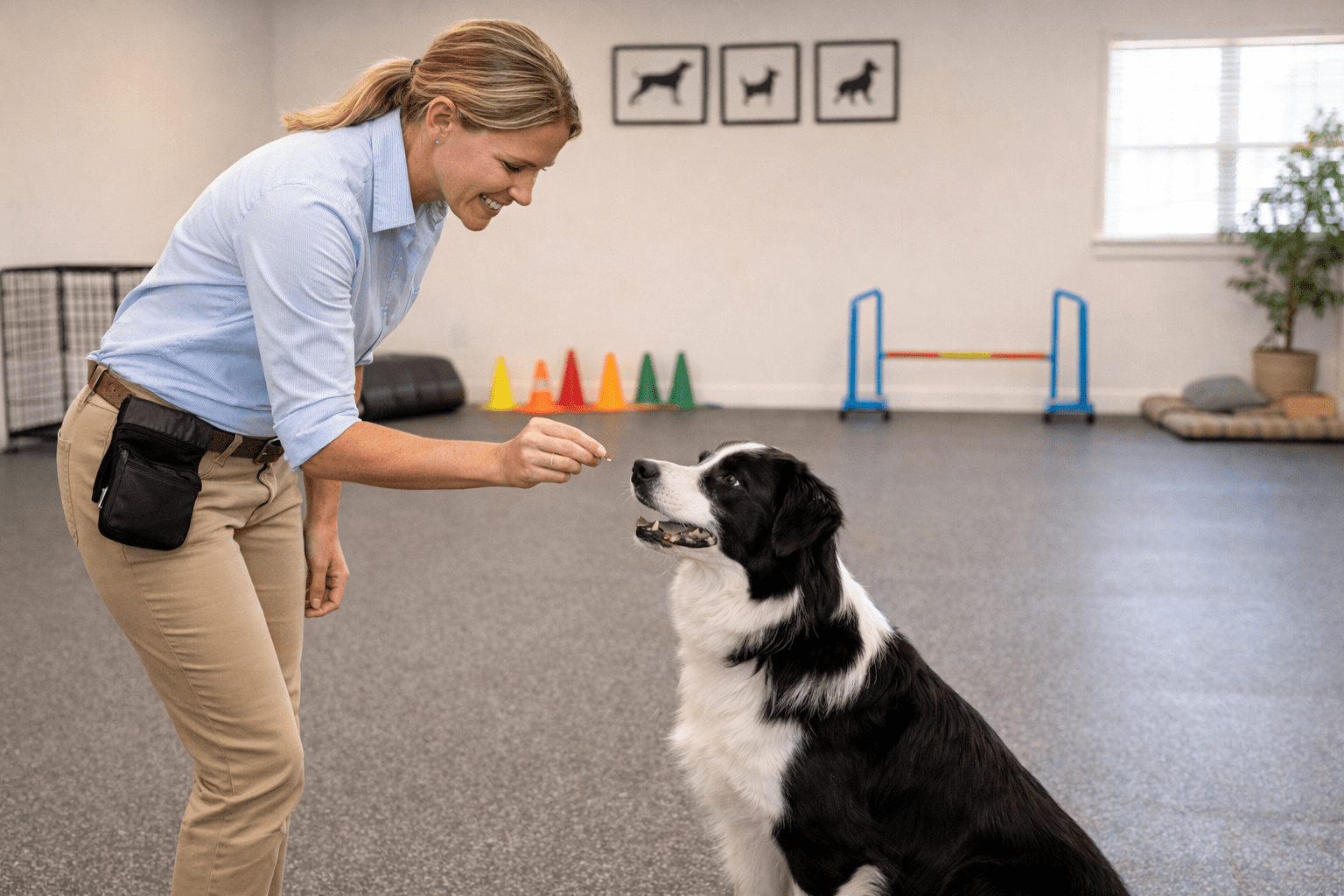
Dogs with a long history of successful counter surfing need intensive work to break the habit. A structured program provides the focus and consistency needed for big changes.
If you feel frustrated or unsure about your training approach, don’t wait. Getting help early prevents the problem from getting worse and saves you stress.
Consider a dog obedience training course for structured guidance and proven techniques.
The comparison below shows different approaches and their effectiveness:
| Approach | Effectiveness | Time to Results | Best For |
| Management only | Prevents behavior but doesn’t train | Immediate | Short-term control while training |
| Command training | Teaches alternatives and builds obedience | 2-6 weeks | Dogs with moderate counter surfing |
| Professional program | Addresses root causes with expert support | 1-4 weeks intensive | Severe cases or persistent habits |
| Combination approach | Most effective, prevents and trains | 4-8 weeks | All dogs, especially stubborn cases |
Conclusion: How to Stop Dog from Counter Surfing
Successfully stopping how to stop dog from counter surfing requires a combination of smart management, consistent training, and household cooperation. By removing opportunities, teaching better behaviors, and rewarding your dog for making good choices, you can end this frustrating habit for good. Remember that progress takes time, especially with dogs who have been counter surfing for months or years, but the effort pays off with a calmer kitchen and a better-trained companion.
K9 Mania Dog Training is the leading board and train Long Island provider, and we specialize in solving dog behavior issues like counter surfing. Our proven methods and experienced trainers can help you achieve lasting results. Visit our website to learn how we can transform your dog’s behavior and restore peace to your home.
Want to understand more about addressing unwanted behaviors? Read our guide on positive reinforcement dog training and discover the effectiveness of board and train programs.
You May Also Want to Read
- Why Does My Dog Sit On Me
- Why Do Dogs Shake?
- Why Do Dogs Get the Zoomies
- Dog Body Language: How to Read Your Dog’s Signals
Frequently Asked Questions
Can you stop a dog from counter surfing?
Yes, you can absolutely stop a dog from counter surfing through consistent management and training. The key is removing all food from counters to prevent self-rewarding behavior while teaching alternative commands like “off,” “leave it,” and “place.” Success requires patience and household cooperation, but most dogs can break the habit within four to eight weeks when you combine prevention with positive reinforcement training methods that reward better choices.
How do I get my dog to stop taking things off the counter?
To stop your dog from taking things off the counter, start by keeping all food and items completely off counters for at least two weeks. During this time, teach the “leave it” command using treats and practice impulse control exercises. When your dog successfully ignores items on lower surfaces, gradually reintroduce objects to the counter while rewarding your dog for staying away. Use baby gates or closed doors to prevent unsupervised access during training.
How do I get my dog to stay off the counter?
Getting your dog to stay off the counter requires teaching incompatible behaviors like “place” or “down-stay” that they can’t perform while counter surfing. Practice these commands during meal prep times and reward your dog heavily for holding position. Management is equally important, so use baby gates to restrict kitchen access when you can’t supervise. Consistency across all family members makes the biggest difference in creating a permanent change in your dog’s behavior.
What smell do dogs absolutely hate?
While dogs dislike certain smells like citrus, vinegar, and ammonia, using scent deterrents for counter surfing isn’t recommended as a primary solution. These smells may temporarily discourage your dog, but they don’t teach better behavior and can create negative associations with the kitchen. Some dogs also ignore scent deterrents entirely, especially when highly motivated by food. Focus instead on management and positive training methods that give your dog clear alternatives and rewards for making good choices.
How to punish a dog for eating off the counter?
Punishment is not an effective or recommended approach for counter surfing. After-the-fact scolding doesn’t work because dogs can’t connect punishment to actions from minutes or hours earlier. Instead, focus on preventing the behavior through management by keeping counters clear and restricting access. Train alternative behaviors using positive reinforcement, rewarding your dog for “place,” “down-stay,” or “leave it” commands. This approach builds better habits without creating fear or confusion around the kitchen.
What is the most effective punishment for dogs?
The most effective “punishment” isn’t punishment at all, but rather removing the opportunity for the unwanted behavior and rewarding better choices. For counter surfing, this means keeping food off counters so the behavior doesn’t get reinforced, then teaching commands like “off” and “place” that earn treats and praise. Positive reinforcement methods create lasting behavior change because your dog learns what works, not just what doesn’t. Professional trainers consistently recommend reward-based training over punishment for reliable, long-term results.