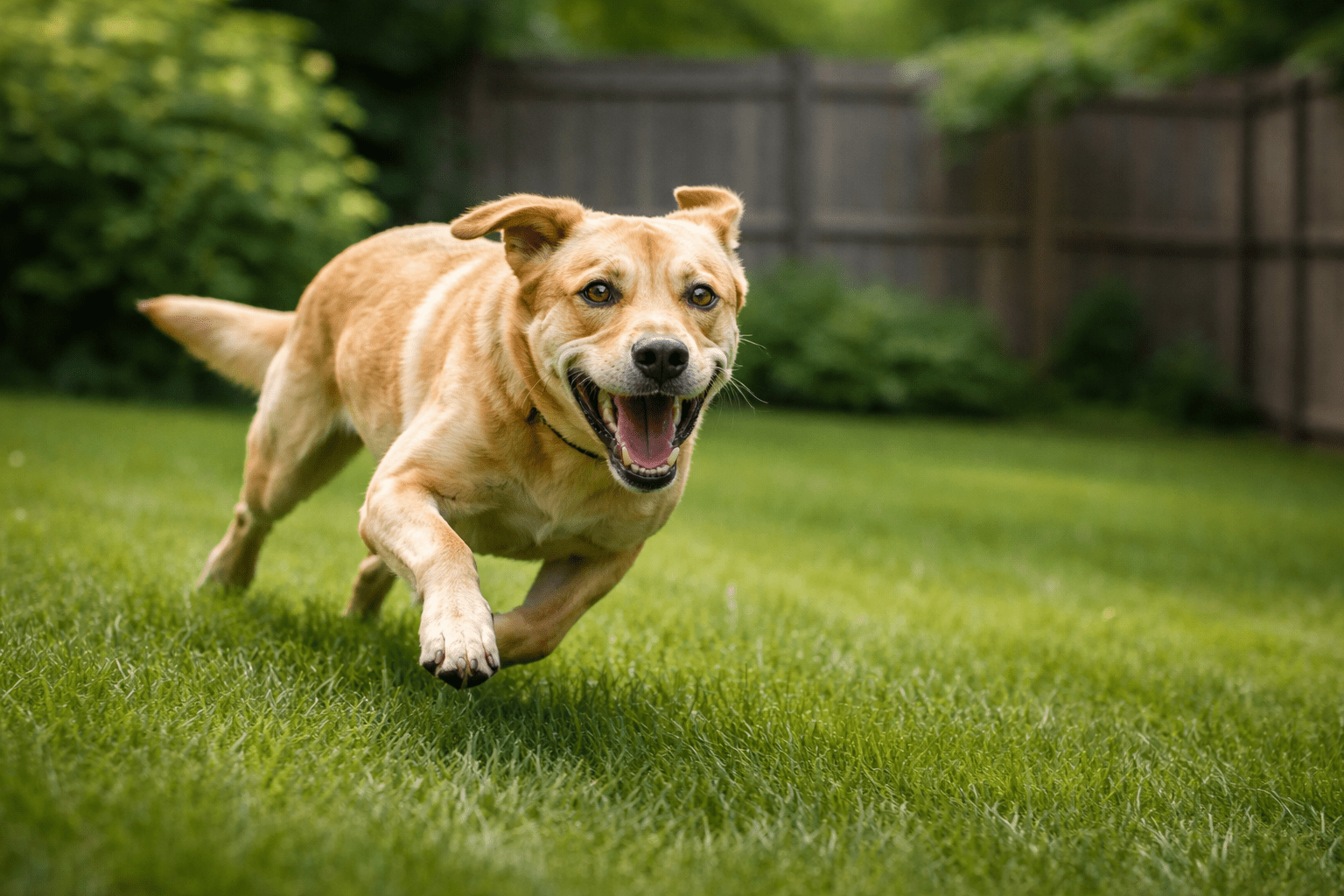
Why do dogs get the zoomies? Dogs get the zoomies as a natural way to release built-up energy, express excitement, or shake off stress through sudden bursts of frantic activity. These episodes, officially called Frenetic Random Activity Periods (FRAPs), are completely normal and usually signal a happy, healthy pup.
If you’ve ever watched your dog suddenly sprint around the house like they’re being chased by an invisible force, you’re witnessing one of the most entertaining behaviors in the canine world. While it might look chaotic or even concerning at first, zoomies are actually a fascinating window into your dog’s emotional and physical state.
In this guide, we’ll break down what triggers these energy explosions, when they’re normal versus when to be concerned, and how to manage them safely. Whether your pup zooms after baths, during playtime, or seemingly out of nowhere, you’ll learn exactly what’s happening and why.
Looking to channel your dog’s energy in productive ways? Explore our obedience dog training programs designed to build focus and control.
What Are Dog Zoomies?
Zoomies are those sudden bursts of energy where your dog races around at top speed, often in circles or figure-eight patterns. Veterinarians and animal behaviorists call them FRAPs, which stands for Frenetic Random Activity Periods.
During a zoomie episode, your dog’s eyes might get wide, their ears pin back, and they’ll run like they’re competing in the Olympics. You might see them bouncing off furniture, spinning in tight circles, or doing play bows between sprints.
Understanding FRAP Episodes
FRAP is the technical term for what happens when dogs experience an overwhelming need to burn off energy fast. These episodes are self-limiting, meaning they naturally end on their own once your dog has released the pent-up excitement or stress.
Most zoomie sessions last anywhere from 30 seconds to five minutes. They can happen once a day, multiple times daily, or just occasionally depending on your dog’s age, breed, and lifestyle.
The behavior stems from your dog’s natural instincts. Wild canines use similar bursts of speed to practice hunting skills, escape danger, or play with pack members. Your domestic dog retains these instincts even though they’re not chasing prey or avoiding predators.
How Zoomies Look and Feel
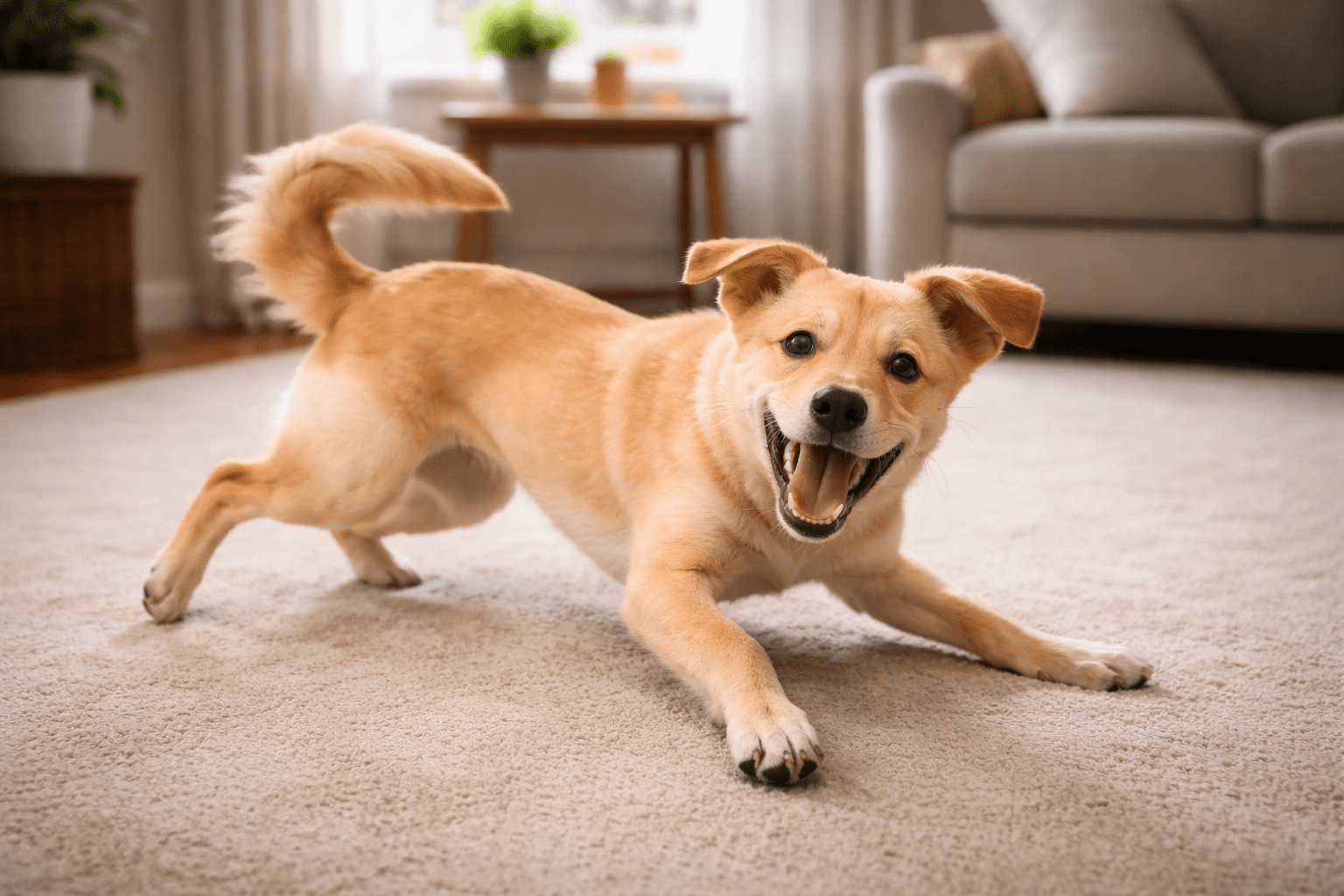
You’ll know your dog has the zoomies when they suddenly drop into a play bow position and take off running without warning. Their body language during zoomies is usually loose and playful, not stiff or aggressive.
Common zoomie behaviors include:
- Running in circles or figure-eights at full speed
- Bouncing off walls, furniture, or people
- Tucking their rear end and racing low to the ground
- Making sharp turns and sudden direction changes
- Play bowing or jumping between sprints
- Grabbing toys or mouthing at the air while running
Most dogs have a joyful, almost goofy expression during zoomies. Their mouths might be open in what looks like a smile, and their whole body wiggles with excitement.
Why Do Dogs Get the Zoomies? Main Causes Explained
Understanding why do dogs get the zoomies helps you recognize what your pup needs and when these bursts are completely normal. Several key factors trigger these high-energy episodes, from physical needs to emotional states.
Energy Release and Exercise Needs
The most common reason dogs zoom is simple: they have excess energy that needs an outlet. Just like kids who get restless after sitting in school all day, dogs need to move their bodies regularly.
When a dog doesn’t get enough physical activity during the day, energy builds up inside them. Zoomies become a pressure release valve. This is especially true for high-energy breeds like Border Collies, Australian Shepherds, Jack Russell Terriers, and Labrador Retrievers.
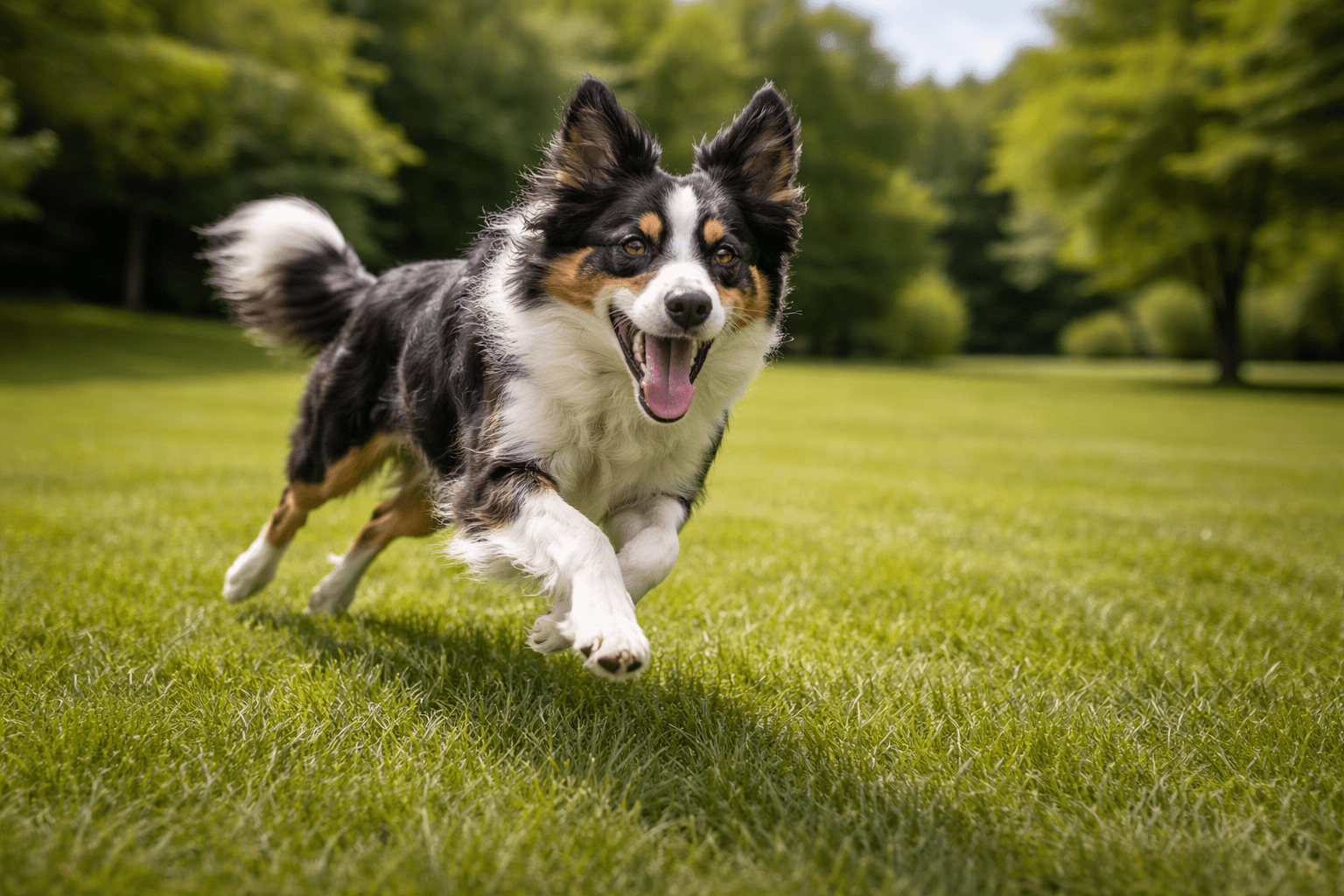
Young puppies and adolescent dogs experience zoomies more frequently because they naturally have higher energy levels than adult or senior dogs. Their bodies are developing, and they need multiple opportunities throughout the day to burn calories and build muscle.
If your dog consistently gets the zoomies at the same time each day, it’s often a sign they need more structured exercise or dog behavior training to learn appropriate outlets for their energy.
Emotional Triggers
Dogs also zoom when they’re experiencing strong positive emotions. Excitement, happiness, and relief can all trigger a FRAP episode.
Common emotional triggers include:
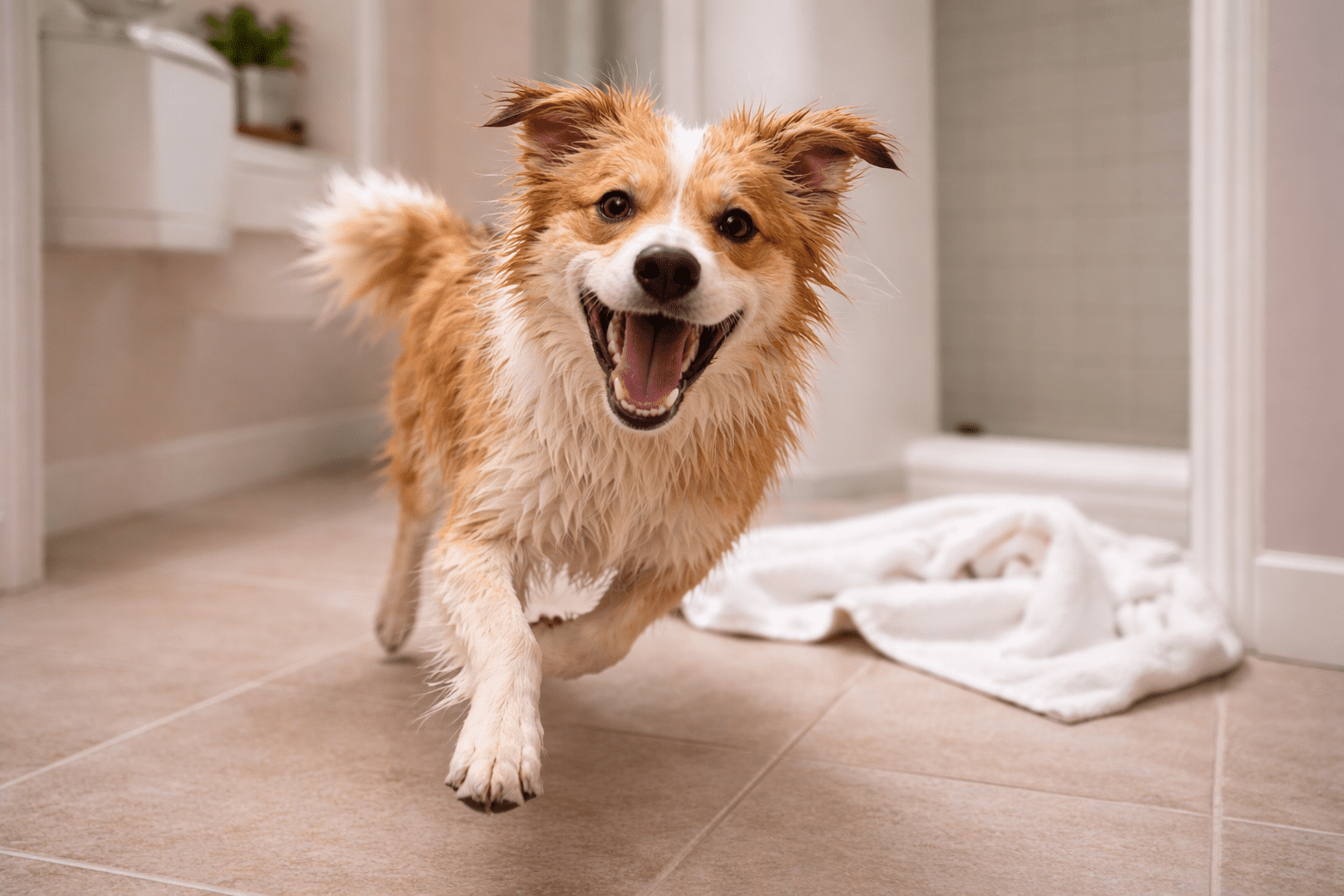
- Post-bath zoomies: Many dogs race around after baths because they’re relieved the experience is over or excited to be free from the tub
- Greeting excitement: When you come home from work, your dog might zoom to express how thrilled they are to see you
- Pre-meal anticipation: Some dogs get the zoomies right before dinner time when they’re excited about eating
- Successful potty breaks: Puppies often zoom after going to the bathroom outside, celebrating their accomplishment
Stress relief is another emotional factor. If your dog feels anxious or overwhelmed, a zoomie episode can help them shake off nervous energy and reset their emotional state.
Time of Day Patterns
Many dogs experience zoomies at predictable times. Evening zoomies are incredibly common, often happening right before bedtime. This pattern has a few explanations.
First, dogs may be releasing the day’s accumulated energy before settling down for the night. Second, the cooler evening temperatures make running more comfortable than midday heat. Third, the whole family is usually home in the evening, which can trigger excitement.
Morning zoomies happen too, especially in dogs who sleep through the night and wake up with energy to spare. Some dogs zoom right after waking up as a way to jump-start their day.
Weather changes can also affect zoomie timing. Many dogs zoom more on windy days or after being stuck inside during rainy weather. The shift in conditions seems to spark extra energy and playfulness.
Common Zoomie Triggers and What They Mean
Different situations trigger zoomies in different dogs. Recognizing these patterns helps you understand your dog’s unique needs and personality. Here’s a breakdown of the most frequent zoomie triggers:
| Trigger | Why It Happens | What It Means |
| After baths or grooming | Relief that the experience is over; feeling lighter or cooler | Normal stress release; consider making bath time more positive |
| After pooping | Physical relief; natural instinct to distance from waste | Completely normal; common in puppies and some adult dogs |
| When visitors arrive | Excitement and overstimulation from new people | May need help with dog behavior training for calmer greetings |
| Before bedtime | Releasing day’s energy; second wind phenomenon | Sign they need more daytime exercise or mental stimulation |
| After being confined | Pent-up energy from crate or small space | Normal; ensure adequate exercise before confinement periods |
| During play with other dogs | Social excitement; mirroring playmate’s energy | Healthy play behavior; monitor for safety |
Understanding these triggers lets you prepare for zoomies or even use them to your advantage. For example, if your dog always zooms after dinner, you can clear a safe space beforehand or plan outdoor playtime.
Zoomie Types: Breaking Down the Different Energy Bursts
Not all zoomies are created equal. The type of zoomie your dog experiences can tell you different things about their emotional and physical state. Here’s how different zoomie types compare:
| Zoomie Type | Characteristics | Common in | When to Encourage | When to Redirect |
| Excitement Zoomies | Triggered by positive events; loose, bouncy body language | All ages, especially young dogs | Safe outdoor spaces; playtime | Indoor spaces with breakables; around small children |
| Stress-Relief Zoomies | Follow tense situations; help dog decompress | Anxious dogs; after vet visits or baths | After stressful events; helps emotional reset | If stress trigger can be addressed differently |
| Energy-Burn Zoomies | Happen when dog hasn’t exercised enough | High-energy breeds; under-exercised dogs | Open areas where running is safe | Sign to increase daily exercise routine |
| Social Zoomies | Occur during or after playing with other dogs | Social, playful dogs | During appropriate dog playdates | If play is getting too rough or dogs are tired |
| Time-Pattern Zoomies | Happen at same time daily (morning/evening) | Dogs with routine schedules | Consistent, predictable patterns | If timing is inconvenient; adjust exercise schedule |
Recognizing which type of zoomies your dog experiences most helps you address the root cause. Energy-burn zoomies suggest you need to increase daily exercise, while stress-relief zoomies might mean certain experiences need to be made more positive.
Need help managing your energetic dog’s behavior? Our board and train Long Island program teaches dogs self-control and appropriate energy outlets.
Managing Your Dog’s Zoomies Safely
While zoomies are natural and usually harmless, you can take steps to make sure your dog stays safe during these wild moments. The key is creating the right environment and knowing when to let them zoom versus when to redirect.
Safe Environments for Zoomies
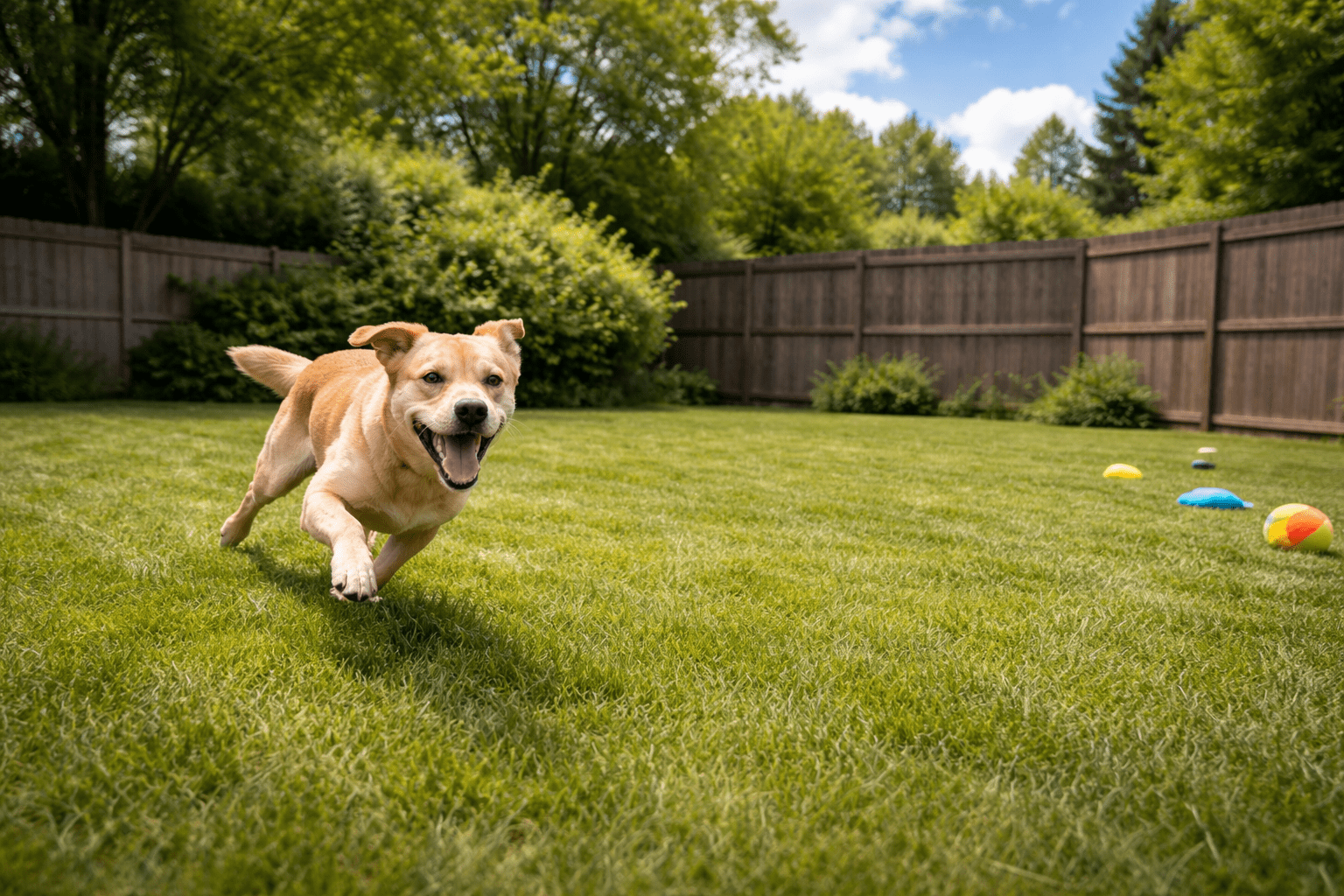
The best place for zoomies is a secure, open area where your dog can run freely without obstacles or hazards. Fenced backyards are ideal because your dog can sprint at full speed without the risk of running into traffic or getting lost.
Inside your home, clear a path by moving furniture, picking up toys, and securing any items that could fall or break. Hardwood or tile floors can be slippery during zoomies, so consider using non-slip rugs in main pathways if your dog zooms indoors regularly.
Avoid letting your dog zoom near stairs, glass doors, or areas with sharp corners. During intense zoomie sessions, dogs aren’t always aware of their surroundings and could accidentally hurt themselves.
If you have multiple dogs, make sure they have enough space to zoom together safely. Sometimes one dog’s zoomies can trigger another’s, creating a fun but chaotic situation that needs supervision.
When to Redirect Energy
Most zoomies are harmless and should be allowed to run their course. However, there are times when redirecting that energy is the smarter choice.
Redirect zoomies when:
- Your dog is zooming in a dangerous area (near roads, cliffs, or water)
- They’re knocking into people, especially children or elderly family members
- The behavior happens during inappropriate times (middle of the night, during meals)
- Your dog seems unable to settle afterward or gets repeatedly injured
- Zoomies are triggered by anxiety rather than happiness
To redirect safely, try engaging your dog with a favorite toy, starting a training session with treats, or moving them to a more appropriate space. Don’t chase your dog during zoomies, as this can make them run faster and potentially lose control.
For dogs who zoom excessively or seem unable to calm down, consider whether they’re getting enough physical and mental exercise during the day. Learn strategies to calm a hyperactive dog through structured activities and training.
Providing interactive dog toys for hyperactive dog can help your pup burn mental energy throughout the day, potentially reducing the intensity or frequency of zoomie episodes.
When Zoomies Might Signal a Problem
While zoomies are usually a sign of a happy, healthy dog, there are rare cases when excessive or unusual zoomie behavior could indicate an underlying issue.
Contact your veterinarian if your dog:
- Suddenly starts having zoomies much more frequently than before
- Seems unable to stop or calm down after zooming for extended periods
- Appears disoriented, confused, or distressed during episodes
- Shows signs of pain or limping after zoomies
- Has zoomies that seem triggered by touching certain body parts
- Experiences zoomies along with other behavior changes like aggression or excessive fear
Some medical conditions, including neurological issues, pain, or even parasites, can occasionally cause unusual energy bursts. It’s better to rule out health problems if your dog’s zoomie pattern changes dramatically.
For most dogs though, zoomies are just a fun, natural behavior that shows your pup is feeling good. Understanding why do dogs get the zoomies helps you appreciate these wild moments as a normal part of having an energetic, joyful companion.
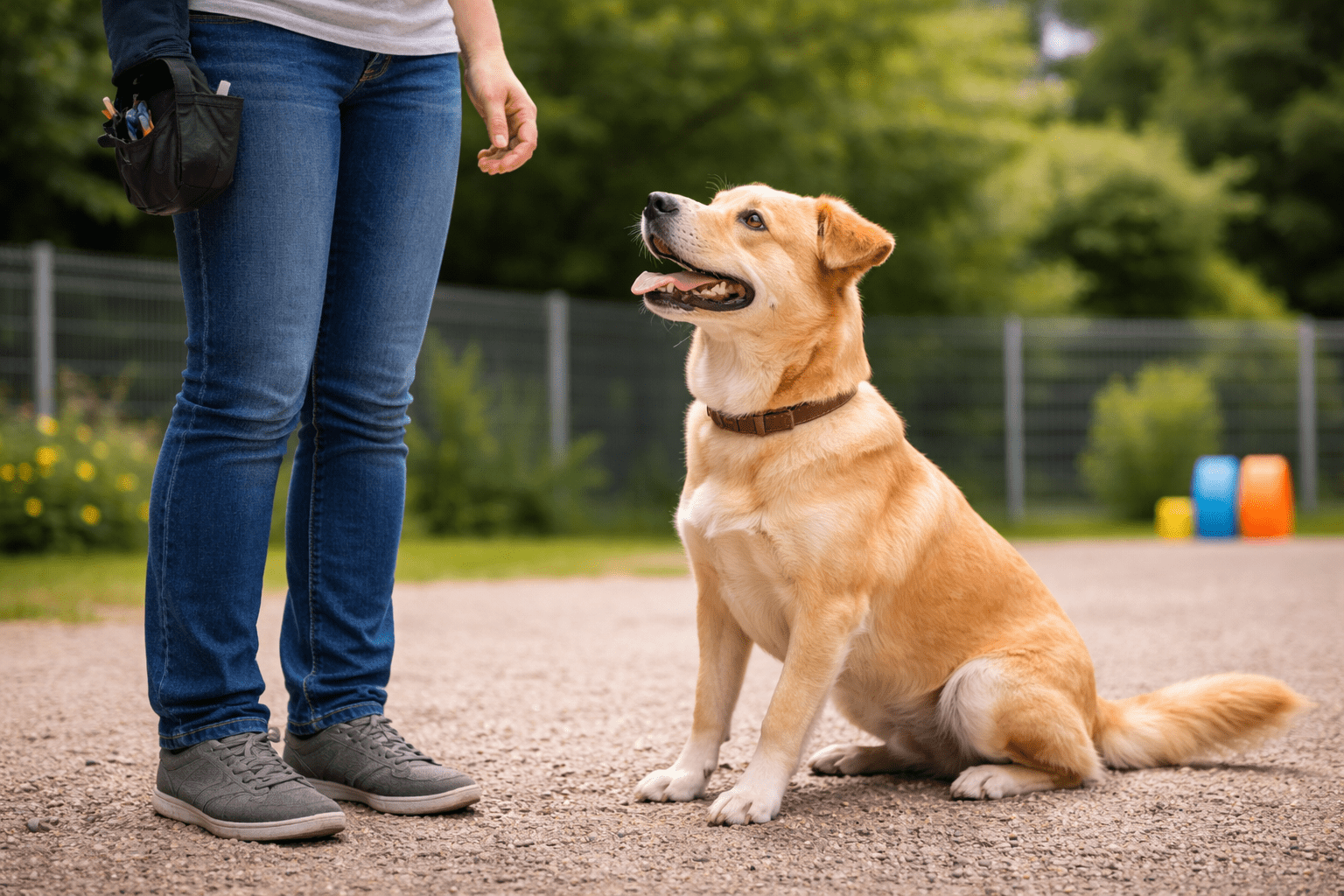
Want to build better impulse control and focus in your energetic dog? Explore our obedience dog training programs for lasting results.
Final Thoughts on Why Dogs Get the Zoomies
Zoomies are one of the most entertaining and endearing behaviors our dogs display. Whether your pup races around the yard after a bath or tears through the living room before bedtime, these energy bursts are usually a sign of a happy, healthy dog with energy to spare.
By understanding the reasons behind why do dogs get the zoomies, you can better support your dog’s physical and emotional needs. More exercise, mental stimulation, and appropriate outlets for energy can help manage excessive zoomies while still allowing your dog to express their natural exuberance.
At K9 Mania Dog Training, we’re the leading board and train Long Island provider, and we understand how challenging high-energy dogs can be. Whether your dog needs help learning self-control or you want strategies to train a hyperactive dog, we’re here to help with proven training methods that work. Trust us to guide you and your dog toward a calmer, more balanced life together.
You May Also Want to Read
Frequently Asked Questions
Do zoomies mean dogs are happy?
Yes, zoomies usually indicate happiness and excitement in dogs. The loose, bouncy body language and playful expressions during zoomie episodes show your dog is experiencing positive emotions. However, zoomies can also happen as a stress-relief mechanism after tense situations like baths or vet visits. In these cases, the zoomies help your dog release nervous energy and reset emotionally, which ultimately leads to feeling better even if the initial trigger wasn’t purely joyful.
Should you stop a dog with zoomies?
You generally shouldn’t stop a dog having zoomies unless they’re in danger or the situation is inappropriate. Zoomies are a natural, healthy way for dogs to release energy and should be allowed to run their course, which typically lasts just a few minutes. Instead of stopping them, focus on creating a safe environment where your dog can zoom without getting hurt. Only redirect if your dog is at risk of injury, knocking into people, or if the timing is truly problematic like the middle of the night.
What is the hardest command to teach a dog?
The hardest command to teach most dogs is a reliable “stay” or “wait” in distracting environments, as it requires impulse control and the ability to resist natural instincts to move or investigate. Commands that ask dogs to remain still while exciting things happen around them go against their natural desire to engage with their environment. This is why consistent training, starting in low-distraction settings and gradually building up, is essential for success with advanced obedience commands that require significant self-control.
What annoys dogs the most?
Dogs are most commonly annoyed by being hugged or restrained tightly, having their personal space invaded suddenly, being stared at directly by strangers, and hearing high-pitched or loud noises they can’t escape. Many dogs also dislike having their paws, tails, or ears handled roughly, being woken up suddenly from sleep, or being forced into uncomfortable situations like baths or nail trims without proper desensitization. Understanding your individual dog’s preferences and respecting their boundaries helps reduce annoyance and stress in daily interactions.
Which dog gets the most zoomies?
Young puppies and adolescent dogs typically experience the most frequent and intense zoomie episodes due to their naturally high energy levels and developing bodies. Among breeds, high-energy working and herding breeds like Border Collies, Australian Shepherds, Jack Russell Terriers, and Labrador Retrievers tend to have more frequent zoomies than calmer breeds. However, any dog can get the zoomies regardless of breed, especially if they haven’t had adequate exercise or are experiencing strong emotions like excitement or relief.
Which dog breed is calmest?
The calmest dog breeds generally include Basset Hounds, Cavalier King Charles Spaniels, Newfoundlands, Shih Tzus, and English Bulldogs, though individual temperament varies within every breed. These breeds were typically developed for companionship rather than high-energy work, resulting in more laid-back personalities that require less intense exercise and experience fewer zoomie episodes. However, even calm breeds need regular activity and mental stimulation to stay healthy and happy, and any dog can occasionally get the zoomies when excited or after periods of rest.