Do dogs hold grudges? No, dogs don’t hold grudges the way humans do. While your dog might act wary after a negative experience, this is a protective memory response rather than the emotional grudge-holding that people experience.
If your dog seems mad at you after you accidentally stepped on their paw or scolded them, you might worry they’re holding a grudge. The good news is that what looks like grudge-holding is actually something completely different. Dogs process experiences and emotions differently than we do, and understanding this can help you build a stronger bond with your furry friend.
In this guide, we’ll break down how dog memory really works, why your pup might seem upset with you, and what you can do to rebuild trust after a negative experience.
Looking to strengthen your bond through professional training? Check out our board and train Long Island program for expert guidance.
What Does It Mean to Hold a Grudge
Holding a grudge means keeping angry or resentful feelings toward someone over time because of something they did. It involves complex emotions like spite, planning revenge, or intentionally withdrawing affection to punish someone.

Grudges require a level of abstract thinking and emotional complexity that dogs simply don’t possess. When humans hold grudges, they replay events in their minds, build narratives about why they were wronged, and make conscious decisions about how to treat the person who upset them.
The Human Experience of Grudges
People hold grudges by remembering specific details of who wronged them, why it was wrong, and how they felt about it. They might refuse to forgive, bring up past issues during arguments, or avoid someone for months or years.
This behavior stems from our advanced cognitive abilities. We can imagine different outcomes, assign blame, and hold onto resentment as a form of self-protection or perceived justice.
How Dogs Process Negative Events
Dogs live much more in the present moment than humans do. When something bad happens, they form associations based on the experience rather than building complex emotional narratives.
If you accidentally step on your dog’s tail, they might yelp and move away. Within minutes, they’re often back to normal, wagging their tail and looking for attention. This isn’t because they’re simple or forgiving in the human sense. It’s because they don’t process the event as a personal betrayal that requires holding onto negative feelings.
Your dog’s brain focuses on patterns and associations. They remember “that hurt” or “that was scary,” but they don’t spend time thinking “my owner is mean and did that on purpose to hurt me.”
How Dog Memory Actually Works
Dog memory is different from human memory in important ways. Understanding these differences helps explain why dogs don’t actually hold grudges, even when they remember negative experiences.
Types of Memory in Dogs
Dogs have two main types of memory that affect their behavior:
Associative memory connects experiences with outcomes. If your dog gets a treat every time they sit, they learn to sit when you ask. If they get scared by loud noises near the vacuum cleaner, they learn to fear the vacuum.
This type of memory is incredibly strong in dogs. They can remember associations for years, which is why a dog who was abused might still flinch around certain objects or people long after being rescued.
Episodic-like memory lets dogs recall specific events, though not with the same detail humans can. Studies show dogs can remember where they hid a toy or what happened during a specific walk, but these memories fade faster than human memories.
How Long Dogs Remember Different Things
Research shows dogs have different memory spans depending on what they’re remembering:
| Memory Type | Duration | Examples |
| Short-term memory | 2-5 minutes | Where you just threw the ball, what you said a moment ago |
| Associative memory | Years or lifetime | Commands they learned, people who scared them, places where good things happen |
| Episodic memory | Hours to days | What happened on this morning’s walk, where they buried a bone yesterday |
Dogs excel at remembering associations but struggle with remembering specific event details over long periods. This is why your dog might seem to “forget” they were upset with you so quickly.
The Role of Emotions in Dog Memory
Strong emotions strengthen memories in dogs, just like in humans. A scary experience at the vet creates a stronger memory than a boring car ride.
However, dogs don’t replay these memories and build resentment. Instead, the emotional memory serves as a warning system. When your dog sees the vet’s office again, their brain says “be careful here” rather than “I’m mad at this place for what happened last time.”
Want to understand your dog better? Read about signs your dog trusts you to strengthen your relationship.
Why Your Dog Seems Mad at You
When your dog acts distant or wary after you’ve done something they didn’t like, it can feel like they’re holding a grudge. In reality, several other explanations are much more likely.
Fear-Based Responses Look Like Anger
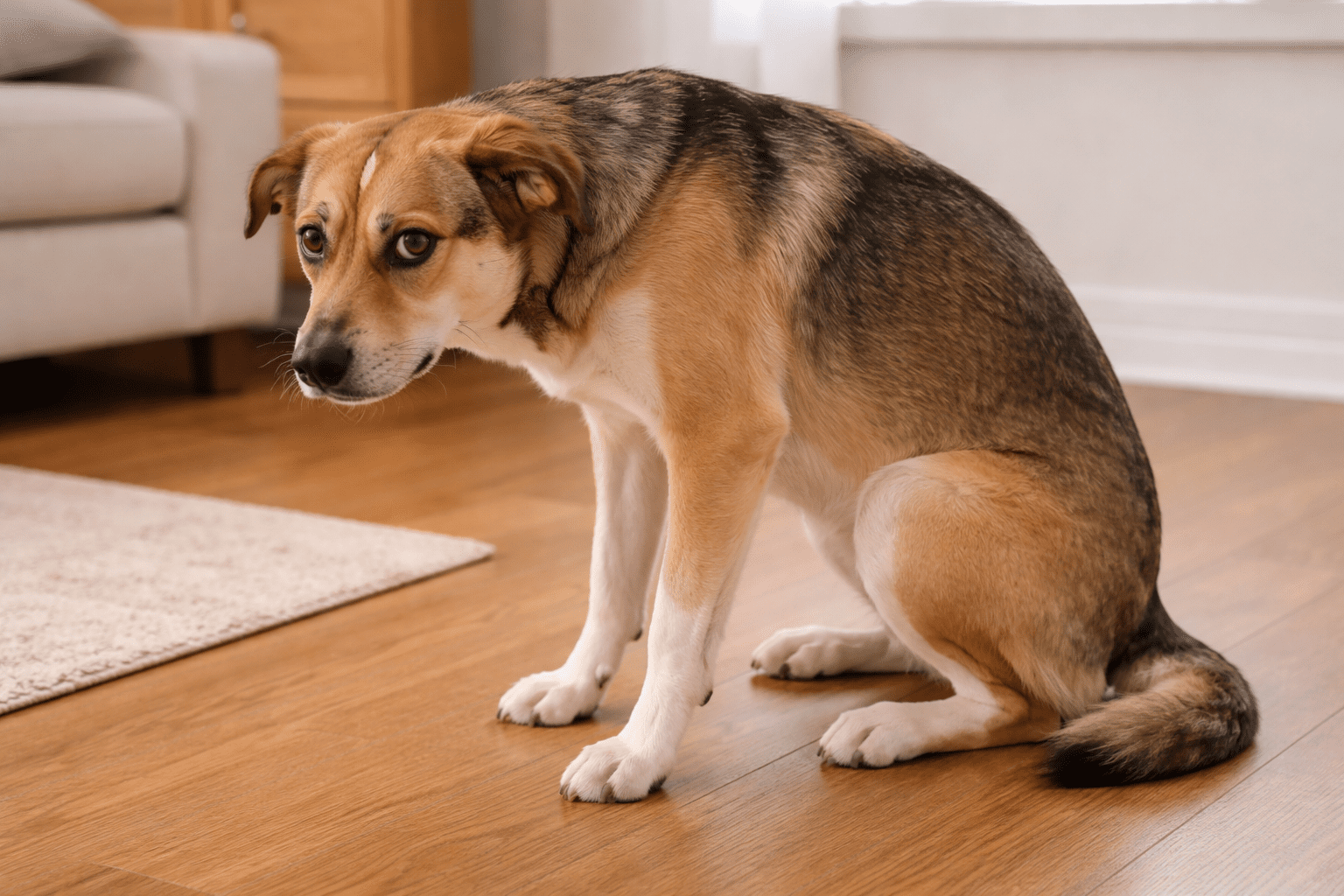
What looks like your dog giving you the cold shoulder is often fear or uncertainty. If you raised your voice or made a sudden movement that startled them, your dog might keep their distance for a while.
This isn’t anger or grudge-holding. It’s your dog’s natural survival instinct telling them to be cautious until they feel safe again. They’re not plotting revenge or withholding affection to punish you. They’re just waiting to see if the scary thing will happen again.
Dogs who’ve experienced punishment-based training often show this behavior more frequently. They learn to be wary around their owners because they can’t predict when correction might come.
Stress and Anxiety Affect Behavior
A stressed dog might act differently than usual, which you could misinterpret as holding a grudge. Stress from any source (not just you) can make your dog:
- Avoid eye contact
- Keep their distance
- Refuse treats or play
- Show whale eye or other calming signals
- Hide or stay in their safe space
If you recently had a conflict with your dog and they’re acting standoffish, they might just need time to decompress from the stressful experience. This is especially true if the situation involved loud noises, physical discomfort, or fear.
Learned Behavior Can Mimic Grudges
Sometimes dogs learn that certain behaviors get specific results. If your dog acts aloof after you scold them and you respond by giving extra treats or attention, you might accidentally reinforce that behavior.
Over time, your dog might learn to act distant as a way to get more attention or treats from you. This can look like they’re punishing you, but they’re actually just repeating a behavior that worked before.
Is My Dog Holding a Grudge?
While dogs don’t hold grudges, they definitely remember negative experiences. Recognizing these signs helps you understand when your dog needs extra support and patience.
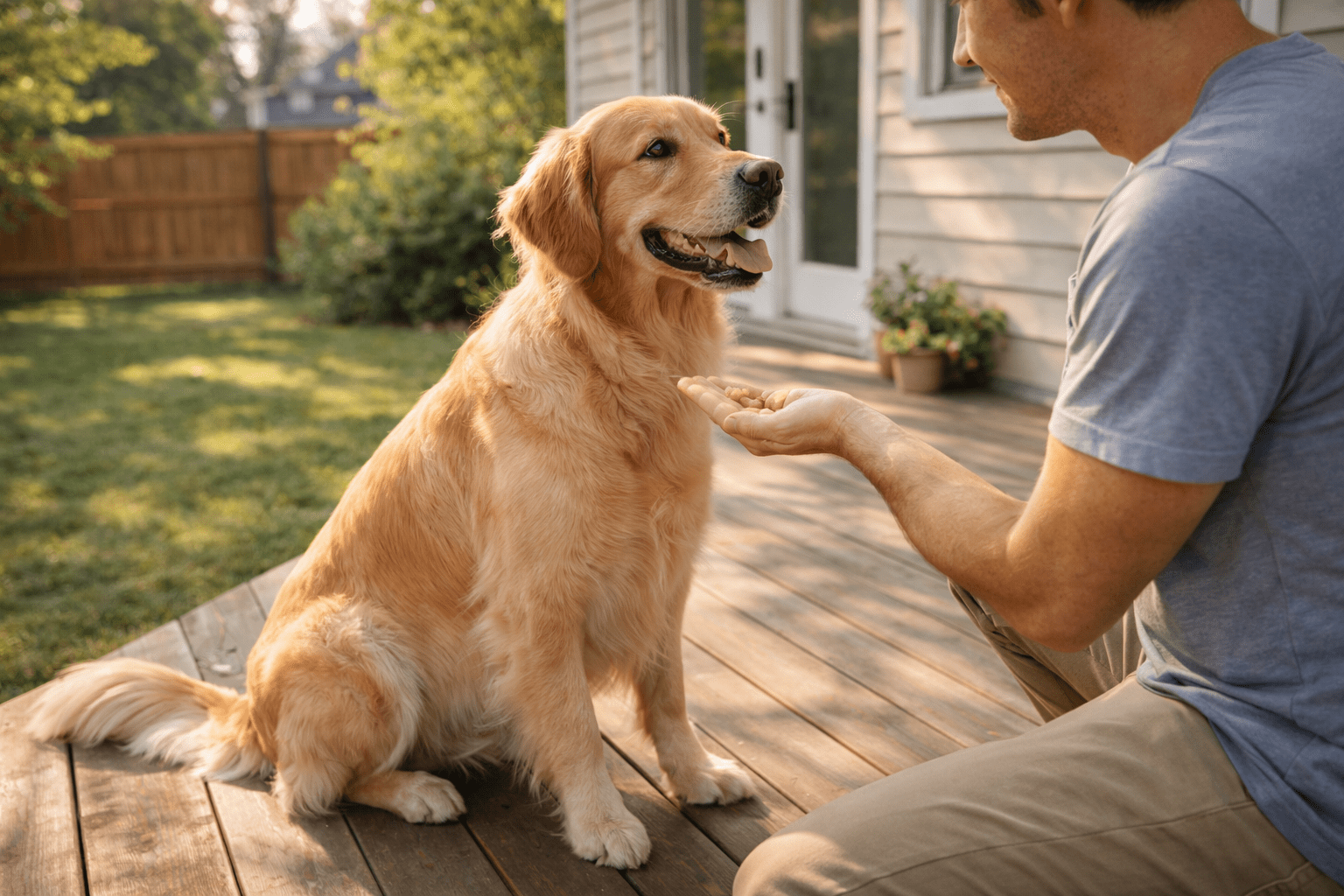
Behavioral Changes to Watch For
Your dog shows they remember something unpleasant through specific behaviors:
| Behavior | What It Means | What to Do |
| Avoiding specific people, places, or objects | Strong negative association formed | Gradual desensitization with positive experiences |
| Cowering or hiding | Fear response from past experience | Create safe spaces, avoid forcing interaction |
| Excessive barking or growling | Defensive behavior from feeling threatened | Professional training to rebuild confidence |
| Regression in training | Stress affecting learned behaviors | Return to basics with positive reinforcement |
| Changes in body language (tucked tail, flattened ears) | Anxiety or fear triggered by memory | Remove triggers when possible, consult trainer |
These reactions don’t mean your dog is holding a grudge. They mean your dog’s brain is protecting them from something they’ve learned might be dangerous or unpleasant.
Context-Specific Wariness
Dogs are masters at making connections between experiences and specific contexts. Your dog might be perfectly fine with you at home but anxious during car rides if they associate cars with scary vet visits.
This context-specific behavior shows how dog memory works. They’re not mad at the car or the vet. They’ve just learned that “car = potential scary experience” and their brain tells them to be cautious.
You might notice your dog acts differently around specific objects, in certain rooms, or during particular activities. These aren’t grudges but protective associations based on past experiences.
Struggling with anxiety-related behaviors? Learn about crate training separation anxiety to help your dog feel more secure.
How to Rebuild Trust After a Negative Experience
If you’ve had a negative interaction with your dog and they seem wary of you, you can rebuild that trust. The process takes patience but works because dogs are naturally forgiving creatures who live in the present.
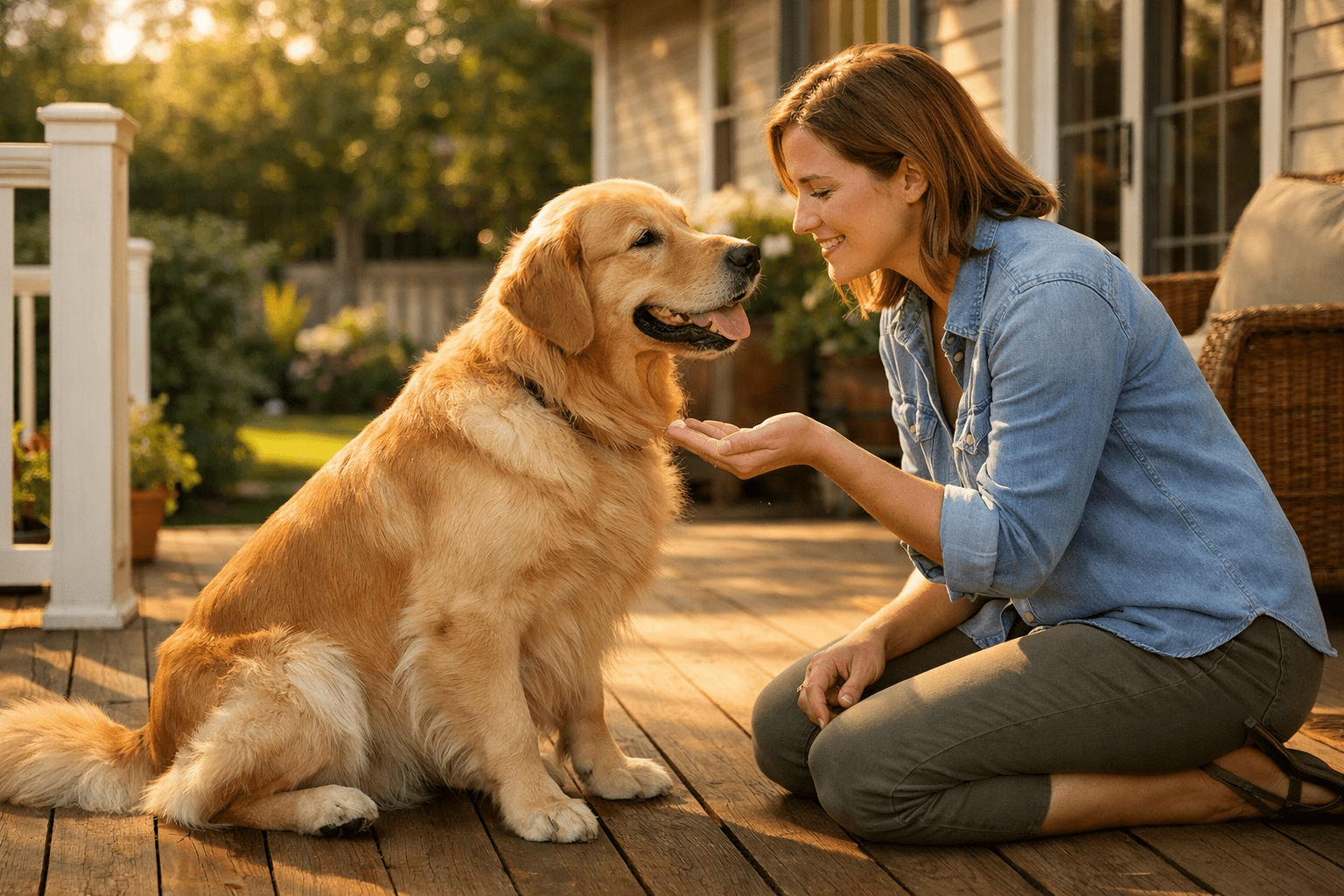
Give Your Dog Space and Time
After a negative experience, let your dog come to you rather than forcing interaction. Sit calmly in the same room and wait for them to approach when they’re ready.
This might take five minutes or it might take an hour, depending on your dog’s personality and the severity of what happened. Forcing interaction too soon can make things worse.
When your dog does approach, keep your movements slow and calm. Let them sniff you, then offer gentle praise or a treat. Don’t grab them or make sudden movements that might startle them again.
Use Positive Associations
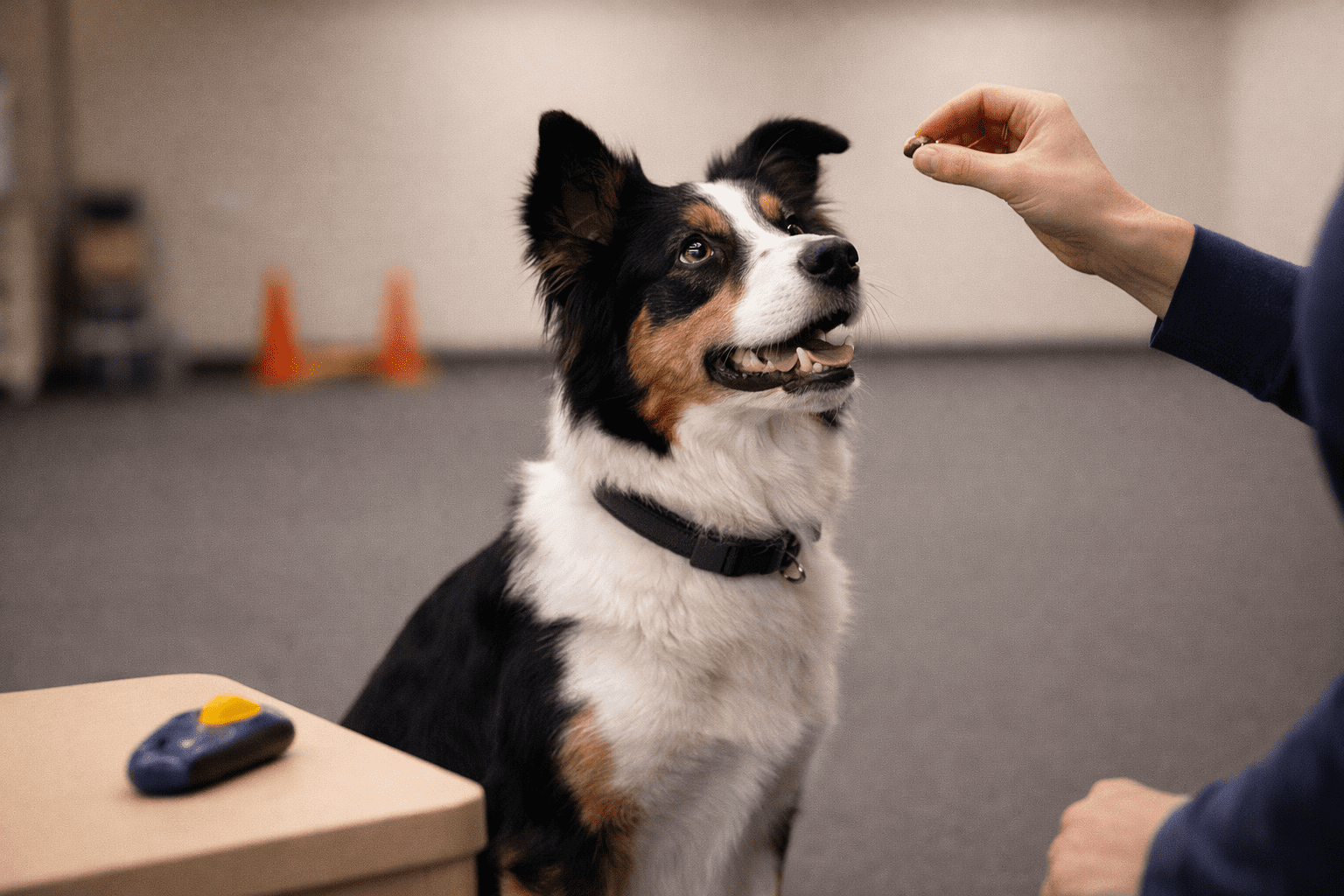
Counter the negative memory by creating positive experiences. If you accidentally hurt your dog while trimming their nails, spend the next few days giving treats whenever the nail clippers appear (without actually using them).
This process, called counterconditioning, helps your dog form new, positive associations that override the negative one. Over time, their fear response weakens as they learn that the previously scary thing now predicts good stuff.
Consistency matters here. You can’t rush the process or expect overnight results. Small, positive interactions build trust much faster than grand gestures.
Stay Calm and Consistent
Dogs pick up on your emotional state. If you feel guilty or anxious about what happened, your dog senses that energy and might remain uncertain.
Move forward with confidence and consistency. Stick to your normal routine, use the same cues and commands, and maintain your usual calm, positive energy. This helps your dog understand that everything is back to normal.
Professional training can make a huge difference, especially if your dog shows ongoing fear or anxiety. Programs like dog obedience training help build confidence and strengthen the bond between you and your dog.
Prevent Future Negative Experiences
Learn from what happened and make changes to prevent similar situations. If you lost your temper and yelled, work on your own stress management. If you accidentally hurt your dog during grooming, consider getting professional help or learning better techniques.
Prevention is always easier than rebuilding trust. Understanding your dog’s body language, recognizing stress signals, and responding appropriately helps you avoid creating negative associations in the first place.
Curious about other dog behaviors? Discover why dogs tilt their heads and what it reveals about how they think.
When to Seek Professional Help
Sometimes a dog’s response to negative experiences goes beyond normal wariness and requires professional intervention.
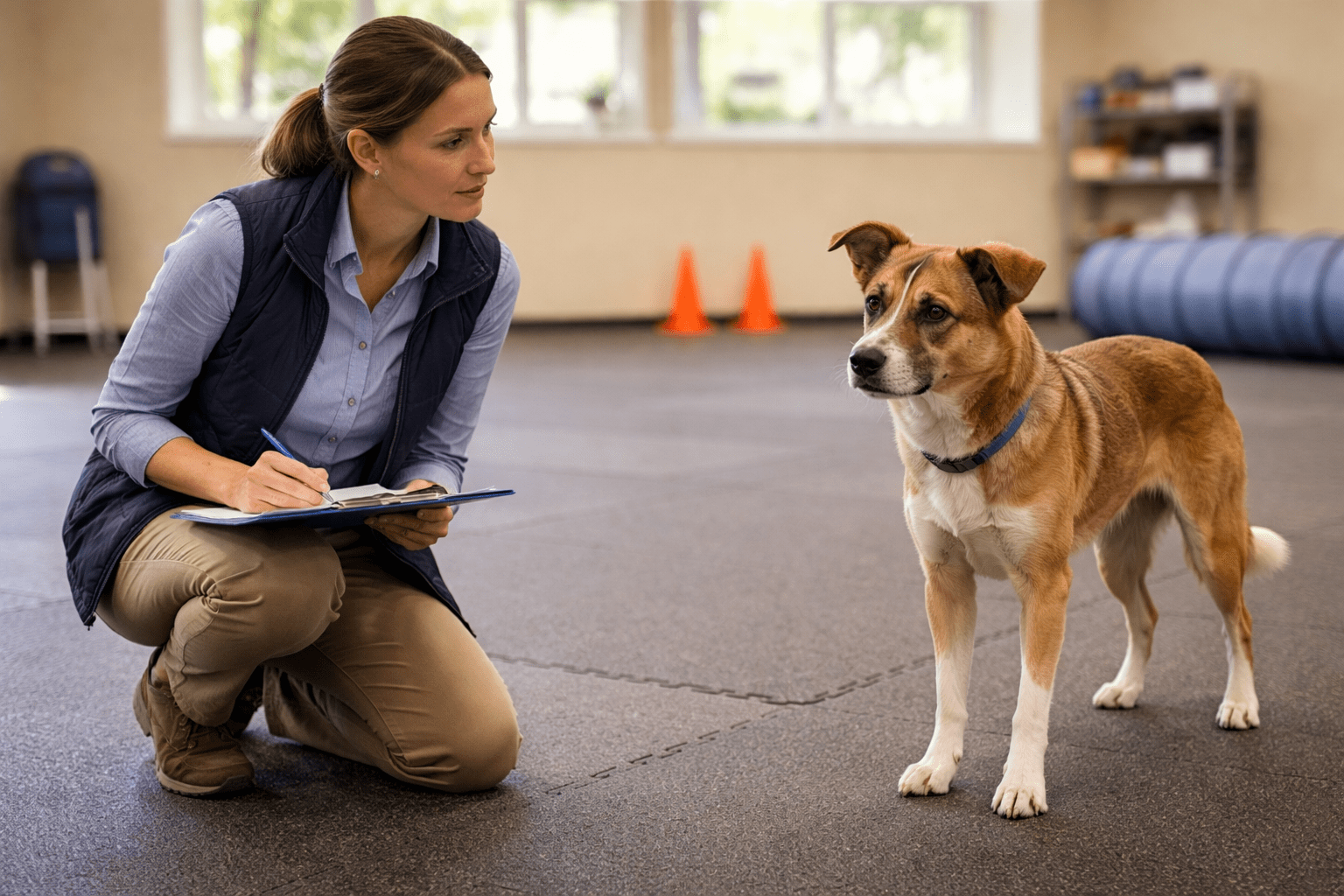
Signs You Need Expert Support
Contact a professional trainer or veterinary behaviorist if your dog:
- Shows aggression (growling, snapping, biting) in response to past negative experiences
- Has intense fear that doesn’t improve with time and positive experiences
- Develops anxiety that affects their daily life and wellbeing
- Stops eating, playing, or engaging in normal activities for more than a day or two
- Shows fear of you specifically that doesn’t improve despite your efforts
These behaviors suggest deeper issues that need expert assessment. A qualified professional can create a customized behavior modification plan based on your specific situation.
The Value of Professional Training
Professional trainers understand dog behavior and can spot subtle signs you might miss. They can teach you effective techniques for rebuilding trust and preventing future problems.
If you’re considering adding a new dog to your family, choosing one with proper training from the start makes a huge difference. You might want to adopt a trained rescue dog who’s already learned positive behaviors and social skills.
Working with professionals also helps you avoid common mistakes that can make situations worse. They provide objective guidance and support throughout the process.
The Bottom Line on Canine Memory and Emotions
So, do dogs hold grudges? The science is clear: they don’t. What you might interpret as grudge-holding is actually your dog’s natural memory system protecting them from potentially harmful situations.
Dogs live much more in the present than we do. They form associations and remember experiences, especially emotional ones, but they don’t carry resentment or plot revenge. When your dog acts wary after a negative experience, they’re being cautious, not spiteful.
This understanding should make you feel better about your relationship with your dog. Even if you’ve made mistakes or had difficult moments, your dog isn’t holding onto anger. They’re ready to move forward and rebuild trust when you create positive experiences together.
The key is patience, consistency, and understanding how your dog’s mind actually works. With the right approach, you can overcome past negative experiences and build an even stronger bond with your furry companion.
You May Also Want to Read
- Fear Aggression in Dogs: What It Is and How to Help Your Anxious Dog
- Barrier Aggression in Dogs: Causes, Triggers, and How to Fix It
- How to Crate Train a Rescue Dog
- Rescue Dog Adjusting to New Home
Frequently Asked Questions
Do dogs remember negative experiences?
Yes, dogs remember negative experiences, especially ones that involved strong emotions like fear or pain. Their associative memory helps them avoid dangerous situations by connecting specific people, places, or objects with bad outcomes. However, remembering a negative experience is different from holding a grudge. Your dog’s memory serves as a protective mechanism rather than a source of resentment toward you or anyone else.
Why does my dog hold grudges?
Your dog doesn’t actually hold grudges, even though their behavior might make it seem that way. What you’re seeing is likely fear-based caution, stress responses, or learned behavior patterns. Dogs lack the cognitive complexity needed for true grudge-holding, which requires planning, abstract thinking about past events, and intentional withholding of affection. If your dog seems upset with you, they’re probably just processing a stressful experience or waiting to feel safe again.
How long will a dog hold a grudge?
Dogs don’t hold grudges at all, so there’s no timeline for how long one might last. However, dogs can remember negative associations for years, which might look like grudge-holding. The duration depends on the intensity of the original experience and how often similar situations occur. With consistent positive experiences, most dogs show normal behavior within hours or days after a negative event, though fear-based memories can persist much longer.
Will my dog forget that I yelled at him?
Your dog won’t forget the experience exactly, but they won’t dwell on it the way a person would. Dogs have short-term memory of only a few minutes for specific events, though the emotional association can last much longer. If you yelled at your dog, they might remember feeling scared or stressed in that moment, but they won’t replay the event or hold onto anger about it. Most dogs return to normal behavior relatively quickly when you resume calm, positive interactions with them.
Do dogs remember if you punish them?
Dogs remember punishment, especially if it was frightening or painful, but they often don’t connect it with the specific behavior you were trying to correct unless the timing was perfect. Research shows punishment-based training creates fear and anxiety rather than understanding. Your dog might remember that you’re unpredictable or scary in certain situations, but they’re not thinking “I was punished for chewing the couch.” This is why positive reinforcement training is much more effective and doesn’t damage your relationship.
What should I do if my dog is fearful?
If your dog shows fear, give them space and time to feel safe again without forcing interaction. Create positive associations by offering treats, gentle praise, and calm energy when they approach you voluntarily. Avoid situations that trigger their fear while gradually desensitizing them through controlled, positive exposure. If the fear is intense or doesn’t improve, consult a professional trainer or veterinary behaviorist who can assess the situation and create a customized behavior modification plan for your specific needs.
Trust the Experts at K9 Mania Dog Training
Understanding that dogs don’t hold grudges is just the beginning of building a strong, trusting relationship with your furry companion. Whether you’re dealing with behavioral challenges, want to strengthen your bond, or need professional guidance with training, K9 Mania Dog Training is here to help.
As Long Island’s leading board and train provider, we specialize in transforming dog behavior through proven, positive methods. Our experienced trainers understand exactly how dogs think and learn, and we can help you address any issue your dog is facing.
Visit us today and discover why families across Long Island trust K9 Mania Dog Training for all their canine training needs.