
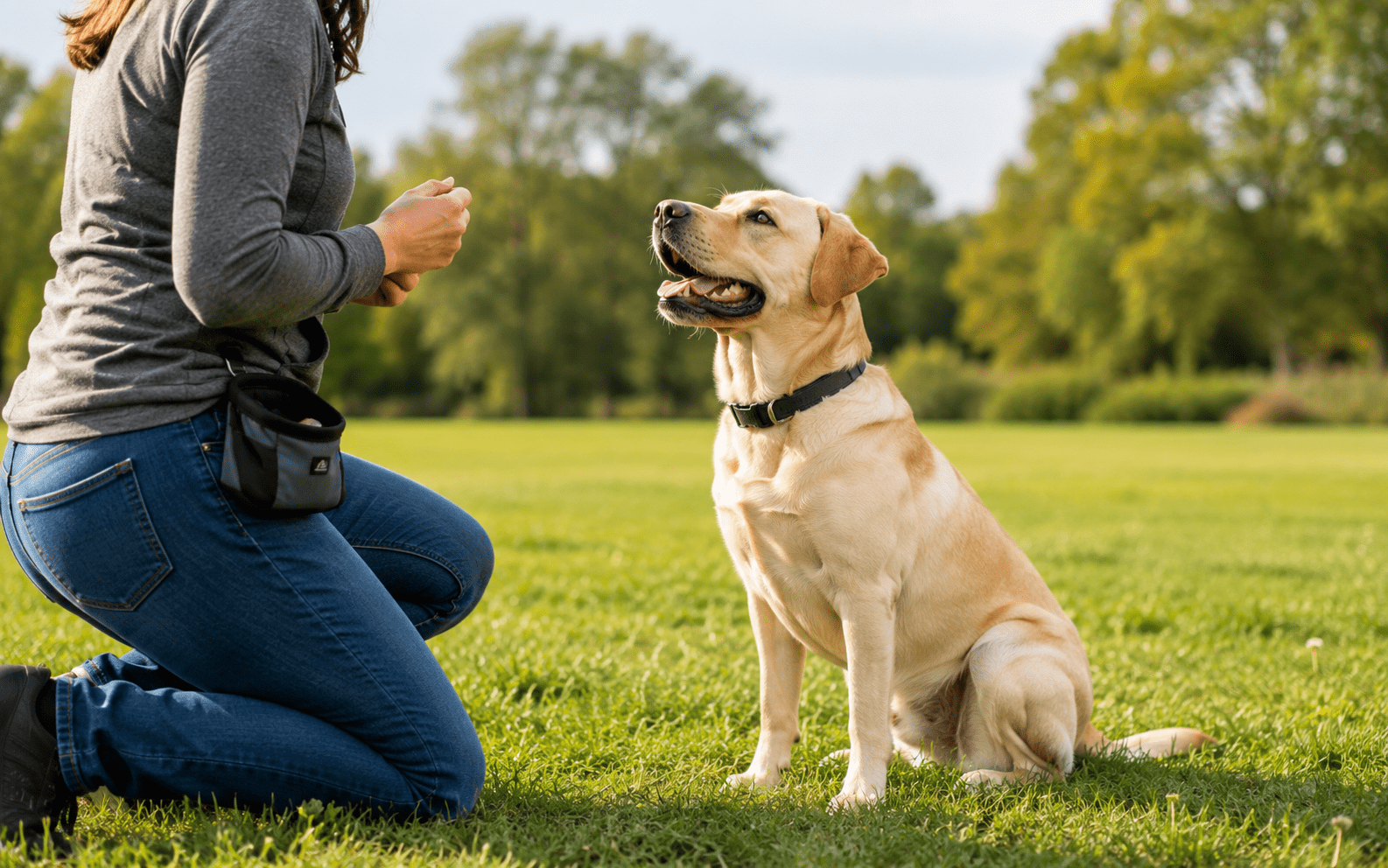
How to train a Labrador Retriever comes down to consistent positive reinforcement, early socialization, and channeling their natural energy into structured activities. Labs are eager to please and food motivated, which makes them one of the easiest large breeds to train when you stay consistent.
Without enough structure or outlets for their energy, that same friendliness can turn into jumping, chewing, or pulling on leash. With the right approach, a Labrador can become one of the most reliable, easygoing companions you will ever own.
In this guide, we will walk through the most effective training methods, common mistakes to avoid, and how to decide which training format fits your Labrador and your schedule best.
Quick Insights:
- Labrador Retrievers rank among the top five most trainable dog breeds.
- Food motivation makes positive reinforcement especially effective with this breed.
- Labs need both physical exercise and mental stimulation to avoid destructive habits.
- Early socialization between 8 and 16 weeks builds a calm, confident adult dog.
- Professional guidance helps address jumping, mouthing, or leash pulling before they become habits.
“Want a faster path to a well-mannered Lab? Our board and train Long Island program delivers structured, results-driven training with experienced handlers.”
Why Are Labradors So Easy (and Sometimes Hard) to Train?
Labrador Retrievers were originally bred to work alongside hunters, retrieving game from water and land for hours at a time. That working history is exactly why they are so trainable today.
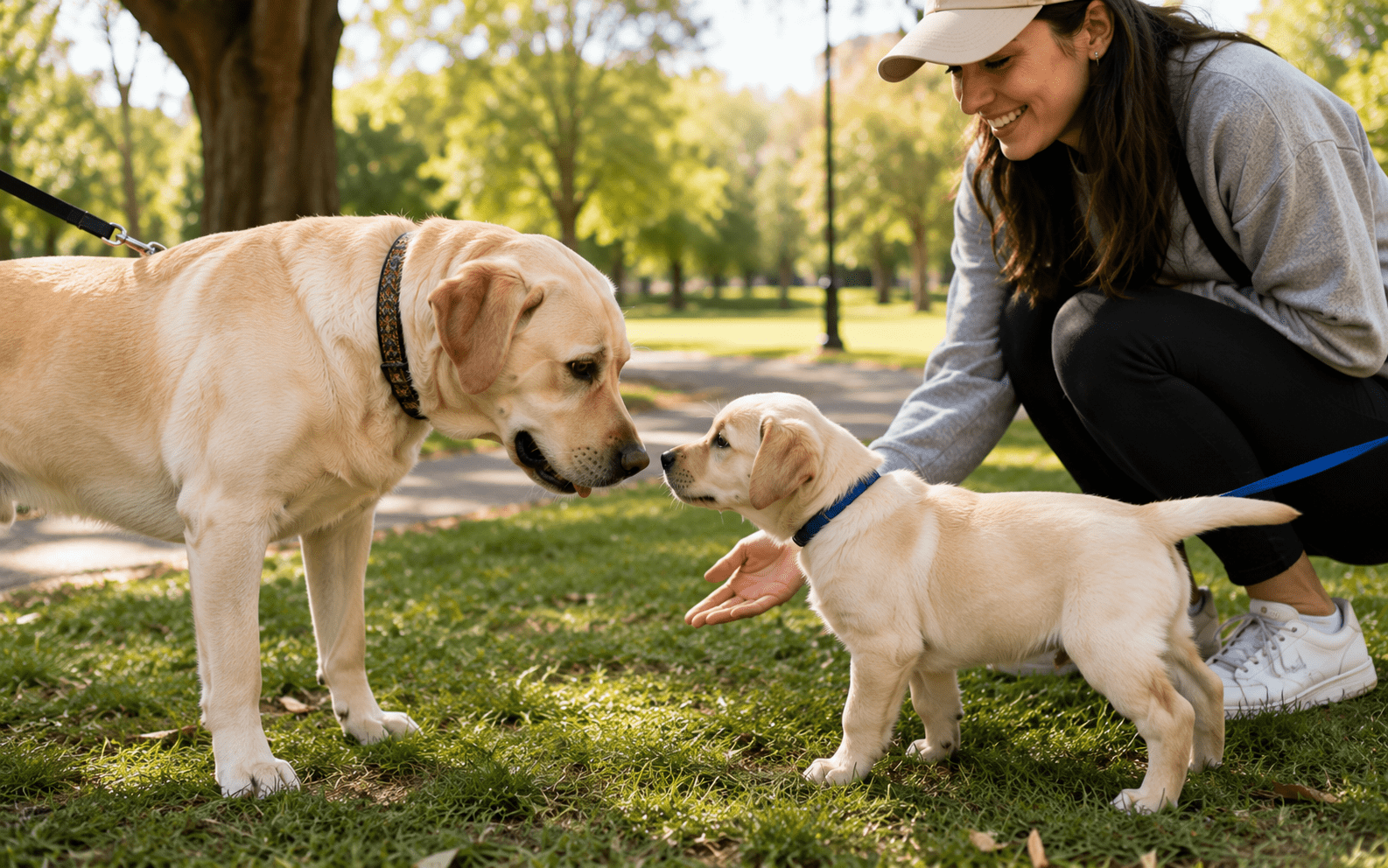
Their drive to please, combined with high energy and a strong nose, means they pick up commands quickly when there is a clear reward involved. The challenge is not stubbornness. It is usually too much enthusiasm and not enough outlet for it.
A Labrador without structure will find their own jobs, and those jobs are often counter surfing, chewing furniture, or jumping on guests. This makes training less about correcting bad behavior and more about giving that energy somewhere productive to go.
“Looking for a productive way to use your Lab’s energy and retrieving instincts? Read our guide on playing fetch with dog for tips that double as great bonding time.”
How Do You Train a Labrador Retriever? (Step-by-Step Methods)
Knowing how to train a Labrador Retriever effectively means combining consistent commands with plenty of physical and mental outlets. Below are the most important training phases, why each one matters, and exactly how to apply them.
1. Start Socialization Early
The socialization window runs from roughly 8 to 16 weeks of age. During this stage, your Lab’s brain is wide open to new experiences, and what happens now shapes their adult temperament.
Expose your puppy to different people, sounds, surfaces, and other dogs in calm, positive settings. Labs are naturally social, but early exposure still builds confidence and prevents fear-based reactions later.
Why it matters: Skipping socialization can lead to nervousness around strangers or other dogs, even in a breed known for friendliness. A confident dog is also an easier dog to train.
How to do it: Take short trips to new places weekly. Invite friends over to greet your puppy calmly. Pair every new experience with treats so your Lab learns that new things are good things.
2. Build a Foundation of Basic Commands
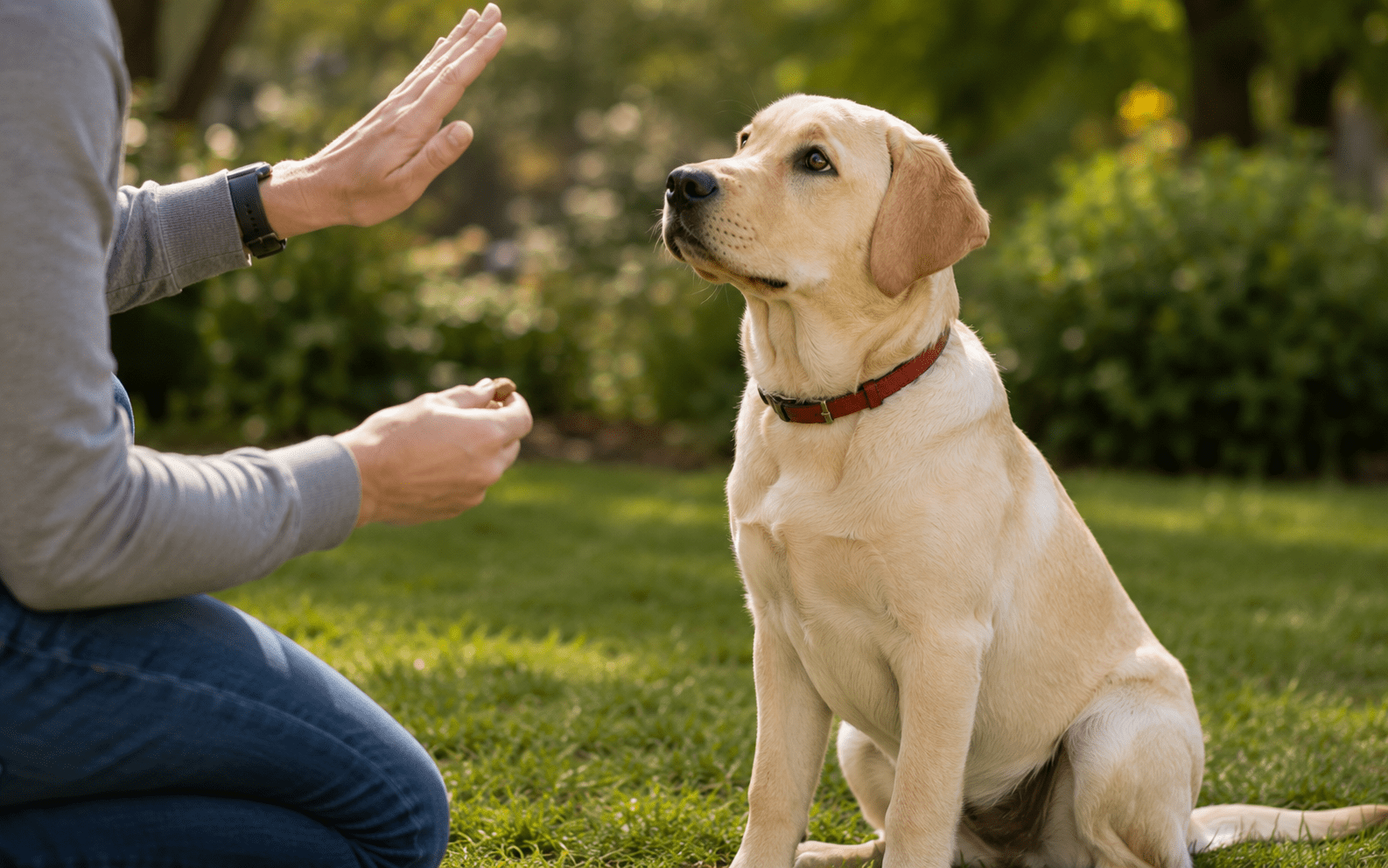
Before tackling anything advanced, your Labrador needs the basics: sit, stay, down, come, and leave it. These commands are the building blocks for everything else, including leash manners and impulse control.
Why it matters: A Lab with no foundation will rely on jumping, mouthing, or barking to get attention, simply because they have not been taught a better way to communicate.
How to do it: Run short sessions of 5 to 10 minutes, two to three times daily. Use the same word and hand signal every time. Reward the instant your dog gets it right, not several seconds later.
“Want to round out your training plan? See our breakdown of the most trainable dog breeds to see exactly where Labs rank and what makes them stand out.”
3. Use Positive Reinforcement as Your Primary Tool
Labradors are highly food and praise motivated, which makes positive reinforcement the most effective training method for this breed. Harsh corrections are rarely necessary and can actually slow progress with a dog this eager to please.
Why it matters: Rewarding the behavior you want builds enthusiasm for training sessions. A Lab that enjoys training will offer good behavior on their own instead of needing constant correction.
How to do it: Mark correct behavior immediately with a word like “yes” or a clicker, then follow with a treat or praise. Consistency in timing matters more than the size of the reward.
Which option is best: Small, high-value treats like training treats or pieces of boiled chicken work best for new skills. Once a behavior is reliable, fade the treats and rely more on praise and play.
4. Manage Mouthing and Chewing Early
Labs explore the world with their mouths, and puppy mouthing combined with a love of chewing can quickly turn destructive without redirection.
Why it matters: Left unmanaged, chewing habits can damage furniture, shoes, and even pose safety risks if your dog swallows something they should not.
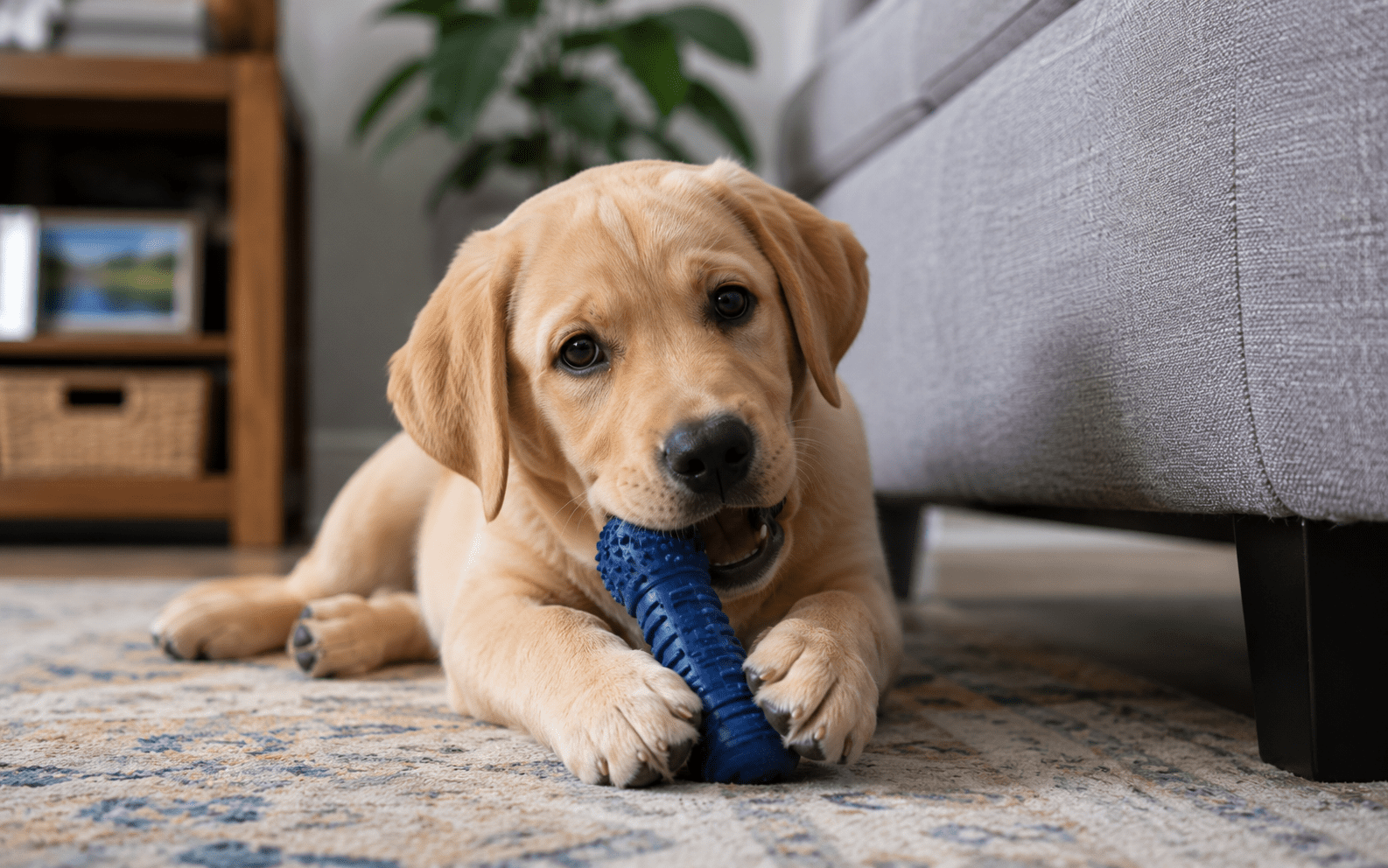
How to do it: Redirect mouthing onto an appropriate chew toy every time it happens. Rotate toys to keep your Lab interested, and never leave valuable items within reach during the early training months.
“Already dealing with chewed-up shoes or furniture? Our guide on stop destructive dog chewing breaks down exactly how to redirect this behavior.”
5. Practice Leash Manners and Recall
A Labrador’s enthusiasm can translate into serious pulling on the leash, especially around other dogs, squirrels, or new smells. Recall is equally important given their tendency to chase.
Why it matters: Strong leash manners and a reliable recall keep your dog safe and make daily walks enjoyable instead of a wrestling match.
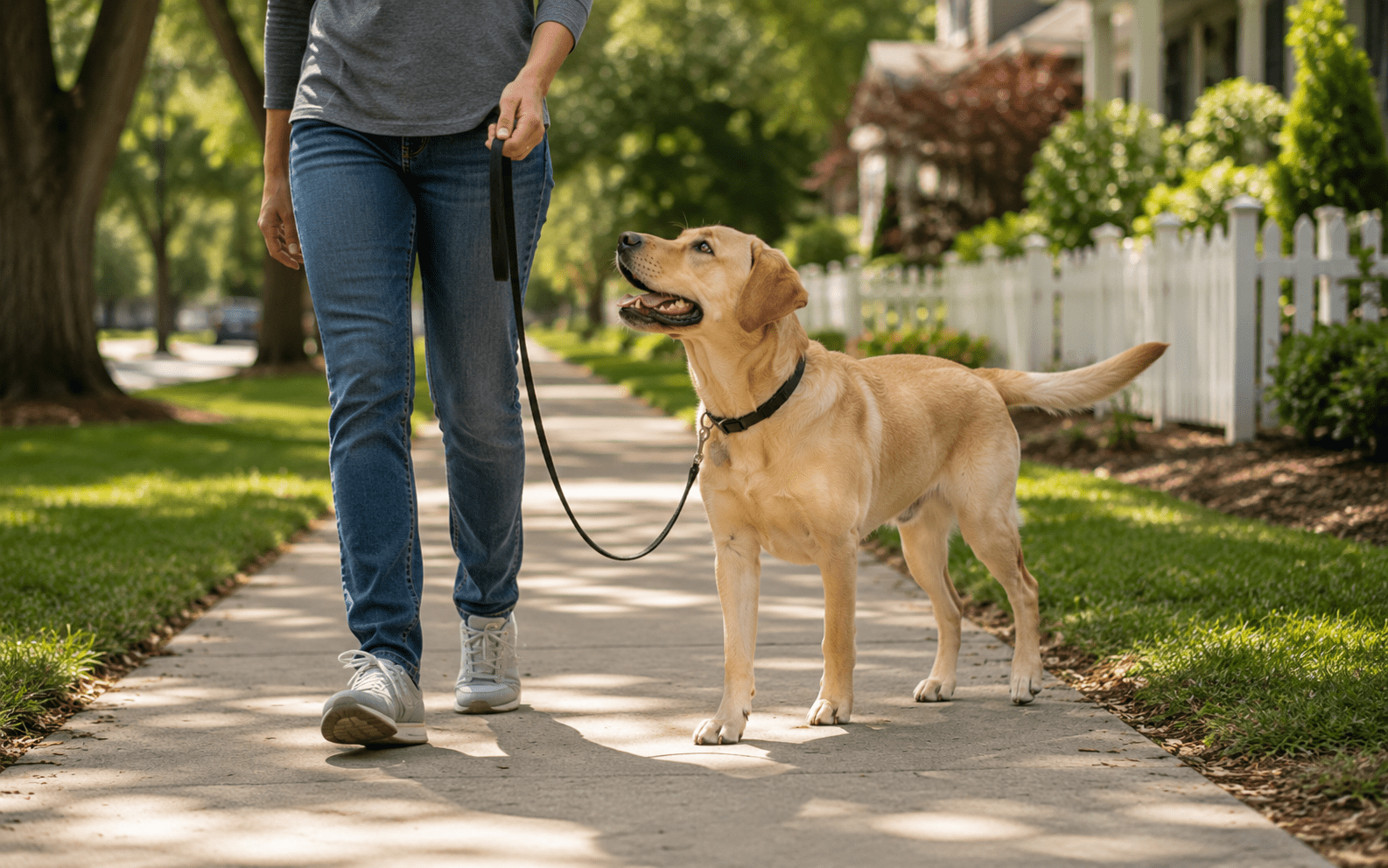
How to do it: Stop walking the second your Lab pulls, and only continue once the leash is slack. Practice recall in a fenced area using high-value rewards before testing it anywhere with more distractions.
Labrador Training Timeline
| Training Stage | Age Range | Focus Areas |
| Puppy Foundation | 8 to 16 weeks | Socialization, name recognition, sit, crate training |
| Basic Obedience | 4 to 6 months | Sit, stay, down, leash manners, mouthing control |
| Intermediate Skills | 6 to 12 months | Leave it, recall, impulse control, settle on cue |
| Advanced Training | 12 months and up | Off-leash reliability, distraction proofing |
Common Training Mistakes Labrador Owners Make
Even well-meaning owners run into avoidable setbacks with this breed. Knowing what to skip saves you months of frustration.
- Underestimating their energy needs: A Lab that does not get enough physical exercise will burn off energy through chewing or jumping instead.
- Inconsistent rules: Allowing jumping on the couch sometimes and not other times confuses your dog and slows progress.
- Skipping mental stimulation: Labs need puzzle toys and training games, not just walks, to stay satisfied.
- Reinforcing jumping accidentally: Petting or talking to a jumping dog, even to say “no,” still gives them attention they were seeking.
- Stopping training too early: Many owners stop formal training once basic commands are learned, missing out on stronger impulse control and reliability.
Which Training Format Works Best for a Labrador Retriever?
There is no single right answer for every dog or owner. The best format depends on your schedule, your dog’s current behavior, and how much hands-on involvement you want. Use this comparison to guide your decision.
| Training Format | Best For | Key Benefit |
| Private Training | Owners who want hands-on guidance | Customized to your dog’s specific issues |
| Board and Train | Busy owners or dogs needing focused, fast results | Immersive training in a structured environment |
| In-Home Training | Dogs with issues specific to the home, like jumping on guests | Trainer works in the dog’s actual environment |
| Group Classes | Socialization and basic obedience for puppies | Cost-effective and builds social skills at the same time |
Private training is ideal if you want to stay actively involved in every session and have time to practice between appointments. Private dog training Long Island puts a professional trainer beside you so you learn the methods firsthand and can maintain consistency at home.
Board and train works best when you want fast, structured results without managing daily sessions yourself. Board and train Long Island gives your Lab focused, day-long training in a professional setting.
In-home training is the right choice when problem behaviors happen specifically at home, such as jumping on guests or counter surfing. In home dog training Long Island addresses these issues exactly where they occur.
Your Labrador Deserves a Training Partner Who Gets It
Mastering how to train a Labrador Retriever is one of the best investments you will make as an owner. At K9 Mania Dog Training, we are Long Island’s leading board and train program, with experienced animal behaviorists who understand this breed’s energy, intelligence, and eagerness to please. Whether your Lab is a bouncy puppy or an adult with habits that need correcting, we have a program built for them. Trust us to meet your dog where they are and deliver results that last. Contact K9 Mania Dog Training today and let us help you raise a Labrador you can trust.