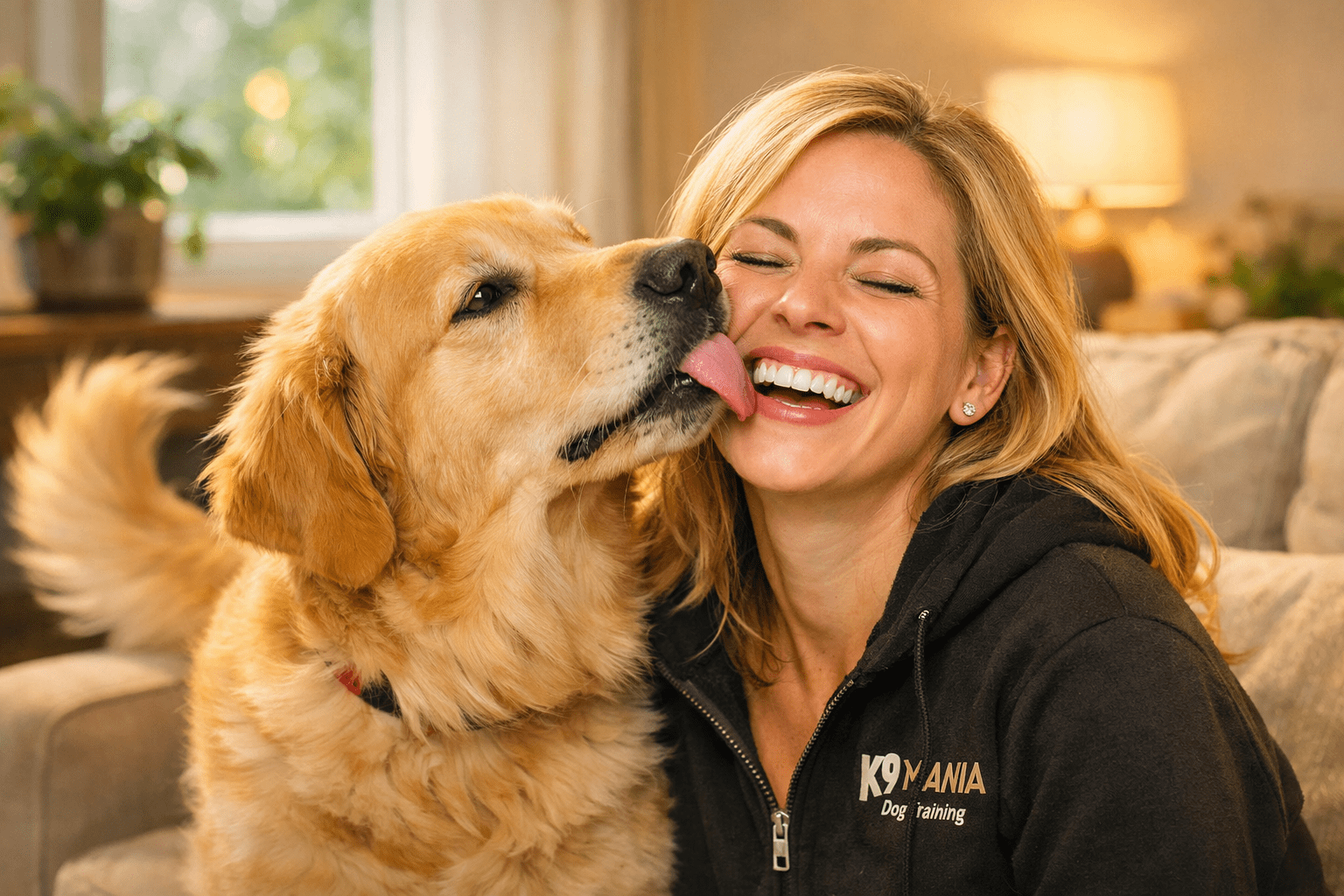
Dogs lick their owners primarily to show affection, seek attention, communicate needs, or explore their environment through taste and scent. While occasional licking is normal bonding behavior, excessive licking can signal anxiety, health issues, or learned attention-seeking patterns that may require behavioral intervention.
If you’ve ever wondered why does my dog lick me so much, you’re not alone. This common canine behavior can mean many different things, from pure love and affection to stress signals or even boredom. Understanding what drives your dog’s licking habit helps you respond appropriately and strengthen your bond. In this guide, we’ll break down the science behind licking, what different types of licking mean, and when you should be concerned about this behavior.
Keep reading to discover what your dog is really trying to tell you through all that licking, and learn practical strategies to manage excessive licking when it becomes problematic.
Want to better understand your dog’s communication style? Learn more about dog body language signals to decode what your pup is telling you.
The Science Behind Dog Licking Behavior
Licking is hardwired into canine DNA from birth. Puppies experience licking from their mothers within seconds of being born, as mother dogs lick their newborns to stimulate breathing and clean them. This early positive association makes licking a comfort behavior that dogs carry throughout their lives.
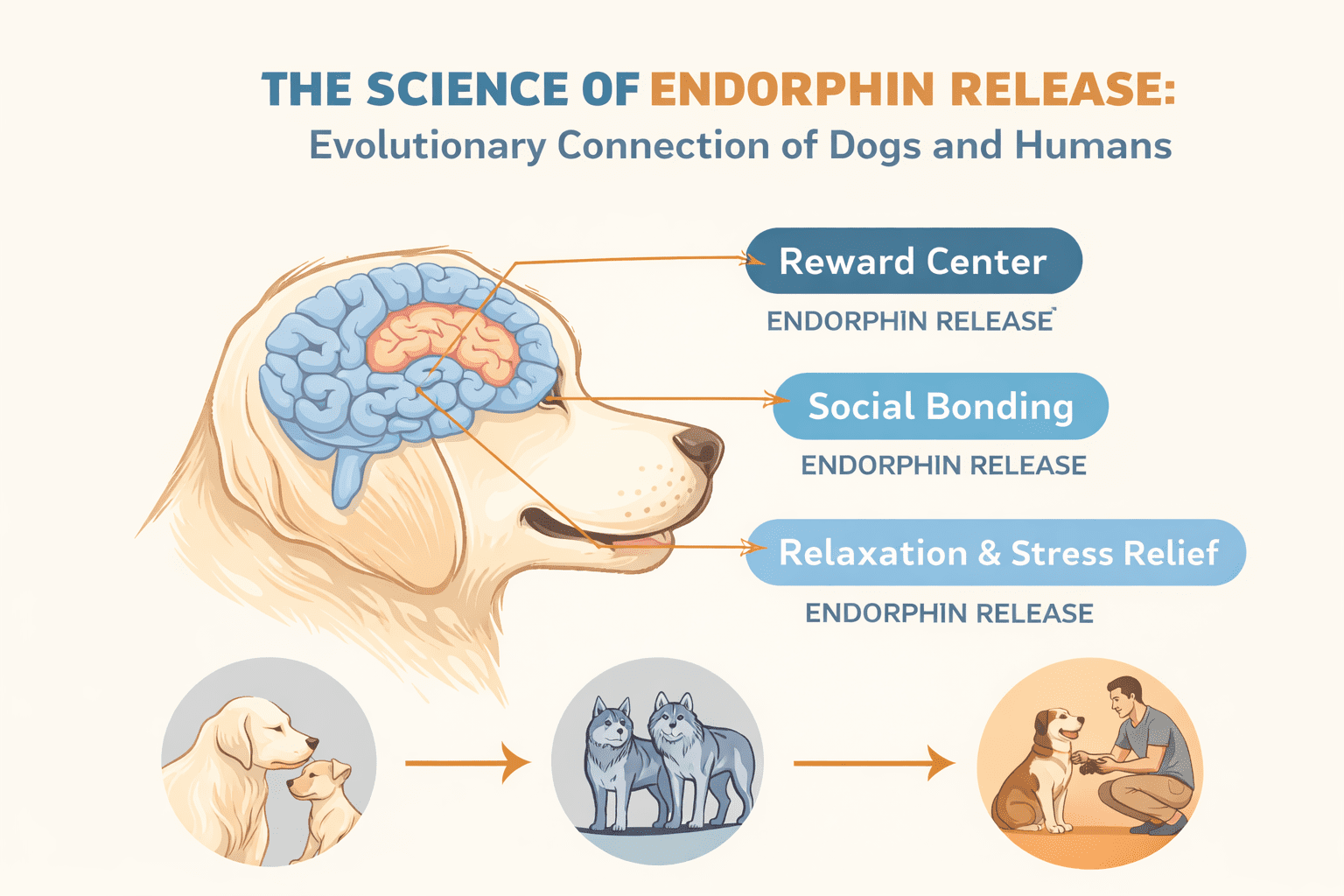
From a biological standpoint, licking releases endorphins in your dog’s brain. These feel-good chemicals create a sense of calm and pleasure, which is why many dogs lick when they’re happy or trying to self-soothe.
Evolutionary Roots of Licking
Wild canines and wolf packs use licking as a social bonding tool. Younger pack members lick the faces of adult wolves to show respect and submission. They also lick to encourage adults to regurgitate food for them, a behavior rooted in survival.
Your domestic dog retains these ancestral instincts. When your dog licks your face, they may be treating you as a respected pack leader or simply engaging in behavior that feels natural and comforting to them.
How Dogs Use Taste and Scent
Dogs experience the world differently than humans do. Their sense of taste and smell work together to gather information about their environment. When your dog licks you, they’re actually learning about where you’ve been, what you’ve eaten, and even how you’re feeling.
Your skin carries salt, oils, and various scents that provide your dog with valuable data. Sweat, lotions, and food residue all create a sensory profile that your dog finds interesting and worth investigating.
Common Reasons Why Does My Dog Lick Me So Much
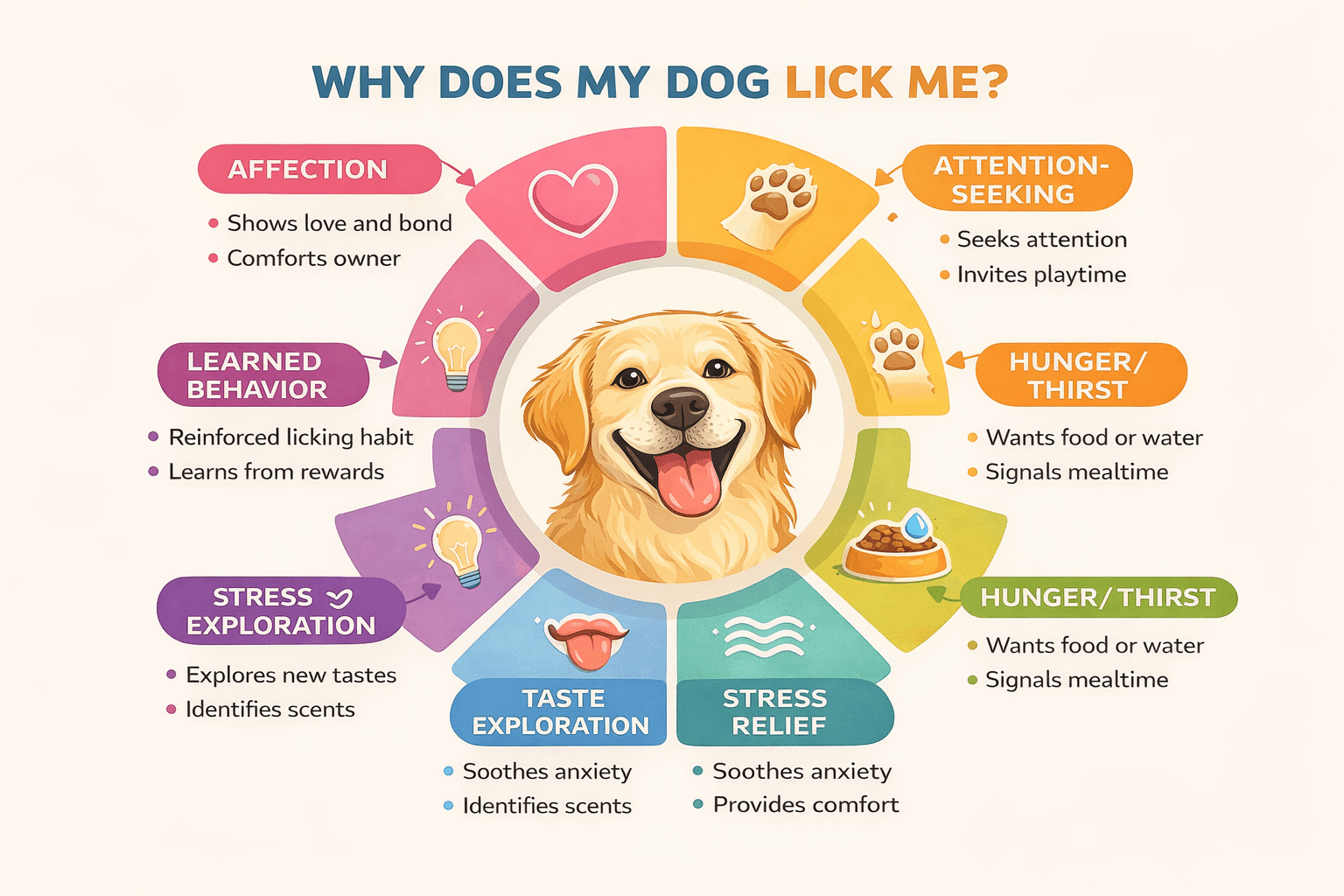
Dogs lick for multiple reasons, and understanding the context helps you identify what’s driving the behavior. The same licking action can mean different things depending on when it happens, how intense it is, and what else is going on around your dog.
Showing Affection and Love
The most common reason for dog licking is simple affection. Your dog loves you and wants to show it. Licking releases bonding hormones in both you and your dog, strengthening your relationship.
Dogs often lick their favorite people more than others in the household. If you notice patterns in why my dog sits on me or follows you everywhere, licking likely fits into this broader pattern of attachment behaviors.
Affectionate licking usually happens during calm moments. Your dog might lick your hands while you’re relaxing on the couch or give your face a few gentle licks when you come home.
Seeking Attention or Interaction
Many dogs learn that licking gets them exactly what they want: your attention. Even if you push them away or tell them to stop, you’re still giving them interaction. This reinforces the behavior.
Smart dogs quickly figure out that licking is more effective than barking or pawing. You might ignore barking, but you’ll almost always react to a wet tongue on your face or arm.
The solution here is not to reward licking with attention. If your dog licks for attention, calmly stand up and walk away without saying anything. Return to interact only when all four paws are on the floor and licking has stopped.
Communicating Hunger or Thirst
Some dogs lick to communicate basic needs. If your dog licks you around mealtime or near their empty water bowl, they might be telling you they’re hungry or thirsty.
This communicative licking often targets your hands or face and may be accompanied by other signals like staring at their food bowl, pacing toward the kitchen, or whining softly.
Relieving Stress or Anxiety
Licking can be a self-soothing behavior for anxious dogs. The repetitive motion and endorphin release help calm nervous dogs during stressful situations.
You might notice increased licking during thunderstorms, fireworks, or when you’re preparing to leave the house. Dogs with separation anxiety often lick excessively as a coping mechanism.
If stress seems to be the cause, you’ll likely see other anxiety signals too: panting, pacing, whining, or destructive behavior. Addressing the underlying anxiety through dog behavior training is more effective than just stopping the licking itself.
Exploring Tastes and Smells
Your skin tastes salty and interesting to your dog. Sweat, lotions, and food residue make you a fascinating subject for taste exploration. This is especially common after you’ve been cooking, eating, or exercising.
Dogs with strong food drive may lick more frequently after you’ve handled treats or prepared their meals. The scent of food on your hands is irresistible and triggers investigative licking.
Different Types of Licking and What They Mean
Not all licking is the same. The location, intensity, and context of licking give you important clues about what your dog is trying to communicate.
Face and Mouth Licking
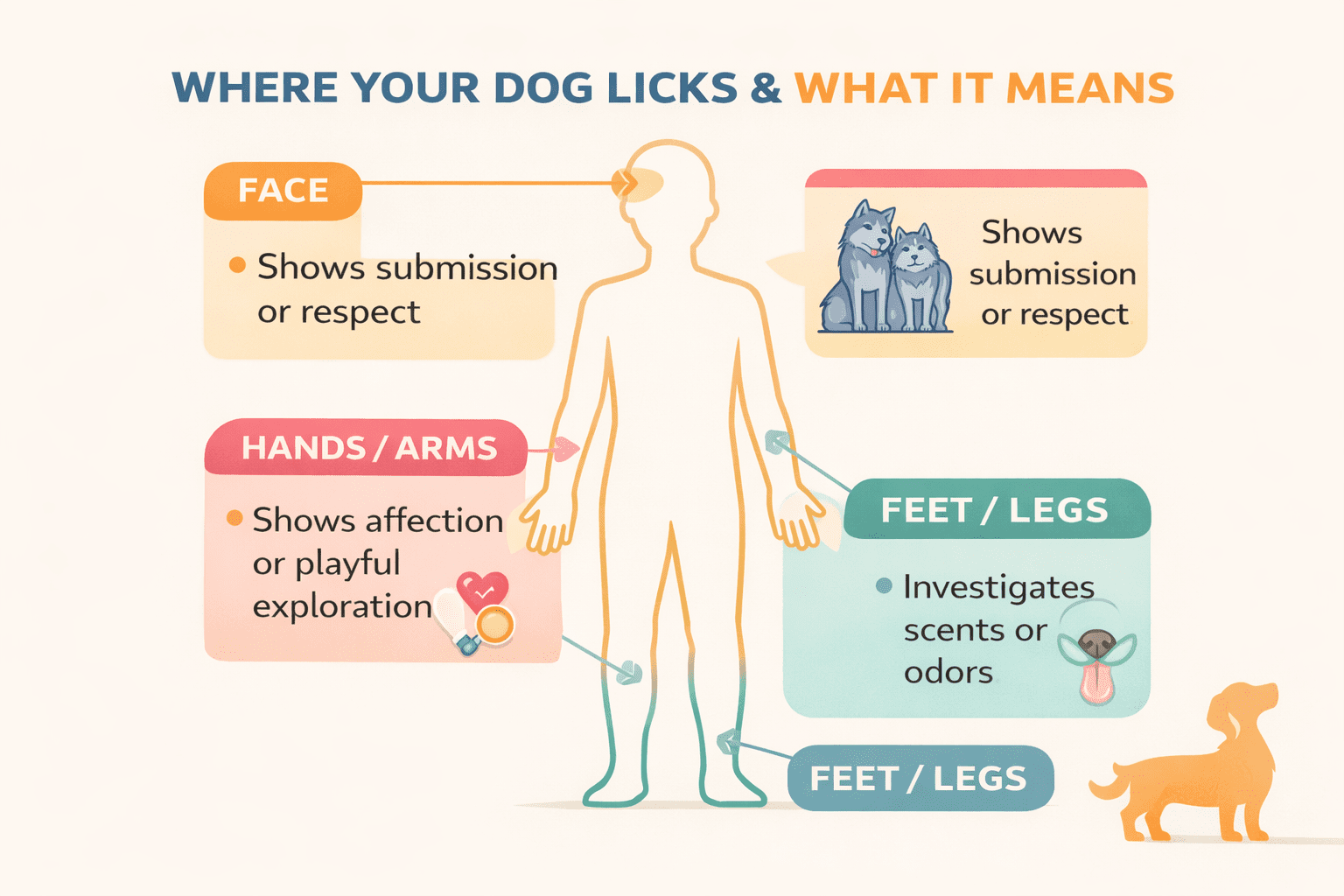
Face licking often signals submission and respect. In wolf packs, subordinate members lick the mouths of dominant wolves. Your dog may be showing you deference and acknowledging your leadership role.
Puppies also lick their mother’s mouth to trigger regurgitation. While your dog isn’t expecting you to regurgitate food, the instinct remains. Excessive face licking might indicate your dog is trying to appease you if they sense you’re upset or angry.
Hand and Arm Licking
Hands and arms are the most accessible parts of your body for your dog. Hand licking often happens when you’re sitting or standing still, making it easy for your dog to reach you.
If your dog licks your hands persistently after you’ve been petting them, they might be asking for more interaction. If it happens after meals, they’re likely cleaning up any food scent. Understanding why dogs put paw on you alongside licking helps you read the full message.
Feet and Leg Licking
Feet and legs attract licking because they often carry strong scents. Your feet produce sweat and pick up various smells throughout the day that your dog finds interesting.
Some dogs develop a specific preference for licking feet. This can be purely exploratory or can become a compulsive behavior if not addressed.
Obsessive or Compulsive Licking
Compulsive licking differs from normal affectionate licking. It’s repetitive, intense, and often focused on one spot. Dogs may lick the same area of your skin repeatedly or lick themselves obsessively.
This type of licking may indicate an underlying issue: anxiety disorder, obsessive-compulsive disorder, or even physical pain. Compulsive licking requires professional intervention.
When Dog Licking Becomes a Problem
While licking is natural, it can cross the line into problematic behavior. Knowing when to intervene protects both you and your dog from negative consequences.
Signs of Excessive Licking
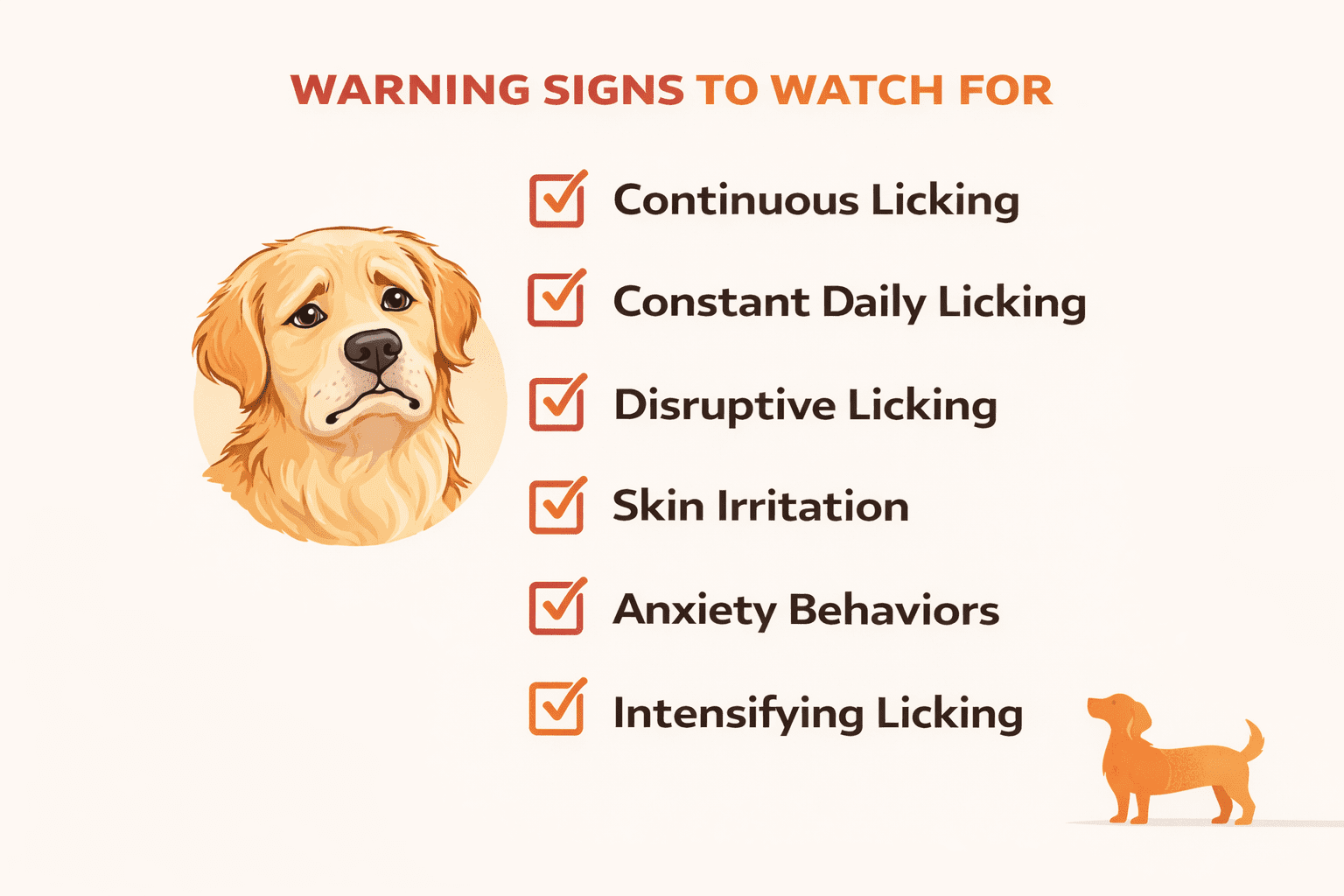
Excessive licking goes beyond normal affection or communication. Watch for these warning signs:
- Licking that continues for several minutes without stopping
- Licking that happens constantly throughout the day
- Licking that disrupts your activities or bothers you
- Licking that creates raw or irritated spots on your skin
- Licking accompanied by anxiety behaviors like panting or pacing
If licking has become the primary way your dog interacts with you, it’s excessive. Healthy dog-human relationships include varied forms of interaction: playing, cuddling, walking, and training.
Health Issues That Cause Licking
Sometimes excessive licking signals a health problem. Dogs may lick more when they’re experiencing:
- Nausea or digestive upset: Licking can soothe an upset stomach
- Dental pain: Oral discomfort makes dogs lick more frequently
- Allergies: Itchy skin from allergies drives licking behavior
- Neurological issues: Brain chemistry imbalances can cause compulsive behaviors
- Pain: Dogs in pain may lick as a self-soothing mechanism
If your dog suddenly starts licking much more than usual, schedule a veterinary checkup. Rule out medical causes before addressing the behavior as purely psychological or habitual.
Behavioral vs. Medical Causes
Understanding whether licking stems from behavioral or medical issues helps you choose the right intervention strategy.
| Behavioral Licking | Medical Licking |
| Started gradually over time | Appeared suddenly or intensified quickly |
| Happens in specific contexts (when you sit down, during greetings) | Happens at random times throughout the day |
| Can be redirected with commands or distraction | Continues despite attempts to redirect |
| Dog seems calm and happy while licking | Dog seems anxious, uncomfortable, or obsessive |
| No other symptoms present | Accompanied by other changes (appetite, energy, bathroom habits) |
Work with your veterinarian to rule out medical causes first, then address any remaining behavioral components with professional training support.
How to Manage and Reduce Excessive Licking
You can successfully reduce excessive licking through consistent training and environmental management. The key is addressing the root cause while teaching alternative behaviors.
Training Techniques to Redirect Licking
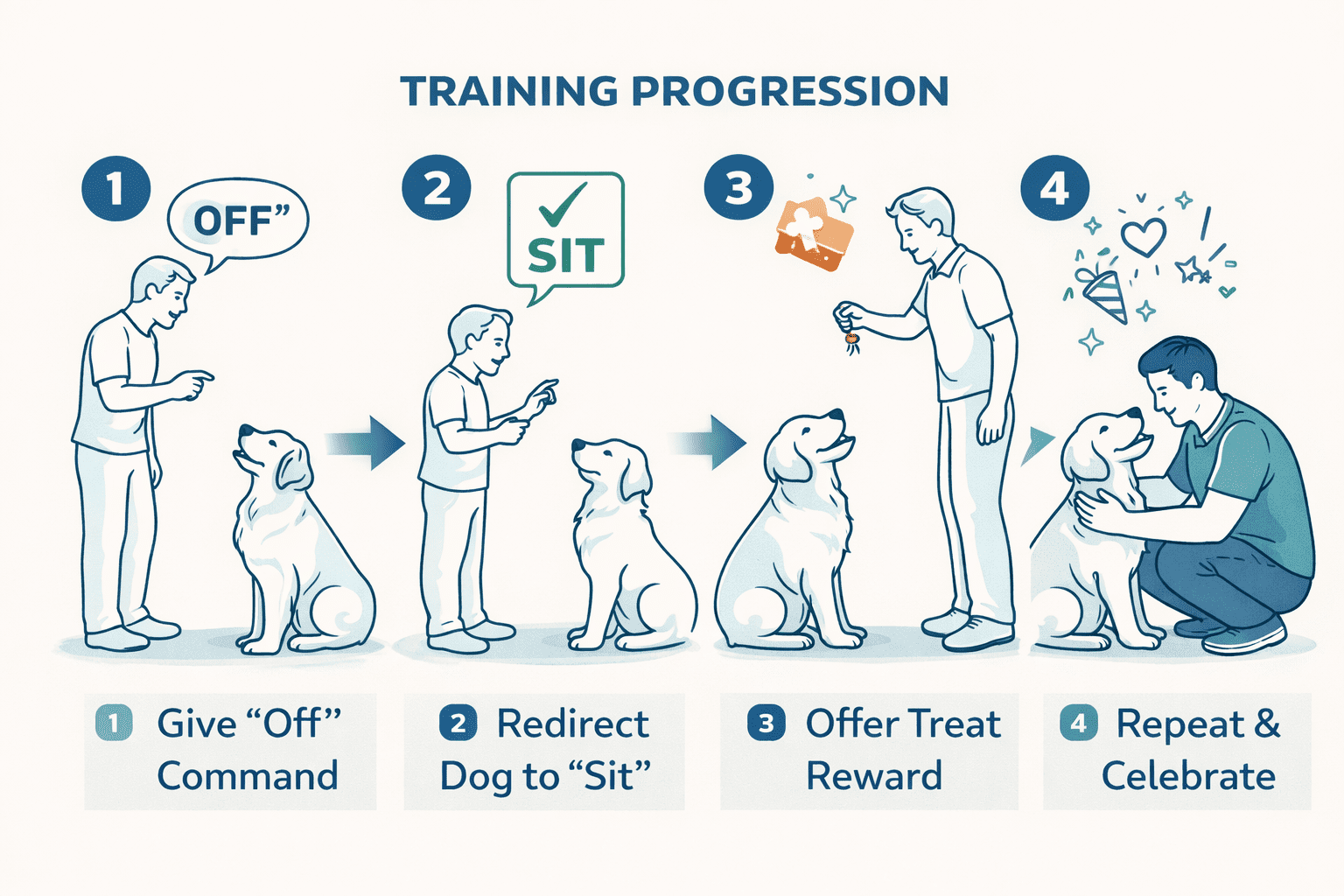
Teaching your dog alternative ways to interact with you reduces licking naturally. Try these strategies:
Teach “Off” or “Enough” Command:
- When your dog starts licking, say “off” or “enough” in a calm voice
- Immediately redirect them to a different behavior like “sit” or “down”
- Reward the alternative behavior with treats and praise
- Be consistent every single time licking starts
Redirect to a Toy: Keep a toy nearby and offer it when licking begins. This gives your dog something appropriate to put in their mouth. Praise them enthusiastically when they take the toy instead of licking you.
Providing Alternative Outlets
Sometimes dogs lick because they’re bored or under-stimulated. Providing appropriate outlets reduces the need for excessive licking.
- Increase exercise: Tired dogs lick less. Add an extra walk or play session to your daily routine
- Mental stimulation: Puzzle toys, training sessions, and nose work games tire out your dog’s brain
- Chew toys: Appropriate chewing satisfies the oral fixation that drives some licking
- Interactive play: Regular games of fetch or tug give your dog positive interaction time
Dogs enrolled in board and train Long Island programs often show reduced licking because they receive structured exercise, mental stimulation, and clear behavioral boundaries throughout the day.
When to Seek Professional Help
Some licking problems require professional intervention. Consider private dog training if:
- Your dog’s licking causes skin damage to you or themselves
- Licking happens constantly and can’t be redirected
- You’ve tried training techniques for several weeks without improvement
- Licking is accompanied by other behavioral issues
Professional trainers can assess the full context of the behavior and create a customized plan. They’ll identify triggers you might miss and teach you effective management strategies.
Breed Differences in Licking Behavior
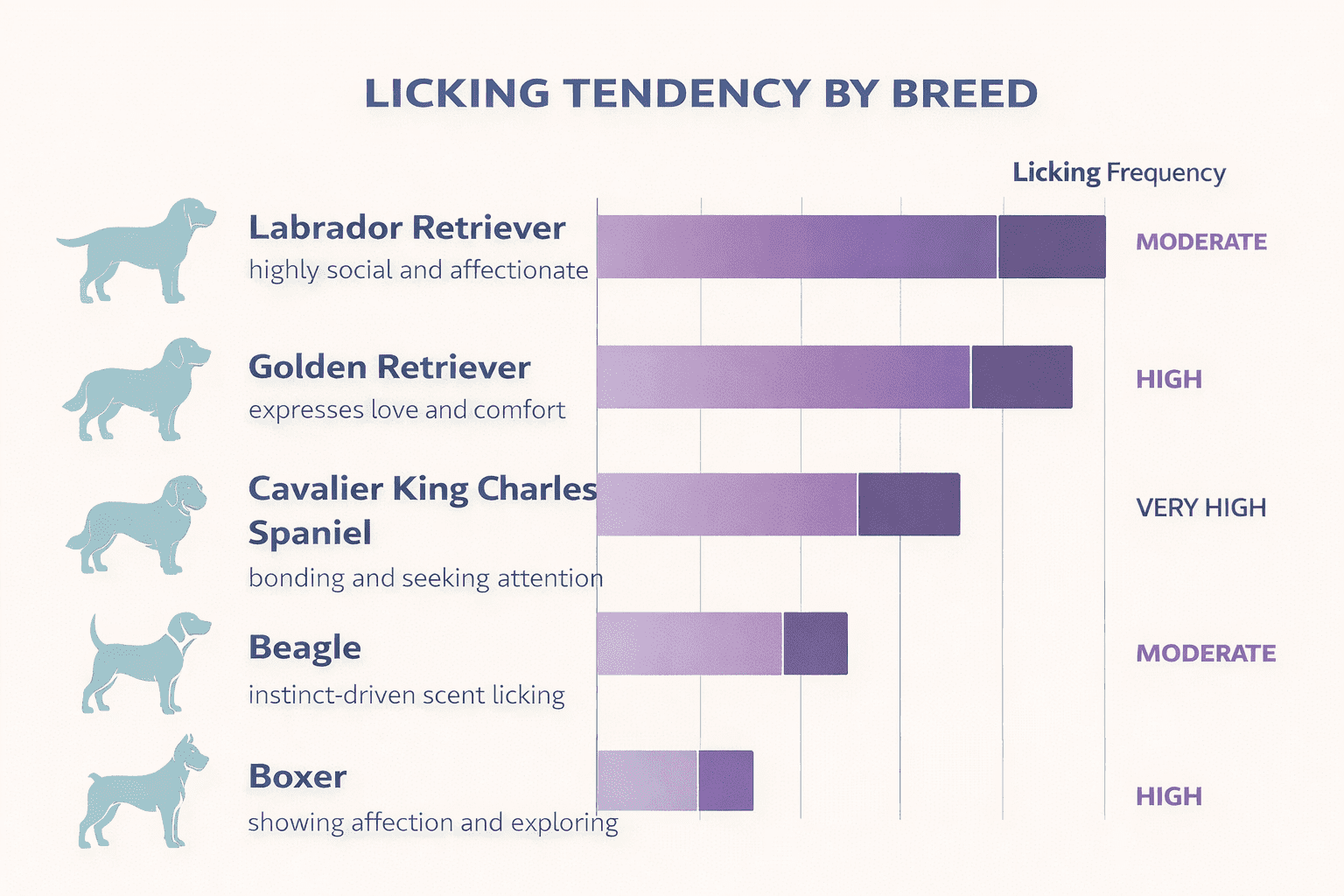
Some dog breeds lick more than others due to genetics, temperament, and breeding history. Understanding breed tendencies helps set realistic expectations.
Breeds Known for Excessive Licking
Certain breeds show higher rates of licking behavior:
| Breed | Why They Lick More |
| Labrador Retrievers | Highly social, people-oriented, and affectionate by nature |
| Golden Retrievers | Gentle temperament and strong desire to please their owners |
| Cavalier King Charles Spaniels | Bred specifically for companionship and human affection |
| Beagles | Strong scent-driven instincts make them investigate through licking |
Individual Personality Matters More
While breed tendencies exist, individual personality plays a bigger role in licking behavior. Within any breed, you’ll find dogs who lick constantly and others who rarely lick at all.
Factors that shape individual licking habits include early socialization, training history, anxiety levels, and human response. Focus on your individual dog’s behavior rather than making assumptions based on breed alone.
Final Thoughts on Dog Licking Behavior
Understanding why does my dog lick me so much comes down to recognizing that licking serves multiple purposes in canine communication. Your dog uses licking to show affection, seek attention, explore their environment, and sometimes cope with stress or anxiety.
Most licking is harmless and even beneficial for your bond. It releases feel-good hormones in both you and your dog and provides a way for your dog to express love and connection. The key is distinguishing between normal, healthy licking and excessive licking that signals a problem.
Watch for context clues that tell you what your dog is really communicating. A few licks during a greeting is different from obsessive licking that continues for minutes at a time. Pay attention to your dog’s overall body language, the timing of licking episodes, and any other changes in behavior.
If licking becomes excessive or problematic, you have effective tools to address it. Consistent training, appropriate outlets for energy and anxiety, and professional support when needed all help manage licking behavior successfully.
Wrapping Up: Getting Help with Your Dog’s Licking and Other Dog Behaviors
At K9 Mania Dog Training, we understand that excessive licking and other behavioral issues can disrupt the harmony between you and your dog. As Long Island’s leading board and train facility, we specialize in addressing common and complex behavior problems through proven training methods.
Whether your dog’s licking stems from anxiety, attention-seeking, or learned habits, our experienced trainers can help you build better communication and establish healthy boundaries. Trust K9 Mania Dog Training to transform your dog’s behavior and strengthen your bond.
You May Also Want to Read
- 15 Best Dog Breeds for Apartments
- Best Dogs for First Time Owners
- How to Train Your Dog to Run with You
- How to Train a Stubborn Dog
Frequently Asked Questions About Why Dogs Lick
What does it mean if a dog licks you a lot?
Frequent licking typically means your dog is showing affection, seeking attention, or trying to communicate a need. Dogs also lick to explore tastes and scents on your skin, especially after you’ve been cooking or exercising. In some cases, excessive licking can signal anxiety, boredom, or even a medical issue. Pay attention to when the licking happens and what else your dog is doing to understand the specific message they’re sending.
Do dogs pick a favorite person?
Yes, dogs often develop a preference for one person in the household. This favorite person is usually whoever spends the most time with them, provides food and care, and engages in play and training. Dogs may show their preference through behaviors like following that person around, sleeping near them, and licking them more than others. This bonding is completely normal and reflects the strong attachment dogs form with their primary caregiver.
Should I let my dog obsessively lick me?
No, you should not allow obsessive licking to continue unchecked. While normal licking is healthy, obsessive licking can indicate anxiety, compulsive disorder, or other behavioral problems that need addressing. Redirect the behavior using training commands, provide alternative outlets like chew toys, and consult a professional trainer if the licking continues despite your efforts to stop it.
Which breed of dog licks the most?
Labrador Retrievers, Golden Retrievers, and Cavalier King Charles Spaniels tend to lick more than other breeds due to their affectionate, people-oriented temperaments. These breeds were specifically developed to work closely with humans and show strong attachment behaviors. However, individual personality and training history matter more than breed alone. Any dog can become an excessive licker if the behavior is rewarded.
Is dog licking a warning?
Dog licking is rarely a warning sign of aggression. In fact, licking usually signals the opposite: submission, appeasement, or affection. However, if a dog suddenly freezes, then licks their lips repeatedly while staring at something, this “lip licking” is a stress signal indicating discomfort or anxiety. This differs from licking a person, which almost always communicates positive intent.
Do dogs lick to show they like you?
Yes, licking is one of the primary ways dogs express affection and positive feelings toward their owners. When your dog licks your face, hands, or arms in a calm, gentle manner, they’re showing love and attachment. This behavior releases bonding hormones in both you and your dog, strengthening your relationship. Dogs typically reserve their most enthusiastic licking for people they’re closest to.`