Learning how to train a stubborn dog starts with understanding that resistance isn’t defiance but often stems from confusion, lack of motivation, or inconsistent training. With the right approach combining positive reinforcement, clear communication, and patience, even the most headstrong dogs can become well-behaved companions.
Training a stubborn dog can feel frustrating, especially when your pup ignores commands or refuses to cooperate. You’re not alone in this struggle. Many dog owners face the challenge of working with independent-minded dogs who seem determined to do things their own way.
The good news? Stubbornness doesn’t mean your dog can’t be trained. It just means you need to adjust your approach, stay consistent, and use techniques that motivate your specific dog. In this guide, we’ll walk you through proven strategies, from understanding the root causes of resistance to implementing training methods that actually work.
Struggling with your dog’s stubborn behavior? Discover professional dog behavior training solutions that address the root causes of resistance.
Understanding Stubborn Dog Behavior
Before you can effectively train a stubborn dog, you need to understand what’s really happening beneath the surface. What looks like defiance is often something completely different.
What Creates Stubbornness in Dogs
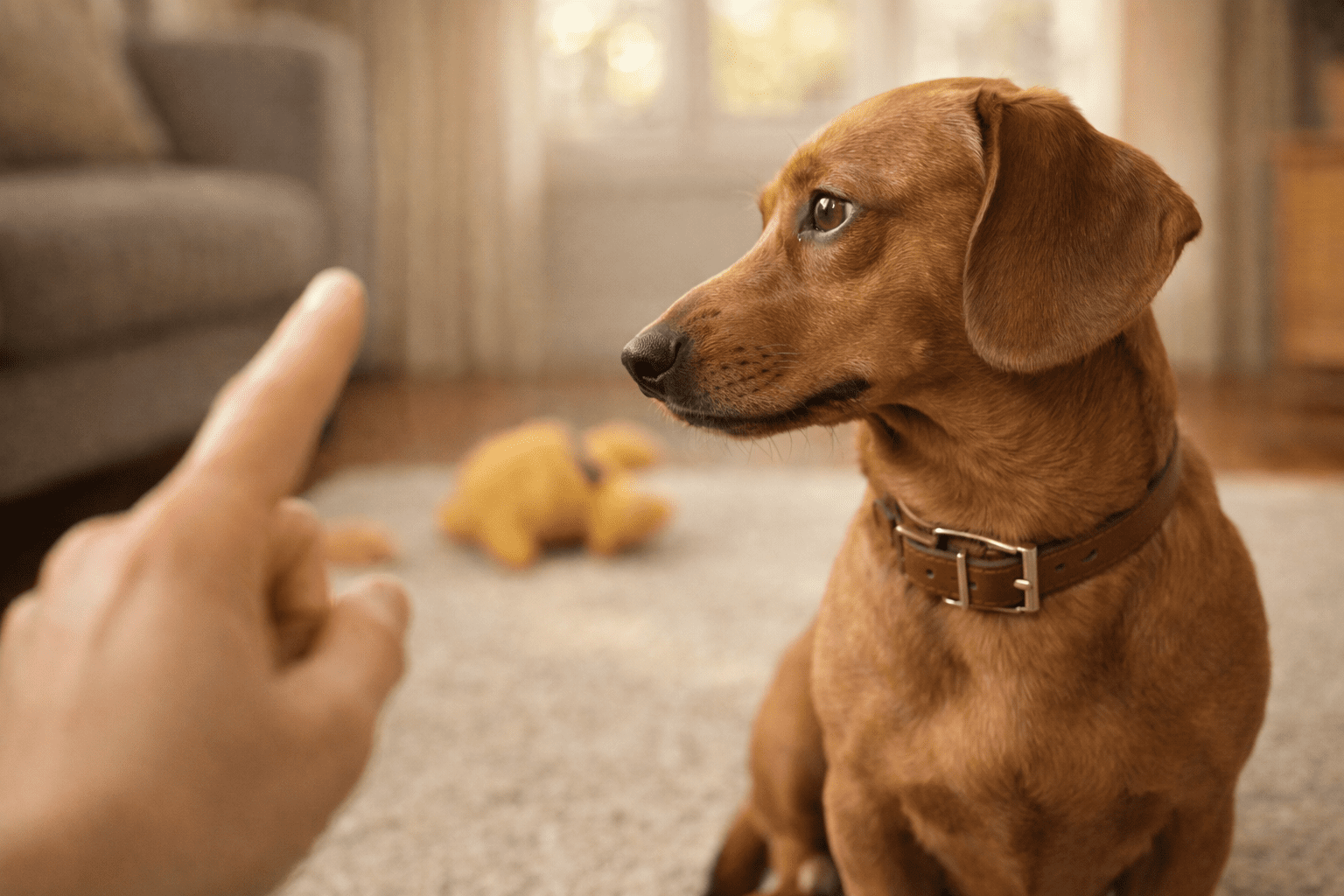
Stubbornness in dogs rarely means your pet is trying to be difficult on purpose. When a dog appears stubborn, it’s usually because they’re confused about what you want, not motivated by the reward you’re offering, or they’ve learned that ignoring you works.
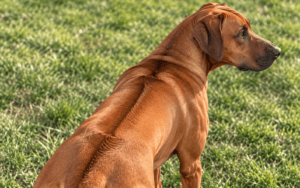
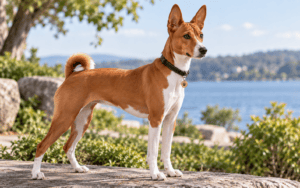
Some breeds were developed to work independently. Hounds, terriers, and many working breeds were bred to make decisions without human input, so they naturally think for themselves.
Environmental factors play a huge role too. A dog who’s overstimulated, anxious, or uncomfortable won’t focus on training. Health issues like hearing problems, pain, or cognitive decline can also make a dog seem uncooperative when they’re actually struggling physically.
Recognizing True Stubbornness
Stubborn dogs show selective listening, responding perfectly when they feel like it but ignoring you when something more interesting happens. They display delayed responses, taking their sweet time to comply, and constantly test boundaries by pushing against known rules.
However, distinguish stubbornness from other issues. Fear-based resistance stems from anxiety, not defiance. Lack of understanding means you haven’t properly taught the command in various contexts. Medical issues like arthritis or hearing loss can mimic stubborn behavior. Always rule out health problems first.
Core Principles for Training Stubborn Dogs
Success with stubborn dogs comes down to mastering a few fundamental principles.
Consistency Across All Interactions
Consistency might be the single most important factor when training stubborn dogs. Every family member must use the same commands, enforce the same rules, and respond the same way to behaviors. When you say “down” one day and “lie down” the next, you’re creating confusion.
Set clear, unchanging rules and stick to them 100% of the time. If your dog isn’t allowed on furniture, this rule must apply whether you’re home alone or hosting a party. Inconsistent enforcement teaches dogs to gamble.
Timing matters tremendously. Rewards and corrections must happen within 1-2 seconds of the behavior for dogs to make the connection. Delayed consequences mean nothing to dogs.
Your body language, tone, and energy level should remain consistent too. Dogs read our physical cues more than our words.
Positive Reinforcement vs. Punishment
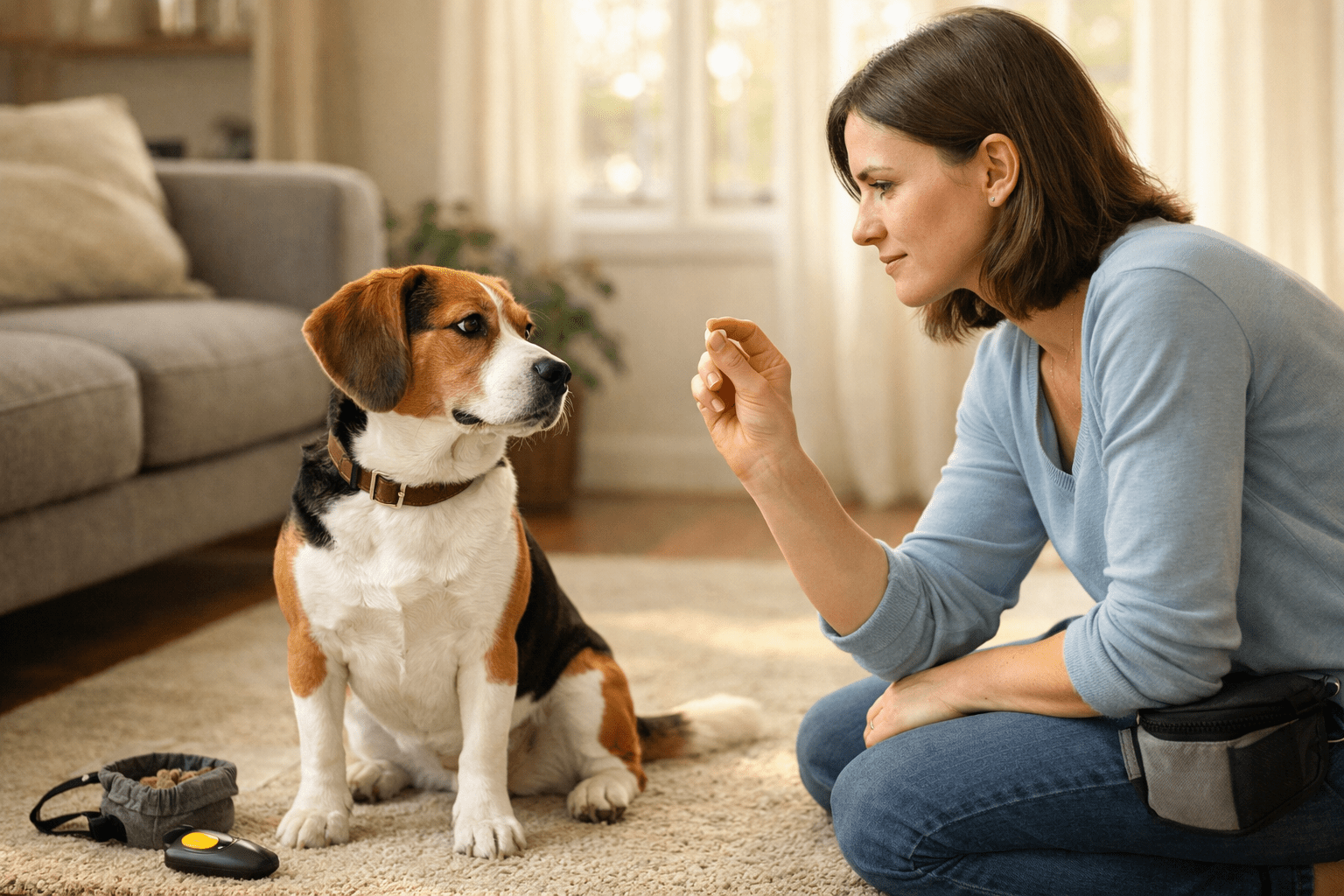
Positive reinforcement means adding something pleasant when your dog does what you want, making them more likely to repeat that behavior. This approach works far better with stubborn dogs than punishment-based methods.
Punishment focuses on what not to do but doesn’t teach what to do instead. When you punish a stubborn dog for unwanted behavior, you might suppress that specific action temporarily, but you haven’t taught an alternative.
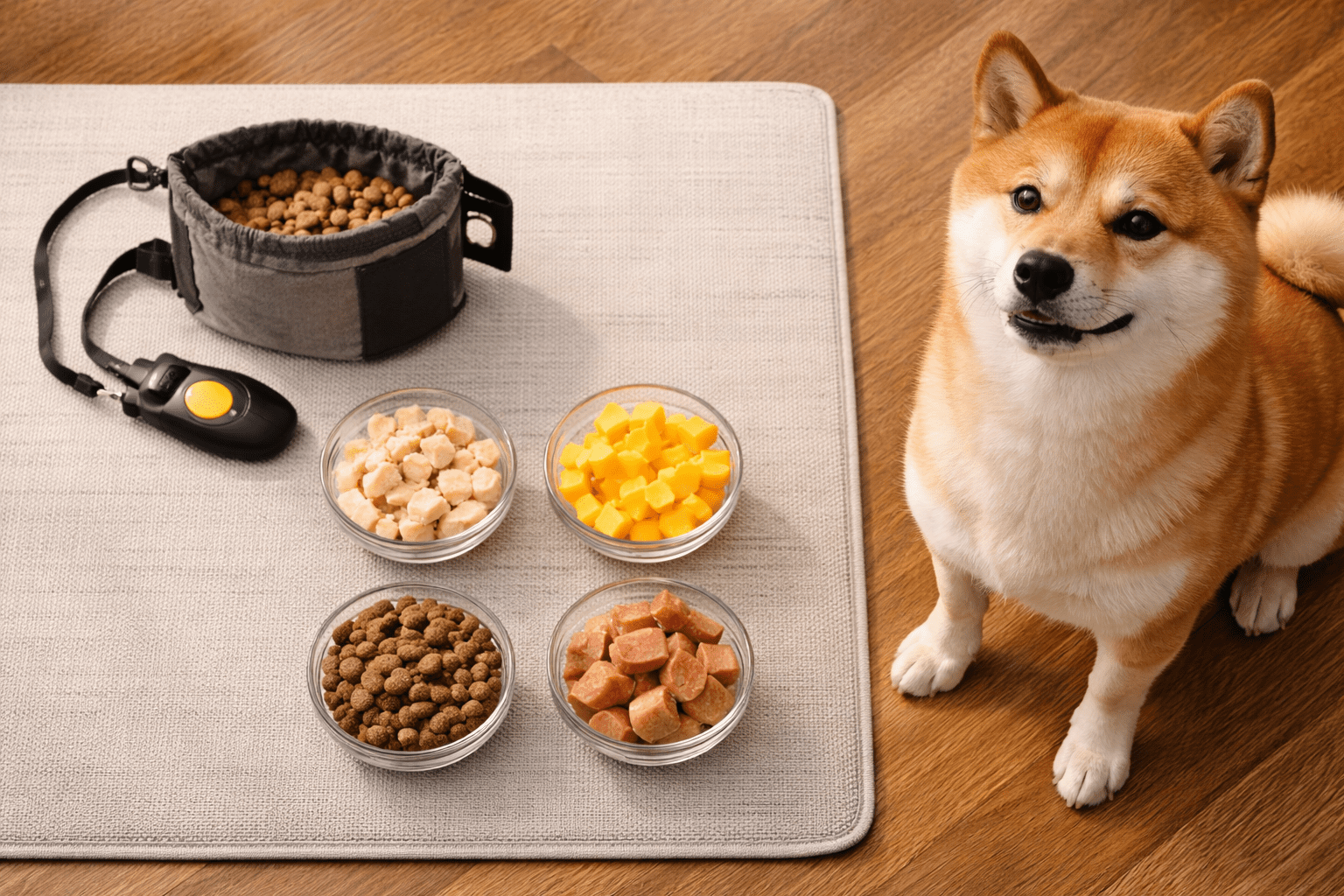
Rewards don’t have to be food. Find what motivates your specific dog: toys, play, praise, access to sniffing areas, or permission to greet other dogs. Stubborn dogs often have strong preferences, so discovering their currency gives you powerful leverage.
Looking for structured training that works? Explore dog obedience training programs designed to build reliable responses in any dog.
Patience and Realistic Expectations
Stubborn dogs require more patience than compliant breeds. What takes three repetitions with a Border Collie might take thirty with a Beagle. This doesn’t mean your dog is stupid, they’re just wired differently.
Set realistic timelines based on your individual dog, not internet success stories. Some stubborn dogs need weeks or months to reliably master commands that other dogs learn in days.
Celebrate small victories instead of focusing on how far you still have to go. If your dog who never came when called now comes 30% of the time, that’s genuine progress worth acknowledging.
Understand that training is never truly “finished.” Stubborn dogs especially need ongoing reinforcement and practice throughout their lives.
Effective Training Methods for Stubborn Dogs
Now let’s get into specific techniques that work particularly well with stubborn, independent-minded dogs.
High-Value Rewards and Motivation
The first step in how to train a stubborn dog is finding rewards they actually care about. Regular kibble won’t cut it. You need something truly special.
Create a reward hierarchy. Use everyday treats for easy behaviors in low-distraction environments. Save premium rewards (chicken, cheese, hot dogs) for challenging commands or high-distraction training.
Rotate through different high-value treats so your dog never knows what they’ll get. This unpredictability increases motivation.
Life rewards work incredibly well. If your dog loves going outside, require a sit before opening the door. If they love fetch, ask for a down-stay before throwing the ball.
Short, Engaging Training Sessions
Stubborn dogs have limited patience for repetitive drilling. Work in short bursts of 3-5 minutes, multiple times throughout the day.
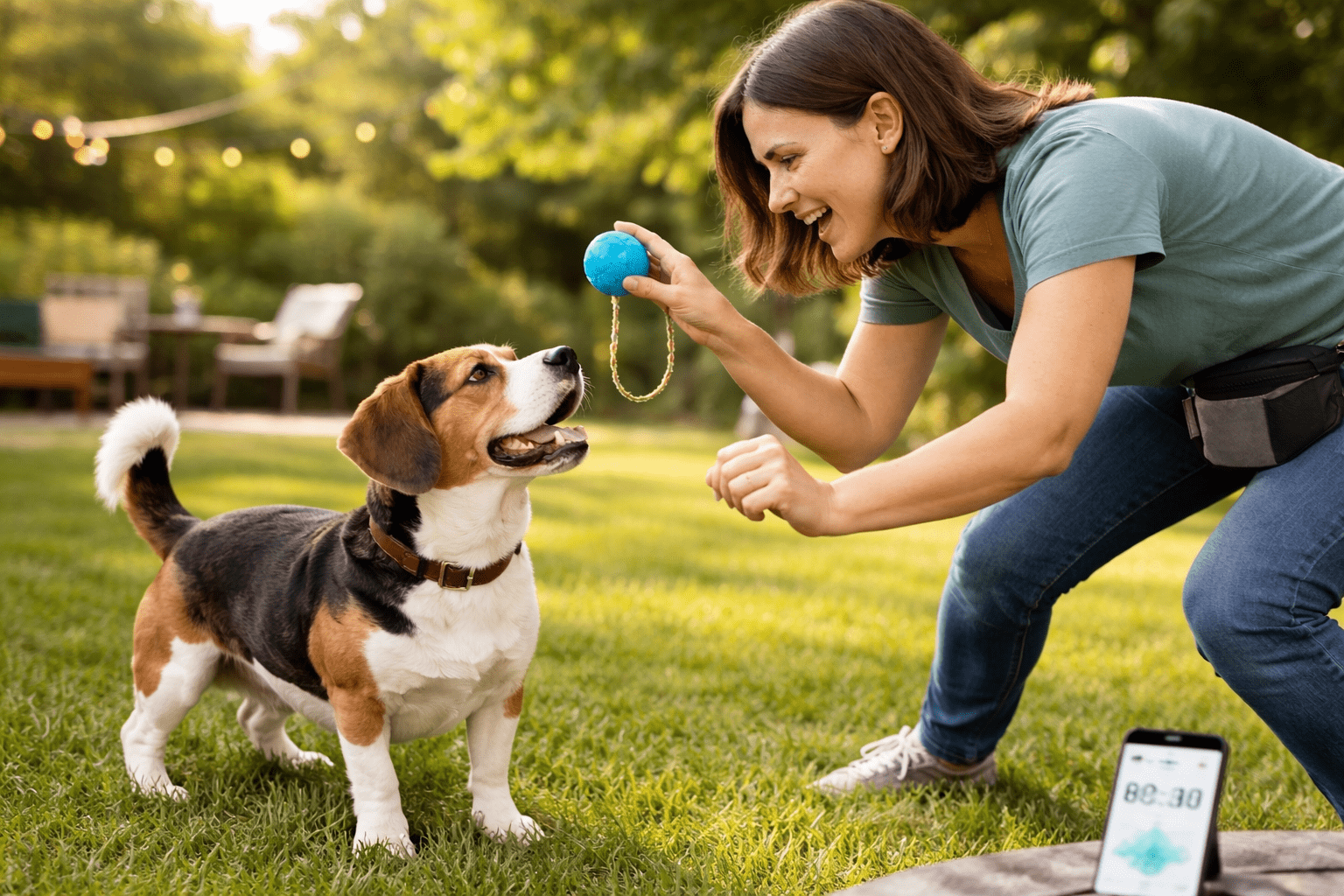
End every session on a successful note. Mix training into daily life rather than formal sessions. Keep the energy upbeat and playful—stubborn dogs need training to feel like a fun game.
The Power of Short Training Routines
Here’s a breakdown of how different training approaches compare for stubborn dogs:
| Training Approach | Session Length | Frequency | Best For | Stubborn Dog Success Rate |
| Traditional Obedience | 30-45 minutes | 2-3x per week | Eager, focused dogs | Low – causes shutdown |
| Short Burst Method | 3-5 minutes | 5-8x per day | Stubborn, independent dogs | High – maintains interest |
| Game-Based Training | 10-15 minutes | 2-3x per day | Play-motivated dogs | Very High – feels like fun |
| Life Rewards Integration | Ongoing moments | Throughout the day | All dogs | Extremely High – natural motivation |
Step-by-Step Training Process
Let’s break down exactly how to train a stubborn dog through the foundational commands.
Starting With Basic Commands
Begin with “sit” because it’s the easiest command to teach. Hold a high-value treat close to your dog’s nose, then slowly move it up and back over their head. Most dogs will naturally sit to follow the treat. The instant their bottom touches the ground, mark the behavior with “yes!” and immediately give the treat.
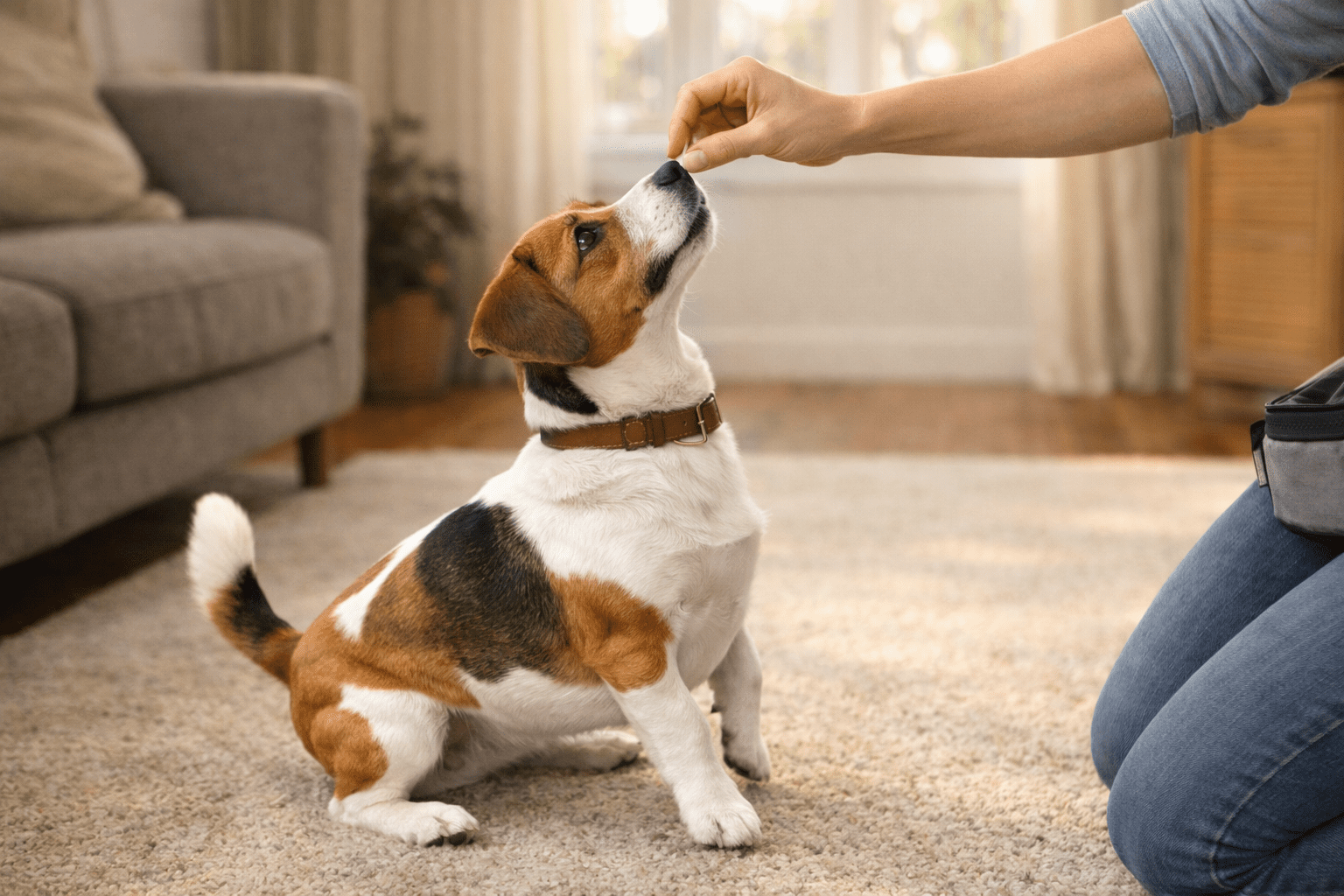
Repeat this 5-10 times in your first session, then take a break. Over the next few days, practice in different rooms, with different family members, at different times of day.
“Down” comes next. Start from a sit position. Hold a treat at your dog’s nose, then slowly move it straight down to the ground between their front paws. Many dogs will follow the treat down into a lying position.
If your stubborn dog won’t follow the lure down, don’t push on them. Instead, try capturing the behavior. Keep treats handy and every time you catch your dog lying down naturally throughout the day, mark it with “yes!” and toss them a treat.
“Stay” requires patience with stubborn dogs. Start with very short durations (2-3 seconds) and tiny distances (one step back). Ask your dog to sit, give a hand signal for stay (palm facing them), take one step back, immediately return and reward before they move.
Addressing Specific Stubborn Behaviors
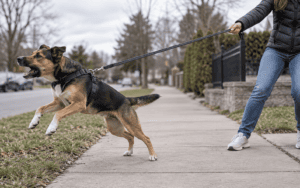
Pulling on leash is one of the most common stubborn dog issues. The solution: become a tree. The instant your dog pulls, stop walking completely. Stand still and wait. When your dog looks back at you or the leash loosens even slightly, mark it and move forward.
For dogs who refuse to come when called, start over from scratch indoors with zero distractions. Call your dog’s name and “come” in an excited voice while you’re only a few feet apart. When they move toward you, reward massively – multiple treats, huge praise, party time.
Never call a stubborn dog to you for something unpleasant (ending playtime, bath time, nail trims). This teaches them that coming means bad things happen.
Want to see proven results faster? Learn about the effectiveness of board and train programs that provide intensive, structured learning.
Comparing Training Techniques
Different methods work better for different types of stubbornness:
| Behavior Issue | Why It Happens | Better Approach for Stubborn Dogs | Success Timeline |
| Ignoring Recall | Low motivation to return | High-value rewards, chase games, long line practice | 4-8 weeks |
| Leash Pulling | Pulling gets them where they want faster | Tree method, reward loose leash, change direction | 2-6 weeks |
| Selective Listening | Commands aren’t rewarding enough | Find better motivators, proof in distractions | 3-6 weeks |
| Refusing Commands | Unclear expectations, inconsistency | Break down steps, increase rewards, ensure understanding | 4-10 weeks |
Common Mistakes to Avoid
Even experienced owners make these errors when working with stubborn dogs.
Inconsistent Rules and Boundaries
The fastest way to create a stubborn dog is being inconsistent. When you allow jumping sometimes but correct it other times, you’re teaching them to gamble. They learn that sometimes rules apply and sometimes they don’t.
Every family member must enforce the same rules the same way every single time. Sit down together and write out your household rules clearly. Once you decide, everyone follows through 100% of the time.
Weekend exceptions destroy weekday training. If your dog must stay off the bed Monday through Friday but gets to sleep with you on weekends, they’ll push boundaries all week long.
Using Too Much Repetition
Saying “sit, sit, sit, sit, SIT!” teaches your dog to ignore the first four commands and only respond to the fifth one said in a frustrated tone. This is called “command nagging.”
Give one clear command, then wait. If your dog doesn’t respond within 5 seconds, they either don’t understand, aren’t motivated enough, or are too distracted. Repeating the command won’t fix any of those issues.
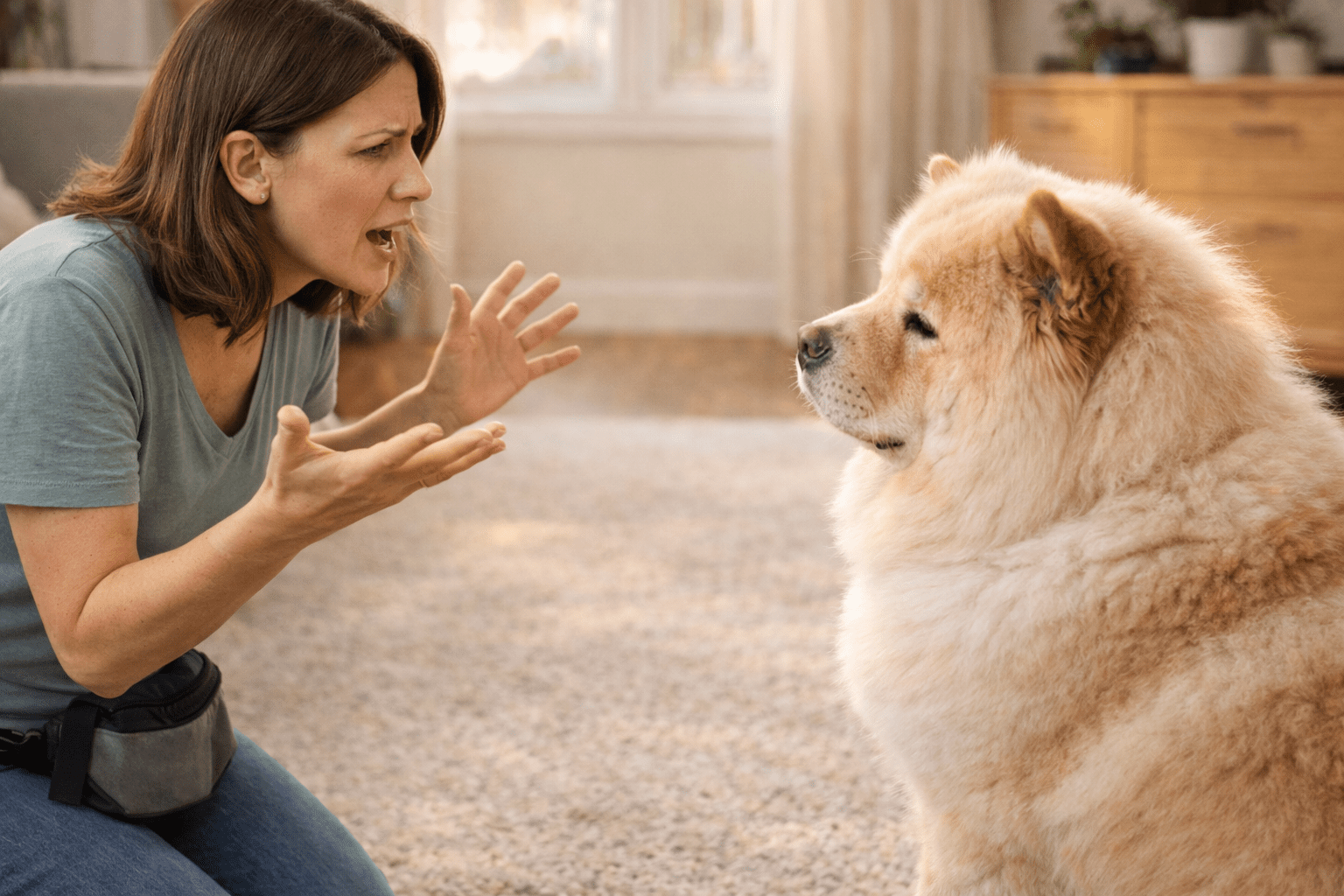
The one-command rule applies to everything. Say “come” once, then make yourself irresistible instead of repeating it.
Giving Up Too Soon
Stubborn dogs test your patience specifically because they need more time and repetitions than other dogs. If you quit after two weeks because you’re not seeing results, you might be stopping right before the breakthrough moment.
Progress isn’t linear. You’ll have great days and terrible days. This is normal, especially with independent breeds. Keep tracking overall trends over months, not daily performance.
Discover more techniques that work for challenging dogs by reading about effective dog training methods that address various learning styles.
When to Seek Professional Help
Sometimes stubbornness masks deeper issues that require expert intervention.
Signs You Need a Professional Trainer
If you’ve consistently applied positive training methods for 2-3 months without any improvement, it’s time to bring in a professional. A qualified trainer can spot subtle issues you’re missing and adjust your approach accordingly.
Aggression mixed with stubbornness requires immediate professional help. If your dog refuses commands and also shows teeth, growls, snaps, or bites, this goes beyond normal stubbornness into dangerous territory.
When stubbornness appears suddenly in a previously cooperative dog, something changed. A trainer can help identify whether this is a training issue, environmental stress, or potential health problem.
What Professional Training Offers
Professional trainers bring objective observation. When you’re frustrated with your stubborn dog, you might miss important details about what’s actually causing the resistance.
Good trainers teach you, not just your dog. They’ll show you exactly how to hold treats, deliver commands, read your dog’s body language, and time your rewards.
Board and train programs provide intensive, consistent training that’s difficult to replicate at home. Professional trainers work with your dog multiple times daily in a structured environment, then teach you how to maintain the training when your dog comes home.
Ready for professional support? Explore comprehensive board and train Long Island programs that transform stubborn behaviors through structured, expert guidance.
Staying Motivated Throughout the Training Journey
Training a stubborn dog is a marathon, not a sprint.
Keep a training journal where you note daily successes, even tiny ones. “Came when called once at the park” or “held a 10-second stay” might seem small, but documenting these moments helps you see progress when you’re feeling discouraged.
Take weekly videos of training sessions. When you’re frustrated that your dog “isn’t improving,” watch videos from a month ago. You’ll often notice significant differences that felt invisible day-to-day.
Set specific, measurable goals rather than vague hopes. Instead of “I want my dog to be better,” try “I want my dog to sit on command 8 out of 10 times indoors by the end of this month.”
Connect with other owners of stubborn breeds. Online forums, local training groups, and breed-specific clubs put you in touch with people who understand your specific challenges.
Starting with a young dog? Check out the best ways to train puppy to build good habits early and prevent stubbornness from developing.
Turning Stubbornness Into Success
Training a stubborn dog isn’t about breaking their spirit or forcing compliance. It’s about finding what motivates them, communicating clearly, and building a partnership based on mutual understanding. The independence that makes your dog “stubborn” is often the same trait that makes them confident, brave, and uniquely themselves.
With patience, consistency, and the right approach, your stubborn dog can become a well-trained companion who still retains their wonderful personality. The journey takes longer and requires more creativity than training compliant breeds, but the bond you build through this process creates a deeply rewarding relationship.
At K9 Mania Dog Training, we specialize in transforming stubborn, independent dogs into well-behaved companions. As the leading board and train Long Island provider, we understand that challenging behaviors require expert intervention and consistent, professional guidance.
Whether your dog needs intensive training or you need personalized coaching, we have the experience and proven methods to help. Trust K9 Mania Dog Training to give you and your dog the tools for lasting success – because every dog deserves the chance to reach their full potential.
You May Also Want to Read
- How to Socialize a Fearful Dog
- 15 Best Dog Breeds for Apartments
- Best Dogs for First Time Owners
- How to Train Your Dog to Run with You
Frequently Asked Questions
What breed of dog is stubborn?
Several breeds are known for stubbornness due to independent instincts. Beagles follow scents, Bulldogs are willful, and Dachshunds think independently. Other stubborn breeds include Basset Hounds, Afghan Hounds, Shiba Inus, and many terriers, all bred to work without constant human direction.
What does a stubborn dog mean?
A stubborn dog resists commands despite training, not out of defiance but due to confusion, low motivation, or independent traits. They often understand commands but don’t see value in obeying, requiring clearer communication, better rewards, and consistent handling.
Can a stubborn dog be trained?
Yes, stubborn dogs can be trained with patience and consistency. Use high-value rewards, short sessions, and positive reinforcement. Focus on motivation rather than punishment. Progress may be slower, but with the right approach, they can learn reliable obedience.
How do you discipline a stubborn dog?
Discipline should focus on removing rewards, not punishment. Withhold desired outcomes until compliance, then reward immediately. Use brief time-outs and stay calm. Avoid harsh corrections, as they increase resistance. Make following commands more rewarding than ignoring them.
What dog breeds are known for being stubborn?
Stubborn breeds include Beagles, Basset Hounds, Bulldogs, Dachshunds, Afghan Hounds, Shiba Inus, Jack Russell Terriers, Chow Chows, Bloodhounds, and Siberian Huskies. These dogs were bred for independence, making them less naturally obedient and more likely to follow their instincts.
What is a stubborn dog behavior?
Stubborn behavior includes ignoring commands, selective listening, refusing recall, leash pulling, or delayed obedience. These dogs often test boundaries and choose when to comply, especially with distractions, showing independence rather than lack of understanding.