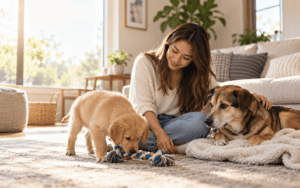
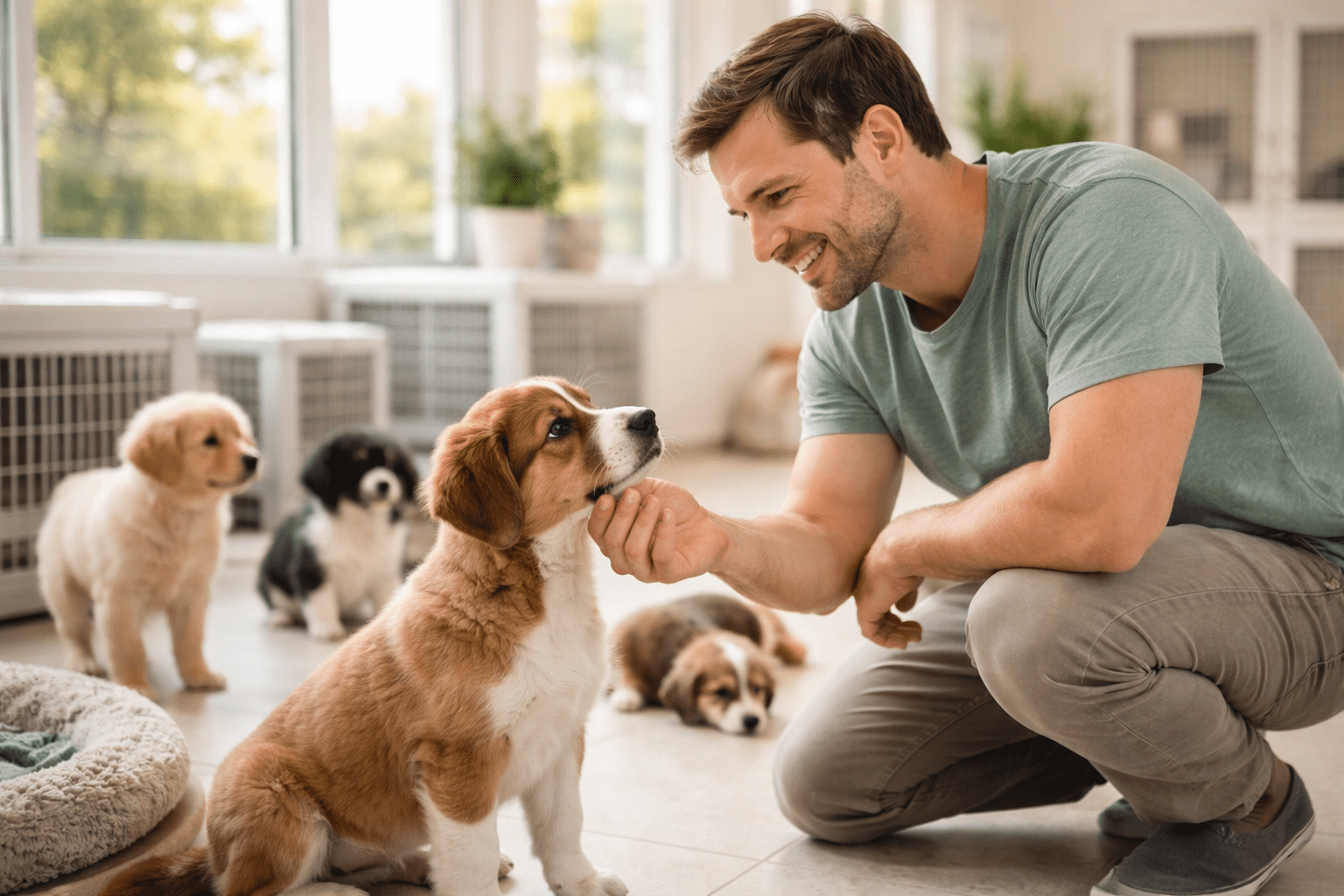
The best dogs for first time owners are breeds like Golden Retrievers, Labrador Retrievers, and Cavalier King Charles Spaniels because they’re friendly, trainable, and adaptable to different lifestyles. These breeds combine manageable energy levels with forgiving temperaments that make early training mistakes less stressful for new owners.
Choosing your first dog is exciting, but picking the wrong breed can turn that excitement into frustration. Some dogs need experienced handlers who understand strong personalities or high exercise demands, while others thrive with patient beginners still learning the ropes.
In this guide, we’ll walk you through the top dog breeds perfect for newcomers, what makes them beginner-friendly, and which breeds you might want to skip until you’ve got more experience under your belt.
Start your dog ownership journey right with professional guidance. Explore our dog obedience training programs designed for new owners.
Why Breed Selection Matters for First Time Owners
Your first dog sets the tone for your entire experience as a pet parent. Pick a breed that matches your lifestyle and skill level, and you’ll build confidence while creating a strong bond. Choose one that’s too challenging, and you might struggle with training setbacks or behavioral issues that feel overwhelming.
Understanding Your Needs and Avoiding Common Mistakes
Before falling in love with a specific breed, honestly assess your daily routine. How much time can you dedicate to exercise, grooming, and training? A high-energy Border Collie needs hours of stimulation daily, while a Cavalier King Charles Spaniel thrives with short walks and couch time.
Many first-time owners pick breeds based on looks alone without researching care requirements. That adorable Husky needs serious exercise and challenges even experienced trainers. Others underestimate grooming needs or choose breeds too large to physically manage on leash. First-time owners typically succeed with naturally eager-to-please dogs that forgive training mistakes.
Skipping early training is the biggest mistake of all. Even the friendliest, most trainable breed needs consistent guidance during those critical first months. Professional board and train Long Island programs can give you and your new dog a strong foundation right from the start.
Top Characteristics to Look for in Beginner-Friendly Dogs
Not all dogs are created equal when it comes to first-time owner success. Certain traits make some breeds significantly easier to train, manage, and live with during those crucial first years.
Temperament and Trainability
The most beginner-friendly dogs have stable, predictable temperaments. They’re friendly toward strangers, patient with children, and get along well with other animals. These dogs don’t startle easily or react aggressively to new situations.
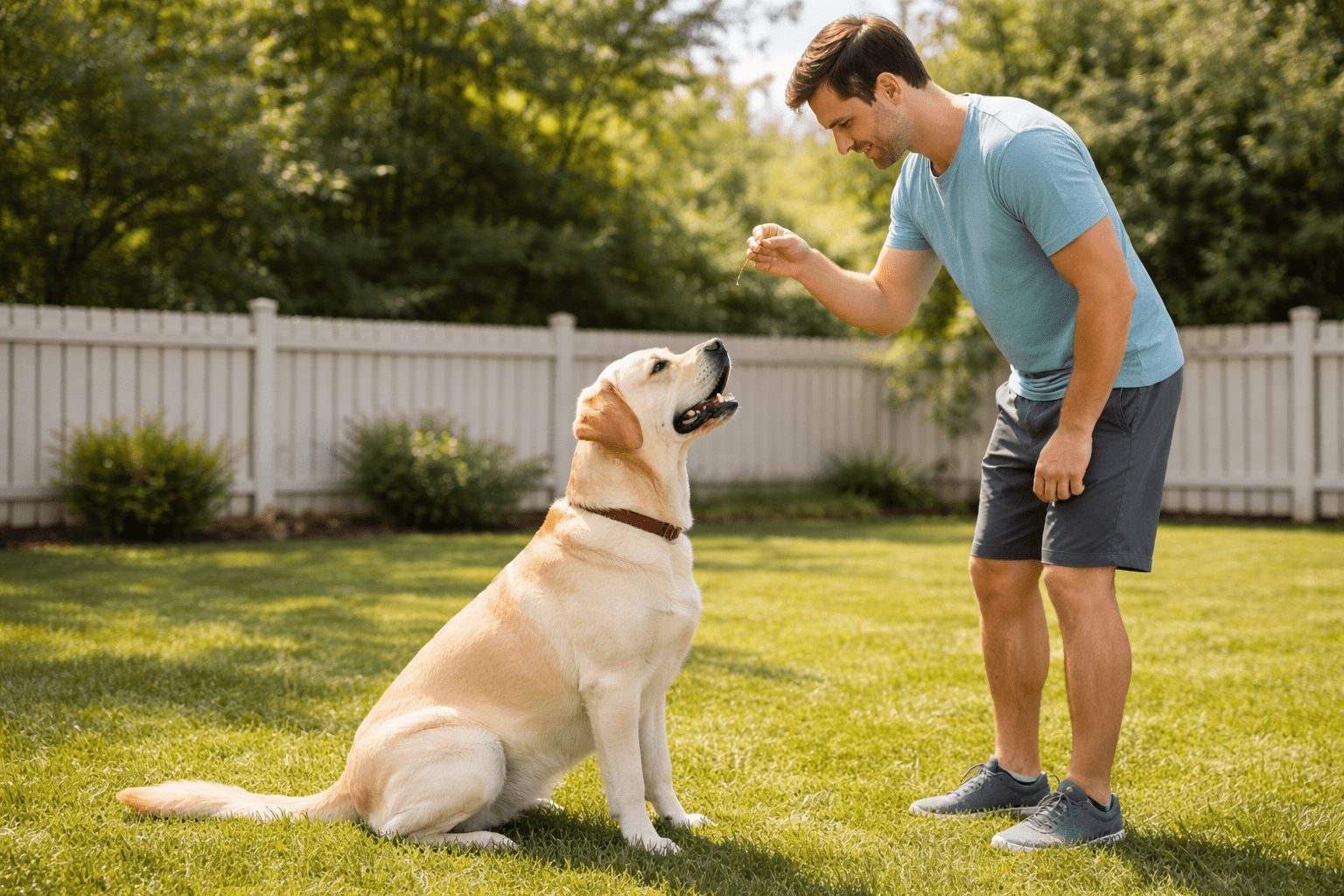
Trainability is equally important. Look for breeds bred to work alongside humans, like retrievers, spaniels, and companion breeds. These dogs have generations of selective breeding that makes them naturally eager to please and responsive to your guidance.
Food motivation helps too. Dogs that love treats learn commands faster because you’ve got a powerful reward system built in. While every dog is trainable, some breeds make the process much easier for beginners still learning proper technique.
Forgiving temperaments are gold for first-time owners. You’ll make mistakes during training, accidentally reward the wrong behavior, or struggle with consistency. Breeds with adaptable, resilient personalities bounce back from these hiccups without developing lasting behavioral issues.
Size and Energy Level Considerations
Size matters more than you might think. Smaller dogs are physically easier to control, cost less to feed, and take up less space in your home. However, don’t assume all small dogs are beginner-friendly since many toy breeds can be snippy or stubborn.
Medium-sized dogs often hit the sweet spot for first-time owners. They’re substantial enough to enjoy outdoor adventures but manageable enough to lift into a car or control on a leash. Most medium breeds also live longer than giant breeds, giving you more years together.
Energy level trumps size in many cases. A calm, low-energy Great Dane might be easier for a beginner than a hyperactive Jack Russell Terrier. Match the dog’s exercise needs to your lifestyle. If you’re not a runner or hiker, skip high-energy working breeds that need serious physical outlets.
Consider the most trainable dog breeds when evaluating energy levels, since trainability often correlates with manageable exercise needs and good focus during training sessions.
Best Dogs for First Time Owners: Top Breed Recommendations
These breeds consistently rank highest for first-time owner success. They combine trainability, stable temperaments, and adaptable personalities that make them forgiving of beginner mistakes.
Golden Retriever
Golden Retrievers top nearly every beginner-friendly breed list for good reason. These medium to large dogs are gentle, patient, and incredibly eager to please. They thrive on human companionship and genuinely want to make you happy, which makes training feel like a partnership rather than a battle.
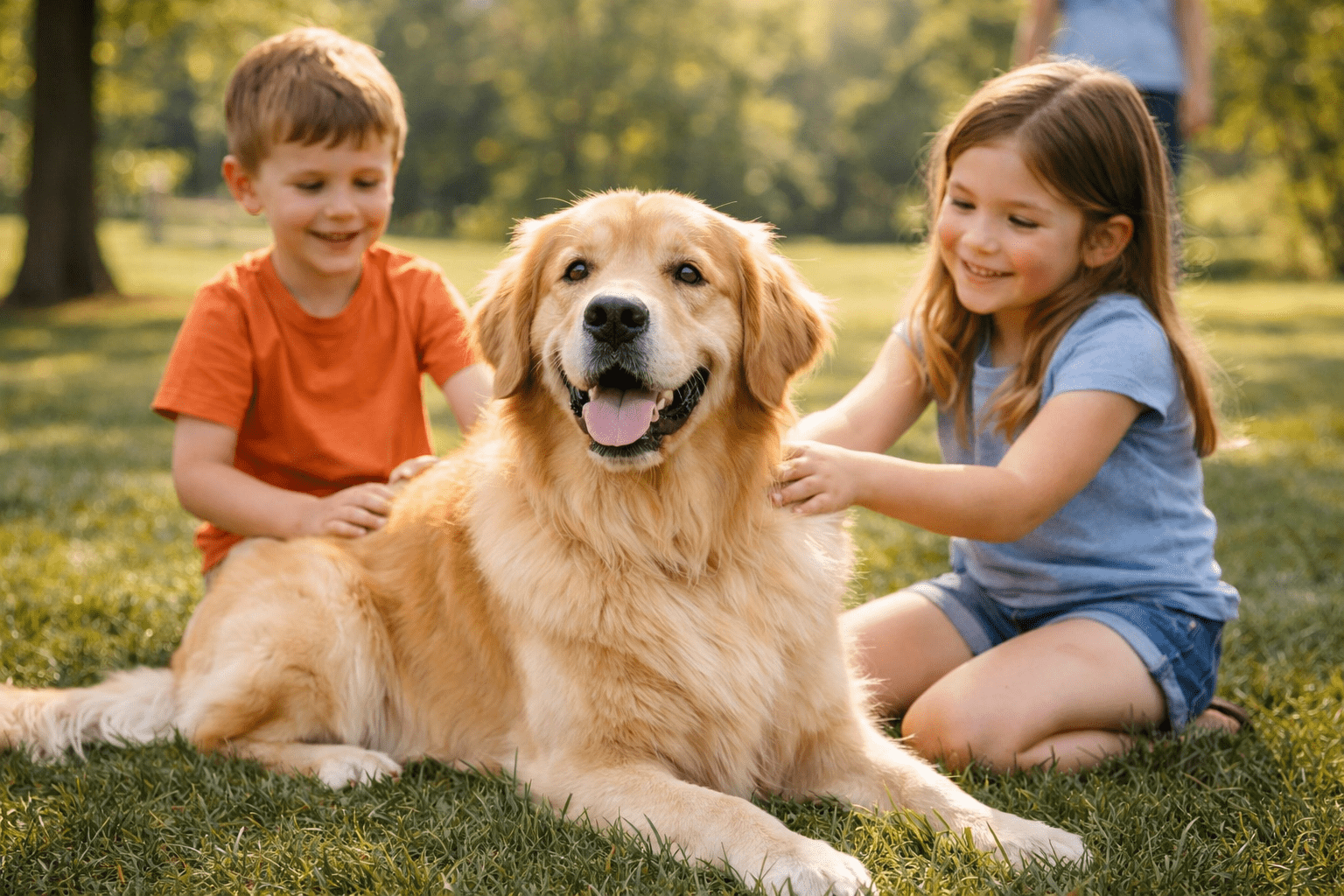
Goldens adapt well to different living situations as long as they get daily exercise. A couple of good walks plus some playtime keeps most Goldens content. They’re fantastic with children, tolerant of other pets, and friendly toward strangers without being overly excitable.
Their beautiful coats do require regular brushing to prevent matting, and they shed year-round. Goldens also love water and often have a playful streak that lasts well into adulthood. Health-wise, they’re generally robust but can be prone to hip dysplasia and certain cancers as they age.
Labrador Retriever
Labs share many traits with Golden Retrievers but come in three colors (black, yellow, and chocolate) and have shorter, easier-to-maintain coats. They’re America’s most popular breed for a reason, combining intelligence, friendliness, and versatility.
These dogs excel in various roles from family pets to service animals, proving their adaptability and trainability. Labs are food-motivated, which makes training straightforward as long as you manage their portions to prevent obesity.
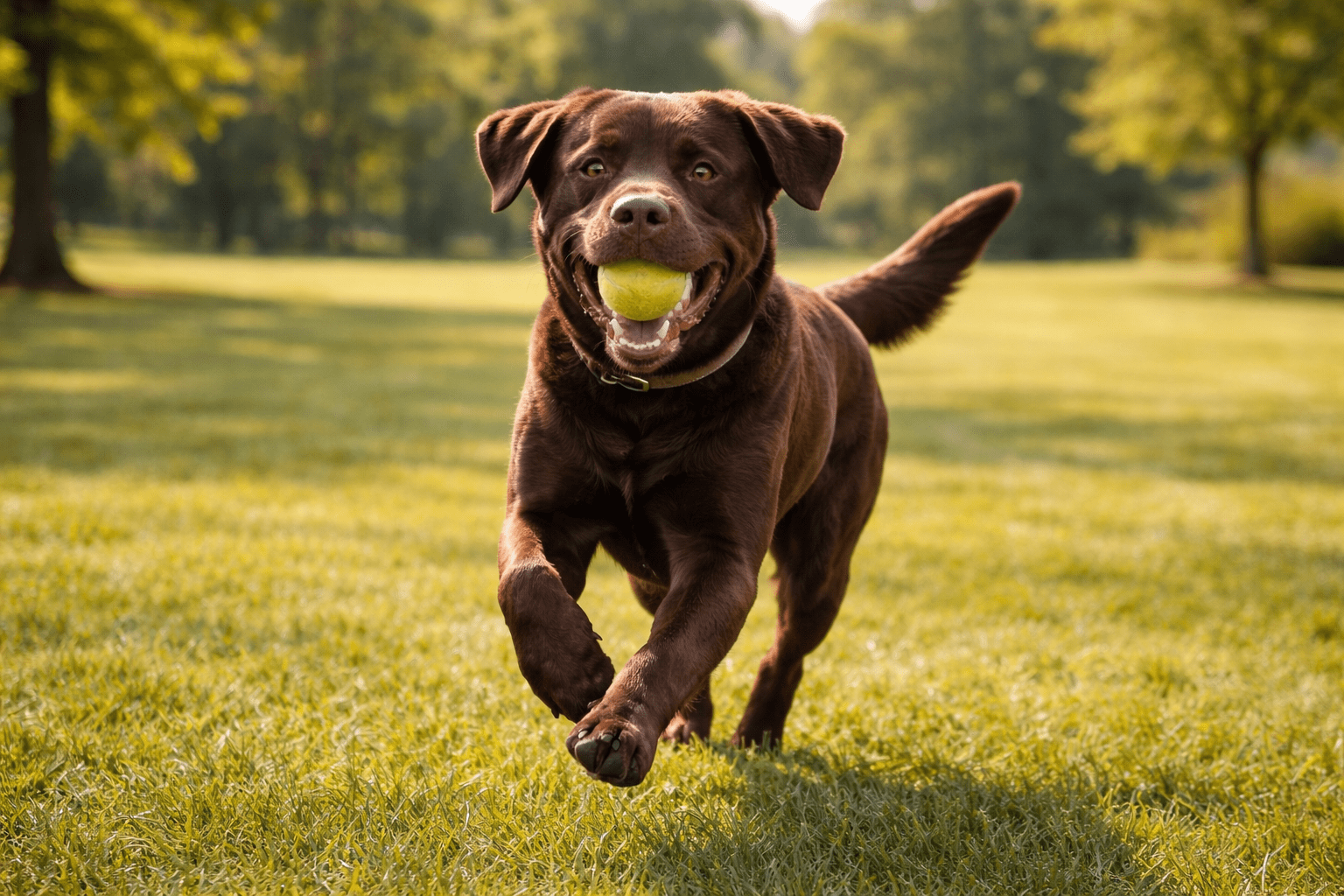
Energy levels run higher than Goldens, especially in their first few years. Young Labs need substantial daily exercise to prevent destructive behaviors born from boredom. However, their enthusiasm for fetch, swimming, and walks means exercise feels fun rather than tedious.
Labs get along beautifully with children and other pets. They’re social butterflies who greet everyone as a potential friend. This friendliness makes them poor guard dogs but excellent family companions.
Cavalier King Charles Spaniel
For first-time owners seeking a smaller companion, Cavalier King Charles Spaniels deliver big personality in a compact package. These gentle, affectionate dogs were bred specifically as companion animals and excel at that role.
Cavaliers adapt easily to apartment living and don’t need extensive exercise, though they enjoy daily walks. Their moderate energy level means they’re happy to match your pace, whether that’s an active afternoon at the park or a quiet evening on the couch.
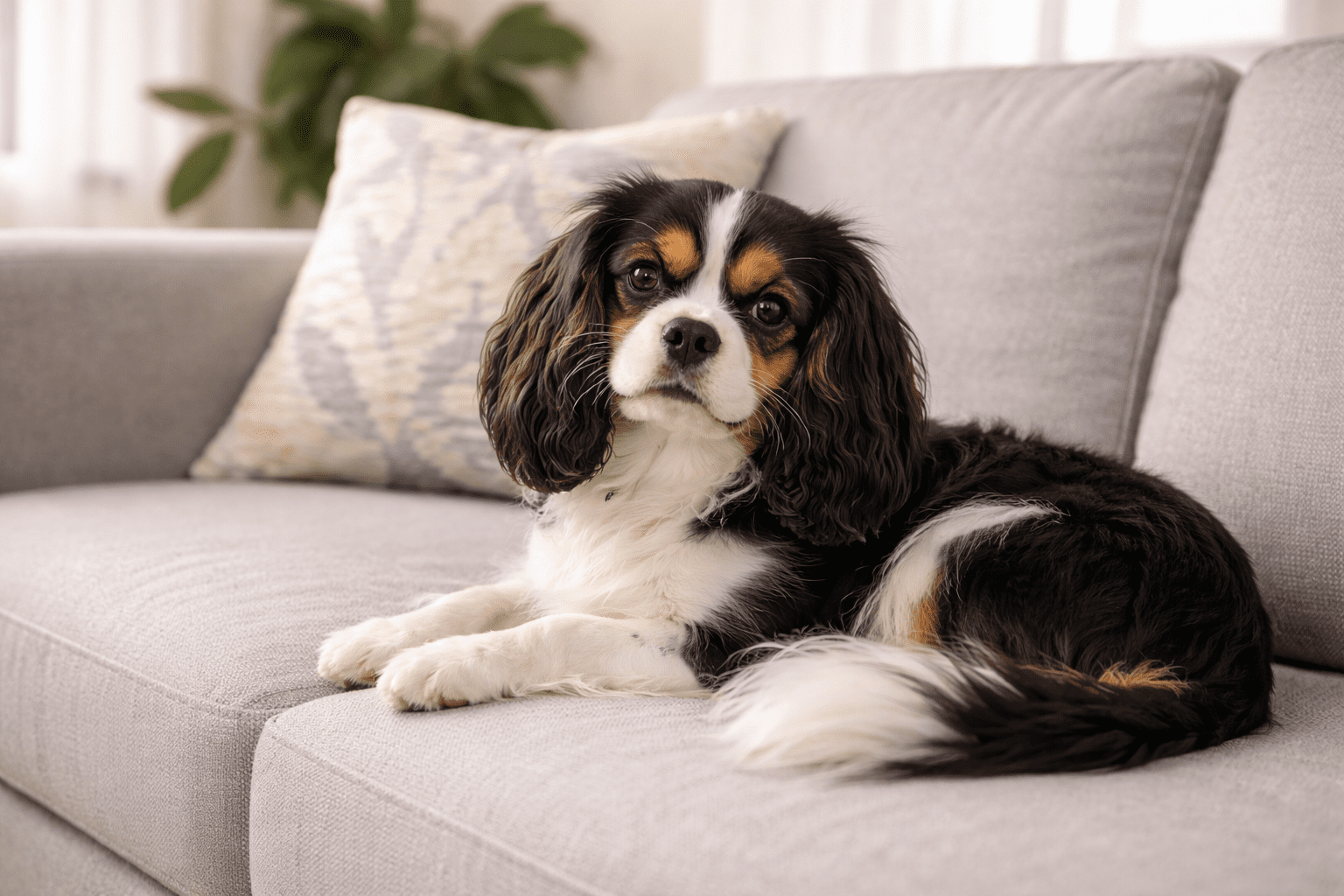
These spaniels are naturally friendly and rarely show aggression. They’re wonderful with children when supervised and typically get along well with cats and other dogs. Their eager-to-please nature makes training relatively easy.
The breed’s silky coat needs regular brushing but doesn’t require professional grooming as frequently as curly-coated breeds. Be aware that Cavaliers can develop heart issues as they age, so regular vet checkups are important.
Poodle (Standard and Miniature)
Poodles rank among the most intelligent dog breeds, making them highly trainable for first-time owners willing to invest in regular grooming. Both Standard and Miniature Poodles share the same wonderful temperament in different sizes.
These dogs are hypoallergenic, which makes them ideal for owners with allergies. Their curly coats don’t shed much but need professional grooming every 6-8 weeks to prevent matting. Many owners learn to groom their Poodles at home to save money.
Poodles are athletic and energetic but not hyperactive. They enjoy learning tricks, playing games, and participating in family activities. Their intelligence means they pick up commands quickly, though they can also figure out how to get into mischief if left bored.
Standard Poodles make excellent family dogs with stable, friendly temperaments. Miniature Poodles work well for apartment dwellers or those wanting a smaller companion. Both sizes are gentle with children and social with other pets when properly introduced.
Bichon Frise
Bichon Frises are cheerful little dogs with fluffy white coats and playful personalities. They were bred as companion dogs and still excel in that role today, making them perfect for first-time owners who want a smaller breed.
These dogs are naturally friendly and rarely show aggression toward people or other animals. They adapt well to apartment living and don’t need extensive exercise beyond daily walks and indoor play. Their small size makes them easy to manage physically.
Bichons are smart and trainable, though they can have a stubborn streak. Positive reinforcement works best with this breed. They’re food-motivated and love praise, which makes basic obedience training straightforward for patient owners.
The breed’s coat requires significant grooming commitment, including professional grooming every 4-6 weeks. However, they don’t shed much, which keeps your home cleaner. Bichons can be prone to separation anxiety, so they’re best for owners who spend significant time at home.
Comparing Popular First-Time Owner Breeds
Understanding how different beginner-friendly breeds stack up helps you make an informed decision. Here’s a detailed comparison of care requirements and key traits:
| Breed | Size | Energy Level | Grooming Needs | Best For |
| Golden Retriever | Large (55-75 lbs) | Moderate to High | Moderate (weekly brushing) | Active families with yards |
| Labrador Retriever | Large (55-80 lbs) | High | Low (occasional brushing) | Active owners, families with kids |
| Cavalier King Charles Spaniel | Small (13-18 lbs) | Low to Moderate | Moderate (regular brushing) | Apartment dwellers, seniors |
| Standard Poodle | Large (45-70 lbs) | Moderate to High | High (professional grooming) | Allergy sufferers, active families |
| Bichon Frise | Small (12-18 lbs) | Moderate | High (professional grooming) | Apartment living, companionship |
Breeds to Approach With Caution as a First-Time Owner
While many dogs make wonderful pets for experienced handlers, certain breeds present challenges that can overwhelm first-time owners. Knowing which to approach carefully sets you up for success.
Working breeds like Border Collies, Australian Shepherds, and Belgian Malinois need experienced owners who provide intense mental and physical stimulation. Without proper outlets, they develop destructive behaviors, excessive barking, or obsessive tendencies. Terrier breeds like Jack Russells pack intense energy and strong prey drives into compact packages, requiring firm boundaries many beginners struggle to maintain.
Breeds developed to work independently, Huskies, Akitas, and Shiba Inus, question whether following commands benefits them. Their independent nature makes training more difficult since food motivation is often lower.
Guard dog breeds like Rottweilers and Dobermans need experienced handling to channel protective instincts appropriately. With proper dog behavior training, they’re wonderful companions, but they’re not ideal starter dogs.
Small vs. Large Dogs for First-Time Owners
Size significantly impacts your daily experience as a dog owner. Both small and large dogs have advantages and drawbacks worth considering:
| Factor | Small Dogs (Under 25 lbs) | Large Dogs (Over 50 lbs) |
| Exercise Needs | Generally lower; short walks often sufficient | Usually higher; need longer walks and more space |
| Food & Vet Costs | Lower food costs; medications dosed by weight | Higher food costs; expensive medications |
| Physical Control | Easy to lift, carry, and physically manage | Can be difficult to control without proper training |
| Living Space | Ideal for apartments and small homes | Need more space; better with yards |
| Lifespan | Typically 12-16 years | Usually 8-12 years |
| Training Challenges | Can develop “small dog syndrome” if spoiled | Need early training to manage size and strength |
Setting Your New Dog Up for Success
Choosing the right breed is just the first step. How you approach those critical early months determines whether you build a strong foundation or struggle with preventable problems.
Early Training and Socialization
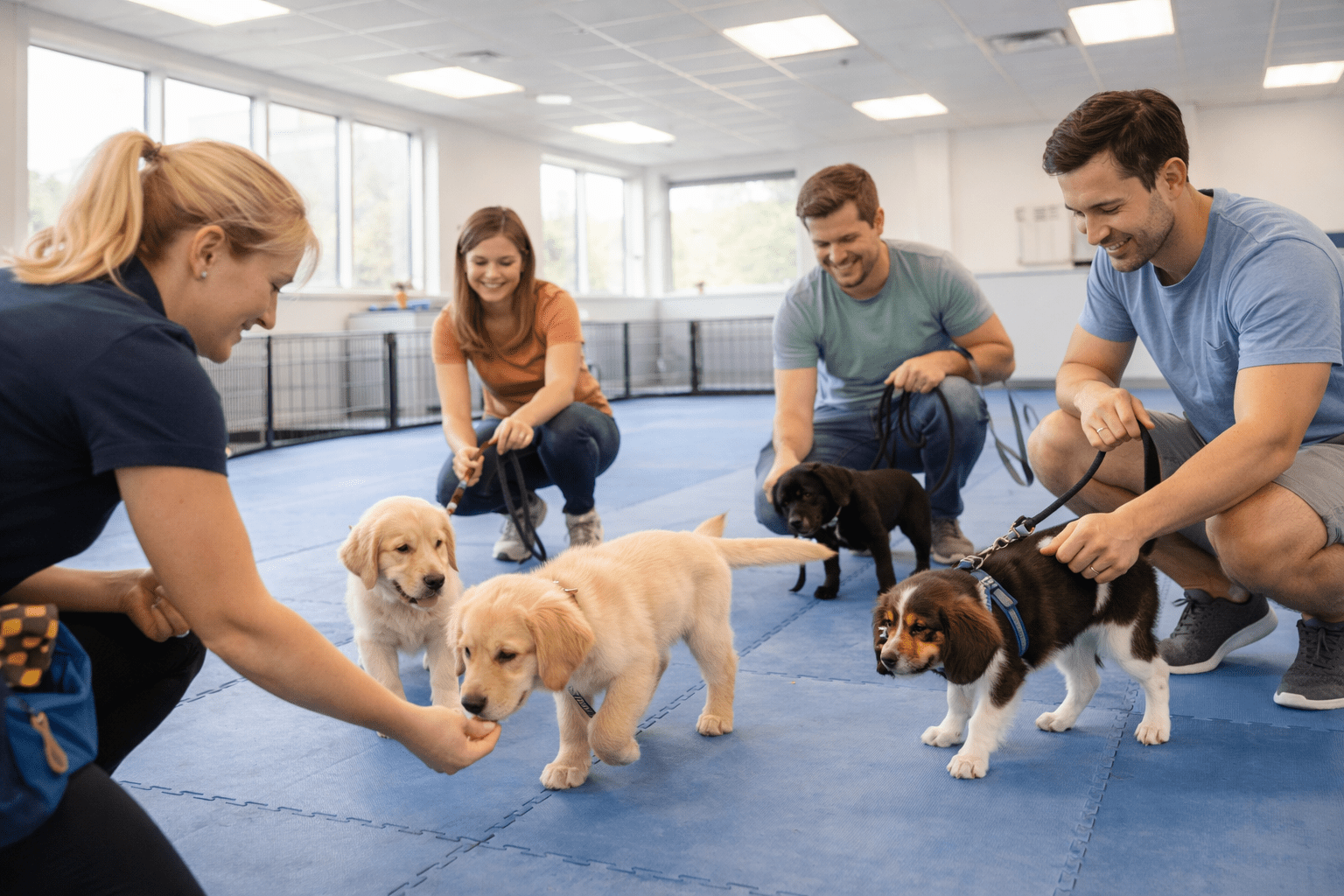
Start training the day your dog comes home, regardless of age. Puppies have critical socialization windows between 8-16 weeks when they’re most open to new experiences. Expose them to different people, environments, sounds, and other friendly dogs during this time.
Basic obedience training teaches communication between you and your dog. Commands like “sit,” “stay,” “come,” and “leave it” aren’t just tricks but essential safety tools. Consistency is key, so everyone in your household needs to use the same commands and rules.
Professional training programs accelerate progress and prevent common mistakes. Learning how to choose the right dog breed is important, but knowing how to train that breed makes all the difference in your experience.
Positive reinforcement builds confidence and strengthens your bond. Reward-based training works faster and creates more reliable behaviors than punishment-based methods. Even the best dogs for first time owners need proper training to reach their full potential.
Creating a Routine
Dogs thrive on predictable routines. Feed your dog at the same times daily, take walks on a consistent schedule, and establish regular bedtimes. This structure helps with housetraining and reduces anxiety.
Create designated spaces for eating, sleeping, and playing. This helps them understand household rules and provides security. Crate training offers a safe den-like space many dogs naturally seek.
Exercise before you leave for work helps dogs settle more easily. A tired dog is typically a well-behaved dog. Mental stimulation through puzzle toys or training sessions counts too.
Start grooming routines early, even if your puppy doesn’t strictly need it yet. The practice builds cooperation and makes vet visits less stressful.
Understanding the effectiveness of board and train programs can help you decide if professional help would benefit your specific situation, especially during those challenging early months.
Finding Your Perfect Canine Companion as a First Time Dog Owner
The best dogs for first time owners, Golden Retrievers, Labs, Cavalier King Charles Spaniels, Poodles, and Bichon Frises, consistently deliver positive experiences because of their trainability, stable temperaments, and adaptable personalities. Selecting the right breed means finding one that matches your lifestyle and forgives the inevitable learning curve of new ownership.
Remember that individual dogs vary within breeds. Working with reputable breeders or rescues and investing in early training contribute to success regardless of which breed you choose.
At K9 Mania Dog Training, we understand the unique challenges first-time dog owners face. As Long Island’s leading board and train provider, we’ve helped countless new owners build strong foundations with their dogs. Whether you need basic obedience help or guidance addressing behavioral concerns, trust K9 Mania to help you and your companion thrive together from day one.
You May Also Want to Read
- 10 Most Trainable Dog Breeds That Learn Fast
- How to Train a German Shepherd: Complete Guide for Success
- Why Do Dogs Like Belly Rubs?
- How to Socialize a Fearful Dog
- 15 Best Dog Breeds for Apartments
Frequently Asked Questions
What is the best dog for a first-time pet owner?
Golden Retrievers and Labrador Retrievers are widely considered the best dogs for first-time pet owners due to their friendly temperaments, high trainability, and adaptability to various living situations. These breeds are forgiving of training mistakes and eager to please, which makes learning the basics of dog ownership less stressful. Cavalier King Charles Spaniels also rank highly for first-time owners seeking smaller companions with gentle, affectionate personalities that thrive on human companionship.
What is the easiest dog to own for beginners?
The easiest dogs to own for beginners are typically breeds with lower energy levels, minimal grooming needs, and naturally compliant temperaments. Cavalier King Charles Spaniels, Bichon Frises, and Pugs (despite some health considerations) require less exercise than working breeds and are generally content with moderate daily activity. These breeds adapt well to apartment living and3 have predictable temperaments that make daily care straightforward. However, any dog requires consistent training, proper socialization, and regular veterinary care regardless of how “easy” the breed is considered.
What is the hardest dog to potty train?
Small breed dogs like Chihuahuas, Yorkshire Terriers, and Dachshunds are often considered the hardest to potty train due to their small bladder capacity and sometimes stubborn personalities. These breeds need more frequent bathroom breaks and can be more prone to accidents indoors. Brachycephalic breeds like Bulldogs sometimes struggle with housetraining due to their limited physical stamina and difficulty in certain weather conditions. Success with any breed requires consistency, patience, and establishing a reliable schedule from the very first day your dog comes home.
What is the lowest maintenance dog breed?
The lowest maintenance dog breeds combine minimal grooming needs with moderate exercise requirements and generally healthy constitutions. Labrador Retrievers, Beagles, and mixed breed dogs often fall into this category since they have short coats that need only occasional brushing and are typically robust. However, maintenance involves more than grooming as all dogs need daily exercise, training, socialization, and regular veterinary care. What’s considered “low maintenance” varies based on your lifestyle since a high-energy Lab might seem demanding to a sedentary owner but perfectly manageable to an active family.
What is the best dog for lazy owners?
While no dog is truly suitable for extremely inactive owners, certain breeds adapt better to low-key lifestyles. Cavalier King Charles Spaniels, Basset Hounds, and Shih Tzus are content with shorter walks and more relaxed daily routines. These breeds still need daily exercise for health and mental stimulation but don’t require the extensive activity that working or sporting breeds demand. However, even lower-energy dogs deserve engaged owners who provide basic care, training, and quality time. If you genuinely can’t commit to daily walks and interaction, consider whether dog ownership aligns with your current lifestyle.
What dog should I get as a beginner?
As a beginner, you should get a dog breed that matches your lifestyle, living situation, and time availability rather than simply choosing based on appearance or popularity. Consider Golden Retrievers or Labrador Retrievers if you have an active lifestyle and space for a larger dog. Cavalier King Charles Spaniels or Bichon Frises work better for apartment dwellers or those seeking smaller companions. Evaluate your experience with training, willingness to invest in professional help, and honest assessment of your daily schedule before committing to any breed.