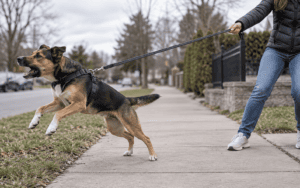
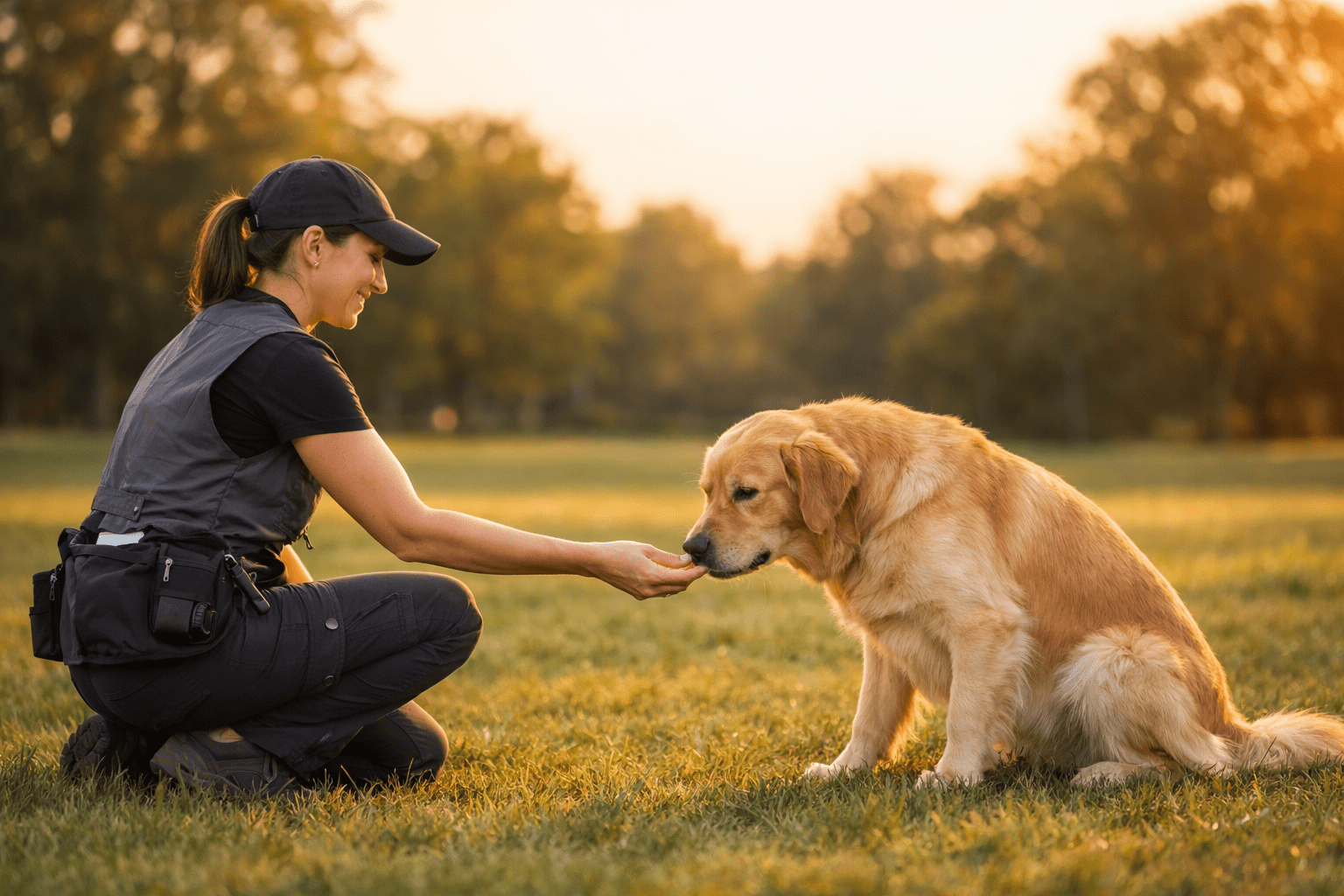
Socializing a fearful dog requires patience, gradual exposure to new experiences, and consistent positive reinforcement to build confidence without overwhelming your pet. The key is moving at your dog’s pace while creating safe, controlled situations where they can learn that new people, dogs, and environments aren’t threatening.
If you’ve noticed your dog trembling at the sight of strangers, hiding when visitors arrive, or showing anxiety in new places, you’re dealing with a common but manageable challenge. Fear-based behaviors can stem from lack of early socialization, traumatic experiences, or genetic predisposition. The good news? With the right approach, most fearful dogs can learn to feel more comfortable and confident in the world around them.
Understanding how to socialize a fearful dog starts with recognizing that traditional socialization methods won’t work. Forcing a scared dog into overwhelming situations will backfire and make the problem worse. Instead, you’ll need specific strategies designed for anxious dogs that prioritize their emotional safety while gradually expanding their comfort zone.
Understanding Fear in Dogs
Before diving into socialization techniques, it’s crucial to understand what’s happening in your dog’s mind. Fear isn’t just nervousness or shyness. It’s a genuine emotional response that triggers your dog’s survival instincts and causes them to avoid perceived threats.
Why Dogs Develop Fear
Dogs can become fearful for several reasons. Poor socialization during the critical puppy period (between 3 and 14 weeks) often sets the stage for lifelong anxiety. During this window, puppies need positive exposure to various people, animals, sounds, and environments. Missing this opportunity can result in a dog who finds the world overwhelming and scary.
Traumatic experiences also create fear responses. A dog who was attacked by another dog, mistreated by a person, or experienced something frightening during a sensitive period may develop lasting fear associations. Even a single scary event can leave a lasting impression, especially if it happened when your dog was young.
Genetics play a role too. Some breeds are naturally more cautious or sensitive than others. If your dog’s parents were fearful or anxious, there’s a higher chance your dog inherited similar tendencies. Understanding why my dog is scared can help you address the root cause rather than just the symptoms.
Signs Your Dog Is Fearful
Recognizing fear signals helps you know when to slow down or modify your approach. Common body language includes tucked tail, lowered head, pinned-back ears, and tense muscles. Your dog might also show whale eye (seeing the whites of their eyes), excessive panting, drooling, or trembling.

Behavioral signs are equally important. Fearful dogs often try to hide behind you or find escape routes. They might freeze in place, refuse treats, or show avoidance behaviors like turning their head away. Some dogs bark or lunge when scared, which people often mistake for aggression when it’s actually defensive fear.
Understanding these signals helps you recognize when your dog is approaching their threshold. Pushing past this point won’t help them learn. Instead, it confirms their fear and makes future socialization harder.
How to Socialize a Fearful Dog: Core Principles
Successful socialization for fearful dogs follows specific principles that differ from standard puppy socialization. These methods focus on building confidence through controlled, positive experiences rather than simple exposure.
Start With a Safe Foundation
Before introducing your dog to new experiences, establish a strong foundation of trust and security at home. Your dog needs to feel safe with you and in their home environment. This means creating predictable routines, providing a quiet retreat space, and never forcing interactions.
Work on basic obedience in low-stress settings first. Simple commands like sit, down, and look at me give your dog something familiar to focus on when things feel uncertain. These skills also give you tools to redirect your dog’s attention during socialization sessions.
Building this foundation might take weeks or months, depending on your dog’s fear level. That’s perfectly normal. Professional dog behavior training can accelerate this process by teaching you proper techniques and helping you avoid common mistakes that set back progress.
Use Gradual Exposure Techniques
The cornerstone of fear-based socialization is gradual exposure, also called systematic desensitization. This means introducing your dog to scary things in small, manageable doses that don’t trigger a fear response. You want your dog to notice the stimulus but remain calm enough to take treats and respond to you.
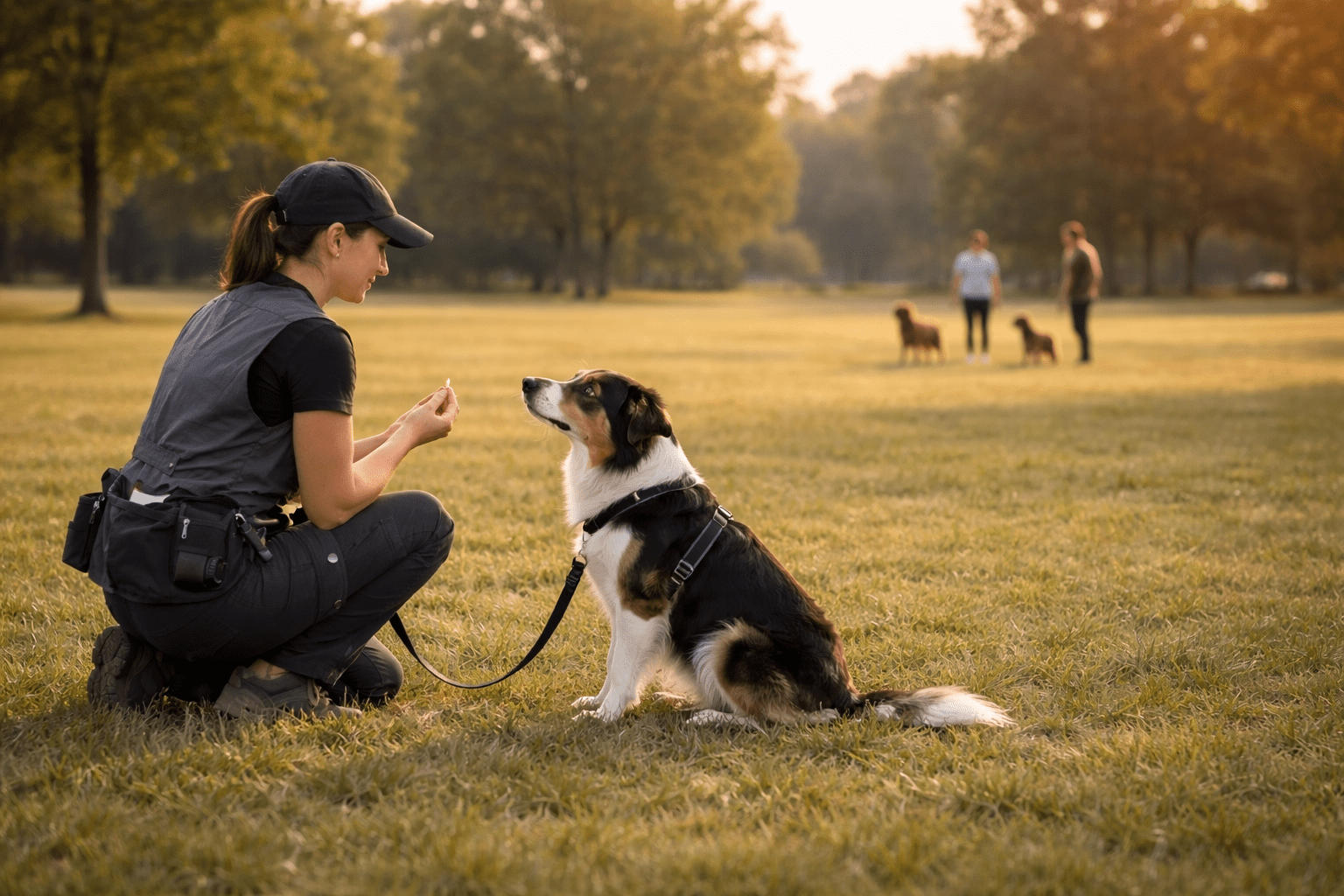
Start at a distance where your dog notices the trigger but stays under threshold. For example, if your dog fears other dogs, you might watch dogs from across a park rather than walking past them on a sidewalk. As your dog becomes comfortable at this distance, gradually decrease it over multiple sessions.
Never rush this process. Moving too quickly undoes your progress and can make your dog more fearful. Each dog progresses at their own pace. Some might need weeks at the same distance before they’re ready to move closer, while others progress faster.
Create Positive Associations
While your dog observes scary things from a safe distance, pair the experience with something wonderful. High-value treats, favorite toys, or playtime help your dog associate the previously scary thing with positive outcomes. This is called counter-conditioning.
The timing matters tremendously. The good thing should appear when the trigger appears and stop when the trigger leaves. This clear pattern helps your dog understand that the scary thing predicts treats, not danger. Over time, this changes their emotional response from fear to anticipation.
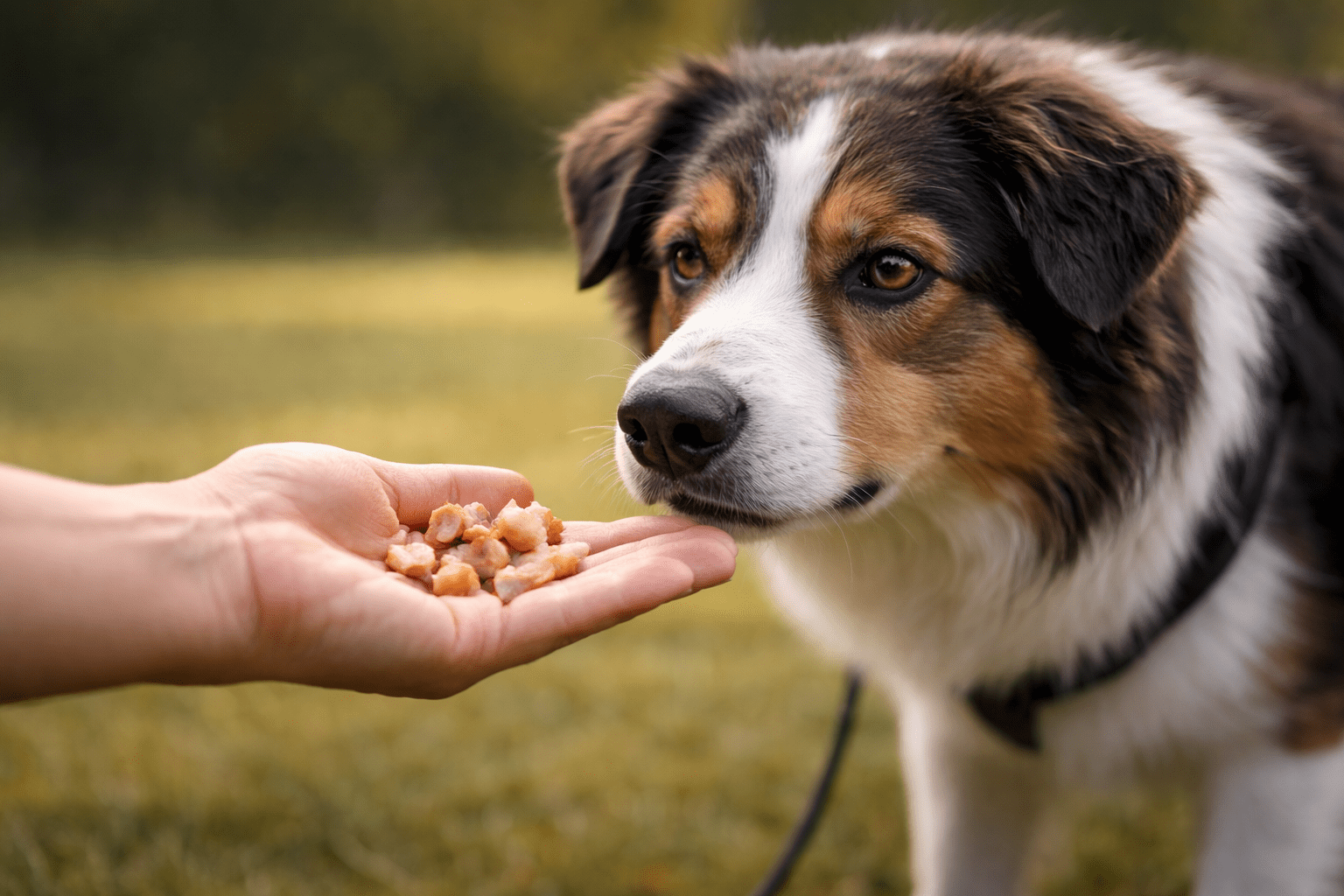
Choose rewards your dog truly loves. Regular kibble won’t cut it for fearful dogs. You need something special like small pieces of chicken, cheese, or hot dogs. The reward needs to be valuable enough to compete with their fear.
Dog Socialization Techniques That Work
Now that you understand the principles, let’s look at specific techniques for different socialization scenarios. Each situation requires slightly different approaches, but all follow the same core concepts of gradual exposure and positive reinforcement.
Controlled Introductions to People
Start by having your dog observe strangers from a distance where they feel comfortable. A park bench or outdoor café provides opportunities to watch people while maintaining space. Reward your dog for calm behavior and looking at people without reacting fearfully.
When your dog seems comfortable watching people, you can begin closer interactions. Ask helpers to ignore your dog completely at first. Many fearful dogs find direct attention threatening. Have the person toss treats toward your dog without looking at them or trying to pet them.
As your dog gains confidence, helpers can gradually increase interaction. They might crouch sideways (less threatening than facing directly), offer treats from an open palm, or speak in a soft voice. Let your dog initiate contact by approaching the person rather than having people reach toward your dog.
Safe Dog-to-Dog Interactions
Socializing a fearful dog with other dogs requires extra caution because bad experiences can cause lasting damage. Never use dog parks for fearful dogs. The chaotic environment and unpredictable dogs create too much stress and risk.
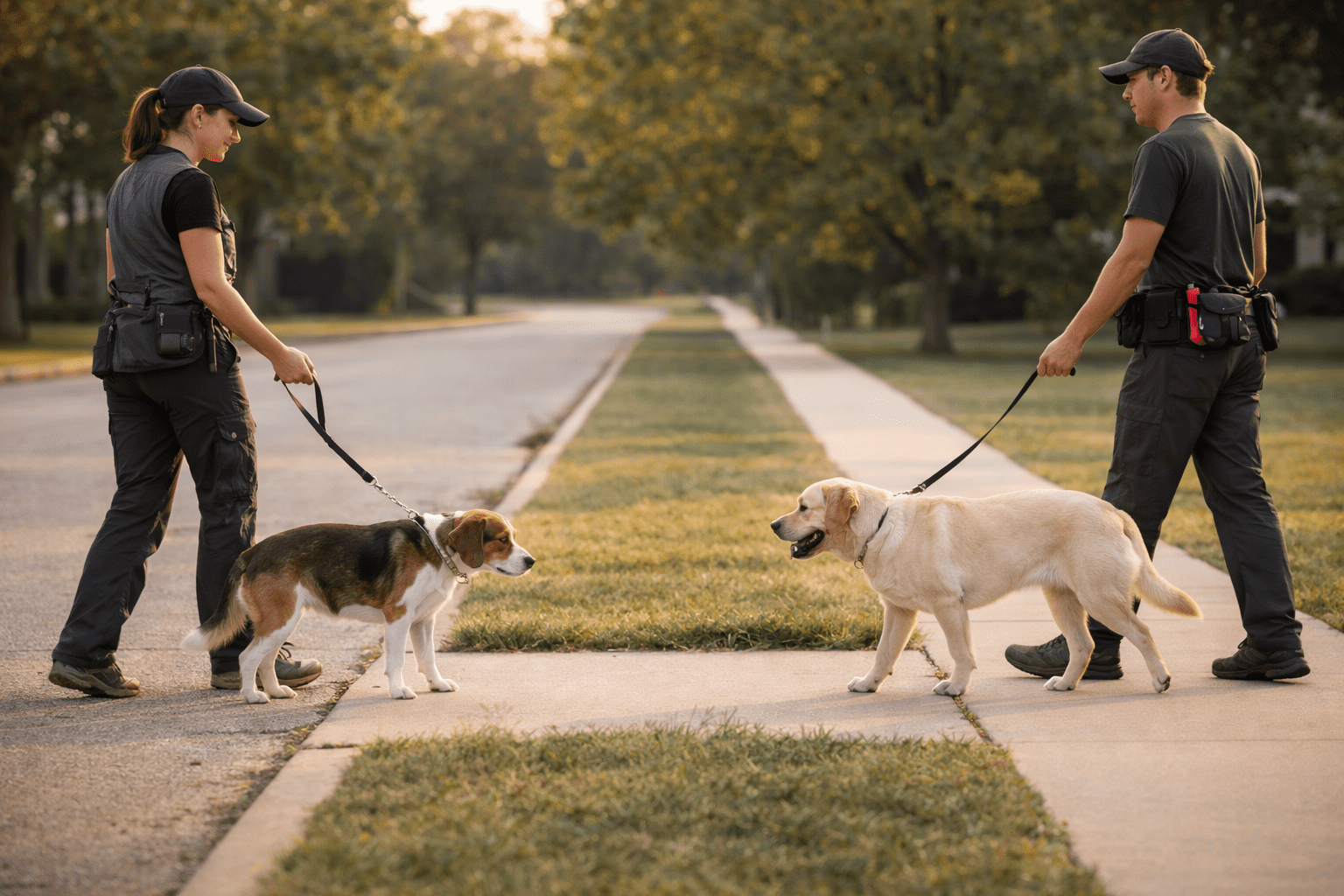
Instead, arrange controlled meetings with calm, friendly dogs you know. Choose a neutral location like a quiet street or empty field. Keep both dogs on leash with enough space between them that neither feels threatened. Walk parallel to each other, gradually decreasing distance over multiple sessions.
Watch both dogs’ body language closely. If either shows stress signals, increase distance immediately. Successful dog interactions should look boring, with both dogs appearing relaxed and uninterested in each other. That’s exactly what you want. Learning how to introduce dogs to each other properly prevents the development of fear aggression in dogs.
Environmental Desensitization
New places, sounds, and surfaces can overwhelm fearful dogs. Start environmental socialization by taking short trips to quiet locations during off-peak hours. An empty parking lot, quiet street, or park early in the morning provides new experiences without overwhelming stimulation.
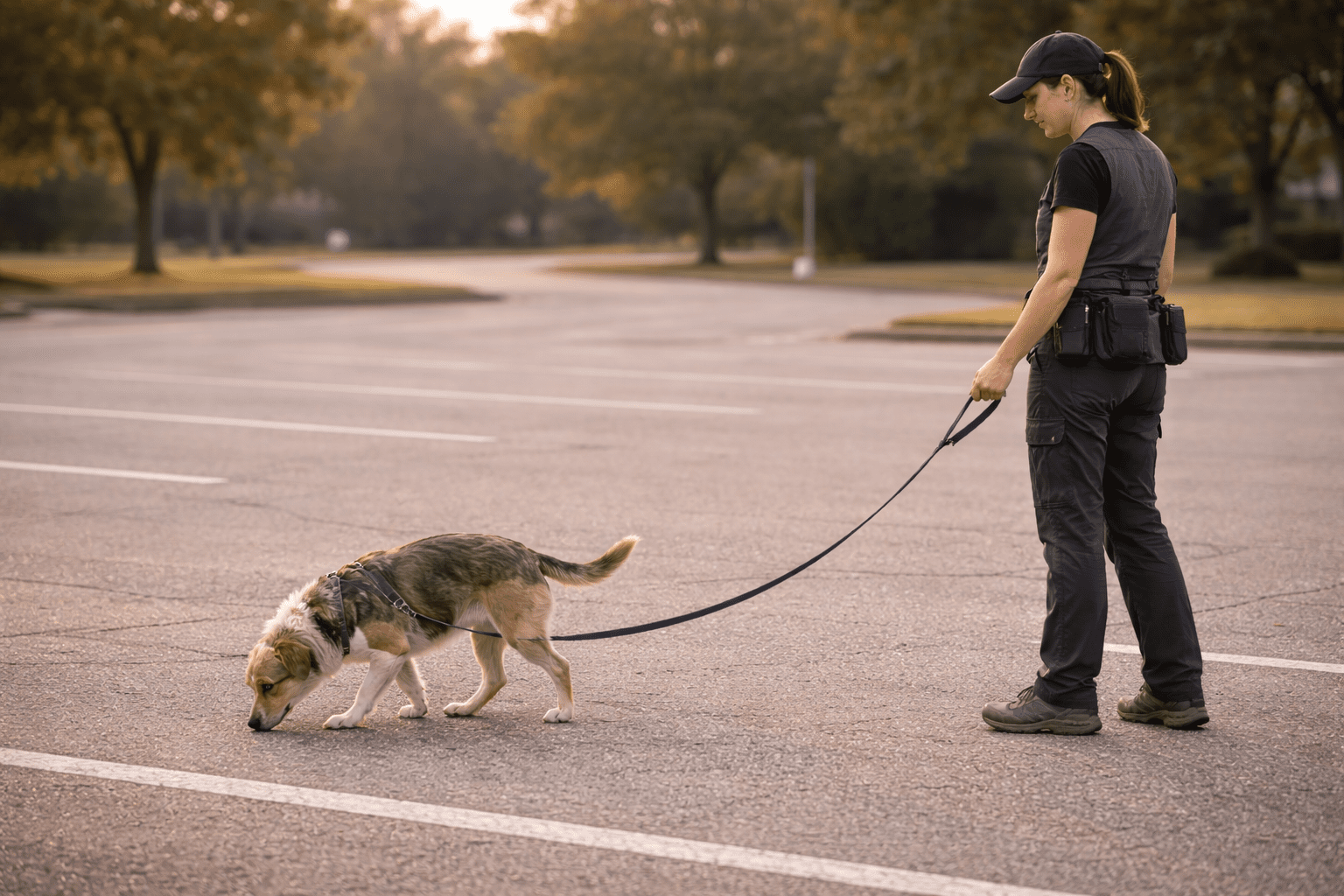
Let your dog explore at their own pace. Some dogs need several minutes just to sniff around and gather information before they can relax. Don’t drag them through the environment or force them to approach scary objects. Your job is to be patient support, not a pushy tour guide.
Gradually add complexity as your dog’s confidence grows. Move from quiet environments to slightly busier ones, short visits to longer durations, and predictable settings to more varied experiences. Each successful outing builds confidence for the next challenge.
| Socialization Method | Best For | Starting Distance/Duration | Signs of Progress | Common Mistakes |
| People watching | Fear of strangers | 20+ feet, 5-10 minutes | Dog glances at people, takes treats | Moving too close too fast |
| Parallel dog walks | Fear of other dogs | 15+ feet apart, short walks | Relaxed body, ignores other dog | Allowing direct greetings too soon |
| Environmental exposure | Fear of new places | Brief visits (5-10 min) | Sniffing, normal gait | Staying too long, forcing exploration |
| Sound desensitization | Noise sensitivity | Very low volume, short exposure | Dog remains calm, accepts treats | Playing sounds too loud initially |
Common Mistakes to Avoid
Even well-meaning owners make mistakes that can set back socialization progress or make fear worse. Knowing what not to do is just as important as knowing the right techniques.
| What to Do | What to Avoid | Why It Matters |
| Move at your dog’s pace | Flood your dog with exposure | Flooding increases fear and trauma |
| Reward calm behavior | Punish fearful reactions | Punishment confirms that scary things are dangerous |
| Keep training sessions short | Push for long exposures | Exhaustion and stress undo progress |
| Maintain distance from triggers | Force close interactions | Exceeding threshold creates setbacks |
| Use high-value rewards | Rely on praise alone | Fearful dogs need tangible motivation |
| Stay patient and positive | Show frustration or impatience | Dogs read your emotions and mirror stress |
One of the biggest mistakes is thinking your dog needs to “get over it” by facing their fears head-on. This flooding approach might work in movies, but in real life, it typically makes fear worse. Your dog doesn’t learn that the scary thing is safe. Instead, they learn they can’t escape danger, which creates learned helplessness and deeper anxiety.
Another common error is comforting a fearful dog with petting and soothing talk. While you can’t reinforce fear (it’s an emotion, not a behavior), excessive coddling can prevent your dog from working through the moment. Instead, stay calm and neutral, create distance if needed, and reward brave choices like looking away from the trigger or checking in with you.
Inconsistency also undermines progress. If you practice gradual exposure one day but let your dog get overwhelmed the next, you’re taking two steps forward and three steps back. Every interaction matters when you’re changing deep-seated fear responses.
When to Seek Professional Help
While many owners can successfully socialize fearful dogs using these techniques, some situations require professional intervention. Knowing when to ask for help can save months of frustration and prevent your dog’s fear from escalating into more serious behavioral problems.
Consider professional help if your dog shows severe fear responses like complete shutdown, panic attacks, or aggressive reactions when scared. If you’ve been working consistently for several weeks without seeing any progress, a trainer or behaviorist can identify what’s not working and adjust your approach.
Professional dog obedience training provides structure and accountability that home training often lacks. A qualified trainer observes subtle details you might miss and prevents you from accidentally reinforcing fear. They can also teach you proper timing, body language, and techniques specific to your dog’s personality.
For dogs with severe anxiety or fear-based aggression, a comprehensive board and train Long Island program offers intensive rehabilitation in a controlled environment. This immersive approach accelerates progress by providing consistent training throughout the day, removing the variables of home life that can complicate socialization efforts.
Building Confidence That Lasts
Successfully socializing a fearful dog isn’t about eliminating fear entirely. It’s about building enough confidence that your dog can handle everyday situations without constant anxiety. The process takes time, patience, and commitment, but the rewards are worth it.
Remember that setbacks happen. Your dog might have a bad experience or regress after making progress. Don’t interpret this as failure. Fear isn’t linear. Some days will be better than others. What matters is the overall trend toward improvement over weeks and months.
Celebrate small victories. The first time your dog takes a treat near a stranger, tolerates another dog walking past, or explores a new environment with a wagging tail, those are huge accomplishments. These moments prove your dog is learning that the world isn’t as scary as they thought.
Keep building on success by gradually expanding your dog’s experiences. As they master one challenge, introduce slightly more difficult situations. This progressive approach develops resilience and adaptability. Your dog learns they can handle new things, which makes future socialization easier.
For ongoing guidance on helping your fearful dog, explore our resource on how to help a fearful dog gain confidence through structured support and positive experiences.
Helping Your Fearful Dog Thrive
Learning how to socialize a fearful dog transforms your pet’s quality of life and strengthens the bond between you. While the process requires patience and dedication, watching your once-terrified dog approach new situations with confidence makes every training session worthwhile.
The techniques outlined here provide a roadmap, but every dog is unique. Some progress quickly while others need months of consistent work. What matters most is staying committed to positive methods and never giving up on your dog’s potential to improve.
At K9 Mania Dog Training, we specialize in helping fearful and anxious dogs overcome their challenges and build lasting confidence. As the leading board and train Long Island provider, our experienced trainers understand the nuances of fear-based behavior and create customized rehabilitation programs. Whether your dog struggles with people, other dogs, or new environments, we have the expertise to help.
Trust K9 Mania Dog Training to guide you and your dog toward a calmer, more confident future together.
You May Also Want to Read
- Why Do Dogs Circle Before Lying Down?
- 10 Most Trainable Dog Breeds That Learn Fast
- How to Train a German Shepherd: Complete Guide for Success
- Why Do Dogs Like Belly Rubs?
Frequently Asked Questions
How to socialize a very scared dog?
Start by creating a safe home environment where your dog feels secure, then use gradual exposure techniques at your dog’s pace. Begin with low-stress situations like watching people or dogs from a comfortable distance while pairing these experiences with high-value treats. Never force interactions or push your dog past their comfort threshold, as this will increase fear rather than reduce it. Work in short sessions, celebrate small progress, and consider professional help if your dog shows extreme fear responses or makes no progress after several weeks of consistent training.
How late is too late to socialize a dog?
It’s never truly too late to socialize a dog, though the process becomes more challenging as dogs age and fear patterns become deeply ingrained. Dogs who missed critical socialization windows as puppies can still learn to feel more comfortable in new situations through systematic desensitization and counter-conditioning. Adult dogs typically require more time and patience than puppies, and some may never become completely comfortable in all situations, but most can achieve significant improvement in their confidence and adaptability with consistent, positive training methods.
What not to do with a fearful dog?
Never flood your fearful dog by forcing them into overwhelming situations, punish fear-based behaviors, or push them to interact before they’re ready. Avoid dog parks, crowded events, or chaotic environments that exceed your dog’s threshold. Don’t drag your dog toward things they fear, allow strangers to corner or grab them, or ignore stress signals like trembling, whale eye, or attempts to escape. These approaches increase fear and can lead to defensive aggression or learned helplessness instead of building confidence.
Which dog breed has the most anxiety?
German Shepherds, Border Collies, Australian Shepherds, and toy breeds like Chihuahuas and Yorkshire Terriers tend to show higher rates of anxiety and fear-based behaviors. However, any dog of any breed can develop anxiety depending on genetics, early socialization experiences, and environment. Mixed breeds can inherit anxiety tendencies from any breed in their background. Individual personality matters more than breed when predicting anxiety levels, though certain breeds are genetically predisposed to heightened sensitivity and watchfulness that can manifest as anxiety.
What calms a dog down immediately?
Deep pressure therapy using a calming wrap or gentle massage can provide immediate relief for anxious dogs. Removing your dog from the stressful situation and bringing them to their safe space also helps quickly. Slow, rhythmic petting along your dog’s sides, playing calming music, or practicing simple obedience commands they know well can redirect their focus and reduce stress. High-value treats or engaging in a favorite activity like sniffing games provides distraction. For severe anxiety, your veterinarian may prescribe anti-anxiety medication for specific situations.
How to make a fearful dog trust you?
Build trust through consistency, patience, and positive associations. Always respect your dog’s boundaries by never forcing interactions or punishing fearful behavior. Establish predictable daily routines so your dog knows what to expect. Hand-feed meals occasionally, play gentle games your dog enjoys, and always be their safe haven when they’re scared. Move slowly and avoid sudden movements or loud noises around your dog. Let them approach you for affection rather than reaching toward them, and reward brave choices with treats and praise. Trust develops gradually over weeks and months of reliable, kind interactions.