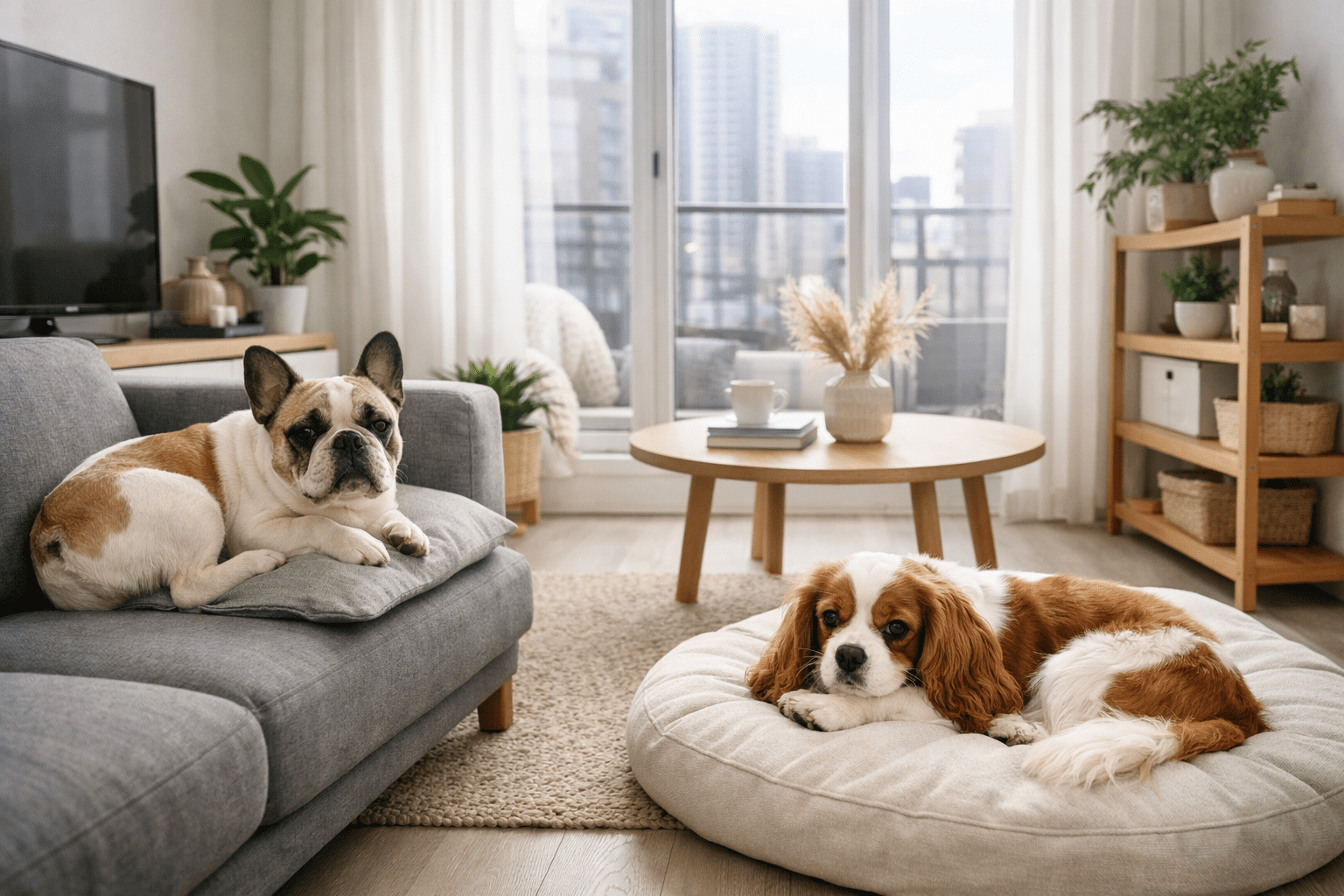
The best dog breeds for apartments are those with calm temperaments, low energy levels, and minimal barking tendencies that adapt well to smaller living spaces. Popular choices include French Bulldogs, Cavalier King Charles Spaniels, Greyhounds, and even some large breeds like Great Danes that thrive indoors despite their size.
Finding the right apartment dog doesn’t mean you’re limited to tiny breeds. With proper training and the right match, you can enjoy a happy life with your furry friend in any size apartment, from a studio to a two-bedroom unit.
This guide walks you through 15 breeds that excel in apartment living, what makes them suited for compact spaces, and how to pick the perfect companion for your urban lifestyle.
Ready to give your apartment dog excellent manners? Explore our board and train Long Island program for expert training solutions.
Why Apartment-Friendly Dog Breeds Matter
Choosing a dog that fits your living situation makes all the difference between a peaceful home and constant stress. Not every breed handles limited square footage well, and the wrong match can lead to noise complaints, destructive behavior, and an unhappy dog.
Space Limitations and Dog Needs
Apartments come with unique challenges. You’re working with limited room, shared walls, and usually no private yard for exercise. Some dogs handle these restrictions better than others.
High-energy breeds or those bred for working on farms can feel trapped in small spaces. They might develop anxiety, bark constantly, or destroy furniture out of boredom. Border Collies and Australian Shepherds need jobs and space to work, making them poor apartment choices.
Size doesn’t tell the whole story. Some large breeds stay calm and sleep most of the day, making them better apartment residents than active small breeds. A Great Dane will happily nap 18 hours daily, while a Jack Russell Terrier might bounce off your walls despite weighing a fraction as much.
Noise Considerations for Shared Living
When you share walls with neighbors, every bark echoes. Frequent barking strains relationships and can lead to lease violations or eviction notices.
Some breeds naturally stay quieter and don’t react to every sound in the hallway. Others alert-bark at footsteps, deliveries, and elevator noises, making apartment living stressful for everyone. Beagles and most terriers were bred to vocalize during hunts, so they’re naturally chatty.
Starting with a breed that tends toward quietness gives you a major advantage, though training still plays a huge role.
Exercise Requirements in Limited Space
Dogs need physical and mental stimulation regardless of your living space. Apartment-friendly breeds typically need moderate exercise you can meet through daily walks, indoor play, and puzzle toys.
Breeds requiring hours of running or intense activity create challenges in apartments. Lower-energy breeds stay happy with a couple of walks and indoor playtime, making them ideal for apartment dwellers without easy outdoor access.
Key Traits of the Best Dog Breeds for Apartments
Certain characteristics separate apartment-friendly dogs from breeds better suited to houses with yards. Understanding these traits helps you pick a breed that’ll thrive in your space.
Calm Temperament and Low Energy
Dogs with calm dispositions handle apartment living far better than high-strung, energetic breeds. They’re content with moderate exercise and don’t feel the constant need to move or explore.
Low-energy dogs tire out with a good walk or short play session. They spend most of their day sleeping or relaxing, which works perfectly in smaller spaces. Adult dogs sleep 12 to 14 hours daily on average, and calm breeds often sleep even more.
Minimal Barking Tendencies
Quiet dogs make apartment living much easier. Breeds that don’t bark at every sound help you maintain good neighbor relationships and avoid lease problems.
Some dogs naturally stay less vocal and only bark when necessary. Training reduces barking, but starting with a breed already predisposed to quietness makes your job simpler.
Adaptability to Indoor Living
Apartment-friendly dogs adjust well to indoor routines. They don’t need constant outdoor access and stay happy spending most of their time inside with you.
These breeds often bond closely with owners and prefer being near you rather than roaming a yard. They’re content with indoor activities like chew toys, treat puzzles, and couch snuggles.
Need help establishing basic commands? Check out our dog obedience training to build good behavior patterns.
15 Best Dog Breeds for Apartments
Let’s break down the top apartment-friendly breeds by size category so you can find your perfect match.
1. French Bulldog
French Bulldogs rank among the best choices for apartment dwellers. They’re low-energy, quiet, and need minimal exercise beyond a couple of short walks each day.
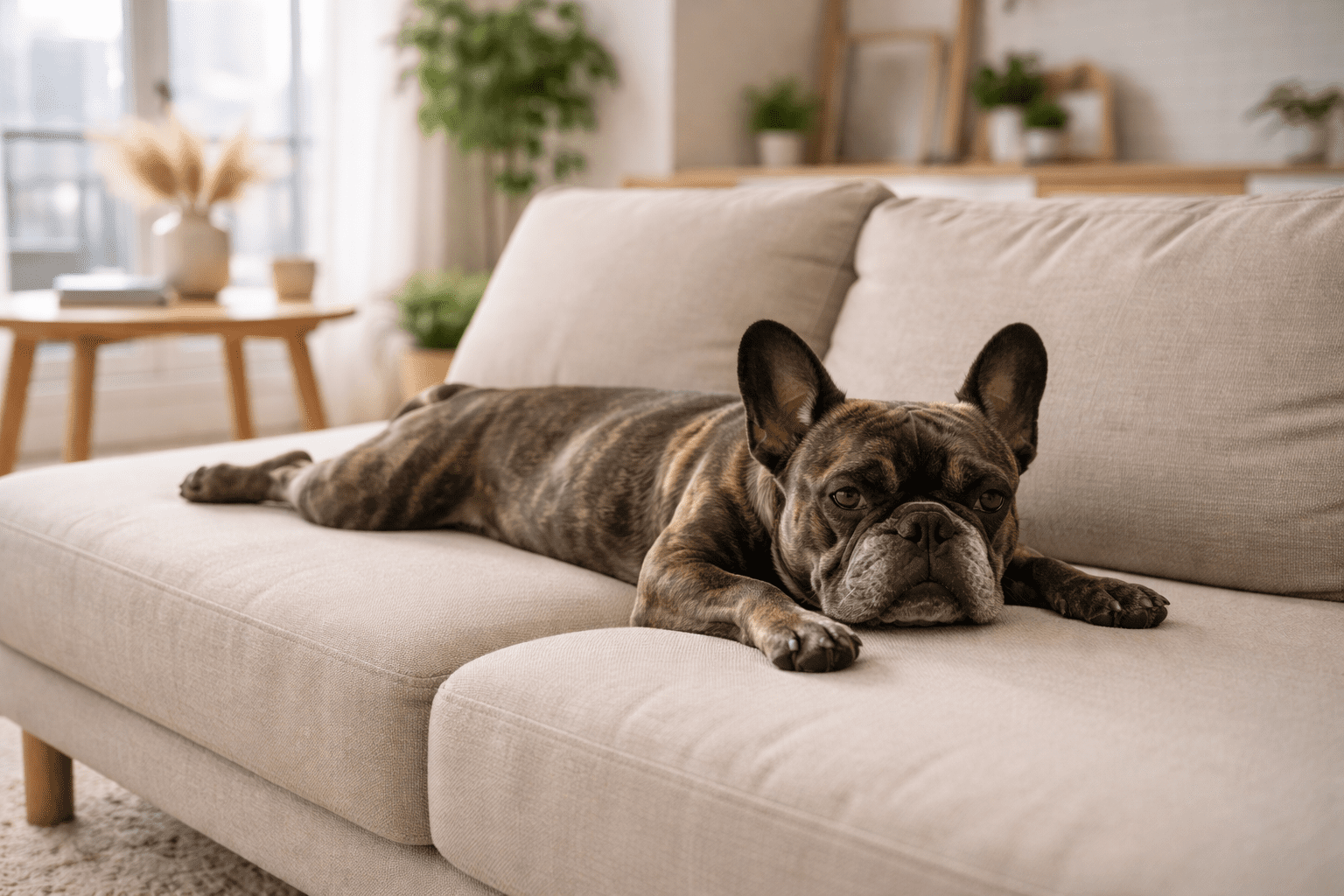
Frenchies love being close to their owners and happily lounge on the couch. Most weigh between 16 and 28 pounds, perfect for carrying up stairs if needed. They rarely bark excessively and handle being alone reasonably well.
2. Cavalier King Charles Spaniel
Cavaliers adapt beautifully to apartment life with their gentle, friendly nature. They’re affectionate without being hyperactive and get along well with neighbors and other pets.
These dogs stay relatively quiet and enjoy moderate exercise. A couple of walks and indoor playtime keep them happy and healthy. They’re also easy to train, which helps with apartment manners.
3. Shih Tzu
Shih Tzus were literally bred as indoor companions for Chinese royalty, making them natural apartment dogs. They’re small, low-energy, and perfectly content with minimal outdoor time.
These dogs stay friendly but not overly excitable. They enjoy short walks but are equally happy playing with toys indoors or sitting in your lap. At 9 to 16 pounds, they’re portable and easy to manage.
4. Pug
Pugs bring personality to small packages. These compact dogs love people and adapt easily to apartment living with their low exercise needs and moderate energy levels.
Pugs can be vocal occasionally, but they’re generally quieter than many small breeds. They thrive on companionship and prefer being indoors with their families. Regular short walks satisfy their exercise needs.
5. Boston Terrier
Boston Terriers combine a friendly personality with apartment-suitable traits. They’re small but sturdy, weighing 12 to 25 pounds, and need only moderate exercise.
These dogs stay relatively quiet and are less yappy than many terrier breeds. They’re adaptable, intelligent, and easy to train, making them excellent city companions.
6. Bulldog
English Bulldogs are low-energy couch potatoes that love apartment life. They don’t need much exercise and stay perfectly happy with short walks and lots of nap time.
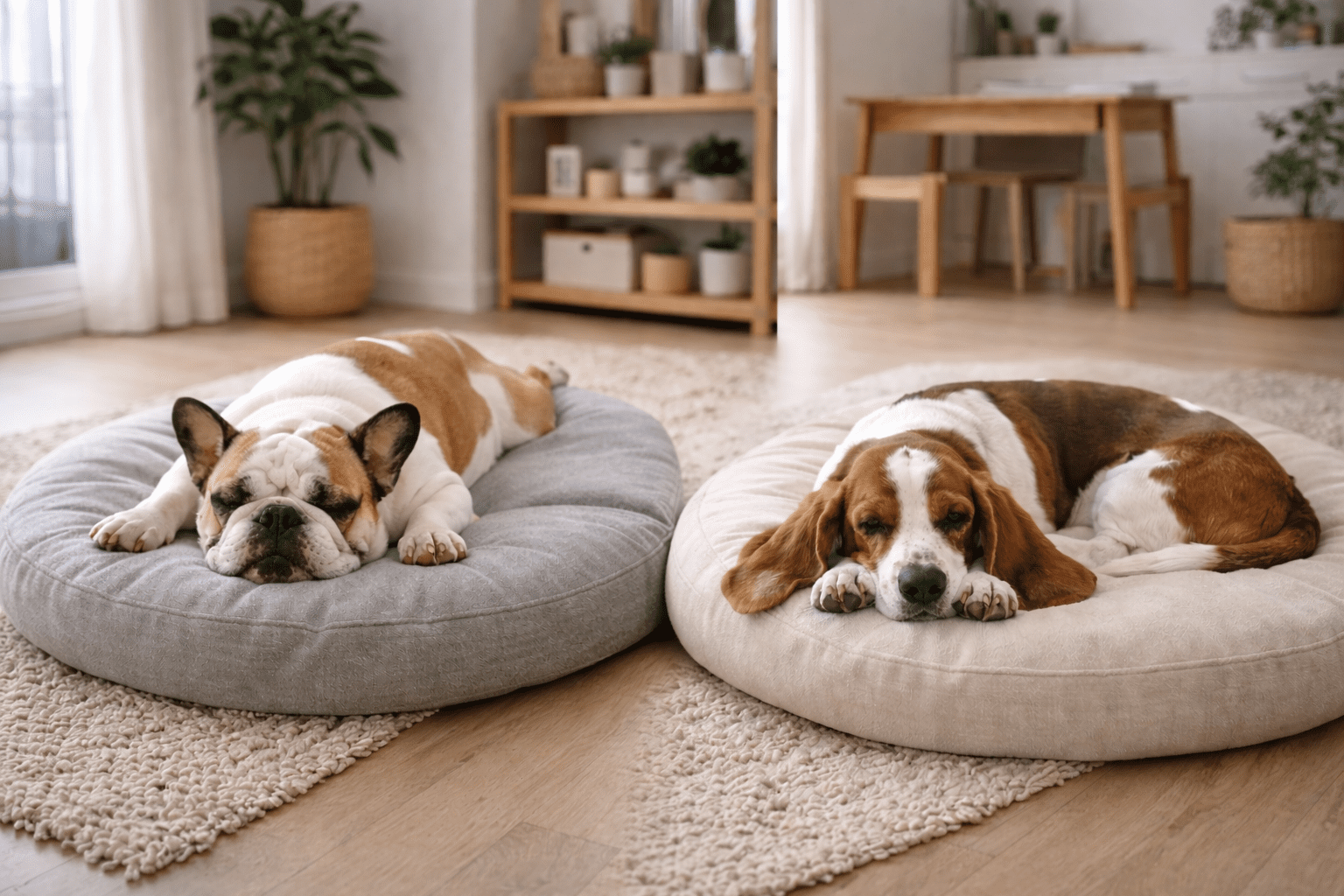
Bulldogs stay gentle, friendly, and rarely bark without reason. Most weigh 40 to 50 pounds, which is manageable but substantial. Like French Bulldogs, they need air conditioning in warm weather.
7. Basset Hound
Basset Hounds might surprise you with their apartment adaptability. Despite their hunting background, they’re remarkably low-energy and prefer lounging to running.
These dogs have calm, easygoing personalities. They enjoy walks but don’t need hours of exercise to stay happy. With proper training, you can manage their occasional vocal tendencies.
8. Whippet
Whippets make excellent apartment residents with their sleek, medium build. They’re surprisingly calm indoors and spend most of their time sleeping or relaxing.
While they enjoy a good sprint, Whippets don’t need constant exercise. A daily walk and occasional chance to run satisfies their needs. These dogs stay quiet, clean, and gentle.
9. Cocker Spaniel
Cocker Spaniels adapt well to apartment living with moderate energy levels and friendly personalities. They’re social dogs that enjoy being around people without being overly demanding.
These dogs need regular walks and playtime but don’t require extensive outdoor space. They respond well to training and can learn to be quiet and well-mannered indoors.
10. Poodle (Miniature or Standard)
Poodles are intelligent, adaptable dogs that excel in apartments. Both miniature and standard sizes work well, though miniature poodles take up less space.
These dogs are naturally clean, don’t shed much, and can be trained easily. They need mental stimulation and daily walks but adapt perfectly to indoor living.
Dealing with barking or anxiety issues? Our dog behavior training addresses specific challenges for apartment dogs.
11. Greyhound
Greyhounds earn the nickname “40-mile-per-hour couch potatoes” for good reason. Despite their racing background, they’re incredibly lazy indoors and love nothing more than sleeping on soft surfaces.
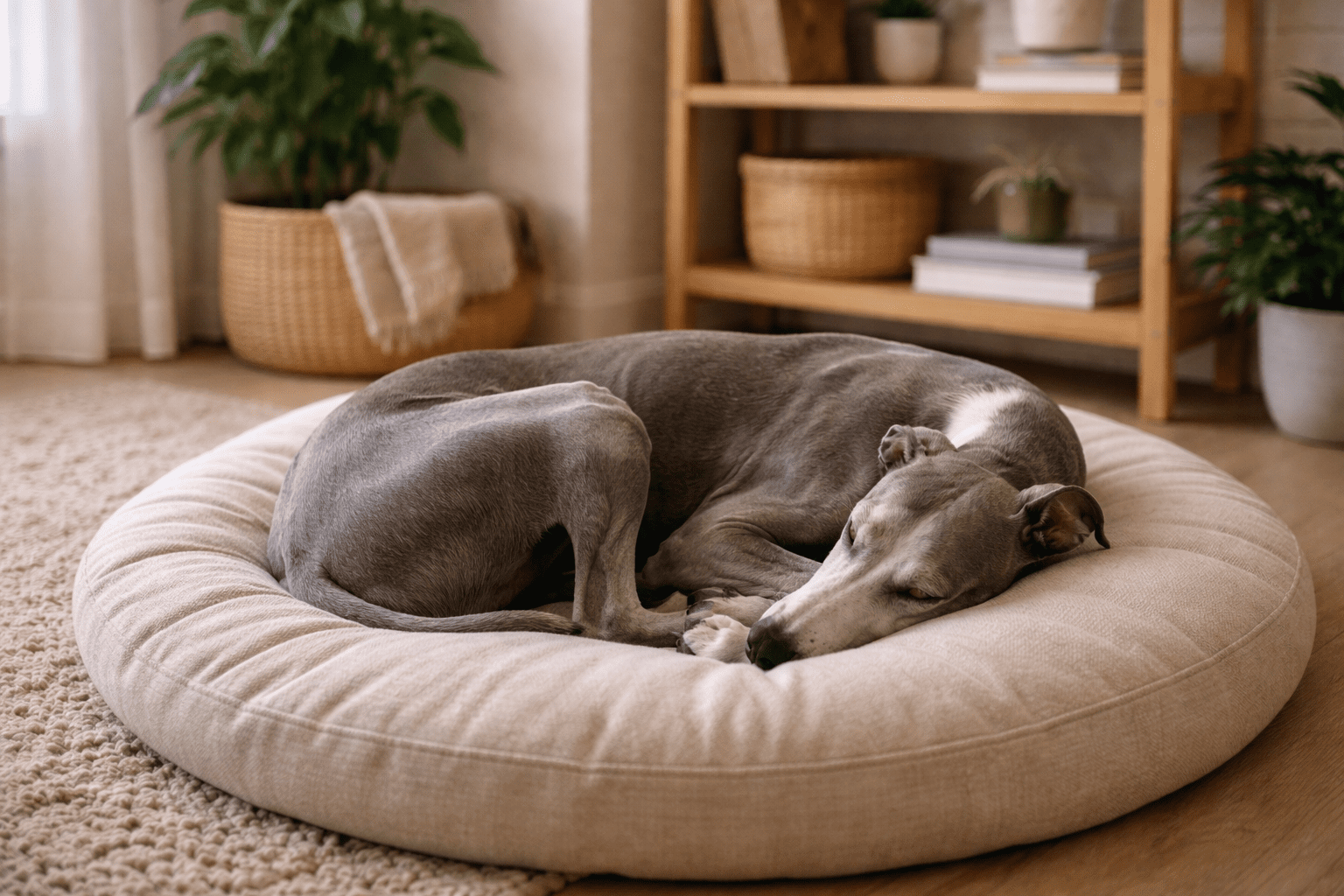
These gentle giants stay quiet, clean, and surprisingly low-maintenance. They need a good run occasionally but stay happy with regular walks the rest of the time. Most weigh 60 to 70 pounds but take up less space than you’d expect.
12. Great Dane
Great Danes might seem like odd apartment choices, but they’re actually fantastic apartment dogs. They’re extremely calm, gentle, and surprisingly inactive indoors.
These massive dogs stay content with moderate exercise and spend most of their day lounging. They’re friendly, quiet, and get along well with everyone. A 20-minute walk twice daily usually suffices.
13. Mastiff
Mastiffs are incredibly calm, gentle, and low-energy dogs that thrive in apartments. They prefer relaxing to running around and stay content with short walks and lots of sleep.
These dogs stay protective but not aggressive or overly barky. Their steady temperament makes them reliable apartment companions despite their large size.
14. Newfoundland
Newfoundlands are gentle giants that adapt surprisingly well to apartment living. They’re calm, patient, and have low to moderate energy levels that suit indoor life.
These dogs need regular walks but don’t require extensive running or high-intensity exercise. They’re quiet, well-mannered, and excellent with families.
15. Bernese Mountain Dog
Bernese Mountain Dogs bring calm, gentle personalities to apartment settings. Despite their size, they have moderate energy levels and adapt well to indoor living with proper exercise.
These dogs stay loyal, friendly, and relatively quiet. They need daily walks and mental stimulation but don’t require constant outdoor access to stay happy and healthy.
Comparing the Best Dog Breeds for Apartments
Understanding how different breeds stack up helps you make an informed decision:
| Breed | Size | Energy Level | Barking Tendency | Good Alone | Grooming Needs |
| French Bulldog | Small | Low | Low | Moderate | Low |
| Cavalier King Charles Spaniel | Small | Moderate | Low | Low | Moderate |
| Shih Tzu | Small | Low | Low | Moderate | High |
| Pug | Small | Low | Moderate | Low | Low |
| Boston Terrier | Small | Moderate | Low | Moderate | Low |
| Bulldog | Medium | Low | Low | Moderate | Low |
| Basset Hound | Medium | Low | Moderate | Moderate | Low |
| Whippet | Medium | Moderate | Low | Moderate | Low |
| Cocker Spaniel | Medium | Moderate | Moderate | Moderate | High |
| Poodle | Medium/Large | Moderate | Low | Moderate | High |
| Greyhound | Large | Low | Low | High | Low |
| Great Dane | Large | Low | Low | Moderate | Low |
| Mastiff | Large | Low | Low | Moderate | Low |
| Newfoundland | Large | Low-Moderate | Low | Moderate | High |
| Bernese Mountain Dog | Large | Moderate | Low | Moderate | High |
How To Choose the Best Dogs for Apartments With Limited Space
Selecting the right apartment dog involves more than just picking a breed you like. Several key factors determine whether a specific dog will thrive in your space.
Assess Your Space Honestly
Measure your apartment and think about usable space for a dog. A 500-square-foot studio requires different considerations than a 1,200-square-foot two-bedroom.
Large breeds need dedicated sleeping areas with room to stretch comfortably. Small breeds fit in compact corners or crates, making them ideal for tight spaces.
Match Energy Levels to Your Lifestyle
Your daily routine should align with your dog’s exercise needs. If you work 10-hour days, an energetic breed needing two hours of daily exercise won’t work well.
Low-energy breeds suit busy schedules with moderate daily walks. Active individuals might enjoy slightly higher-energy breeds for longer outings.
Want to know which breeds learn commands fastest? Read our guide on most trainable dog breeds for quick learners.
Consider Your Noise Tolerance and Building Rules
Check your lease for breed restrictions or weight limits before choosing a dog. Many apartments ban certain breeds or limit dogs to 25 or 50 pounds.
Thin walls require quieter breeds, while buildings with good soundproofing offer more flexibility. Understanding your noise tolerance helps narrow choices.
Evaluate Time Alone Requirements
Some breeds handle being alone better than others. If you work full-time, pick breeds known for independence rather than those prone to separation anxiety.
Greyhounds, Basset Hounds, and Shih Tzus manage alone time better than breeds like Cavaliers or Cocker Spaniels that crave constant companionship.
Think About Long-Term Commitment
Dogs live 10 to 15 years or more. Consider whether your current apartment is temporary and if your next place will accommodate your chosen breed.
Larger breeds face more rental restrictions than small dogs. Choosing a smaller, quieter breed gives you more housing flexibility when moving.
Factor in Grooming and Maintenance
High-maintenance coats require regular professional grooming, adding to your budget and time. Breeds like Poodles, Shih Tzus, and Cocker Spaniels need frequent grooming.
Low-maintenance breeds like French Bulldogs, Greyhounds, and Bulldogs need minimal coat care, though some have other health considerations.
Looking for more breed selection guidance? Explore our complete guide on how to choose the right dog breed for your lifestyle.
Breed Selection: Size vs. Temperament Comparison
Balancing size preferences with temperament needs helps you make the best choice:
| Factor | Small Breeds | Medium Breeds | Large Breeds |
| Space Efficiency | Minimal room needed, easy navigation | Moderate space needs, manageable in most apartments | Require dedicated sleeping area |
| Exercise Needs | Often lower but some are energetic | Generally moderate, satisfied with daily walks | Surprisingly low, prefer lounging |
| Noise Concerns | Can be vocal if not trained | Usually moderate barkers | Typically quiet, rarely bark |
| Physical Management | Easy to carry and control | More challenging but manageable | Can be difficult to restrain |
| Breed Restrictions | None, accepted everywhere | Minimal concerns | May face apartment restrictions |
Setting Your Apartment Dog Up for Success
Even the perfect breed needs proper setup and training to thrive in apartment life.
Create a Dedicated Dog Space
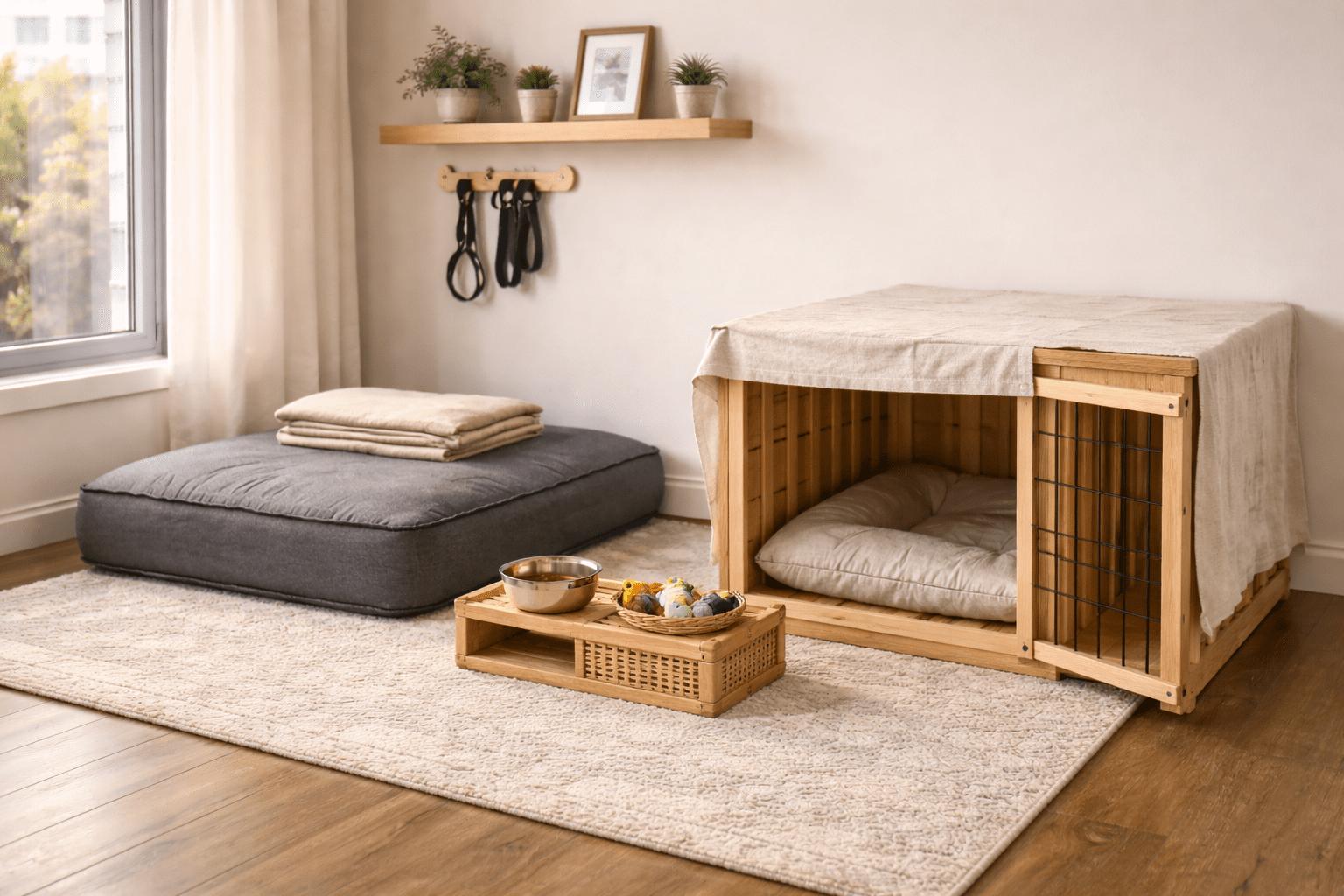
Give your dog their own area with a comfortable bed, toys, and water. This provides a safe retreat when they need quiet time or when you have guests.
In studio apartments, use creative solutions like a cozy corner with a divider or a crate covered with a blanket to create a den-like environment.
Establish a Consistent Routine
Dogs thrive on predictability. Set regular times for feeding, walks, and play. Consistent routines help prevent anxiety and reduce problem behaviors like excessive barking.
Morning and evening walks at the same times help your dog understand when to expect outdoor time, making it easier to hold their bladder during work hours.
Provide Mental Stimulation
Bored dogs develop behavior problems. Puzzle toys, treat dispensers, and interactive games keep your dog mentally engaged when physical exercise is limited.
Rotate toys weekly to maintain interest. Even calm breeds benefit from mental challenges that tire them out as effectively as physical exercise.
Address Training Early
Start training the moment you bring your dog home. Teaching commands like “quiet,” “stay,” and “settle” prevents problems before they develop.
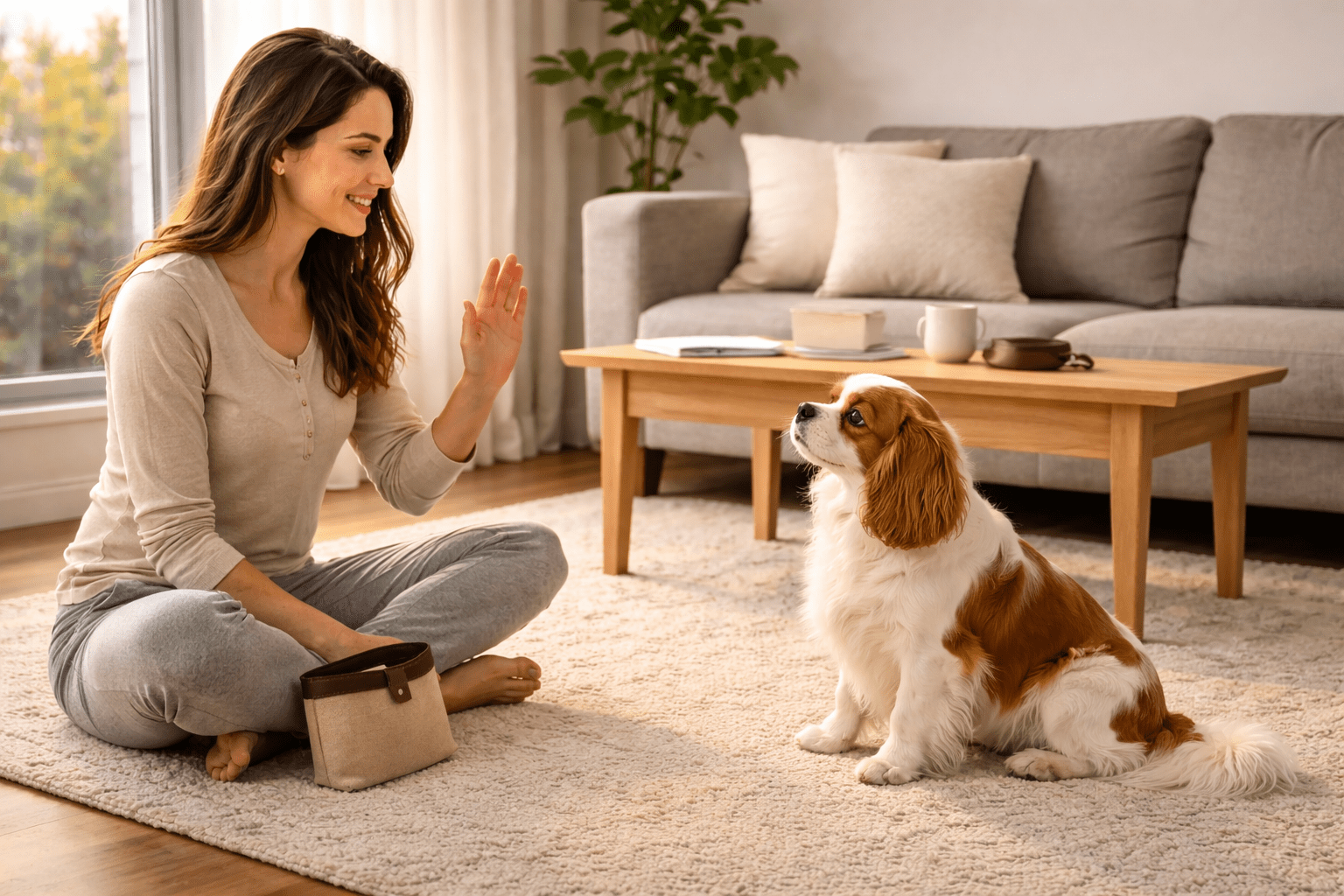
Consider professional training if you’re struggling with specific issues. Our experts can help establish good habits that make apartment living peaceful for everyone.
Need help teaching your dog to handle alone time? Read our guide on how to train dog to stay home alone for effective strategies.
Build Good Neighbor Relationships
Introduce your dog to neighbors and communicate openly about any concerns. Address barking or behavior problems immediately rather than hoping they’ll disappear.
If your building has dog-friendly amenities like a dog run or wash station, use them to connect with other dog owners. Building a community makes apartment living with dogs much more enjoyable.
Your Perfect Apartment Companion Awaits with the Best Dog Breeds for Apartments
Living in an apartment opens up more dog ownership possibilities than you might think. From tiny French Bulldogs to massive Greyhounds, the right apartment dog exists for every space and lifestyle.
Size matters less than temperament, energy level, and noise tendencies. A calm Great Dane often makes a better apartment resident than an energetic Jack Russell Terrier, proving breed characteristics trump size. Training plays an equally important role as breed selection for apartment success.
At K9 Mania Dog Training, we’re the leading board and train Long Island provider specializing in helping dogs thrive in all living situations. Whether you’re dealing with barking issues, separation anxiety, or need help establishing good apartment manners, our expert trainers understand the unique challenges of apartment living. Trust K9 Mania Dog Training to transform your apartment pup into the perfect neighbor.
You May Also Want to Read
- 10 Most Trainable Dog Breeds That Learn Fast
- How to Train a German Shepherd: Complete Guide for Success
- Why Do Dogs Like Belly Rubs?
- How to Socialize a Fearful Dog
Frequently Asked Questions
What breed of dog is best for apartment living?
French Bulldogs, Cavalier King Charles Spaniels, and Greyhounds rank among the top apartment choices. These breeds share low energy levels, minimal barking tendencies, and calm temperaments that adapt well to smaller spaces, making them ideal companions for city living.
What is the calmest dog for an apartment?
Greyhounds and English Bulldogs are exceptionally calm apartment dogs. Despite their racing background, Greyhounds spend most of their time sleeping. English Bulldogs are naturally low-energy and prefer lounging, making both breeds ideal for peaceful apartment living.
What breed of dog can be left alone during the day?
Greyhounds, Basset Hounds, and Shih Tzus handle being alone better than most breeds. These independent dogs manage several hours without severe separation anxiety. However, no dog should be left alone for more than eight hours regularly.
What dog breeds do most apartments not allow?
Pit Bulls, Rottweilers, Doberman Pinschers, German Shepherds, and Huskies frequently appear on apartment restriction lists. These bans stem from insurance requirements or misconceptions about aggression. Always check your lease carefully before choosing a dog.
What are the calmest dog breeds?
Cavalier King Charles Spaniels, Basset Hounds, Newfoundlands, and Shih Tzus are among the calmest breeds. These dogs have naturally relaxed temperaments, require minimal stimulation, and adapt well to various living situations with moderate exercise.
What are the quietest dog breeds?
Basenjis, Whippets, Cavalier King Charles Spaniels, and French Bulldogs are notably quiet breeds. Basenjis are known as barkless dogs, while Whippets and Cavaliers rarely bark without reason, helping maintain good neighbor relationships in apartments.