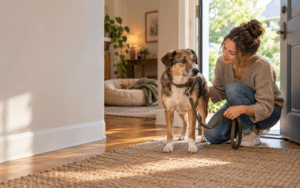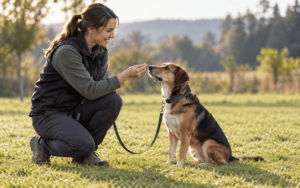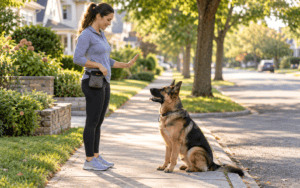
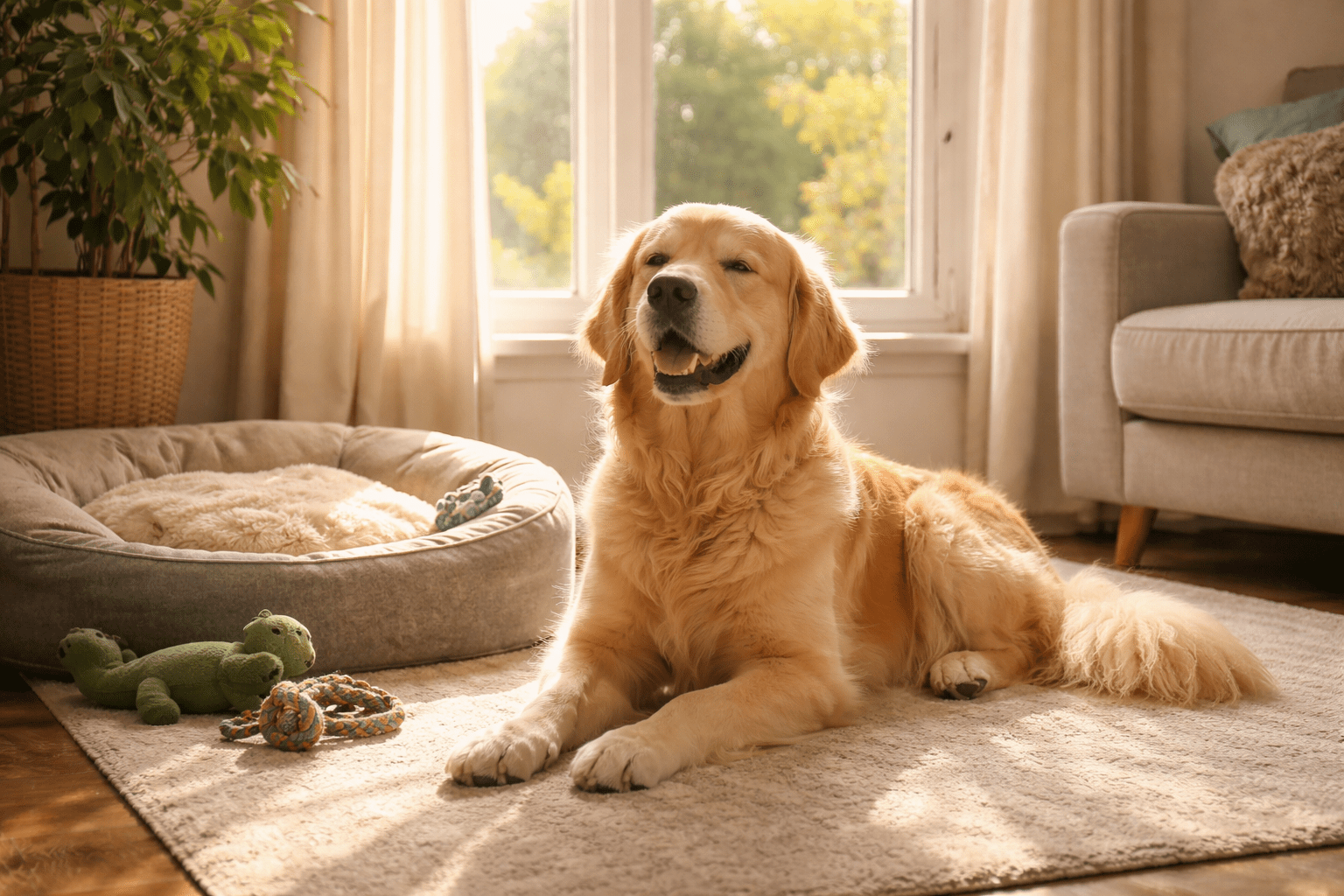
Training your dog to stay home alone takes patience and gradual practice, but most dogs can learn to be comfortable within 2-4 weeks. The key is building their confidence slowly through short practice sessions and creating a positive association with alone time.
If you’ve ever felt guilty leaving your dog home alone or returned to find chewed furniture and stressed neighbors, you’re not alone. Many dog owners struggle with separation issues, but the good news is that dogs can learn to feel safe and relaxed when you’re away.
In this guide, we’ll walk you through proven methods to help your dog stay calm, the common mistakes to avoid, and how to tell if you’re making progress. Whether you have a puppy or an older dog with bad habits, these steps will help you both feel better about time apart.
Looking for professional help? Our in-home dog training program can create a custom plan for your dog’s specific needs.
Why Dogs Struggle With Being Home Alone
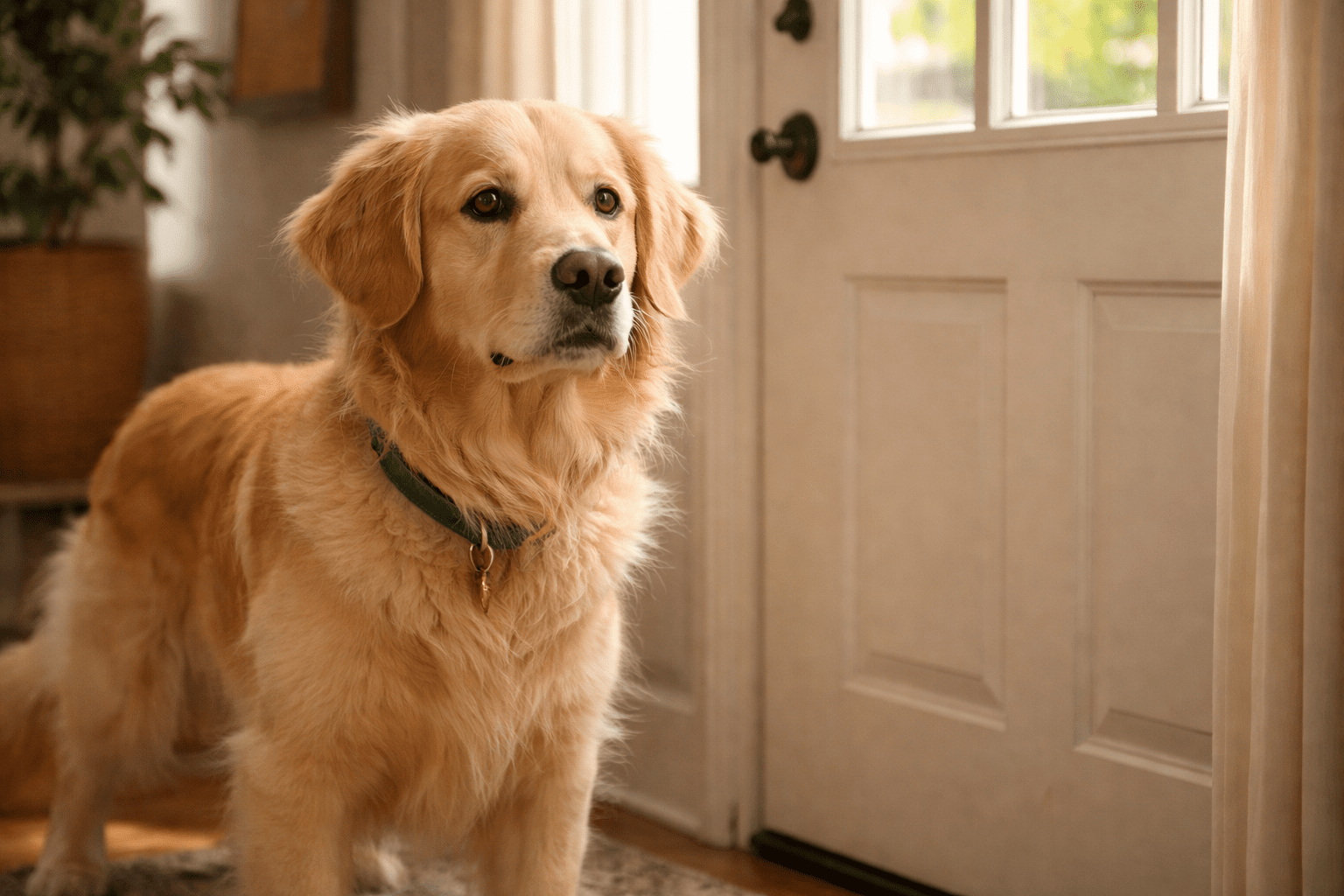
Dogs are social animals that naturally want to be with their pack. When you leave, some dogs feel anxious or unsure about what to do. This isn’t bad behavior on purpose – it’s often fear or boredom showing up in destructive ways.
Common Signs Your Dog Isn’t Ready
Your dog might not be ready for alone time if you notice these behaviors:
- Excessive barking or howling within minutes of you leaving
- Chewing furniture, doors, or window frames
- Having accidents indoors despite being house trained
- Pacing or drooling excessively
- Trying to escape or scratch at doors
These signs mean your dog needs more gradual training before being left for longer periods.
Understanding Separation Anxiety vs. Boredom
Separation anxiety and boredom look similar but need different solutions. Anxious dogs start showing stress the moment you grab your keys or put on shoes. They might follow you from room to room and seem panicked when you leave.
Bored dogs are usually calm when you leave but get into trouble after being alone for a while. They’re looking for something to do and make their own fun by chewing, digging, or exploring.
Knowing the difference helps you pick the right training approach. Anxiety needs slow desensitization work, while boredom needs mental stimulation and exercise.
Preparing Your Home and Dog for Alone Time
Setting up your space correctly makes training much easier. Your dog needs a safe area, the right toys, and a routine that signals what to expect.

Creating a Safe Space
Pick one room or area where your dog will stay during practice sessions. This could be a bedroom, kitchen, or crate depending on what works for your home.
Remove anything your dog might chew or swallow. Cover electrical cords, move trash cans, and pick up shoes or small items. Make sure the space has good airflow and isn’t too hot or cold.
Add comfortable bedding and a water bowl. Some dogs do better with background noise like a radio or TV left on low volume.
Choosing the Right Toys and Entertainment
Not all toys work for alone time. You want items that keep your dog busy but won’t create a choking hazard.
Good options include:
- Puzzle toys filled with treats or peanut butter
- Durable chew toys made for your dog’s size
- Long-lasting dental chews
- Frozen stuffed Kong toys (freeze overnight for longer entertainment)
Avoid toys with small parts, squeakers that could be swallowed, or anything your dog has destroyed before. Rotate toys every few days so they stay interesting.
Exercise and Mental Stimulation Before You Leave
A tired dog is usually a calmer dog. Before practicing alone time or actually leaving, give your dog both physical and mental exercise.
Take a 20-30 minute walk or play fetch in the yard. Follow this with a quick training session using dog obedience training commands your dog already knows. This combo tires both body and mind.
Feed your dog after exercise so they’re relaxed and ready to settle down. A full, tired dog is more likely to nap while you’re gone.
Step-by-Step Training Process
How to train your dog to stay home alone starts with very short sessions and builds up slowly. Rushing this process often leads to setbacks.
Starting With Short Departures
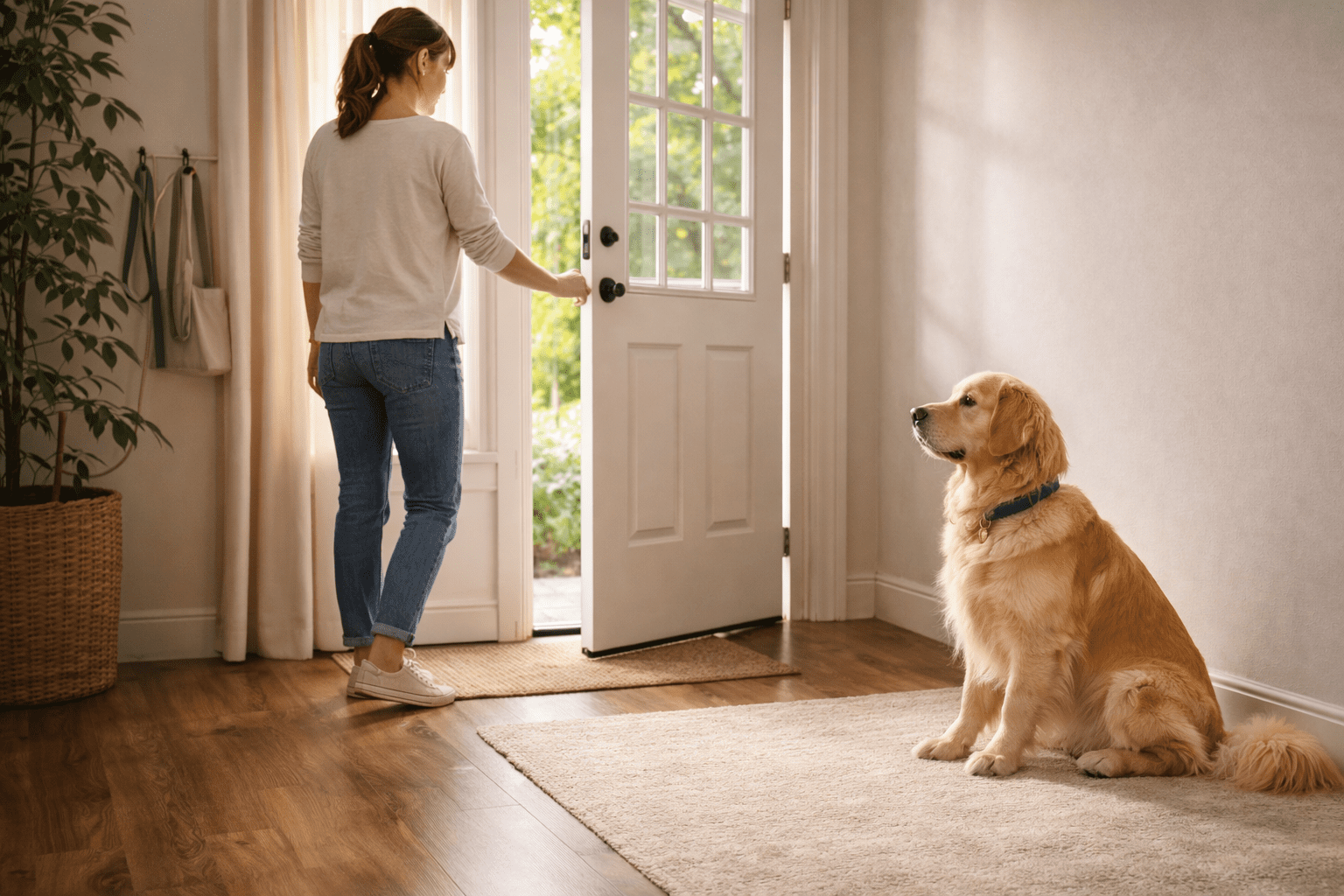
Begin by leaving your dog alone for just 30 seconds to 1 minute. Don’t make a big deal about leaving – simply step outside the door, wait, then come back in.
When you return, stay calm. No excited greetings or treats right away. Wait until your dog settles down, then give quiet praise.
Repeat this 3-5 times throughout the day. If your dog stays calm, you’re ready to increase the time.
Gradually Increasing Time Apart
Once your dog handles 1 minute easily, try 2-3 minutes. Keep building in small steps:
- Week 1: 30 seconds to 5 minutes
- Week 2: 5 to 15 minutes
- Week 3: 15 to 30 minutes
- Week 4: 30 minutes to 1 hour
Don’t jump ahead if your dog shows stress. It’s better to go slower and build real confidence than rush and create anxiety.
Mix up your departure times so your dog doesn’t predict exactly when you’ll return. Sometimes come back in 3 minutes, sometimes 8 minutes, even during the same practice day.
Using Positive Reinforcement
Reward calm behavior, not excited greetings. When you return and your dog is quiet (even if they just stopped barking), that’s when you give praise or a small treat.
Never punish your dog for accidents or chewing that happened while you were gone. They won’t connect the punishment to the behavior since it already happened.
Instead, focus on preventing problems by not leaving your dog alone longer than they can handle. The power of consistency in training means keeping a predictable routine and clear expectations.
Need intensive training fast? Our board and train Long Island program can work on separation skills in a focused environment.
Training Methods That Work
Different dogs respond to different approaches. Here are the most effective methods professional trainers use.
The Gradual Departure Method
This method focuses on making your departure cues less stressful. Dogs often get anxious when they see you grab keys, put on shoes, or pick up a bag.
Practice these actions without actually leaving:
- Pick up your keys, walk around the house, then put them down
- Put on your coat, sit on the couch for a few minutes, then take it off
- Stand by the door for 10 seconds, then walk back to the kitchen
Do these “fake departures” several times daily until your dog ignores them completely. Then start combining them with actual short departures.
Crate Training for Alone Time
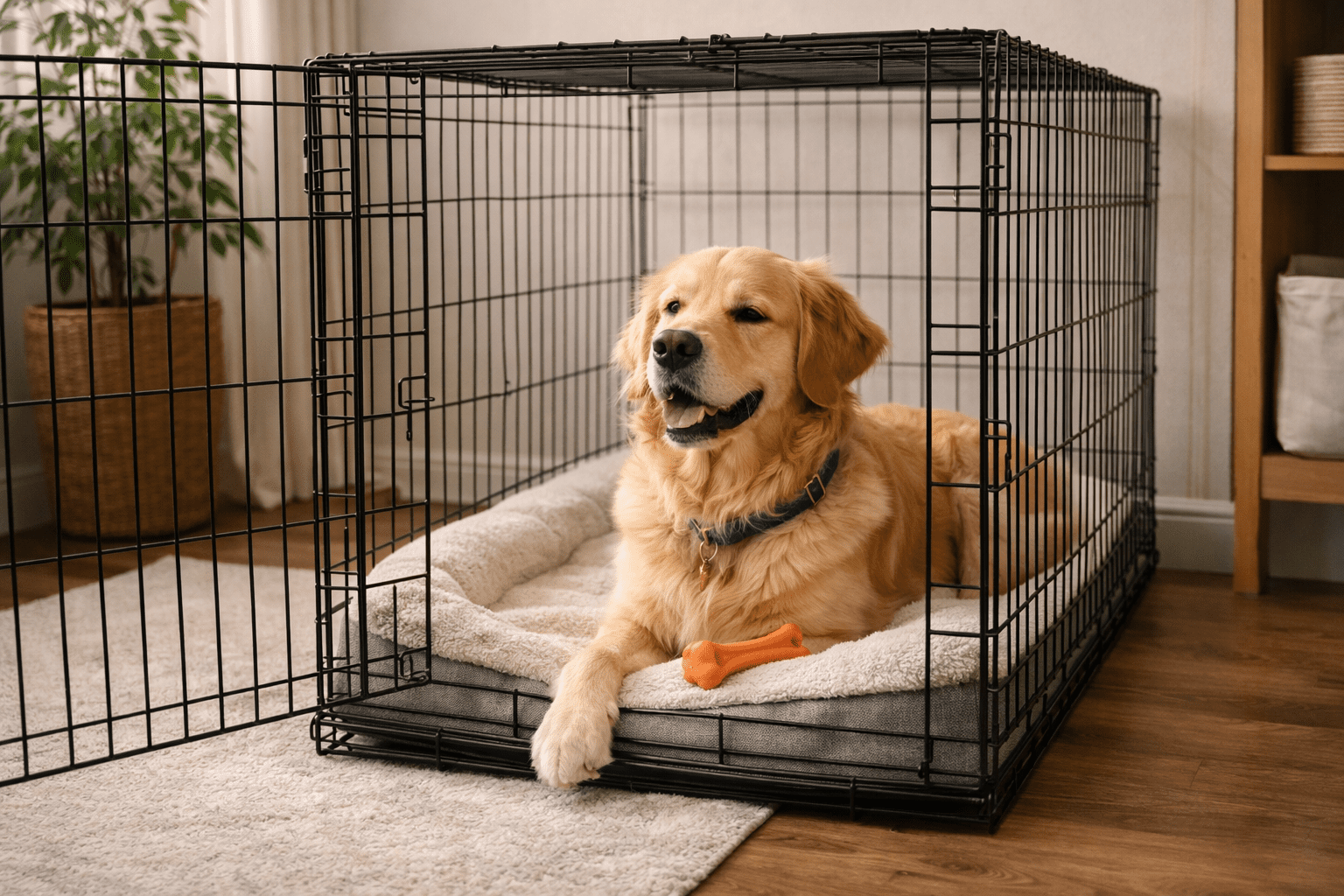
A crate can become a safe den where your dog feels secure, but only if introduced properly. Never use a crate as punishment.
Start by making the crate inviting:
- Put soft bedding inside
- Toss treats in randomly throughout the day
- Feed meals inside with the door open
- Let your dog explore it at their own pace
Once your dog enters the crate willingly, practice closing the door for a few seconds while you’re still in the room. Gradually increase the time and distance you move away.
Crates work especially well for puppies and dogs who get destructive when nervous. The small space feels cozy rather than overwhelming.
The Out-of-Sight Training Approach
This method helps dogs learn that you always come back, even when they can’t see you.
Start in your home by moving to another room while your dog stays in place. Use a useful command like “stay” to help with this exercise.
Begin with just stepping around a corner for 2 seconds. Come back and reward calmness. Gradually increase to going upstairs, into another room, or outside to check the mail.
The goal is teaching your dog that disappearing from sight is normal and temporary.
Common Challenges and Solutions
Even with good training, you might hit roadblocks. Here’s how to handle the most common issues.
Dealing With Destructive Behavior
If your dog still chews or destroys items during practice sessions, they’re probably not ready for that amount of time alone yet.
Go back to shorter sessions where your dog stays calm. Make sure you’re providing enough exercise and mental stimulation before departures.
Consider what your dog is destroying – if it’s items near doors or windows, they might be trying to escape or see outside. Block access to these areas or use baby gates to limit their space.
Managing Excessive Barking or Whining
Barking that starts immediately when you leave often means anxiety. The solution is shorter practice sessions and slower progression.
If barking starts after 10-15 minutes of being alone, it’s usually boredom. Leave more engaging toys or puzzle feeders to keep your dog occupied.
Never return while your dog is actively barking or whining. This teaches them that noise brings you back. Wait for even a brief pause in noise before returning.
When to Seek Professional Help
Some dogs need more support than at-home training can provide. Consider professional help if:
- Your dog injures themselves trying to escape
- Anxiety doesn’t improve after 4-6 weeks of training
- Your dog refuses to eat or becomes depressed when alone
- Neighbors complain about constant barking
- You’re seeing signs of severe panic attacks
A professional can identify specific triggers and create a customized plan. Sometimes medication prescribed by a vet, combined with training, gives anxious dogs the help they need.
Training Schedules Based on Dog Age and Experience
Different dogs need different timelines. Your approach should match your dog’s age and history.
Training Puppies vs. Adult Dogs
| Puppies (Under 6 Months) | Adult Dogs |
| Shorter alone time (max 2-3 hours) | Can build up to 8 hours gradually |
| Need more frequent potty breaks | Better bladder control |
| Learn faster but less impulse control | May have established bad habits to break |
| Should use crate for safety | May not need crate if trustworthy |
| Practice sessions 5-10 times daily | Practice sessions 2-3 times daily |
Puppies learn quickly but physically can’t hold their bladder for long periods. Focus on very short sessions multiple times per day.
Adult dogs might have more patience but could have learned that being alone means something bad. Patience and consistency matter even more with dogs who’ve developed separation issues.
Adjusting for Rescue Dogs or Those With Trauma
Rescue dogs often have unknown histories that affect their comfort being alone. Some were abandoned and have deep fear of being left again.
Give rescue dogs extra time to settle into your home before starting alone-time training – usually at least 2-3 weeks. Build trust through regular routines and positive experiences first.
Start even slower than you would with other dogs. Five seconds might be your first step, not 30 seconds. Watch for signs of stress and never push past what your dog can handle.
Some rescue dogs do better with a companion animal for comfort, while others prefer being the only pet. Pay attention to what works for your specific dog.
Comparing Training Approaches
Understanding which method works best for your situation helps you make smart choices.
| Training Method | Best For | Timeline | Main Benefit | Consideration |
| Gradual Departure | Mild anxiety, all ages | 3-6 weeks | Builds confidence naturally | Requires consistent daily practice |
| Crate Training | Puppies, destructive dogs | 2-4 weeks | Provides security and safety | Must be done properly to avoid negative association |
| Out-of-Sight Practice | Dogs who panic when you’re not visible | 4-8 weeks | Teaches independence within home first | Needs patience and slow progression |
| Professional Board and Train | Severe anxiety, busy owners | 2-3 weeks intensive | Fast results with expert guidance | Higher cost but comprehensive solution |
The best approach often combines elements from multiple methods. You might use crate training for overnight and gradual departures for daytime practice.
Maintaining Long-Term Success
Once your dog can handle being alone, you need to maintain these skills so they don’t regress.
Building Up to Full Work Days
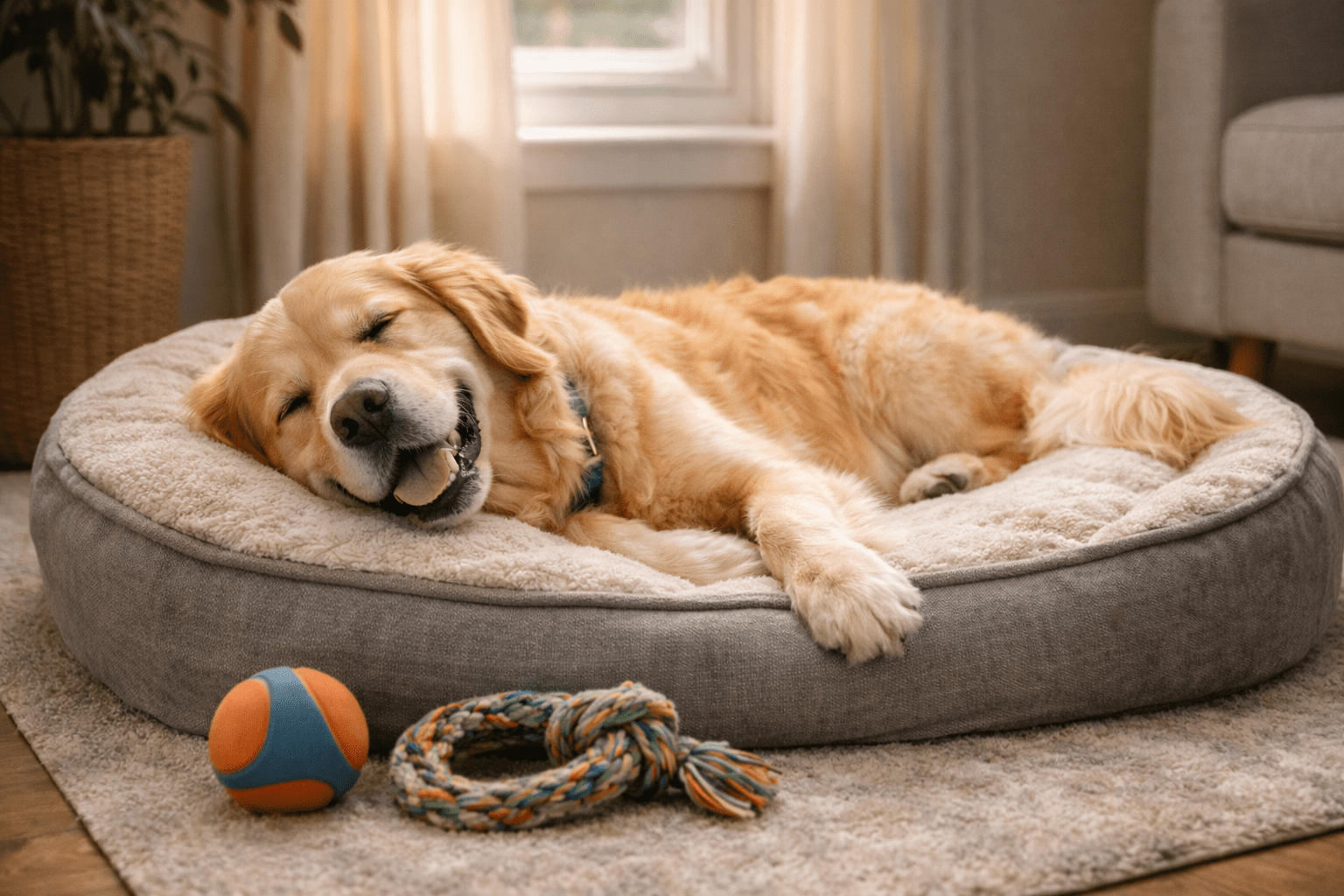
Even after successful training, jumping straight to 8-hour absences can undo your progress. Build up slowly:
- Week 1: Leave for 1-2 hours
- Week 2: Leave for 2-4 hours
- Week 3: Leave for 4-6 hours
- Week 4: Leave for 6-8 hours
During this transition, consider having a dog walker come midday or take your dog to a dog boarding camp a few days per week to break up alone time.
Creating a Consistent Routine
Dogs thrive on routine. Try to leave and return around the same times each day. Follow the same morning routine – walk, feed, play, then depart.
This predictability helps your dog know what to expect and reduces anxiety. They learn that your departure is normal and you always return.
Keep weekend routines similar to weekdays when possible. Major changes in schedule can confuse dogs and trigger old anxious behaviors.
Avoiding Common Regression Triggers
Some situations can cause previously trained dogs to regress:
- Moving to a new home
- Changes in family (new baby, roommate moving out)
- Extended vacations where you’re home constantly
- Traumatic events (thunderstorms, break-ins)
If you notice regression, go back to shorter practice sessions for a week or two. Don’t get frustrated – just help your dog rebuild confidence at their own pace.
Wrapping Up: Your Dog Can Learn to Love Alone Time
Learning how to train your dog to stay home alone doesn’t have to be overwhelming. Start with short sessions, stay consistent, and remember that every dog progresses at their own speed. Most dogs can handle several hours alone once they understand you’ll always return.
The effort you put into training now pays off with a confident, calm dog and guilt-free departures. Whether you’re running errands or heading to work, your dog can learn that alone time is just part of the daily routine.
At K9 Mania Dog Training, we understand that busy schedules make consistent training tough. As Long Island’s leading board and train specialists, we can help your dog master independence and other essential skills. Our expert trainers work with dogs of all ages and anxiety levels to create calm, confident companions. Visit our website to learn how we can help you and your dog succeed.
You May Also Want to Read
- Can Dogs Have Panic Attacks? Signs, Triggers, and How to Help
- Crate Training a Dog with Separation Anxiety
- Signs of Bad Dog Boarding
Frequently Asked Questions
How do I get my dog used to staying home alone?
Start with very short departures of just 30 seconds to 1 minute. Practice these brief absences multiple times throughout the day, gradually increasing the duration as your dog stays calm. Make departures low-key, provide engaging toys, and ensure your dog is exercised before alone time.
How long does it take for a dog to get used to being home alone?
Most dogs adjust to being home alone within 2-4 weeks of consistent training. Puppies and dogs with severe anxiety may need 6-8 weeks or longer. The timeline depends on your dog’s temperament, age, past experiences, and how consistently you practice.
How do I leave my dog home alone for 8 hours?
Build up gradually over several weeks, not all at once. Start with 1-2 hours and slowly increase. Exercise your dog thoroughly before leaving, provide puzzle toys and treats, and consider a midday dog walker for bathroom breaks. Make sure your dog can already handle 4-6 hours calmly before attempting a full workday.
What breed of dog can be left alone?
Independent breeds like Basset Hounds, Shar Peis, and Boston Terriers often handle alone time better. However, individual personality matters more than breed. Any dog can learn to be comfortable alone with proper training, though some breeds naturally need more human interaction than others.
Is it better to crate a dog or leave it free?
This depends on your dog’s behavior and training. Crates work well for puppies and dogs who get destructive or anxious when free, providing a secure den. Well-trained adult dogs who don’t destroy items often do fine with freedom in a dog-proofed room or area. Start with a crate and grant more freedom as trust builds.
Do dogs eventually get used to being alone?
Yes, most dogs adapt to alone time with proper training and gradual exposure. However, some dogs naturally struggle more with independence due to temperament or past trauma. These dogs may always need extra support like puzzle toys, companion animals, or shorter alone periods, but they can still improve significantly with training.