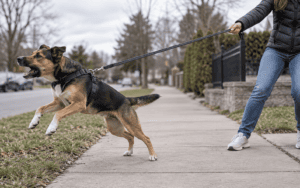
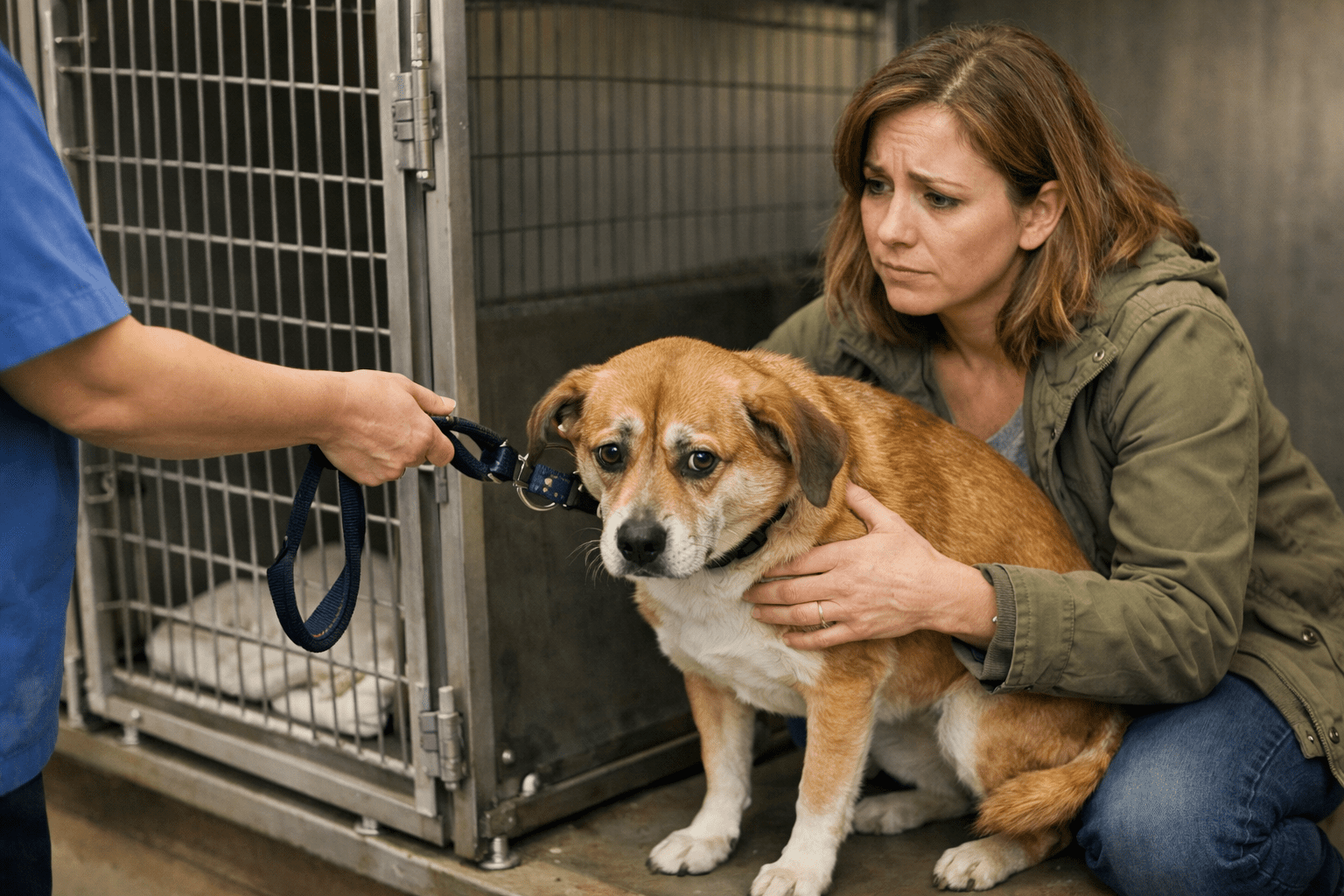
Signs of bad dog boarding include behavioral changes, physical injuries, poor hygiene, weight loss, and extreme anxiety after pickup. Recognizing these warning signs helps you identify substandard facilities and protects your dog from neglect, stress, or inadequate care during future boarding stays.
Leaving your beloved dog at a boarding facility can be stressful for both you and your dog. While most facilities provide excellent care, knowing how to spot the signs of bad dog boarding ensures your furry friend stays safe and healthy. Whether you notice changes in behavior, physical appearance, or emotional state, understanding these red flags helps you make better decisions about where to leave your dog.
In this guide, we’ll walk you through the most common warning signs, what they mean, and how to take action if you suspect your dog received poor care.
Looking for trustworthy care for your dog? Explore our dog boarding camp in Long Island for a safe, supervised environment.
Physical Signs Your Dog Received Poor Boarding Care
Physical changes are often the most obvious indicators that something went wrong during your dog’s boarding stay. These visible signs should never be ignored, as they can reveal serious issues with the facility’s care standards.
Unexplained Injuries or Wounds
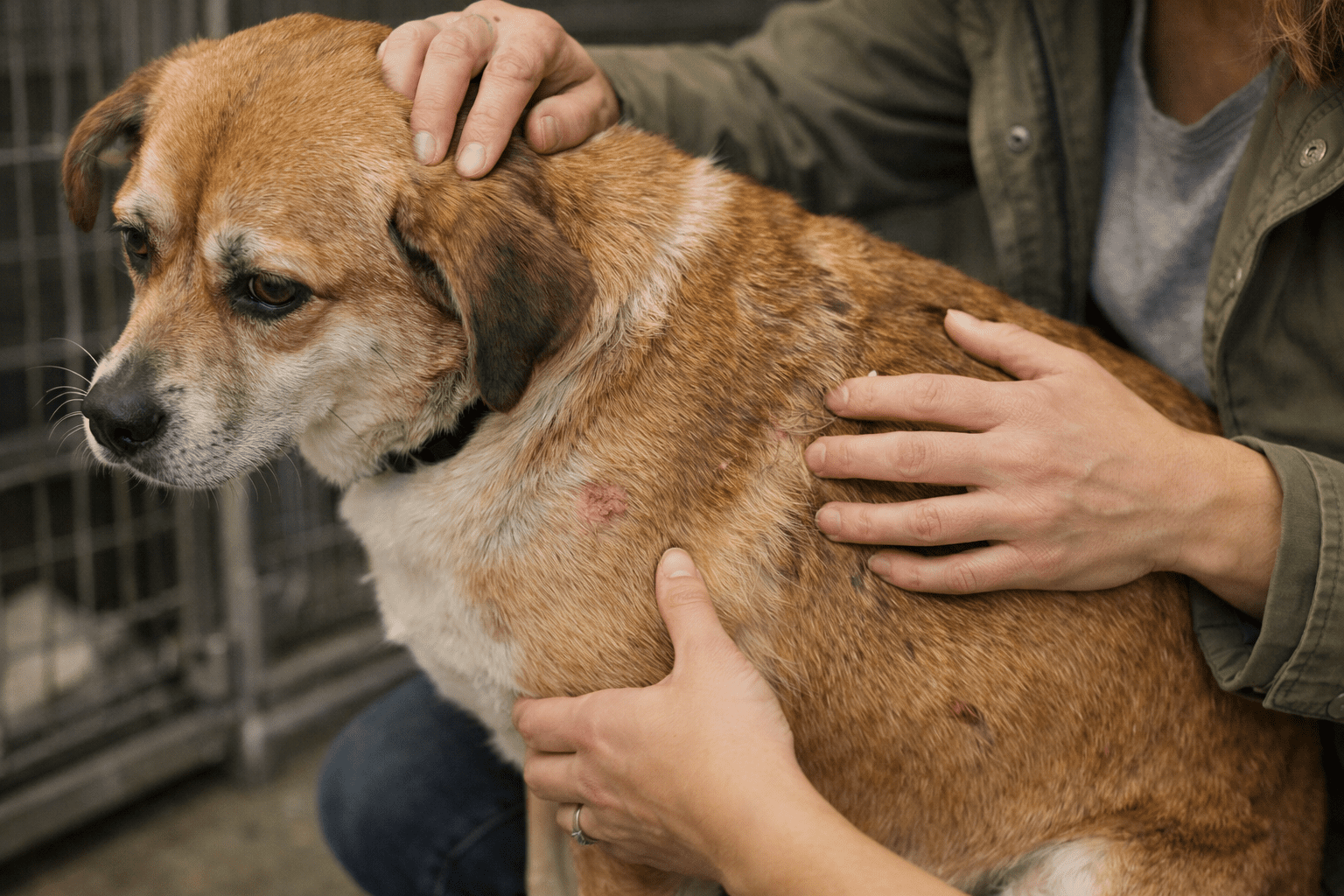
When you pick up your dog, check their body thoroughly for any cuts, scrapes, bruises, or bite marks. Dogs kept in overcrowded conditions may get into fights with other animals, leading to injuries.
Poor supervision means staff might not notice or report these incidents. Fresh wounds that weren’t there before boarding are a major red flag, especially if the facility doesn’t provide a clear explanation.
Some injuries to watch for include torn nails, limping, raw skin patches, or swelling. If your dog has visible injuries and the staff seems surprised or offers vague excuses, this indicates inadequate monitoring.
Signs of Poor Hygiene and Grooming
A reputable boarding facility maintains basic hygiene standards for all dogs in their care. If your dog returns home dirty, matted, or smelling strongly of urine or feces, the facility likely neglected proper cleaning routines.
Check your dog’s coat, paws, and ears carefully. Matted fur, dried waste on their body, or dirty paws suggest they spent time in unclean conditions. Dogs should be kept in regularly cleaned spaces with fresh bedding.
Additional hygiene red flags include eye discharge, ear infections that developed during boarding, or skin irritation from lying in soiled bedding. These conditions develop when dogs aren’t given proper attention or clean living spaces.
Weight Loss or Dehydration
Significant weight loss after just a few days of boarding is concerning. While some dogs eat less due to stress, dramatic changes suggest they weren’t fed properly or didn’t have access to food.
Feel your dog’s ribs and check if they seem more prominent than before. Dehydration is equally serious. Check your dog’s gums, which should be moist and pink, not dry or pale.
If your dog seems excessively thirsty upon return or has sunken eyes, they may not have had regular access to fresh water. This level of neglect is unacceptable and puts your dog’s health at serious risk.
Dog Warning Signs After Boarding
Changes in your dog’s behavior after boarding can be just as telling as physical symptoms. These emotional indicators reveal how your dog was treated and whether they experienced excessive stress or trauma.
Extreme Anxiety or Fear Responses
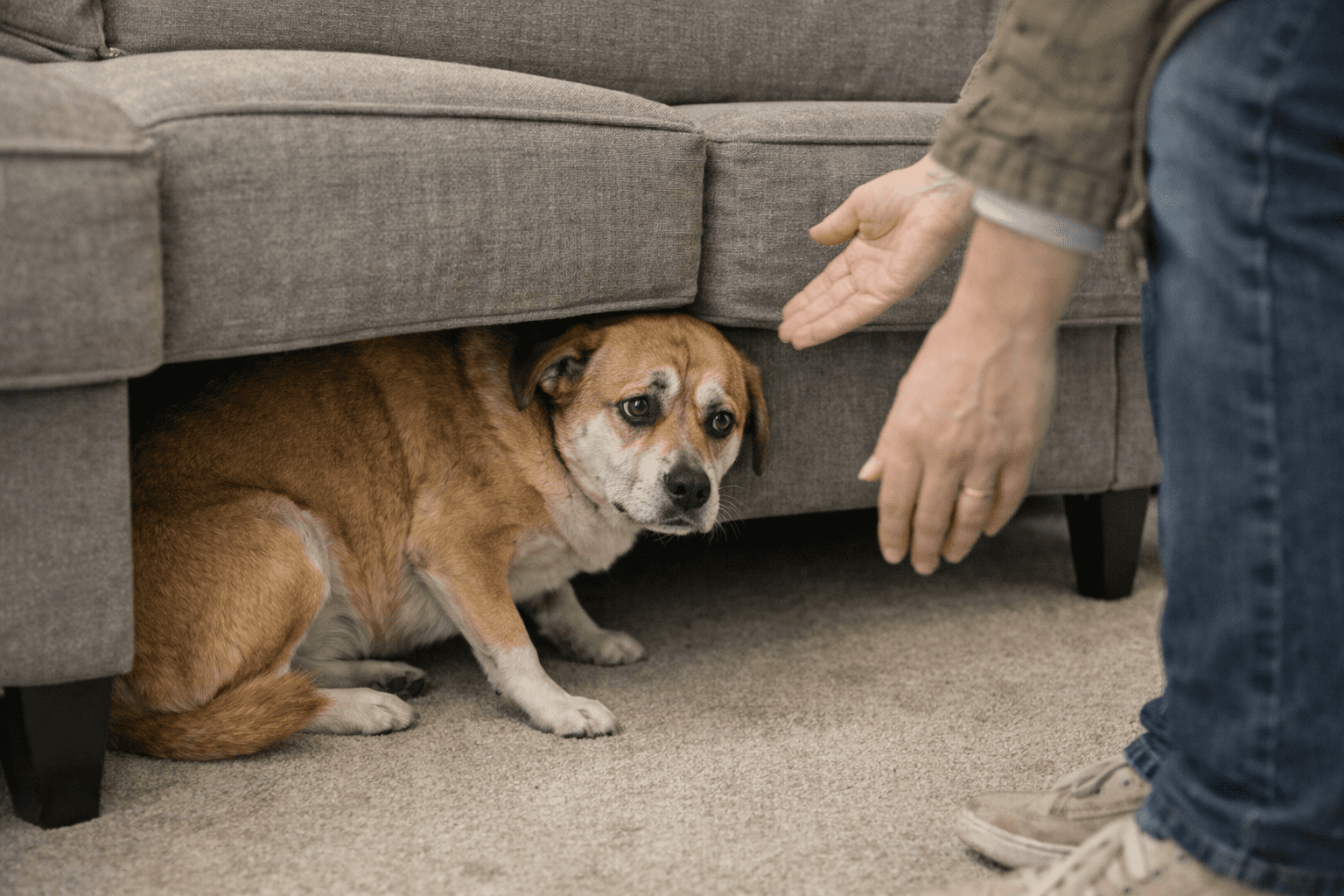
Does your dog seem unusually nervous, jumpy, or scared after boarding? Dogs who experienced frightening situations, rough handling, or isolation may show heightened anxiety when they return home.
Watch for behaviors like excessive panting, trembling, hiding, or reluctance to leave your side. Some dogs may become fearful of specific situations that remind them of boarding, such as entering crates or seeing strangers.
This level of anxiety goes beyond normal “missed you” behavior. If your typically confident dog suddenly acts terrified or refuses to go near certain objects or spaces, something negative likely happened during their stay.
Aggression or Unusual Temperament Changes
Sudden aggression toward people or other dogs can indicate your dog was stressed, scared, or mistreated during boarding. Dogs don’t usually develop aggressive behaviors overnight unless something triggers them.
Pay attention if your normally friendly dog starts growling, snapping, or showing defensive body language. This change suggests they may have been in threatening situations or around aggressive dogs without proper intervention.
Some dogs become withdrawn instead of aggressive. If your social butterfly suddenly avoids interaction or seems depressed, they may have spent too much time isolated or experienced something traumatic.
Regression in Training or House Manners
Has your house-trained dog suddenly started having accidents indoors? Behavioral regression often happens when dogs stay at facilities with inconsistent routines or poor reinforcement of good habits.
Dogs kept in small kennels for extended periods may lose their house training simply because they had no choice but to eliminate in their living space. This is especially common when facilities don’t provide adequate outdoor time or bathroom breaks.
You might also notice your dog forgot basic commands or seems confused by previously learned behaviors. This regression suggests they weren’t given mental stimulation or consistent handling during their stay.
Considering a more structured training environment? Check out our board and train Long Island program for professional care combined with training.
Environmental Red Flags at Boarding Facilities
Understanding what to look for before you board your dog can help you avoid problematic facilities altogether. These environmental signs reveal a lot about how dogs are actually treated behind the scenes.
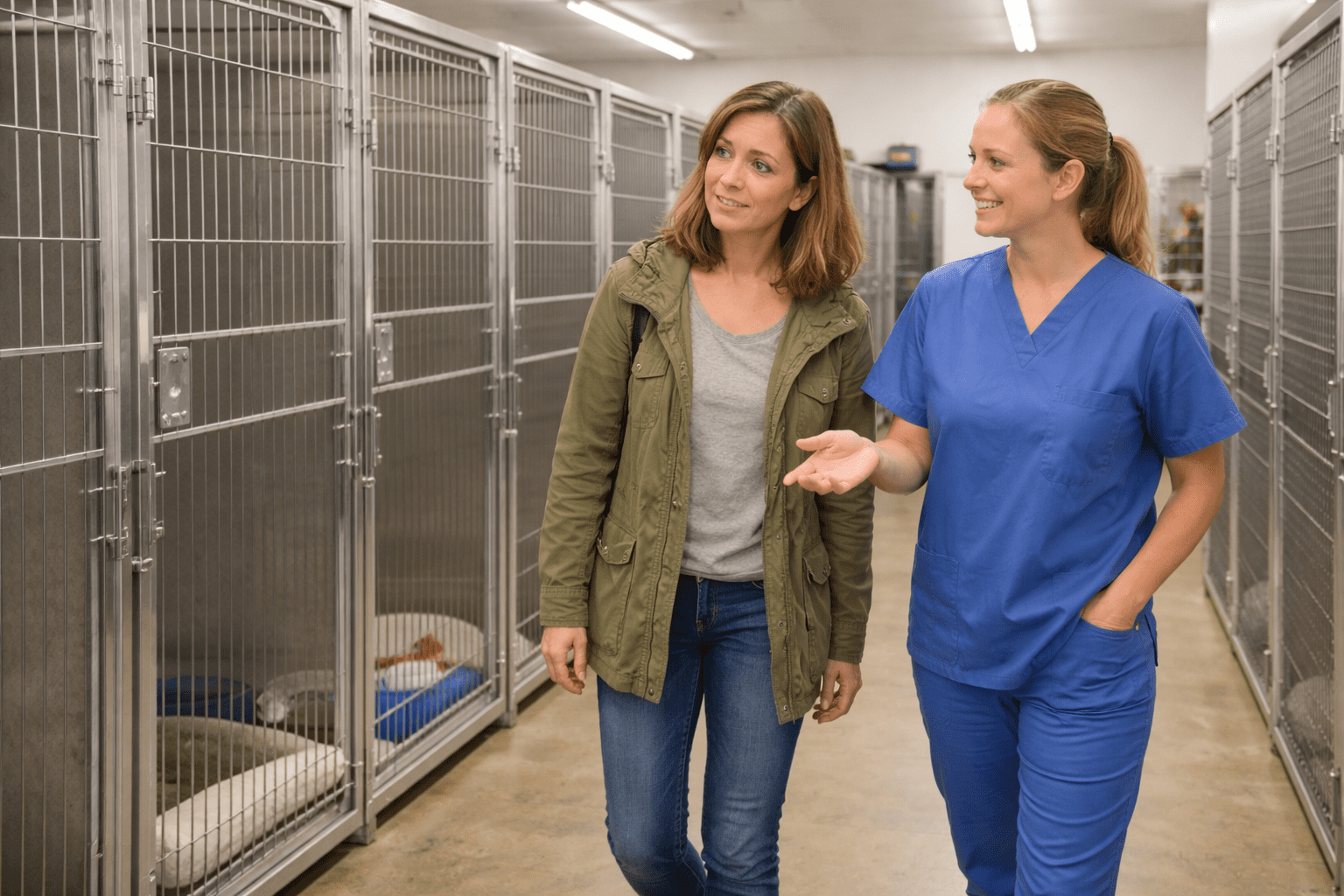
Poor Facility Conditions and Cleanliness
When touring a potential boarding facility, use your senses. Does it smell overwhelmingly of urine or feces? Strong odors indicate inadequate cleaning and poor ventilation.
Look at the kennels, floors, and common areas. Are there visible stains, waste buildup, or signs of neglect? Clean facilities should have regular cleaning schedules that keep spaces sanitary throughout the day.
Check if dogs have access to clean water bowls and fresh bedding. Water bowls should be regularly refilled and cleaned, not sitting with debris or algae buildup. Dirty, torn, or soiled bedding suggests the facility cuts corners on basic care.
Inadequate Supervision and Staffing
Ask about the staff-to-dog ratio at any facility you’re considering. Reputable facilities maintain appropriate staffing levels to ensure all dogs receive attention, supervision, and care.
If you notice staff members seem overwhelmed, distracted, or unable to answer basic questions about their procedures, this is a warning sign. Good facilities have trained professionals who know each dog by name and can discuss their daily routine.
During facility tours, observe how staff interact with the dogs. Are they attentive and gentle, or do they seem rushed and impersonal? The way staff treat animals when they think no one is watching tells you everything you need to know.
Lack of Proper Exercise and Socialization
Dogs need daily exercise, mental stimulation, and appropriate social interaction, even during boarding. Facilities that keep dogs kenneled all day without adequate outdoor time or play sessions fail to meet basic welfare standards.
Ask about the exercise schedule. How many times per day do dogs go outside? How long are play sessions? What happens in bad weather? Vague or inconsistent answers suggest exercise isn’t prioritized.
Some facilities offer group play, but this should be carefully supervised with dogs matched by size, temperament, and play style. Unsupervised group play can lead to fights, injuries, or bullying behavior that staff don’t notice or address.
Understanding Different Types of Boarding Problems
Not all boarding issues are created equal. Understanding the difference between minor stress responses and serious neglect helps you respond appropriately and make informed decisions about your dog’s care.
Here’s a comparison of normal adjustment issues versus serious warning signs:
| Normal Post-Boarding Behavior | Serious Warning Signs |
| Clings to you for a day or two | Shows extreme fear or won’t leave your side for days |
| Sleeps more than usual for 24 hours | Appears lethargic, unresponsive, or shows signs of illness |
| Eats less on the first day home | Refuses food for multiple days or shows digestive issues |
| Seems excited and overstimulated | Displays aggressive behavior toward family members |
| Takes a day to return to normal routine | Shows regression in house training or basic commands |
Want to learn how to make boarding less stressful? Read our guide on how to prepare your dog for boarding for helpful tips.
What to Do If You Spot These Warning Signs
Recognizing signs of bad dog boarding is just the first step. Taking appropriate action protects your dog and helps prevent other dogs from experiencing the same treatment.
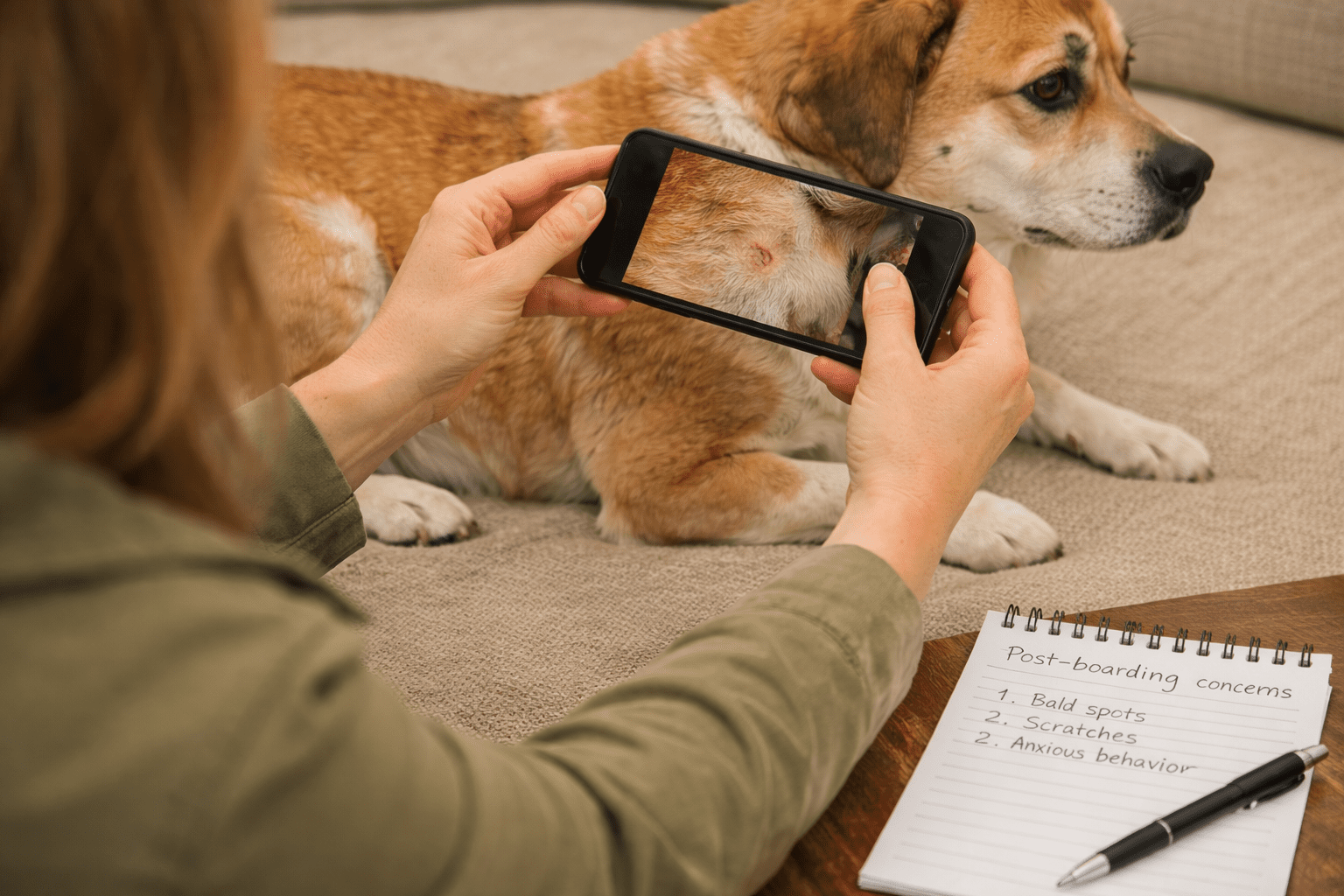
Immediate Steps After Pickup
As soon as you notice concerning signs, document everything. Take clear photos of any injuries, wounds, or physical changes. Write down detailed notes about behavioral changes, including when you first noticed them and how severe they appear.
Contact your veterinarian right away if your dog has physical injuries, seems ill, or shows signs of serious distress. A professional health check can identify issues you might have missed and provides official documentation of your dog’s condition.
Don’t hesitate to call the boarding facility and report your concerns. While some managers may be defensive, reputable facilities want to know about problems so they can address them. Their response tells you a lot about their commitment to quality care.
Reporting Serious Neglect or Abuse
If you suspect serious neglect or abuse, you have several reporting options. Start by contacting local animal control or your county’s animal services department. They have the authority to investigate facilities and take action if they find violations.
You can also file complaints with state licensing boards that oversee dog care facilities. Many states require boarding facilities to maintain licenses and follow specific care standards.
Consider posting honest reviews on Google, Yelp, and dog care platforms like Rover or Care.com. Your experience can warn other dog owners and potentially save other dogs from similar treatment.
Finding a Better Boarding Alternative
After a bad boarding experience, finding a trustworthy alternative becomes your priority. Start by asking your veterinarian, dog trainer, or fellow dog owners for recommendations.
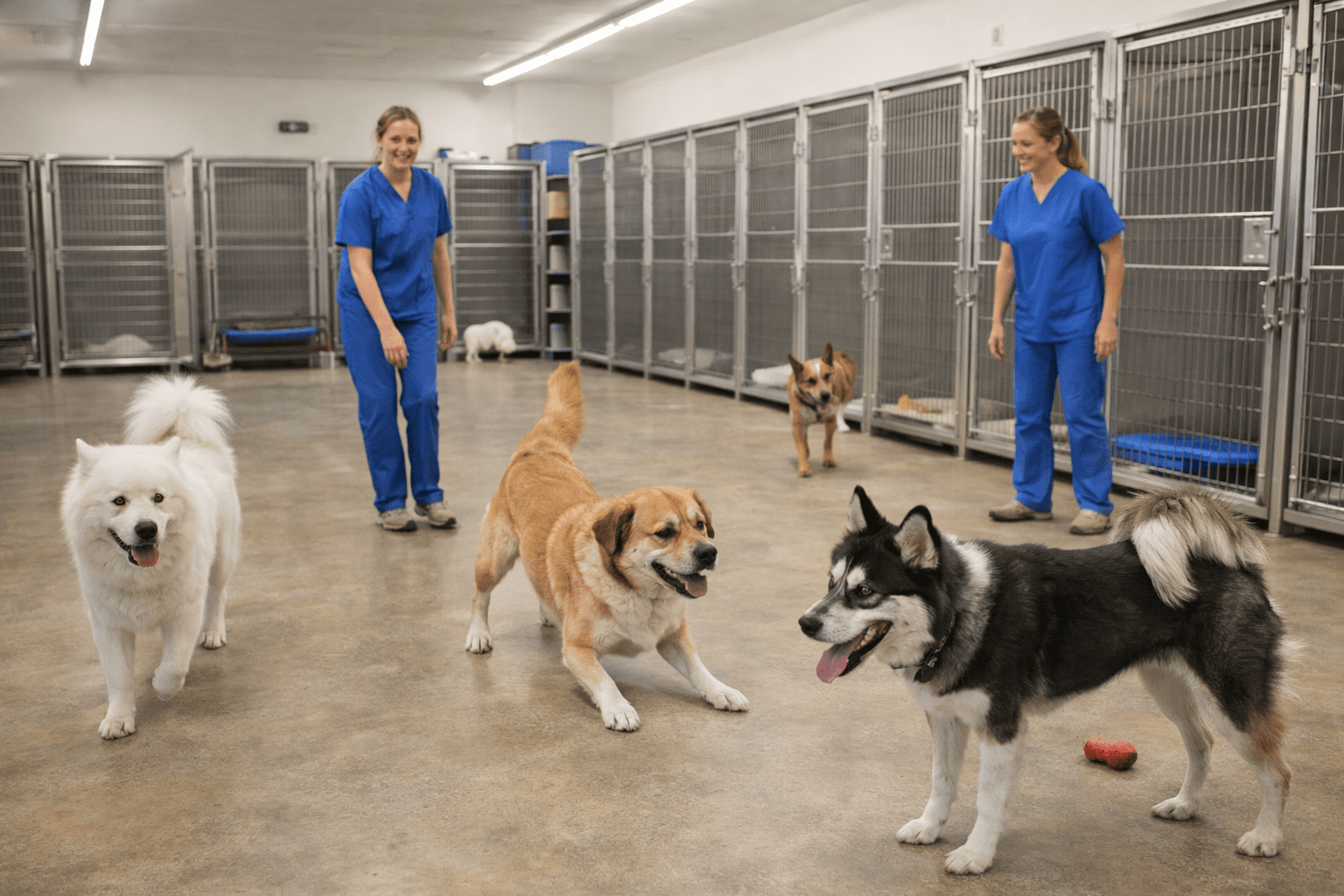
Schedule in-person tours at multiple facilities before making a decision. Trust your instincts during these visits. A clean, well-organized facility with friendly, knowledgeable staff and happy, healthy dogs is what you’re looking for.
Consider alternatives like in-home dog training that includes boarding options, professional dog sitters who stay in your home, or smaller, home-based boarding where your dog receives more individual attention.
Here’s what to look for when evaluating boarding facilities:
| Quality Indicator | What to Look For |
| Cleanliness | Fresh-smelling facility, clean kennels, regularly maintained spaces |
| Staff Interaction | Attentive, knowledgeable staff who interact positively with dogs |
| Exercise Policy | Clear schedule with multiple daily outdoor sessions and play time |
| Health Protocols | Vaccination requirements, health checks, emergency vet partnerships |
| Communication | Regular updates, photos, willingness to discuss your dog’s needs |
| Space and Comfort | Adequate kennel size, comfortable bedding, climate control |
Preventing Future Boarding Problems
Once you’ve identified signs of bad dog boarding, your focus shifts to prevention. Taking proactive steps ensures your dog never experiences substandard care again.
Questions to Ask Before Boarding
Before leaving your dog anywhere, prepare a list of important questions to ensure they’ll receive proper care:
Care Procedures:
- How often will your dog be let outside?
- What’s their feeding schedule?
- How do they handle medical emergencies?
- What’s the protocol for administering medications?
- How do you handle dogs with special dietary needs?
Staff Qualifications:
- Are staff members certified in dog first aid?
- How long have they worked with dogs?
- What’s the staff-to-dog ratio during different shifts?
- Is there overnight supervision?
- How are staff members trained to handle behavioral issues?
Facility Access:
- Can you tour the sleeping areas where your dog will stay?
- Will you see the play spaces and outdoor facilities?
- Are you allowed to visit during business hours?
- Can you see where dogs are fed and how food is stored?
Red Flags to Watch During Facility Tours
Pay attention to how current dogs in the facility appear. Do they seem happy and comfortable, or stressed and anxious? Are they barking excessively or showing signs of distress?
Notice if staff members seem rushed, overwhelmed, or unable to answer basic questions. Good facilities have confident, informed staff who are happy to discuss their procedures in detail.
Be wary of facilities that accept dogs without requiring proof of vaccinations, don’t ask about your dog’s temperament or special needs, or can’t provide references from current clients.
For dogs who need both care and training, programs that combine boarding with professional instruction can be valuable. However, make sure to research these thoroughly, as quality varies significantly. Learn more about whether board and train is bad for dogs before making your decision.
Key Takeaways on Signs of Bad Dog Boarding
Recognizing the signs of bad dog boarding is essential to protecting your dog from poor experiences. By identifying physical indicators like unexplained injuries and weight loss, behavioral changes including extreme anxiety or aggression, and environmental red flags such as dirty facilities, you can quickly take action to safeguard your dog’s wellbeing.
While most dogs need one to two days to readjust after boarding, persistent issues lasting beyond 72 hours require professional attention. Moving forward, thorough research, facility tours, and asking the right questions help you choose boarding options that prioritize your dog’s health, safety, and happiness.
For more comprehensive information, check out our complete board and train guide to understand all your options.
You May Also Want to Read
Are Dalmatians Aggressive Dogs?
Positive Reinforcement Dog Training: A Complete Guide
How to Train a Dog to Lay Down: Step-by-Step Guide
Frequently Asked Questions
Is it normal for dogs to act weird after boarding?
Yes, mild behavioral changes are normal for the first 24 to 48 hours after boarding. Your dog may seem extra clingy, sleep more than usual, or be overly excited when they first return home. These reactions typically result from the change in routine and missing their family. However, if strange behaviors continue beyond two days or include signs of fear, aggression, or distress, this suggests something more serious happened during their stay that requires attention.
What is a red flag dog’s behavior?
Red flag behaviors after boarding include sudden aggression toward people or other dogs, extreme fearfulness or anxiety, refusal to eat for more than 24 hours, constant hiding or withdrawal, obsessive licking or self-harm behaviors, and house training regression that persists beyond a day or two. These behaviors indicate your dog experienced significant stress, poor treatment, or traumatic situations during boarding. Dogs displaying these warning signs need veterinary evaluation and possibly behavioral support to recover.
What are the first signs of internal bleeding in dogs?
Internal bleeding is a medical emergency that requires immediate veterinary care. Early signs include pale or white gums, weakness or lethargy, rapid breathing or panting, distended or painful abdomen, cold extremities, rapid heart rate, and collapse or inability to stand. If your dog shows any of these symptoms after boarding, especially combined with known injuries, seek emergency veterinary care immediately. Internal bleeding can result from trauma, rough handling, or dog fights that weren’t properly supervised or reported by boarding staff.
What are signs of kennel stress?
Kennel stress symptoms include excessive barking or whining, pacing or restlessness, loss of apdogite, digestive upset like diarrhea or vomiting, excessive panting or drooling, destructive behaviors, obsessive licking or chewing, and withdrawal or depression. Dogs experiencing kennel stress may also show regression in house training or previously learned behaviors. Severe cases can develop into kennel stress syndrome, where dogs show prolonged psychological distress even after returning home. This condition requires time, patience, and sometimes professional behavioral intervention to resolve.
How long do dogs feel abandoned when boarded?
Dogs don’t understand boarding the same way humans do, but they do experience separation anxiety and confusion. Most well-adjusted dogs readjust within 24 to 48 hours of returning home as they reconnect with their family and return to familiar routines. However, dogs who experienced poor boarding conditions or high stress may show signs of anxiety for several days to weeks. The key is maintaining consistent routines, providing extra reassurance, and allowing your dog time to decompress. If separation anxiety or behavioral changes persist beyond a week, consult your veterinarian or a professional dog trainer for guidance.