

Are Dalmatians aggressive dogs? The short answer is no—Dalmatians are not inherently aggressive, but they can develop behavioral issues without proper training, socialization, and exercise. These energetic, intelligent dogs require consistent guidance and plenty of physical activity to prevent frustration-based aggression or anxiety-driven behaviors.
Many people wonder about Dalmatian aggression after seeing their high energy or hearing about their protective instincts. The truth is that any dog can become aggressive under the wrong circumstances, and Dalmatians are no exception. Their strong-willed nature and boundless energy mean they need experienced handlers who understand how to channel their drive properly.
In this guide, we’ll explore the real temperament of Dalmatians, what triggers aggressive behaviors, and how proper training can help you raise a friendly, well-adjusted spotted companion. Whether you’re considering adopting a Dalmatian or already have one showing concerning behaviors, understanding their needs is the first step toward a harmonious relationship.
Looking for expert help with your dog’s behavior? Check out our private dog training services designed to address individual training needs.
Understanding the Dalmatian Temperament
Dalmatians were originally bred as carriage dogs, running alongside horses for miles each day. This history shaped their personality in significant ways that owners need to understand.
Natural Personality Traits
Dalmatians are highly energetic, intelligent, and loyal dogs. They form strong bonds with their families and can be affectionate companions when their needs are met.
These dogs are naturally alert and make excellent watchdogs. They’re protective of their home and family without being overly aggressive. This protective instinct is normal and healthy when properly directed.
However, Dalmatians are also known for being:
- Independent thinkers: They’re smart enough to make their own decisions, which can look like stubbornness if not properly trained
- High-energy: They need 1-2 hours of vigorous exercise daily to stay mentally and physically balanced
- Sensitive: Despite their tough appearance, they respond poorly to harsh training methods
- Reserved with strangers: They’re not typically friendly with everyone they meet, preferring to warm up slowly
The Role of Breeding and Genetics
Not all Dalmatians are created equal. Responsible breeders focus on temperament just as much as appearance, selecting parent dogs with stable, friendly personalities.
Poor breeding practices can result in dogs with:
- Heightened anxiety or fearfulness
- Excessive guarding behaviors
- Lower tolerance for handling
- Increased reactivity to stimuli
Deafness is also common in Dalmatians—about 15-30% are born deaf in one or both ears. Deaf Dalmatians can startle more easily and may develop fear-based aggression if not handled with specialized training techniques.
If you’re considering a Dalmatian from a breeder, always ask about temperament testing and meet the parent dogs. If adopting, look into the dog’s background through our dog adoption program where dogs are evaluated for behavior.
Common Triggers for Dalmatian Aggression
While Dalmatians aren’t naturally aggressive, certain situations can trigger problematic behaviors. Understanding these triggers helps prevent issues before they start.
Lack of Exercise and Mental Stimulation
This is the number one cause of behavioral problems in Dalmatians. These dogs were bred to run for hours, and modern life often doesn’t provide enough outlets for their energy.
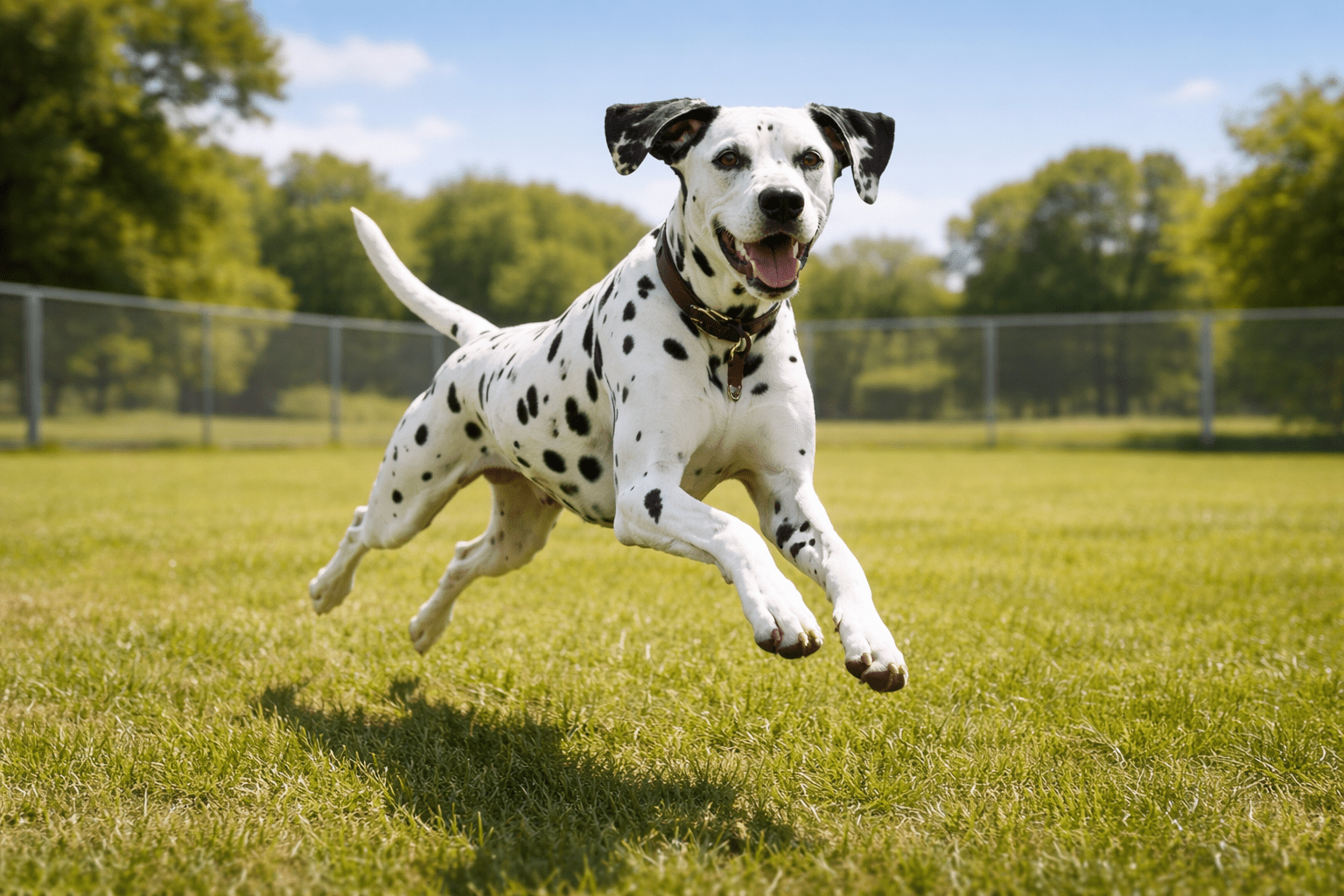
When a Dalmatian doesn’t get adequate exercise, that pent-up energy manifests as:
- Destructive chewing and digging
- Excessive barking or whining
- Hyperactivity and inability to settle
- Frustration-based aggression, especially during walks or when restrained
A tired Dalmatian is a happy Dalmatian. Daily activities should include long walks, running, hiking, or dog sports like agility. Mental stimulation through puzzle toys, training sessions, and scent work is equally important.
Poor Socialization During Puppyhood
The critical socialization window for puppies is between 3-16 weeks of age. Dalmatian puppies who don’t experience a variety of people, dogs, environments, and situations during this time are more likely to develop fear-based aggression later.

Signs of poor socialization include:
- Excessive fear of new people or dogs
- Aggressive barking or lunging at strangers
- Inability to handle new environments
- Resource guarding behaviors with food or toys
Even adult Dalmatians can benefit from gradual, positive exposure to new experiences, though it takes more patience than puppy socialization.
Protective Instincts Gone Wrong
Dalmatians naturally want to protect their family and territory. Without proper boundaries, this can escalate into:
- Territorial aggression toward visitors
- Excessive alertness and barking
- Difficulty distinguishing real threats from normal situations
- Overprotective behavior toward family members
Teaching your Dalmatian when to alert and when to relax is crucial. They need to trust that you’ll handle situations appropriately.
Medical Issues and Pain
Sometimes what looks like aggression is actually a pain response. Dalmatians can suffer from:
- Hip dysplasia causing mobility pain
- Urinary stones (a breed-specific issue) causing discomfort
- Skin allergies leading to constant irritation
- Hearing loss creating startle responses
If your normally friendly Dalmatian suddenly becomes aggressive, a veterinary checkup should be your first step.

Dalmatian Behavior vs. Other Breeds
How do Dalmatians compare to other breeds when it comes to aggression? Let’s look at the facts.
Aggression Statistics and Studies
According to temperament testing by the American Temperament Test Society, Dalmatians have a pass rate of around 83%, which is slightly below the average for all breeds tested (about 85%). This doesn’t mean they’re aggressive—it means they require proper handling and training.
Compared to breeds on our top aggressive dog breeds list, Dalmatians fall somewhere in the middle. They’re not typically considered a high-risk aggressive breed, but they’re not as universally easygoing as breeds like Golden Retrievers either.
Here’s how Dalmatians compare to similar working breeds:
| Breed | Energy Level | Protective Instinct | Stranger Friendliness | Training Difficulty |
| Dalmatian | Very High | Moderate-High | Low-Moderate | Moderate |
| German Shepherd | High | High | Low | Moderate |
| Border Collie | Very High | Low-Moderate | Moderate | Low-Moderate |
| Boxer | High | Moderate | High | Low-Moderate |
The Truth About Media Portrayal
Movies like “101 Dalmatians” created unrealistic expectations about this breed. The films showed Dalmatians as perfect family pets who required minimal training and were naturally gentle with children.

The reality is quite different. After the movie’s release, Dalmatian popularity surged, leading to:
- Irresponsible breeding for profit rather than temperament
- Unprepared owners getting a high-energy working breed
- Increased shelter surrenders when dogs didn’t match expectations
- A temporary spike in reported aggression incidents
This pattern repeats with many breeds featured in popular media. The dogs themselves aren’t the problem—it’s the mismatch between breed characteristics and owner expectations.
Training Strategies to Prevent Aggression
Prevention is always easier than correction. Here’s how to raise a well-adjusted Dalmatian from the start.
Early Socialization Essentials
Start socializing your Dalmatian puppy as soon as your veterinarian says it’s safe (usually after the first round of vaccinations). Focus on:
Positive experiences with people: Introduce your puppy to men, women, children, people wearing hats, people with beards, people using wheelchairs or walkers, and people of different ages and ethnicities. Always make these encounters positive with treats and praise.
Dog interactions: Arrange playdates with vaccinated, friendly adult dogs who can teach appropriate play behavior. Avoid dog parks until your puppy is older and well-socialized.
Environmental exposure: Take your puppy to parking lots, busy streets, hardware stores that allow dogs, outdoor cafes, and anywhere else they might encounter new sights, sounds, and smells.
Handling exercises: Touch your puppy’s paws, ears, mouth, and tail gently while giving treats. This prepares them for veterinary exams and grooming.
Positive Reinforcement Training Methods
Dalmatians respond poorly to punishment-based training. Harsh corrections can create fear, anxiety, and defensive aggression. Instead, use positive reinforcement techniques:
- Reward desired behaviors immediately with treats, praise, or play
- Ignore or redirect unwanted behaviors rather than punishing them
- Use high-value treats for challenging training situations
- Keep training sessions short (5-10 minutes) but frequent throughout the day
- Make training fun and engaging to hold your Dalmatian’s attention
For dogs already showing aggressive tendencies, professional help is essential. Our aggressive dog board and train program provides intensive behavior modification in a controlled environment.
Exercise and Mental Enrichment
Meeting your Dalmatian’s physical and mental needs prevents most behavior problems before they start.
Physical exercise should include:
- 60-90 minutes of vigorous activity daily
- Running, hiking, or biking alongside you
- Swimming (many Dalmatians love water)
- Dog sports like agility, flyball, or dock diving
- Fetch sessions or flirt pole play
Mental stimulation options:
- Puzzle feeders and treat-dispensing toys
- Hide-and-seek games with toys or treats
- Nose work and scent training
- Learning new tricks or commands
- Obedience training sessions
Establishing Clear Boundaries
Dalmatians need consistent rules and boundaries to feel secure. Inconsistency creates anxiety and can lead to aggressive behaviors.
Set clear rules about:
- Where the dog can and cannot go (furniture, bedrooms, etc.)
- What behaviors are acceptable during greetings
- Food bowl and toy manners
- How to behave around visitors
- Leash manners during walks
Everyone in the household must enforce the same rules. Mixed messages confuse your dog and undermine training efforts.
When to Seek Professional Help
Some aggressive behaviors require professional intervention. Don’t wait until the situation becomes dangerous.
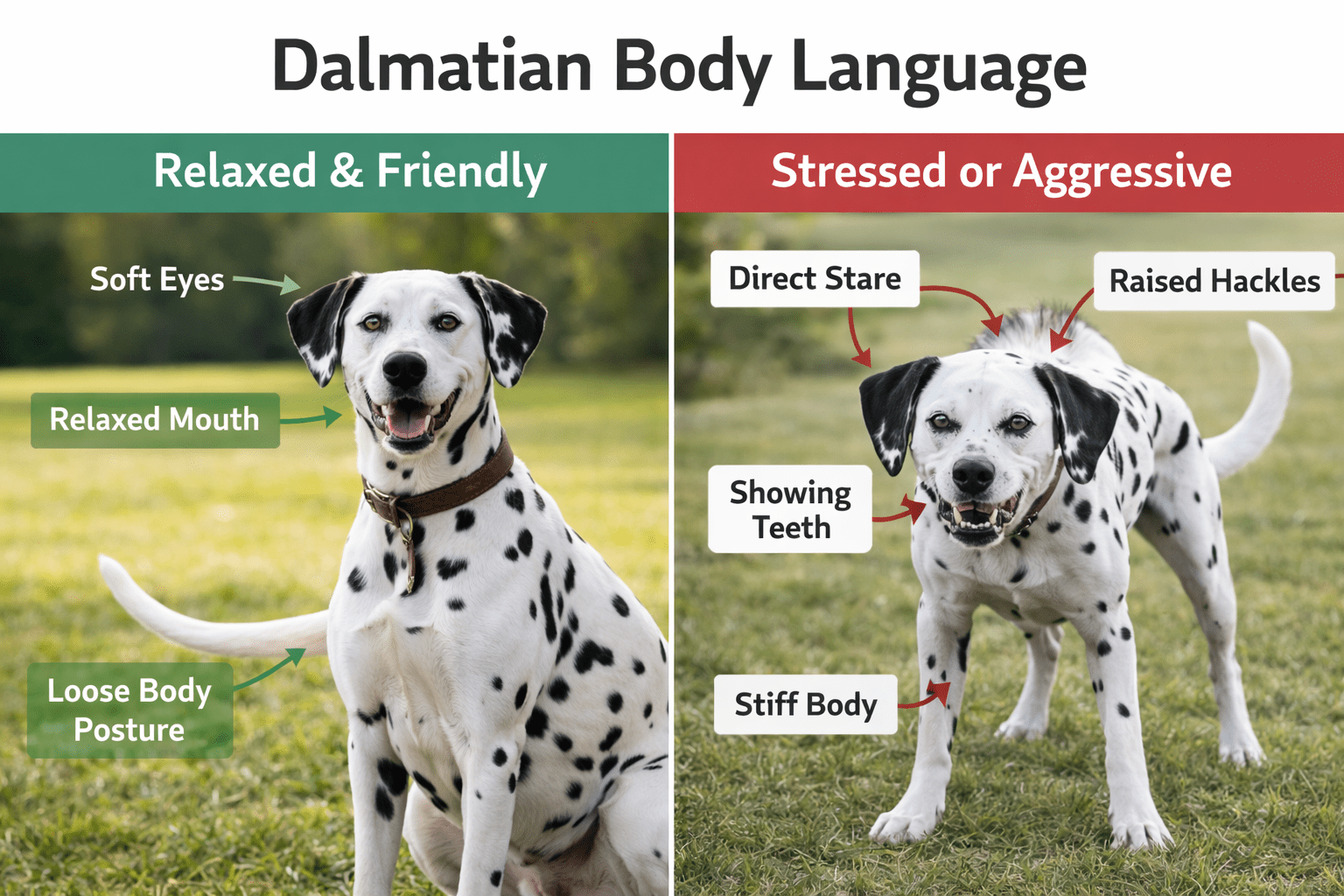
Warning Signs You Need Expert Guidance
Seek help from a qualified dog trainer or veterinary behaviorist if your Dalmatian shows:
- Growling, snapping, or biting at family members
- Severe resource guarding that escalates to biting
- Unpredictable aggression without clear triggers
- Fear-based aggression that’s getting worse despite your efforts
- Aggression toward children or other pets in the home
- Barrier frustration or leash reactivity that you can’t manage
When your Dalmatian shows concerning aggressive behaviors, you need experienced professionals who understand the breed’s unique temperament and energy requirements. K9 Mania Dog Training specializes in addressing aggression issues in high-energy breeds like Dalmatians throughout Long Island.
Training Options for Aggressive Dalmatians
Different situations call for different training approaches. Here’s how to decide:
| Training Type | Best For | Time Commitment | Cost Level | Success Rate |
| Private Lessons | Mild-moderate issues, owner education | High (weekly sessions + daily homework) | Moderate | High with commitment |
| Board and Train | Severe aggression, busy schedules, jumpstart training | Low (dog stays with trainer) | High | High for initial training |
| Group Classes | Socialization, basic obedience, mild reactivity | Moderate (weekly classes + practice) | Low | Moderate |
| Behavior Consultation | Complex cases, anxiety-based aggression, diagnosis | Low-moderate (fewer appointments) | High | Variable |
Our board and train vs private lessons comparison can help you determine which approach fits your situation best.
The Importance of Consistency
Whatever training method you choose, consistency is non-negotiable. Aggressive behaviors don’t disappear after a few sessions—they require ongoing management and reinforcement.
Expect to:
- Practice training exercises daily, even after initial improvement
- Maintain boundaries and rules for your dog’s lifetime
- Continue socialization throughout your dog’s life
- Adjust your approach as your dog ages or circumstances change
Making the Right Choice for Your Dalmatians
Are Dalmatians aggressive dogs? As we’ve explored throughout this guide, the answer is nuanced. Dalmatians aren’t inherently aggressive, but they’re also not the right breed for everyone. Their high energy, intelligence, and protective instincts require dedicated owners who can provide proper training, socialization, and exercise.
If you’re struggling with Dalmatian aggression or simply want to prevent future issues, professional guidance makes all the difference. At K9 Mania Dog Training, we specialize in helping owners understand and manage challenging dog behaviors. Whether you need intensive board and train Long Island services or personalized one-on-one sessions, our experienced trainers can help you build a stronger relationship with your Dalmatian.
Don’t wait until aggression becomes dangerous, reach out today and discover how we can transform your dog’s behavior through proven, positive training methods.
You May Also Want to Read
How to Stop Food Aggression with Dogs Safely
Board and Train for Aggressive Dogs: Complete Guide
Board and Train vs Private Lessons for Aggressive Dogs
Frequently Asked Questions About Dalmatian Aggression
Are Dalmatians naturally aggressive?
No, Dalmatians are not naturally aggressive dogs. They’re bred to be loyal, energetic companions with protective instincts. However, without proper socialization, training, and exercise, any dog can develop aggressive behaviors. Dalmatians require experienced handling due to their high energy and independence.
Are Dalmatians a good family dog?
Dalmatians can be excellent family dogs for active households that understand the breed’s needs. They bond strongly with family members and are typically good with children they’ve grown up with. However, they’re better suited for families with older children who can respect boundaries, and they need owners committed to providing daily vigorous exercise and consistent training.
What are the downsides of Dalmatians?
The main downsides include their extremely high exercise requirements (1-2 hours daily), tendency toward stubbornness requiring consistent training, potential for hereditary deafness (15-30% of the breed), heavy shedding despite their short coat, and reserved nature with strangers. They’re also prone to urinary stones and require specific dietary considerations.
Do Dalmatians have anger issues?
Dalmatians don’t have “anger issues” as a breed characteristic. However, they can develop frustration-based behaviors when their physical and mental needs aren’t met. Pent-up energy from insufficient exercise often manifests as hyperactivity, destructive behavior, or reactivity that may be mistaken for aggression. Proper exercise and mental stimulation prevent these issues.
What is the least aggressive dog breed?
While individual temperament varies, breeds consistently ranking as least aggressive include Golden Retrievers, Labrador Retrievers, Cavalier King Charles Spaniels, Beagles, and Pugs. These breeds were specifically developed for companionship and typically show friendly behavior toward people and other animals. However, any dog can develop aggression without proper care, training, and socialization.
Are Dalmatians prone to biting?
Dalmatians aren’t more prone to biting than other breeds when properly raised and trained. However, their protective instincts and high energy can lead to problematic behaviors if not addressed. Early socialization, consistent training, adequate exercise, and teaching bite inhibition during puppyhood significantly reduce the risk of biting incidents in any breed, including Dalmatians.