

The best dog breed for my lifestyle is the one that matches your activity level, living space, and amount of free time, not just the breed that looks the cutest in photos. Energy level, size, trainability, and grooming needs affect how well a dog fits into your daily routine far more than appearance does.
Choosing a dog without considering your day to day life often leads to frustration for both you and your new companion. A high energy herding breed stuck in a small apartment, or a low energy lapdog paired with a marathon runner, rarely works out well for either side.
Many new owners fall in love with a breed online or at a friend’s house, then realize months later that the dog’s needs do not fit their actual schedule. This mismatch is one of the most preventable reasons families struggle with behavior problems at home.
In this guide, we will walk through why lifestyle matters in breed selection, how to match a breed to your routine, and which option makes the most sense for your specific situation.
Already brought home a dog that does not quite match your lifestyle? Our private dog training Long Island program helps you build better habits and a stronger bond, no matter the breed you chose.
Why Does Your Lifestyle Matter When Choosing a Dog Breed?
Your daily routine, living space, and energy level all shape how well a dog will adjust to life with you. A breed mismatch is one of the most common reasons dogs end up surrendered to shelters or struggling with behavior problems at home.
This is exactly why finding the best dog breed for my lifestyle should come before falling in love with a specific look or breed reputation. The right match reduces stress, prevents destructive behavior, and builds a stronger long term bond.
When a dog’s needs go unmet, the consequences usually show up as behavior issues rather than simple disobedience. Excess barking, chewing, digging, or restlessness often signal a dog that is bored, under exercised, or overwhelmed by an environment that does not suit its temperament.
Several lifestyle factors directly affect how a dog adjusts to your home:
Activity level: High energy breeds need daily exercise, or they may become anxious or destructive indoors.
Living space: Apartments and small homes work better with breeds that do not require large yards to burn off energy.
Time availability: Working long hours without a plan for exercise or companionship can strain certain breeds more than others.
Household members: Children, other pets, or elderly family members all change which temperaments work best.
Grooming and care needs: Some breeds shed heavily or require frequent grooming, which takes time and money many owners underestimate.
What Happens When a Dog Breed Does Not Match Your Lifestyle?
A mismatch rarely shows up right away. Most puppies adapt to almost any household for the first few months, then their true energy level and temperament begin to surface as they mature into adulthood.
Owners who picked a breed based on looks alone often notice escalating issues around six months to a year in. A working breed left alone for nine hour workdays may start destroying furniture. A small companion breed forced into long, demanding hikes may develop anxiety or physical strain.
The good news is that most mismatches are manageable with the right training plan rather than requiring a new home for the dog. Structured exercise, mental enrichment, and consistent boundaries can close much of the gap between a dog’s instincts and your daily routine.
A professional dog trainer can also help you read the early warning signs before small issues turn into deeply rooted habits. Catching a mismatch within the first few months is far easier to correct than waiting until problem behaviors become routine for the dog.
Best Dog Breeds for Your Lifestyle and Personality
Beyond routine and space, your own personality plays a role too. Calm, low-key owners often pair well with equally relaxed breeds, while highly active or structured owners tend to do better with dogs that thrive on routine, training, and physical challenges. The best fit considers both your schedule and your temperament.
Matching a breed to your routine starts with an honest look at how you actually spend your day, not how you imagine spending it with a dog. Here is how different lifestyles typically pair with different breed traits.
Dog Breeds for Families
Patient, people oriented breeds tend to do best in busy households with kids. Golden Retrievers, Labrador Retrievers, and Beagles are frequently recommended for their gentle temperaments and tolerance for noise and unpredictability. Early socialization and consistent training matter just as much as breed selection when young children are involved. Check out our picks for best dog breeds for families for more detail.
Dog Breeds for First-Time Owners
New owners generally do better with breeds known for trainability and forgiving temperaments rather than dogs that require advanced handling experience. A breed with a strong eagerness to please makes early mistakes far more forgivable while you both learn together.
Dog Breeds for Apartments
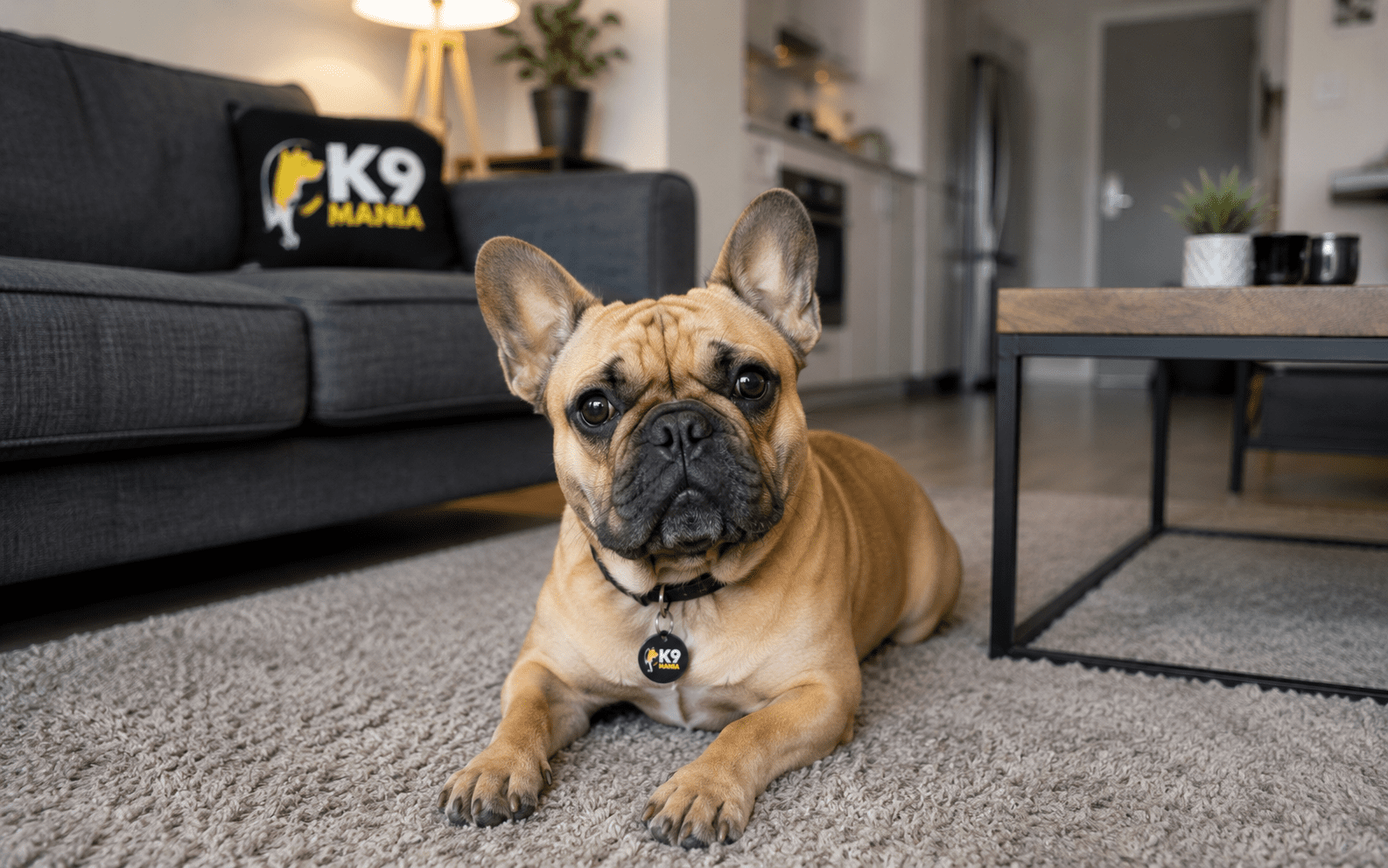
Smaller living spaces work best with breeds that have lower to moderate exercise needs and calmer indoor energy. Breeds like French Bulldogs, Cavalier King Charles Spaniels, and Greyhounds often adjust well to apartment life despite their size in some cases. Noise tolerance and barking tendency matter just as much as size when neighbors share thin walls. For a full breakdown, see our guide on best dog breeds for apartments.
Dog Breeds for Active Outdoor Owners

If your week includes regular runs, hikes, or outdoor adventures, high energy breeds such as Labrador Retrievers, Border Collies, and Vizslas can keep up and thrive alongside you. These breeds were often developed for endurance work, so a sedentary routine quickly leads to frustration on both ends of the leash. Our list of best dog breeds for running breaks down which breeds handle distance and pace the best.
Dog Breeds for Busy Owners
Long work hours do not automatically rule out dog ownership, but they do narrow the list. Independent breeds that tolerate alone time better, paired with structured routines, tend to work best. Doggy daycare, a midday walker, or a consistent schedule before and after work can make a real difference. Our in-home dog training Long Island program can help build a schedule that fits around your work hours while keeping your dog mentally engaged.
Dog Breeds for Kids

Dogs that do well around children tend to be patient, sturdy, and slow to startle. Breeds like Beagles, Boxers, and Bull Terriers often tolerate noise, quick movements, and accidental rough play better than smaller or more delicate breeds. Supervision and early socialization still matter no matter which breed you choose.
Dog Breeds for Seniors
Lower energy companion breeds, or older adult dogs of any breed, often suit a slower paced lifestyle well. Shorter walks, predictable routines, and calmer temperaments tend to be a better match than high drive working breeds. Senior dogs from shelters can also be an excellent option, since their personalities and energy levels are already fully formed.
Dog Breeds for Small Homes
Small homes without a dedicated yard need breeds that settle indoors without constant pacing or barking. Breeds such as Shih Tzus, Boston Terriers, and small to mid-size mixed breeds typically adapt well to compact layouts, as long as daily walks make up for the missing yard space.
Low-Maintenance Dog Breeds
Low-maintenance breeds suit owners who want companionship without heavy grooming, training, or exercise demands. Short-coated breeds like Beagles, Boston Terriers, and Whippets generally require less brushing and lower overall upkeep than long-haired or high-drive working breeds, making them a practical choice for first-time or busy owners.
Matching Dog Breed to Your Daily Routine – Lifestyle and Breed Compatibility
| Lifestyle Type | Recommended Energy Level | Example Breeds | Apartment Friendly? |
| Families | Moderate | Golden Retriever, Labrador Retriever, Beagle | Depends on size |
| First-Time Owners | Low to Moderate | Labrador Retriever, Poodle | Depends on size |
| Apartments | Low to Moderate | French Bulldog, Cavalier King Charles Spaniel | Yes |
| Active Owners | High | Border Collie, Vizsla, Labrador Retriever | No |
| Busy Owners | Low to Moderate | Greyhound, Basset Hound | Yes |
| Kids | Moderate | Beagle, Boxer, Bull Terrier | Depends on size |
| Seniors | Low | Cavalier King Charles Spaniel, senior shelter dogs | Yes |
| Small Homes | Low to Moderate | Shih Tzu, Boston Terrier | Yes |
| Low-Maintenance Seekers | Low to Moderate | Beagle, Boston Terrier, Whippet | Yes |
| Lifestyle and Personality | Varies by owner temperament | Matched to owner’s pace and routine | Varies |
Which Dog Breed Is Best for You?
There is no single best dog breed for my lifestyle that fits everyone, since the right choice depends entirely on your specific routine, space, and experience level. The goal is matching traits, not chasing trends or popularity rankings.
Before settling on a breed, it helps to weigh your answers honestly rather than picking the breed you simply find most appealing. A clear eyed assessment now prevents far more frustration later.
A breed may be a good fit if you can say yes to most of these:
- You can commit to daily exercise that matches the breed’s energy level
- Your home and yard size suit the dog’s space needs
- You have time for grooming, training, and companionship
- Your household members are comfortable with the breed’s temperament
- You are prepared for the breed’s typical lifespan and health needs
Consider a different breed or approach if:
- You travel frequently with little notice for pet care
- You have very limited time for daily exercise or mental stimulation
- You are unsure how to handle a high energy or independent breed
- Your living situation has strict size or breed restrictions
Curious which breeds are currently topping the charts? Our breakdown of the most popular dog breed 2026 list shows which breeds are gaining popularity and why.
Choosing Factors at a Glance
| Factor | Question to Ask Yourself | Why It Matters |
| Exercise Needs | How many hours can I dedicate daily? | Prevents anxiety and destructive behavior |
| Space | Do I have a yard or just an apartment? | Affects comfort and energy release |
| Experience Level | Have I trained a dog before? | Some breeds need firmer, consistent handling |
| Grooming | Can I commit time or money to upkeep? | Avoids matting, skin issues, and extra cost |
| Household | Are there kids, seniors, or other pets? | Temperament must suit everyone at home |
Once you have weighed these factors honestly, finding the right dog for your home becomes much easier, and training becomes far more effective from day one. A good match still benefits from professional guidance, especially during the first few months of adjustment.

Long Island’s Trusted Partner for Every Breed
Whatever breed you choose, K9 Mania Dog Training is Long Island’s leading board and train Long Island program, backed by a certified dog behaviorist on staff. We help families find and train the best dog breed for my lifestyle through structured, science based methods. From puppies to rescues, trust our team to guide you through every behavior challenge with confidence. Reach out today and let us help your new companion become the well-behaved dog you imagined from the start.
You May Also Want to Read
Best Dog Breeds for Apartments
Best Dog Breeds for Families With Small Children
Frequently Asked Questions
How do I know if a dog breed is right for my family?
Look at your household’s daily routine, activity level, and the ages of everyone living at home. A breed that matches your energy level and tolerates your specific family dynamic, including kids or other pets, is more likely to thrive. Researching temperament traits and talking to a trainer or breeder can also help confirm the fit before you commit.
Are some breeds easier to train than others?
Yes, breeds like Labrador Retrievers, Golden Retrievers, and Poodles are generally considered easier to train due to their eagerness to please and high trainability. Independent or working breeds may take more time, patience, and consistency to train effectively. Trainability also depends heavily on the individual dog, its early socialization, and the training methods used.
Can I adopt a dog of any breed from a shelter?
Many shelters have a wide range of breeds and mixed breed dogs available, though availability varies by location and time. Shelter staff can often help match you with a dog based on your described lifestyle and home situation. Asking about a dog’s known history and temperament before adopting helps ensure a better fit for everyone involved.
What if I have a busy lifestyle?
A busy schedule does not rule out dog ownership, but it does mean choosing a breed with lower exercise needs or arranging additional support like dog walkers or daycare. Structured routines, even with limited time, help dogs feel secure. Professional in-home training can also help build consistency around a busy schedule without adding stress to your week.
How do I know if a breed is a good fit for apartment living?
Apartment friendly breeds typically have lower to moderate energy levels, smaller exercise requirements, and minimal tendency toward loud barking. Size matters less than energy level and noise tendencies in most apartment situations. Checking with your landlord about breed restrictions is also an important step before bringing a dog home.
How long does it take to know if a dog breed fits my lifestyle?
Most owners notice within the first few weeks whether a breed’s energy level and temperament align with their daily routine. Puppies may take longer to settle into a predictable pattern compared to adult dogs with established habits. Working with a trainer early on can help address mismatches before they turn into long term behavior issues.