The best low maintenance dog breeds are those with short coats, moderate energy levels, and naturally calm temperaments, such as the French Bulldog, Greyhound, and Boston Terrier. These breeds need less grooming, less daily exercise, and less hands on training to stay happy and well behaved. Busy professionals, first time owners, and anyone short on free time often look for a dog that fits an easier daily routine without giving up companionship.
Choosing a breed with naturally lower upkeep does not mean skipping structure altogether. Even the calmest dog still needs consistent rules, socialization, and basic obedience to become a truly easy companion at home.
Many Long Island families search for an easier breed after a busy work schedule, a small living space, or a first dog experience leaves them wanting something more manageable. Understanding which traits actually reduce daily effort helps you avoid disappointment once the dog comes home.
Quick Insights
- Low maintenance breeds typically have short or wash and wear coats that need minimal brushing.
- Moderate to low energy levels mean shorter daily exercise sessions compared to working breeds.
- Calm, adaptable temperaments make many of these dogs a good fit for apartments and busy households.
- Training still matters. Even easygoing breeds need structure, socialization, and clear boundaries.
- The right fit depends on your living space, schedule, and experience level as an owner.
“Even the easiest breed benefits from a strong training foundation. Our board and train Long Island program builds good habits fast, no matter your dog’s natural energy level.”
Why Are Some Dog Breeds Considered Low Maintenance?
Some breeds require less day to day effort because of how they were developed and what traits were prioritized over generations. Coat type, energy level, and temperament all play a role in how much daily care a dog actually needs.
Coat Type and Grooming Needs
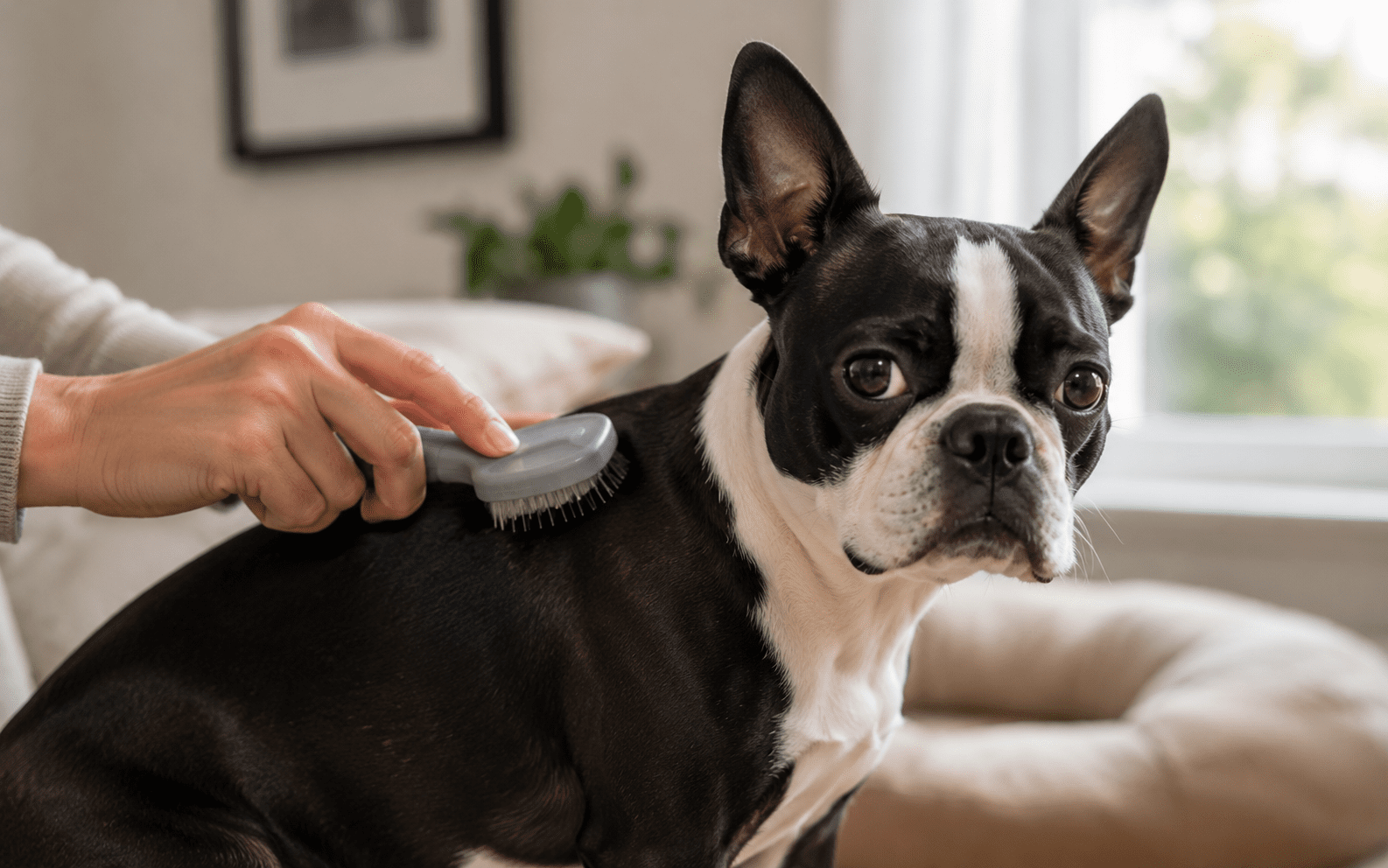
Short haired or single coated breeds shed less and rarely need professional grooming. Dogs with longer or double coats, by comparison, often require weekly brushing and seasonal trims to stay comfortable and clean.
Exercise and Energy Levels
Breeds with moderate energy needs are satisfied with a daily walk or two rather than hours of structured activity. High drive working breeds, on the other hand, can become bored and destructive without intense daily exercise.
Temperament and Independence
Calm, adaptable dogs tend to settle into a household routine with less hand holding. Breeds that are naturally independent also tolerate alone time better, which matters for owners who work outside the home.
Health and Lifespan Factors
Some low maintenance breeds also tend to have fewer breed specific health issues, which means fewer unexpected vet visits over the dog’s lifetime. This is not guaranteed for every dog, but it is a pattern worth researching before choosing a breed.
How Do You Know Which Low Maintenance Breed Is Best For You?
The right breed depends less on a general list and more on how a dog’s traits match your actual lifestyle. A few honest questions can narrow the choice considerably.
Consider these factors before deciding:
- Living space: Apartments favor smaller, quieter breeds with lower exercise needs.
- Work schedule: Long hours away from home call for a dog comfortable with solo time.
- Experience level: First time owners often do best with breeds known for easy trainability.
- Allergies and shedding tolerance: Some low maintenance breeds still shed, so check coat type carefully.
- Climate: Short coated breeds may need extra protection in cold weather.
If you are still narrowing down your options, our guide on choosing the right dog breed walks through these lifestyle factors in more detail and can help you match traits to your daily routine before you bring a dog home.
What Are Some Examples Of Low Maintenance Dog Breeds?
These six dogs are commonly recommended as the best low maintenance dog breeds for owners who want a calmer, simpler routine without sacrificing companionship.
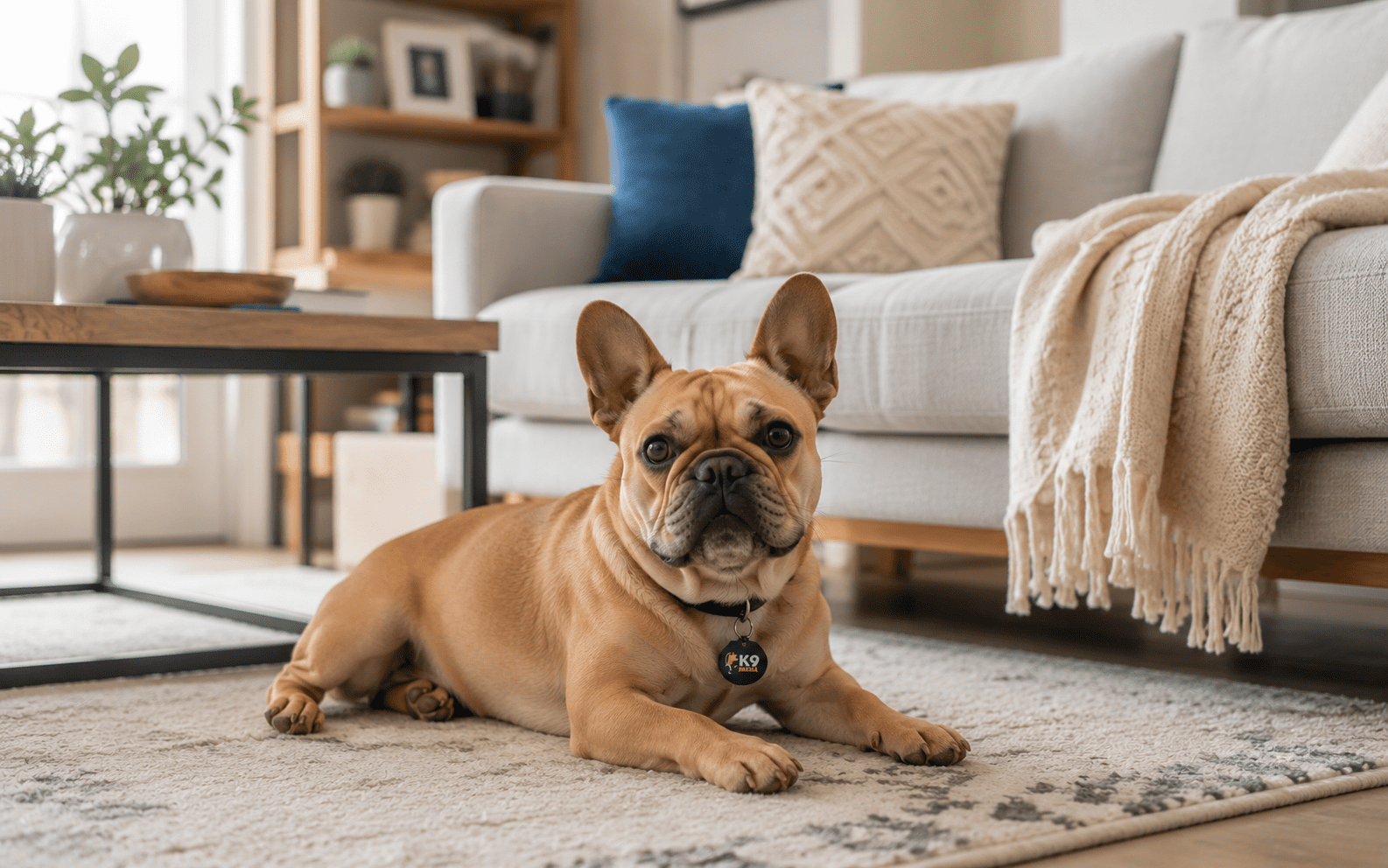
1. French Bulldog
This breed has a short coat, low exercise needs, and a famously laid back personality. French Bulldogs do well in apartments but need monitoring in hot weather due to their short snouts. A short daily walk and some indoor playtime are usually enough to keep them content.
Key traits: Affectionate, low energy, minimal grooming Care level: Low, with attention needed for heat sensitivity
2. Greyhound
Despite their racing background, Greyhounds are surprisingly low key at home. Short bursts of speed satisfy their exercise needs, followed by long stretches of relaxing on the couch. Many retired racers settle into a quiet home routine faster than expected.
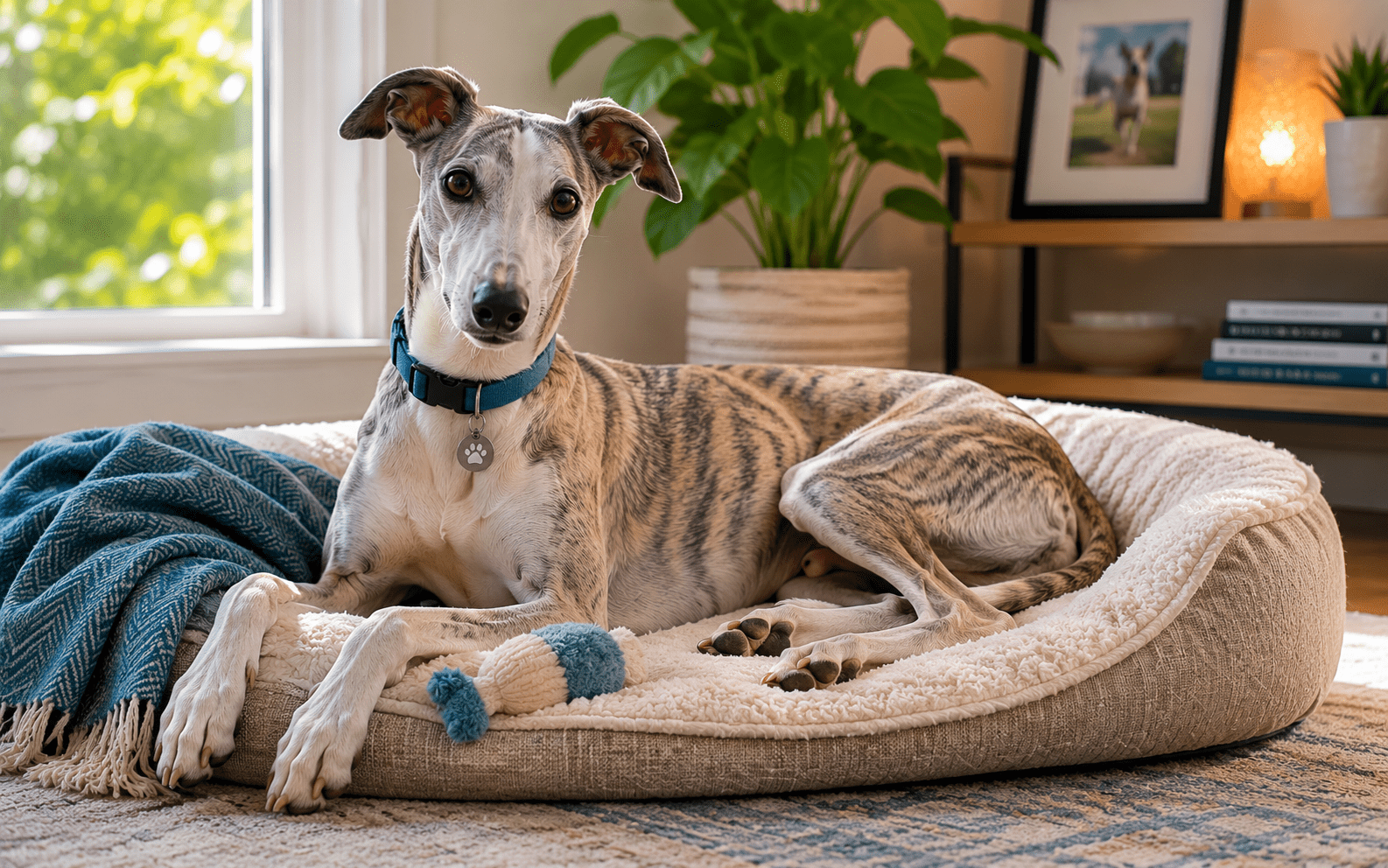
Key traits: Gentle, quiet, short coat Care level: Low, minimal grooming and moderate exercise
3. Boston Terrier
Boston Terriers are compact, easy to train, and require only basic grooming. Their friendly nature makes them a popular choice for first time owners and families alike. They generally get along well with children and other pets when socialized early.
Key traits: Friendly, trainable, low shedding Care level: Low, with regular but brief exercise
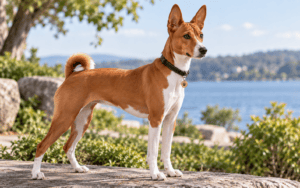
4. Basenji
Often called the barkless dog, Basenjis are clean, independent, and require little grooming. Their short coat and self grooming habits make upkeep simple. Their independent streak does mean they benefit from early, consistent training to prevent stubborn habits.
Key traits: Independent, clean, alert Care level: Low to moderate, due to independent streak
5. Chihuahua
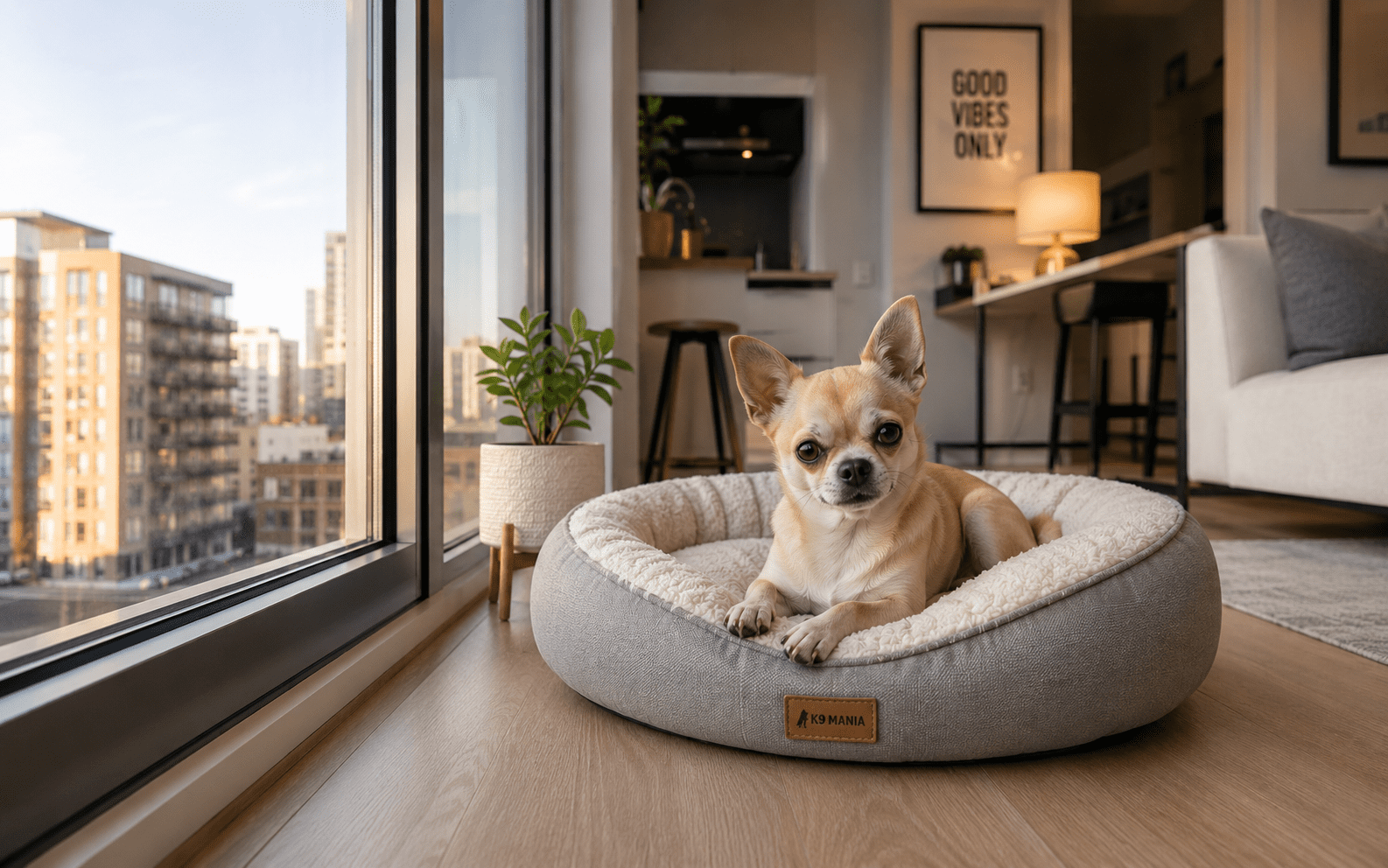
One of the smallest breeds, Chihuahuas need minimal exercise and adapt well to indoor living. Their short coat varieties require little brushing. They can be vocal and protective, so early socialization helps round out their personality.
Key traits: Loyal, small, low exercise needs Care level: Low, ideal for smaller living spaces
6. Whippet
Whippets share many traits with Greyhounds on a smaller scale. They are calm indoors, need only moderate exercise, and have a low maintenance short coat. A securely fenced yard or a few solid daily walks usually covers their activity needs.
Key traits: Calm, gentle, athletic in bursts Care level: Low, with brief daily exercise
Many owners researching first time dog ownership find these same traits overlap heavily with our guide on the best dogs for first time owners, since easy care and easy training often go hand in hand.
Low Maintenance Breed Comparison
| Breed | Grooming Needs | Exercise Needs | Trainability | Good For First Time Owners |
| French Bulldog | Low | Low | Moderate | Yes |
| Greyhound | Low | Moderate | Moderate-High | Yes |
| Boston Terrier | Low | Moderate | High | Yes |
| Basenji | Low | Moderate | Moderate | No |
| Chihuahua | Low | Low | Moderate | Yes |
| Whippet | Low | Moderate | Moderate-High | Yes |
Does A Low Maintenance Dog Still Need Training?
Yes, every dog benefits from training regardless of how easygoing the breed is naturally. Low energy and a calm temperament make training easier, but they do not replace it.
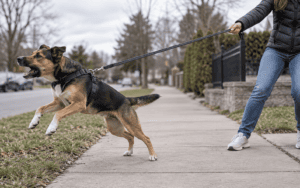
Without basic obedience, even the calmest breeds can develop habits like jumping, pulling on leash, or ignoring recall commands. Structure early on prevents these small issues from becoming long term problems.
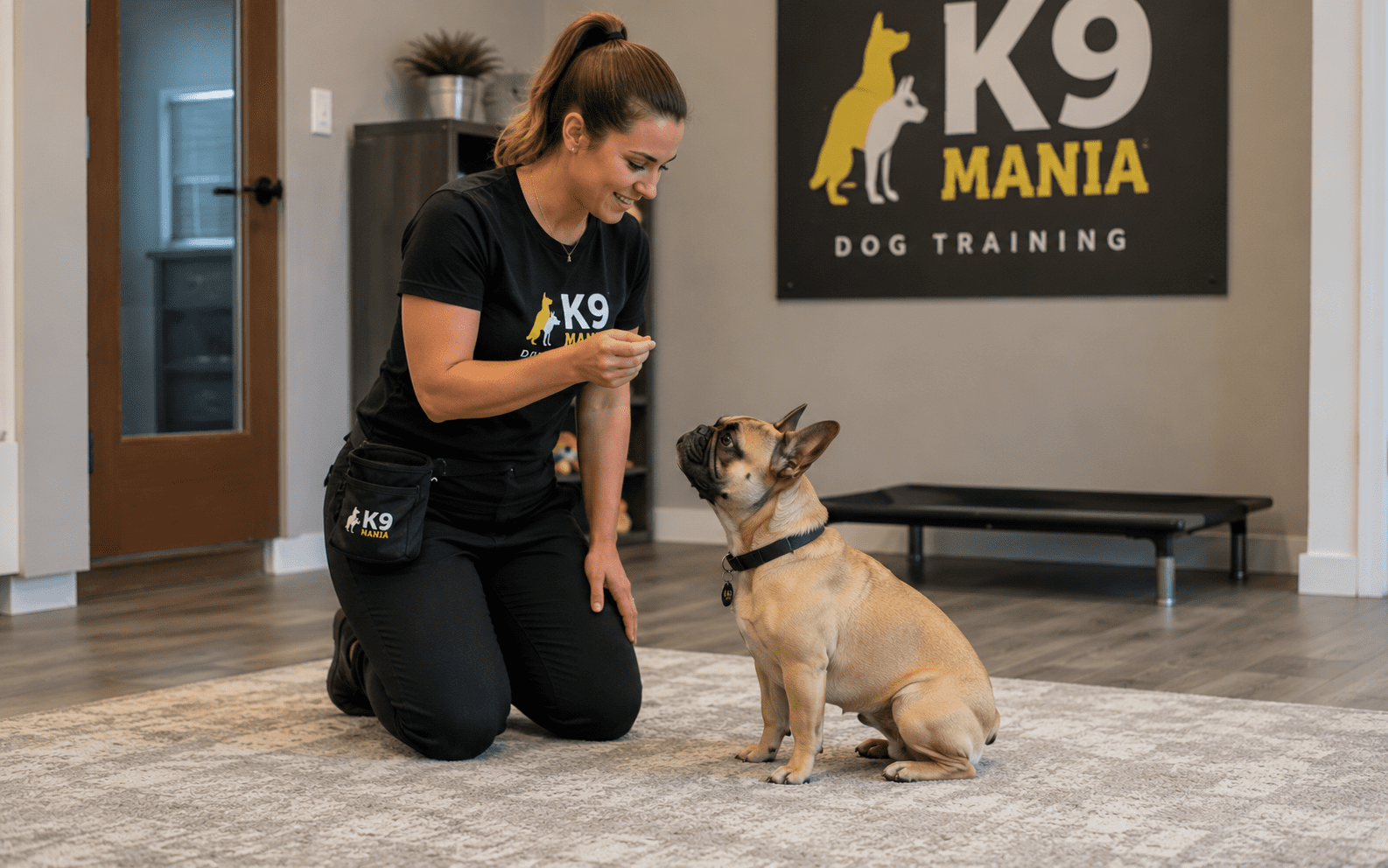
“Looking for guidance without sending your dog away? Our private dog training Long Island sessions build obedience and manners right in your own home, on your own schedule.”
Owners who travel frequently or have unpredictable schedules also lean on our in-home dog training Long Island option, which keeps training consistent even when life gets busy.
Low Maintenance Versus High Maintenance Traits At A Glance
| Category | Low Maintenance Traits | High Maintenance Traits |
| Coat and Grooming | Short, single coat, minimal shedding | Long or double coat, frequent brushing |
| Exercise Needs | Satisfied with daily walks | Requires intense daily activity |
| Training Needs | Responds well to basic obedience | Needs advanced structure and outlets |
| Health Considerations | Fewer breed specific health issues | Prone to more frequent vet visits |
What Mistakes Do Owners Make When Choosing A Low Maintenance Dog?
Many owners assume low maintenance means no effort at all, which leads to avoidable problems down the line. A breed reputation is a starting point, not a guarantee, and individual dogs still need guidance to live up to that reputation.
Common mistakes include:
- Skipping training because the breed seems naturally calm
- Underestimating exercise needs, even for moderate energy breeds
- Choosing based on appearance alone without researching temperament
- Ignoring grooming needs that still exist, even if minimal
- Assuming a small dog automatically means an easy dog
Avoiding these mistakes starts with realistic expectations and a willingness to invest in early training, even with a naturally easygoing breed. A few structured sessions early on often prevent months of frustration later.
Are Low Maintenance Dogs A Good Fit For Apartments?
Most low maintenance breeds adapt well to apartment living because of their smaller size and lower exercise needs. Quiet temperament also matters for shared walls and close neighbors, especially for breeds prone to barking.
If apartment living is part of your decision, our breakdown of the best dog breeds for apartments covers space requirements, noise levels, and exercise needs in more detail to help you choose confidently. Pairing the right breed with early crate training and consistent routines makes apartment life smoother for both of you.
Your Partner In Raising A Well Adjusted, Easygoing Dog
Whether you already have one of the best low maintenance dog breeds at home or you are still deciding, training is what turns a calm temperament into a genuinely well behaved companion. A relaxed personality makes the process easier, but it does not replace structure, socialization, and consistency.
At K9 Mania Dog Training, we are Long Island’s leading board and train program, backed by a certified animal behaviorist who understands how breed traits and individual personality work together. Whatever behavior issues come up, big or small, you can trust our team to help. Choose K9 Mania and give your dog the foundation it needs to thrive.
You May Also Want To Read
Best Dogs For First Time Owners
Best Dog Breeds For Apartments
Choosing The Right Dog Breed For Your Lifestyle
Frequently Asked Questions
What Makes A Dog Low Maintenance?
A low maintenance dog typically has a short or easy care coat, moderate to low exercise needs, and a calm, adaptable temperament. These traits combine to reduce daily grooming, exercise, and management compared to higher energy or higher upkeep breeds.
What Is The Easiest Dog To Take Care Of?
Breeds like the French Bulldog, Chihuahua, and Boston Terrier are often considered among the easiest to care for due to their short coats, manageable exercise needs, and trainable nature. The right fit still depends on your specific living situation and schedule.
What Dog Breed Is The Least Maintenance?
The French Bulldog and Chihuahua are frequently named among the least maintenance breeds because of their minimal grooming needs and lower exercise requirements. Both adapt well to indoor living and smaller spaces.
What Is The Best Dog For Lazy Owners?
Breeds with low exercise needs and calm indoor behavior, such as the French Bulldog or Basenji, tend to suit less active owners best. Even so, every dog needs some daily movement and mental engagement to stay healthy.
What Is The Least Behaved Dog Breed?
Behavior issues are usually tied to inconsistent training and insufficient outlets rather than breed alone, though high energy or independent breeds like the Siberian Husky or Jack Russell Terrier are commonly reported as harder to manage without structured training.
Which Low Maintenance Dog Breed Fits Your Life Best?
The best fit depends on your living space, activity level, and experience as an owner. Apartment dwellers may lean toward a Chihuahua or French Bulldog, while owners with more space might prefer a Greyhound or Whippet for their calm, easygoing nature.