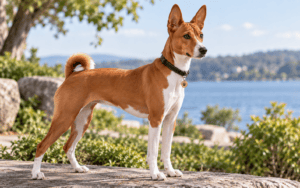

The best dog breeds for running are athletic, energetic dogs with strong cardiovascular endurance, healthy joint structure, and a natural drive to move alongside their human. Breeds like the Vizsla, Weimaraner, Border Collie, and Siberian Husky consistently top the list because they were built, both physically and temperamentally, for sustained effort over distance.
Whether you log 3 miles before work or train for half-marathons on weekends, the right canine companion can make every run feel less like a solo grind and more like a shared mission. But choosing the right breed involves more than picking the fastest or most energetic dog you can find. Stamina, temperament, coat type, joint health, and trainability all factor into how well a dog will actually perform as your running partner.
Why Breed Matters More Than You Think When Running With a Dog
Not every dog is cut out to run alongside you at a steady pace for 45 minutes. Brachycephalic (flat-faced) breeds like Bulldogs and Pugs struggle to breathe efficiently at elevated heart rates, which makes sustained running genuinely dangerous for them. On the other end of the spectrum, giant breeds like Saint Bernards carry too much body weight relative to their joint structure for regular long-distance runs.
The dogs that thrive as running partners share a few key traits:
- Deep chest and efficient lung capacity for oxygen intake
- Lean, muscular build without excess weight on the joints
- High aerobic threshold that lets them sustain a pace without overheating
- Mental drive to stay focused and engaged rather than distracted mid-run
- Coat suited to your climate, since thick double coats can overheat in Southern summers
If you want to understand the actual speed potential of your chosen breed, how fast can a dog run breaks down the numbers by breed type, which is useful when calibrating your expected pace and distance goals.
The Top Breeds That Truly Excel as Running Partners
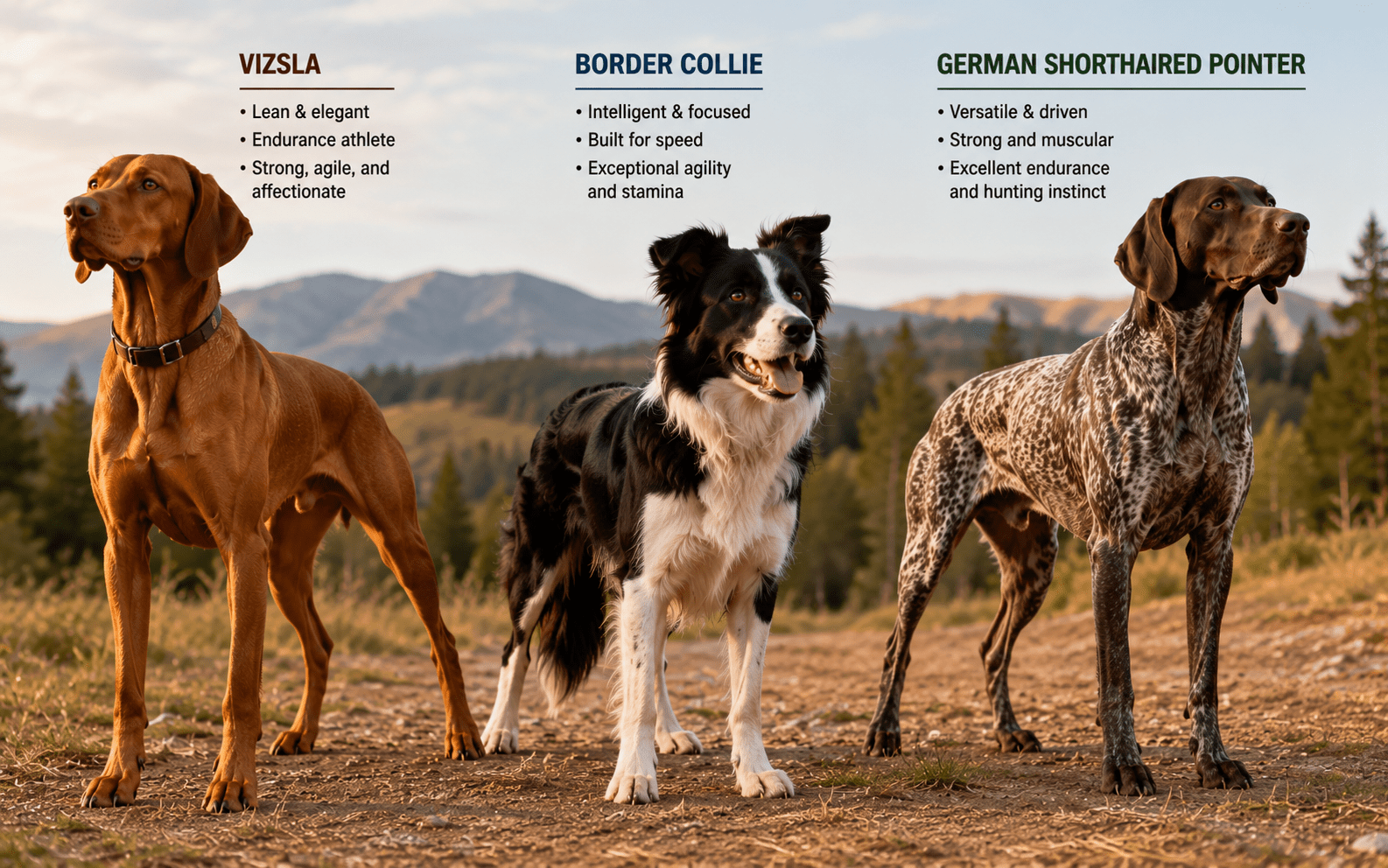
Vizsla
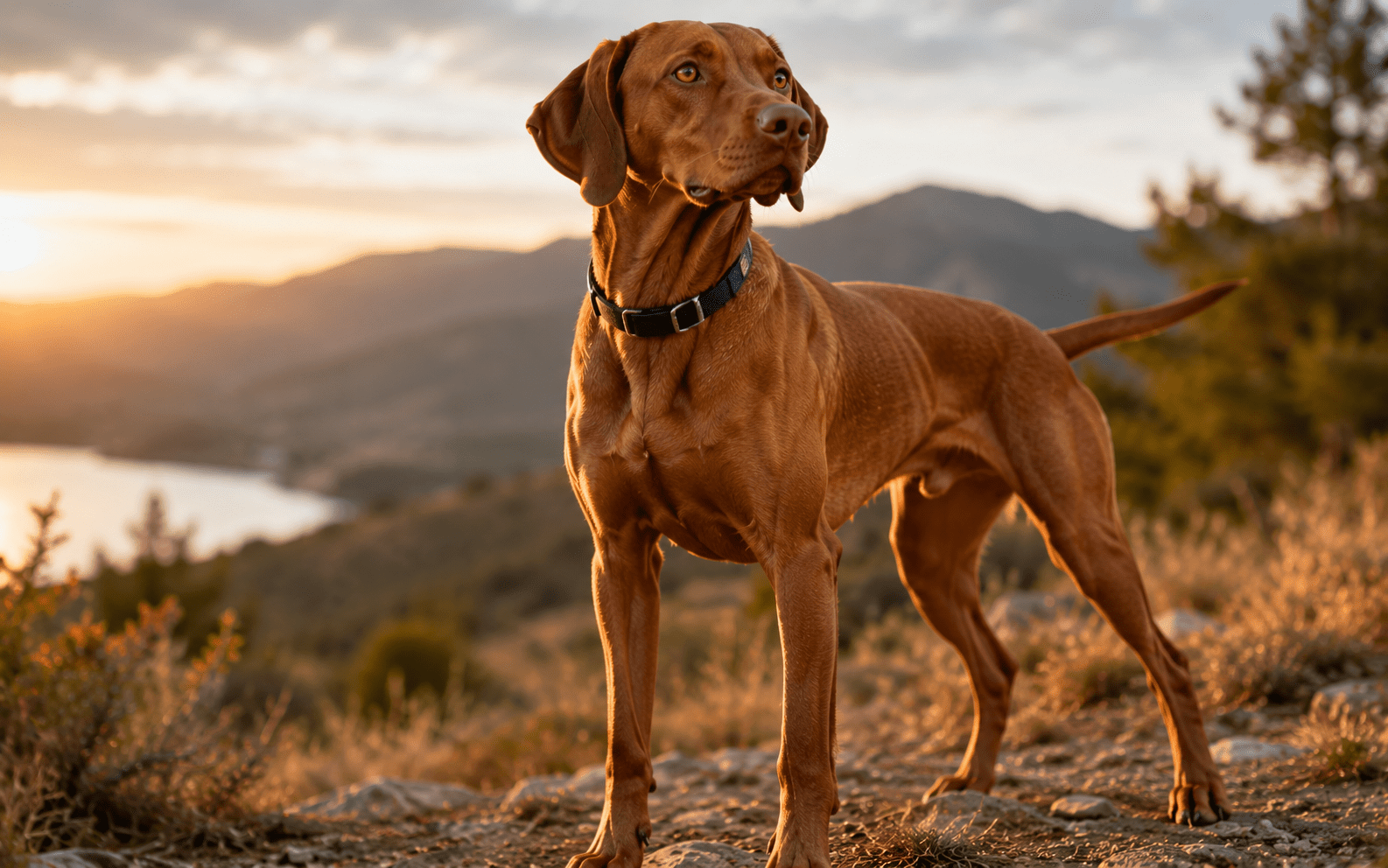
The Vizsla is arguably the most purpose-built running dog for the average recreational runner. Originally bred in Hungary as a hunting dog, the Vizsla combines a lean frame, high endurance, and an almost obsessive desire to stay close to its owner. They are comfortable running 8 to 10 miles regularly once properly conditioned and do especially well in moderate climates.
Their short, rust-colored coat provides minimal insulation, which means they handle warmer runs reasonably well but need a jacket in freezing temperatures. Vizslas are also highly trainable, which matters more than most new dog runners realize.
Weimaraner
The Weimaraner brings similar energy and endurance to the Vizsla but with a slightly larger frame. These dogs were bred for long days in the field hunting large game, which translates directly into the cardiovascular base needed for distance running. They thrive on high-output exercise and can become destructive if that energy isn’t channeled productively.
Weimaraners respond well to structure and consistent training routines, making them excellent candidates for runners who want a disciplined partner rather than a dog that pulls and zigzags.
Border Collie
The Border Collie brings elite athleticism and extraordinary intelligence to the trail. They are not the heaviest runners in terms of bulk, but their combination of speed, agility, and stamina makes them exceptional for runners who vary their routes or do trail work with technical footing changes.
The mental engagement of running actually benefits Border Collies by giving their busy minds a focused task. Pairing physical runs with structured training keeps them balanced. Looking into the most trainable dog breeds reinforces why Border Collies consistently appear at the top of that list, alongside Vizslas and German Shepherds.
Siberian Husky
If you run in cold weather or live somewhere like Minnesota or Vermont, the Siberian Husky is an exceptional running partner. Built for endurance in sub-zero conditions, Huskies can cover extraordinary distances at a steady pace. They were literally bred to run hundreds of miles across frozen terrain.
The trade-off is that Huskies are not ideal running partners in summer heat. They require careful monitoring in temperatures above 60°F, and they carry an independent streak that benefits from strong recall training before you take them off-leash on the trail.
German Shorthaired Pointer
The German Shorthaired Pointer (GSP) is one of the most versatile athletic breeds on this list. They handle a wide range of distances, adapt to trail and road running equally well, and have the joint durability to sustain a running routine for years. GSPs are also social and people-oriented, which means they naturally want to stay alongside you rather than range far ahead.
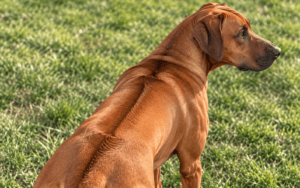
Rhodesian Ridgeback
For runners who prefer longer, slower distances in warm climates, the Rhodesian Ridgeback is worth serious consideration. Originally bred in Africa to track lions (yes, really), these dogs have an extraordinary ability to regulate their body temperature during sustained effort. They tend to run at a longer, loping stride that pairs well with marathon-pace training.
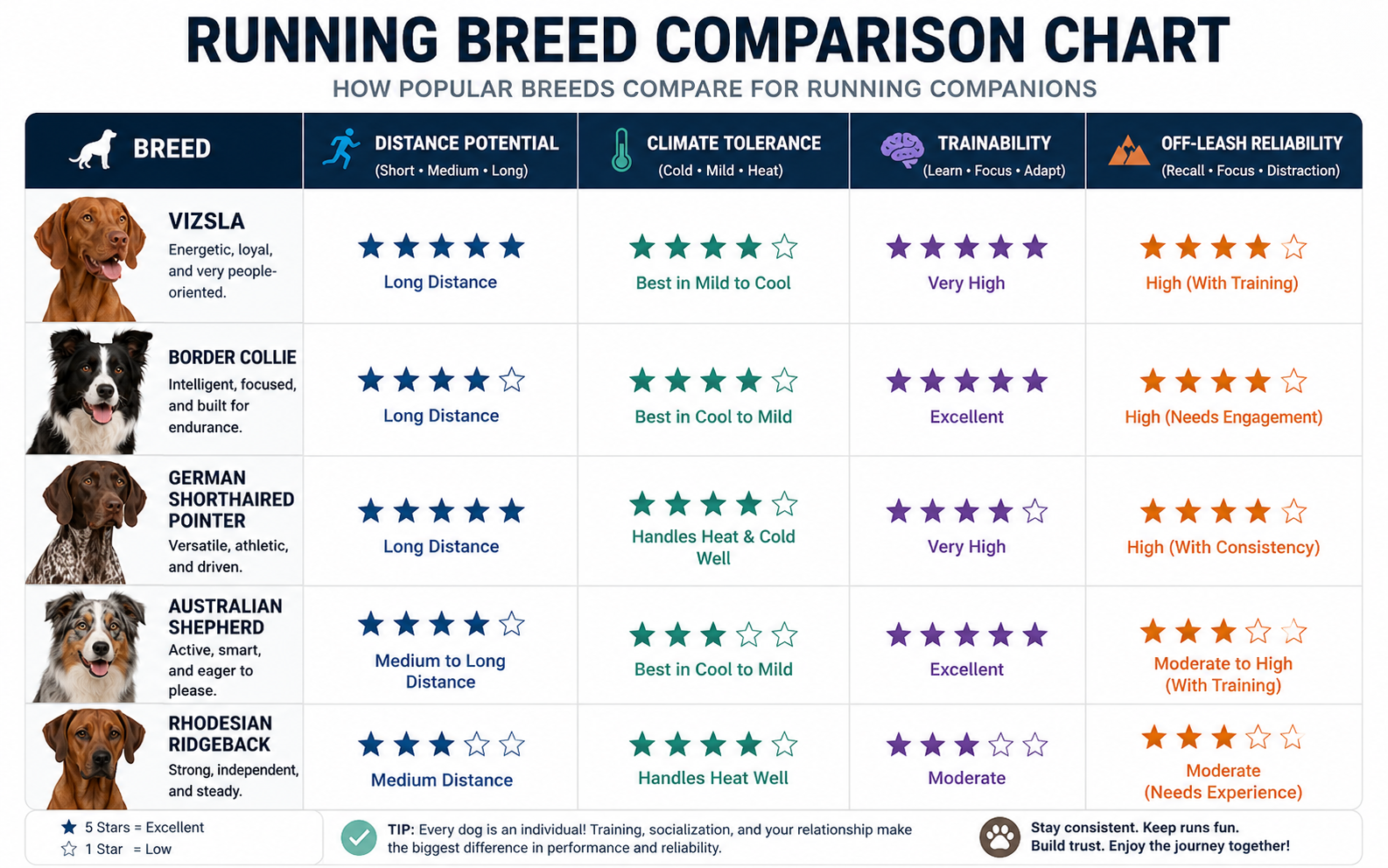
Breed Comparison: Running Characteristics at a Glance
| Breed | Best Distance | Climate Tolerance | Trainability | Off-Leash Reliability |
| Vizsla | 5-12 miles | Moderate | Very High | High |
| Weimaraner | 5-10 miles | Moderate | High | Moderate |
| Border Collie | 4-10 miles | Cool to Moderate | Extremely High | Moderate |
| Siberian Husky | 6-20 miles | Cold | Moderate | Low |
| German Shorthaired Pointer | 5-12 miles | Moderate to Warm | High | High |
| Rhodesian Ridgeback | 6-15 miles | Warm to Hot | Moderate | Moderate |
Breeds to Avoid as Running Partners (and Why)
This is just as important as knowing which breeds work well. Placing a physically unsuited dog into a regular running routine can cause joint damage, breathing distress, or chronic exhaustion.
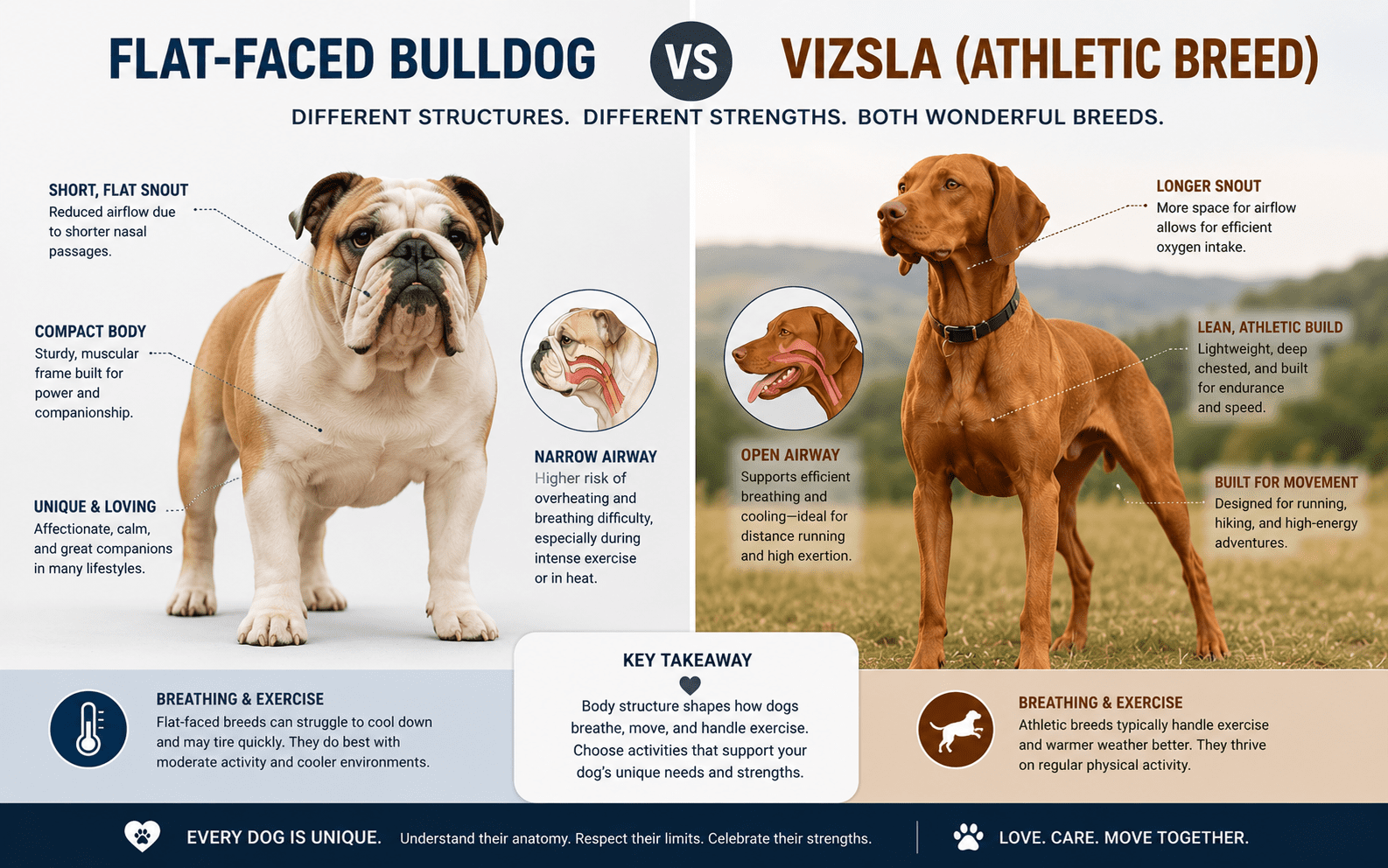
Avoid for regular distance running:
- Bulldogs, Pugs, Boston Terriers, Shih Tzus — brachycephalic anatomy limits oxygen intake at pace
- Basset Hounds, Dachshunds — low, elongated body structure with joints not designed for repetitive impact
- Saint Bernards, Mastiffs, Great Danes — body mass creates excessive joint load during sustained running
- Chow Chows — thick double coat and moderate exercise tolerance make heat regulation difficult
Training Your Dog to Be a Safe Running Partner
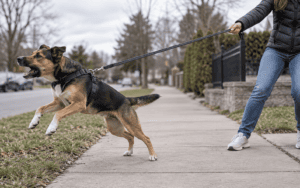
Choosing the right breed is only step one. Even the most physically capable dog needs proper conditioning and training before you take them on a serious run. A dog that pulls constantly, stops to investigate every smell, or bolts toward other dogs is not a running partner, it’s a liability.
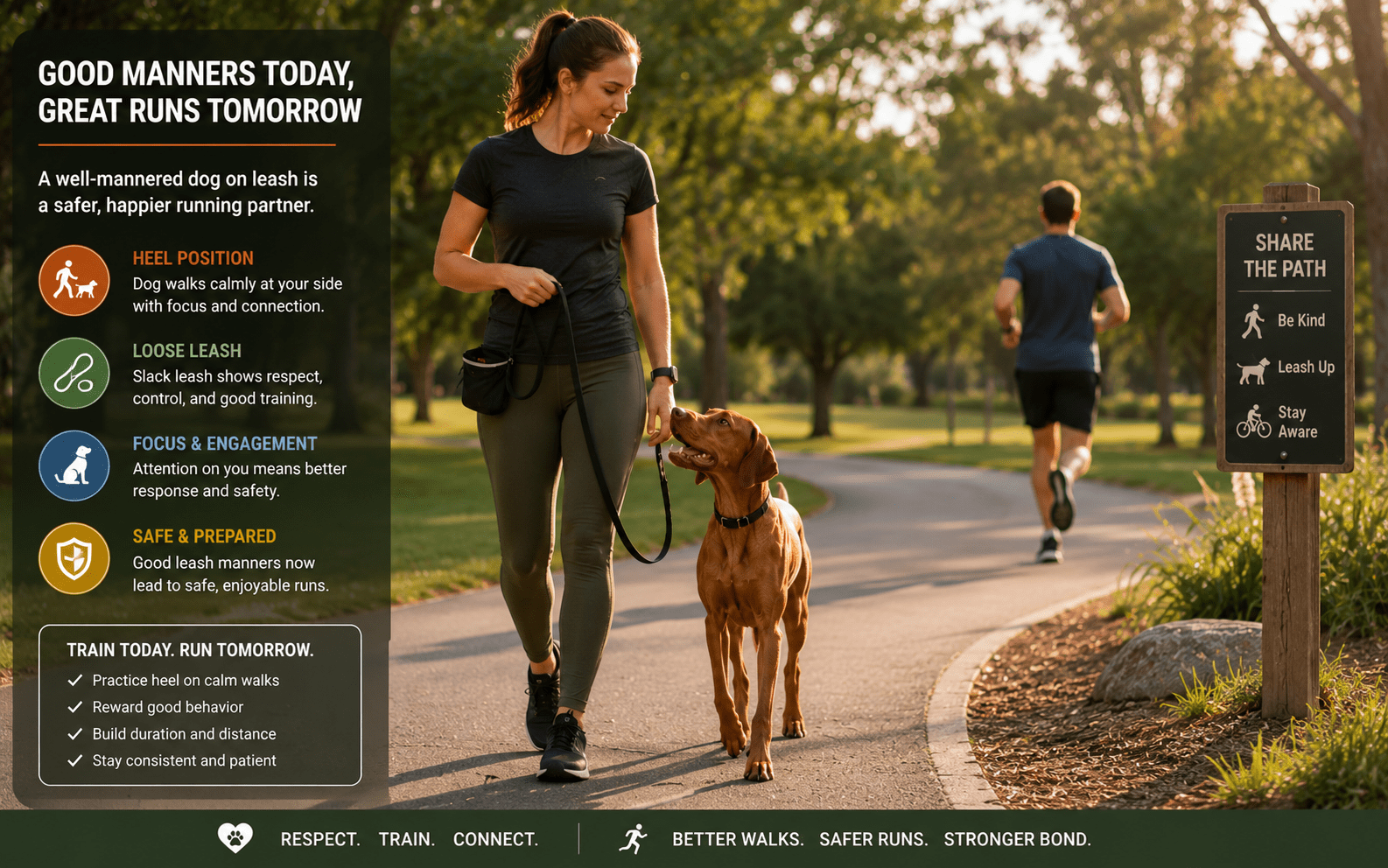
Before starting any running program, your dog needs solid leash manners and basic obedience dog training fundamentals. Commands like “heel,” “leave it,” and “easy” are not optional when you’re moving at a 9-minute pace and approaching a busy intersection.
The resource on how to train your dog to run with you covers the actual conditioning process in detail, including how to build mileage gradually to protect growing joints (puppies under 18 months should not be running significant distances), how to read fatigue signals, and how to teach your dog to match your pace rather than setting their own.
One major mistake new running dog owners make is starting too fast, too soon. The same principle that applies to human runners applies to dogs: a couch-to-5K progression protects tendons, paws, and joints from overuse injury.
Getting Professional Help If Your Dog Struggles on Runs
Some dogs have the physical capability but lack the behavioral consistency to run safely in public. If your dog reacts to other dogs, pulls aggressively, or shuts down in high-distraction environments, professional training can close that gap faster than months of solo attempts.
For Long Island residents, several formats of professional training are available depending on your schedule and your dog’s needs. Board and train long island programs offer intensive training immersions where your dog stays with a trainer and gets rapid skill development. For owners who want to be actively involved in every lesson, in home dog training long island brings the trainer directly into your environment, which is especially useful for working on leash skills in your actual neighborhood. If you prefer a more targeted approach, private dog training long island sessions let you focus on the exact behaviors that are blocking a safe running routine.
Professional trainers can also help you identify whether your dog’s resistance to running is behavioral or whether it signals a physical issue that warrants a vet consultation.
Ready to Build Your Running Routine With Your Dog?
Before your next run, start with one simple step: check your dog’s leash manners during a regular walk. If your dog pulls, lunges, or loses focus within the first 100 yards, those issues can become harder to control once you start running. At K9 Mania Dog Training, we help Long Island dog owners build safer, calmer, and more reliable dogs through expert training. As the leading board and train long island provider with the best animal behaviorist for dogs, we can help with leash pulling, reactivity, anxiety, aggression, and any behavior issue holding your dog back. Trust K9 Mania Dog Training.
You May Also Want to Read
How to Calm a Reactive Dog: What Actually Works
How to Stop Dogs From Fighting
Frequently Asked Questions
At what age can a dog start running with me regularly?
Most dogs should not begin regular distance running until they are at least 18 months old, when their growth plates have fully closed.
This applies especially to large and giant breeds, whose skeletal development takes longer than small breeds. Short jogs under a mile are generally fine earlier, but structured distance work should wait until a vet clears your dog physically.
How far can a healthy running dog go in one session?
A well-conditioned athletic breed like a Vizsla or GSP can comfortably run 8 to 12 miles once properly trained, though most recreational runners will cap sessions at 5 to 7 miles.
Start much shorter than you think necessary and add no more than 10% distance per week, just as human running programs recommend. Watch your dog for signs of fatigue and soreness the day after runs.
Can mixed-breed dogs be good running partners?
Absolutely, as long as the mix includes athletic, endurance-oriented breeds and the dog does not carry brachycephalic traits.
A Lab-pointer mix or husky-shepherd blend can be an outstanding running companion. Physical assessment by a vet and a slow conditioning buildup apply to mixed breeds just as they do to purebreds.
What is the best harness or gear for running with a dog?
A front-clip or dual-clip no-pull harness paired with a hands-free running leash gives you the most control and comfort during a run.
Hands-free bungee leashes that clip around your waist absorb sudden lunges without jerking your arm or shoulder. Avoid retractable leashes entirely during road running since they offer no consistent control at speed.
Should I feed my dog before or after a run?
Feed your dog after a run, not before, to reduce the risk of bloat (gastric dilatation-volvulus), which is a serious and potentially fatal condition in deep-chested breeds.
Wait at least 30 minutes after returning home before offering a full meal. A small drink of water is fine during or after a run, but large water intake immediately after hard exercise should be moderated.
The Bottom Line on Best Dog Breeds for Running
The best dog breeds for running share a combination of physical build, endurance capacity, and mental temperament that allows them to sustain effort alongside a human runner without distress. Vizslas, Weimaraners, GSPs, and Border Collies lead the list, but the right breed for you also depends on your climate, your weekly mileage, and your lifestyle outside of running.
The physical potential of your dog is only part of the equation. Invest time in proper conditioning, build their mileage gradually, and address any behavioral gaps with professional training before they become trail hazards. A well-trained, physically conditioned running partner is one of the most rewarding investments a runner can make, and the right dog will show up for every mile.