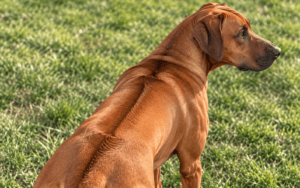
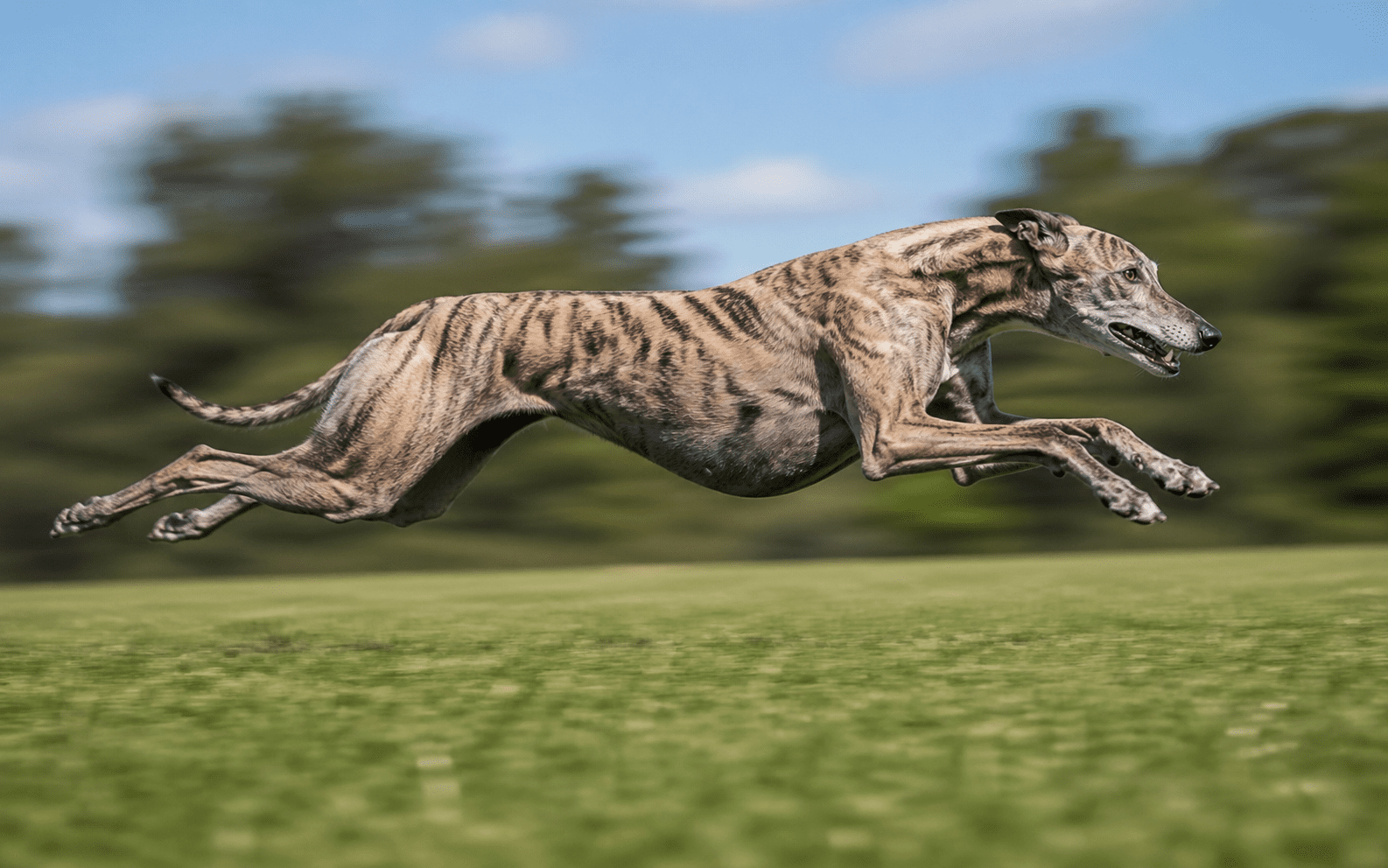
Most dogs run between 15 and 20 mph, and breeds like the Greyhound can reach up to 45 mph at full sprint. How fast can a dog run depends on factors like breed, body structure, age, and physical condition.
Whether you’re watching your dog tear across the yard or thinking about adding them to your running routine, understanding dog speed helps you plan better exercise, spot energy patterns, and keep your dog safe. Keep reading for a full breakdown of dog speeds, the breeds that top the charts, and what it all means for dog training.
Things to Know About Dog Speed
Before we get into the details, here are a few quick facts worth keeping in mind:
- The average pet dog runs between 15 and 20 mph
- Greyhounds are the fastest dog breed on record, reaching up to 45 mph
- Size doesn’t always predict speed — some small breeds are surprisingly quick
- A dog’s peak speed usually falls between ages 2 and 5
- Dogs can’t sustain top speed for long; most bursts last 20 to 30 seconds
- Hot pavement and warm weather significantly slow a dog down
- Overweight or undertrained dogs run well below their breed’s natural potential
📌 If your dog hits top speed in random bursts around the house or yard, there’s a reason behind it. Check out why dogs get the zoomies to understand what’s actually going on.
Why Dog Speed Matters More Than You Think
Dog speed isn’t just a fun fact to drop at the park. It has real, practical value for every dog owner.
A dog that bolts off-leash without a solid recall is a safety risk. Knowing how fast your dog can move tells you how quickly they can cover ground and disappear from sight. It also helps you figure out the right type and amount of exercise your specific dog actually needs.
Speed connects directly to behavior, too. Dogs that don’t burn enough physical energy often develop habits like chewing, excessive barking, or restless pacing. Understanding your dog’s physical potential helps you design an exercise routine that genuinely meets their daily needs.
If you’re not sure how to build that kind of routine, in home dog training Long Island can help you create a structure that works for both you and your dog in your own environment.
How Fast Does the Average Dog Run?
The average dog in good health runs between 15 and 20 mph. That’s fast enough to outrun most humans but slower than what you’d expect from working or sporting breeds built for speed.
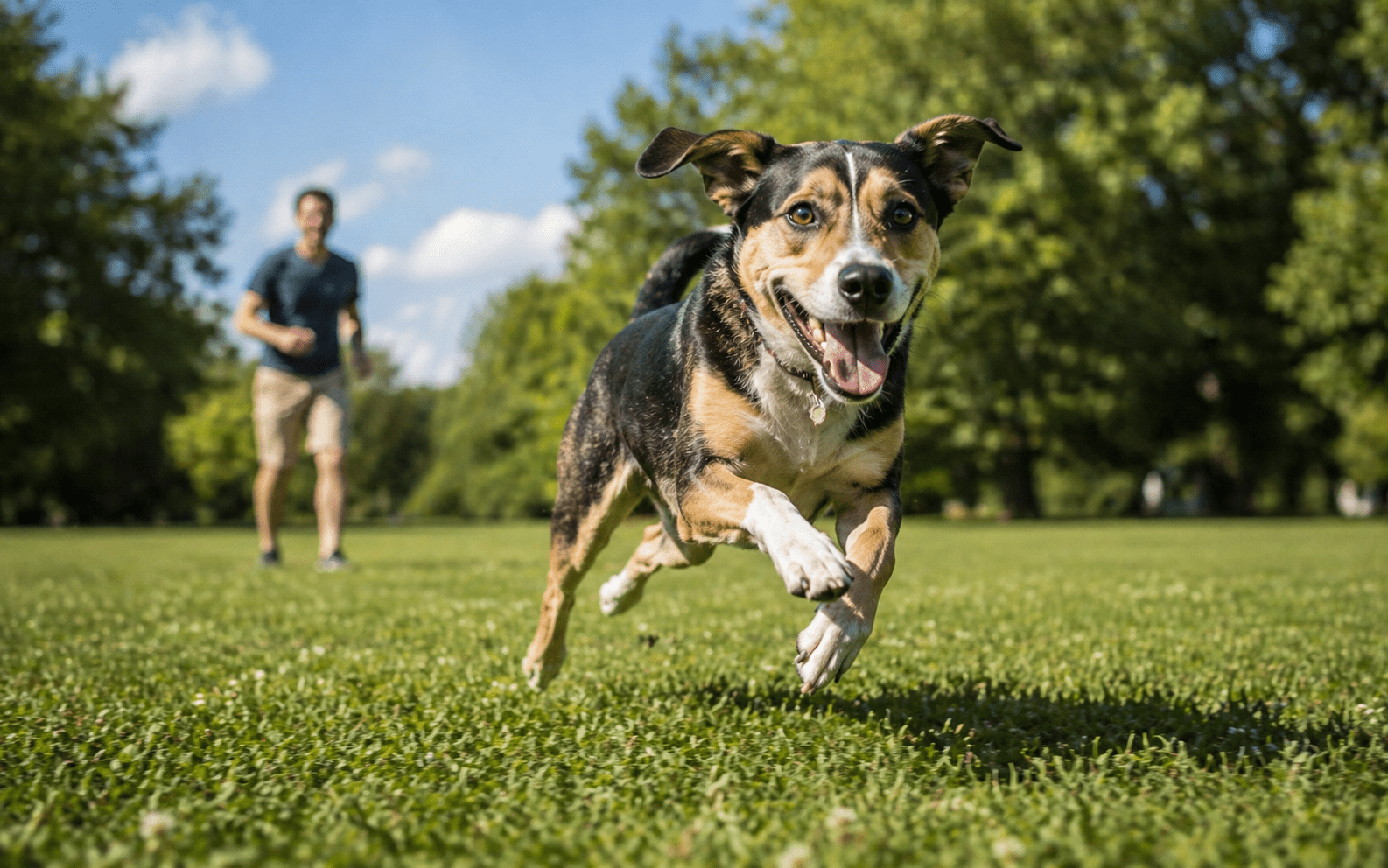
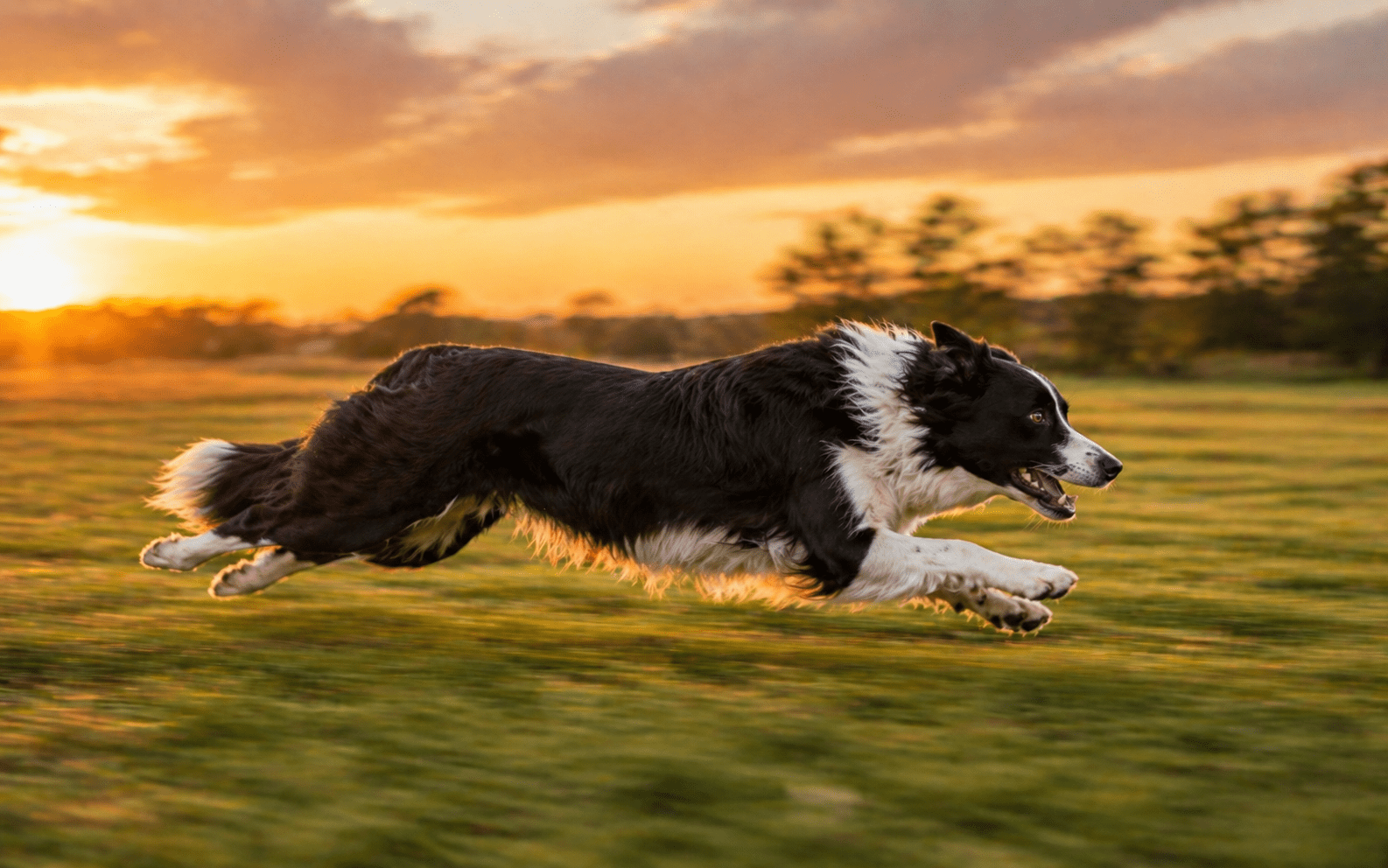
Breed plays the biggest role in where a dog lands on that scale. A Chihuahua tops out around 8 mph, while a lean Whippet can hit 35 mph without much effort. Medium-sized mixed breeds typically fall somewhere in the 15 to 20 mph range.
Here’s how some common breeds compare at their natural top speeds:
| Dog Breed | Top Speed (mph) | Built For |
| Greyhound | 45 mph | Racing and agility |
| Saluki | 42 mph | Long-distance running |
| Whippet | 35 mph | Short-distance sprinting |
| Border Collie | 30 mph | Herding and quick direction changes |
| German Shepherd | 30 mph | Protection and police work |
| Beagle | 20 mph | Scent tracking |
| Labrador Retriever | 12 mph | Family companionship |
| Chihuahua | 8 mph | Companion breed |
These numbers represent healthy adult dogs in good condition. Age, weight, and fitness all shift that number up or down in real life.
What Affects How Fast a Dog Can Run
Several factors influence your dog’s top speed, and knowing them helps you set realistic expectations while keeping your dog healthy during exercise.
Breed and Body Shape
Breed is the single biggest predictor of speed. Lean, deep-chested dogs like Greyhounds and Salukis are physically engineered for fast movement. Their long legs, flexible spines, and light frames allow them to cover distance with remarkable efficiency.
Stockier builds like Bulldogs or Basset Hounds prioritize strength and scent work over speed. That doesn’t make them less capable; they’re just built for a completely different purpose.
Age and Physical Condition
Most dogs reach their physical peak between ages 2 and 5. Puppies under one year shouldn’t run at high intensity because their bones and joints are still developing. Senior dogs naturally slow down after age 7 as muscle mass and joint health begin to decline.
A well-conditioned dog will consistently outperform a sedentary dog of the same breed. Regular movement, a healthy body weight, and good nutrition all directly contribute to a faster, stronger dog at any age.
Temperature and Ground Surface
Dogs don’t cool down the way humans do. They release heat primarily through panting, which means they overheat much faster during intense exercise in warm conditions. Running on asphalt in summer is especially risky because hot pavement can burn paw pads and spike body temperature quickly.
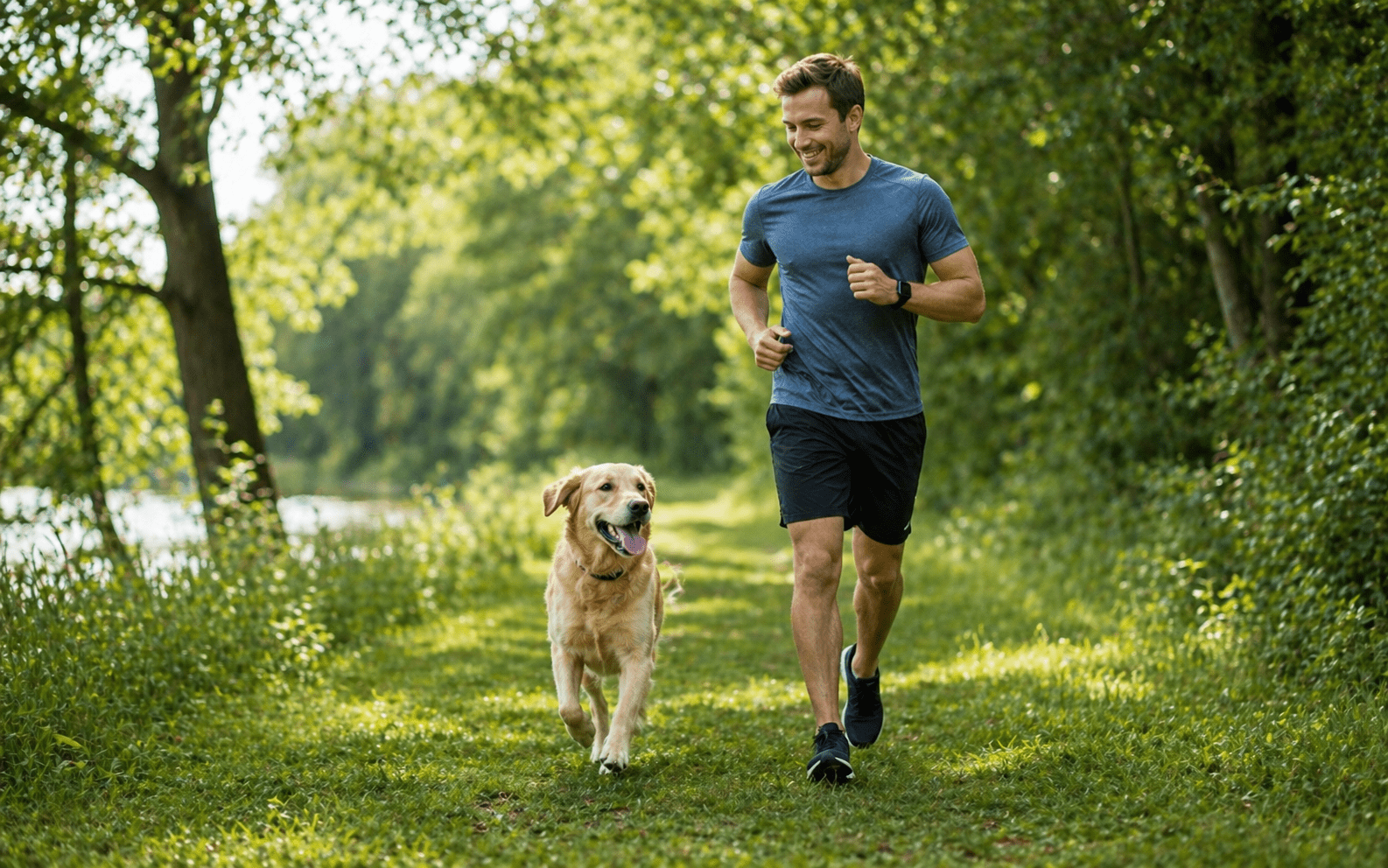
Cooler temperatures and softer surfaces like grass or packed dirt give dogs better traction and comfort, which lets them run closer to their natural potential.
📌 If you want your dog to actually enjoy running with you rather than dragging behind or pulling ahead, read our guide on how to train your dog to run with you before you head out together.
Dog Speed vs. Human Speed
It’s a fair question: can your dog outrun you? Almost certainly, yes.
Even average-sized dogs in typical household condition run faster than a typical human jogging pace. Elite human sprinters reach around 27 to 28 mph, which only the fastest dog breeds can match or exceed. For the average person on a run, their dog is almost certainly holding back.
| Runner | Casual Speed (mph) | Top Speed (mph) |
| Average Human (jogging) | 5–6 mph | 12–15 mph |
| Elite Human Sprinter | 20–22 mph | 27–28 mph |
| Average Pet Dog | 15–20 mph | 25–30 mph |
| Greyhound | 35–40 mph | 45 mph |
| Saluki | 30–35 mph | 42 mph |
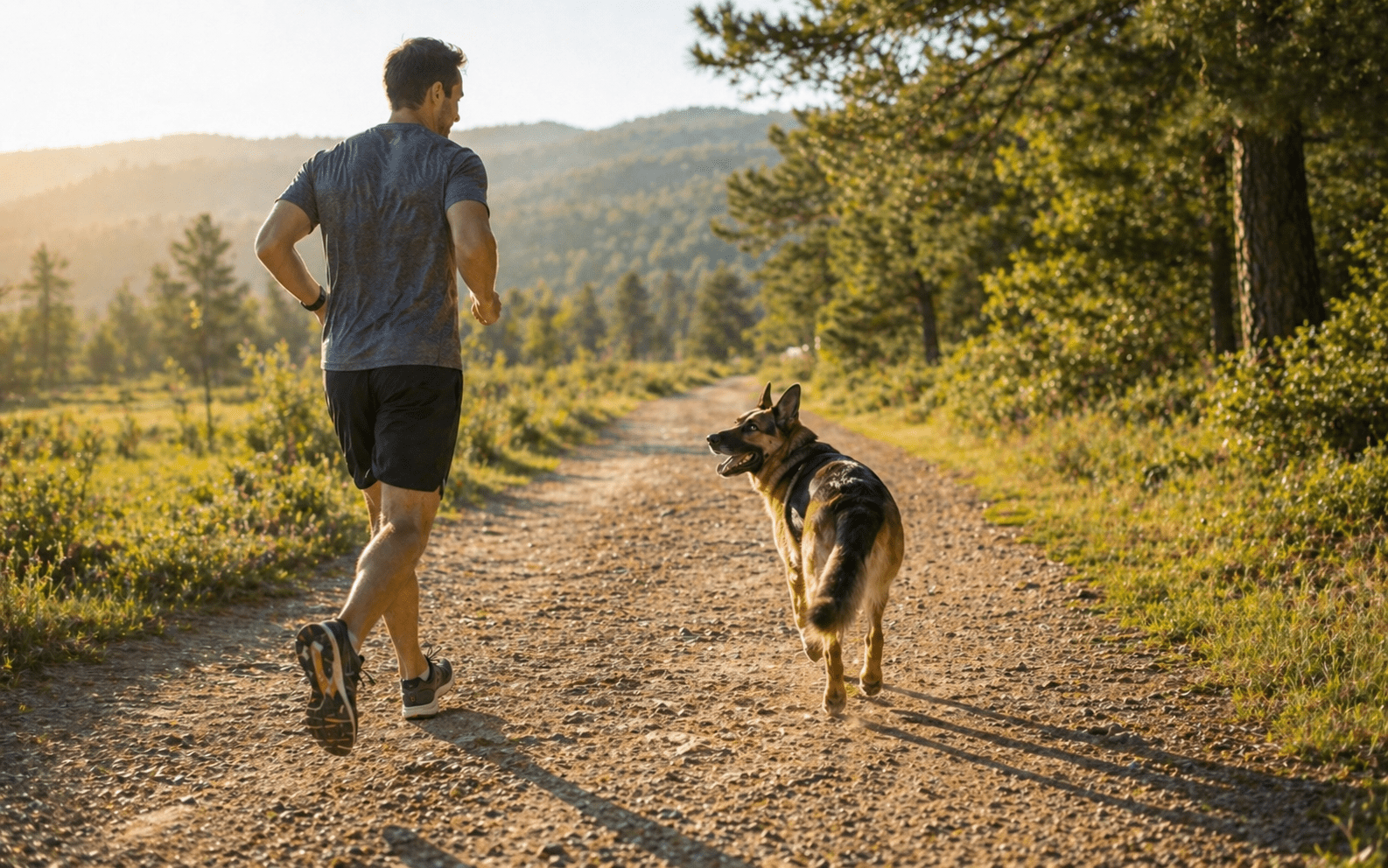
This comparison matters if you plan to run with your dog. Most dogs settle into a pace that matches their owner rather than running flat out. That’s actually a sign of a well-adjusted dog, not a slow one.
How Speed Connects to Training and Behavior
A dog’s natural speed tells you something important about their energy level and what kind of daily stimulation they actually need. High-speed breeds like Border Collies, German Shepherds, and Belgian Malinois need real physical outlets for that built-in drive. Without them, boredom sets in fast.
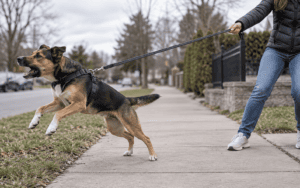
Dogs with pent-up physical energy often develop problem behaviors: jumping, door bolting, pulling on the leash, or ignoring commands entirely. These aren’t personality flaws. They’re signals that the dog’s exercise needs aren’t being met.
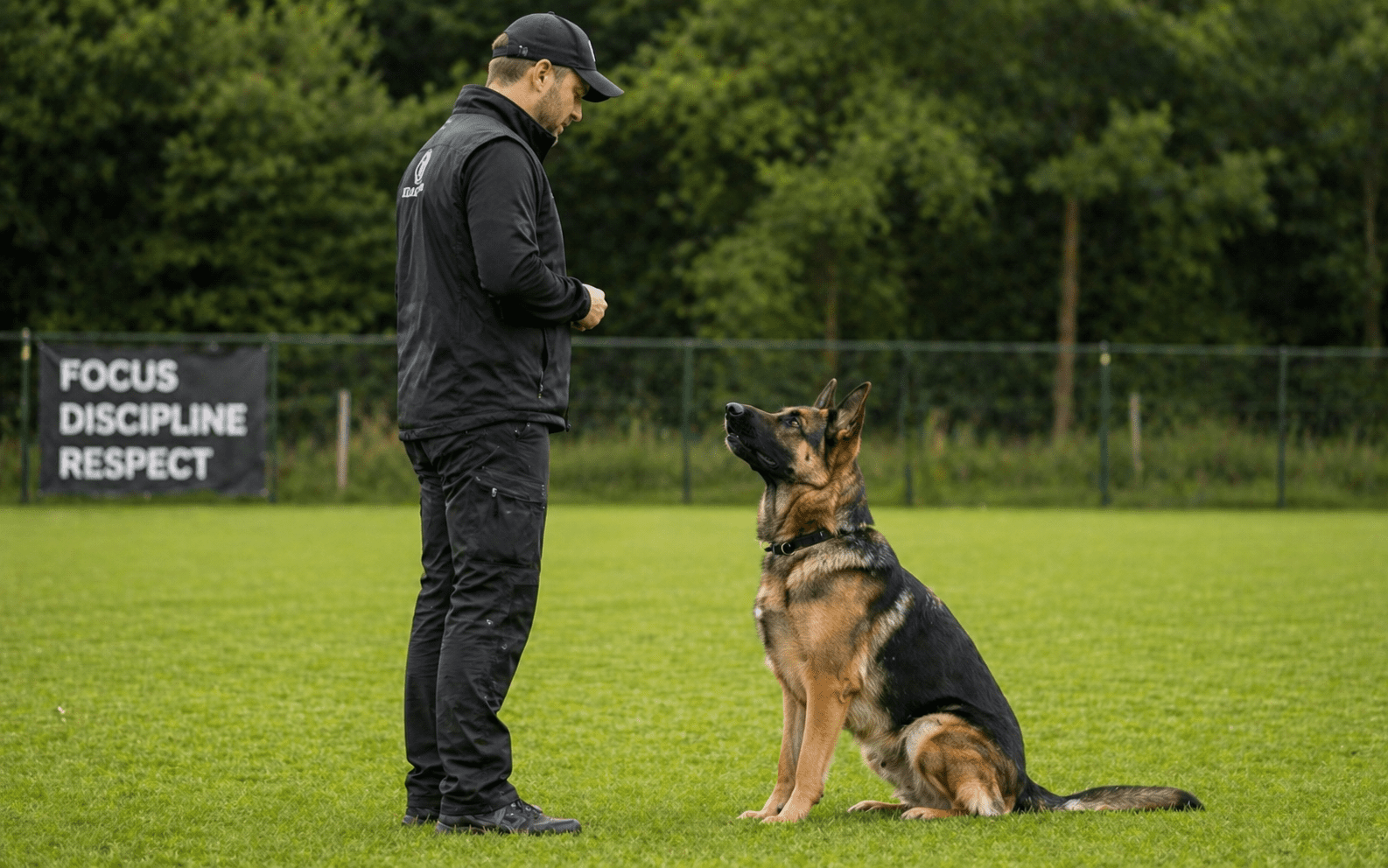
Speed-related behaviors like darting through open doors or chasing anything that moves often come down to impulse control, not speed itself. Private dog training Long Island is a strong option if your dog struggles with staying focused or has a habit of taking off the moment they get a gap.
Practical Tips for Running With Your Dog Safely
If you want your dog as a running partner, a gradual buildup is the smartest and safest path. Here’s what works:
- Start with 10 to 15 minute outings at an easy pace before introducing any running intervals
- Run during cooler parts of the day, early morning or after sunset in warmer months
- Bring water for your dog on any run that goes past 20 minutes
- Watch for signs of fatigue: slowing pace, heavy panting, or stopping and sitting down
- Avoid hard pavement in summer; grass and dirt trails are gentler on joints and paws
- Let your dog sniff during breaks — it’s mentally stimulating and part of healthy exercise
- Increase distance by no more than 10% per week to avoid overuse injuries
Puppies under 12 months and dogs with existing joint issues should not run long distances. A quick vet check before starting a running routine with any dog is always worth it.
📌 Still unsure whether a structured program would help your high-energy dog? Read about the effectiveness of board and train programs and how they handle dogs with big energy and behavior challenges.
Full Speed Ahead: How Fast Can a Dog Run and What You Should Do Next
Understanding how fast can a dog run gives you a real advantage as an owner. It helps you match exercise to your dog’s actual physical capacity, spot energy-driven behavior before it becomes a problem, and create a training routine your dog will actually respond to.
K9 Mania Dog Training is the leading board and train Long Island provider, trusted by dog owners across Long Island to address behavior challenges and build lasting obedience. Whether your dog has too much energy to manage, struggles with recall, or needs a structured program to bring out their best, our team is ready to help. Visit our website and take the first step toward a calmer, better-trained dog today.
You May Also Want to Read
How to Rehome an Aggressive Dog
Frequently Asked Questions About Dog Running Speed
Can a dog run 60 mph?
No dog has ever been recorded running at 60 mph. The Greyhound, the fastest dog breed in the world, tops out at around 45 mph under ideal conditions. Reaching 60 mph would require muscle structure, lung capacity, and stride mechanics far beyond what any known dog breed is built for. Still, 45 mph is already a remarkable natural achievement worth appreciating.
Are Dogs Faster Than Humans?
Yes, in almost every real-world comparison. The average dog runs between 15 and 20 mph, which already exceeds the jogging pace of most people. Elite human sprinters can reach up to 28 mph, but that threshold is only matched by the fastest dog breeds. For most dog owners on a run, their dog is deliberately slowing down to stay by their side.
How Long Can a Dog Run at Top Speed?
Most dogs can only hold their top speed for short bursts of around 20 to 30 seconds. Breeds built for endurance, like Siberian Huskies and Vizslas, can cover longer distances at a steady moderate pace but still can’t sprint indefinitely. Sustained high-speed running puts serious demands on the heart, lungs, and muscles, which is why gradual conditioning matters before any intense exercise.
Should I Run With My Dog?
Running with your dog is a great way to bond and meet their physical needs, but the right answer depends on the breed and age. High-energy medium to large breeds tend to make excellent running partners. Flat-faced breeds like Pugs and French Bulldogs should not be pushed into running because their airway structure makes breathing under exertion difficult. Always start easy, build gradually, and pay close attention to how your dog responds.
How to Build Your Dog’s Running Fitness Safely
Begin with consistent daily walks before introducing any running at all. Then add short running intervals, starting at one to two minutes, followed by a return to walking pace. Each week, extend the running portions while keeping things comfortable for your dog. Always bring water, avoid hot pavement, and let your dog dictate the pace in the early stages. A vet check before beginning is strongly recommended for older dogs or dogs new to regular exercise.
How fast does a normal dog run?
A typical healthy pet dog in average physical condition runs between 15 and 20 mph at full effort. This varies based on breed, body weight, and age. Smaller breeds naturally fall below that range, while medium to large working breeds usually land right in it. Even 15 mph means your dog can cover a full city block in just a few seconds — so a secure recall is never optional.