Knowing how to rehome an aggressive dog starts with understanding that aggression is often treatable, and rehoming should only happen after you explore training solutions with qualified professionals. If rehoming becomes necessary, the process requires honest disclosure, thorough screening of potential adopters, and often working with breed-specific rescues or behavioral specialists who can handle aggressive dogs safely.
The decision to rehome any dog is difficult, but when aggression is involved, the stakes are much higher. You want to do right by your dog while also protecting others from potential harm. Making this choice doesn’t mean you failed as an owner. Sometimes circumstances, resources, or safety concerns make rehoming the most responsible option for everyone involved.
This guide walks you through the steps you need to take, from evaluating whether rehoming is truly necessary to finding the right placement that keeps both people and your dog safe.
Why Dogs Develop Aggression and When Rehoming Becomes Necessary
Aggression in dogs rarely appears without reason. Most aggressive behavior stems from fear, lack of socialization, past trauma, medical issues, or improper training. Before you consider rehoming, understanding the root cause helps you determine if the behavior can be managed or if placement elsewhere is the safer choice.
Common Causes of Canine Aggression
Dogs show aggression for many reasons, and identifying the trigger is the first step toward a solution. Fear aggression in dogs is one of the most common types, where a dog reacts defensively when feeling threatened or cornered.

Other causes include:
- Resource guarding over food, toys, or spaces
- Territorial behavior protecting home or family
- Redirected aggression from frustration or pain
- Lack of proper socialization during critical development periods
- Medical conditions causing pain or discomfort
Some dogs also show aggression due to genetic factors or breed-specific traits that were encouraged through selective breeding. This doesn’t make them bad dogs, but it does mean they need experienced handling.
Signs That Rehoming May Be the Right Choice
Not every aggressive dog needs to be rehomed. Many cases improve dramatically with proper training and management. However, certain situations make rehoming the most responsible decision.
Consider rehoming if:
- The dog has bitten multiple times with increasing severity
- You have young children and the dog shows predatory aggression
- Your living situation cannot accommodate safe management
- You lack the financial resources for extensive training
- The dog’s triggers are unavoidable in your household
- Professional trainers recommend placement in a different environment
You should never rehome a dog in secret or downplay serious behavioral issues. Honesty protects the next family and gives your dog the best chance at success in a new home.
Steps to Take Before You Rehome an Aggressive Dog
Rehoming should be your last option, not your first response to problem behavior. Most aggression cases improve with the right intervention, and many dogs never need to leave their homes when owners commit to proper training and management.
Try Professional Training First
Before making the final decision to rehome, give professional training a real chance. Many behaviors that seem impossible to fix can improve significantly with expert guidance and consistent work.
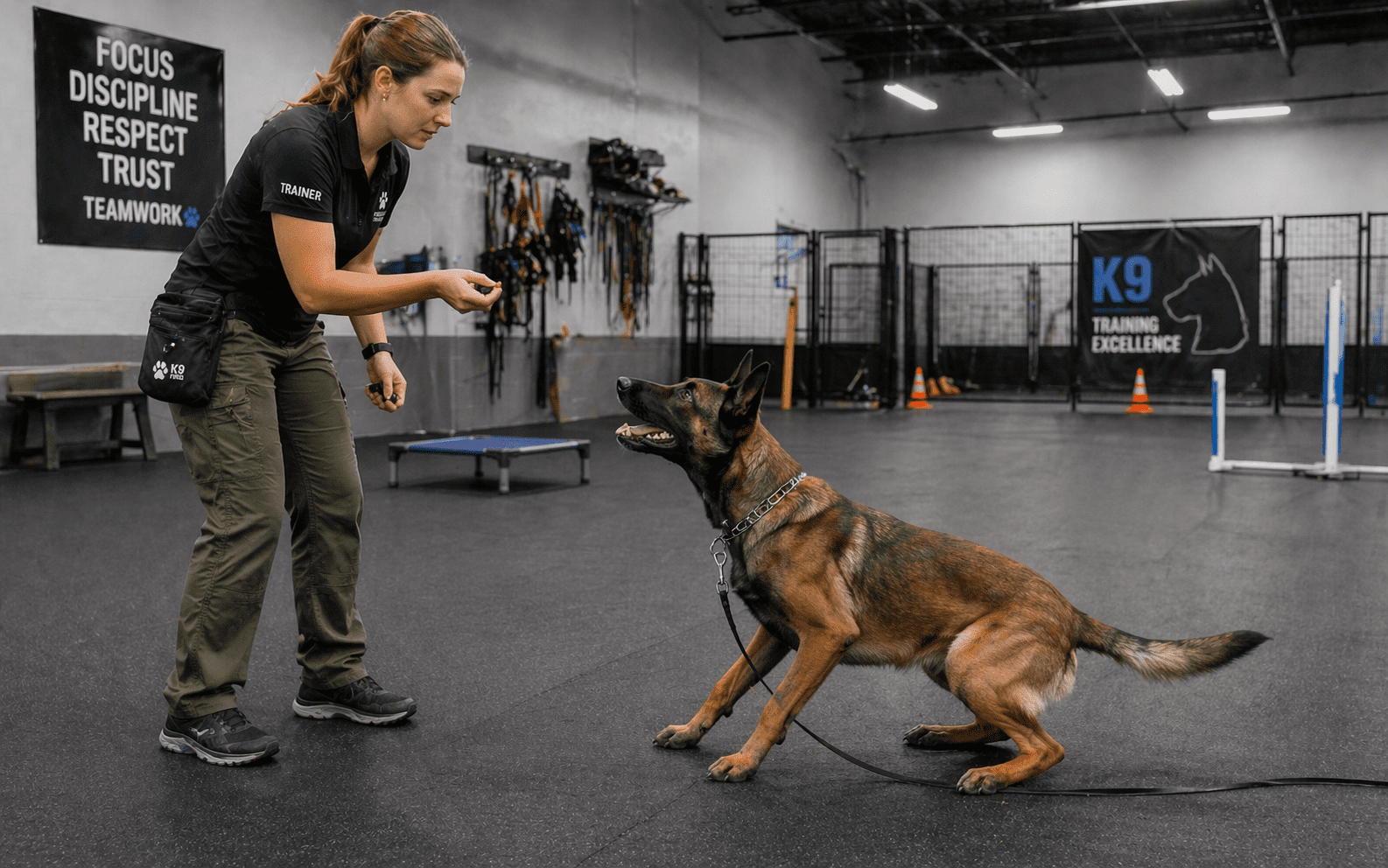
Board and train Long Island programs offer intensive intervention where your dog lives with trainers for several weeks. This immersive approach often produces faster results than weekly sessions because the dog gets consistent reinforcement every single day.
Other training options include:
- In home dog training Long Island where trainers work with you in your environment
- Private dog training Long Island for one-on-one attention focused on specific issues
- Group classes for dogs with mild aggression toward other animals
Training takes time, often several months of consistent work. If you can’t commit to that timeline or if safety concerns make training too risky in your current setup, rehoming may be more realistic.
Get a Complete Veterinary Evaluation
Medical issues cause or worsen aggression more often than most people realize. Pain, hormonal imbalances, neurological problems, and other health conditions can trigger aggressive responses in dogs who were previously friendly.
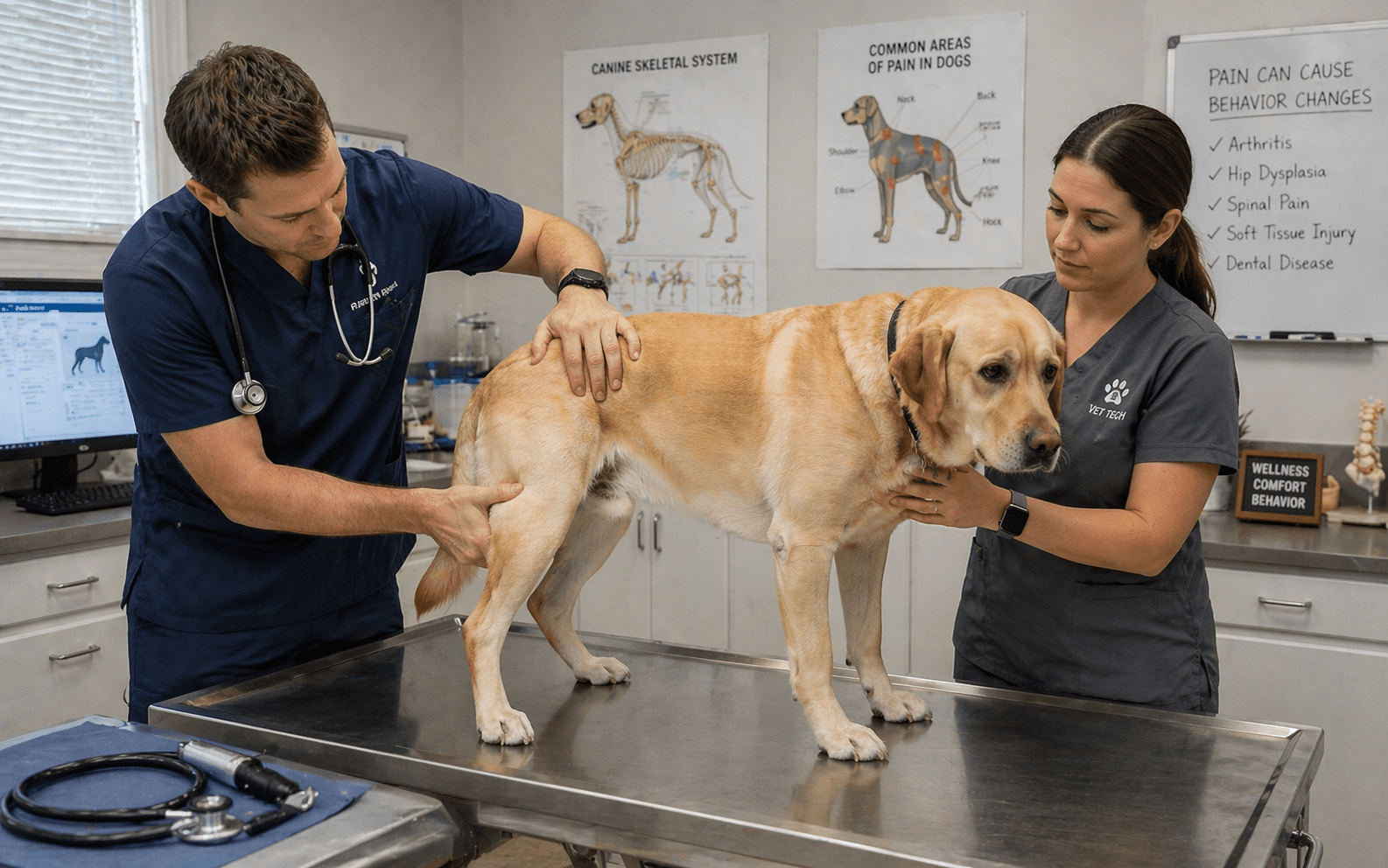
Schedule a thorough vet exam that includes:
- Bloodwork to check organ function and hormones
- Physical examination for sources of pain
- Neurological assessment if behavior changed suddenly
- Discussion of any medications that might help
Sometimes treating an underlying medical problem eliminates aggressive behavior completely. Even if health issues aren’t the root cause, ruling them out gives you and any future adopter important information.
Document Everything About Your Dog’s Behavior
Accurate records help you make better decisions and provide crucial information to rescues, trainers, or adopters. Start keeping a behavior journal that tracks when aggression happens, what triggered it, and how severe the response was.

Your documentation should include:
- Specific triggers that cause aggressive reactions
- Body language warning signs before an incident
- Bite history with dates and severity
- Training methods already tried
- Medications or supplements currently used
- Situations where the dog behaves well
This information becomes vital when screening potential adopters or working with rescue organizations. Detailed records also protect you legally by showing you took responsible steps to address the problem.
How to Safely Rehome an Aggressive Dog: Your Options
Once you decide rehoming is necessary, several paths forward exist. Each option has different requirements, benefits, and challenges. Choosing the right one depends on your dog’s specific issues, your location, and available resources.
Working With Breed-Specific Rescues
Breed-specific rescues often have the most experience and resources for handling dogs with behavioral challenges. These organizations understand the breed’s typical temperament, common issues, and what kind of home works best.
Benefits of breed rescues include:
- Volunteers with breed expertise and training knowledge
- Networks of foster homes equipped for challenging dogs
- Thorough screening processes for potential adopters
- Willingness to take dogs other rescues won’t accept
Start by searching online for “[your breed] rescue [your state]” to find organizations near you. Be completely honest about your dog’s aggression when you contact them. Hiding problems only sets everyone up for failure and puts the dog at risk of being bounced between homes.
Some rescues require an intake fee or surrender donation. This money helps cover the costs of evaluation, training, and care while the dog waits for the right home.
Sanctuary and Special Needs Programs
If your dog’s aggression is severe or the bite history is extensive, traditional adoption may not be safe or realistic. Sanctuary programs provide lifetime care for dogs who cannot be safely placed in typical homes.
These programs are limited and often have waiting lists, but they offer peace of mind that your dog will live out his life in a secure, managed environment. Sanctuaries typically require:
- Detailed behavioral history and bite records
- Veterinary records showing current health status
- Surrender fee to help offset lifetime care costs
- Agreement that you will not attempt to reclaim the dog
Not every sanctuary accepts dogs with bite histories. Start your search early and be prepared for rejection from multiple facilities before finding placement.
Private Rehoming With Full Disclosure
Private rehoming means finding a new owner yourself rather than going through a rescue. This option gives you more control but also more responsibility. You must be completely transparent about your dog’s issues and extremely careful about who you approve.
When rehoming privately, you should:
- Create a detailed information packet about triggers and management
- Screen potential adopters as thoroughly as any rescue would
- Require proof of experience with aggressive or reactive dogs
- Use a contract that requires the dog be returned to you if it doesn’t work out
- Never give the dog away for free (a rehoming fee filters out bad actors)
Muzzle training for dogs should be completed before any meet-and-greets with potential adopters. This protects everyone involved and shows you took safety seriously.
Meet potential adopters in neutral locations and watch how they interact with your dog. Anyone who dismisses your concerns about aggression or insists they can “fix” the dog quickly is not a safe choice.
Evaluating Potential Adopters and Placement Options
Finding the right home for an aggressive dog requires more than just finding someone willing to take him. The new environment needs to set your dog up for success while keeping everyone safe.
What to Look for in a Qualified Adopter
The right adopter for an aggressive dog looks very different from the right adopter for a friendly, easy-going pet. You need someone with specific skills, experience, and living situations that match your dog’s needs.
Ideal adopters should have:
- Previous experience managing aggressive or reactive dogs
- A secure, fenced yard with no escape routes
- No young children or vulnerable people in the home
- Financial resources for continued training and management
- Commitment to maintaining whatever protocols keep the dog safe
Ask detailed questions about their experience. How did they handle aggression in past dogs? What training methods do they use? Can they provide references from previous vets or trainers?
Red flags include anyone who wants to use heavy correction methods, doesn’t ask about the dog’s triggers, or seems to minimize the seriousness of the aggression.
Understanding Different Rehoming Scenarios
Different types of aggression require different living situations. A dog who guards resources but loves people needs a different home than a dog with human aggression. Understanding these differences helps you find the best match.
| Aggression Type | Best Home Environment | What to Avoid |
| Dog-to-dog aggression | Single dog household, secure fencing, no dog parks | Homes with existing dogs, apartments near dog areas |
| Resource guarding | Experienced owner, management protocols, no children | Busy households, multiple pets competing for resources |
| Fear-based human aggression | Quiet home, predictable routine, patient owner | High-traffic areas, homes with frequent visitors |
| Territorial aggression | Rural setting, limited visitors, strong boundaries | Urban apartments, homes with delivery traffic |
Matching your dog’s specific issues to the right environment dramatically improves the chances of successful placement and reduces the risk of another failed home.
Legal Responsibilities When Rehoming
When you rehome an aggressive dog, you take on legal and ethical responsibilities that protect both the dog and future owners. Laws vary by location, but most places require disclosure of bite history and aggressive behavior.
Your legal obligations typically include:
- Providing written documentation of any bites or attacks
- Disclosing triggers and management requirements
- Ensuring the dog is current on vaccinations
- Following local dangerous dog ordinances
- Creating a contract that protects all parties
Some states have specific laws about rehoming dogs with bite histories. Research your local regulations or consult with an attorney who handles animal law. Failing to disclose known aggression issues can leave you liable if the dog injures someone in the new home.
Things to Know Before Rehoming Your Aggressive Dog
These practical considerations often get overlooked but can make the difference between successful placement and another failed home.
The 3-3-3 Rule and Adjustment Periods
Even when placement seems perfect, aggressive dogs need time to adjust to new environments. The 3-3-3 rule describes typical adjustment phases: 3 days to decompress, 3 weeks to learn the routine, and 3 months to feel truly comfortable.
During this transition, behavior often gets worse before it gets better. New adopters need to understand this pattern and have support from trainers who specialize in board and train aggressive dogs.
Stress from the move can trigger aggression even in dogs who seem stable. Prepare the new owner with detailed management plans and check-in regularly during the first few months.
Realistic Timelines for Finding Placement
Finding the right home for an aggressive dog takes much longer than rehoming a friendly pet. Plan for several months minimum, and possibly longer if your dog has severe issues or a significant bite history.
During this waiting period:
- Continue management and training to prevent new incidents
- Keep detailed records of any behavioral changes
- Maintain your dog’s routine to minimize stress
- Work with professionals to improve behavior when possible
Some dogs never find traditional homes and need sanctuary placement or long-term foster care. Having backup plans ready reduces stress if your first choice falls through.
Preparing Your Dog for the Transition
Help your dog succeed in the new home by preparing him as much as possible before the move. This includes basic manners, management tools, and health care.
Complete these tasks before rehoming:
- Update all vaccinations and preventive care
- Get the dog comfortable wearing a muzzle if needed
- Practice basic commands that help with management
- Create a detailed daily routine for the new owner to follow
- Assemble a transfer packet with vet records, training notes, and trigger lists
Send favorite toys, bedding with familiar scents, and enough food for the first week. These familiar items help reduce stress during the transition.
Managing Aggression vs. Choosing to Rehome
Not every aggressive dog needs a new home. Understanding when behavior can be managed in your current situation versus when rehoming is safer helps you make the right call for your specific circumstances.
| Signs Management Can Work | Signs Rehoming May Be Necessary |
| Aggression is predictable with clear triggers | Aggression is unpredictable and hard to anticipate |
| You can modify the environment to reduce triggers | Triggers are impossible to avoid in your home |
| The dog responds positively to training efforts | Training shows no improvement after months of work |
| You have resources for ongoing professional help | You cannot afford continued training and management |
| Family members can follow safety protocols | Young children or vulnerable people are at risk |
| Bites have been minor with warning signals | Bite severity is increasing or happening without warning |
Be honest with yourself about what you can realistically maintain long-term. Management that works for six months may not be sustainable for the dog’s entire life. Consider your future plans, family changes, and whether you can commit to the required protocols for 10 or 15 years.
Finding Your Path Forward: Rehoming With Responsibility
How to rehome an aggressive dog comes down to making safety the top priority while giving your dog the best possible chance at a stable future. This means being completely honest about behavioral issues, screening potential homes carefully, and working with professionals who understand aggression. Whether you choose rescue placement, sanctuary care, or private rehoming, thorough preparation and full disclosure protect everyone involved and give your dog the opportunity to thrive in an environment better suited to his needs.
Looking for expert guidance before making your final decision? K9 Mania Dog Training is the leading board and train Long Island provider specializing in behavioral issues. Our experienced team has helped countless families work through aggression problems, and we can help you determine whether rehoming is truly necessary or if training can resolve your concerns. Whatever challenges you face, trust K9 Mania to provide honest assessment and effective solutions for your dog.
FAQs About How to Rehome an Aggressive Dog
What do I do with an aggressive dog that I can’t keep?
Contact breed-specific rescues or behavioral specialists who work with aggressive dogs. Be completely honest about bite history and triggers. If rescue placement is not possible, research sanctuary programs or work with a qualified trainer to screen private adopters. Never abandon the dog or hide his behavioral issues from potential adopters.
What is the 3-3-3 rule for rehoming dogs?
The 3-3-3 rule describes adjustment phases when a dog enters a new home: 3 days to decompress from the stress of change, 3 weeks to learn the new routine and environment, and 3 months to build trust and feel fully comfortable. Aggressive dogs often need even longer adjustment periods with careful management throughout.
How to snap a dog out of aggression?
You cannot snap a dog out of aggression with quick fixes. True behavior change requires identifying triggers, working with professional trainers, using positive reinforcement methods, and sometimes medication for anxiety-based aggression. Punishment or confrontational methods typically make aggression worse and more dangerous.
What is the #1 most aggressive dog breed?
No single breed is inherently the most aggressive. Studies show that aggression depends more on individual temperament, socialization, training, and environment than breed alone. Any breed can develop aggression, and generalizations about breed-specific danger are not supported by behavioral research. Focus on individual dog behavior rather than breed stereotypes.
Do aggressive dogs get worse with age?
Aggression can worsen with age if left untreated, especially when dogs learn that aggressive behavior successfully makes threats go away. However, senior dogs sometimes become less aggressive as energy levels drop. Medical issues that increase with age, like pain from arthritis, can also trigger new aggressive behavior in previously friendly dogs.
What are the common triggers for dog aggression?
Common triggers include unfamiliar people or dogs approaching, resource guarding over food or toys, territorial responses to people entering the home, fear of specific situations or objects, pain or medical discomfort, and protective behavior around family members. Identifying your specific dog’s triggers is essential for safe management and successful rehoming.