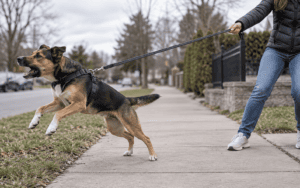
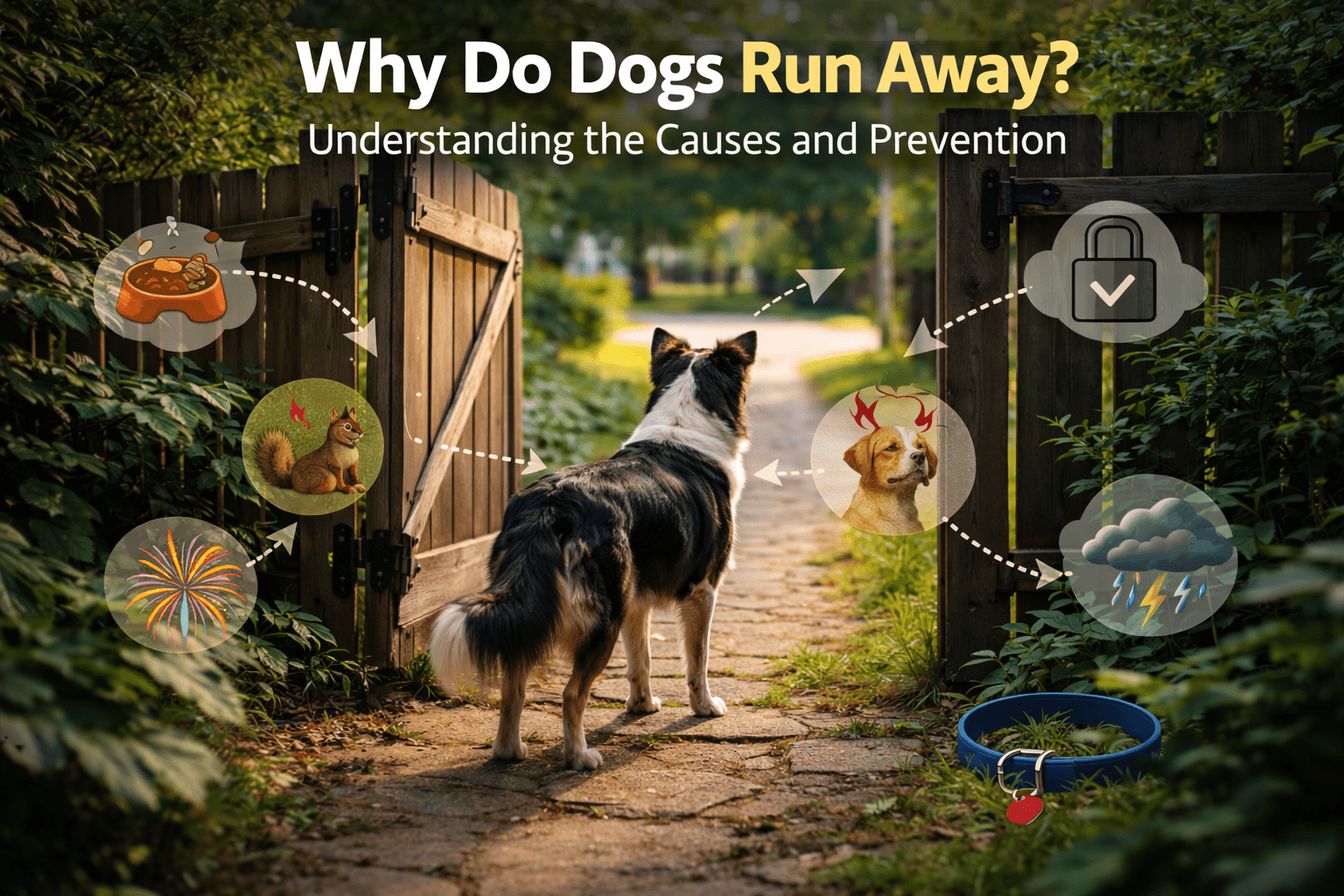
Why do dogs run away? Dogs escape due to natural instincts like chasing prey, inadequate training, fear responses, boredom, or seeking a mate. Understanding these triggers helps you prevent dangerous escapes and keep your dog safe.
Whether your dog has bolted through an open door or dug under the fence, the panic you feel is real. The good news is that most escape attempts stem from preventable causes, and with the right training approach, you can significantly reduce this risky behavior.
In this guide, we’ll break down the main reasons dogs run away, warning signs to watch for, and practical solutions to keep your furry friend safely at home where they belong.
Keep your dog safe with professional guidance. Explore our obedience training course to build a reliable recall and reduce escape risks.
Common Reasons Why Dogs Run Away
Dogs don’t escape out of spite or to hurt their owners. Their reasons are rooted in natural drives, environmental factors, and unmet needs. Recognizing these motivations is the first step toward prevention.
Prey Drive and Hunting Instincts
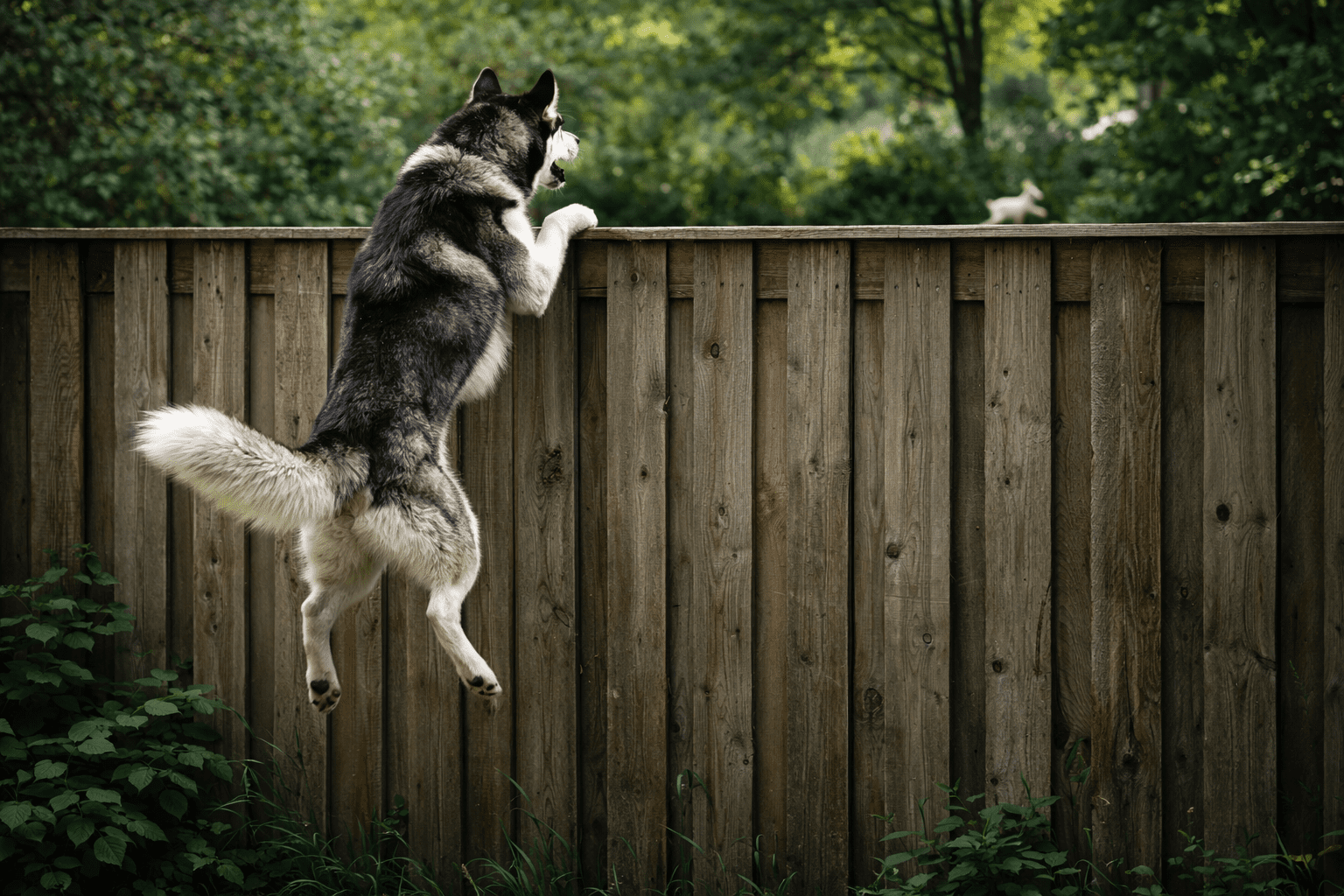
Many dogs possess strong prey drive, an instinct passed down from their wolf ancestors. When a squirrel darts across the yard or a cat runs down the street, your dog’s brain switches into chase mode.
This response happens so fast that even well-trained dogs can ignore commands. Breeds like Huskies, Beagles, and Terriers have particularly high prey drives and are more likely to bolt after moving targets.
The chase itself provides a rush of excitement that your dog finds incredibly rewarding. Once they experience this thrill, they may actively seek opportunities to repeat it.
Lack of Mental and Physical Stimulation
A bored dog is an escape artist in training. Dogs need daily exercise, mental challenges, and social interaction to stay content. Without these outlets, they’ll create their own entertainment, often by finding ways to explore beyond your property.
High-energy breeds require 60-90 minutes of vigorous activity each day. If your dog only gets a quick walk around the block, they’re carrying pent-up energy that can fuel escape attempts.

Mental stimulation matters just as much as physical exercise. Dogs without puzzle toys, training sessions, or varied activities will look for excitement wherever they can find it, even if that means jumping the fence.
Fear and Anxiety Triggers
Loud noises from thunderstorms, fireworks, construction, or even garbage trucks can send dogs into panic mode. When terrified, dogs operate on pure survival instinct and will flee to escape the perceived danger.
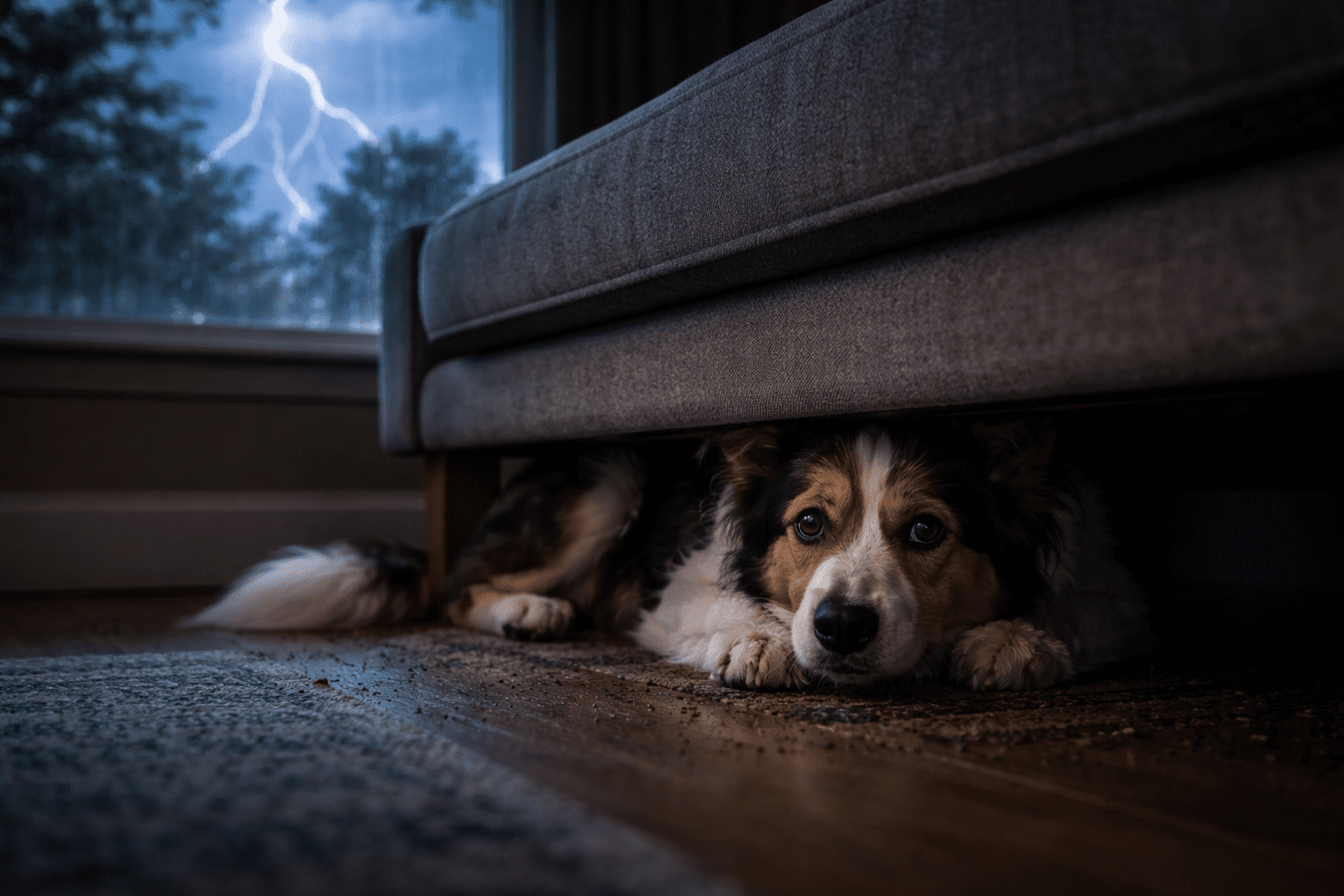
Separation anxiety causes similar responses. Dogs who become anxious when left alone may attempt to escape in a frantic effort to reunite with their owners.
Some dogs develop noise phobias that worsen over time. What started as mild nervousness can escalate into full-blown panic that overrides all training and common sense.
Reproductive Urges
Intact male dogs can detect a female in heat from up to three miles away. This powerful biological drive can transform even the most obedient dog into a determined escape artist.
Female dogs in heat may also wander in search of a mate. These reproductive instincts are incredibly strong and difficult to manage without proper containment or spaying/neutering.
The urge to mate can cause dogs to dig, jump, or break through barriers they would normally respect. This behavior typically lasts 2-3 weeks during the heat cycle but can lead to repeated escape attempts.
Inadequate Training and Poor Recall
Dogs without solid recall training have no reliable reason to return when they wander off. If your dog doesn’t consistently come when called, every open door or gap in the fence becomes a potential escape route.
Many owners only practice recall in controlled environments like the backyard. When real-world distractions appear, their dogs ignore commands because they’ve never learned to respond under challenging conditions.
Poor boundary training also contributes to escapes. Dogs need to understand property limits and respect containment systems, whether that’s a physical fence or invisible boundary.
Build a stronger bond and reliable commands with private dog training tailored to your dog’s specific escape triggers.
Dog Breeds Most Likely to Run Away
While any dog can become an escape artist, certain breeds show higher tendencies to wander due to their genetic background and original purposes.
High-Risk Breeds and Their Traits
Different breeds were developed for specific jobs, and those instincts remain strong today. Understanding your dog’s breed characteristics helps you anticipate and prevent escape behavior.
| Breed | Primary Escape Trigger | Prevention Strategy |
| Siberian Husky | Bred to run long distances, high prey drive | Secure 6-foot fencing, extensive daily exercise, mental challenges |
| Beagle | Follows scent trails obsessively | Leashed walks, scent training redirection, GPS collar |
| Jack Russell Terrier | High energy, strong prey drive, digs extensively | Buried fence barriers, multiple daily play sessions, puzzle toys |
| German Shepherd | Protective instincts, high intelligence | Consistent training, job-like activities, mental stimulation |
| Border Collie | Needs constant mental work, herding instincts | Agility training, herding activities, advanced obedience |
What Makes Certain Breeds More Prone to Escaping
Hounds were bred to follow scents for miles, often working independently from hunters. This independence makes them less likely to check in with owners during a chase.
Terriers were developed to dig and pursue prey underground. Their tenacity and determination make them expert fence diggers and gap finders.
Northern breeds like Huskies and Malamutes can run for hours without tiring. Their endurance, combined with a strong pack mentality, drives them to roam and explore vast territories.
Herding breeds need jobs to feel fulfilled. Without proper outlets for their intelligence and energy, they’ll create their own tasks, which often includes escaping to patrol a larger area.
Warning Signs Your Dog Might Run Away
Dogs usually show behavioral changes before making serious escape attempts. Recognizing these signals gives you time to address problems before your dog gets hurt.
Behavioral Red Flags
Watch for increased interest in doors, gates, and fence lines. Dogs who pace near exits or stare intently at boundaries are mentally planning their escape routes.
Excessive digging near fence lines indicates your dog is actively working on creating an exit. Even small holes should be addressed immediately, as dogs can expand them quickly.
Jumping at gates or testing fence strength shows your dog is evaluating containment weaknesses. This behavior often escalates if the dog discovers any give or flexibility in the barrier.
Ignoring commands when distracted by outdoor stimuli reveals poor impulse control. If your dog completely tunes you out when something interesting appears, they’re at high risk for bolting.
Environmental Factors That Increase Risk
Poorly maintained fences with gaps, loose boards, or low sections invite escape attempts. Dogs are opportunistic and will exploit any weakness they discover.
Unsecured gates that blow open in the wind or are left unlatched by family members create easy exit opportunities. A single forgotten latch can result in a lost dog.
Lack of visual barriers allows dogs to fixate on activities outside their yard. When they can see people, animals, or movement constantly, their desire to investigate intensifies.
Seasonal changes bring new triggers. Spring introduces more wildlife activity, summer heat may drive dogs to seek water sources, and fall brings unique scents that activate hunting instincts.
Wondering if intensive training works? Read our guide on is board and train worth it to understand comprehensive behavior modification.
How to Prevent Your Dog From Running Away
Prevention requires a combination of physical barriers, mental enrichment, training, and sometimes medical intervention. A multi-layered approach provides the best protection.
Training Solutions for Escape Prevention
Reliable recall training forms the foundation of escape prevention. Your dog should respond to their name or a come command regardless of distractions.
Start recall practice in low-distraction environments and gradually add challenges. Use high-value treats that your dog only receives during recall training to create strong positive associations.
Boundary training teaches your dog where they can and cannot go. Practice boundary respect daily, rewarding your dog for staying within designated areas even when gates are open.
Impulse control exercises help dogs learn to resist immediate urges. Games like “wait” before meals or “stay” while you bounce a ball build the self-control needed to resist chasing triggers.
Consider professional training for dogs with strong escape histories. Programs like a board and train Long Island option provide intensive work in controlled environments where trainers can address escape behavior directly.
Physical Barriers and Environmental Management
Inspect your fence weekly for damage, gaps, or dig spots. Repair issues immediately, as dogs remember successful escape routes and will return to them.
Install dig guards by burying chicken wire or cement blocks along fence lines. Extend barriers 12-18 inches underground to prevent tunneling.
Increase fence height if your dog jumps. Most dogs need at least 6 feet of fencing, while athletic breeds may require 8 feet or angled top extensions.
Remove climbing aids near fences. Dog houses, woodpiles, or outdoor furniture can serve as launching platforms for escape artists.
Add secondary barriers like airlock-style double gates at entrances. This creates a buffer zone that prevents dogs from bolting through doors.
Meeting Your Dog’s Physical and Mental Needs
Provide species-appropriate exercise based on your dog’s breed and age. High-energy dogs need vigorous activities like running, swimming, or agility work, not just walks.
Rotate toys weekly to maintain novelty. Introduce puzzle feeders, snuffle mats, and interactive toys that challenge your dog’s problem-solving skills.
Schedule regular training sessions that teach new tricks or behaviors. The mental work of learning exhausts dogs more effectively than physical exercise alone.
Arrange playdates with compatible dogs to fulfill social needs. Many escape attempts stem from dogs seeking companionship and interactive play.
Create a more interesting home environment with window perches, supervised backyard time with your present, and varied daily routines.
Medical Solutions
Spaying or neutering eliminates reproductive drives that fuel many escape attempts. This single intervention can dramatically reduce roaming behavior in both males and females.
Consult your veterinarian about anxiety medications if fear triggers your dog’s escapes. Anti-anxiety supplements or prescription medications can help dogs stay calmer during storms or when left alone.
Consider microchipping as a permanent identification method. If your dog does escape, a microchip significantly increases reunion chances compared to collars alone, which can fall off.
Use GPS tracking collars for dogs with escape histories. These devices alert you immediately when your dog leaves a designated safe zone and help you locate them quickly.
Learn essential skills that prevent common behavior problems in our article on top things to teach your dog.
What to Do If Your Dog Runs Away
Despite best efforts, some dogs still manage to escape. Quick, strategic action increases the chances of a safe return.

Immediate Actions
Don’t chase your dog. Running after them triggers their chase instinct and causes them to run faster and farther. Instead, try running in the opposite direction while calling excitedly.
Drop treats or favorite toys on the ground and walk away. Many dogs will circle back to investigate once the pressure of pursuit disappears.
Enlist neighbors to search immediately. The first few hours are critical, as most dogs stay within a one-mile radius initially.
Post on local social media groups, neighborhood apps, and lost pet databases within the first hour. Include a clear photo, your contact information, and last known location.
Long-Term Recovery Efforts
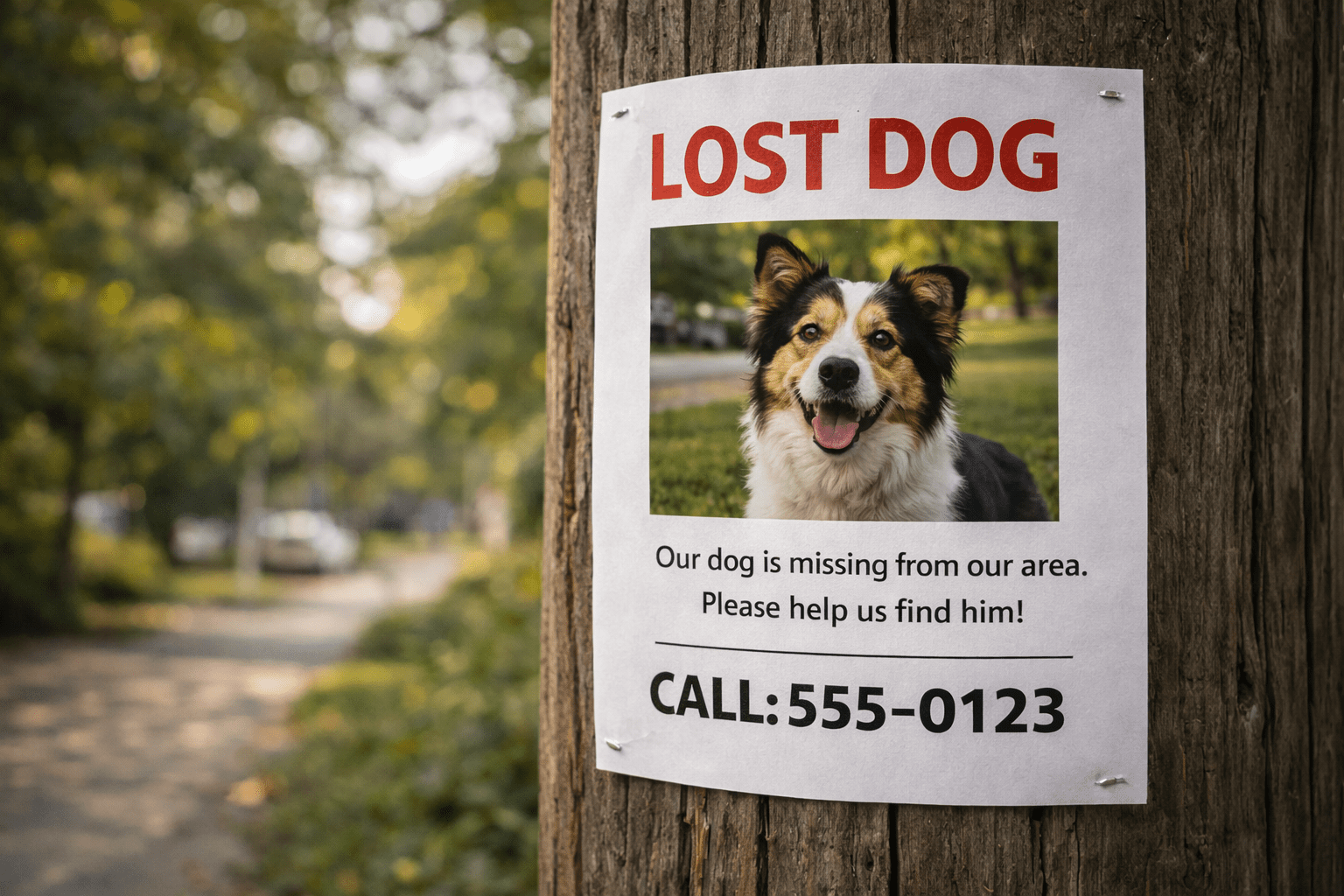
Create and distribute flyers in the area where your dog was last seen. Include recent photos, physical description, and multiple contact methods.
Visit local shelters daily. Don’t just call, as phone descriptions may not match how staff members categorize your dog’s appearance.
Set up feeding stations with your dog’s regular food in areas they might travel. Motion-activated cameras can help you confirm sightings and adjust search areas.
Leave an unwashed item of your clothing in your yard. Your scent may help guide your dog home if they’re trying to find their way back.
Contact local veterinary clinics, as good samaritans often bring found dogs to the nearest animal hospital rather than shelters.
Understanding the Statistics
Recovery statistics can help set realistic expectations and inform your search strategy.
| Timeframe | Recovery Rate | Best Actions |
| Within 24 hours | 75-80% | Immediate neighborhood search, social media posts, contact shelters |
| 24-72 hours | 60-65% | Expand search radius, distribute flyers, set feeding stations |
| 4-7 days | 40-50% | Continue shelter visits, maintain social media presence, consider pet detective |
| After 1 week | 20-30% | Persistent posting, community engagement, don’t give up |
Dogs who escape during fireworks or storms often hide in fear rather than roam. Check quiet spots like under decks, in bushes, or inside open garages.
Dogs following scent trails or prey can travel 5-10 miles before stopping. Urban dogs typically stay closer to home than rural dogs who have more space to cover.
Compare training approaches for challenging behaviors in our breakdown of board and train vs private lessons.
Your Partner in Preventing Dog Escapes
Understanding why do dogs run away empowers you to create effective prevention strategies. Whether your dog escapes due to prey drive, anxiety, or inadequate training, solutions exist that can keep them safe at home.
The combination of proper training, environmental management, and meeting your dog’s needs creates the most reliable protection against escapes. Remember that prevention takes consistent effort but pays off in your dog’s safety and your peace of mind.
At K9 Mania Dog Training, we specialize in addressing escape behavior and building reliable recall commands. As the leading board and train Long Island facility, we’ve helped countless dogs overcome their wandering tendencies. Our expert trainers understand what drives escape behavior and create customized solutions that work.
Whether you need intensive behavior modification or ongoing support, we’re here to help you and your dog succeed. Visit our website to learn how we can keep your best friend safe at home.
You May Also Want to Read
- How to Stop a Dog from Eating Poop
- How to Calm a Hyperactive Dog
- What Is Prey Drive in Dogs: Understanding Your Dog’s Hunting Instinct
Frequently Asked Questions
Do dogs come back when they run away?
Most dogs do return home within 24-48 hours if they escape in familiar neighborhoods. Dogs typically stay within a one-mile radius initially and may return on their own once they become tired or hungry. However, active searching greatly increases recovery chances rather than waiting passively.
What does it mean if your dog runs away?
When your dog runs away, it signals unmet needs like insufficient exercise, lack of training, fear responses, or natural instincts like prey drive. It doesn’t mean your dog doesn’t love you. Instead, it indicates specific triggers or deficits in their environment that need addressing.
Which dog breed runs away the most?
Hounds, particularly Beagles and Bloodhounds, run away most frequently due to their powerful scent-tracking instincts. Siberian Huskies rank second because they were bred to run long distances. Terrier breeds also escape often due to high prey drive and digging behavior.
What is the silent killer in dogs?
The “silent killer” typically refers to bloat (gastric dilatation-volvulus) or heart disease, which show few symptoms until reaching critical stages. While not directly related to running away, escaped dogs face dangers like vehicle strikes and attacks from other animals, which can be equally deadly.
What are the chances of finding a dog that ran away?
Statistics show 75-80% of dogs are recovered within the first 24 hours. This drops to 60-65% within 72 hours. Overall, about 93% of lost dogs are eventually reunited with owners when families actively search, post on social media, and check shelters regularly.
How do dogs apologize?
Dogs show remorse through submissive body language like lowered heads, tucked tails, avoiding eye contact, and gentle approach behaviors. However, what appears as guilt may actually be a response to your tone rather than understanding they did something wrong. Focus on prevention rather than punishment after escapes.