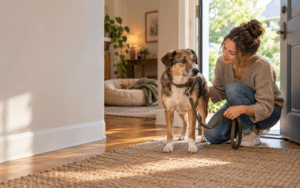
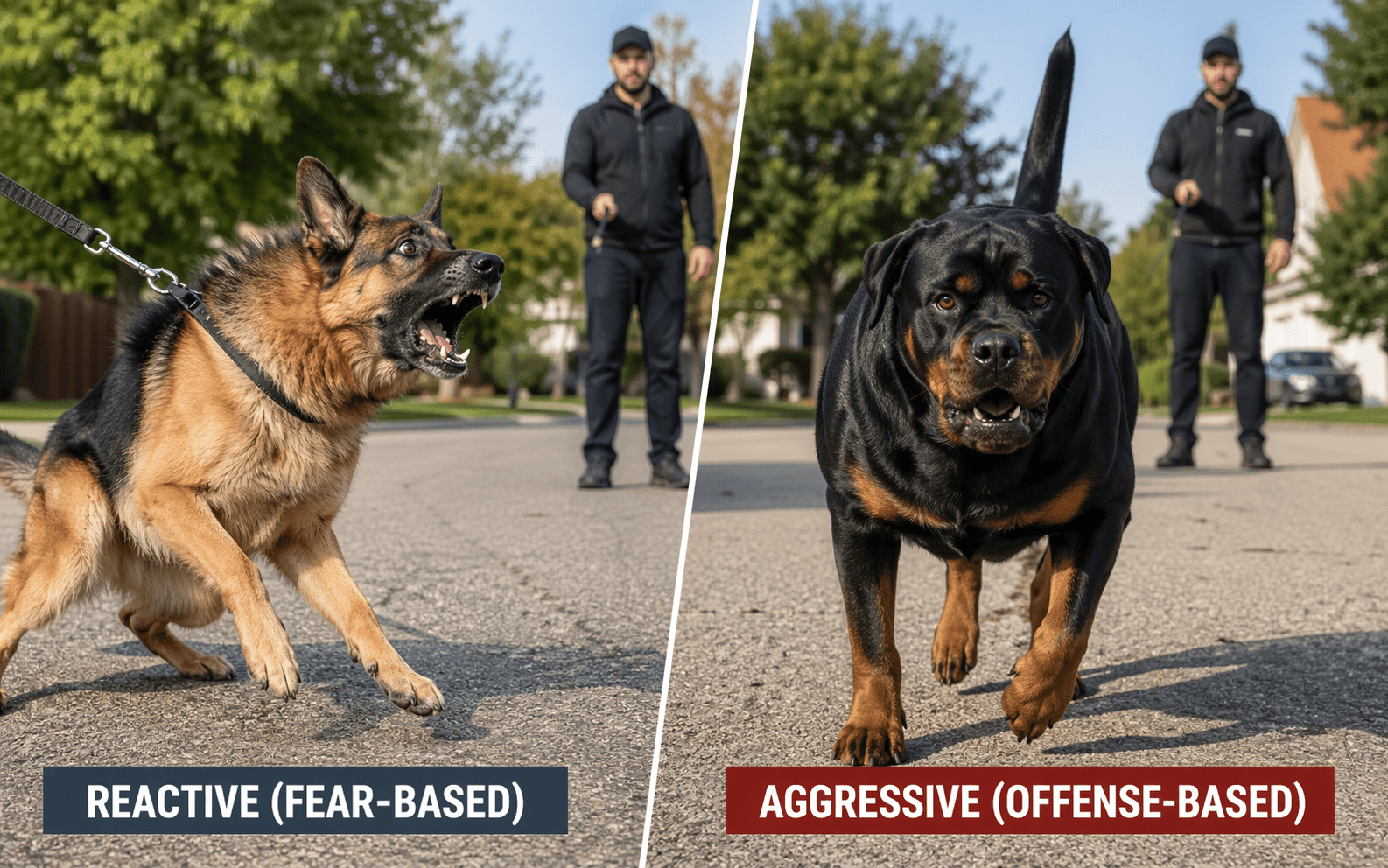
A reactive dog overreacts to specific triggers with barking or lunging but does not intend to harm. An aggressive dog shows intent to cause injury through biting, growling, or attacking when provoked or unprovoked.
Understanding this difference helps you c3hoose the right training approach and keeps everyone safer. Misreading your dog’s behavior can lead to ineffective training or even dangerous situations.
This guide breaks down what makes a dog reactive versus aggressive, how to spot the signs, and what steps you can take to help your dog feel calmer and more confident.
What Is the Difference Between Reactive vs Aggressive Dog
The terms reactive and aggressive are often confused, but they describe different behaviors. A reactive dog responds to certain triggers with intense displays like barking, lunging, or whining. These reactions are usually rooted in fear, frustration, or overstimulation.
An aggressive dog shows intentional threatening behavior and may bite, snap, or attack. Aggression involves a clear intent to harm or control a situation. While reactive dogs look scary, they are typically trying to create distance from what scares them.
Understanding reactive vs aggressive dog behavior starts with recognizing the motivation behind the response. Reactivity is often defensive, while aggression is more offensive and purposeful.
📌 Learning to read your dog’s signals can help you respond correctly. Check out our guide on dog body language signals to understand what your dog is trying to tell you.
Understanding Reactive Dogs
Reactive dogs are not mean or broken. They simply have a lower tolerance for certain stimuli and respond with heightened arousal. This behavior can look intimidating, but it is not the same as aggression.
What Causes Reactivity in Dogs
Reactivity develops for several reasons. Many reactive dogs have experienced poor socialization during their critical development period, which is between 3 and 14 weeks of age. Dogs that miss positive exposure to people, other dogs, sounds, and environments during this time may react fearfully later.
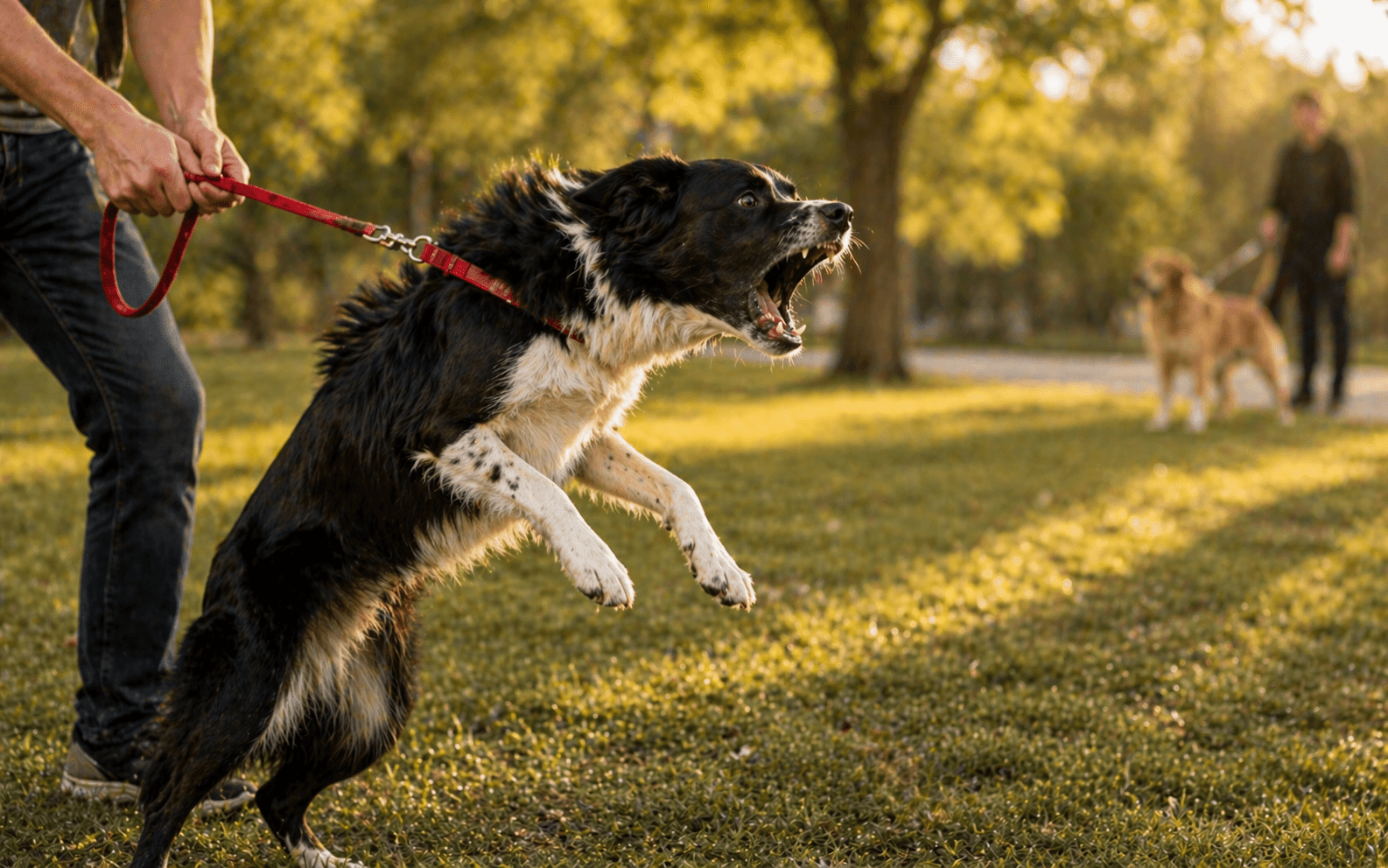
Fear is one of the main drivers of reactivity. A dog that feels threatened by another dog, a loud noise, or a stranger may bark and lunge to create space. This is a defense mechanism, not an attack strategy.
Frustration can also trigger reactivity. A dog that wants to greet another dog but is held back by a leash may bark and pull because it cannot reach its goal. This is called barrier frustration and is common in leash reactive dogs.
Some dogs are genetically predisposed to heightened arousal. Herding breeds and terriers, for example, may show more intense reactions due to their working backgrounds and high energy levels.
Common Signs of a Reactive Dog
Reactive dogs often display specific behaviors when they encounter a trigger. These signs include:
- Barking, lunging, or pulling toward the trigger
- Hackles raised along the back and neck
- Whining or high pitched vocalizations
- Freezing or staring intensely
- Pacing or inability to settle
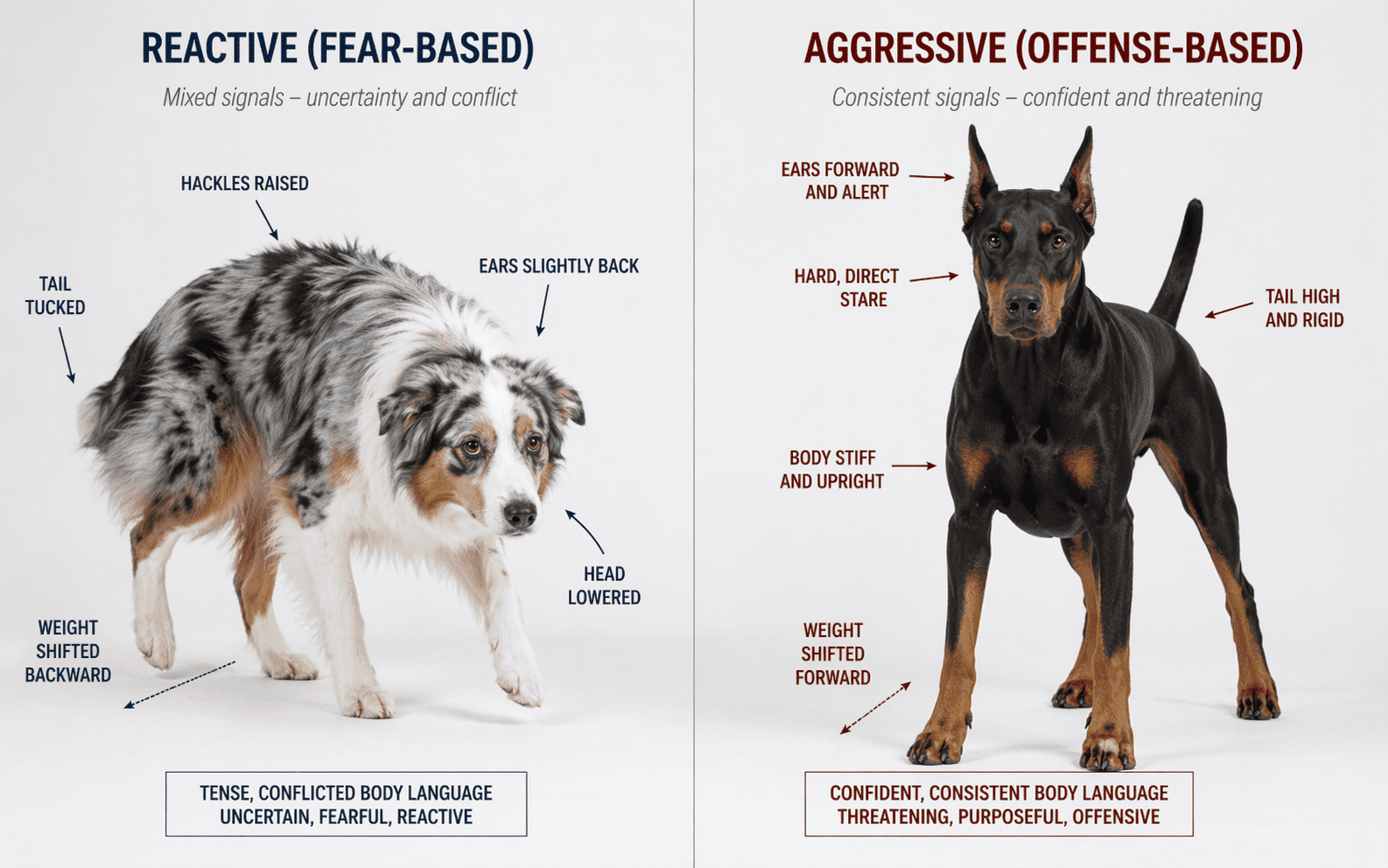
The dog’s body language usually shows tension. Ears may be forward or pinned back, the tail may be stiff or tucked, and the mouth might be closed tight or showing teeth without biting.
After the trigger passes, many reactive dogs calm down quickly. This is a key difference from true aggression, where the dog may remain aroused or continue trying to pursue the threat.
📌 If your dog shows these behaviors, structured training can help. Explore our reactive dog training Long Island program designed to address triggers and build confidence.
Understanding Aggressive Dogs
Aggressive dogs show intentional threatening behavior with the goal of causing harm or asserting control. This is different from a dog that is simply overreacting out of fear.
What Causes Aggression in Dogs
Aggression can stem from multiple sources. Genetics play a role, especially in dogs bred for guarding or protection. While breeding does not guarantee aggression, it can influence a dog’s threshold for defensive behaviors.
Poor handling, abuse, or trauma can create aggressive responses. Dogs that have been punished harshly or have experienced physical harm may learn to defend themselves preemptively.
Medical issues can also trigger aggression. Pain from arthritis, ear infections, or injuries can make a dog snappy or defensive when touched. Hormonal imbalances or neurological conditions may also contribute.
Resource guarding is a common form of aggression. Dogs may growl, snap, or bite when someone approaches their food, toys, or sleeping area. This behavior is rooted in a desire to protect valued items.
According to the American Veterinary Medical Association, aggression is one of the most common behavioral complaints in dogs, and it often requires professional intervention to manage safely.
Types of Aggression in Dogs
Aggression is not one-size-fits-all. Different types include:
- Fear aggression: The dog bites or attacks when cornered or unable to escape
- Territorial aggression: The dog defends its home, yard, or car from intruders
- Possessive aggression: The dog guards food, toys, or people
- Redirected aggression: The dog bites a person or animal nearby when unable to reach the original trigger
- Predatory aggression: The dog chases and attacks small animals or moving objects
Each type requires a different training approach. Understanding which form your dog displays helps you and a professional develop a safe plan.
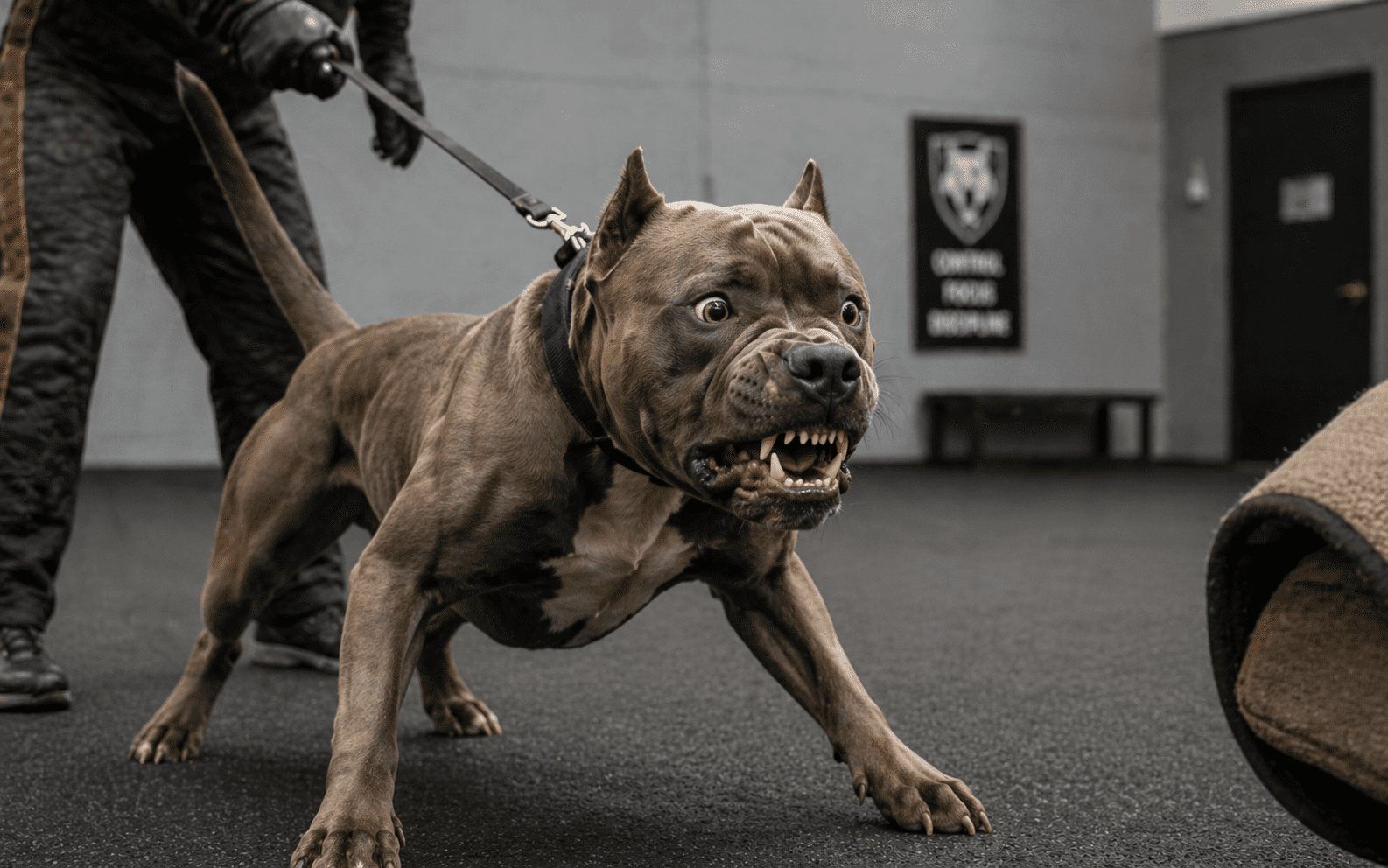
📌 Fear-based aggression is especially complex. Read our article on fear aggression in dogs to learn how fear escalates into biting behavior.
Reactive vs Aggressive Dog: Key Differences
Understanding the differences between reactive and aggressive dogs helps you choose the right training approach and set realistic expectations.
| Reactive Dog | Aggressive Dog |
| Barks, lunges, or whines at specific triggers | Growls, snaps, or bites with intent to harm |
| Behavior is defensive and fear-based | Behavior is offensive and purposeful |
| Calms down once trigger is removed | May remain aroused or escalate further |
| Rarely makes contact or bites | Often makes contact or attempts to bite |
| Body language shows tension and stress | Body language shows stiffness and threat |
| Responds well to desensitization training | Requires behavior modification and management |
The main distinction in reactive vs aggressive dog behavior is intent. A reactive dog wants space and safety. An aggressive dog wants control or to eliminate a perceived threat.
Here’s the shortened version at exactly 150 words:
How to Identify Reactive vs Aggressive Dog Behavior
Recognizing whether your dog is reactive or aggressive starts with observing their behavior in context. Key differences emerge when you watch closely.
Body Language Clues
Reactive dogs show conflicting signals like forward ears with a tucked tail or raised hackles with a lowered body. Aggressive dogs display consistent threatening signals with a stiff body, high rigid tail, and hard focused eyes. Reactive dogs disengage once the trigger is gone, while aggressive dogs continue to stare or follow.
Distance and Threshold Matters
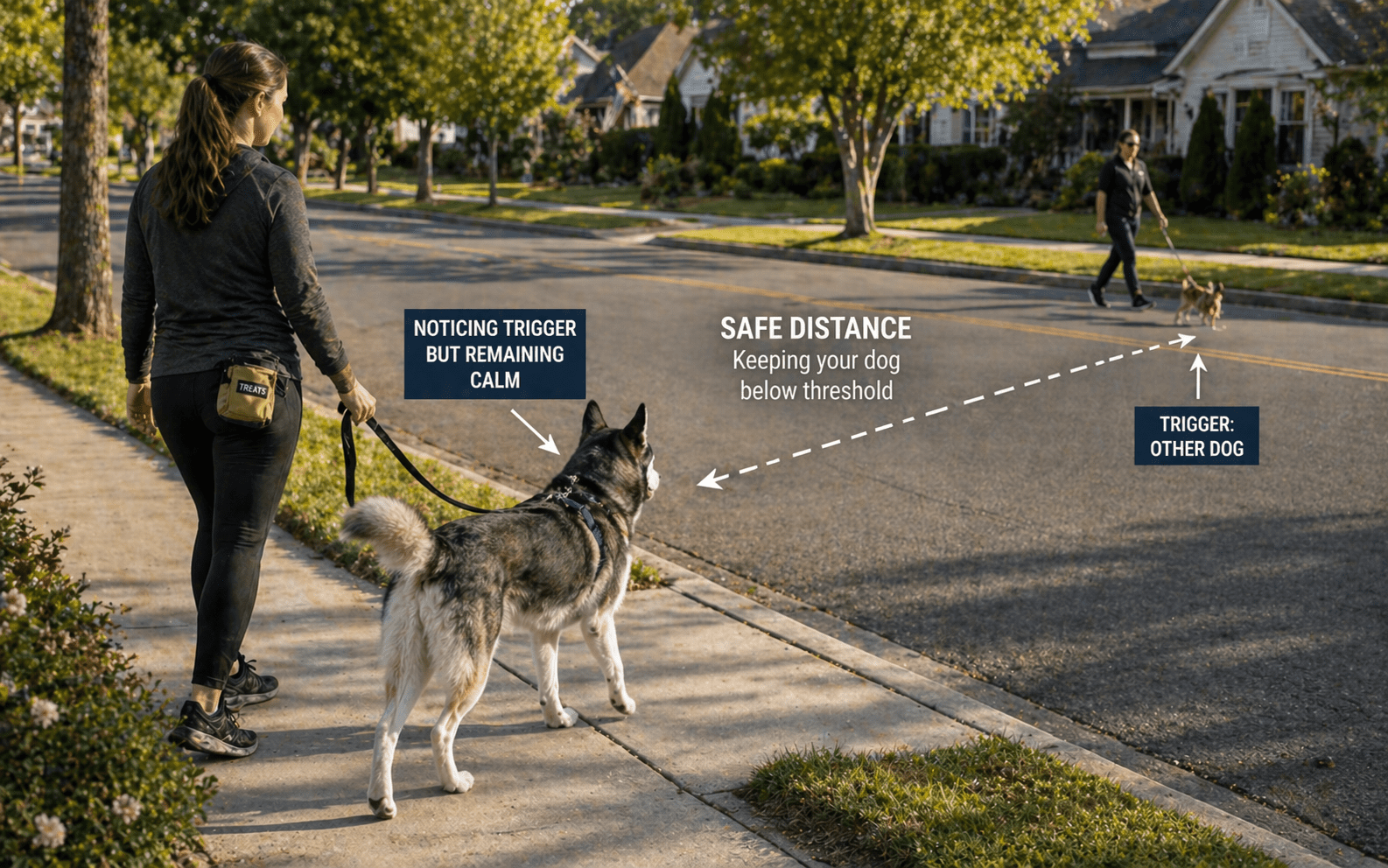
Reactive dogs have a threshold distance where they stay calm. Cross that line and they explode into barking or lunging. Aggressive dogs may react immediately regardless of distance or escalate quickly when the trigger moves closer.
Intent and Follow Through
Reactive dogs rarely follow through with biting. They make noise but often back down or freeze. Aggressive dogs make contact and will bite, hold, or shake. If your dog has bitten, that indicates aggression and requires professional help.
Common Triggers for Reactivity and Aggression
Both reactive and aggressive dogs respond to specific triggers, but the nature of those triggers and the intensity of the response differ.
| Trigger Type | Reactive Dog Response | Aggressive Dog Response |
| Other dogs on leash | Barking, lunging, pulling | Growling, attempting to bite |
| Strangers approaching | Whining, backing away, barking | Stiff posture, snapping, biting |
| Loud noises (cars, fireworks) | Startling, barking, hiding | May redirect bite to nearby person or dog |
| Resource guarding (food, toys) | Freezing, low growl, turning away | Hard stare, snapping, biting if approached |
| Being touched or handled | Pulling away, vocalizing | Growling, biting when restrained |
Reactive dogs typically respond to environmental stimuli they find overwhelming or frightening. Aggressive dogs may respond to the same triggers but with a goal of controlling or eliminating the threat.
Identifying your dog’s specific triggers helps you create a management and training plan that keeps everyone safe.
Training Approaches for Reactive vs Aggressive Dogs
Training methods differ depending on whether your dog is reactive or aggressive. Both require patience, but aggressive dogs need stricter safety protocols.
Training Reactive Dogs
Reactive dogs benefit most from desensitization and counterconditioning. These techniques change how the dog feels about the trigger instead of just suppressing the reaction.
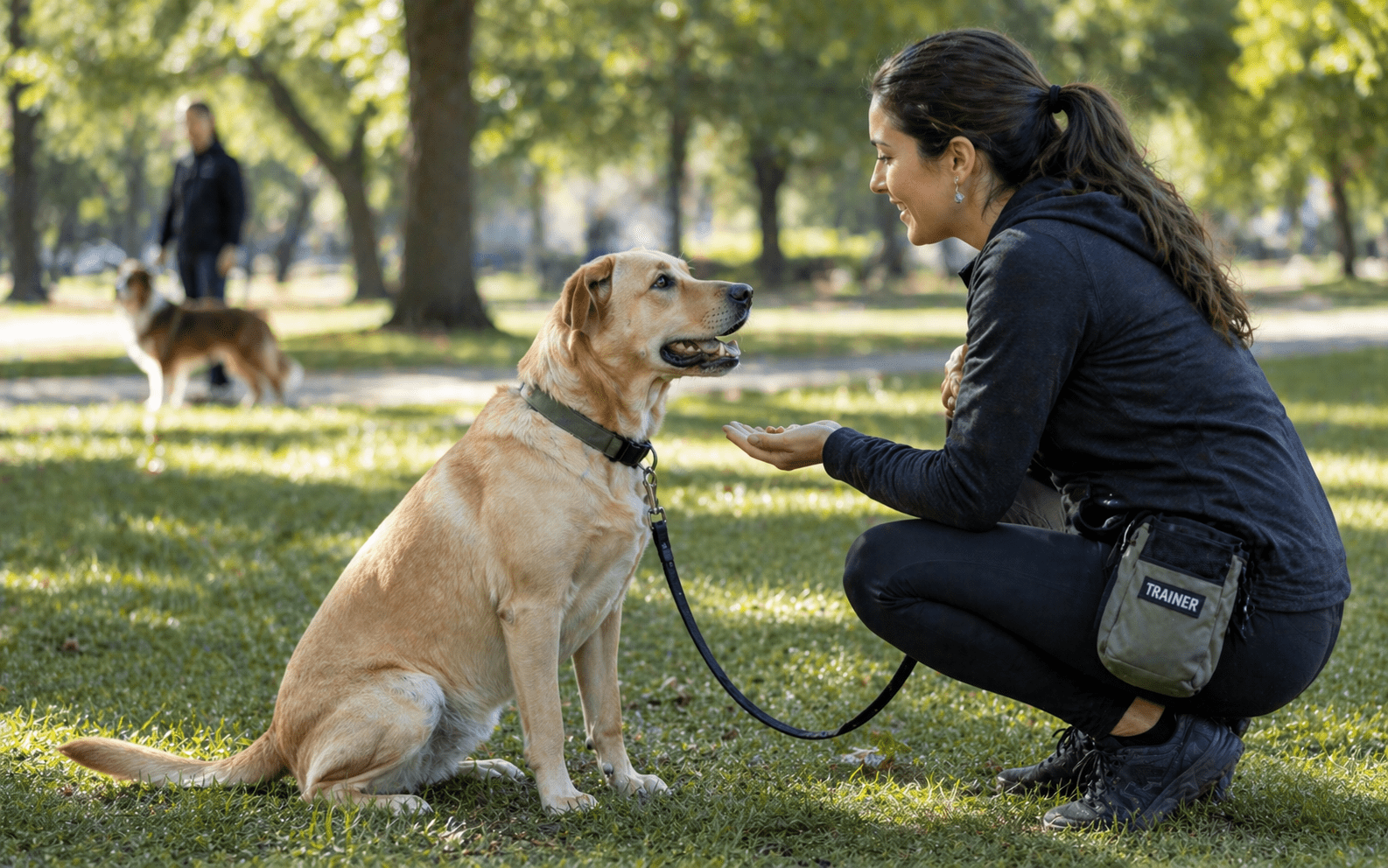
Desensitization exposes the dog to the trigger at a low intensity where they can stay calm. Over time, you gradually increase the intensity as the dog builds tolerance.
Counterconditioning pairs the trigger with something positive, like high value treats. The dog learns to associate the scary thing with good outcomes, which shifts their emotional response.
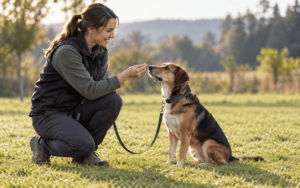
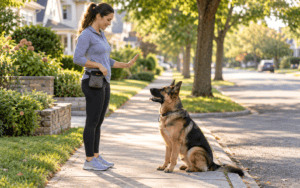
Impulse control exercises also help. Teaching your dog to sit, stay, or focus on you when they feel aroused gives them an alternative behavior instead of lunging or barking.
Management is key during training. Avoid situations where your dog will go over threshold and rehearse the reactive behavior. Use distance, barriers, or calmer environments to set your dog up for success.
📌 Ready to start training your reactive dog? Follow our step by step guide on reactive dog training steps to build skills at home.
Training Aggressive Dogs
Aggressive dogs require professional intervention. Working with a qualified trainer or veterinary behaviorist ensures safety and proper technique.
Behavior modification for aggressive dogs often includes:
- Identifying and managing triggers
- Teaching alternative behaviors through positive reinforcement
- Building trust and reducing fear or anxiety
- Implementing safety protocols like muzzle training
Muzzle training is not punishment. A properly fitted basket muzzle allows your dog to pant, drink, and take treats while keeping everyone safe during training sessions.
Medication may be recommended in some cases. Anti-anxiety medications can lower arousal and make training more effective. Always work with a veterinarian to explore this option.
Punishment-based methods can make aggression worse. Yelling, physical corrections, or shock collars may suppress the warning signs without addressing the underlying emotion, leading to more dangerous unpredictable bites.
📌 Professional guidance makes all the difference. Our dog behavior training program provides expert support for dogs with serious behavior challenges.
When to Seek Professional Help
Some behaviors require immediate professional support. If your dog has bitten someone, shows escalating aggression, or you feel unsafe, contact a qualified trainer or veterinary behaviorist right away.
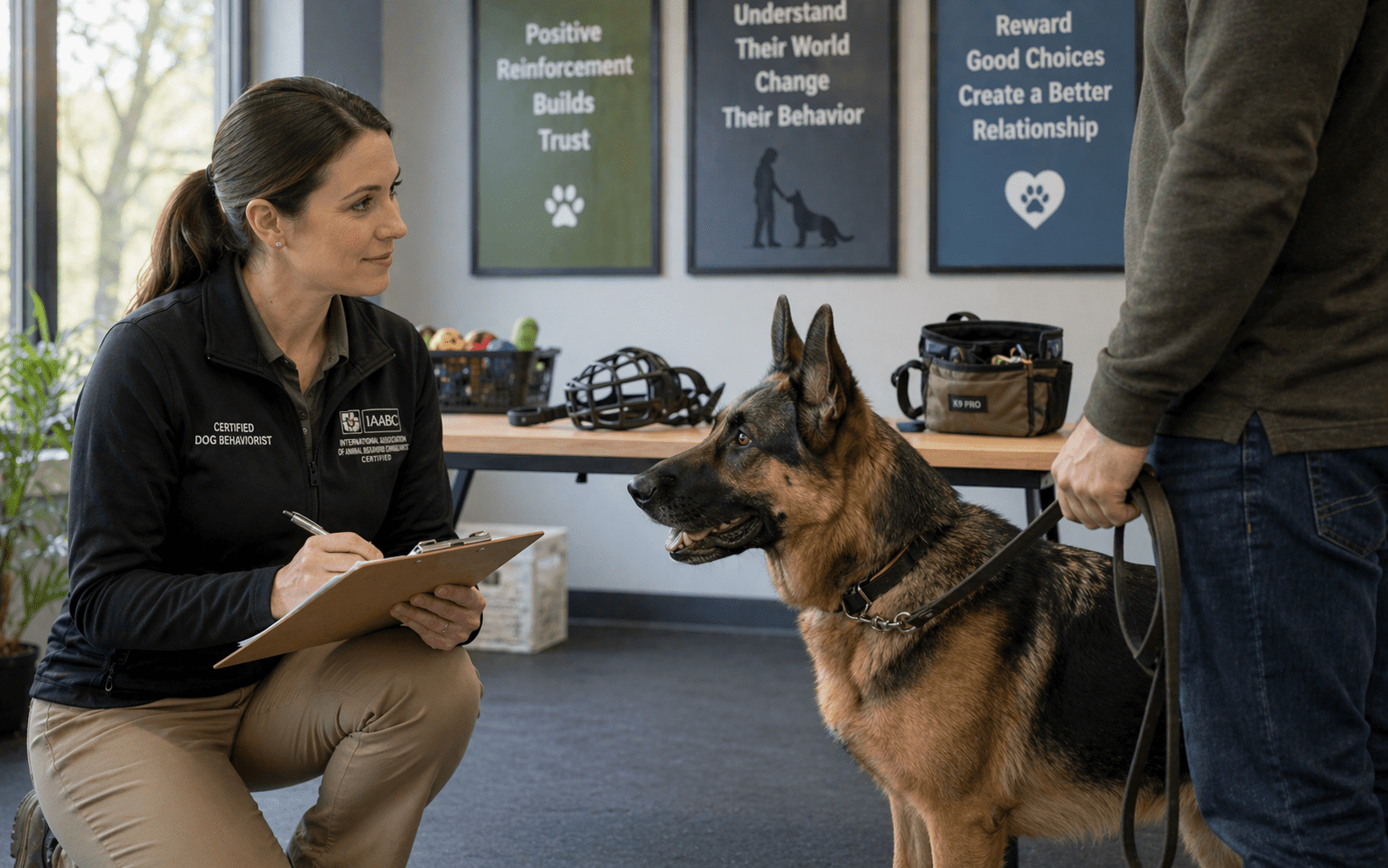
Warning signs that professional help is needed include:
- Multiple bite incidents or bites that break skin
- Aggression toward family members, especially children
- Unpredictable aggression with no clear trigger
- Aggression that worsens despite your training efforts
- Reactivity so severe you cannot safely walk your dog
Professional trainers use structured assessments to determine whether your dog is reactive, aggressive, or dealing with a combination of both. They create customized plans based on your dog’s specific needs and your household situation.
Waiting too long to seek help can make the problem harder to fix. Early intervention improves outcomes and keeps everyone safer.
Things to Know About Reactive vs Aggressive Dogs
Understanding the nuances of reactive vs aggressive dog behavior helps you respond appropriately and avoid common mistakes.
Reactivity Can Escalate to Aggression
A reactive dog that is repeatedly exposed to triggers without proper training may eventually learn that biting works better than barking. This is called escalation, and it happens when the dog’s warning signals are ignored or punished.
For example, a dog that barks at other dogs on walks may eventually lunge and snap if the barking does not create enough distance. Over time, snapping may turn into biting if the dog feels cornered or threatened.
Preventing escalation means addressing reactivity early and never forcing your dog into situations where they feel overwhelmed.
Breed Myths Do Not Tell the Whole Story
Certain breeds are stereotyped as aggressive, but breed alone does not determine behavior. Any dog can become reactive or aggressive depending on genetics, upbringing, training, and environment.
Breeds like German Shepherds, Rottweilers, and Pit Bulls are often labeled as aggressive, but many individuals from these breeds are calm and friendly. Conversely, small breeds like Chihuahuas and Dachshunds can show high levels of aggression but are not perceived as dangerous due to their size.
Focus on your individual dog’s behavior rather than assumptions based on breed. Every dog deserves an assessment based on their actions, not stereotypes.
Consistency and Patience Are Essential
Training a reactive or aggressive dog takes time. You will not see overnight changes, and setbacks are normal. Progress may be slow, especially if your dog has been rehearsing the behavior for months or years.
Consistency in training, management, and daily routines helps your dog feel more secure. Mixed signals or inconsistent boundaries can increase stress and make behavior worse.
Celebrate small wins. If your dog can walk past a trigger without reacting when they could not before, that is progress worth recognizing.
Safety Comes First
Never put yourself, your dog, or others at risk to prove a point or rush training. Use leashes, muzzles, and controlled environments to prevent incidents.
If you are unsure whether your dog is reactive or aggressive, err on the side of caution. Treat the behavior as potentially dangerous until a professional assesses the situation.
Safety tools like secure fencing, baby gates, and crates help you manage your dog’s environment while you work on training.
Wrapping Up: Reactive vs Aggressive Dog
Knowing the difference between reactive vs aggressive dog behavior gives you the clarity to choose the right training path. Reactive dogs need confidence building and desensitization, while aggressive dogs require structured behavior modification and professional support.
Both types of dogs can improve with the right approach, consistency, and patience. Understanding your dog’s motivations and triggers is the first step toward creating a calmer, safer household.
If your dog struggles with reactivity or aggression, professional dog training makes the journey faster and safer. K9 Mania Dog Training is the leading board and train Long Island provider, and we specialize in helping dogs overcome serious behavior challenges. Whether your dog is reactive, aggressive, or dealing with fear-based issues, our expert team can help you build the calm, confident dog you deserve. Trust K9 Mania Dog Training to guide you every step of the way.
You May Also Want to Read
Why Is My Dog Hiding? Common Causes and What to Do
How to Entertain Your Dog Indoor
How to Socialize a Reactive Dog
Frequently Asked Questions
How can I tell if my dog is aggressive or reactive?
An aggressive dog shows intent to harm through biting, snapping, or sustained threatening behavior. A reactive dog barks, lunges, or whines at triggers but calms down quickly once the trigger is removed. Watch for follow through and body language. Aggressive dogs make contact or attempt to bite, while reactive dogs rarely escalate beyond noise and display.
Can a dog be reactive but not aggressive?
Yes, many dogs are reactive without being aggressive. Reactivity is a fear-based or frustration-based overreaction to certain triggers. The dog may look scary with barking and lunging, but there is no intent to cause harm. Reactive dogs want space and safety, not conflict. With proper training, reactive dogs can learn to stay calm around their triggers.
How to snap a dog out of reactivity?
You cannot snap a dog out of reactivity, but you can redirect their focus and gradually change their emotional response. Use high value treats to reward calm behavior when the trigger is at a distance. Teach a strong focus or “look at me” command. Over time, desensitization and counterconditioning help the dog feel less threatened by the trigger. Avoid flooding or forcing your dog into situations where they cannot cope.
What breeds are prone to reactivity?
Any breed can become reactive, but herding breeds like Border Collies and Australian Shepherds, terriers like Jack Russell Terriers, and working breeds like German Shepherds may show heightened reactivity due to their genetics. These dogs were bred to be alert and responsive to stimuli. However, individual temperament, socialization, and training matter more than breed alone. Proper early socialization reduces reactivity in all breeds.
What is the #1 most aggressive dog breed?
There is no single most aggressive dog breed. Aggression depends on individual temperament, training, socialization, and environment. Studies show that small breeds like Dachshunds and Chihuahuas often display high rates of aggressive behavior, but their size makes them less dangerous. Breeds like Pit Bulls, Rottweilers, and German Shepherds are often labeled aggressive due to media coverage, but well-bred and trained individuals are typically stable and safe.
What not to do with a reactive dog?
Do not punish, yell, or use aversive tools like shock collars on a reactive dog. Punishment increases fear and stress, which can make reactivity worse or escalate it to aggression. Avoid forcing your dog to face triggers they cannot handle. Do not flood them by putting them in overwhelming situations. Never use methods that suppress warning signals without addressing the underlying emotion. Instead, work at your dog’s pace with positive reinforcement and distance.