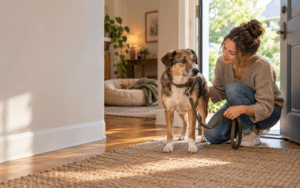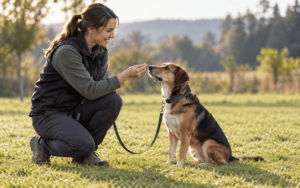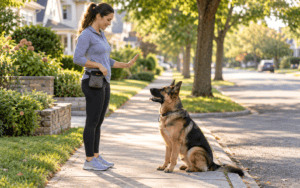
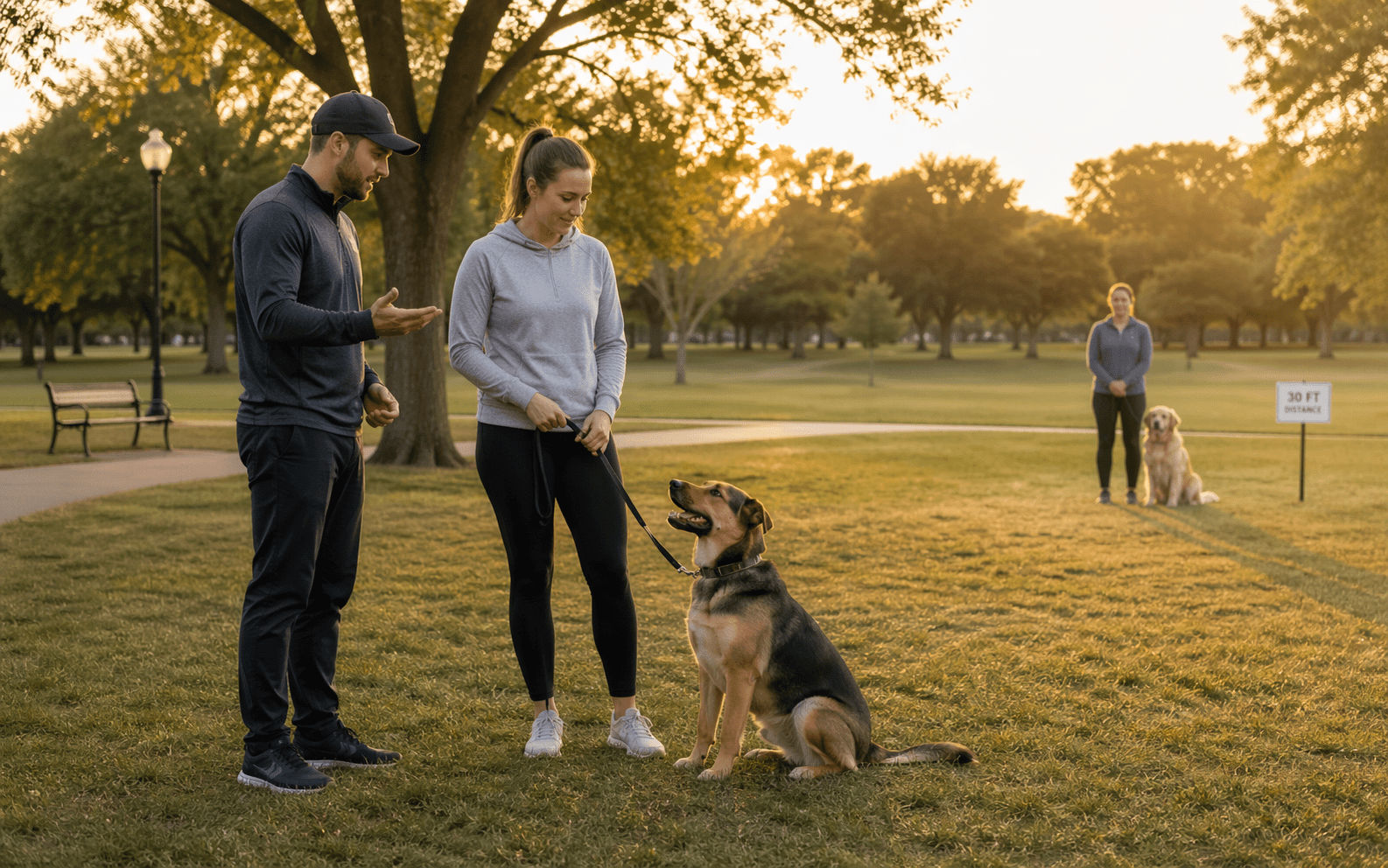
How to socialize a reactive dog starts with understanding triggers and creating controlled exposure at safe distances. Pairing positive reinforcement with gradual desensitization helps your dog learn that other dogs, people, or new situations are not threats.
This process takes patience and consistency, but reactive dogs can improve with the right approach. By managing their environment and building confidence through training, you can help your dog respond calmly instead of reacting with fear or aggression.
Keep reading to discover practical steps, expert techniques, and common mistakes to avoid when socializing a reactive dog.
What Is Dog Reactivity and Why It Happens
Dog reactivity is an overreaction to specific triggers like other dogs, strangers, bicycles, or loud noises. A reactive dog may bark, lunge, growl, or pull on the leash when they see something that bothers them.
This behavior comes from fear, frustration, or past negative experiences. Some dogs missed early socialization during puppyhood, while others developed reactivity after a traumatic event or lack of exposure to different environments.
Reactivity is not the same as aggression, though it can look similar. Reactive dogs are often trying to create distance from what scares them, not cause harm. Understanding the root cause helps you choose the right training approach.
📌 Reactivity often shows up during walks or in public spaces. If your dog struggles with leash manners, check out how to train a reactive dog on leash for targeted techniques.
Why Socializing a Reactive Dog Matters
Socialization helps reactive dogs feel more comfortable in everyday situations. Without it, simple tasks like walking through the neighborhood or visiting the vet can become stressful for both you and your dog.
Reduces Stress for You and Your Dog
Living with a reactive dog means constant vigilance. You may avoid certain routes, skip dog parks, or feel anxious about unexpected encounters. This stress affects your dog too, as they pick up on your tension.
When you work on socialization, your dog learns to stay calm around triggers. This makes outings more enjoyable and less exhausting. A calmer dog also means fewer health issues related to chronic stress, as constant reactions elevate cortisol levels.
Improves Quality of Life and Safety
A well-socialized reactive dog can join you in more places instead of staying home. They can handle new environments without panic or aggression, making everyday errands easier.
Safety improves too. Reactive dogs that lunge or snap put themselves and others at risk. Teaching them to respond calmly prevents accidents and potential bites. Better behavior also protects your dog legally, as bite incidents can lead to lawsuits or mandatory muzzling.
Builds Confidence and Positive Associations
Reactive dogs often lack confidence. Gradual exposure paired with rewards teaches them that the world is not as scary as it seems. As they learn to cope, they stop relying on barking or lunging and instead look to you for guidance. Positive associations replace negative ones, creating lasting behavior change.
How to Socialize a Reactive Dog Step by Step
Socializing a reactive dog requires a clear plan, patience, and controlled exposure. Rushing the process or skipping steps can make reactivity worse instead of better.
Identify Your Dog’s Triggers
Before you can help your dog, you need to know what sets them off. Common triggers include other dogs, strangers, children, bikes, skateboards, or loud sounds.
Watch your dog closely during walks. Note when they start to tense up, stare, or change their body language. These early signs happen before barking or lunging, and recognizing them helps you intervene sooner.
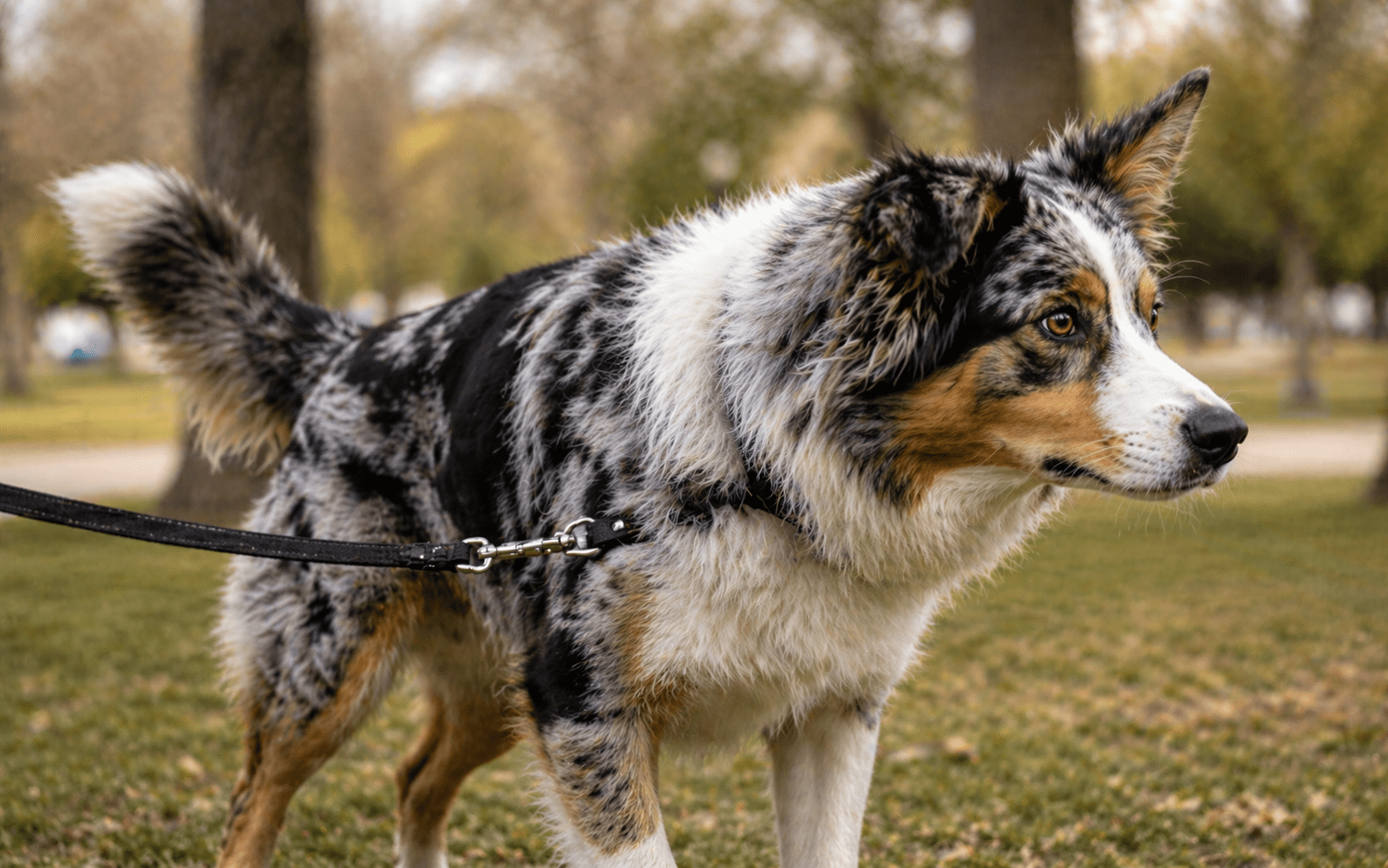
Keep a log of situations that cause reactions. Write down the distance, environment, and intensity. Patterns will emerge, showing you exactly what to work on first.
Start at a Safe Distance from Triggers
Socialization does not mean forcing your dog into scary situations. Instead, work at a distance where they notice the trigger but stay calm. This is called the threshold distance.
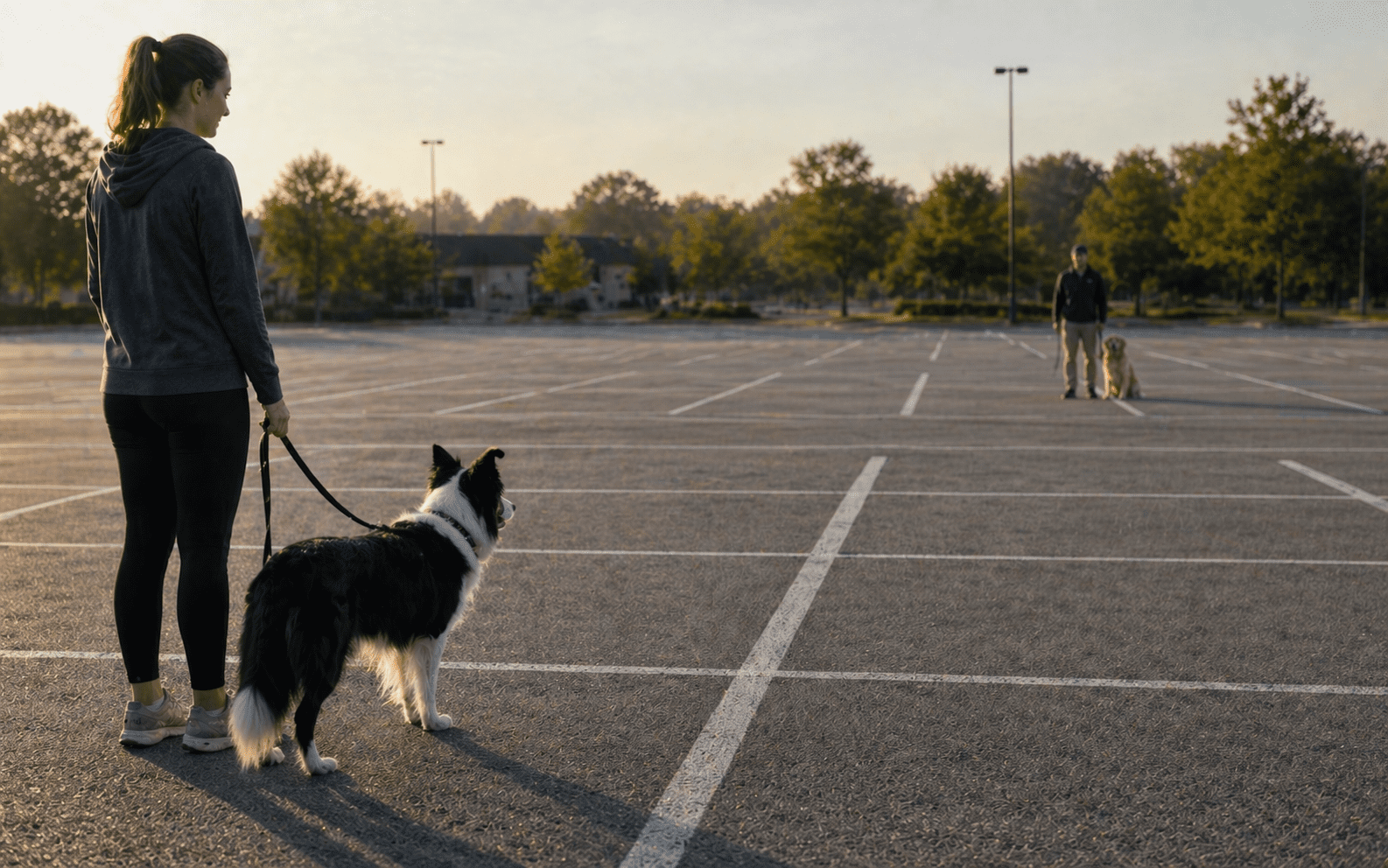
If your dog reacts to other dogs at 20 feet, start training at 30 or 40 feet. At this distance, they can see another dog without losing control. As your dog improves, slowly decrease the distance. This gradual approach prevents flooding, which happens when a dog is overwhelmed.
Safe distance varies by dog and situation. Always adjust based on your dog’s body language.
Use Positive Reinforcement and Counterconditioning
Reward calm behavior around triggers. When your dog sees another dog and stays relaxed, give them high-value treats immediately. This creates a positive association.
Counterconditioning changes how your dog feels about triggers. Instead of thinking “scary dog approaching,” they learn to think “good things happen when I see dogs.”
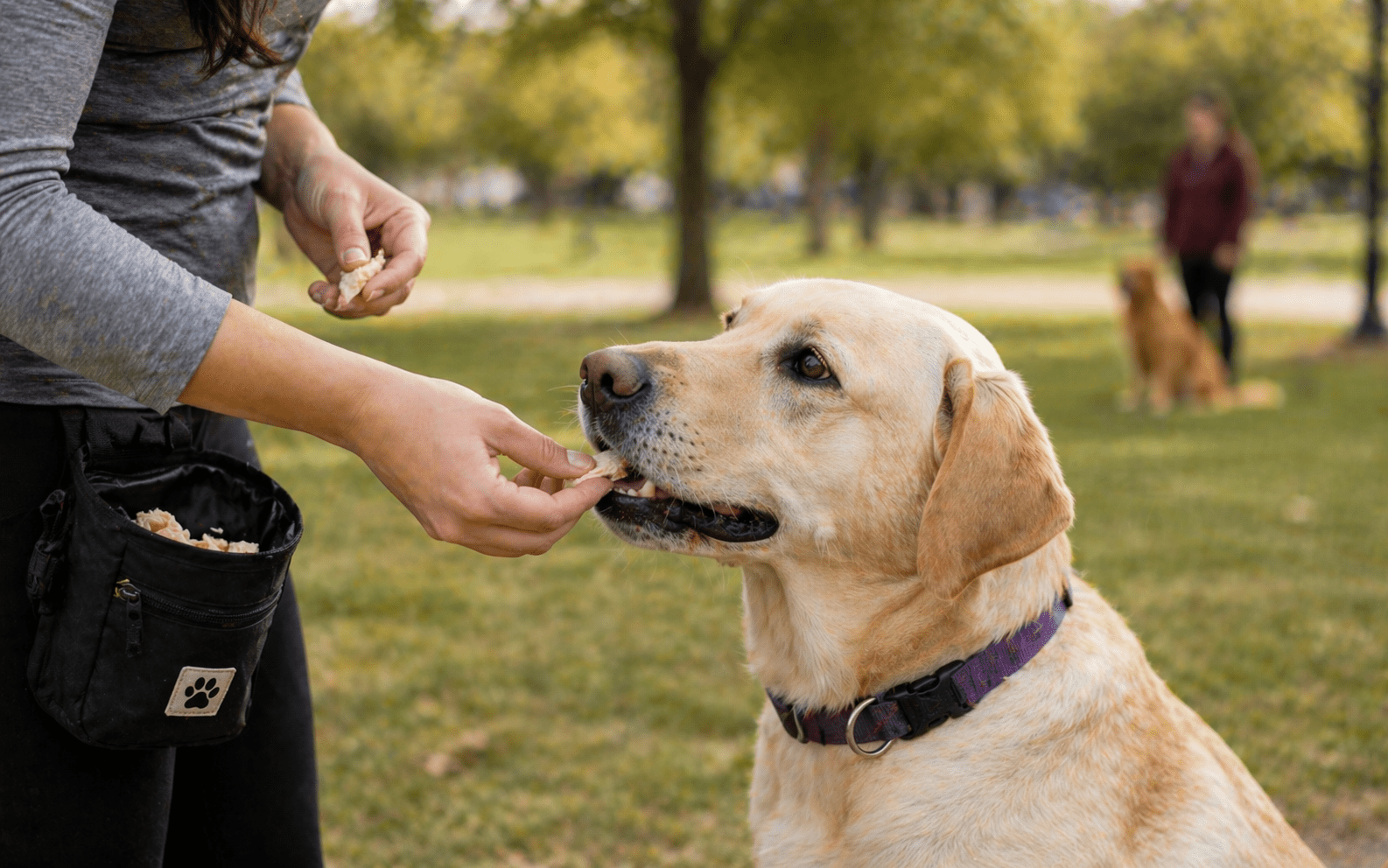
Use treats your dog loves, like chicken, cheese, or hot dogs. Timing matters. Deliver the reward the moment your dog notices the trigger and before they react.
📌 Positive methods work better than punishment for reactive dogs. Learn more in reactive dog training steps to build a solid foundation.
Practice Basic Obedience Commands
A dog that responds to commands like sit, down, and focus has tools to cope with stress. “Watch me” or “look” teaches your dog to check in with you during stressful moments.
Practice commands in low-distraction environments first. Short, frequent training sessions work better than long ones. Five minutes of focused practice daily builds skills faster than an hour once a week.
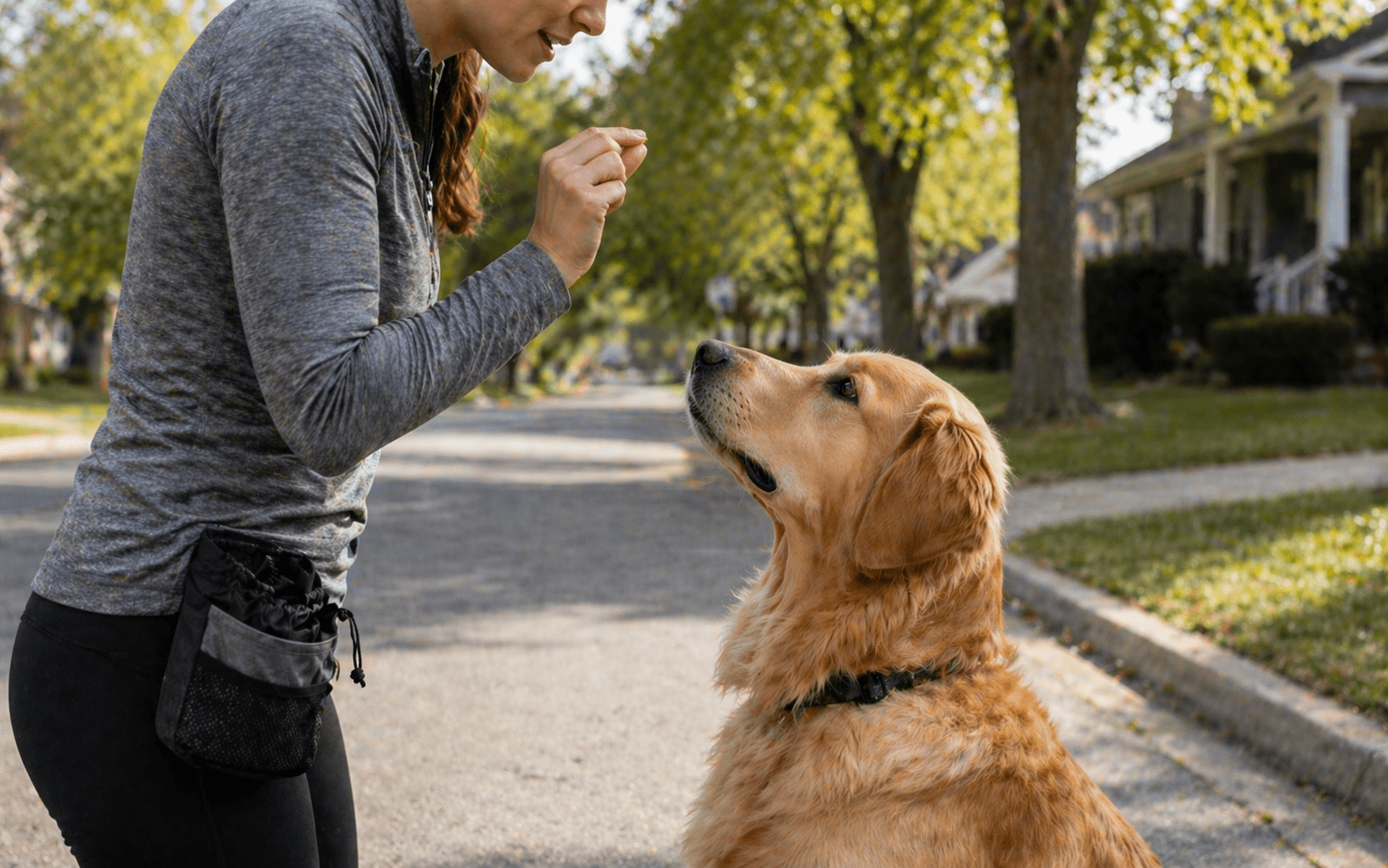
Professional dog behavior training can help if your dog struggles with basic commands or has severe reactivity.
Gradually Increase Exposure in Controlled Settings
Once your dog stays calm at a safe distance, start reducing that distance slowly. Move 5 feet closer every few sessions, watching for signs of stress.
Controlled settings work best. Quiet times at parks, empty parking lots, or calm neighborhood streets let you manage what your dog encounters. Avoid unpredictable environments early in training.
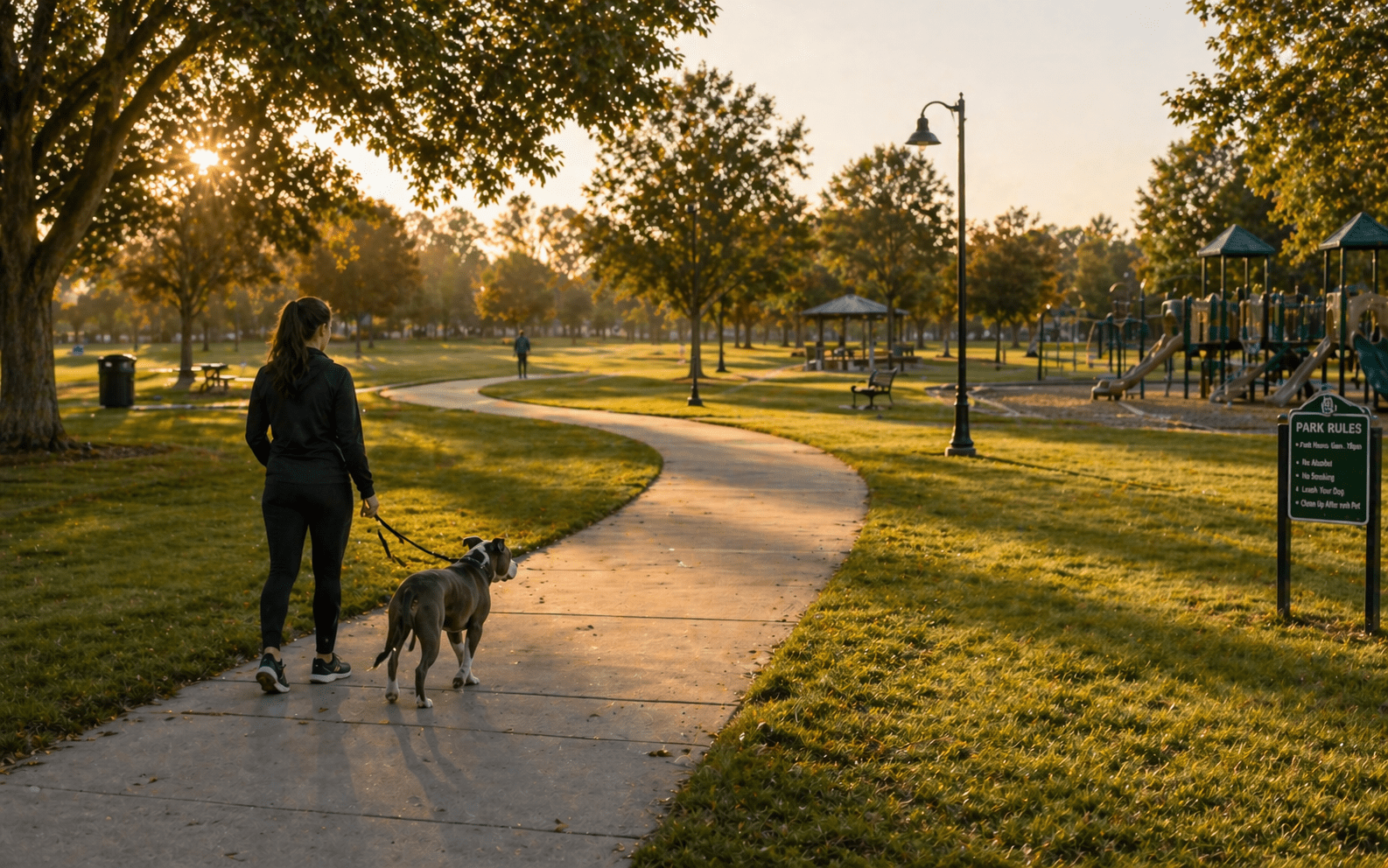
If your dog reacts during a session, you moved too fast. Return to the previous distance where they were calm. Consistency matters. Practice several times a week for best results.
Things to Know Before You Start Socializing
Not all reactive dogs respond to the same methods. Some need professional help, while others improve with owner-led training. Knowing these key points helps you set realistic goals.
Socialization Is Not a Quick Fix
Reactive behavior took time to develop, and it takes time to change. Expect weeks or months of consistent work, not days.
Some dogs show improvement quickly, while others need longer. Age, severity of reactivity, and past experiences all affect how fast progress happens.
Celebrate small wins. If your dog walks past a trigger without barking this week, that is progress even if they are not ready to greet other dogs yet.
Setbacks happen. A bad encounter or stressful day can cause temporary regression. Stay patient and keep working.
Professional Help May Be Necessary
Severe reactivity, aggression, or fear-based behaviors often need expert guidance. A certified dog trainer or veterinary behaviorist can create a customized plan.
Professional trainers know how to read subtle body language and adjust training in real time. They can also teach you handling skills that prevent mistakes.
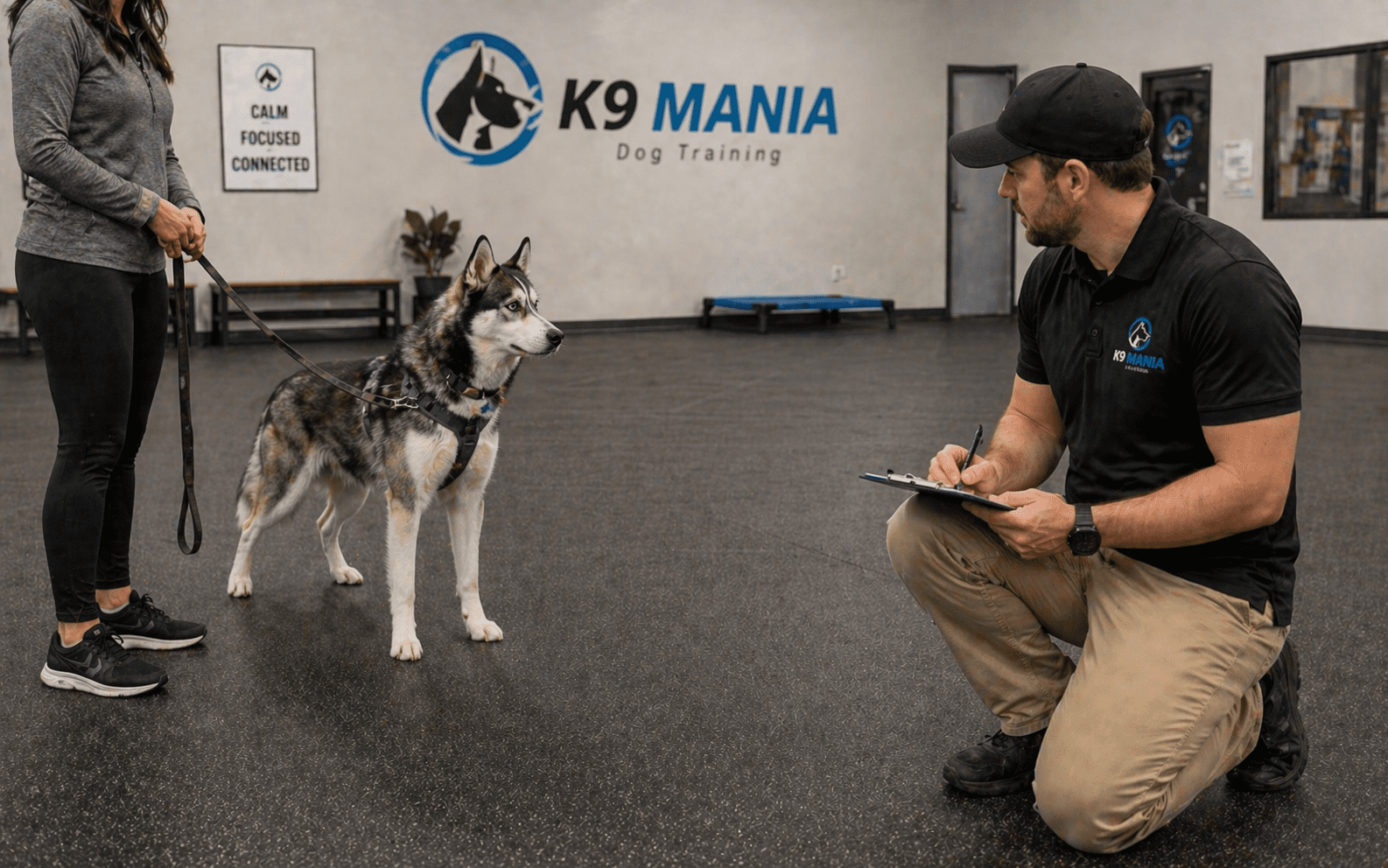
If your dog has bitten someone or shows intense aggression, do not attempt socialization alone. Safety comes first, and professionals have the tools to manage high-risk situations.
Reactive dog training Long Island programs offer structured support and faster results than DIY methods.
Some Dogs May Never Be Fully Social
Not every reactive dog will become a social butterfly. Some will tolerate other dogs or people but never seek interaction, and that is okay.
The goal is not to force your dog to love what scares them. The goal is to help them stay calm and controlled when they encounter triggers.
Managing the environment becomes part of life. You may always choose quieter times for walks or avoid certain locations. That is not failure; it is responsible ownership.
Acceptance helps you and your dog. Pushing beyond their comfort zone can cause more harm than good.
Common Mistakes to Avoid When Socializing a Reactive Dog
Even well-meaning owners make errors that worsen reactivity. Avoiding these mistakes keeps training on track and protects your dog’s progress.
Forcing Interactions Before Your Dog Is Ready
Letting strangers pet your reactive dog or allowing on-leash greetings too soon can backfire. These situations may seem like socialization, but they often overwhelm the dog.
Wait until your dog shows consistent calm behavior around triggers at a distance before attempting closer contact. Even then, proceed slowly and let your dog choose to engage.
Never hold your dog in place while forcing them to endure a scary situation. This causes flooding and can make fear worse.
Using Punishment or Corrections
Yelling, leash pops, or shock collars do not fix reactivity. They may stop the visible behavior temporarily, but they do not change the underlying fear or frustration.
Punishment can make things worse. A dog that gets corrected for barking at other dogs may suppress the warning signs but still feel the same fear. Eventually, they may skip the warning and go straight to biting.
Positive methods address the root cause. They help your dog feel differently about triggers, not just behave differently out of fear of punishment.
Skipping Gradual Steps
Trying to rush progress leads to setbacks. If your dog is not ready to walk past other dogs calmly, do not force it just because you are impatient.
Each dog progresses at their own pace. Skipping steps causes stress and can undo weeks of work.
Follow a structured plan. Increase difficulty only after your dog masters the current level.
Inconsistent Training or Giving Up Too Soon
Training must happen regularly. Practicing once a month will not create lasting change.
Consistency across all family members matters too. If one person rewards calm behavior and another allows barking, your dog gets mixed signals.
Many owners quit after a few weeks because they do not see dramatic results. Real behavior change takes months, not days.
Training Methods That Help Reactive Dogs
Different techniques work for different dogs. Combining methods often produces the best results.
Desensitization and Counterconditioning
Desensitization exposes your dog to triggers at low intensity, gradually increasing exposure as they stay calm. Counterconditioning pairs triggers with positive experiences like treats or play.
Used together, these methods change both behavior and emotion. Your dog learns the trigger is not dangerous and starts to feel good about it.
This approach requires careful planning. Set up controlled scenarios where you can manage distance, intensity, and duration.
Focus and Engagement Training
Teaching your dog to focus on you instead of triggers gives them an alternative behavior. When they see another dog, they can look at you for direction instead of reacting.
Use high-value rewards to make engagement more rewarding than reacting. Over time, checking in with you becomes their default response.
This method works well in real-world situations because you can practice anywhere.
Parallel Walking
Parallel walking means walking your dog alongside another calm dog at a safe distance. Both dogs move in the same direction without direct interaction.
Over time, the distance decreases as your dog stays relaxed. This controlled exposure builds positive associations without forcing face-to-face greetings.
Choose a calm, well-trained dog for parallel walks. A reactive partner will not help.
Training Comparison: DIY vs. Professional Programs
| Training Method | Best For | Time Commitment | Cost |
| Owner-Led Training | Mild reactivity, motivated owners | Daily practice for 3-6 months | Low (treats, books, videos) |
| Group Classes | Dogs with minor reactivity, basic obedience needs | Weekly sessions for 6-8 weeks | Moderate ($200-$400) |
| Private Training | Moderate to severe reactivity, customized plans | Weekly or bi-weekly for 2-4 months | High ($500-$2,000+) |
| Board and Train | Severe cases, fast results needed, busy owners | 2-4 weeks intensive | Highest ($2,500-$5,000+) |
Socialization Environments: Where to Start
| Environment | Difficulty Level | Benefits | Risks |
| Empty parking lot | Beginner | Full control, few distractions | Limited exposure variety |
| Quiet neighborhood streets | Beginner to Intermediate | Real-world practice, predictable | Unexpected encounters possible |
| Park perimeter (off-peak hours) | Intermediate | More triggers at safe distance | Other dogs may approach |
| Pet store entrance | Intermediate to Advanced | Controlled indoor space | Close quarters, crowds |
| Dog training class | Advanced | Structured environment, expert help | High trigger density |
How Long Does Socialization Take?
Progress depends on the dog’s history, severity of reactivity, and consistency of training. Mild cases may show improvement in 4 to 8 weeks, while severe reactivity can take 6 months to a year or longer.
Some dogs reach a point where they tolerate triggers but do not enjoy them. Others eventually become neutral or even friendly. Each dog has their own potential.
Maintenance training continues for life. Even after your dog improves, occasional practice sessions keep skills sharp and prevent backsliding.
Patience pays off. Stick with the process, celebrate small wins, and trust that consistent work creates lasting change.
📌 If your reactive dog needs intensive help, consider boarding a reactive dog at K9 Mania Dog Training, a dog professional facility for focused dog training.
Wrapping Up: Your Path to a Calmer, Happier Dog
Learning how to socialize a reactive dog takes time, patience, and the right approach, but the results are worth every effort. By understanding triggers, working at safe distances, using positive reinforcement, and avoiding common mistakes, you can help your reactive dog become calmer and more confident in everyday situations.
Not every dog will become fully social, but most can learn to handle triggers without fear or aggression. Consistent training, realistic goals, and professional support when needed make all the difference in your dog’s progress and your peace of mind.
If your dog’s reactivity feels overwhelming or progress has stalled, professional help can make a real difference. K9 Mania Dog Training is the leading board and train Long Island provider, offering expert programs designed to address even the most challenging behavior issues. Whether your dog struggles with reactivity, aggression, or fear, our team can help you build the calm, confident companion you deserve. Visit our website to learn how we can support you and your dog.
You May Also Want to Read
How to Train a Dog Not to Jump: A Complete Guide
Why Is My Dog Hiding? Common Causes and What to Do
How to Entertain Your Dog Indoor
Frequently Asked Questions
Can a reactive dog be socialized?
Yes, most reactive dogs can be socialized with the right training approach. The key is gradual exposure, positive reinforcement, and working at a safe distance from triggers. While some dogs may never become fully social, most can learn to stay calm and controlled around the things that once caused them to react. Progress takes time and patience, but many reactive dogs show significant improvement with consistent work.
What not to do with a reactive dog?
Never force a reactive dog into situations that scare them or use punishment to stop reactive behavior. Avoid tight leash corrections, yelling, or physical punishment, as these can increase fear and make reactivity worse. Do not allow strangers or other dogs to approach without your dog’s consent, and never flood your dog by overwhelming them with triggers. Skip dog parks and crowded areas until your dog has made significant progress in training.
Is it ever too late to socialize a dog?
It is never too late to improve a dog’s socialization skills, though older dogs may take longer to change ingrained behaviors. Adult dogs can still learn new responses to triggers through positive reinforcement and gradual exposure. While puppies have a critical socialization period, older dogs benefit from the same training methods. Age does not prevent progress; it just means adjusting expectations and being patient with the process.
How to snap a dog out of reactivity?
You cannot instantly snap a dog out of reactivity, but you can interrupt it with redirection and engagement training. Teach a strong “look at me” or “focus” command before your dog crosses their threshold. Use high-value treats to reward calm behavior and create distance from the trigger when needed. Consistent training that changes the underlying emotional response works better than quick fixes or corrections.
What is the most reactive dog breed?
Herding breeds like Australian Shepherds, Border Collies, and German Shepherds often show reactivity due to their high alertness and strong guarding instincts. Terriers can also be reactive because of their bred-in prey drive and quick responses. However, any breed can become reactive based on genetics, early experiences, and lack of socialization. Individual temperament matters more than breed when predicting reactivity.
When should you put a reactive dog down?
Euthanasia should only be considered in extreme cases where a dog poses a serious danger to people or other animals despite extensive professional training, or when quality of life is severely compromised by anxiety and fear. Most reactive dogs can improve with proper training and management. Consult with a veterinary behaviorist and certified trainer before making this decision, as many cases of severe reactivity can be successfully treated with the right intervention.