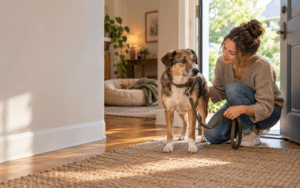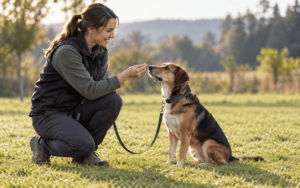
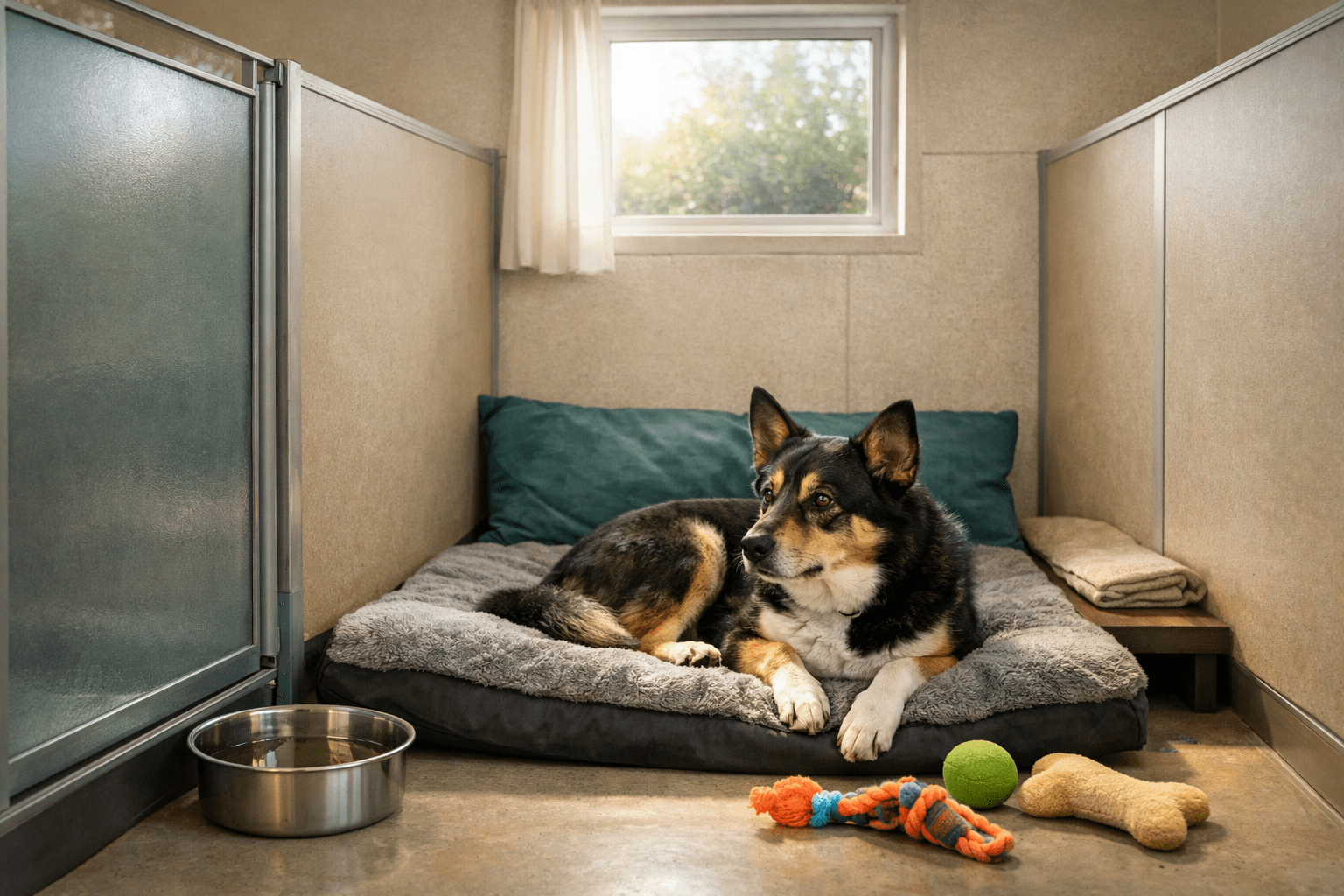
Boarding a reactive dog is possible when you find the right facility with trained staff and proper protocols for managing behavioral challenges. Many specialized boarding camps and board-and-train programs accept reactive dogs, provided you communicate your dog’s triggers clearly and the facility has experience handling dogs with reactivity issues.
Finding safe, appropriate care for a reactive dog can feel overwhelming, especially when you need to travel or take time away. The good news is that with the right preparation and facility choice, your reactive dog can have a positive boarding experience.
In this guide, we’ll walk you through everything you need to know about boarding options, how to prepare your dog, and what questions to ask facilities before booking.
Need expert help with your reactive dog? Our in-home dog training program creates customized plans to address your dog’s specific triggers.
Reactive dogs often struggle in boarding environments due to limited socialization. If your dog shows reactivity, learning how to socialize a reactive dog can significantly improve their boarding experience.
Understanding Reactive Dogs and Boarding Challenges
Reactive dogs display intense responses to specific triggers like other dogs, people, sounds, or new environments. This behavior stems from fear, frustration, or overstimulation rather than true aggression in most cases.
When it comes to boarding, these reactions create unique challenges that not all facilities are equipped to handle. Understanding your dog’s specific triggers helps you find the right boarding solution.
What Makes a Dog Reactive
Reactivity shows up in different ways depending on the dog and the trigger. Some dogs bark and lunge at other dogs on walks, while others react to strangers entering their space or sudden noises.
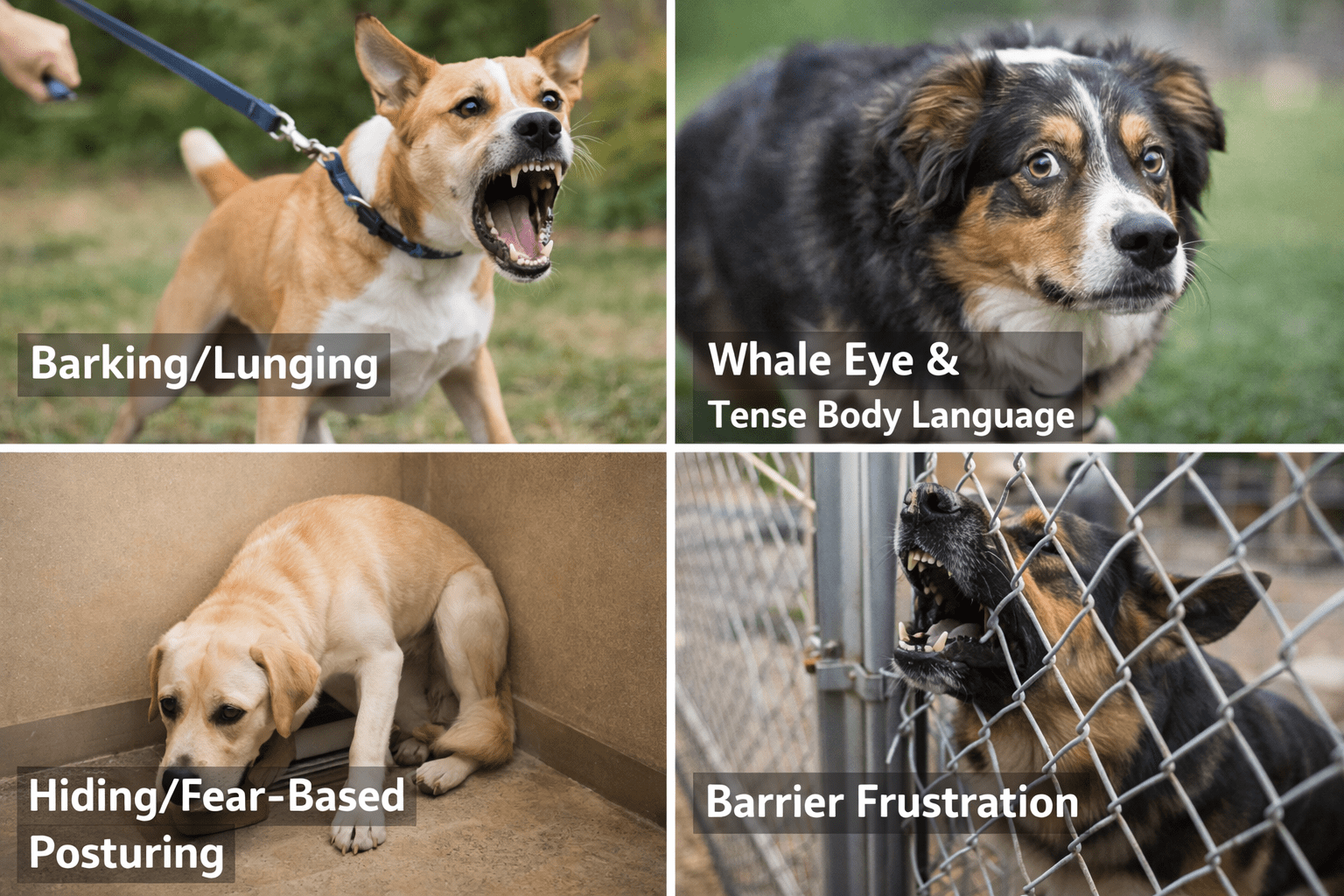
The behavior usually comes from one of these sources:
- Fear-based reactivity: Your dog feels threatened and reacts defensively to create distance from the trigger
- Frustration reactivity: Your dog wants to interact but can’t, leading to barrier frustration
- Overstimulation: Too much happening at once causes your dog to lose control of their responses
- Under-socialization: Limited positive experiences during critical developmental periods
Most reactive dogs aren’t aggressive. They’re overwhelmed and using the tools they have to cope with stress. This distinction matters when looking for boarding options.
Common Boarding Concerns for Reactive Dogs
Traditional boarding environments can be stressful for reactive dogs because they’re designed for social, easy-going pets. High-energy kennels with lots of dog interaction create the exact situations that trigger reactive behavior.
Here are the main concerns owners face:
Close proximity to other dogs: Standard kennels often have dogs in adjacent runs where they can see, hear, and smell each other constantly. This setup keeps reactive dogs in a heightened state of stress.
Unfamiliar handlers: Reactive dogs often struggle with new people, especially in an already stressful environment. They need handlers who understand body language and can read warning signs.
Overstimulation: Busy facilities with constant activity, noise, and movement can overwhelm dogs who are already sensitive to environmental triggers.
Limited one-on-one attention: Many boarding facilities focus on group activities, which doesn’t work for dogs who need individualized care and management.
These challenges don’t mean boarding is impossible. They just mean you need to be more selective about where you leave your dog.
Boarding Options for Reactive Dogs
Not all boarding facilities are created equal, especially when it comes to reactive dogs. You have several options, each with different benefits and considerations depending on your dog’s specific needs.
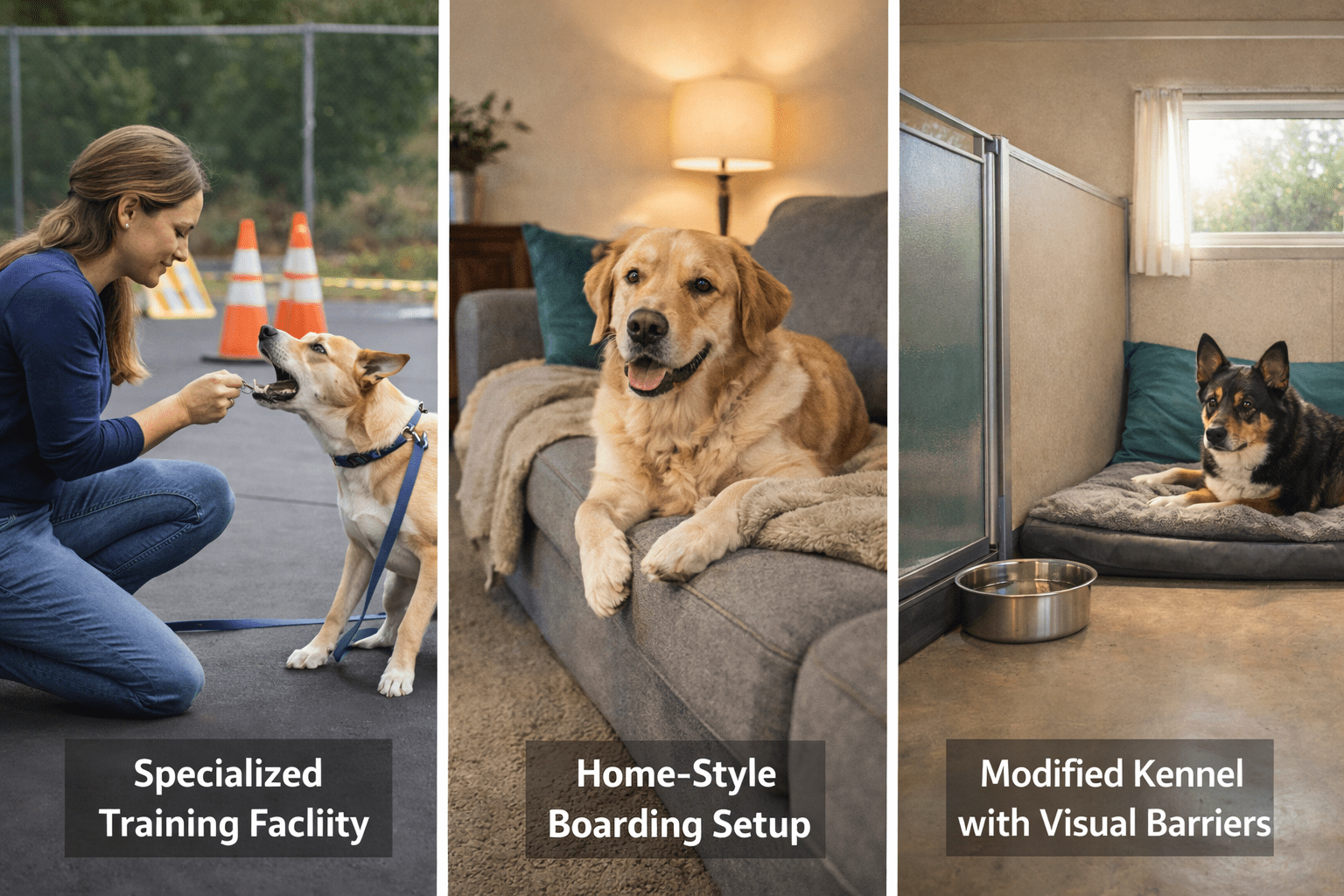
Specialized Board and Train Programs
Board and train programs combine boarding with professional training, making them one of the best options for reactive dogs. Your dog stays at the facility while working with experienced trainers who address the root causes of reactivity.
These programs offer several advantages:
- Professional handling: Trainers know how to manage reactive episodes safely and use them as teaching moments
- Structured environment: Dogs follow a consistent routine that reduces stress and builds confidence
- Skill building: Your dog learns new coping mechanisms and behaviors while you’re away
- Progress updates: You receive regular reports on your dog’s behavior and training progress
A quality board and train Long Island program should customize their approach to your dog’s specific triggers and reactivity patterns. The best programs also include owner education, so you can maintain progress when your dog comes home.
What to look for:
- Small dog-to-trainer ratios
- Experience specifically with reactive dogs
- Clear training methods that align with your philosophy
- Private or semi-private accommodations
- Follow-up support after your dog returns home
Private Boarding Facilities and In-Home Care
Private boarding options keep your dog in a home environment rather than a traditional kennel. This can significantly reduce stress for reactive dogs who struggle in high-stimulation settings.
Private boarding homes: Some trainers or pet care professionals offer boarding in their own homes with only a few dogs at a time. They can often accommodate special needs and provide more individualized attention.
In-home pet sitters: A sitter stays at your house or visits multiple times daily. This option works well for dogs who are reactive mainly outside their home territory.
Benefits of private options:
- Lower stress environment
- More flexible schedules
- Ability to maintain your dog’s normal routine
- Fewer dogs means fewer triggers
- Often more affordable than specialized training facilities
Traditional Kennels with Accommodation Plans
Some traditional boarding kennels will accept reactive dogs with proper protocols in place. These facilities typically offer separate or isolated runs and modify their standard procedures to meet your dog’s needs.
This option works best for dogs with mild reactivity who can handle being in a kennel environment with some accommodations.
Typical accommodations include:
- Visual barriers between runs
- Separate exercise times away from other dogs
- Limited staff rotation for consistency
- Quiet areas away from high-traffic zones
- Individual feeding and care schedules
Before booking, visit the facility and watch how staff interact with dogs. Ask specific questions about their experience with reactivity and what modifications they can make.
Preparing Your Reactive Dog for Boarding
The work you do before boarding significantly impacts how well your dog handles the experience. Proper preparation reduces stress and helps staff provide better care for your dog.
Pre-Boarding Training Steps
If you have time before your boarding date, investing in training makes a real difference. Even a few weeks of focused work can help your dog cope better with the boarding environment.
Work on these key skills:
Impulse control: Teaching your dog to wait, stay calm, and respond to cues even when triggered helps them manage stress. Practice reactive dog training steps consistently in the weeks leading up to boarding.
Desensitization to triggers: Gradually expose your dog to their triggers at a distance where they can stay calm. This builds tolerance and reduces the intensity of reactions.
Crate comfort: If your dog will be crated at the facility, make sure they’re comfortable spending time in a crate at home first.
Basic obedience: Solid responses to sit, down, stay, and come give staff tools to redirect your dog during stressful moments.
Professional help accelerates this process. Working with a trainer who understands reactivity ensures you’re building the right foundations and not accidentally reinforcing reactive behaviors.
What Information to Share with Boarding Staff
Clear, detailed communication with boarding staff protects your dog and helps them provide better care. Don’t downplay your dog’s reactivity or assume staff will figure it out.
Create a written document that includes:
- Specific triggers: List exactly what causes reactions and how your dog responds
- Warning signs: Describe your dog’s body language before a reaction
- Management strategies: Share what works to prevent or interrupt reactions at home
- Training cues: List commands your dog knows and how to use them for redirection
- Medical information: Include any medications, especially anti-anxiety medication
- Routine preferences: Feeding schedule, favorite toys, comfort items
- Emergency contacts: Your vet’s information and how to reach you
The more specific you are, the better prepared staff will be to handle your dog safely and reduce stress for everyone involved.
Essential Items to Pack
Familiar items from home help your dog feel more secure in a new environment. Pack these essentials:
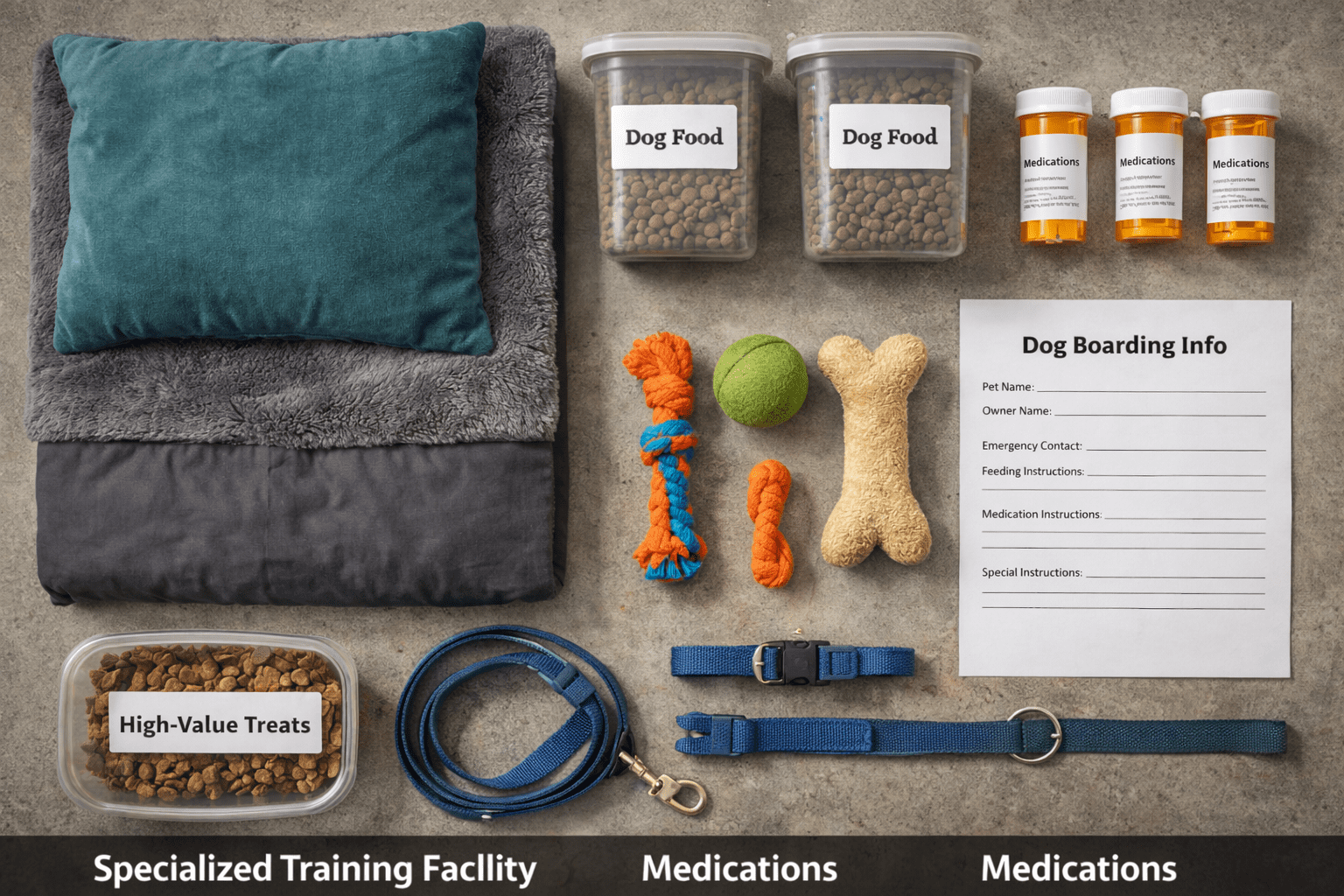
- Comfort items: Favorite bed, blanket, or toy that smells like home
- Regular food: Enough for the entire stay plus a few days extra
- Medications: Current prescriptions with clear dosing instructions
- Leash and collar: Bring your own if your dog is sensitive about equipment
- High-value treats: Items that staff can use for positive reinforcement
- Calming aids: Thunder shirt, calming sprays, or supplements if you use them
Label everything with your dog’s name and avoid sending items you can’t replace.
Questions to Ask Before Booking
Not every facility that says they accept reactive dogs actually has the experience and protocols needed to care for them safely. Ask these questions before making a reservation.
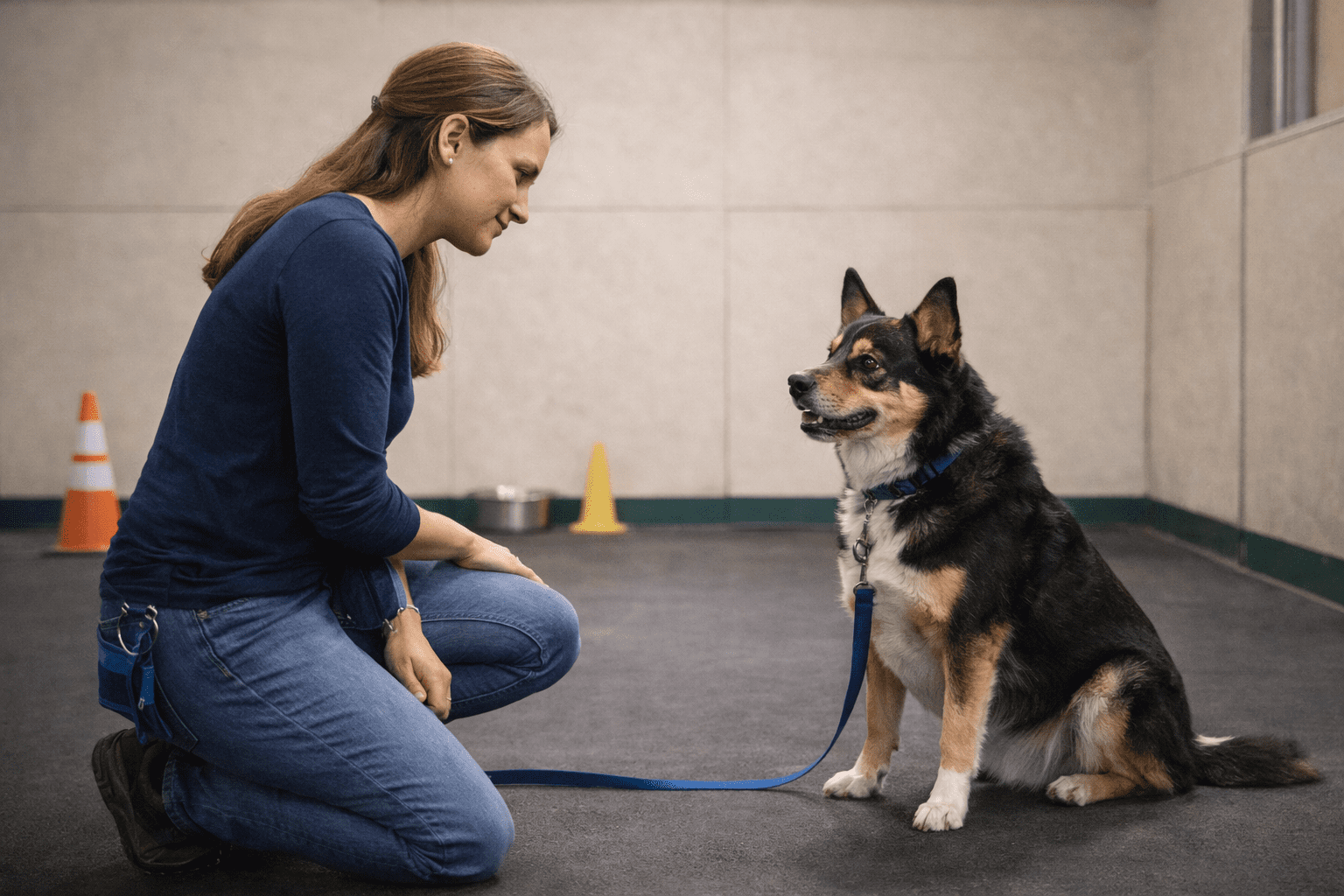
Staff Experience and Training
The people caring for your dog need specific skills beyond basic pet care. Ask about their background and training.
Key questions:
- What experience does your staff have with reactive dogs specifically?
- What training do staff receive in dog behavior and body language?
- How do you handle a dog who is having a reactive episode?
- What is your staff-to-dog ratio?
- Will the same staff member handle my dog throughout their stay?
Look for facilities where staff can speak knowledgeably about dog behavior and have a calm, confident approach.
Facility Setup and Safety Protocols
The physical environment and safety procedures determine whether your dog can succeed at the facility.
Questions to ask:
- How are dogs housed individually or in groups?
- Can you provide visual barriers between runs?
- How do you prevent dog-to-dog contact?
- What is your emergency protocol if dogs get into a conflict?
- Do you have a vet on call or a relationship with a local emergency vet?
- How do you handle dogs who refuse to eat or show other stress signs?
Visit in person if possible. Watch how staff interact with dogs already there and assess the noise level and overall environment.
Here’s a comparison of what different boarding options typically offer:
| Feature | Specialized Board & Train | Private Boarding | Traditional Kennel |
| One-on-One Attention | High – individualized training | High – home environment | Low – multiple dogs per staff |
| Trigger Management | Excellent – controlled exposure | Good – limited dog contact | Fair – depends on accommodations |
| Cost | $$$ – highest investment | $$ – moderate pricing | $ – most affordable |
| Training Progress | Yes – active skill building | No – maintenance only | No – care focused |
| Best For | Dogs needing behavior modification | Dogs comfortable in home settings | Mildly reactive dogs |
What to Expect During and After Boarding
Understanding what’s normal during boarding helps you set realistic expectations and recognize when there might be a problem.
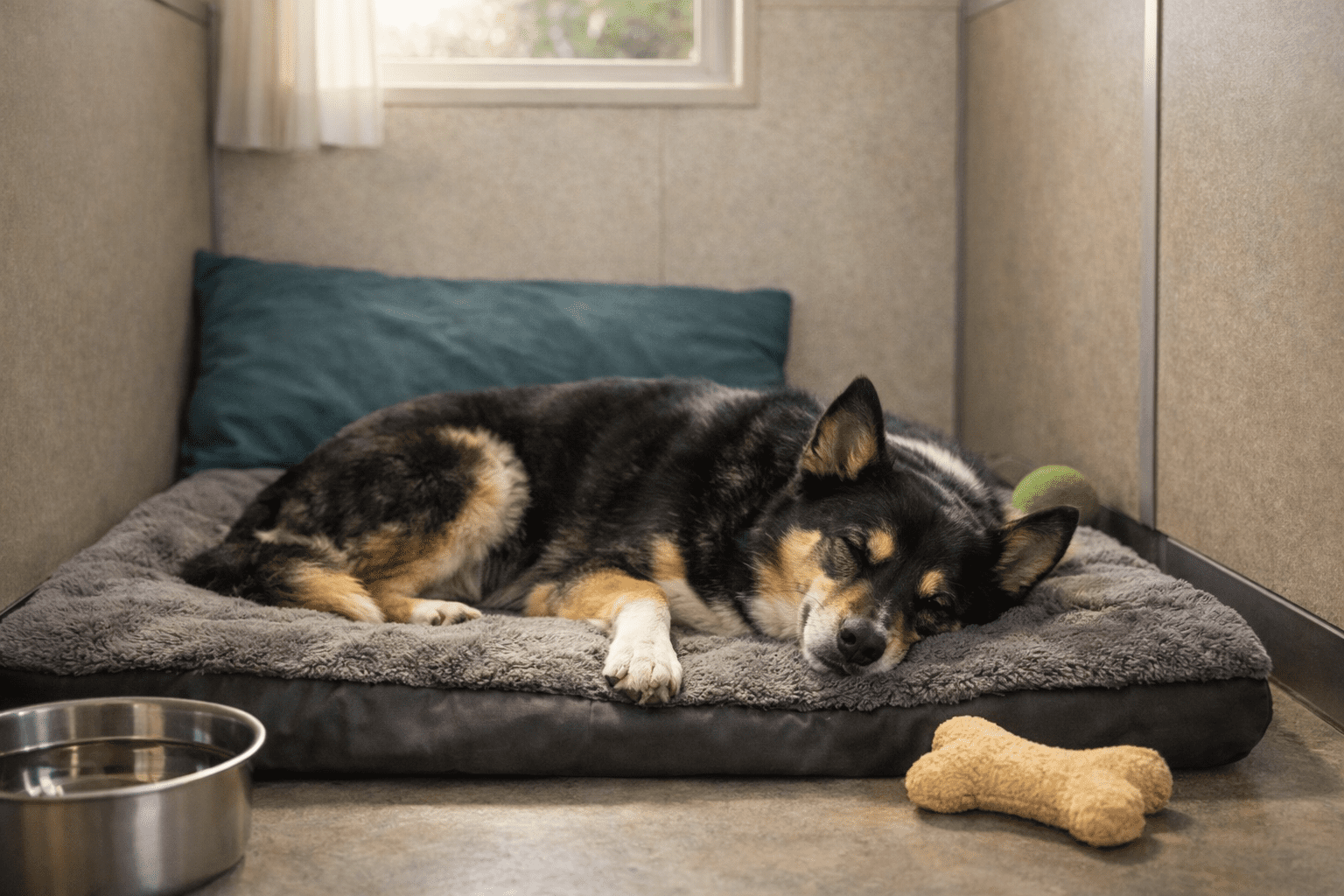
Normal Stress Behaviors
Most dogs show some stress when boarding, even in the best facilities. These behaviors usually resolve within a day or two of returning home:
- Decreased appetite or pickiness about food
- More sleep than usual or appearing tired
- Clinginess or wanting more attention from you
- Mild digestive upset
- Less interest in play initially
Reactive dogs might be more on edge for a few days after returning home. They may react more intensely to their usual triggers or seem more vigilant. This typically settles down as they decompress.
Red Flags to Watch For
Some behaviors indicate the boarding experience was too stressful or something went wrong. Contact your vet if you notice:
- Refusing to eat for more than 24 hours after returning home
- Significant changes in behavior like new fears or increased aggression
- Physical injuries or signs of illness
- Regression in training far beyond normal stress
- Extreme fear or anxiety that doesn’t improve after several days
If your dog had a difficult experience, work with a trainer to address any fallout and consider different options next time.
Making the Decision: Is Boarding Right for Your Dog?
Not every reactive dog is a good candidate for boarding. Sometimes the stress outweighs the benefits, especially for short trips.
Consider these factors when deciding:
Severity of reactivity: Dogs with mild to moderate reactivity usually handle boarding better than severely reactive dogs who might be a danger to themselves or staff.
Length of stay: Longer stays justify the initial stress more than a night or two away.
Available alternatives: If you have good alternatives like trusted sitters, weigh those against boarding options.
Your dog’s overall anxiety level: Dogs with general anxiety on top of reactivity struggle more with boarding.
Training foundation: Dogs already working on dog reactivity training Long Island typically adapt better than dogs with no training.
If you decide boarding isn’t right for your dog right now, that’s okay. Focus on building skills with training methods for reactive dogs, and revisit the decision later.
Here’s a decision-making guide based on reactivity levels:
| Reactivity Level | Boarding Recommendation | Best Option | Preparation Needed |
| Mild (occasional reactions, quick recovery) | Generally safe with right facility | Traditional kennel with accommodations or private boarding | Basic management plan, familiar items |
| Moderate (frequent reactions, needs management) | Possible with specialized care | Board and train program or experienced private care | Pre-boarding training, detailed trigger list |
| Severe (intense reactions, slow recovery, safety risk) | Proceed with caution | In-home care or skip boarding | Extensive training first, may not be appropriate |
Final Thoughts on Boarding a Reactive Dog
Boarding a reactive dog requires more research and planning than boarding an easy-going pet, but it’s absolutely achievable with the right facility and preparation. The key is honest assessment of your dog’s needs, clear communication with staff, and choosing a boarding option that can actually accommodate reactivity.
Start your search early, visit facilities in person, and don’t settle for places that make you uncomfortable or can’t answer your questions satisfactorily. Your dog’s safety and wellbeing depend on finding the right match.
Remember that boarding gets easier as your dog builds skills and confidence. Each positive experience sets the foundation for less stressful trips in the future.
At K9 Mania Dog Training, we specialize in helping reactive dogs build the skills they need to handle stressful situations like boarding. Our experienced trainers create customized programs that address your dog’s specific triggers and prepare them for success. Whether you’re looking for a dog boarding camp that understands reactive dogs or need pre-boarding training, we’re here to help you and your dog succeed.
You May Also Want to Read
Are Dalmatians Aggressive Dogs?
Positive Reinforcement Dog Training: A Complete Guide
How to Train a Dog to Lay Down: Step-by-Step Guide
Signs of Bad Dog Boarding: What Every Dog Owner Should Know
Frequently Asked Questions
Do dog boarding places take reactive dogs?
Many boarding facilities will accept reactive dogs, but not all have the experience or setup to care for them safely. Specialized board and train programs, private boarding homes, and some traditional kennels with accommodation plans will work with reactive dogs. Always disclose your dog’s reactivity upfront and verify the facility has protocols in place to manage triggers and keep everyone safe.
Can an aggressive dog be boarded?
True aggression is different from reactivity. Some specialized facilities will board dogs with aggression issues, but many won’t due to liability and safety concerns. If your dog has a bite history or shows aggression toward people or other dogs, you’ll need a facility with extensive experience in behavior modification and very specific safety protocols. In-home care may be a safer option.
Do dogs feel abandoned when boarded?
Dogs experience stress when separated from their owners, but most don’t feel truly abandoned. They adapt to the new routine fairly quickly, especially with proper preparation. Reactive dogs may experience more stress because new environments and triggers are harder for them to handle. Familiar items from home, maintaining routines as much as possible, and choosing facilities with experienced staff help minimize separation anxiety.
Can I put my reactive dog in kennels?
Yes, but success depends on your dog’s reactivity level and the kennel’s experience. Look for kennels that offer private or semi-private accommodations, have staff trained in managing reactive behaviors, and can modify their standard procedures for your dog’s needs. For severe reactivity, specialized programs or in-home care work better than traditional kennels.
What not to do with a reactive dog?
Never punish reactive behaviors, as this increases anxiety and can make reactivity worse. Don’t force interactions with triggers or use flooding techniques. Avoid busy dog parks, crowded boarding facilities, or any situation where your dog can’t escape from triggers. Don’t assume all trainers or facilities understand reactivity just because they work with dogs. Always verify experience and methods before trusting someone with your reactive dog’s care.
Is it ever too late to socialize a dog?
It’s never too late to work on socialization and reactivity, though it requires more patience with adult dogs. Adult dogs can learn new coping skills and build positive associations with triggers through systematic desensitization and counter conditioning. Progress may be slower than with puppies, but many reactive adult dogs make significant improvements with consistent training. Working with experienced professionals gives you the best chance of success regardless of your dog’s age.