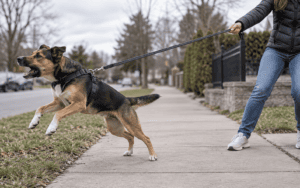
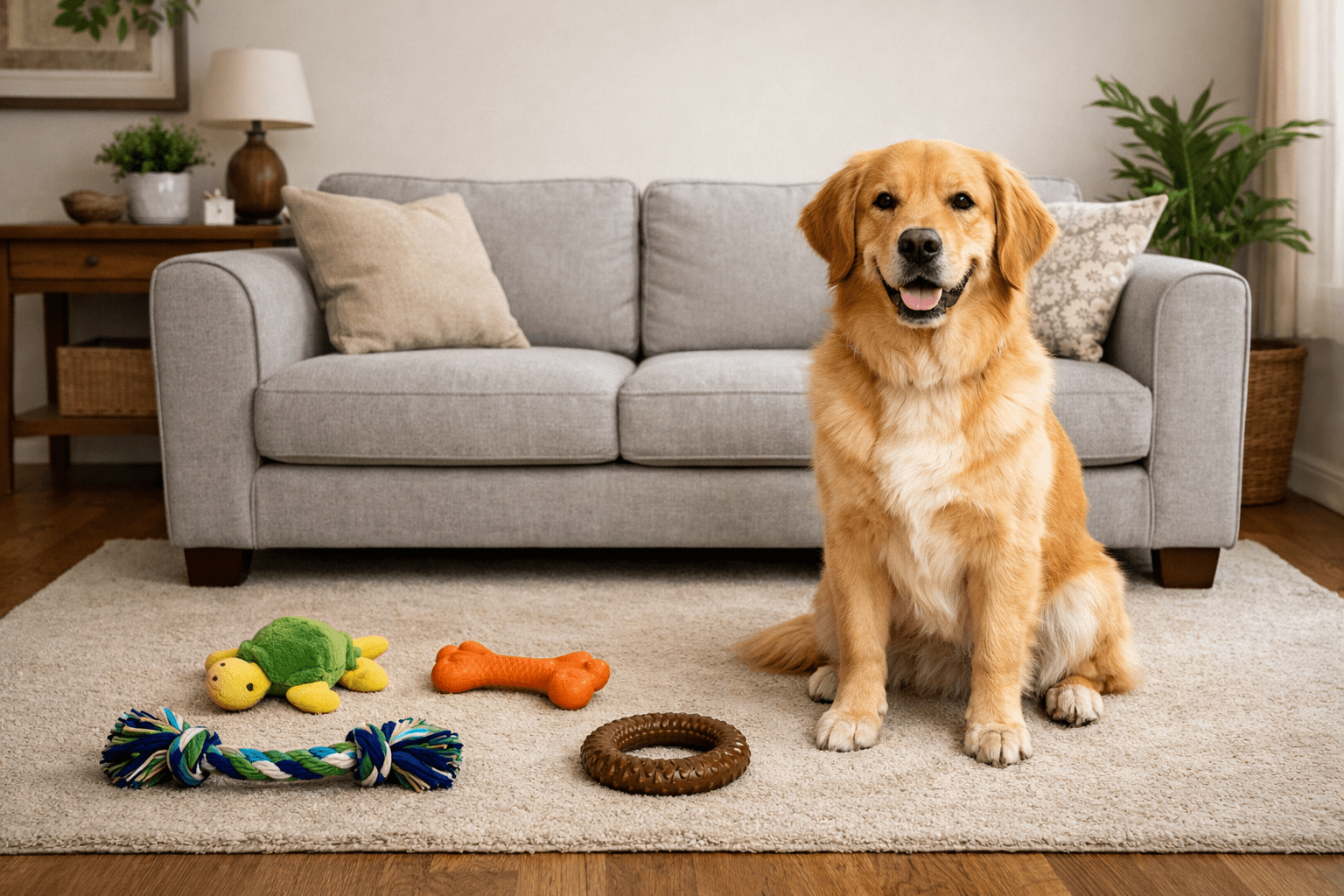
How to stop a dog from chewing furniture starts with understanding why your dog chews and then applying consistent training, proper exercise, and effective deterrents. Most furniture chewing can be resolved within a few weeks by addressing the root cause, whether it’s boredom, anxiety, teething, or lack of training.
Your couch cushions are shredded, your coffee table legs are covered in teeth marks, and you’re at your wit’s end. Sound familiar? Furniture chewing is one of the most frustrating behaviors dog owners face, but the good news is it’s completely fixable with the right approach.
This guide walks you through proven methods to protect your furniture and teach your dog what’s acceptable to chew. From understanding the reasons behind the behavior to implementing training techniques that actually work, you’ll have everything you need to reclaim your home.
Dealing with other behavioral challenges? Read our guide on common dog behavior issues to address multiple problems at once.
Why Dogs Chew Furniture
Understanding the motivation behind furniture chewing is the first step to stopping it. Dogs don’t destroy your belongings out of spite or to get back at you for leaving. There’s always a reason, and identifying it helps you choose the most effective solution.
Common Causes of Destructive Chewing
Boredom and Lack of Exercise
A tired dog is a well-behaved dog. When dogs don’t get enough physical activity or mental stimulation, they find their own entertainment. Your furniture becomes a convenient outlet for all that pent-up energy.
Most adult dogs need at least 30-60 minutes of exercise daily, while high-energy breeds may need two hours or more. Without this outlet, chewing provides both physical activity and mental engagement.
Separation Anxiety
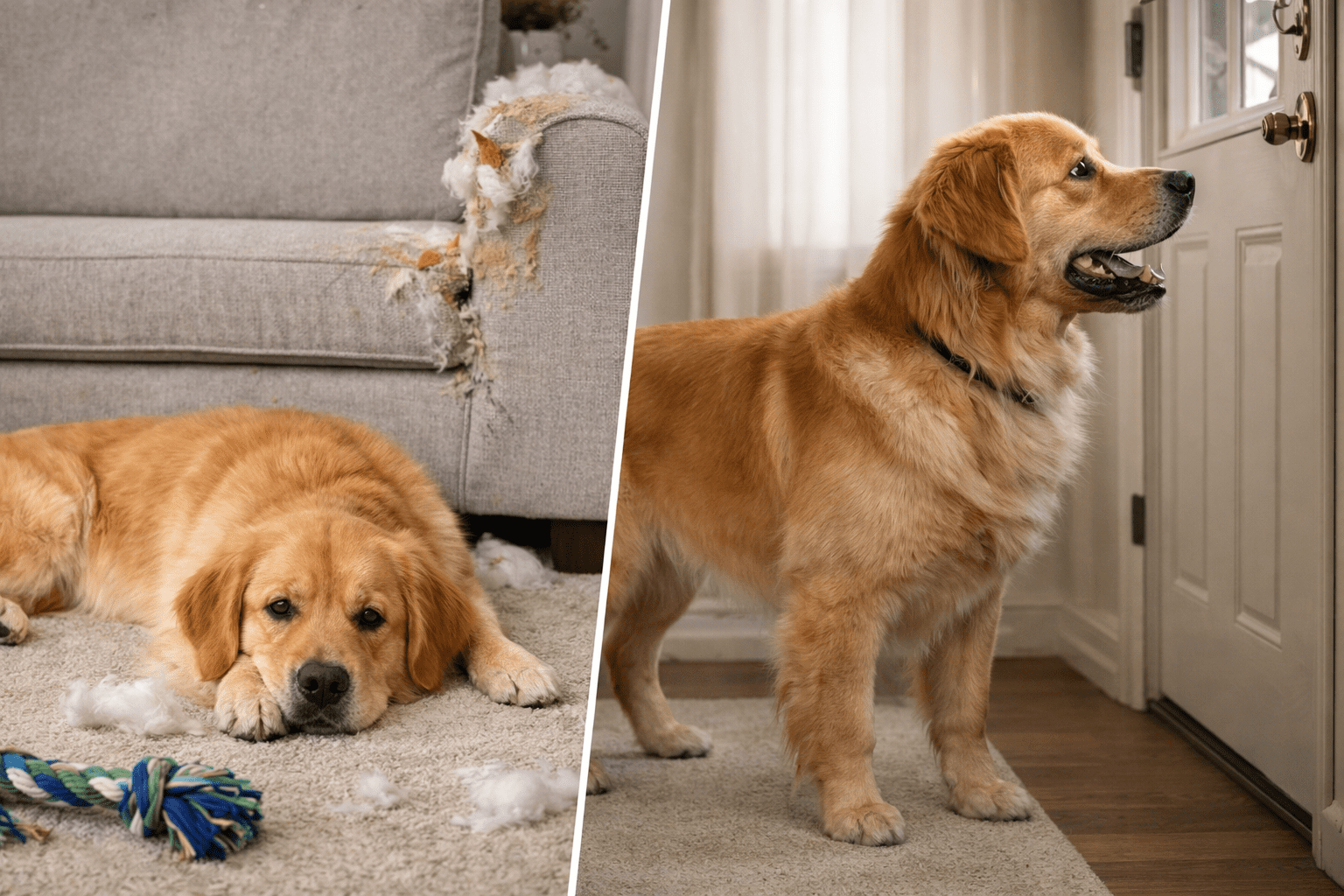
Dogs are social animals that form strong bonds with their families. When left alone, some dogs experience genuine distress that manifests as destructive behavior. Chewing releases endorphins that temporarily calm anxious dogs, creating a self-soothing cycle.
Signs of separation anxiety include chewing that happens only when you’re gone, house soiling, excessive barking, and destructive behavior focused near exits like doors and windows.
Teething in Puppies
Puppies go through two teething phases. Baby teeth emerge between 3-6 weeks, then adult teeth replace them between 3-7 months. During this time, chewing relieves the discomfort of new teeth breaking through gums.
Teething puppies will chew anything within reach. The pressure on their gums feels good, and they haven’t learned yet which items are off-limits.
Lack of Training and Boundaries
Dogs aren’t born knowing that furniture is expensive or that shoes aren’t toys. Without clear guidance, they’ll explore the world with their mouths and chew whatever interests them.
If you’ve never taught your dog what’s appropriate to chew, furniture destruction is a training gap, not a behavior problem.
Age and Breed Considerations
Certain dogs are more prone to chewing than others. Puppies under one year old chew the most, especially during teething phases. However, some adult dogs continue chewing due to breed characteristics or individual personality.
Working breeds like Labrador Retrievers, German Shepherds, and Border Collies have high energy levels and strong jaws. Without proper outlets, they’re more likely to turn to furniture. Terrier breeds were bred to dig and tear, making them natural chewers.
Even smaller breeds can cause significant damage. Beagles, Jack Russell Terriers, and Chihuahuas all have strong chewing instincts that need proper direction.
Steps on How to Stop Dog Furniture Chewing Fast
When you catch your dog in the act or discover fresh damage, your response matters. These immediate actions help interrupt the behavior and start teaching your dog what’s acceptable.
Catching Your Dog in the Act
The moment you see your dog chewing furniture, interrupt calmly but firmly. A simple “no” or “off” followed by redirecting them to an appropriate toy works best. Never yell or physically punish your dog, as this creates fear and anxiety without addressing the underlying issue.
Timing is everything. Corrections work only if you catch your dog actively chewing. Scolding them after the fact accomplishes nothing because dogs can’t connect punishment to something they did earlier.
Once you’ve interrupted the behavior, immediately offer an acceptable chew toy. When your dog takes the toy, praise them enthusiastically. This teaches what they should chew instead.
Creating a Dog-Proof Environment
Management prevents rehearsal of unwanted behaviors. Until your dog learns better habits, limit their access to furniture you want to protect.
Use baby gates to restrict your dog to rooms without expensive furniture. Close bedroom and living room doors when you can’t supervise. This isn’t a permanent solution, but it prevents damage while you work on training.
Remove or block access to the most tempting targets. Cover couch corners with thick blankets. Move dining chairs away from the table when not in use. Place ottomans on top of coffee tables temporarily.
For dogs who chew when alone, crate training provides a safe space that prevents destruction. A properly introduced crate becomes your dog’s den where they feel secure.
Need help with serious chewing problems? Our board and train Long Island program addresses destructive behaviors with intensive training.
Training Methods That Actually Work
Effective training combines teaching what’s acceptable with preventing access to furniture. These methods work for most dogs when applied consistently.
Teaching the “Leave It” Command
“Leave it” is one of the most valuable commands you can teach. It tells your dog to ignore something they want, including furniture legs and couch cushions.
Start with treats in your closed fist. When your dog sniffs or paws at your hand, wait. The moment they back away, say “yes” and give a treat from your other hand. Practice until your dog consistently moves away from your closed fist.
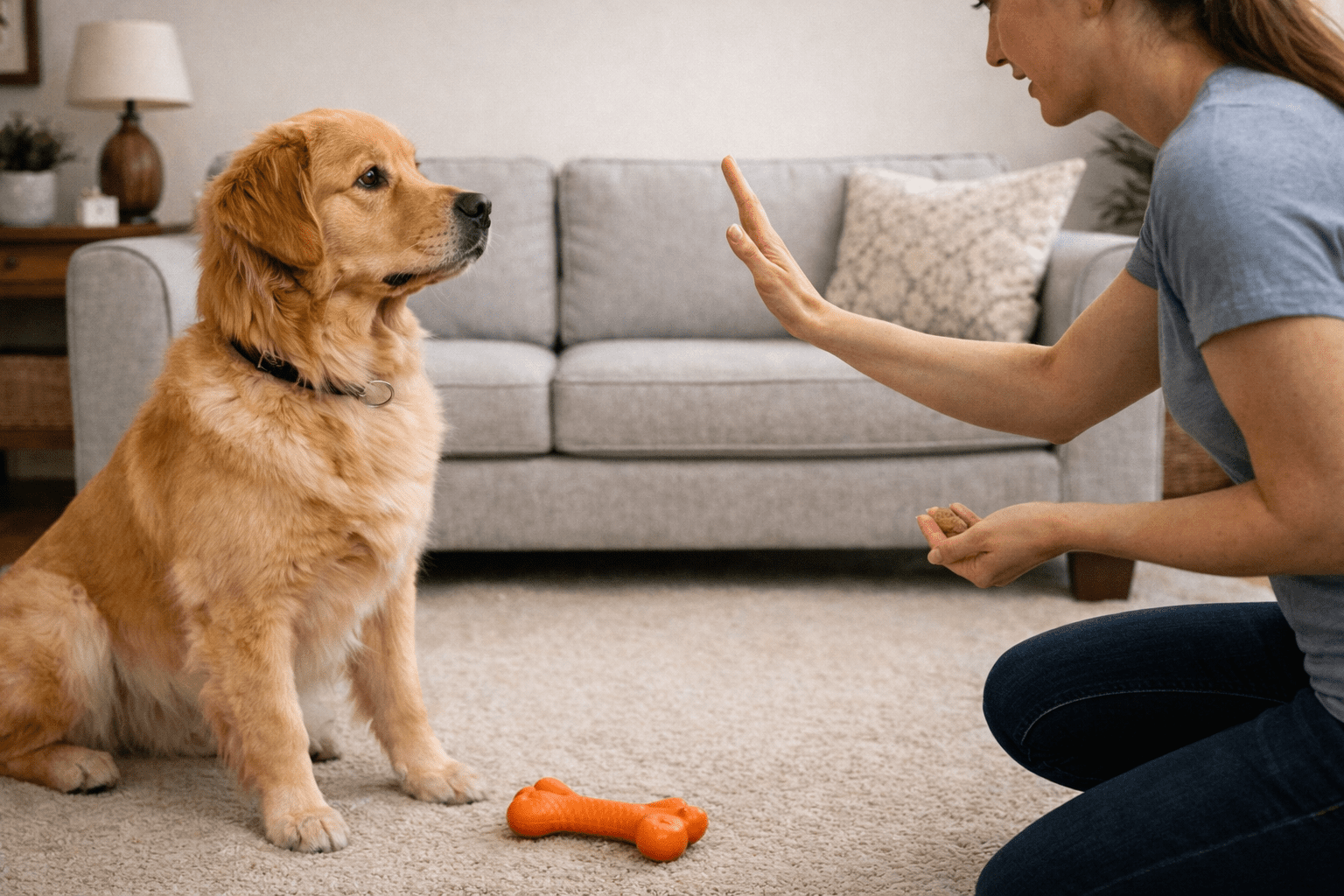
Next, place a treat on the floor and cover it with your hand. Say “leave it” and wait for your dog to look away or back up. Mark the moment they disengage with “yes” and reward from your pocket.
Gradually increase difficulty by using more tempting items and creating more distance. Eventually practice with furniture, rewarding your dog every time they turn away from the couch leg or chair corner.
Redirecting to Appropriate Chew Toys
Dogs need to chew. Instead of trying to eliminate the behavior entirely, channel it toward acceptable items. Keep several different types of chew toys available so your dog always has options.
Whenever you see your dog approaching furniture, interrupt gently and offer a toy before they start chewing. When they take the toy, praise heavily. This teaches them that toys get attention and approval while furniture doesn’t.
Rotate toys every few days to maintain novelty. Dogs get bored with the same items. By switching out toys regularly, each one feels new and interesting when it reappears.
Make chew toys more appealing than furniture by stuffing them with treats, freezing them with peanut butter inside, or using puzzle toys that dispense food. If the toy is more rewarding than the chair leg, your dog will naturally choose it.
Building Exercise and Mental Stimulation
A properly exercised dog rarely destroys furniture out of boredom. Increase your dog’s daily physical activity and add mental challenges to tire them out completely.
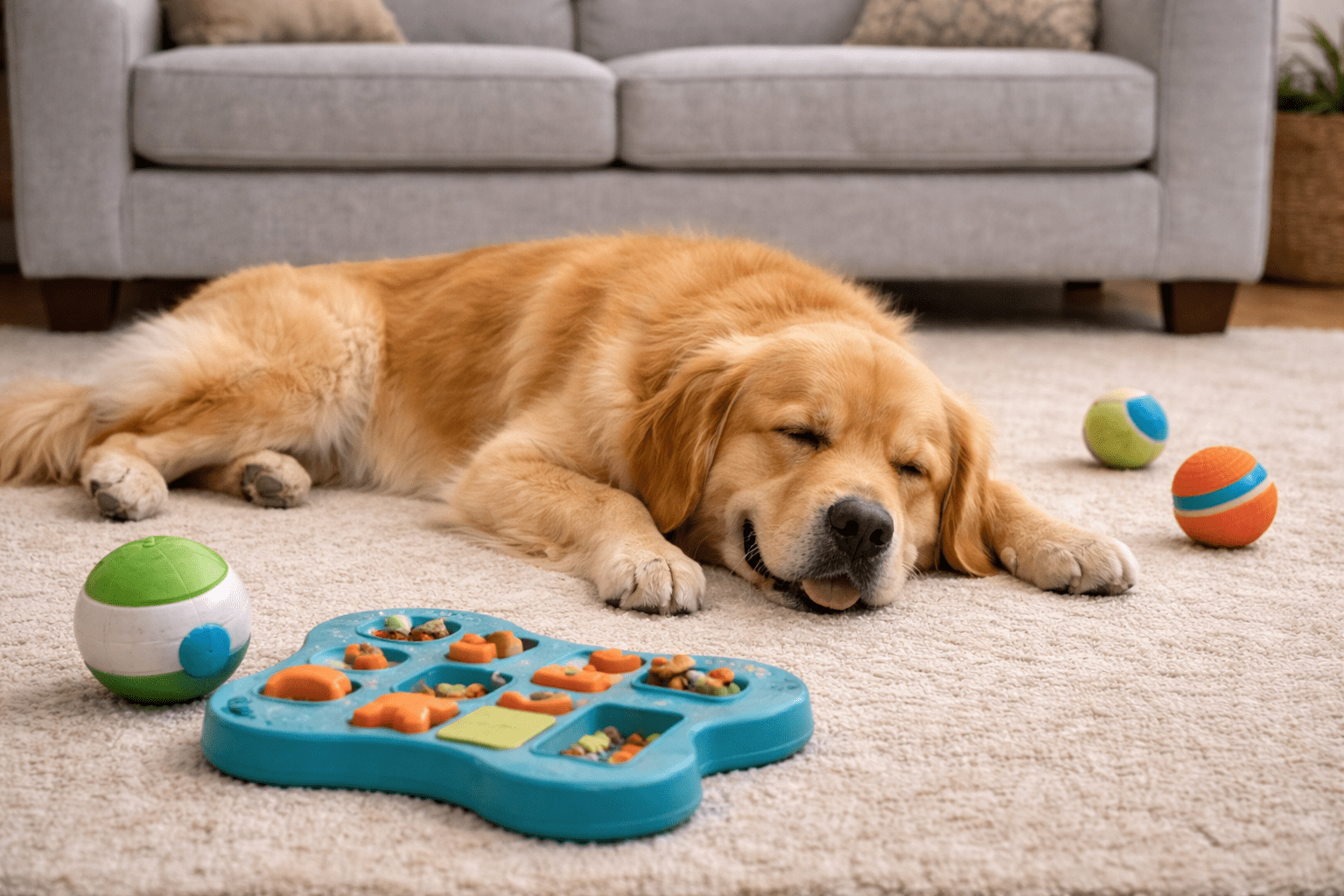
Physical exercise includes walks, runs, fetch sessions, swimming, and play dates with other dogs. Mental stimulation comes from training sessions, puzzle toys, scent work, and learning new tricks.
Try these enrichment activities:
- Hide treats around the house for your dog to find
- Practice obedience commands in 10-minute training sessions
- Use snuffle mats or puzzle feeders for meals
- Teach new tricks like “spin,” “shake,” or “play dead”
- Arrange play dates with friendly dogs
These activities engage your dog’s brain and body, leaving them satisfied and tired rather than bored and destructive.
Want professional guidance? Our private dog training Long Island sessions customize solutions for your dog’s specific needs.
Deterrents and Products That Help
While training addresses the root cause, deterrents provide immediate protection for your furniture. These products make furniture less appealing while you work on long-term solutions.
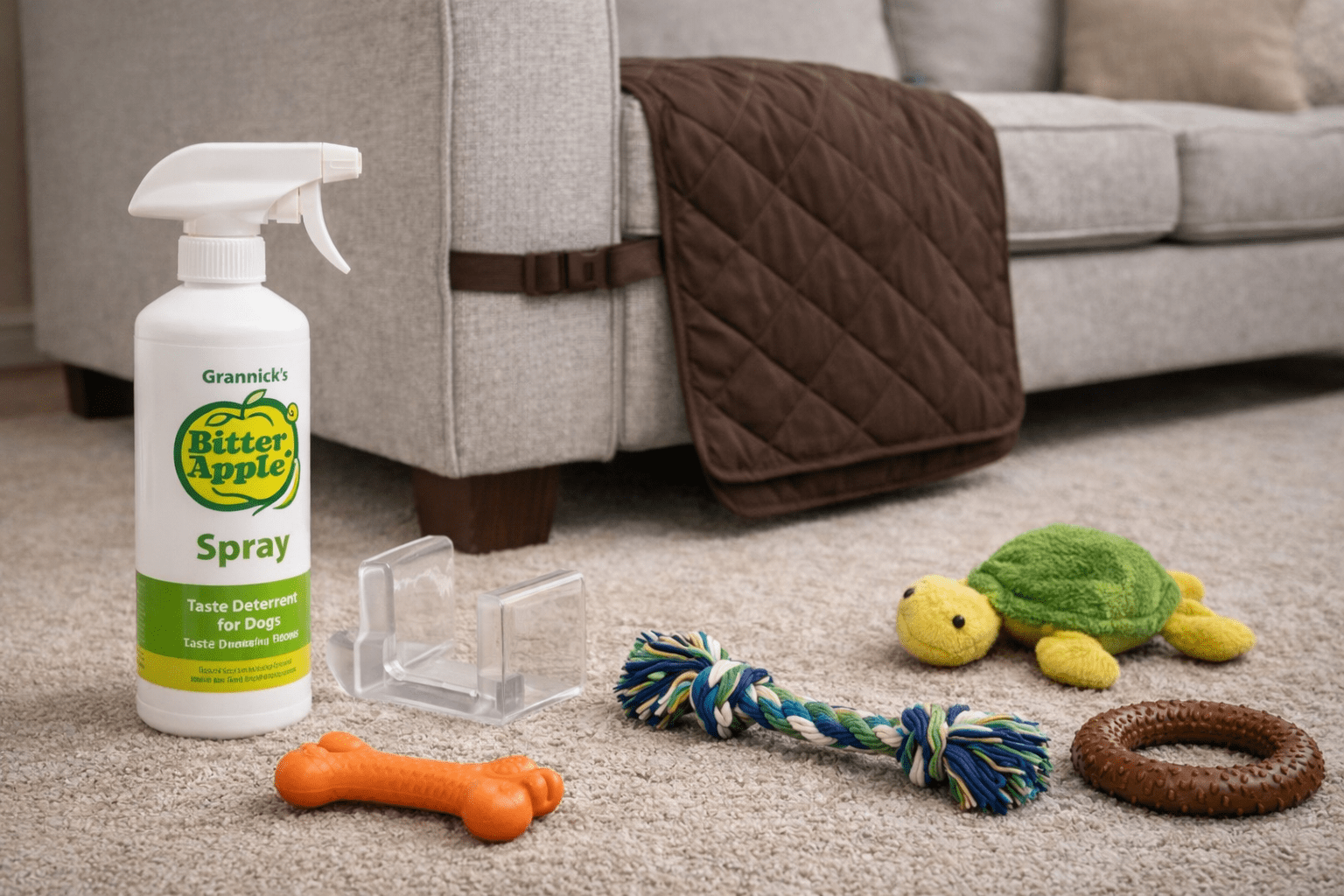
Safe Deterrent Sprays and Tastes
Bitter apple spray is the most common furniture deterrent. The extremely bitter taste discourages chewing without harming your dog. Spray it directly on furniture corners, legs, and any areas your dog targets.
Reapply deterrent sprays every few days or after cleaning. The taste fades over time and needs refreshing to remain effective. Some dogs adapt to the taste, so switching between different bitter formulas helps.
Other options include:
- Citrus-based sprays (many dogs dislike citrus smells)
- Hot pepper wax (creates an unpleasant sensation)
- Commercial anti-chew sprays designed specifically for furniture
Always test deterrents on a small, hidden area first to ensure they don’t damage or stain your furniture.
Physical Barriers and Protective Covers
Furniture covers provide a physical barrier between your dog’s teeth and your expensive couch. Heavy-duty covers made from thick, durable fabric withstand chewing better than thin materials.
Corner guards protect vulnerable furniture edges. These plastic or rubber guards slide onto corners and edges, creating a smooth, unappealing surface that’s harder to grip and chew.
For specific problem areas, try these solutions:
| Furniture Type | Protection Method |
| Couch arms and corners | Acrylic shields or thick blankets secured with clips |
| Table and chair legs | PVC pipe covers or pool noodles wrapped around legs |
| Baseboards | Clear plastic guard rails or bitter spray |
| Ottoman edges | Wrapped rope or protective corner guards |
Crate Training as a Management Tool
Crate training prevents furniture destruction when you can’t supervise. A crate isn’t punishment—it’s a safe den where your dog can relax without getting into trouble.
Introduce the crate gradually with positive associations. Feed meals inside, toss treats in randomly, and never use it as punishment. The goal is making the crate your dog’s favorite spot.
Start with short periods and gradually increase duration. Leave appropriate chew toys and a comfortable bed inside. Most dogs adapt to crate time within a few weeks when introduced properly.
Long-Term Solutions for Furniture Protection
Quick fixes help in the moment, but lasting success requires addressing underlying issues and building strong habits. These strategies create permanent changes in your dog’s behavior.
Addressing Separation Anxiety
If your dog chews only when alone, separation anxiety is likely the culprit. This requires a different approach than simple boredom or lack of training.
Gradual Desensitization
Teach your dog that being alone is safe and temporary. Start with extremely short absences—just 30 seconds—and gradually increase duration. Leave the room, return before your dog shows anxiety, and reward calm behavior.
Practice departure cues without actually leaving. Put on shoes, grab keys, and pick up your bag, then sit back down. This breaks the connection between these actions and your departure.
Creating Positive Alone-Time Associations
Give your dog something wonderful only when you leave. High-value treats like frozen Kong toys stuffed with peanut butter or special chews they love make your departure less stressful.
Leave calming music or white noise to mask outside sounds that might trigger anxiety. Some dogs respond well to calming supplements or pheromone diffusers designed to reduce stress.
For severe cases, consult a veterinary behaviorist who can prescribe anti-anxiety medication alongside behavior modification.
Consistency Across All Family Members
Training fails when different family members enforce different rules. Everyone in your household must respond the same way to furniture chewing.
Hold a family meeting to establish rules:
- Which furniture (if any) is the dog allowed on?
- What’s the consequence when caught chewing?
- Who’s responsible for exercise and enrichment each day?
- What toys are acceptable, and where are they stored?
Write down the plan and post it somewhere visible. Kids especially need clear, simple instructions they can follow consistently.
Comparison of Training Approaches
Different situations call for different strategies. This table helps you choose the best approach for your specific circumstances:
| Training Method | Best For | Time to See Results | Difficulty Level |
| Redirection with toys | Puppies and mild chewers | 1-2 weeks | Easy |
| “Leave it” command training | Dogs with basic obedience | 2-4 weeks | Moderate |
| Exercise increase | Bored, high-energy dogs | 3-5 days | Easy |
| Separation anxiety protocol | Anxious dogs who chew when alone | 6-12 weeks | Difficult |
| Professional board and train | Severe cases or multiple behavior issues | 2-3 weeks (intensive) | Varies |
Looking for comprehensive solutions? Check out our dog boarding camp Long Island where dogs learn while you’re away.
When to Seek Professional Training Help
Some chewing problems exceed what owners can handle alone. Professional trainers bring expertise and structure that accelerates progress, especially for complex cases.
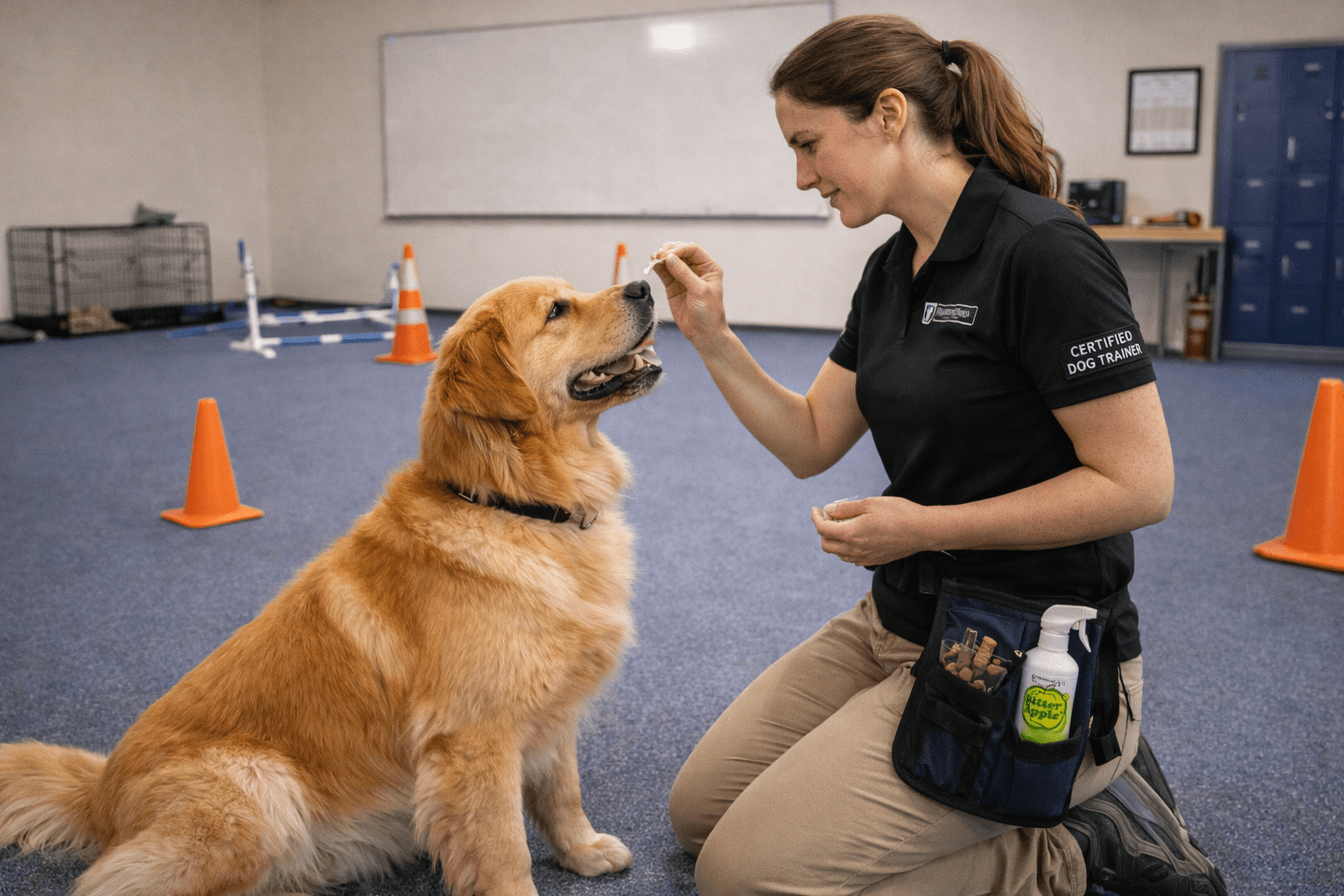
Signs You Need Professional Intervention
Seek professional help if you’ve tried multiple approaches for several weeks without improvement. Other red flags include:
- Chewing that’s escalating despite your efforts
- Aggressive behavior when corrected
- Multiple behavior problems beyond just chewing
- Severe separation anxiety with self-harm
- Destruction that happens despite adequate exercise and mental stimulation
Professional dog trainers assess your specific situation and create customized plans. They identify triggers you might miss and teach techniques that match your dog’s learning style.
Benefits of Structured Training Programs
Board and train programs offer intensive, focused training in a distraction-free environment. Your dog lives with trainers who work on behavior modification throughout the day, not just during scheduled sessions.
These programs particularly benefit working owners who lack time for daily training or dogs who need consistent structure to break deeply ingrained habits. Most programs run 2-4 weeks with follow-up support after your dog returns home.
Private training sessions provide personalized guidance in your home environment. Trainers see firsthand what triggers chewing and can address household-specific challenges like room layouts or family dynamics.
For more insights on intensive training options, read our article on is board and train worth it to understand the investment.
Protecting Your Furniture Long-Term
How to stop a dog from chewing furniture comes down to consistent training, proper management, and meeting your dog’s physical and mental needs. Most cases resolve within 4-8 weeks when owners commit to daily practice and environmental management.
The key is addressing the root cause rather than just treating symptoms. A bored dog needs more exercise and enrichment. An anxious dog requires desensitization and possibly professional help. A puppy needs appropriate outlets and clear boundaries about what’s chewable.
Remember that furniture chewing rarely happens overnight, and fixing it won’t happen instantly either. Stay patient and consistent. Celebrate small victories like choosing a toy over the couch leg, even if full success takes time.
At K9 Mania Dog Training, we specialize in solving destructive behaviors like furniture chewing through proven training methods. As Long Island’s leading board and train Long Island facility, we’ve helped hundreds of families reclaim their homes from chewing damage. Visit our website to learn how we can help transform your dog’s behavior and give you peace of mind.
You May Also Want to Read
- How to Stop a Dog from Eating Poop
- How to Calm a Hyperactive Dog
- What Is Prey Drive in Dogs: Understanding Your Dog’s Hunting Instinct
- Why Do Dogs Run Away? Understanding the Causes and Prevention
Frequently Asked Questions
How do I stop my dog from chewing on furniture when left alone?
Address separation anxiety through gradual desensitization, where you practice leaving for increasingly longer periods. Provide high-value chew toys only when you leave, use calming aids like pheromone diffusers, and ensure your dog gets adequate exercise before alone time. Crate training also prevents access to furniture while you work on the underlying anxiety.
What repels dogs from chewing furniture?
Bitter apple spray is the most effective commercial deterrent, creating an unpleasant taste that discourages chewing without harming your dog. Other options include citrus-based sprays, hot pepper wax, and vinegar solutions. Reapply every few days for continued effectiveness, and always test on hidden areas first to prevent furniture damage.
How to train your dog to not chew on furniture?
Teach the “leave it” command using positive reinforcement, redirect your dog to appropriate chew toys whenever they approach furniture, and reward them heavily for choosing toys over furniture. Consistency is critical—everyone in your household must enforce the same rules. Combine training with adequate exercise and mental stimulation for best results.
How do I get my dog to stop destroying furniture?
Increase daily exercise to tire your dog physically, add mental stimulation through puzzle toys and training sessions, and restrict access to furniture when you can’t supervise. Use deterrent sprays on vulnerable areas and provide appealing alternatives like frozen Kong toys. For persistent destruction, consider professional training to address underlying behavioral issues.
How do you discipline a dog that chews when left alone?
Never punish a dog for destruction discovered after the fact—they can’t connect punishment to past actions. Instead, focus on prevention through crate training and management, gradually building positive associations with alone time. Address the root cause (usually separation anxiety or boredom) rather than trying to discipline the symptom. Professional help is often necessary for severe cases.
What smells stop dogs from chewing?
Dogs typically dislike citrus, vinegar, rubbing alcohol, and bitter apple scents. You can create homemade deterrents by mixing citrus peels with water or diluting vinegar, though commercial bitter sprays are usually more effective. Some dogs also avoid cayenne pepper or coffee grounds sprinkled near furniture, but these can be messy and less practical than spray solutions.