
If you’re searching for dog breeds that don’t bark, you’re looking for dogs that are naturally quiet, calm, and unlikely to disturb neighbors or family members. While no dog is completely silent, several breeds are well known for rarely vocalizing and making excellent companions for noise-sensitive households.
Key Takeaways
- No dog breed is 100% silent, but many breeds are significantly quieter than average.
- The Basenji is the only breed that physically cannot produce a traditional bark.
- Quiet breeds vary widely in energy level, grooming needs, and temperament.
- Apartment dwellers and those in shared housing benefit most from low-bark breeds.
- Even quiet breeds can develop noisy habits without proper training and socialization.
- Matching a dog’s energy and size to your lifestyle matters as much as its noise level.
Why Some Dogs Bark Less Than Others
Barking is a form of communication, and every dog does it to some degree. However, the frequency, pitch, and triggers vary dramatically by breed. Selective breeding over centuries has shaped how vocal different dogs are. Working dogs bred for silent tracking, such as the Basenji or Borzoi, were developed to stay quiet during hunts. Companion breeds raised in close human quarters were often selected for calm dispositions. Herding and guarding breeds, on the other hand, were bred to alert, which typically means more barking.
Understanding why a breed barks less is important before committing to one. A dog may be quiet at rest but reactive to strangers. Another may be silent indoors but vocal during play. Temperament, socialization history, and training all influence how often a dog barks, regardless of breed tendencies.
When evaluating a quiet dog for your home, think through all the factors to consider in choosing the right dog breed for your lifestyle and personality before making a decision. A dog that matches your energy level, living space, and daily routine will be far less likely to develop stress-based vocalizations later.
The Quietest Dog Breeds You Can Own
Basenji
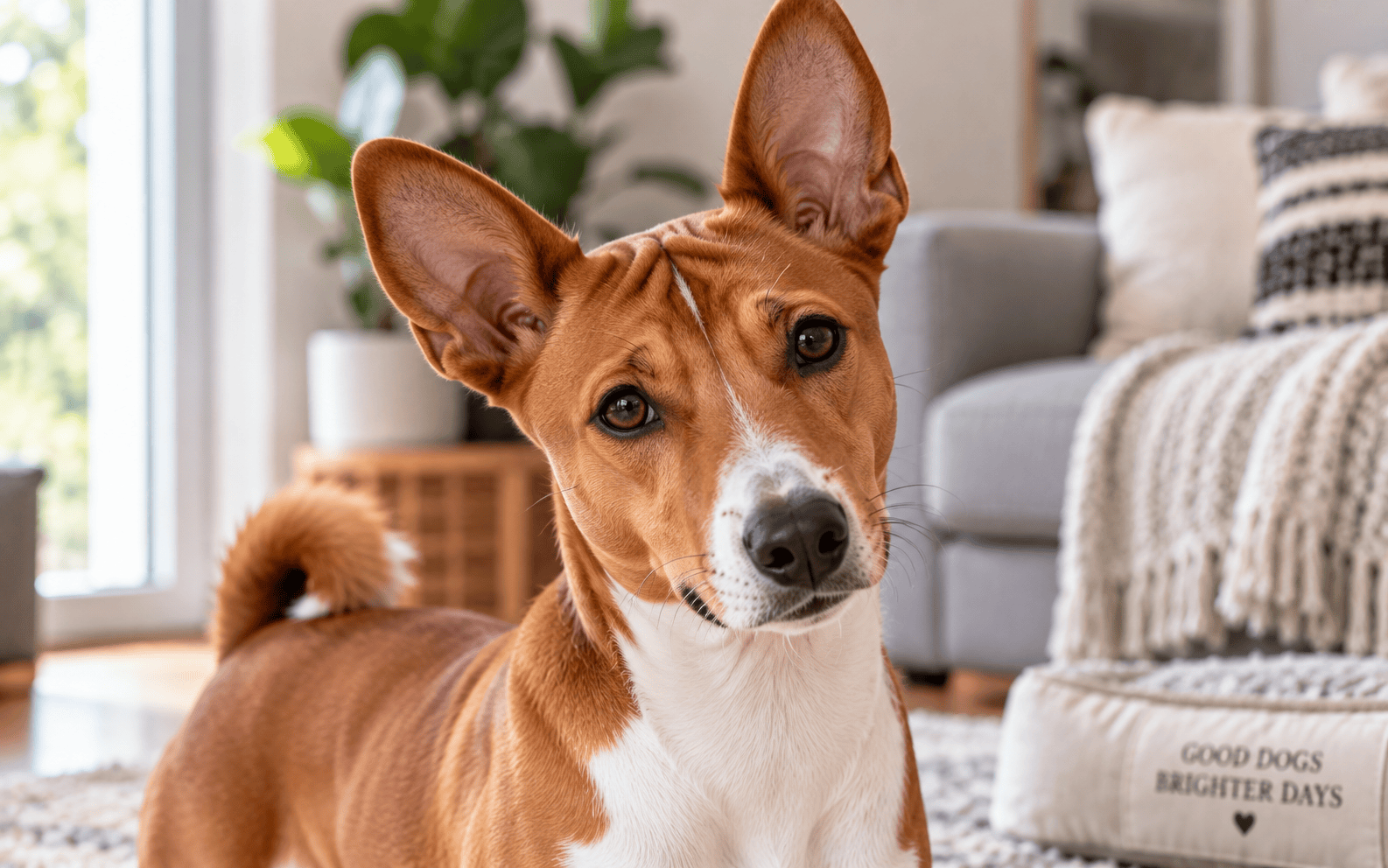
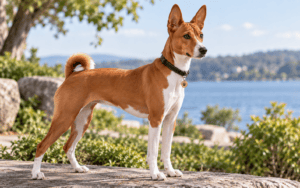
The Basenji is the most well-known of all dog breeds that don’t bark in the traditional sense. Instead of barking, Basenjis produce a unique yodeling sound called a “barroo,” caused by their unusually shaped larynx. They are small, athletic, and intensely curious dogs originally bred in Central Africa for silent hunting. They are clean, cat-like in behavior, and bond closely with their owners. The trade-off is that they are also independent, stubborn, and require experienced handling.
Borzoi
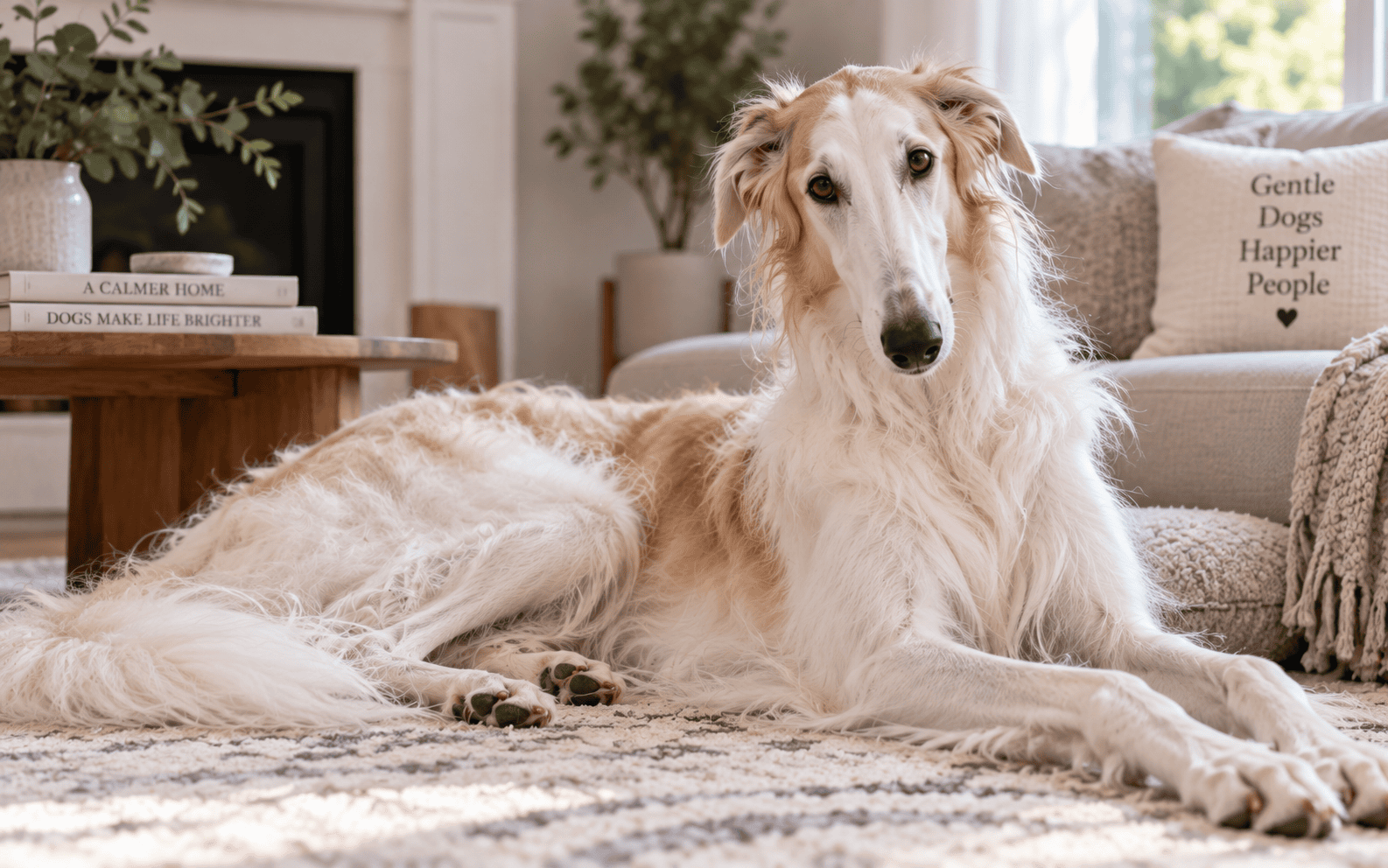
The Borzoi is a large, elegant sighthound with a remarkably calm demeanor. Originally bred by Russian aristocracy to hunt wolves, these dogs were selected for silence in the field. Today they are known as gentle, affectionate companions that rarely bark without reason. They are well suited to calm households and adapt reasonably well to larger apartments or homes with outdoor access.
Cavalier King Charles Spaniel
This breed sits in the sweet spot between quiet and sociable. Cavalier King Charles Spaniels are gentle, affectionate dogs that rarely bark excessively. They were bred as royal lap dogs and retain that calm, people-centered temperament. They do well in smaller spaces and with owners who are home frequently, since they can develop separation anxiety if left alone for long periods.
Shiba Inu
The Shiba Inu is relatively quiet compared to most breeds, though they are known to produce a loud, piercing “Shiba scream” when distressed or over-excited. Under normal circumstances, they are independent, clean, and reserved dogs that won’t bark at every noise. They require firm, consistent training and plenty of early socialization.
Whippet
Whippets are medium-sized sighthounds that are both fast and quiet. They are gentle, affectionate, and rarely bark without good reason. Despite their athletic build, Whippets spend a significant portion of their day resting and are known to thrive in apartments when given adequate daily exercise. They are sensitive dogs that respond well to positive reinforcement.
Greyhound
Like the Whippet, the Greyhound is a natural couch companion when off the track. Retired racing Greyhounds in particular are calm, low-key, and almost never bark. They are surprisingly well-suited to apartment living due to their low indoor energy levels, though they need a safe outdoor space to sprint in short bursts.
Scottish Deerhound
This large, shaggy sighthound is among the quietest of the giant breeds. Scottish Deerhounds are gentle, dignified, and rarely noisy. They are not reactive dogs and do not make good guard dogs, which works in your favor if you want a calm, quiet companion.
Quiet Breeds for Small Spaces and Apartment Living
If you live in a shared building or an apartment, noise is a real concern. Barking dogs can lead to complaints from neighbors, lease violations, and serious stress for both you and your pet. Choosing a quiet breed reduces that risk significantly. Breeds like the Cavalier King Charles Spaniel, Whippet, and Borzoi tend to adapt well to indoor environments when their basic needs are met.
 If you’re still in the research phase, reviewing the best dog breeds for apartments can help you cross-reference quietness with size, exercise needs, and adaptability. A quiet dog that also needs three hours of outdoor exercise per day may not be the right fit for a studio apartment.
For those who value simplicity alongside peace and quiet, exploring best low maintenance dog breeds can help you identify dogs that are quiet and straightforward to care for in terms of grooming, feeding, and veterinary needs.
Breed Comparison: Quietest Dogs at a Glance

| Breed | Size | Bark Level | Energy Level | Good for Apartments |
| Basenji | Small | Very Low (Yodels) | Medium-High | Yes, with exercise |
| Borzoi | Large | Very Low | Low-Medium | Possible, needs space |
| Cavalier KCS | Small | Low | Low | Yes |
| Shiba Inu | Medium | Low-Medium | Medium | Yes, with training |
| Whippet | Medium | Very Low | Medium | Yes |
| Greyhound | Large | Very Low | Low (indoors) | Yes |
| Scottish Deerhound | Giant | Very Low | Low | No |
When Quiet Breeds Still Bark: What to Do
Even the quietest dog breed can develop a barking habit under the right stressors. Common triggers include separation anxiety, boredom, territorial behavior, or insufficient socialization during puppyhood. A Basenji that rarely makes noise may still produce its distinctive sound when frustrated. A Whippet that is otherwise silent may bark when under-stimulated.
If a quiet breed you’ve brought home starts vocalizing more than expected, the first step is identifying the root cause. Is the barking triggered by specific events, times of day, or people? Once you understand the pattern, you can address it directly through behavior modification. Reading up on how to train a dog to stop barking provides a practical starting point for correcting nuisance barking without punishment-based methods that can damage trust.
Socialization during puppyhood is one of the most effective long-term strategies. Dogs that are exposed to a wide range of environments, people, and sounds early in life tend to be less reactive and, as a result, less vocal. This is especially true for breeds like the Shiba Inu, which can become anxious barkers if not properly socialized before 16 weeks of age.
Professional Training Options for Quiet-Breed Owners on Long Island
Owning a naturally quiet breed does not eliminate the need for training. Quiet dogs still need structure, boundaries, and proper socialization, and the earlier you start, the better. For dog owners across Long Island, there are excellent professional training resources available that specialize in building well-rounded, calm dogs from an early age.
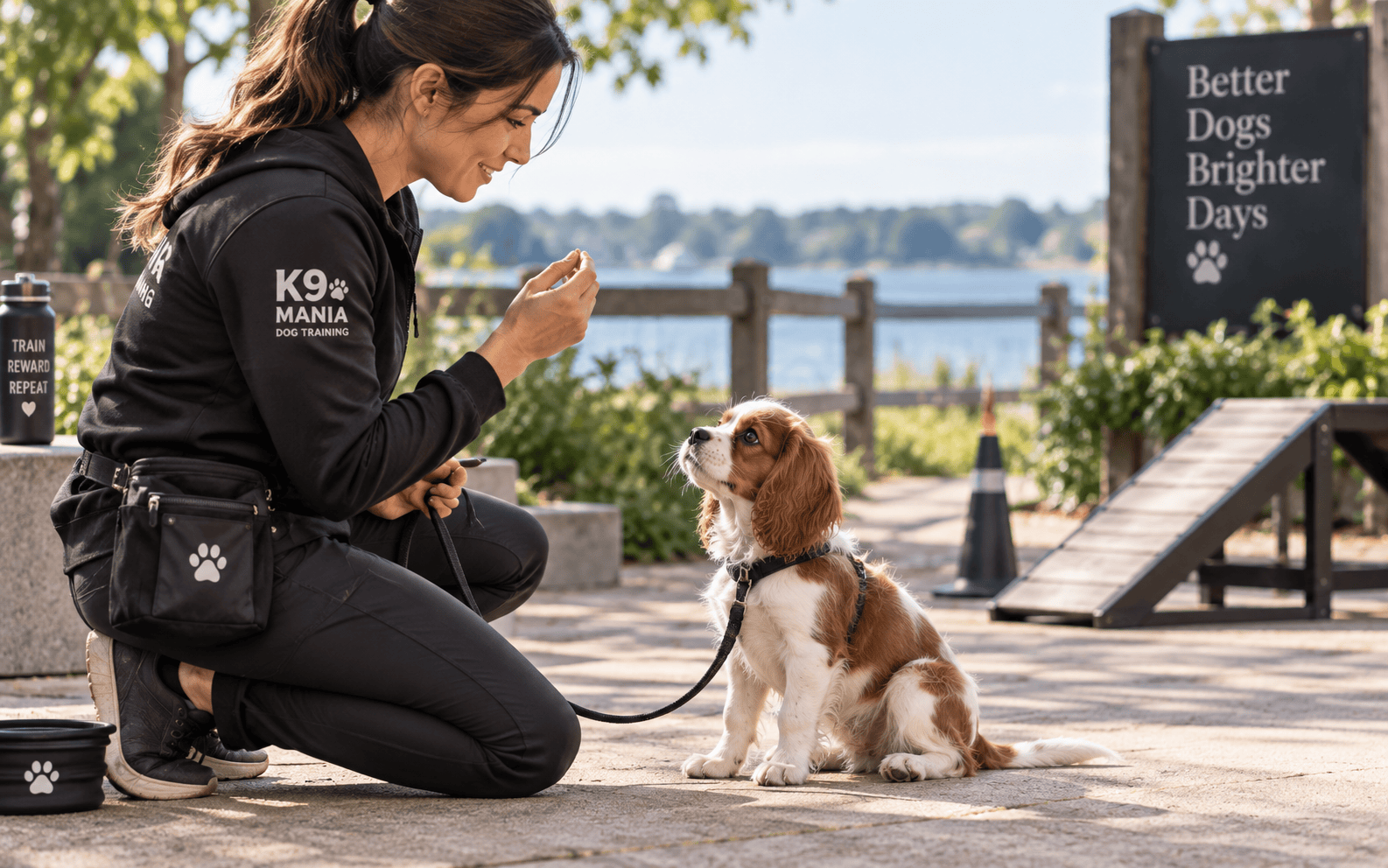
If you’re raising a puppy from one of these quieter breeds, structured early training is especially valuable. Puppy training long island programs focus on building foundational skills during the critical developmental window, setting up quiet dogs to remain that way as adults.
For owners who need a more intensive approach, whether dealing with a rescue dog with anxiety-based vocalizations or a young dog that hasn’t yet responded to owner-led training, a board and train long island program offers an immersive option. Your dog lives with a professional trainer for a set period and receives consistent, structured training around the clock. This approach is particularly effective for dogs that need rapid behavior changes or for owners whose busy schedules limit daily training time.
Board and train programs work well for quiet breeds too. Even a Whippet or a Cavalier that is not yet reliably responding to recall or leash commands benefits from the consistency and repetition that a professional residential program provides. The goal isn’t just to keep the dog quiet; it’s to build a well-balanced companion that behaves reliably in all situations.
Choosing the Right Quiet Breed for Your Situation
Selecting a dog based purely on its reputation for quietness is a starting point, not a complete strategy. A Greyhound is quiet indoors but needs space to run. A Shiba Inu is quiet but demands experienced handling. A Cavalier is calm and gentle but does not like being alone for eight hours. These trade-offs matter.
Think carefully about:
- Your living space: Large sighthounds need room, even if they’re quiet. Small spaces favor breeds like the Cavalier or Whippet.
- Your experience level: Basenjis and Shibas are not recommended for first-time dog owners due to their independent streak.
- Your daily schedule: Dogs with low barking tendencies can still develop stress vocalizations if left alone too often.
- Your household: Homes with young children or other pets need breeds with confirmed gentle temperaments.
- Your commitment to training: No breed is a set-it-and-forget-it companion. Every dog needs structure.
When you approach the decision this way, you’re far more likely to end up with a genuinely calm, well-adjusted dog rather than one that simply barks less on paper but struggles in your specific home environment.
The Bottom Line on Dog Breeds That Don’t Bark
Choosing from the category of dog breeds that don’t bark gives you a real advantage in noise-sensitive living situations, but the best outcome comes from pairing breed selection with proper training, early socialization, and a lifestyle that fits the dog’s needs. Take the time to assess your space, schedule, and experience level honestly before committing to any breed, and invest in professional training early to set both you and your dog up for a quieter, happier life together.
Start Your Quiet Dog’s Training Journey on Long Island Today
You’ve done the research on quiet breeds — now give your dog the structured foundation it needs to stay that way. Whether you’ve just brought home a Whippet puppy or adopted a rescue Basenji with some baggage, professional training makes the difference between a calm companion and a frustrated, reactive dog. K9 Mania Dog Training on Long Island offers board and train programs designed to build reliable, well-mannered behavior from the ground up. Reach out to K9 Mania Dog Training today and schedule a consultation to find the right program for your dog’s breed, age, and temperament.
You May Also Want to Read
Leash Aggression in Dogs
Trigger Stacking in Dogs
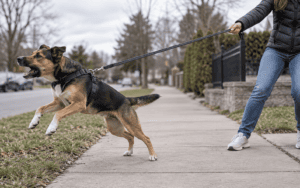
Why Does My Dog Lunge on a Leash?
Frequently Asked Questions
Are there truly dog breeds that don’t bark at all?
No dog breed is completely silent, but some breeds bark far less frequently than the average dog.
The Basenji is the closest example — it cannot produce a traditional bark due to the shape of its larynx, but it does make a yodeling sound called a “barroo.” Breeds like the Whippet, Greyhound, and Borzoi rarely vocalize under normal conditions but may bark in response to specific triggers like strangers or distress.
What is the quietest dog breed for an apartment?
The Cavalier King Charles Spaniel and the Whippet are consistently ranked among the quietest breeds for apartment living.
Both breeds have low bark tendencies, adapt well to smaller spaces, and have gentle temperaments suited to shared-building environments. The Whippet does require daily exercise, so access to a nearby park is helpful. The Cavalier is more laid-back overall but needs regular companionship to avoid separation anxiety.
Can a naturally quiet dog breed become a problem barker?
Yes — even the quietest breeds can develop nuisance barking if they experience boredom, anxiety, or insufficient socialization.
A Shiba Inu that isn’t properly socialized during puppyhood may become reactive and vocal around strangers. A Greyhound left alone for long hours may develop separation-related barking. The breed sets the baseline, but training, environment, and daily routine determine the actual behavior your dog exhibits as an adult.
Is a Basenji a good dog for first-time owners?
The Basenji is generally not recommended for first-time dog owners due to its independent, stubborn nature.
While the breed’s lack of traditional barking is appealing, Basenjis are intelligent, high-energy dogs that require experienced handling and consistent boundaries. They can be escape artists and are known for destructive behavior when under-stimulated. First-time owners are usually better served by a breed like the Cavalier King Charles Spaniel, which is both quiet and more forgiving in temperament.
Does training really help reduce barking in quiet breeds?
Yes — training is one of the most effective tools for keeping naturally quiet dogs calm and preventing stress-based vocalizations from developing.
Even breeds predisposed to quietness benefit from structured obedience training, leash manners, and desensitization to common triggers. Professional programs, including board and train options, provide the consistency and repetition that produces lasting results. Investing in training early means your quiet breed stays quiet through puppyhood, adolescence, and into adulthood.
The Final Word on Dog Breeds That Don’t Bark
Selecting one of the many dog breeds that don’t bark is a smart first step toward a more peaceful home, but it’s only part of the equation. The breed you choose sets the tone, while the training, socialization, and environment you provide determine the long-term outcome. A Whippet with solid training and daily exercise will almost certainly be quieter and calmer than a Whippet that has been left to figure things out on its own.
If you live on Long Island and want to give your quiet-breed dog the best possible start, K9 Mania Dog Training offers professional dog training programs tailored to your dog’s specific needs. Contact K9 Mania today to learn how their board and train program can help your dog become the calm, well-mannered companion you chose them to be.