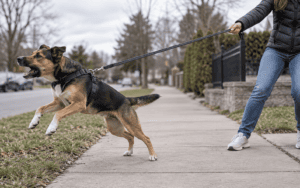
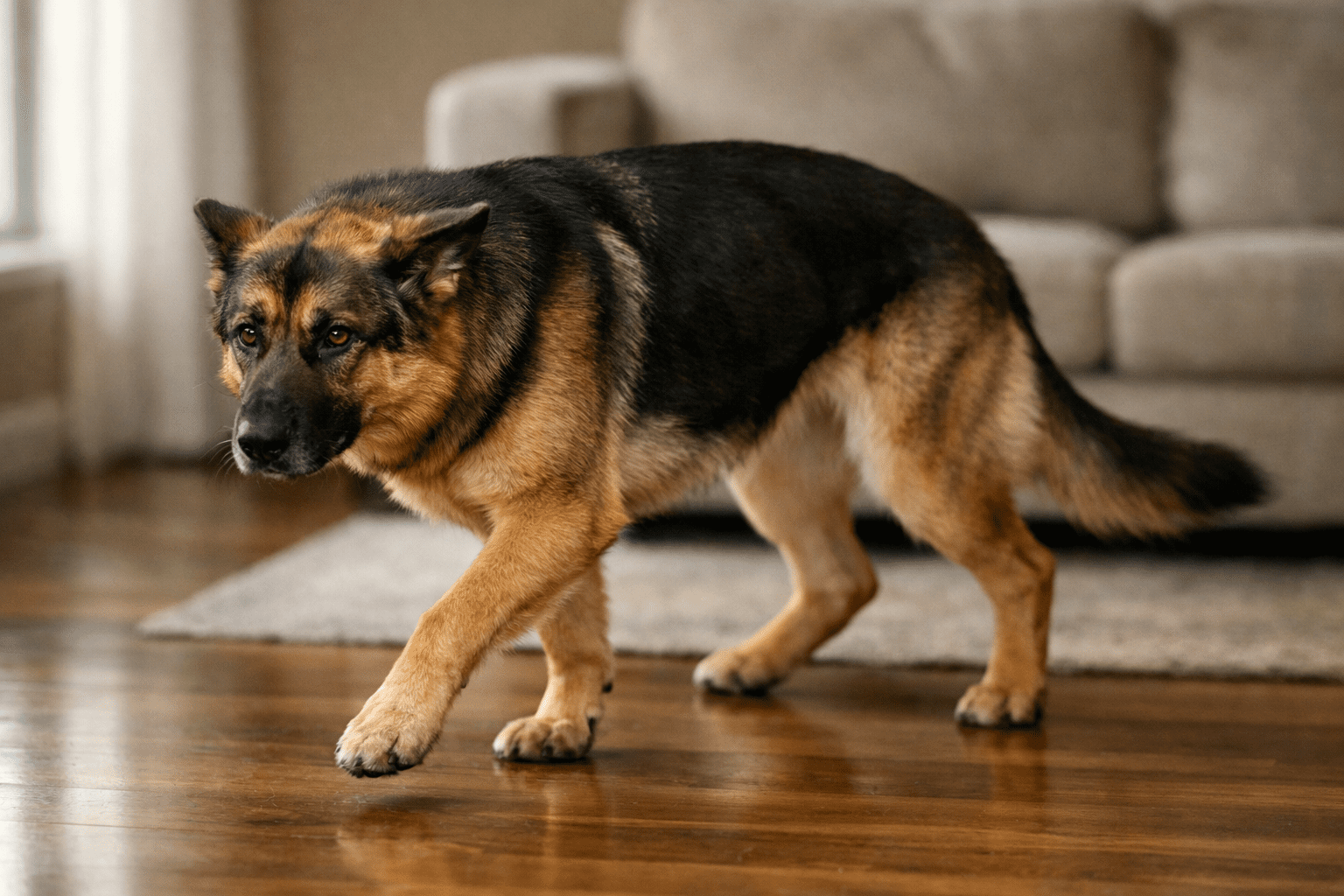
Dogs pace when they feel anxious, uncomfortable, or need something from you. Common triggers include stress, pain, boredom, or medical issues that make it hard for them to settle down.
Pacing looks like your dog walking back and forth without a clear purpose, often along the same path. It can happen for a few minutes or go on for hours, and the reason behind it matters a lot when figuring out how to help.
Understanding what drives this behavior helps you respond the right way, whether your dog needs comfort, medical care, or just a good walk. Keep reading to learn what causes pacing and what you can do to help your dog relax.
What Is Dog Pacing and Why Dogs Do It
Dog pacing is repeated walking without a clear goal or destination. Your dog might walk from room to room, follow the same route over and over, or seem unable to settle in one spot. This behavior can last a few minutes or continue for much longer.
Dogs pace for many reasons. Sometimes it signals excitement or boredom. Other times, it points to anxiety, discomfort, or medical problems. Knowing the difference helps you figure out what your dog needs.
Normal Pacing vs. Problem Pacing
A little pacing is normal. Your dog might pace when you are getting ready to go for a walk, when dinner is almost ready, or when someone new arrives at the door. This kind of pacing is short, tied to a specific event, and stops once the excitement passes.
Problem pacing lasts longer and happens without an obvious trigger. If your dog paces at random times, can’t settle down, or seems distressed, something else is going on. Chronic pacing often comes with other signs like whining, panting, or refusing to eat.
Pay attention to when the pacing happens, how long it lasts, and what else your dog does during that time. Patterns help you spot whether this is normal energy or a sign of trouble.
Common Triggers Behind Pacing Behavior
Pacing can start for physical or emotional reasons. Physical triggers include pain, illness, or conditions like arthritis that make lying down uncomfortable. Your dog might pace because staying still hurts more than moving.
Emotional triggers cover anxiety, fear, boredom, or confusion. Dogs with separation anxiety often pace when you are about to leave. Older dogs with cognitive decline may pace because they feel lost or disoriented, even in familiar spaces.
Environmental factors also play a role. Loud noises, changes in routine, new people or pets, and even weather shifts can make a dog restless. Identifying the trigger is the first step toward solving the problem.
📌 Pacing is one of many signals your dog uses to communicate. Learn to read the full picture in our guide on dog body language signals.
Most Common Reasons Why Is My Dog Pacing
Several conditions and situations can cause your dog to pace. The most frequent reasons involve anxiety, pain, aging, or simple needs like bathroom breaks or attention. Each cause shows up differently, so looking at the full picture helps you respond correctly.
Anxiety and Stress
Anxiety is one of the top reasons dogs pace. Stressful situations trigger restlessness, and your dog might walk in circles or back and forth while showing other nervous behaviors like panting, drooling, or ears pinned back.
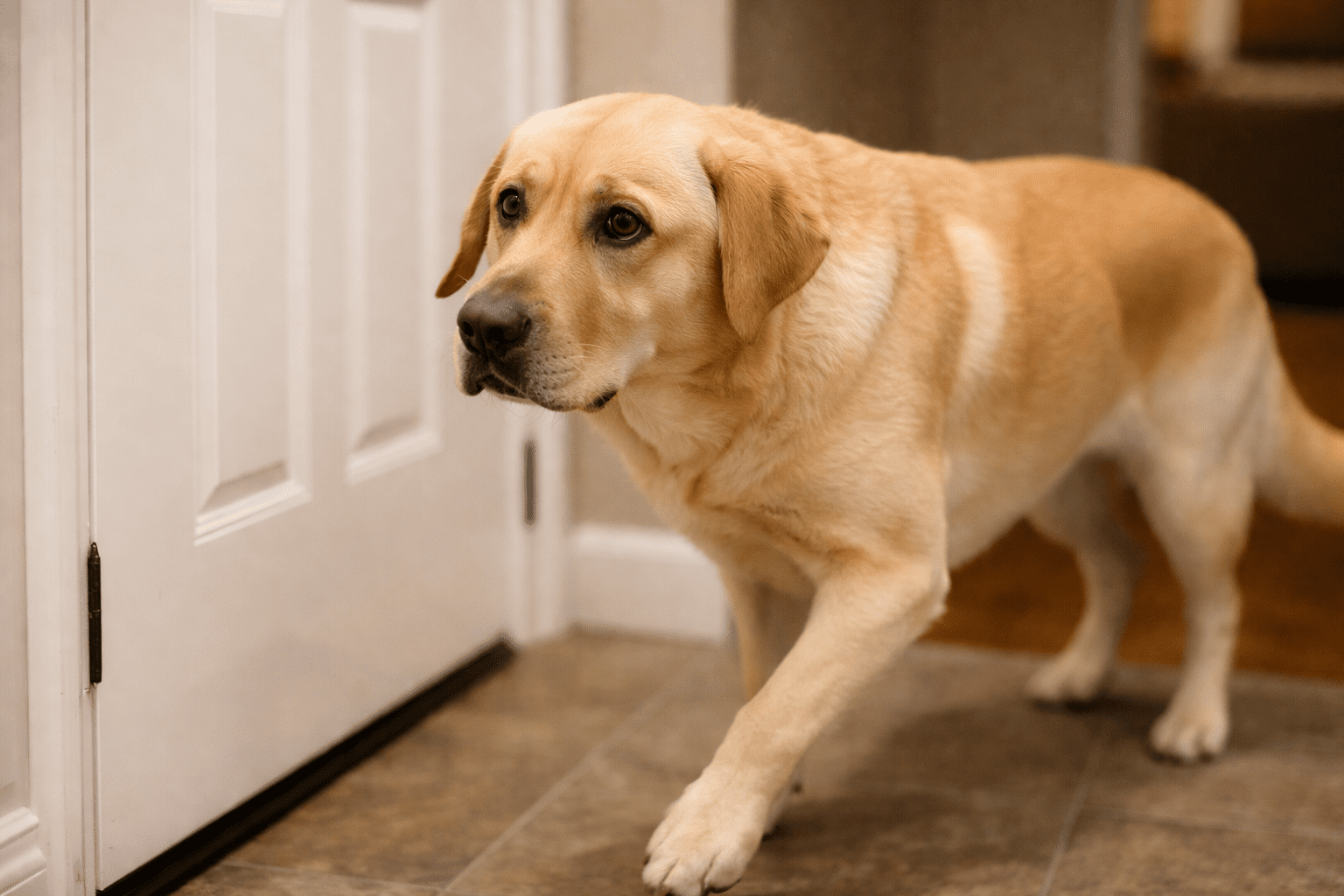
Common anxiety triggers include thunderstorms, fireworks, being left alone, or changes in the household. Dogs with separation anxiety often start pacing as soon as they sense you are leaving. They may follow you from room to room or pace near the door.
Chronic stress can also build up over time. If your dog lives in a loud environment, deals with unpredictable schedules, or has past trauma, pacing might become a regular coping mechanism. Addressing the source of anxiety helps reduce the pacing.
📌 If your dog struggles when you leave, check out our article on how to train a dog with separation anxiety for proven strategies.
Pain or Discomfort
Pain makes it hard for dogs to stay still. If lying down hurts, your dog might pace instead of resting. Conditions like arthritis, hip dysplasia, bloat, or injuries can all cause this kind of restless movement.
You might notice other signs alongside the pacing: limping, reluctance to jump or climb stairs, changes in appetite, or sensitivity when touched. Some dogs pace more at night because the pain feels worse when they try to settle down.
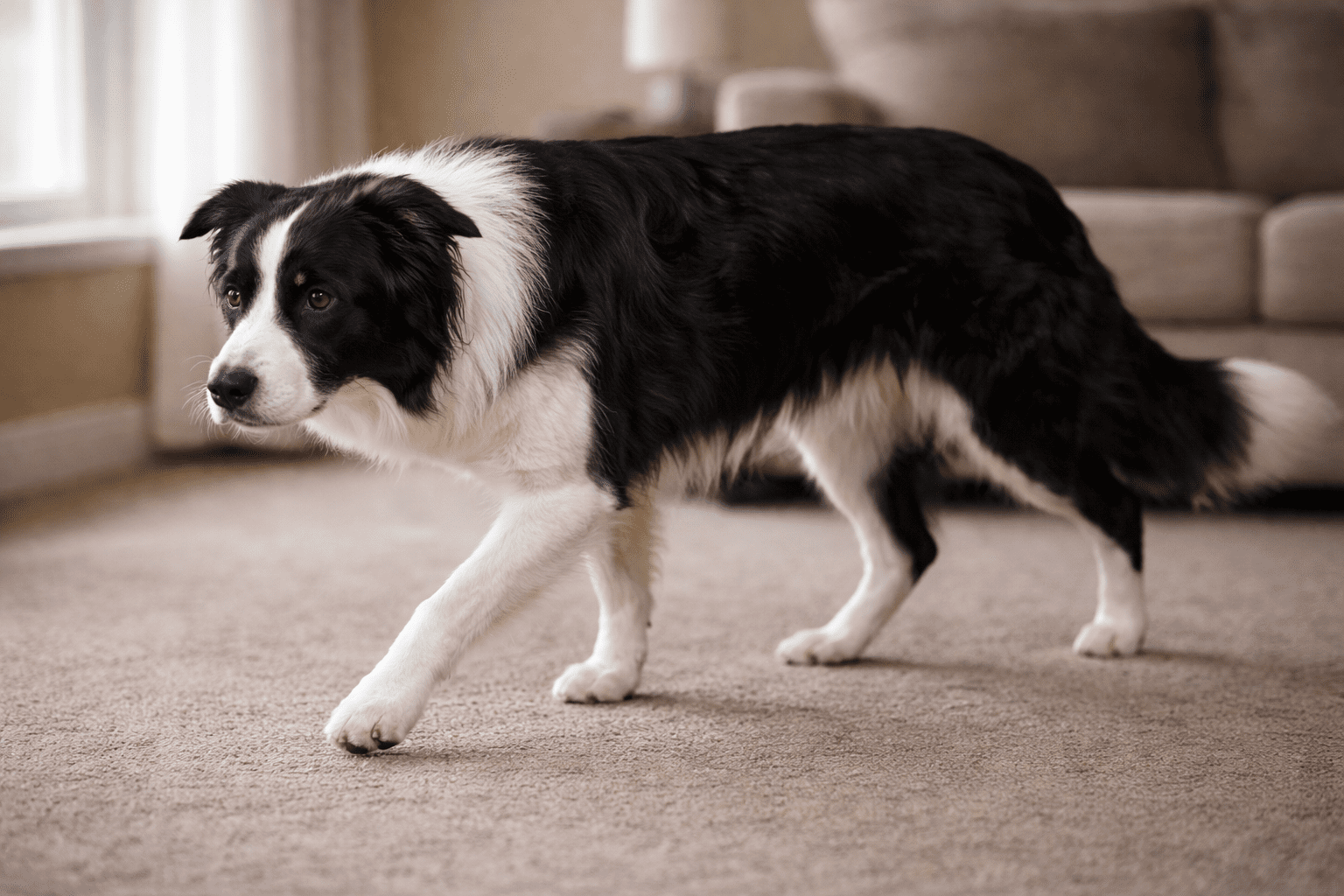
Bloat is a medical emergency that can cause sudden pacing, panting, and a swollen belly. If your dog starts pacing suddenly and seems distressed, especially after eating, contact a vet right away.
Cognitive Decline in Senior Dogs
Older dogs sometimes develop canine cognitive dysfunction, which is similar to dementia in people. This condition causes confusion, disorientation, and changes in sleep patterns. Pacing at night is a common symptom.
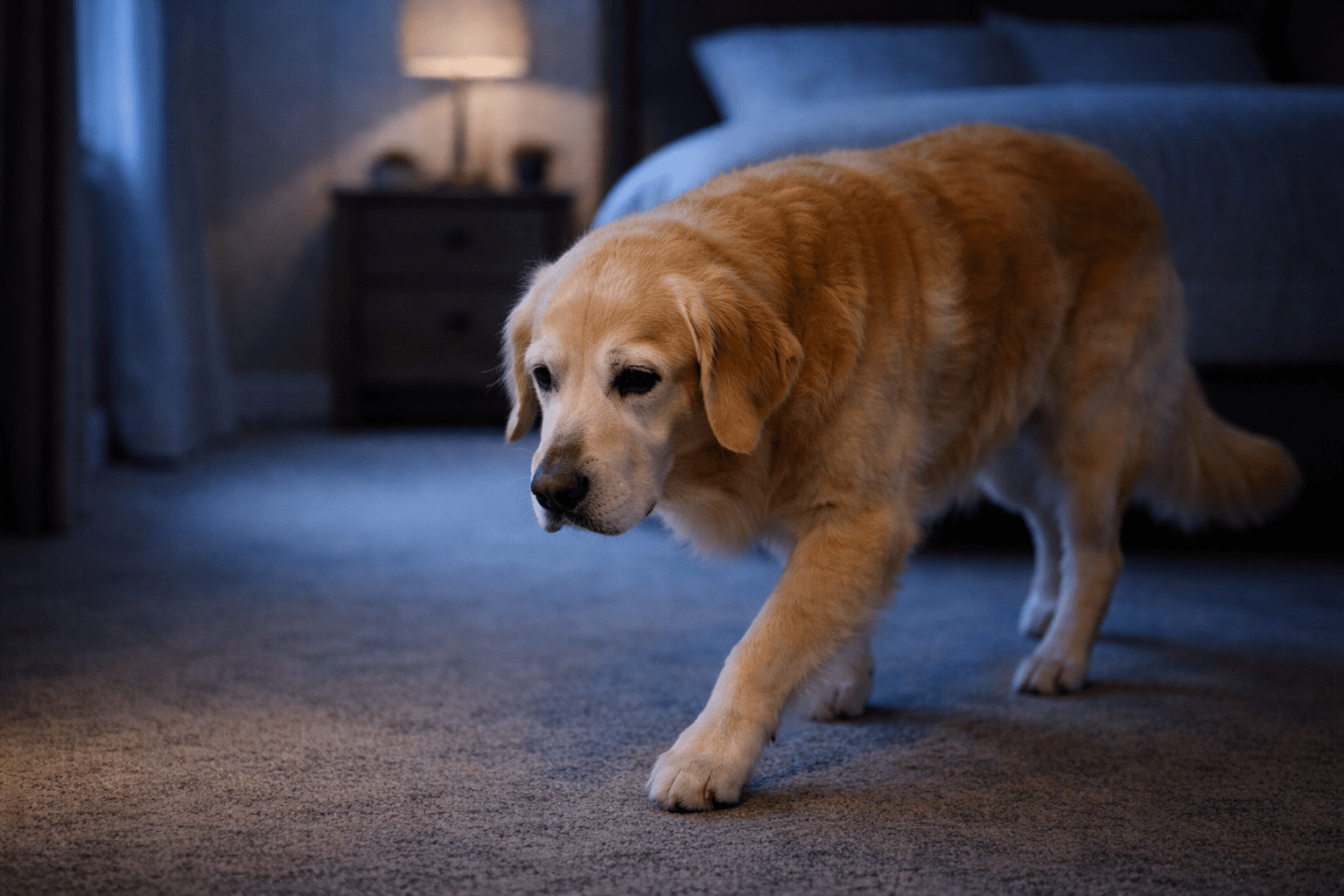
Your senior dog might walk in circles, seem lost in familiar rooms, or forget where the door is. They may also pace because their sleep cycle has shifted, making them restless when they used to sleep through the night.
Cognitive decline can’t be cured, but it can be managed. Routine, mental stimulation, and sometimes medication help reduce confusion and improve quality of life.
Need for Attention or Bathroom Break
Sometimes your dog just needs something simple. Pacing can mean they need to go outside, want food or water, or are bored and looking for interaction. This type of pacing usually stops once the need is met.
If your dog paces to the door, whines, or looks at you, they are probably asking for a bathroom break. If they pace with a toy in their mouth or nudge your hand, they want playtime. Meeting these basic needs quickly prevents the behavior from becoming a habit.
Boredom can also drive pacing, especially in high energy breeds. Dogs that don’t get enough exercise or mental stimulation might pace out of frustration. Regular walks, training sessions, and puzzle toys help channel that energy.
Warning Signs That Pacing Needs Attention
Not all pacing is the same. Some signs tell you the pacing is serious and needs professional help. Knowing what to watch for helps you act fast when your dog’s health or safety is at risk.
| Warning Sign | What It Might Mean |
| Pacing with bloated or hard belly | Possible bloat (emergency) |
| Pacing with limping or stiffness | Pain or injury |
| Pacing only at night in senior dogs | Cognitive decline or discomfort |
| Pacing with drooling and shaking | Severe anxiety or toxin exposure |
| Sudden pacing with vomiting or diarrhea | Digestive issue or illness |
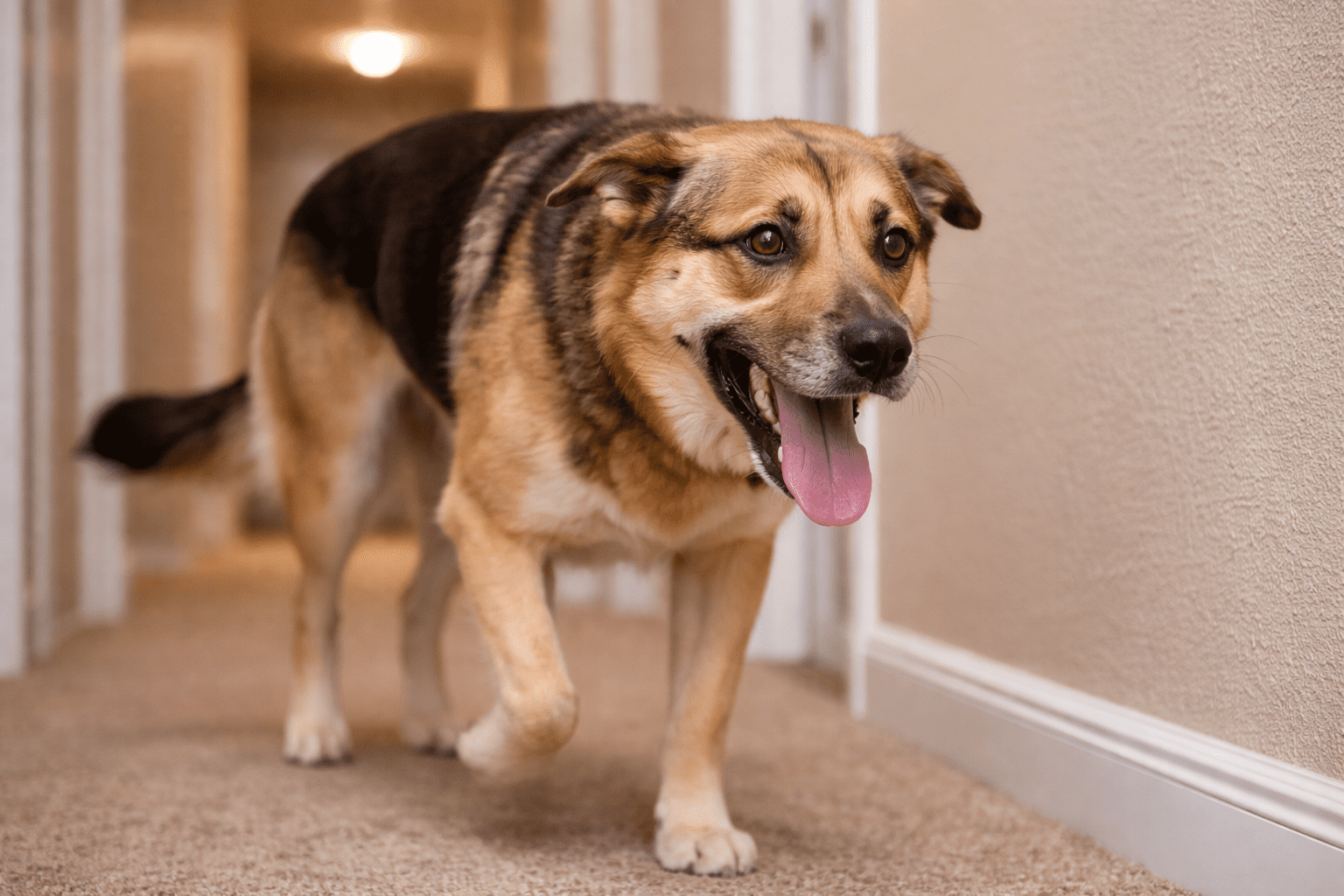
If your dog shows any of these combinations, contact your vet. Bloat, toxin ingestion, and severe pain require immediate care. Even if the cause seems less urgent, persistent pacing that doesn’t improve deserves a checkup.
How Different Types of Pacing Look
Pacing behavior changes depending on the cause. Recognizing these patterns helps you figure out what your dog is experiencing and how to respond.
Anxious Pacing
Anxious pacing often comes with other stress signals. Your dog might pace back and forth along the same route, pant heavily, whine, or keep their tail tucked. They may also seek you out constantly or try to hide.
This type of pacing usually happens during specific triggers like storms, separation, or new situations. The pacing stops when the stressor is removed or when your dog calms down. It can become a learned response if the anxiety isn’t addressed.
Pain-Related Pacing
Pain driven pacing looks more restless and uncomfortable. Your dog might pace for a few steps, pause, try to lie down, then get back up and pace again. They can’t find a comfortable position, so they keep moving.
You might also see signs like arching the back, reluctance to sit or lie flat, or sensitivity when touched. Dogs in pain sometimes pace more at night when there are fewer distractions. This type of pacing needs veterinary attention to diagnose and treat the underlying cause.
Restless Senior Dog Pacing
Senior dogs with cognitive decline often pace in circles or walk aimlessly. They might stare at walls, seem confused about where they are, or walk into corners and not know how to back out. This pacing often happens at night and can disrupt sleep for both the dog and the household.
Other signs of cognitive dysfunction include forgetting learned commands, changes in social behavior, and house soiling. While aging can’t be reversed, keeping routines consistent and providing a safe space can help reduce confusion.
Things to Know About Dog Pacing
Understanding a few key facts about pacing can help you respond better and avoid common mistakes. These insights make it easier to support your dog and know when to act.
Pacing is a symptom, not a behavior problem. Your dog isn’t being difficult or stubborn. They are trying to tell you something is wrong or that they need help. Punishment will only make anxiety worse.
Sudden pacing in an otherwise calm dog is a red flag. If your dog never paced before and suddenly starts, especially with other symptoms, it could signal pain, illness, or toxin exposure. Don’t wait to see if it passes.
Breed and age influence pacing tendencies. High energy breeds like Border Collies or Belgian Malinois may pace more often due to boredom or unmet exercise needs. Senior dogs are more prone to pacing from cognitive decline or arthritis.
Pacing can become a habit. If your dog learns that pacing gets attention or a reward, they might start doing it more often. Responding to the real need rather than the behavior itself helps prevent this.
A calm environment reduces pacing. Dogs pick up on household stress. Loud arguments, unpredictable schedules, or chaotic surroundings can make pacing worse. Creating routine and calm spaces helps anxious dogs settle.
How to Help a Pacing Dog
Once you understand why your dog is pacing, you can take steps to help them feel better. The approach depends on the cause, but a few strategies work for most situations.
Address the Root Cause
If pain is driving the pacing, your vet can diagnose the problem and recommend treatment. This might include pain medication, joint supplements, or physical therapy. Treating the source of discomfort is the most effective way to stop pain related pacing.
For anxiety, identify the triggers and work to reduce exposure or change your dog’s response. Desensitization and counter conditioning help anxious dogs feel safer around stressful stimuli. Professional dog behavior training can make a big difference, especially for severe cases.
If boredom is the issue, increase exercise and mental stimulation. Longer walks, training sessions, and interactive toys give your dog an outlet for their energy and reduce restless behavior.
Create a Calm Environment
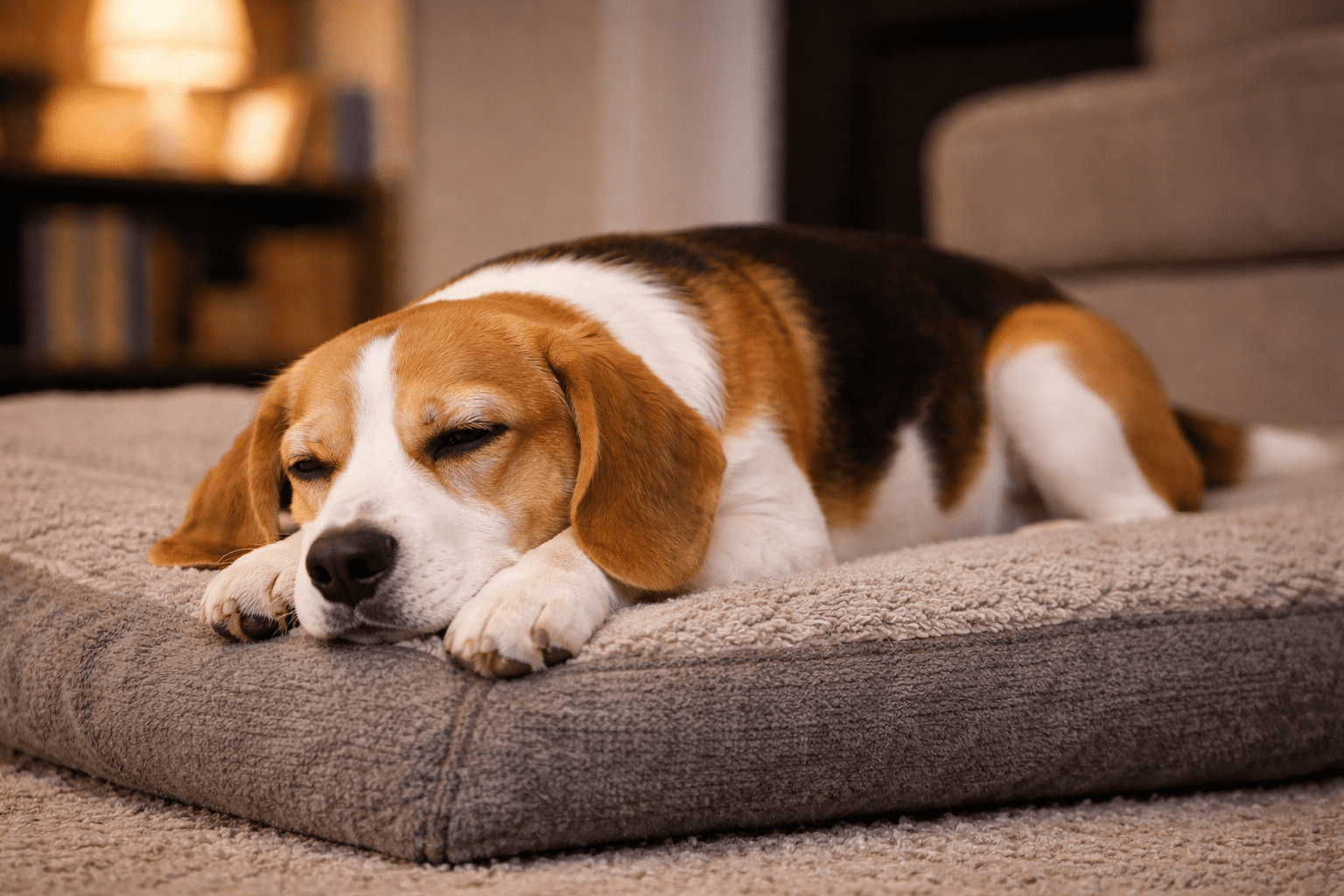
A quiet, predictable space helps anxious dogs settle. Set up a comfortable area with your dog’s bed, familiar toys, and maybe a piece of your clothing. Some dogs respond well to calming music, white noise, or pheromone diffusers.
Stick to a consistent routine for feeding, walks, and bedtime. Predictability reduces anxiety and helps dogs feel more secure. For senior dogs, keeping furniture in the same place prevents confusion and makes navigation easier.
Increase Exercise and Mental Stimulation
Physical and mental exercise tire dogs out in healthy ways. A tired dog is less likely to pace out of boredom or excess energy. Adjust the intensity based on your dog’s age and health, but aim for daily activity that challenges both body and mind.
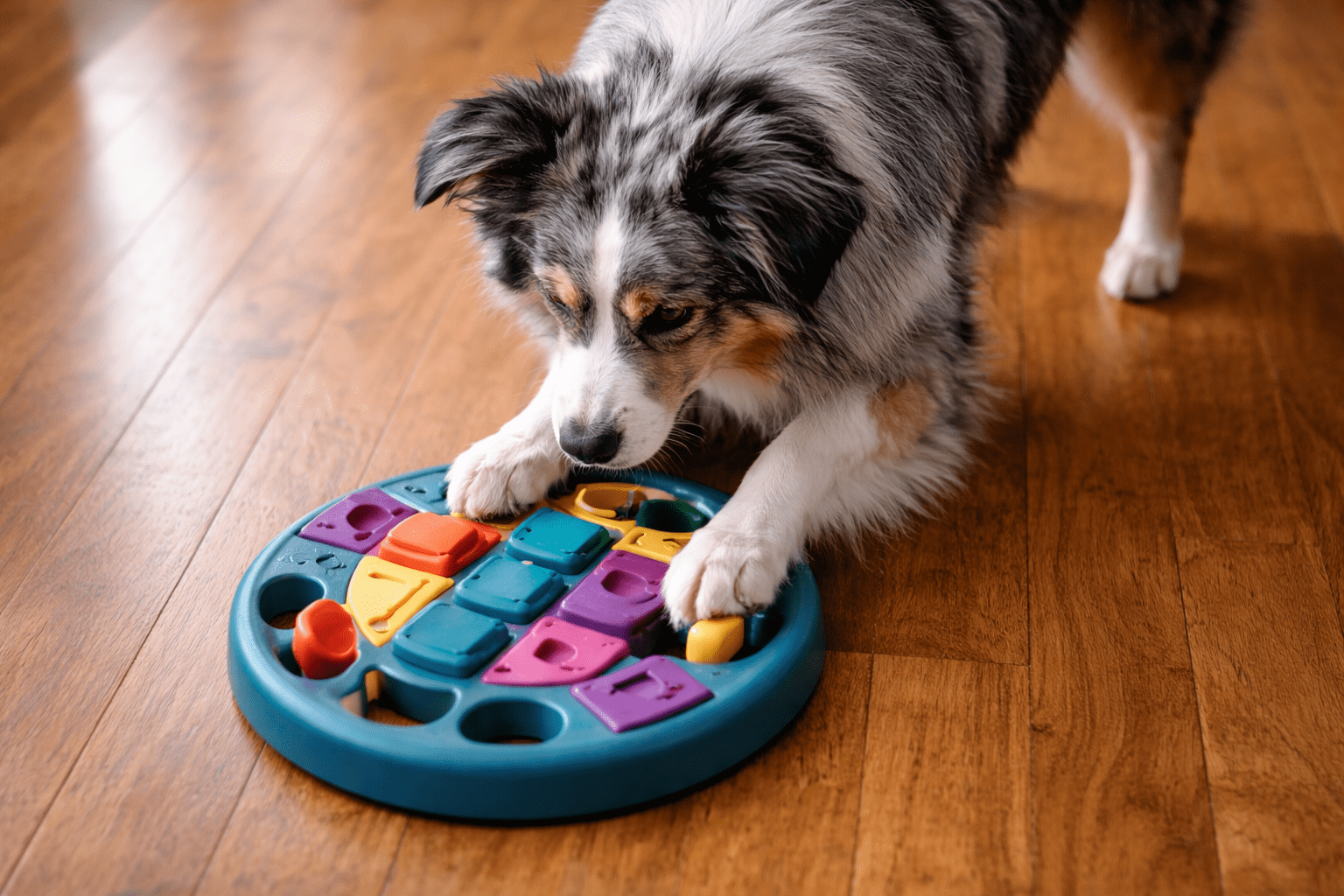
Try puzzle toys, scent games, or training new tricks. Even short sessions make a difference. For high energy dogs, activities like fetch, agility, or swimming provide excellent outlets.
| Solution | Best For |
| Vet checkup and pain management | Pain or sudden pacing |
| Behavior training and desensitization | Anxiety and fear based pacing |
| Increased exercise and mental games | Boredom and high energy dogs |
| Routine and calm environment | Senior dogs with cognitive decline |
| Immediate bathroom breaks or attention | Pacing due to basic needs |
📌 Struggling with persistent dog behavior issues? Professional guidance can help you understand and address the root causes effectively.
When to Seek Professional Help
Some pacing situations need more than home remedies. Knowing when to call for help protects your dog’s health and well-being.
Contact your vet if your dog’s pacing is sudden, severe, or comes with symptoms like vomiting, bloating, limping, or collapse. These can signal medical emergencies that need immediate care.
If your dog paces constantly despite meeting their basic needs, a vet can rule out pain, illness, or cognitive issues. Blood tests, x-rays, or other diagnostics might be needed to find the cause.
For anxiety driven pacing that doesn’t improve with environmental changes, professional training makes a real difference. Certified trainers and behaviorists use proven methods to help dogs feel safer and more confident. Programs like dog obedience training build foundation skills that reduce stress and improve behavior.
In severe cases, your vet might recommend anti anxiety medication alongside behavior modification. Medication isn’t a cure, but it can help your dog feel calm enough to learn new coping strategies.
Don’t wait until the problem becomes unbearable. Early intervention leads to better outcomes and a happier, healthier dog.
If you live on Long Island and need expert help, board and train Long Island programs offer intensive support that addresses pacing and other behavioral challenges in a structured, professional setting.
Understanding Why Is My Dog Pacing Leads to Real Solutions
Pacing is your dog’s way of telling you something is off. Whether it stems from anxiety, pain, boredom, or aging, recognizing the cause helps you respond with the right support. By paying attention to patterns, addressing root issues, and creating a calm environment, you can help your dog feel more secure and settled.
When home strategies aren’t enough, professional guidance makes all the difference. K9 Mania Dog Training is the leading board and train Long Island provider, and we help dogs overcome pacing and other behavior challenges with proven, compassionate methods. Whatever your dog is facing, we can help. Trust K9 Mania Dog Training to bring peace back to your home and confidence back to your dog.
You May Also Want to Read
Why Do Dogs Like Squeaky Toys?
Frequently Asked Questions About Dog Pacing
How do I train my dog to come immediately?
Start by practicing recall in a low distraction environment using high value treats and a consistent command like “come” or “here.” Reward your dog every time they respond quickly, gradually increasing distance and distractions. Never punish your dog for coming to you, even if they took their time, because punishment makes them less likely to come in the future. Regular practice and positive reinforcement build reliable recall over time.
Why is my dog pacing and won’t lie down?
Your dog might be pacing because lying down is uncomfortable due to pain, they feel anxious or stressed, or they have an unmet need like needing to go outside. Senior dogs with cognitive decline may also pace because they feel confused or disoriented. Watch for other signs like whining, panting, or limping to help identify the cause, and consult your vet if the pacing continues or worsens.
How to fix pacing in a dog?
Fixing pacing starts with identifying the underlying cause, whether it is anxiety, pain, boredom, or a medical issue. If your dog is anxious, create a calm environment and work on desensitization training. For pain, consult your vet for diagnosis and treatment. Increase daily exercise and mental stimulation if boredom is the issue. Addressing the root cause stops the pacing behavior more effectively than trying to stop the pacing alone.
Does pacing mean a dog is in pain?
Pacing can be a sign of pain, especially if your dog seems restless, can’t get comfortable, or shows other symptoms like limping, reluctance to sit, or sensitivity when touched. Dogs in pain often pace more at night because it becomes harder to settle down. If you suspect pain, schedule a vet visit to identify and treat the underlying problem as soon as possible.
How to calm down a pacing dog?
Calming a pacing dog depends on the cause, but general strategies include creating a quiet, safe space, maintaining a consistent routine, and using calming tools like white noise or pheromone diffusers. If anxiety is the trigger, staying calm yourself helps your dog feel more secure. Meeting basic needs like bathroom breaks, food, or playtime can also stop pacing quickly if that is what your dog is asking for.
Why is my dog constantly pacing and acting weird?
Constant pacing with unusual behavior can signal anxiety, cognitive decline, pain, illness, or even toxin exposure. If your dog is acting weird, pacing in circles, drooling excessively, or showing signs of distress, contact your vet immediately. Sudden changes in behavior should never be ignored, especially when they come with other symptoms like vomiting, shaking, or a bloated belly.
How to stop a senior dog from pacing?
Senior dogs often pace due to cognitive decline, pain from arthritis, or disrupted sleep patterns. Keep their environment consistent and familiar, avoid moving furniture, and maintain regular routines for meals and walks. Your vet might recommend supplements or medications that support cognitive function and reduce discomfort. Providing a comfortable, supportive bed and gentle exercise can also help reduce nighttime pacing.