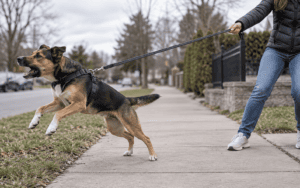
Teaching your dog to come when called starts with positive reinforcement and short practice sessions in low-distraction environments. Begin by rewarding every response with high-value treats, gradually increasing distance and distractions as your dog masters the command.
Getting your dog to respond reliably to recall is one of the most important skills you’ll ever teach. Whether you’re at the park, in your backyard, or dealing with an unexpected escape, a solid recall command can literally save your dog’s life. The good news? Any dog can learn this skill with the right approach and consistent practice.
Understanding how to teach dog to come isn’t just about yelling your dog’s name louder or chasing them down when they ignore you. It’s about building a positive association with coming to you that’s so strong, your dog chooses to return even when there are squirrels, other dogs, or interesting smells competing for their attention.
Ready to master recall training with your dog? Start with our board and train Long Island program where we teach reliable recall and other essential commands.
Why the Recall Command Matters for Every Dog
The recall command might be the single most important skill your dog learns. It creates freedom, safety, and peace of mind for both you and your pet.
A reliable recall lets you give your dog more freedom during walks and outdoor adventures. Instead of keeping them on a tight leash constantly, you can allow exploration while knowing they’ll return when called.
Safety is the biggest reason to prioritize recall training. Dogs slip collars, dart out open doors, and break away from leashes. When your dog responds immediately to “come,” you can prevent them from running into traffic, approaching aggressive dogs, or getting lost in unfamiliar areas.
The command becomes part of your everyday routine. You’ll use it to call your dog for meals, to come inside from the yard, or to check in during off-leash time. A dog who comes when called is simply easier and more enjoyable to live with.
Common Recall Challenges Dog Owners Face
Many dog owners struggle with recall because they unknowingly create negative associations with the command. If you only call your dog to end fun activities, put them in a crate, or trim their nails, they’ll start avoiding you when called.
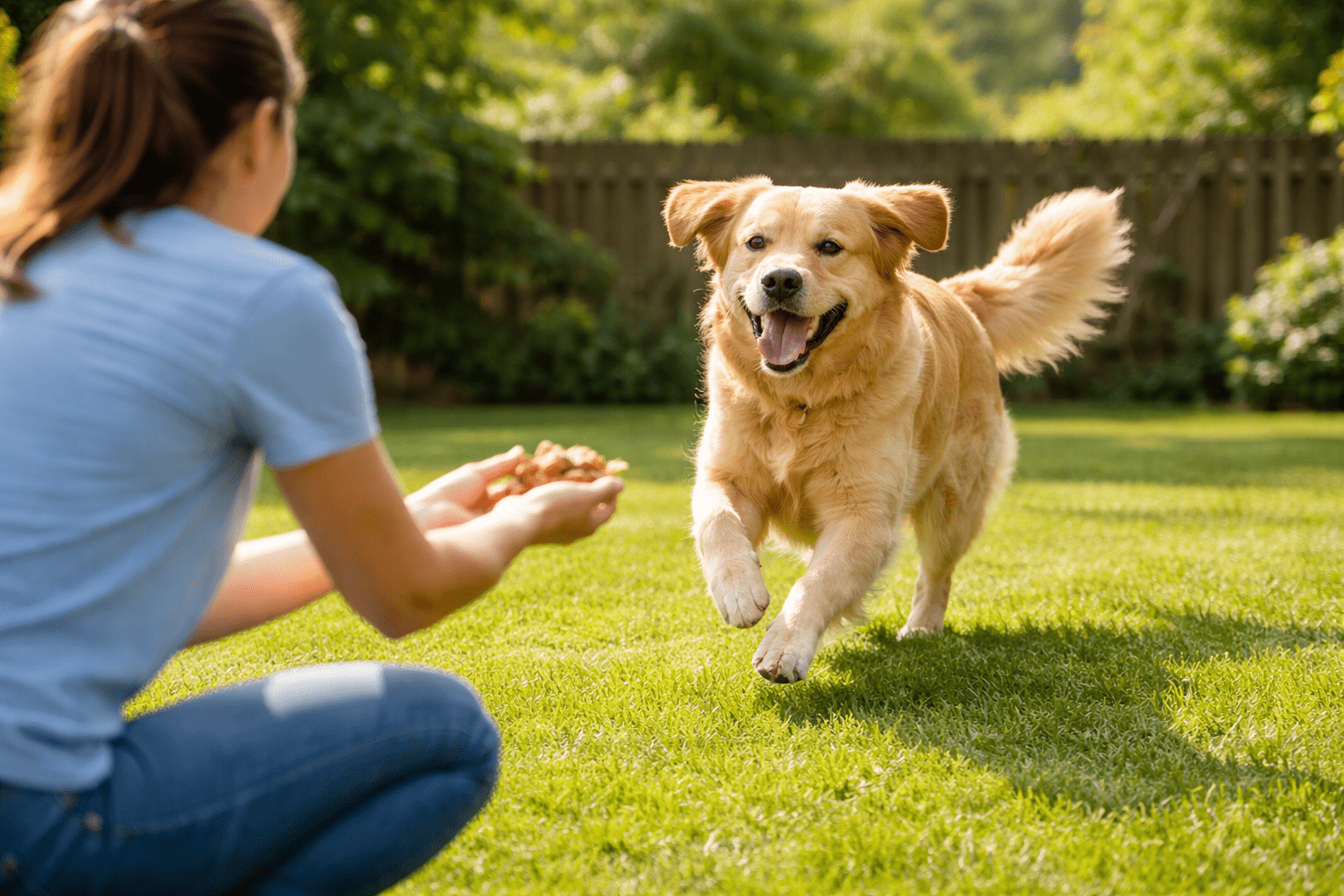
Distractions make recall training difficult for most dogs. Your voice competes with birds, other animals, interesting smells, and the excitement of exploring. Without proper training that gradually increases distractions, dogs simply tune out the recall command.
Inconsistency kills recall training faster than anything else. If you sometimes let your dog ignore the command or use different words each time, your dog never learns what you actually want.
Some owners accidentally punish their dogs for coming. Scolding a dog who finally returned after ignoring you teaches them that coming back leads to trouble. The dog doesn’t understand you’re upset about what happened before, they just know coming to you resulted in anger.
What You Need Before Starting Recall Training
Setting yourself up for success makes training faster and more effective. The right tools and environment create the foundation for reliable recall.
Essential Training Supplies
High-value treats are non-negotiable for recall training. These aren’t your dog’s regular kibble or everyday treats. Think small pieces of chicken, cheese, hot dogs, or freeze-dried liver. The reward needs to be worth returning for, especially when competing with outdoor distractions.
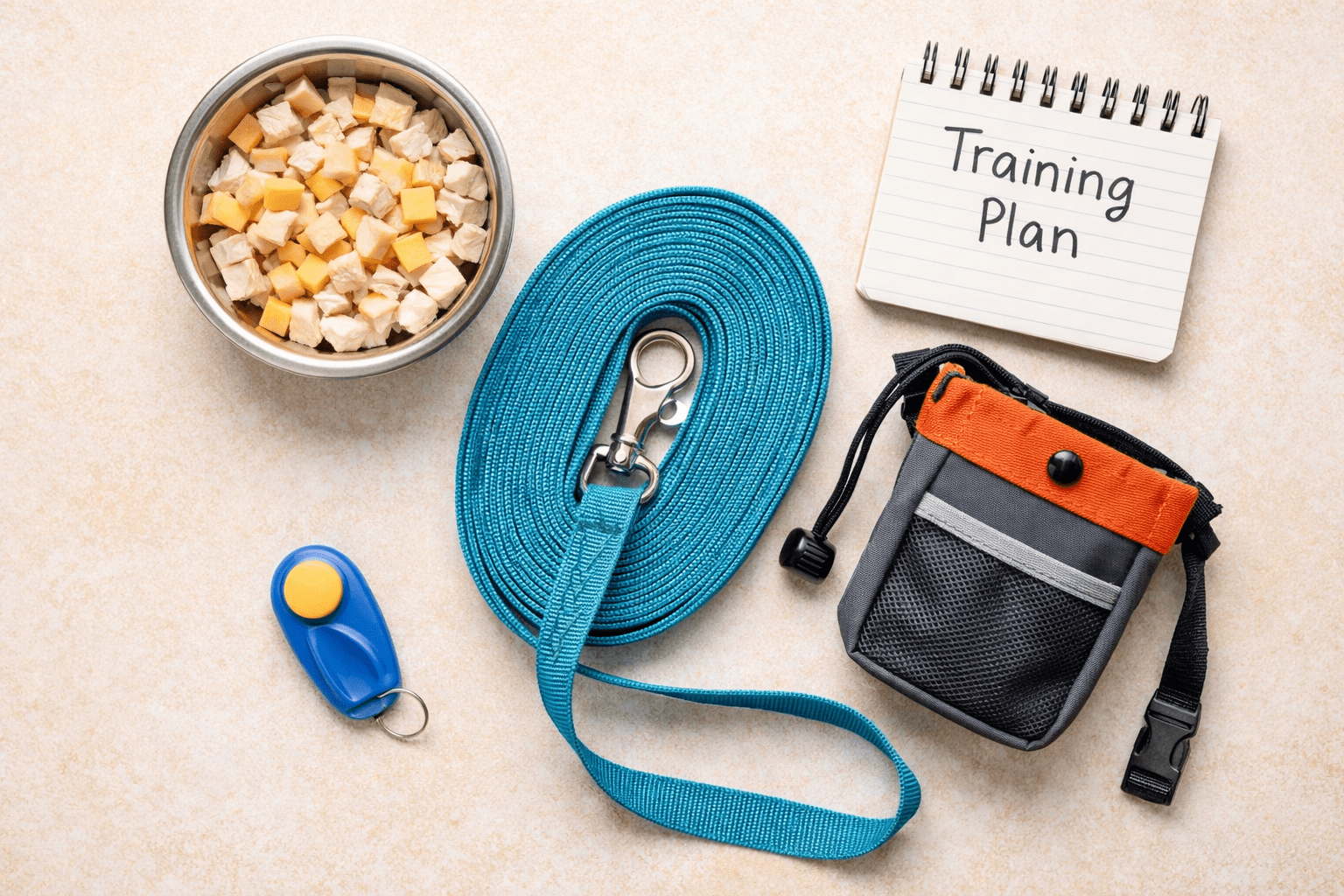
Keep treats tiny, about the size of a pea. You’ll use dozens during each training session, and you don’t want to overfeed your dog.
A long training lead (15-30 feet) gives you control while building distance. This isn’t a retractable leash, which can snap back and hurt your dog. Get a lightweight long line that lets your dog move freely while keeping them from running off during training.
Consider a treat pouch that clips to your belt or pocket. Fumbling for treats in your pockets slows down training and reduces the impact of your rewards.
Choosing the Right Training Environment
Start indoors where distractions are minimal. Your living room or hallway provides the controlled environment needed for initial learning. Your dog can focus entirely on you without competing sights, sounds, or smells.
Move to a fenced backyard once your dog responds consistently indoors. The fence provides safety while introducing outdoor distractions like birds, bugs, and different surfaces.
Progress to quiet outdoor areas with the long training lead. Early morning or late evening at a local park means fewer dogs, people, and activities to pull your dog’s attention away from training.
Save busy dog parks and high-distraction areas for later training stages. These environments should be the final test after your dog has mastered recall in easier settings.
Step-by-Step Method to Teach the Recall Command
Breaking down how to teach dog to come into clear stages makes the process manageable. Each step builds on the previous one, creating a strong foundation before adding difficulty.
Stage 1: Building the Foundation Indoors
Start by choosing your recall word. “Come” works great, but “here” or your dog’s name followed by “come” also work. Pick one word and stick with it.
Begin with your dog just a few feet away in a quiet room. Say your recall word once in a happy, excited voice. The moment your dog moves toward you, praise enthusiastically and give a treat when they reach you.

Repeat this 5-10 times per session, keeping sessions short and fun. Three or four short sessions throughout the day work better than one long session.
Add a few steps backward as your dog starts to catch on. Moving away from your dog triggers their chase instinct and makes coming to you more exciting.
Practice when your dog is already coming to you naturally. If they’re walking toward you for any reason, say your recall word and reward when they arrive.
Stage 2: Adding Distance and Duration
Gradually increase the distance between you and your dog. Start with 10 feet, then 15, then 20. Use your long training lead to maintain control as distance grows.
Practice in different rooms of your house. Recall from the kitchen to the living room, from the bedroom to the hallway. Changing locations helps your dog generalize the command.
Start hiding before calling your dog. Go into another room and call them. This teaches your dog to find you when they can’t see you.
Make it a game by having family members take turns calling the dog back and forth. Each person should have treats and give big rewards when the dog comes.
Stage 3: Introducing Outdoor Distractions
Move to your backyard or another enclosed outdoor space with your long training lead attached. Start at short distances again, even though your dog mastered longer distances indoors.
Practice when the yard is quiet first. Early morning before neighborhood activity picks up gives you the best chance of success.
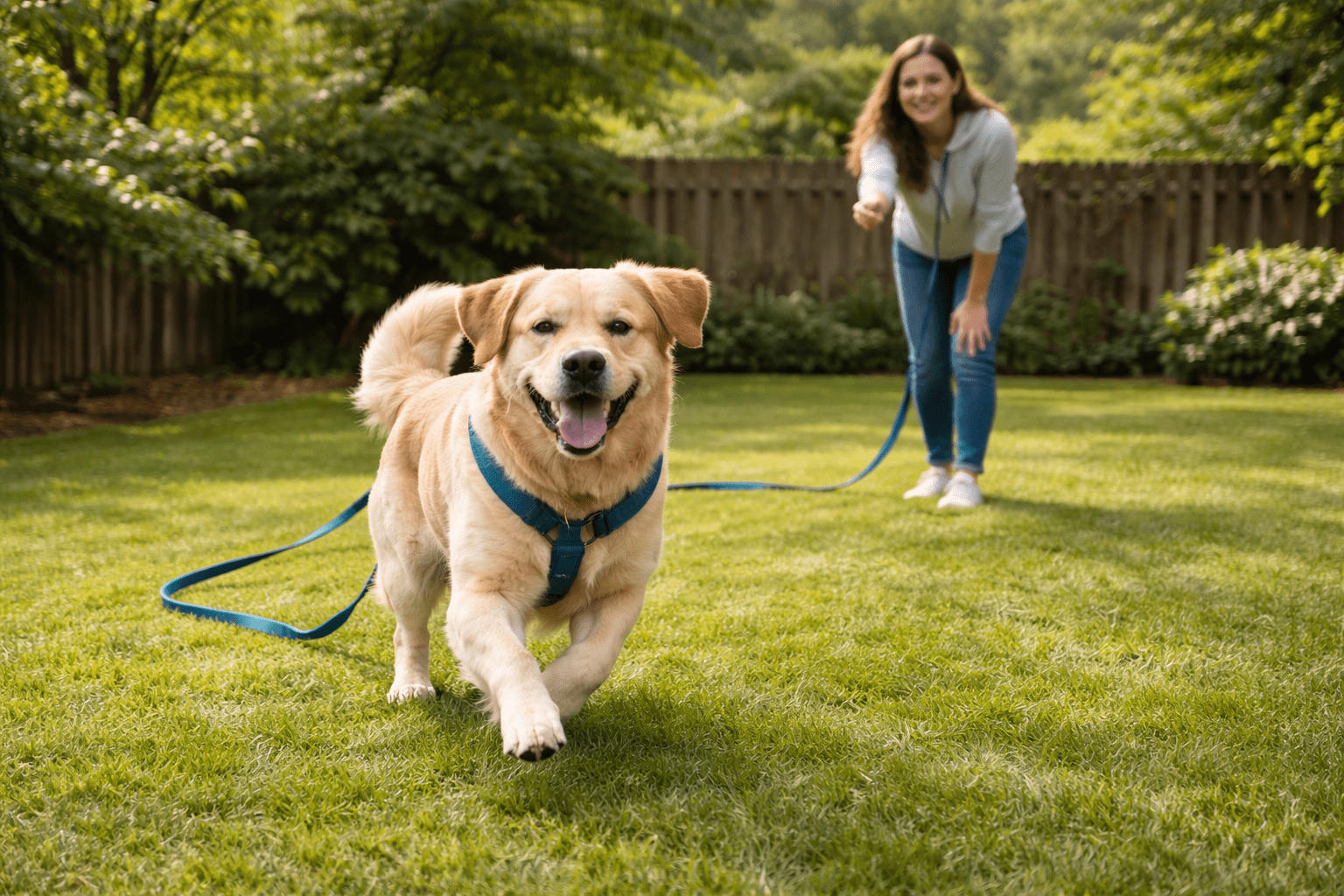
Gradually introduce controlled distractions. Have a family member walk past at a distance while you practice recalls. Add a toy on the ground that your dog has to walk past to reach you.
Use the long line to prevent your dog from getting rewarded by distractions. If they start to wander toward something interesting, call them before they reach it.
Never call your dog away from something fun unless you can offer something equally or more rewarding. Consistently calling them away from fun things without great rewards trains them to ignore you.
Common Training Mistakes and How to Avoid Them
Even experienced dog owners make errors that undermine recall training. Recognizing these mistakes helps you avoid setbacks.
| Mistake | Why It Fails | Better Approach |
| Calling your dog to end fun activities | Creates negative association with coming | Call your dog multiple times during fun for treats, then let them go back to playing |
| Repeating the command multiple times | Teaches your dog to ignore the first command | Say the command once, wait, then help with leash if needed |
| Punishing your dog after they finally come | Teaches them coming leads to bad things | Always reward coming, even if it took 10 minutes |
| Using recall for negative experiences | Makes coming scary or unpleasant | Keep recall positive; do unpleasant tasks without calling first |
| Training only in one location | Dog won’t generalize to new places | Practice in many different locations |
| Expecting perfection too quickly | Dogs need hundreds of repetitions | Build slowly and celebrate small wins |
The Poisoned Cue Problem
A poisoned cue happens when a command becomes associated with negative outcomes. If you’ve been calling your dog and getting frustrated when they don’t come, your recall word might already be poisoned.
Signs your cue is poisoned include your dog freezing when they hear it, running away, or completely ignoring the command even in low-distraction environments.
Fix this by choosing a completely new recall word. Start from scratch with the new word, following all the steps for building positive associations. Never use the poisoned word again.
Training Tools and Techniques That Accelerate Progress
Different tools and methods can make recall training easier and more effective.
| Tool/Technique | Best For | How It Helps |
| Long training lead | Building distance safely | Keeps dog safe while allowing freedom to practice |
| High-value treats | Food-motivated dogs | Creates strong positive association with coming |
| Clicker training | Precise timing | Marks exact moment dog starts returning |
| Whistle recall | Distance work | Carries further than voice, consistent sound |
| Play and toys | Non-food motivated dogs | Offers alternative reward for dogs who prefer play |
Using Positive Reinforcement Effectively
Timing matters more than treat quality. Your dog needs to receive the reward within 1-2 seconds of the desired behavior. This tight timing window helps them connect coming to you with getting the treat.
Vary your rewards to keep your dog guessing. Sometimes give one small treat, sometimes give a jackpot of five treats. This randomness actually makes the behavior stronger.
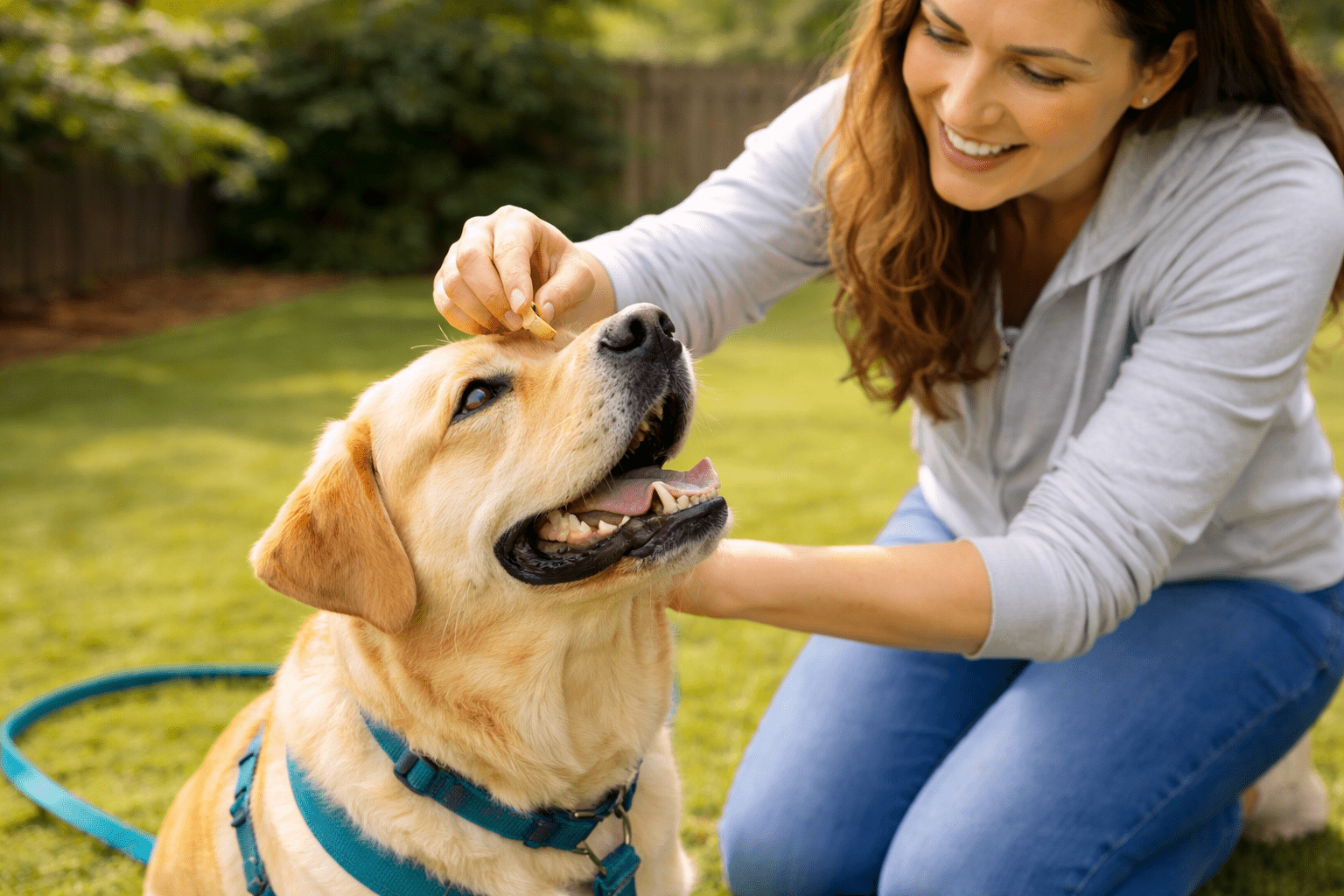
Never bribe your dog to come. Bribing means showing the treat before your dog responds. This teaches them to only come when they see food. Instead, keep treats hidden and produce them after your dog is already moving toward you.
Match the reward to the difficulty. An easy recall in your living room might earn a piece of kibble. A recall that pulled your dog away from playing with another dog deserves multiple pieces of chicken and lots of praise.
Troubleshooting Specific Recall Problems
Every dog presents unique challenges during recall training. Understanding why your dog isn’t responding helps you adjust your approach.
Dealing with Selective Hearing
Some dogs come perfectly indoors but act like they’ve never heard the command outside. This isn’t stubbornness, it’s a lack of generalization. Your dog hasn’t learned that “come” means the same thing in all locations.
Go back to basics in each new environment. Treat outdoor training like you’re starting over, even if your dog has a perfect recall indoors.
Never give a recall command you can’t enforce. Keep your dog on a long lead during training so you can gently guide them if they don’t respond.
Overcoming Fear-Based Avoidance
Some dogs avoid coming because they’ve learned it predicts something unpleasant. Maybe you’ve called them to give medicine, end playtime, or put them in a crate.
Rebuild trust by making recall always positive for several weeks. Call your dog, give amazing treats, then release them to go back to what they were doing.
For dogs with severe avoidance, consider working with a professional trainer who can assess what’s causing the fear. Our dog behavior training program addresses these complex issues with customized solutions.
Managing High Prey Drive
Dogs with strong prey drive present special challenges. A squirrel, rabbit, or bird can completely override their recall training if they haven’t practiced with these specific distractions.
Build prey drive resistance gradually. Start by practicing recalls with toys in sight but not moving. Progress to toys being tossed nearby, then eventually to remote-controlled toys that trigger the chase instinct.
Keep high prey drive dogs on long leads in areas with wildlife until they have hundreds of successful recalls under distraction.
Taking Recall Training to the Next Level
Once your dog responds reliably in moderately distracting environments, you can work toward off-leash reliability. This advanced stage requires patience and careful progression.
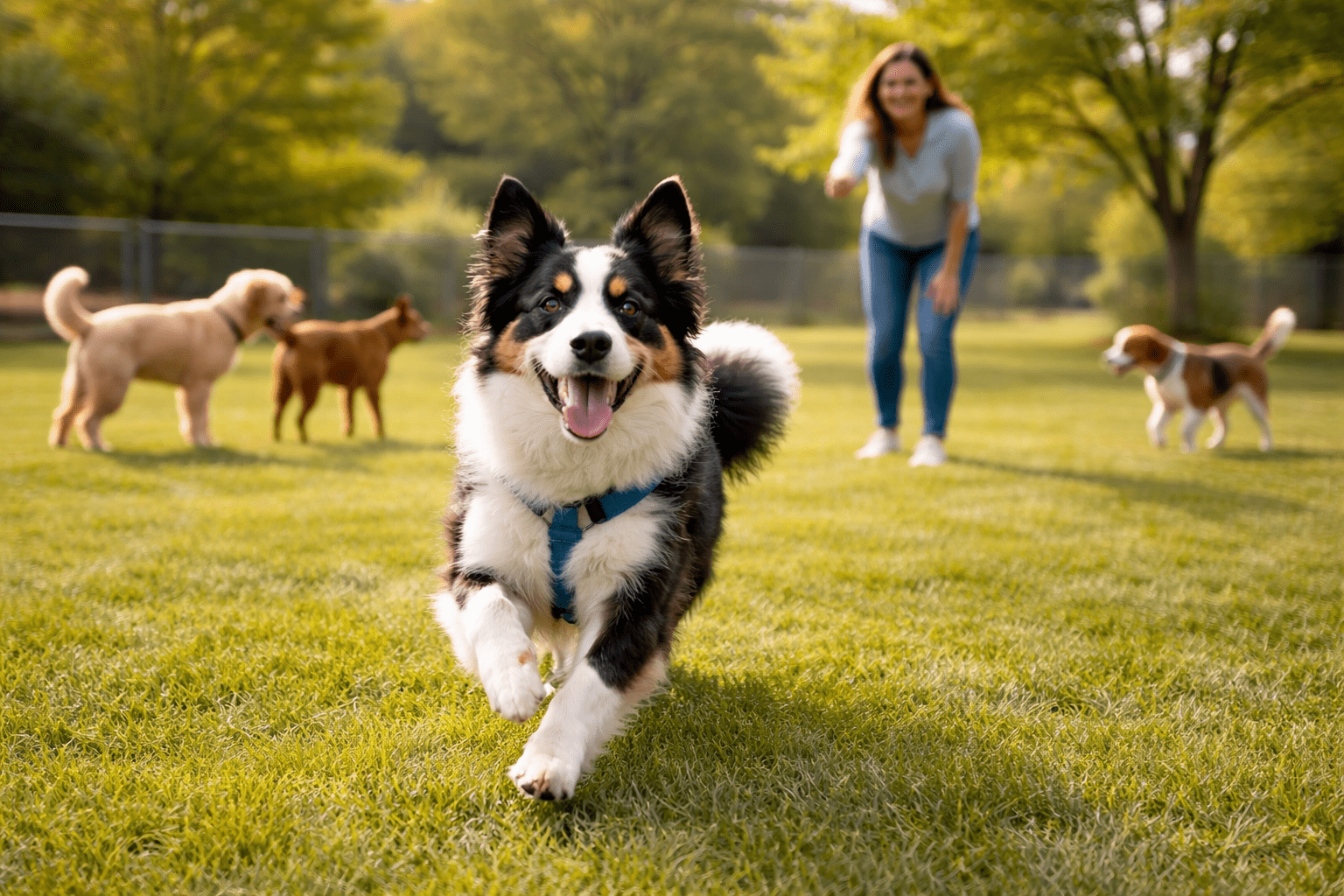
Practice essential dog training commands alongside recall to build overall obedience and impulse control. A dog with solid sit, stay, and heel commands will have better focus for recalls too.
Gradually increase the difficulty of your training environments. Move from quiet parks to busier areas with more dogs and people. Each new level should only be slightly harder than the last.
Consider the benefits of off-leash training once your dog has mastered recall in all environments. Off-leash freedom requires rock-solid recall, but it opens up incredible opportunities for exercise and enrichment.
Never remove the leash in an unfenced area until your dog has proven 100% reliability in that exact environment with all its specific distractions.
Maintaining Long-Term Recall Reliability
Recall skills can deteriorate without regular practice and reinforcement. Even dogs with excellent recall need ongoing training to maintain their responsiveness.
Practice recalls during every walk, even if your dog is on leash. Random recalls with rewards keep the behavior sharp and remind your dog that coming is always worthwhile.
Set up regular training sessions specifically for recall, even after your dog has mastered the skill. Once a week, spend 10 minutes running through recalls at various distances and distraction levels.
Understanding why dogs run away helps you recognize situations where your dog’s recall might fail. Escape prevention and solid training work together to keep your dog safe.
Building Reliable Recall With Your Dog
Learning how to teach dog to come transforms your relationship with your pet and opens up new possibilities for adventures together. The process takes time, but every successful recall builds toward a dog who responds reliably no matter what distractions surround them.
Start with the basics in low-distraction environments, reward generously, and progress slowly through increasing challenges. Avoid common mistakes like repeating commands, poisoning your cue, or expecting too much too soon. With consistent practice and positive reinforcement, any dog can develop a reliable recall.
Whether you’re dealing with a puppy learning their first commands or an adult dog who needs recall rehabilitation, the principles remain the same. Build positive associations, practice in many environments, and make coming to you the best decision your dog can make.
At K9 Mania Dog Training, we’re the leading board and train on Long Island specializing in reliable recall and obedience training. Our expert trainers can help your dog master recall faster through our comprehensive programs. Whether you need our board and train Long Island program or private dog training sessions, we’ll help you build the off-leash reliability you deserve.
Trust K9 Mania Dog Training to solve any dog behavior challenge.
You May Also Want to Read
Why Does My Dog Lick Me So Much? Understanding Your Dog’s Behavior
Why Do Dogs Like Squeaky Toys?
Frequently Asked Questions
How do I train my dog to come immediately?
Train your dog to come immediately by starting with short distances in distraction-free environments and rewarding every response instantly. Practice multiple times daily, gradually increasing distance while keeping rewards extremely high-value. Use a long training lead to prevent your dog from ignoring the command, and never call your dog unless you can enforce the behavior. Consistency and immediate rewards create the fastest response times.
What is the hardest command to teach a dog?
The recall command is often considered one of the hardest to teach because it asks dogs to override natural instincts like chasing, exploring, and socializing. Unlike sit or down, which simply require a position change, recall demands your dog leave interesting distractions and return to you. This makes it challenging but not impossible with proper training methods.
Why isn’t my dog coming when I call her?
Your dog may not come when called because the command has been associated with negative experiences, she finds distractions more rewarding than coming to you, or she hasn’t practiced enough in that specific environment. Dogs also ignore recalls when they’ve learned the command is optional through inconsistent enforcement. Start rebuilding the command with high-value rewards in easier environments.
How to get a stubborn dog to come when called?
Stubborn dogs usually aren’t being defiant, they just haven’t learned that coming is non-negotiable and worthwhile. Use a long training lead to prevent them from being rewarded by ignoring you, increase the value of your rewards dramatically, and practice in environments where they can succeed. Make coming to you the best thing that happens to them, and enforce the command every single time you give it.
How do you say “come here” in a dog?
Dogs don’t understand language the way humans do, they learn to associate specific sounds with actions and outcomes. Choose any word like “come,” “here,” or even a whistle sound, then consistently pair that sound with the action of returning to you and receiving rewards. The specific word matters less than using it consistently and making it predict great things.
How to train your dog to return when called?
Train your dog to return when called by building a positive association with the recall command through repetition and rewards. Start indoors with short distances, use high-value treats, and gradually increase difficulty by adding distance and distractions. Keep your dog on a long lead during training, practice in many different environments, and never use the recall command for negative experiences. Consistency and patience create reliable responses over time.