Training a Jack Russell Terrier gets much easier once you understand how this breed thinks. These dogs are sharp, fast, and wired to work, so they respond best to short reward-driven sessions paired with firm, consistent rules.
Jack Russells were bred to chase foxes underground, which means their energy, independence, and stubborn streak aren’t flaws. They’re the result of careful selective breeding for a very specific job. Once you accept that, knowing how to train a Jack Russell dog becomes less about breaking the dog’s will and more about redirecting it.
📌 Things to Know Before You Start Training Your Jack Russell
- Exercise before every session. A tired Jack Russell learns faster and stays focused longer throughout.
- Keep sessions to 5 to 10 minutes. Anything longer and attention fades fast.
- Recall is the highest-priority skill to develop, especially before any off-leash time in open spaces.
- Consistency across all household members is non-negotiable. One person ignoring the rules undoes everyone else’s work.
- If your dog can’t settle between sessions, check out how to calm a hyperactive dog for breed-specific strategies.
- When training feels stuck, the techniques in how to train a stubborn dog can break through the pattern.
Are Jack Russell Terriers Easy to Train?
Jack Russell Terriers are often called “big dogs in small bodies,” and that holds up in training. They’re intelligent enough to figure out what you want but confident enough to decide whether they feel like cooperating.
The American Kennel Club describes Jack Russell Terriers as energetic, fearless, and vocal by nature. These traits are exactly why so many owners hit a wall. The dog isn’t being defiant for no reason. It’s doing what centuries of working terrier genetics prepared it for.
Common training challenges with Jack Russells include:
- Short attention span during longer sessions
- High prey drive that overrides focus outdoors
- Selective hearing, especially near distractions
- Tendency to dig, bark, and chase without warning
- Dominance testing, particularly with first-time owners
Understanding these tendencies before you start makes the whole process far less discouraging. You’re not failing. You’re just working with a breed that demands more structure than most.
What Your Jack Russell Needs Before Training Starts
Before running through any commands, there are two things your dog needs: physical exercise and a calm state of mind. A Jack Russell that hasn’t burned energy is going to bounce off the walls during a training session and absorb nothing.
Aim for at least 30 to 45 minutes of physical activity before any structured session. A brisk walk, a game of fetch, or a backyard run all work well. A tired Jack Russell is a far more receptive student.
Mental stimulation matters just as much. Puzzle feeders, scent games, and hide-and-seek exercises help take the edge off without requiring extra outdoor space. If your dog is still wound up by the time a session starts, learning slows down significantly.
If managing your Jack Russell’s energy between sessions feels overwhelming, our guide on how to calm a hyperactive dog covers practical strategies built for high-drive breeds.
How to Train a Jack Russell Dog: Building the Foundation
The foundational approach to how to train a Jack Russell dog relies on short sessions, high-value rewards, and repetition across different environments. Here’s how to build that foundation without overcomplicating it.
The Five Commands to Teach Jack Russell Dog
Don’t try to teach everything at once. Start with commands your dog will use every single day.

- Sit: The easiest entry point. Hold a treat above the nose, move it back slowly, and reward the moment the rear hits the floor.
- Stay: Build duration gradually. Start at two seconds, then five, then ten before adding distance.
- Come: Practice recall in a low-distraction space first, then increase difficulty as the dog improves.
- Leave it: Critical for a prey-driven breed. Teach this early and practice it constantly outdoors.
- Down: Useful for settling behavior and managing greetings with guests.
Keep sessions between five and ten minutes. Jack Russells lose interest quickly when sessions drag on. Always end on a win so the dog stays positive about working with you.
Jack Russell Dog Recall Training Takes Real Commitment
One of the most important skills you’ll ever build is a solid recall. Once a squirrel or rabbit appears, nothing else exists for a Jack Russell. This is why off-leash situations can be genuinely dangerous without a reliable recall already in place.
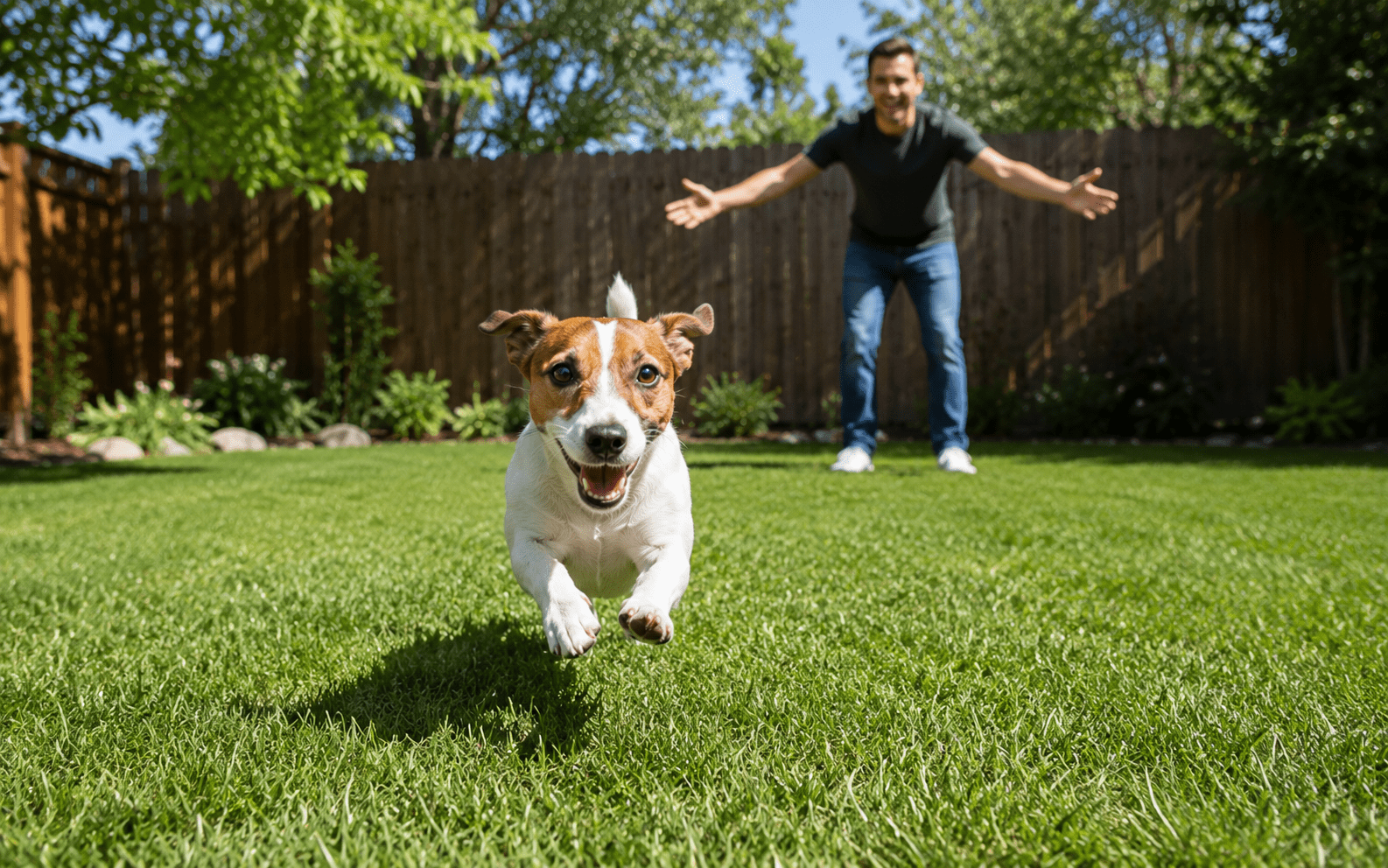
To build a solid recall:
- Start indoors with zero distractions
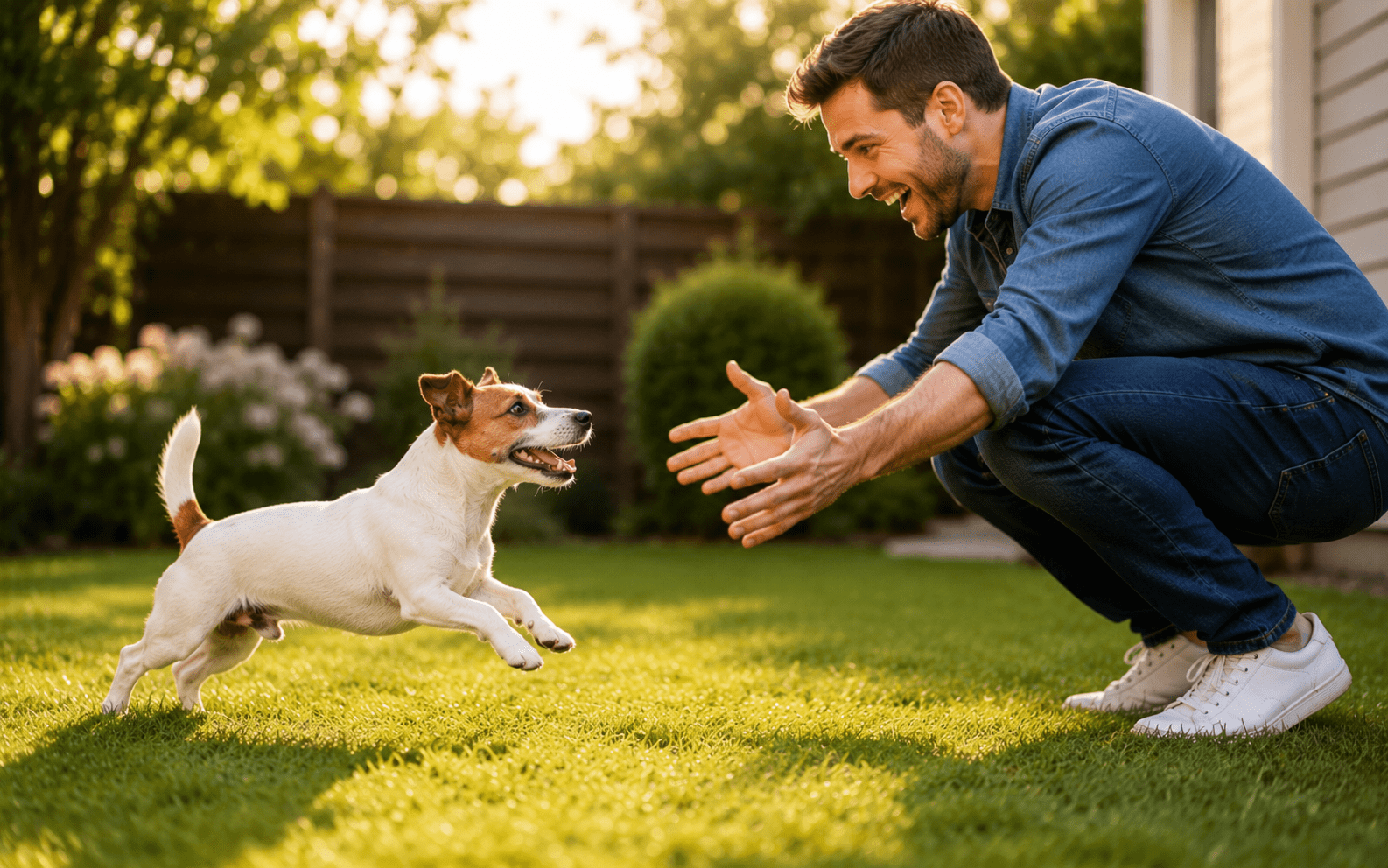
- Say the dog’s name, then say “come”
- Crouch down and open your arms
- Reward enthusiastically every single time the dog reaches you
- Slowly move sessions outdoors, starting in a fenced yard
Never punish a dog for coming to you, even after several attempts. Punishment during recall training breaks trust and makes the dog hesitant to return the next time you call.
Redirecting Prey Drive and Digging Jack Russell Dog
Jack Russells weren’t bred to sit still. They were bred to go underground and flush out prey. Digging, chasing, and pouncing aren’t problem behaviors. They’re instinct expressed without a proper outlet.
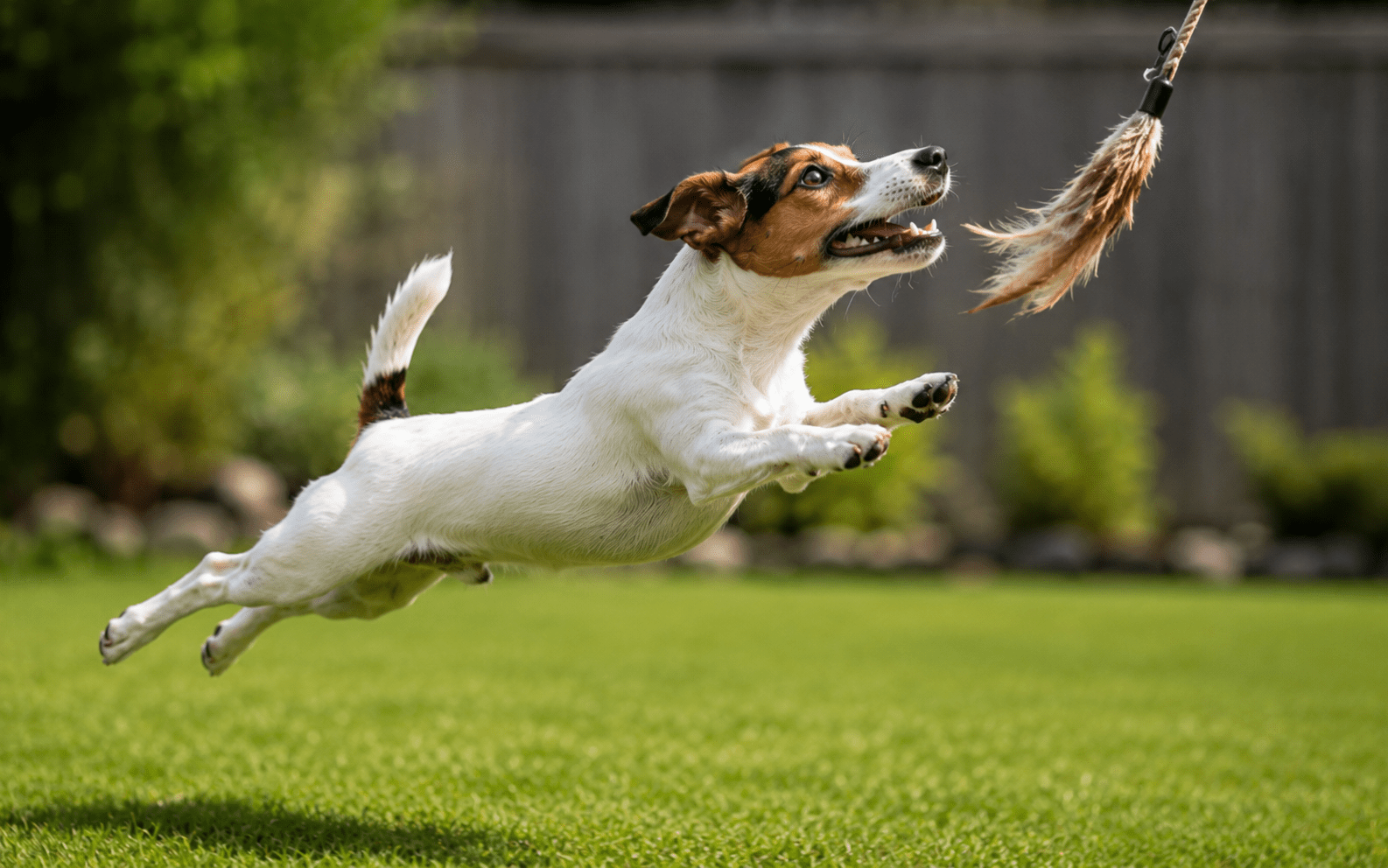
You can redirect these drives rather than trying to suppress them entirely. Designate a specific digging spot in the yard. Use lure games and flirt poles to satisfy the chase instinct in a controlled way. Nose work exercises tap directly into hunting behavior and tire the dog out mentally without requiring much space.
If the prey drive is making sessions feel like you’re getting nowhere, our post on how to train a stubborn dog covers additional techniques for working through resistance in high-drive breeds.
Training Methods: Which One Works Best for Jack Russell Dog
Different approaches suit different dogs and situations. Here’s how the most common training methods compare when you’re working with a Jack Russell:
| Training Method | Best For | Jack Russell Compatibility |
| Positive Reinforcement | Obedience, recall, new commands | Excellent. High-value treats hold focus |
| Clicker Training | Precision reward timing | Very good. Fast learners respond well |
| Lure and Reward | Teaching positions like sit and down | Good for puppies and beginners |
| Punishment-Based | Not recommended | Poor. Increases anxiety and reactivity |
| Drive Redirection | Managing prey drive and digging | Excellent. Works with natural instincts |
Positive reinforcement is the clear winner for this breed. Jack Russells shut down under harsh corrections and often become more reactive, not more compliant. The goal is to make good behavior more rewarding than whatever the dog was about to do instead.
What to Expect at Each Life Stage
Getting the basics right at the correct stage is a core part of how to train a Jack Russell dog effectively. What works for a puppy isn’t always the right strategy for an adult rescue, so your approach should reflect where your dog is right now.
| Life Stage | Training Focus | Key Challenge | Best Approach |
| Puppy (8-16 weeks) | Socialization, bite inhibition, sit and come | Short attention span | 5-minute sessions, heavy praise |
| Adolescent (6-18 months) | Recall, leash manners, impulse control | Testing limits and hormones | Consistent rules, daily sessions |
| Adult (2+ years) | Solidifying commands, off-leash reliability | Established habits | Structured reinforcement, patience |
| Rescue or Re-home | Trust building, basic obedience | Unknown history | Slow introduction, professional assessment |
If you’re starting with a rescue Jack Russell or one that’s already developed problem behaviors, you may need more structured support than solo home sessions can provide.
When to Bring in a Professional
Most Jack Russell training is manageable at home when you stay consistent. But there are situations where professional support saves you months of frustration and actually moves the needle.
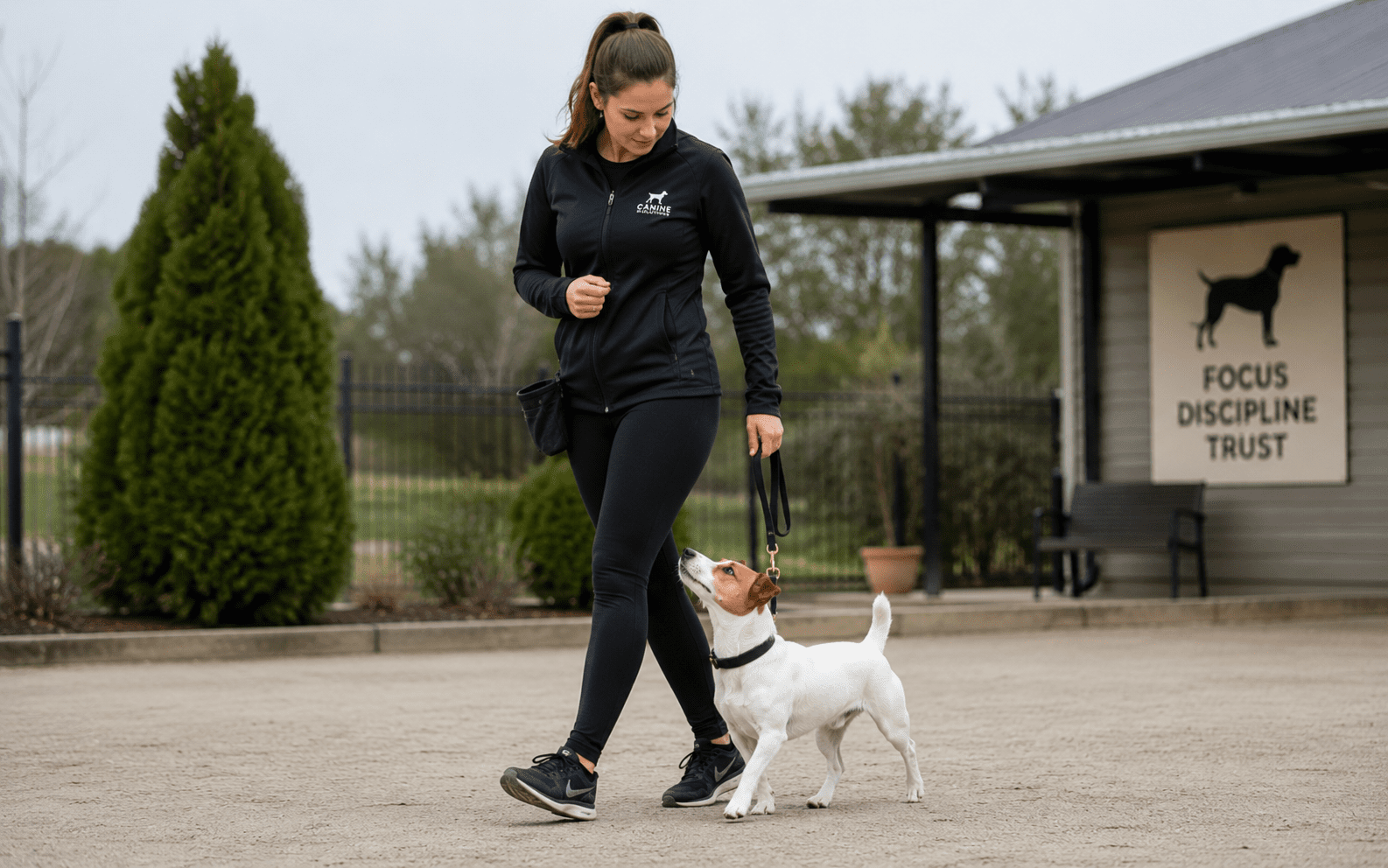
Reach out to a trainer if your dog is:
- Showing aggression toward people or other animals
- Impossible to recall even in a fenced yard
- Displaying destructive behavior linked to separation anxiety
- Reacting badly to everyday situations with fear or lunging
Private dog training Long Island gives your Jack Russell focused, one-on-one attention tailored to the specific issues you’re seeing. For behavior that shows up mainly inside the home, in home dog training Long Island brings the trainer directly into your space, which is the most effective way to address problems in the exact environment where they appear.
For owners dealing with more serious behavioral issues or who want intensive, faster results, board and train Long Island puts your dog in a full-time structured program with experienced professionals who work with them throughout the day.
If you’re considering that option but aren’t sure what it involves, our guide on how to prepare for board and train walks you through everything before you commit.
The Right Way to Train a Jack Russell Dog Starts With the Right Help
Knowing how to train a Jack Russell dog means working with the breed’s instincts, not against them. These dogs don’t respond to shortcuts, and they remember inconsistency.
At K9 Mania Dog Training, we’re Long Island’s leading board and train program with top animal behaviorists who specialize in high-drive, independent breeds. Whether your Jack Russell is just starting out or has developed habits you can’t shake on your own, we’re here to help. Trust us with your dog’s training and get the results you’ve been working toward.
You May Also Want to Read
How to Train a Belgian Malinois Dog
Frequently Asked Questions: Jack Russell Training
Do Jack Russells pick one person?
Yes, Jack Russells often bond most strongly with one primary person. This usually happens because that individual feeds, trains, and spends the most consistent time with the dog. It doesn’t mean the dog won’t respond warmly to others in the household, but they tend to look to their main person for direction and reassurance. Involving multiple people in training from an early age helps Jack Russells build balanced relationships across the household rather than fixating on a single person exclusively.
What not to do with a Jack Russell dog?
Avoid punishment-based corrections, inconsistent rules, and skipping daily exercise. Jack Russells are sensitive to harsh handling, and physical corrections increase anxiety rather than improve behavior. You should also avoid letting jumping, nipping, or recall failures go unaddressed, because this breed will repeat whatever it gets away with. Long training sessions without breaks and leaving the dog under-exercised for extended periods are also common mistakes that quickly lead to behavioral problems across the board.
How do I discipline my Jack Russell?
Discipline works best through calm redirection and removing rewards rather than physical correction or yelling. When your dog does something unwanted, calmly redirect it toward an acceptable behavior and reward that instead. Time-outs can also be effective for attention-seeking behaviors. The key is consistency. When the same unwanted behavior produces the same calm, neutral response every single time, the dog gradually learns that it simply doesn’t pay off.
Can Jack Russells be left alone for 8 hours?
Eight hours alone is generally too long for this breed and often leads to anxiety and destructive behavior. Jack Russells are high-energy and social dogs, and extended isolation creates real stress. If your work schedule involves long days, a midday dog walker, doggy daycare, or a trusted pet sitter can help significantly. Building alone time up gradually from an early age teaches the dog to self-settle, but regular eight-hour stretches don’t suit this breed’s social and physical needs well.
Is a male or female Jack Russell better?
Both can make excellent companions, but there are some differences worth knowing before you decide. Males tend to be more outgoing and playful but can be more prone to marking and dominance testing if unneutered. Females are often described as more independent and can be selective about interaction at times. Neither is naturally easier to train than the other. Individual personality, your training consistency, and how early you start working with the dog matter far more than sex alone.
What are common Jack Russell behavior problems?
The most frequent issues include excessive barking, digging, chasing, jumping, and unreliable recall. These behaviors are deeply rooted in the breed’s terrier working history rather than bad temperament. Without proper structure, exercise, and training boundaries, these natural instincts become difficult household behaviors. Addressing them consistently from an early age while providing appropriate outlets for energy and prey drive prevents most of these issues from becoming deeply ingrained patterns that are much harder to change later.