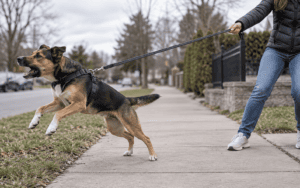
Training a deaf dog is absolutely possible and often easier than most people expect once you understand how they communicate. Deaf dogs learn through visual cues, touch, and vibration instead of verbal commands, and with the right approach, they can master the same skills as any hearing dog.
Whether your dog was born deaf or lost hearing over time, the method stays the same: replace sound with sight and build trust through consistency. This guide breaks down exactly how to train a deaf dog, which techniques work best, and why staying patient pays off.
Why Visual Communication with Dogs Works Better Than You Think
Dogs already read body language naturally. Hearing dogs pick up on subtle physical cues even when they can hear you. Deaf dogs simply develop this skill at a higher level because they have no choice.
This gives you an advantage. When you commit to clear, consistent hand signals, your dog builds a visual vocabulary fast. Studies on canine cognition show that dogs process human gestures with high accuracy, which is why hand signal training transfers well regardless of hearing status.
Understanding dog body language signals also helps you respond to what your dog is telling you. Training is a two-way conversation, even without sound.
How to Train a Deaf Dog: Core Techniques
Start With a Marker Signal
In standard training, a clicker or the word “yes” marks the exact moment a dog does something right. With a deaf dog, you need a visual or tactile marker instead.

Two options work well:
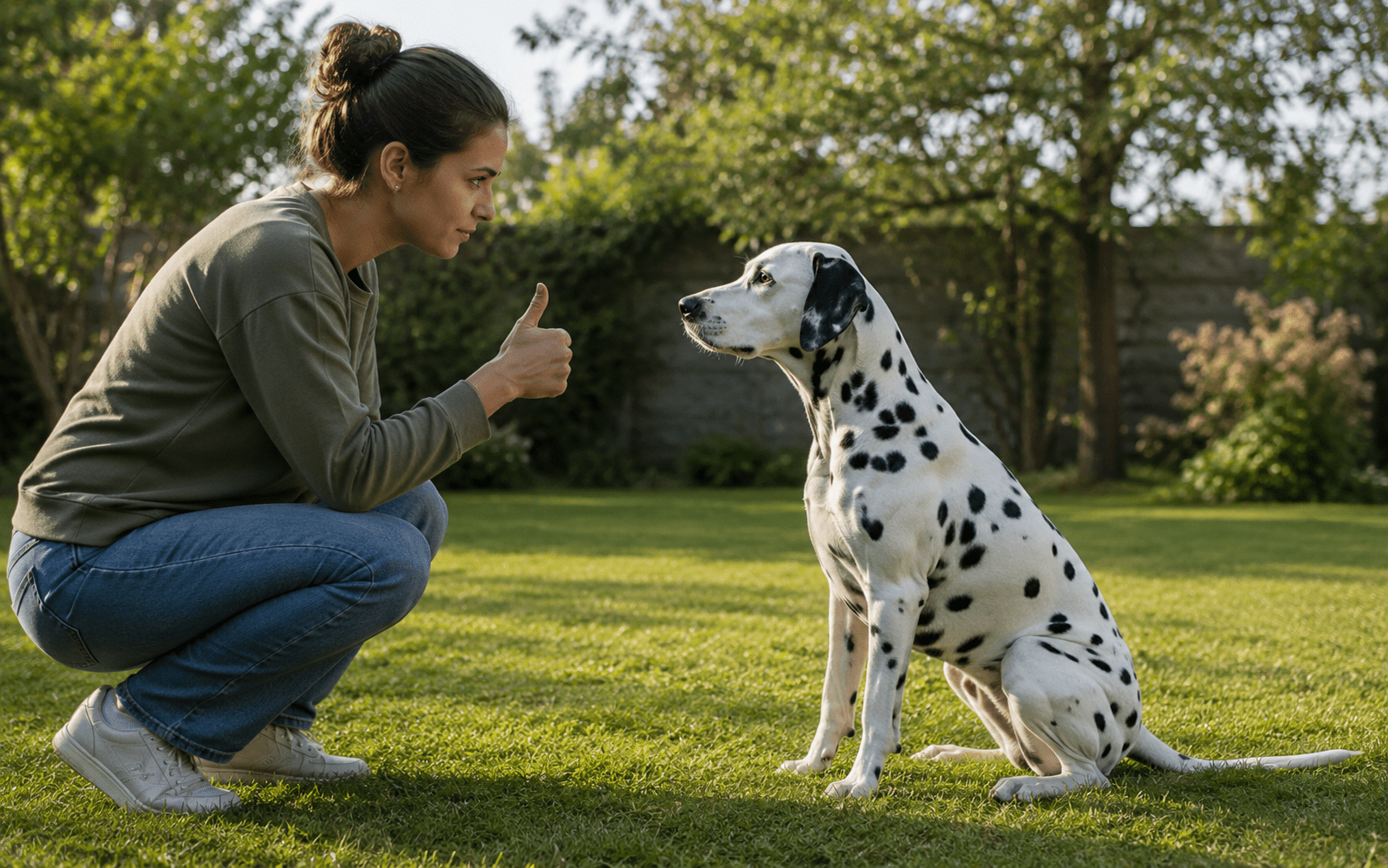
- Thumbs up sign held clearly in front of the dog
- A small flashlight or penlight flashed briefly as a reward signal
The thumbs up method is the most practical for everyday use. The process mirrors clicker training exactly: show the signal the instant your dog performs the correct behavior, then follow immediately with a treat.
Spend the first few sessions doing nothing but pairing the marker with food. Flash the thumbs up, give a treat, repeat. Once your dog starts looking for the treat right after seeing the signal, the marker is loaded and training can begin.
Build Your Hand Signal Library
You do not need to invent signals from scratch. American Sign Language (ASL) is a natural starting point because the signs are distinct, recognizable, and widely documented. Many deaf dog owners and trainers use ASL-based signals for common commands.
| Command | Suggested Hand Signal |
| Sit | Flat hand moving upward from waist |
| Stay | Open palm facing the dog |
| Come | Sweeping arm motion toward your chest |
| Down | Pointed finger moving toward the floor |
| No / Stop | Quick side-to-side hand wave |
| Good / Yes | Thumbs up held briefly |
Keep signals large and clear in the beginning. As your dog progresses, you can reduce the size of the signal for a more polished response. Always use the same hand and the same motion every time, and make sure everyone in your household uses the identical signal for each command.

Pairing these signals with the essential dog training commands your dog needs to know builds a solid foundation.
Use Positive Reinforcement Only
Deaf dogs are often more sensitive to stress because they cannot process verbal reassurance. Punishment-based methods create anxiety and shut dogs down fast.
Positive reinforcement, meaning rewarding the behaviors you want, is not just the kindest approach here. It is the most effective one. High-value treats, play, and enthusiastic physical praise like chest scratches or gentle taps work well as rewards.
Keep training sessions short. Five to ten minutes, two to three times daily, produces better results than one long session that exhausts your dog’s focus.
For structured guidance on obedience foundations, private dog training Long Island offers one-on-one sessions tailored to your dog’s specific needs.
Teach a Recall Cue Using Vibration
Recall is the most important safety skill for any dog, and it requires extra thought when training a deaf dog off-leash.
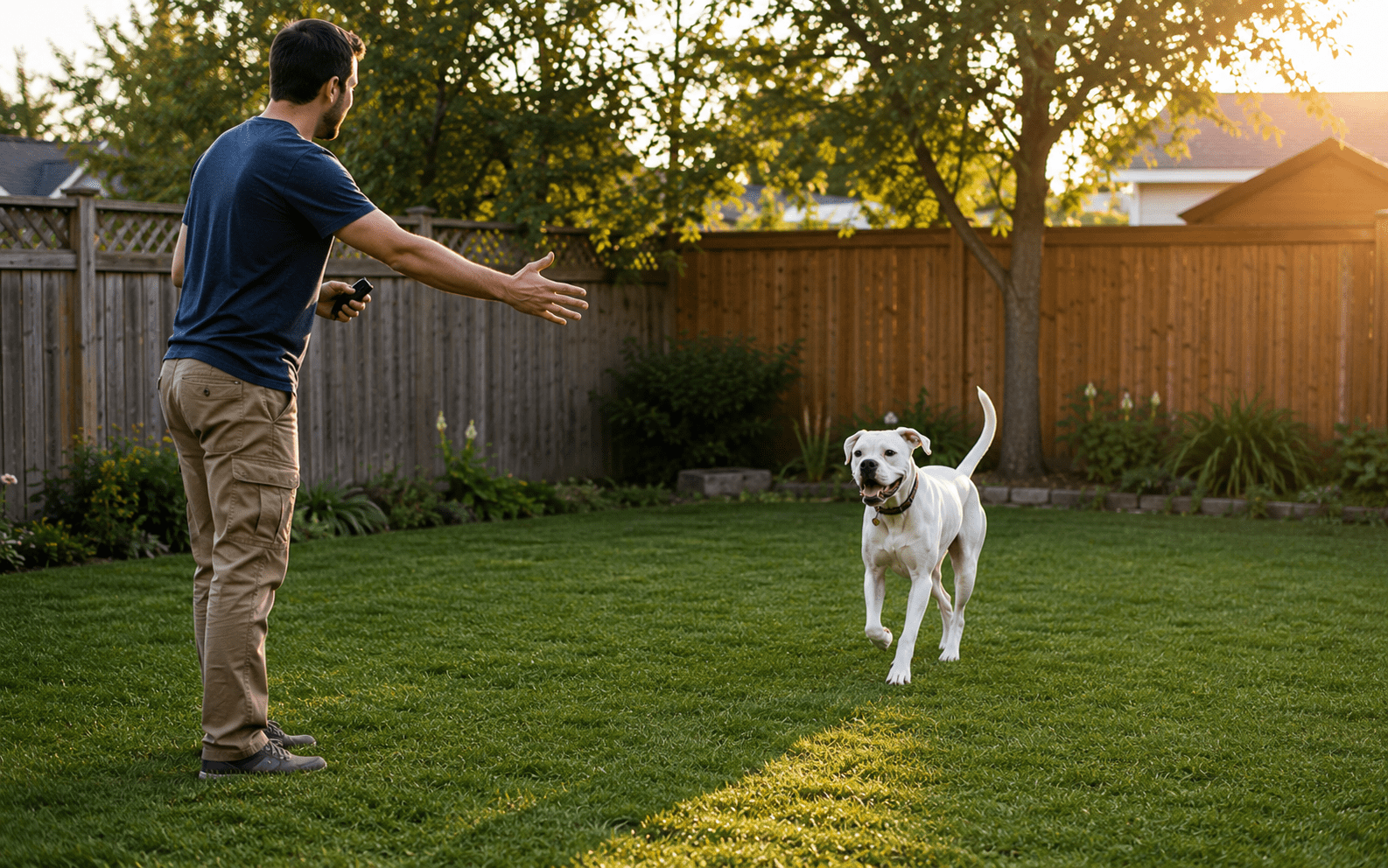
A vibration collar, used without any shock setting, sends a gentle buzz that you can pair with your recall hand signal. The sequence looks like this:
- Press the vibration button
- When your dog turns toward you, immediately show the come signal
- Reward heavily when they reach you
This gives your dog a way to respond even when they are not looking at you. Practice in a securely fenced area before testing in open spaces. Never use the vibration as a punishment, only as a neutral attention cue.
Which Training Method Works Best for a Deaf Dog?
The short answer is structured visual training with positive reinforcement. But the format depends on your dog’s age, history, and how much behavioral baggage comes with it.
| Situation | Best Approach |
| Deaf puppy with no prior training | Daily short sessions, hand signals from day one |
| Adult dog recently gone deaf | Transition verbal cues to paired hand signals gradually |
| Deaf dog with fear or anxiety | Slow desensitization, professional support recommended |
| Deaf dog with aggression | Qualified behaviorist required before solo training |
For owners dealing with more complex behavior alongside deafness, board and train Long Island programs can give your dog consistent daily training under professional supervision.
Getting and Keeping Your Dog’s Attention
Everything falls apart if your dog is not looking at you. Attention is the foundation of how to train a deaf dog, and it needs its own practice.
Start by rewarding your dog simply for making eye contact. The moment they glance at your face, mark it and treat. This builds the habit of checking in with you regularly.
When your dog is distracted or not looking your way, options include:
- Stomping lightly on the floor to create vibration
- Waving your hand in their peripheral vision
- Using the vibration collar recall as described above
Learning how to get your dog’s attention when distractions are present is a skill worth practicing on its own before you expect focus during formal commands.
A flicker light or small penlight can also serve as a long-distance attention getter in low-light conditions. Introduce it the same way as any other marker: flash, treat, repeat.
Safety Tips Every Deaf Dog Owner Needs
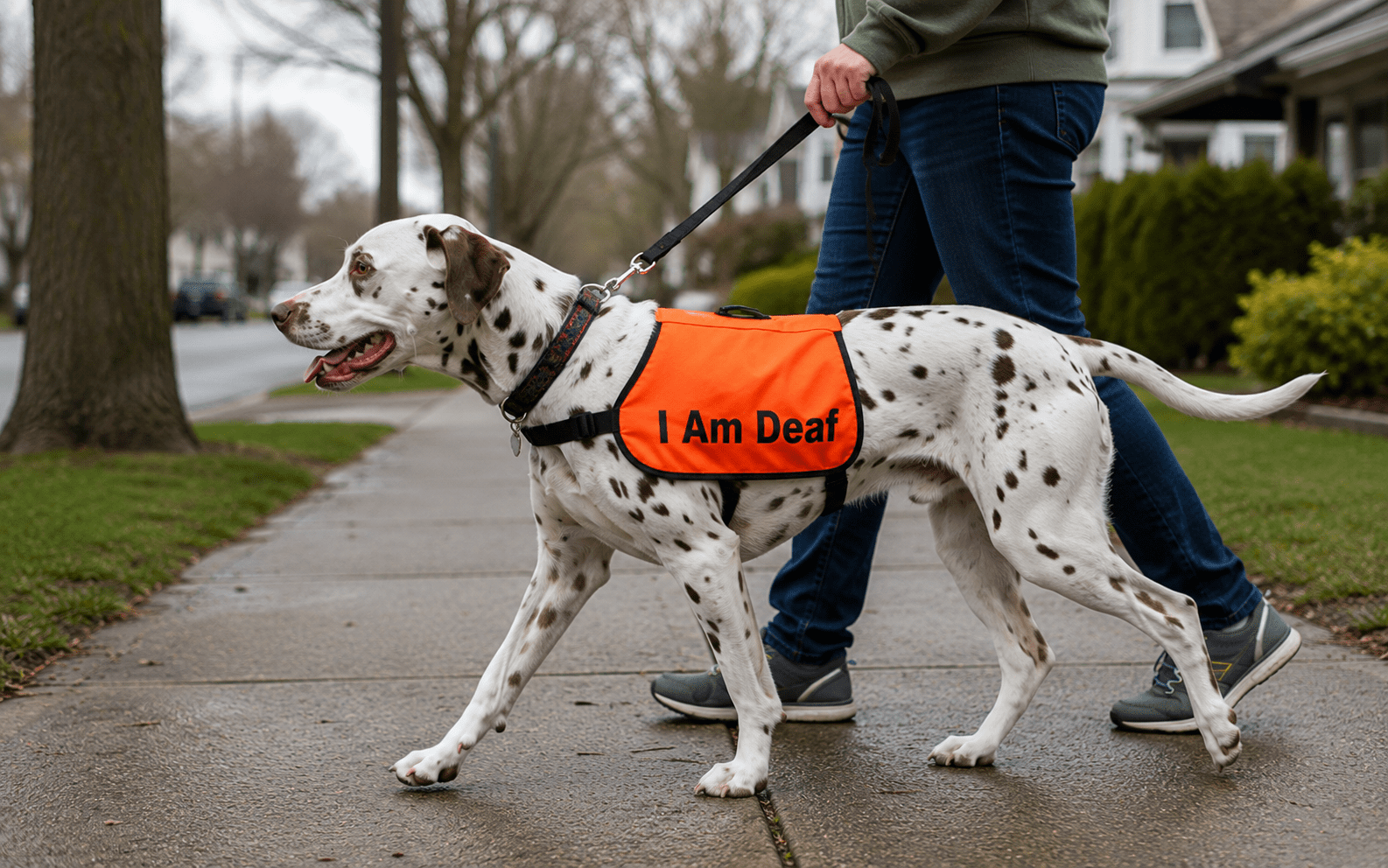
- Always use a leash or long line in unfenced areas
- Add a tag or vest that says “I Am Deaf” so strangers know how to approach
- Alert your dog before touching them during sleep by tapping the floor or bed first
- Secure your yard with proper fencing since verbal recall alone will not stop a deaf dog mid-run
- Teach children in your home how to approach and communicate with your dog safely
For owners who want an even more structured and personalized approach to safety training, in home dog training Long Island brings the training into your actual environment where your dog lives and responds.
When to Call a Professional
Training a deaf dog takes patience and consistency, but it is not always a solo effort. Reach out to a professional when:
- Your dog shows fear-based reactions or aggression
- Progress has stalled after several weeks
- You are struggling to establish reliable recall in safe areas
- Your dog’s deafness is combined with vision impairment or other challenges
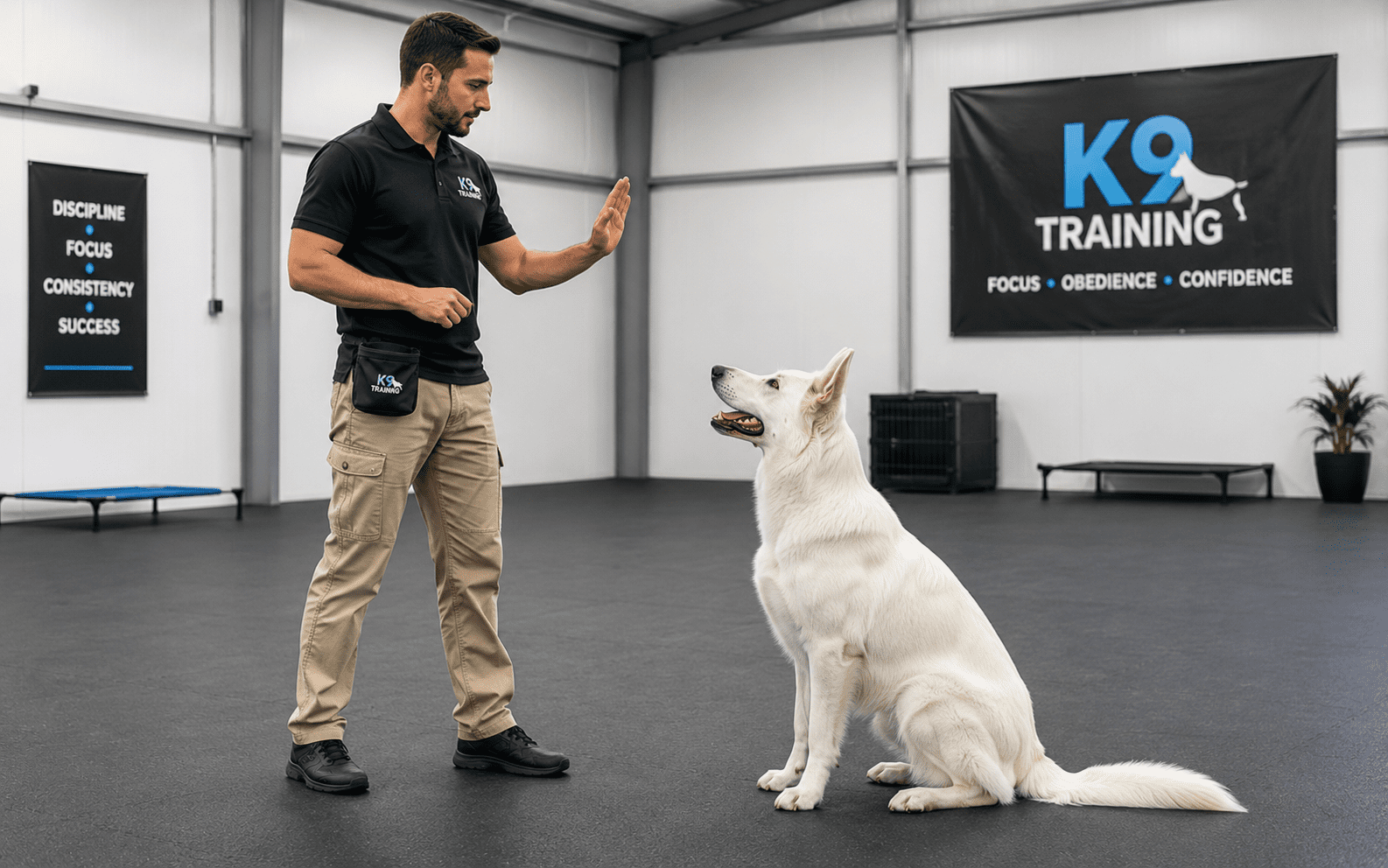
Professionals experienced like K9 Mania Dog Training with sensory-impaired dogs can assess your dog’s specific needs and create a structured plan that saves you time and prevents training mistakes from becoming habits.
If you want to advance beyond basics, an advanced dog training class can help both you and your dog reach a higher level of communication and reliability.
Your Deaf Dog Deserves the Right Training Partner
Learning how to train a deaf dog comes down to one thing: shifting how you communicate. Your dog is not broken, stubborn, or beyond reach. They are simply waiting for you to speak their language, and that language is visual, consistent, and built on trust. Hand signals replace verbal commands, a thumbs up replaces a clicker, and patience replaces frustration. Once that shift clicks, progress follows quickly.
At K9 Mania Dog Training, we are the leading board and train on Long Island with experienced animal behaviorists who understand exactly what deaf dogs need to thrive. Whether you are starting from scratch or working through behavioral challenges, we have the tools and expertise to help. Trust K9 Mania Dog Training to guide you and your dog every step of the way. Reach out today and let us show you what your dog is truly capable of.
You May Also Want to Read
How to Crate Train an Adult Dog
Frequently Asked Questions About How to Train a Deaf Dog
Is a deaf dog hard to train?
Deaf dogs are not harder to train once you understand how they communicate. They rely entirely on visual and tactile cues instead of verbal commands, which requires owners to be more consistent with body language and hand signals. Many trainers find that deaf dogs actually become highly attentive to their handler’s movements because sight is their primary channel for information. With patience, short sessions, and positive reinforcement, most deaf dogs learn commands at a similar pace to hearing dogs.
How do you discipline a deaf dog?
Discipline for a deaf dog should never involve startling, shouting, or physical punishment, as these methods cause fear and damage trust quickly. Instead, use a clear hand signal or facial expression to communicate disapproval, such as a neutral or firm expression paired with a “stop” gesture. Redirecting your dog toward a desired behavior and rewarding that alternative is far more effective. The goal is to teach what you want, not punish what you do not want. Consistent boundaries and predictable routines reduce problem behaviors before discipline becomes necessary.
What is the average age a dog goes deaf?
Most cases of age-related deafness in dogs begin around 10 to 13 years old, though this varies by breed and individual health history. Some dogs are born deaf due to genetic factors, particularly in breeds with white or merle coat patterns. Deafness can also develop earlier as a result of chronic ear infections, certain medications, or injuries to the ear canal. If you notice your dog becoming less responsive to sound at any age, a BAER test from your veterinarian can confirm whether hearing loss is present and how significant it is.
How to train a dog for the deaf?
Training a dog to assist a deaf person focuses on alerting behaviors, where the dog physically contacts the handler and leads them toward a sound source such as a doorbell, alarm, phone, or baby cry. These dogs are trained using the same positive reinforcement and visual cue methods used with deaf dogs. The primary difference is that the dog’s job is to be the ears for their owner. Professional service dog trainers typically handle this specialized training, though the underlying obedience foundation can be built using the same hand signal and marker methods described throughout this guide.
What not to do with a deaf dog?
Avoid waking a deaf dog by touching them abruptly, as this can trigger a startle reflex and cause a defensive reaction. Never rely on verbal commands alone and expect a response, as this creates frustration for both of you. Do not use punishment or aversive tools, which are particularly damaging for dogs who cannot process verbal reassurance afterward. Avoid letting a deaf dog off-leash in unsecured areas without a reliable vibration recall in place. Also, do not assume your dog is being stubborn or disobedient. If your dog is not responding, they likely did not see the cue rather than choosing to ignore it.
What breed of dog is most commonly deaf?
Dalmatians are the most well-known breed associated with congenital deafness, with studies estimating that 15 to 30 percent of Dalmatians are born deaf in one or both ears. Other breeds with higher rates of deafness include Bull Terriers, Australian Cattle Dogs, English Setters, and Catahoula Leopard Dogs. White or merle coat coloring is closely linked to deafness because the gene responsible for these pigment patterns can also affect the cells in the inner ear. Responsible breeders use BAER testing on puppies before placement to identify hearing status early.