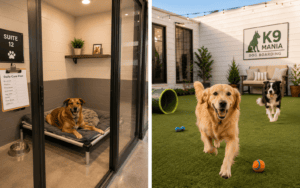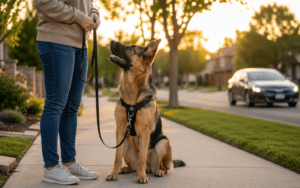
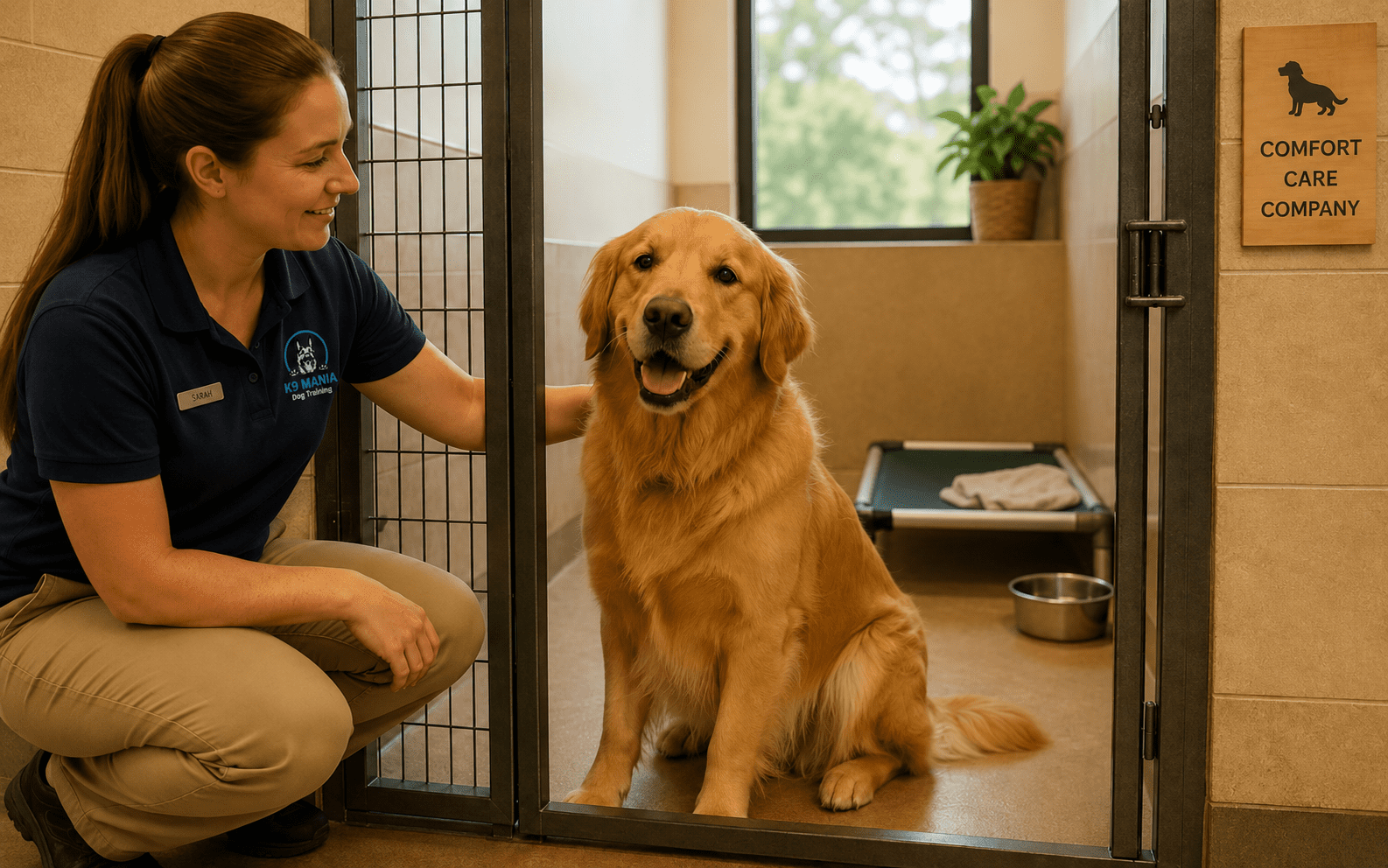
Dog boarding is a service where your dog stays at a professional facility or trained caregiver’s home while you’re away for work, travel, or any other reason. Most boarding stays include regular feedings, supervised exercise, bathroom breaks, and a safe place to sleep.
Whether you’re heading out of town or just need a reliable option during a busy stretch, understanding what dog boarding actually involves helps you find the right fit for your dog’s specific needs. The type of facility, the staff-to-dog ratio, and your dog’s current training level all play a role in how well the stay goes.
Read on to learn how it works, what options exist, and how to choose wisely.
Things to Know:
- Dog boarding keeps your dog in a supervised, structured setting while you’re away
- Most facilities include feeding, outdoor breaks, and a designated sleeping area
- Dogs with basic obedience and socialization settle into boarding faster
- Board and train programs combine daily care with active skill-building
- Not every facility is the same, so knowing what to ask before you book matters
What Dog Boarding Means and Why It Works
Dog boarding gives your dog a temporary, managed living arrangement with consistent care throughout the day. Unlike leaving your dog home alone or relying on a neighbor, a boarding facility runs on a real schedule with trained people watching over your dog at all times.
The concept is straightforward. You drop your dog off, staff take over the daily routine, and your dog comes home when you’re back. What separates a quality stay from a mediocre one is how well that routine is built and how the staff handles problems when they come up.
If your dog needs more than basic supervision, combining boarding with a board and train Long Island program is the smartest move. Your dog gets handled by professionals every day and comes home with genuinely improved behavior, not just a few days of managed downtime.
How the Daily Routine Works
Dogs are creatures of habit. When their normal routine disappears, some adjust quickly while others struggle. A solid boarding facility maintains structure so your dog knows what to expect throughout the day.
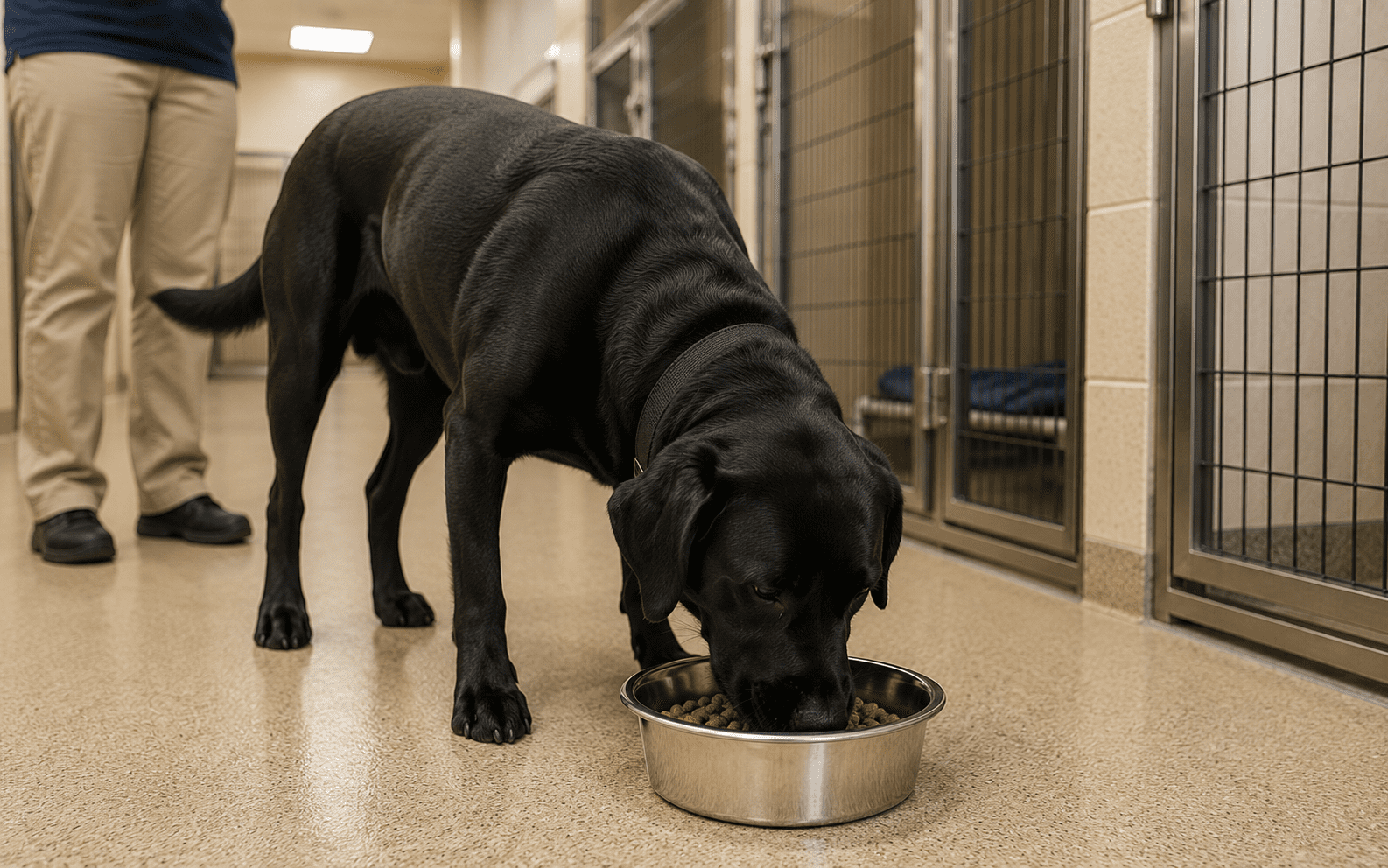
A typical daily schedule at a boarding facility includes:
- Morning feeding and outdoor time right after wake-up
- Group or individual play sessions mid-morning
- A rest period after activity time
- Afternoon bathroom break and enrichment
- Evening feeding followed by quiet time before sleep
Dogs that already know basic commands and have spent time around other dogs tend to settle in within a day or two. If your dog is still working on those skills, in home dog training Long Island before the stay can make a real difference in how quickly they adjust.
Types of Dog Boarding Options
Not all boarding situations look the same. Some dogs do well in large, kennel-style facilities with lots of activity. Others need a quieter, home-like setting to feel comfortable. Here’s how the main options compare.
| Boarding Type | Best For | What’s Typically Included | Average Cost Per Night |
| Kennel or Facility | Social dogs with basic training | Individual runs, group play, trained staff | $30-$70 |
| In-Home Dog Sitter | Anxious dogs, seniors, small breeds | Home setting, fewer dogs, closer attention | $50-$100 |
| Board and Train | Dogs with behavior issues or no training | Daily training integrated into boarding care | $80-$150+ |
| Veterinary Clinic Boarding | Dogs with medical needs | Medical monitoring, on-site vet access | $45-$85 |
Board and train programs are worth a serious look if your dog has any behavioral concerns or hasn’t had formal training. Your dog gets daily care plus active skill-building, so the stay produces real, lasting results instead of just keeping your dog fed and housed.
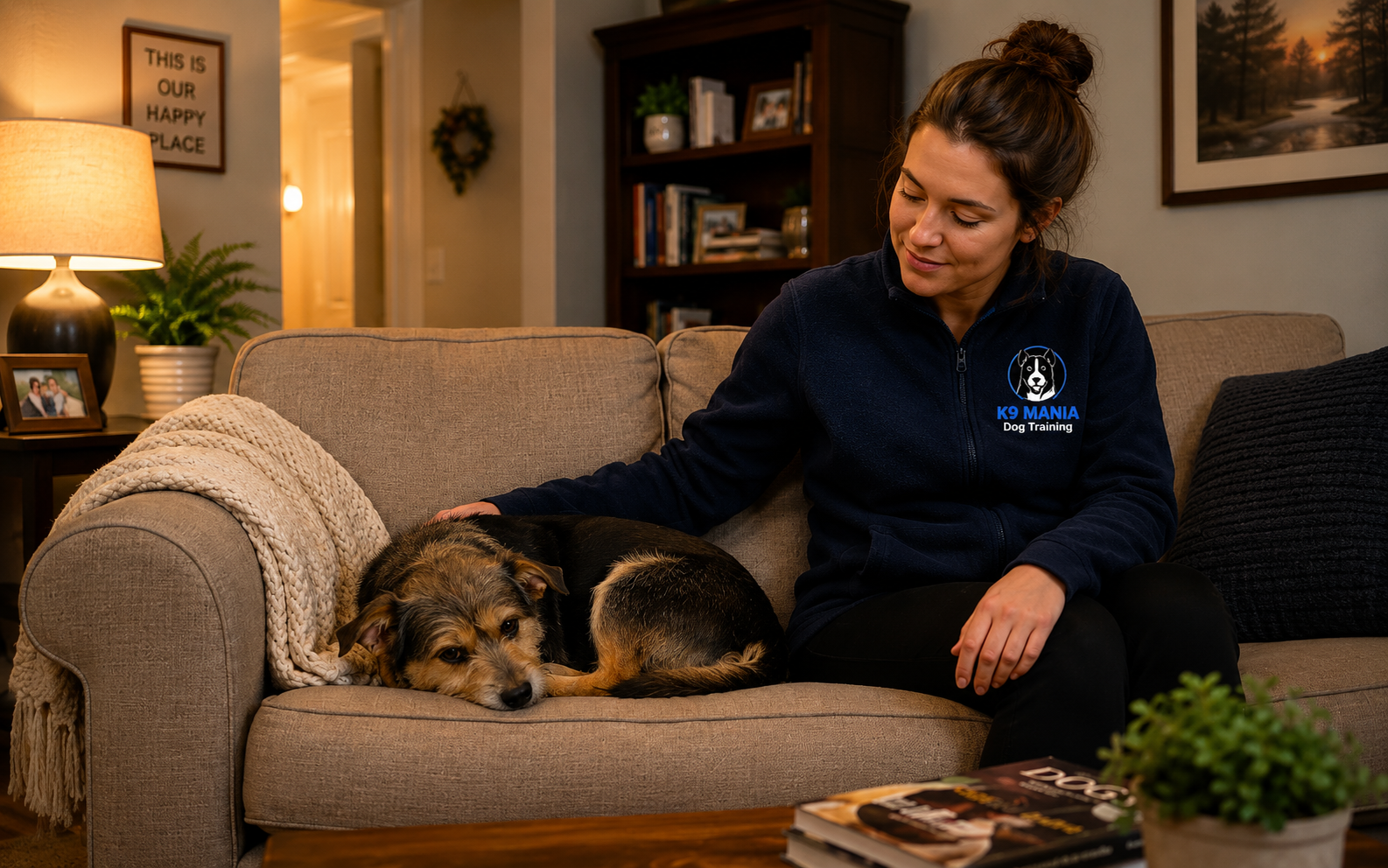
What Actually Happens Inside a Boarding Facility
Most owners drop their dog off without fully knowing what the experience looks like from the inside. Here’s a realistic picture of what staff are managing and what your dog is going through during the stay.
Staff Responsibilities Day to Day
A boarding facility isn’t just storage for dogs. Trained staff are managing multiple animals throughout the day, watching for behavioral changes, and keeping the environment safe and clean.
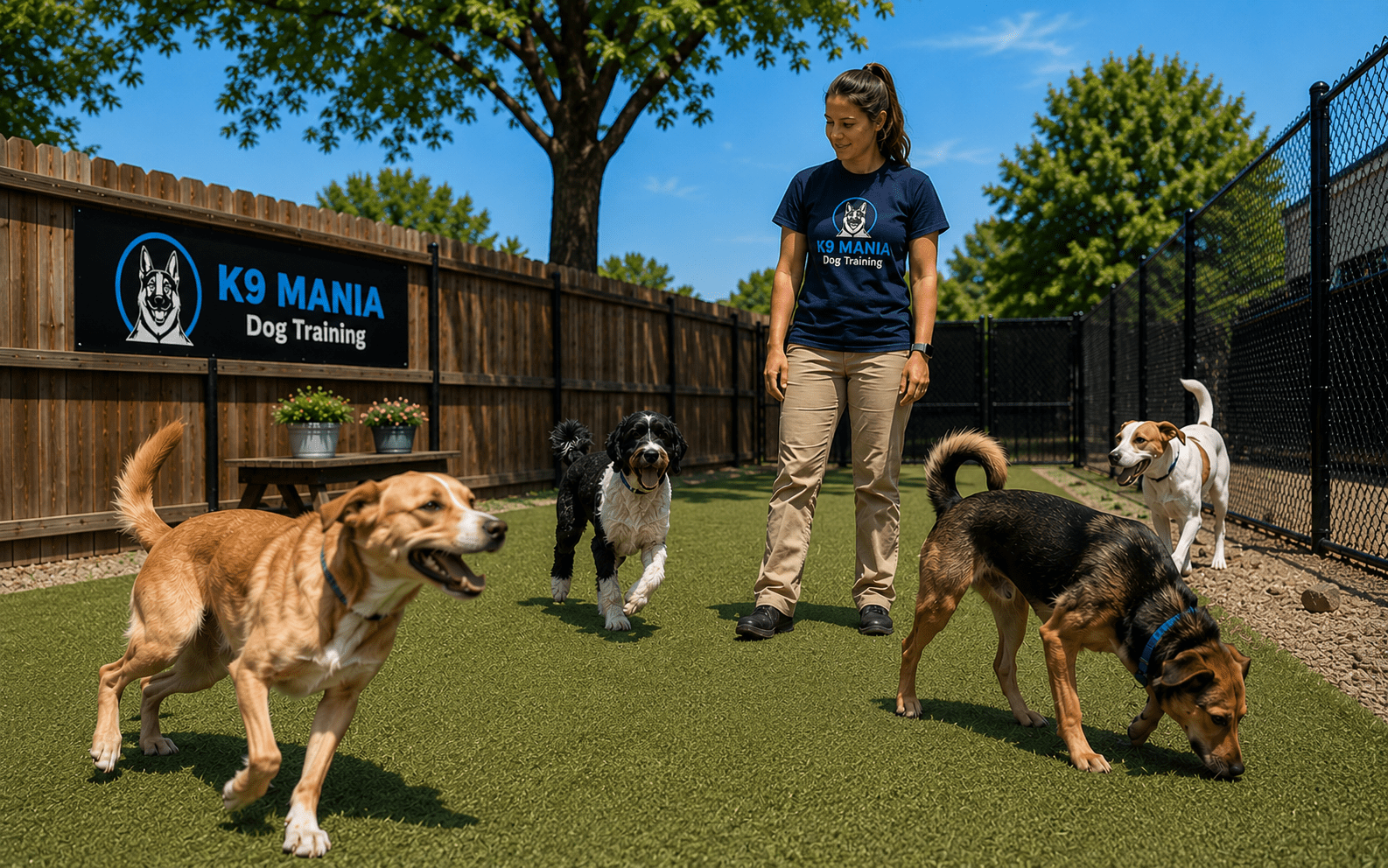
Their core responsibilities include:
- Monitoring dog behavior during group play and spotting early tension
- Watching for signs of stress like refusing food, excessive panting, or withdrawal
- Administering medications or special care when needed
- Keeping sleeping and play areas clean and sanitized
- Sending updates to owners when requested
What separates a good facility from a great one is how staff respond when something goes wrong. A dog that shows signs of anxiety or reactivity needs more than just supervision. Before you review the most common reasons for dog boarding and what drives owners to book a stay, it helps to understand how facilities actually manage the dogs in their care day to day.
For dogs that need closer individual attention, working through private dog training Long Island sessions before boarding helps your dog build the skills to stay calm and manageable in a shared environment.
How Dogs Are Grouped and Managed
Most reputable facilities separate dogs by size and temperament, not just breed or age. High-energy dogs get different play groups than smaller or more reserved ones. Dogs showing any aggression toward other animals are typically kept separate to protect everyone in the space.
This grouping matters more than most owners realize. A calm, friendly dog placed in a group with reactive or rough players can come home more anxious than when they left. Always ask how a facility handles grouping before you commit to a booking.
Dog Boarding vs. Other Care Options
If you’re weighing your options, this comparison gives you a clear look at where boarding works best and where other approaches have an edge.
| Care Option | Supervision Level | Best Fit | Main Drawback |
| Boarding Facility | High | Most dogs with basic training | Less personalized than home care |
| In-Home Pet Sitter | Moderate | Anxious dogs, senior dogs | Depends heavily on sitter reliability |
| Leaving with Family or Friend | Varies | Familiar dogs, short trips | Often lacks structure or training |
| Doggy Daycare Only | High | Social dogs, brief local trips | No overnight coverage |
| Dog Walker Only | Low | Short absences, independent dogs | Not suitable for multi-day travel |
Boarding gives your dog a consistent, staffed environment that’s hard to replicate with a neighbor or a twice-daily walker. If you want your dog to come back in better shape than they left, building obedience dog training into the plan before or after the stay means the time actually produces something lasting.
How to Know If Your Dog Is Ready for Boarding
Some dogs walk into a facility and adapt without missing a beat. Others struggle, not because boarding is inherently wrong for them, but because they weren’t fully prepared. Knowing the difference saves you from a stressful pickup call.
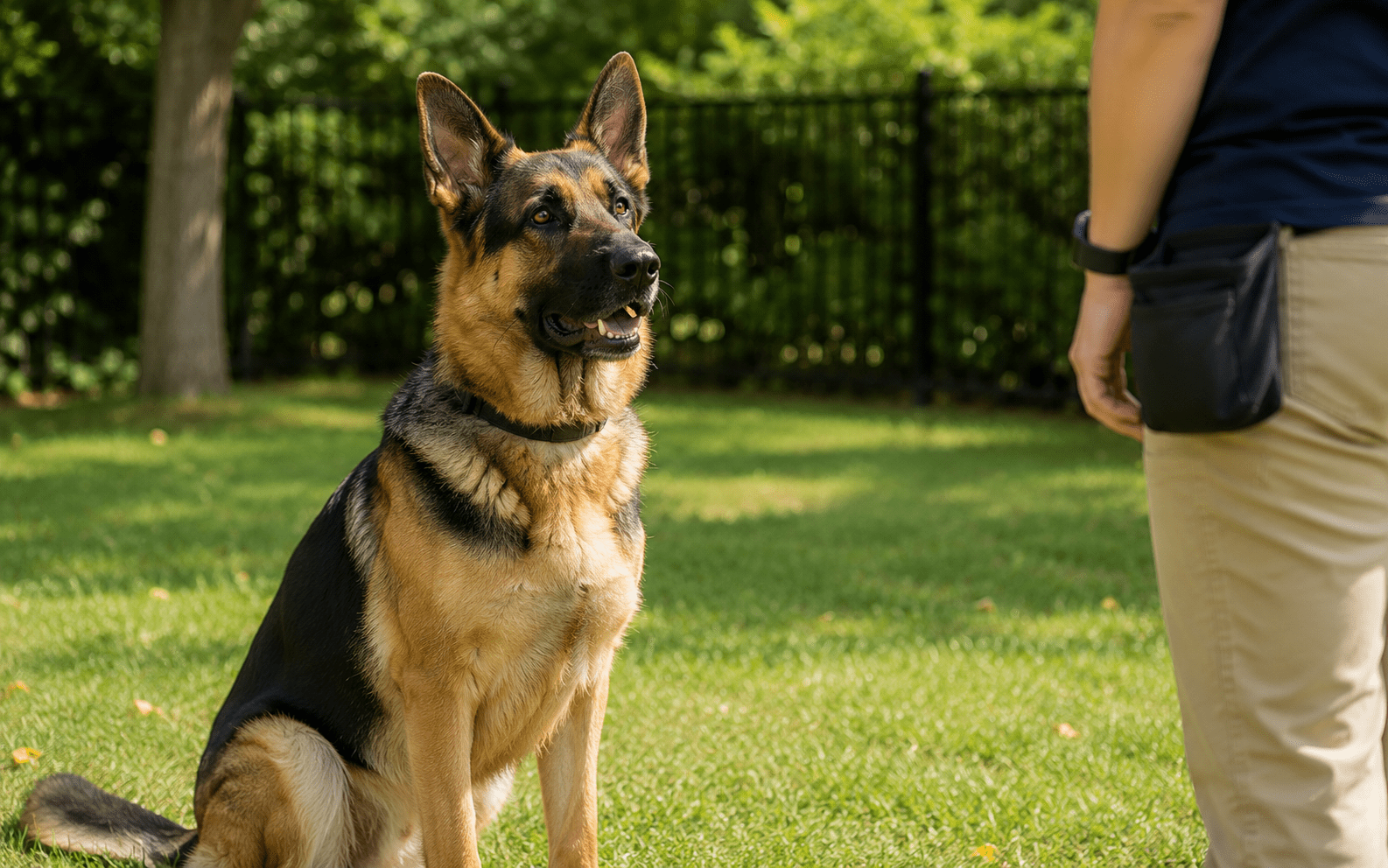
Your dog is likely ready if:
- They respond reliably to basic commands like sit, stay, and come
- They’ve been socialized around other dogs and different people
- They eat and drink normally in new or unfamiliar places
- They don’t show signs of separation anxiety at home
Your dog may need more prep if:
- They bark excessively or pace when left alone
- They’ve had incidents with other dogs or strangers
- They shut down or refuse food in new environments
- Obedience is inconsistent without you in the room
If any of those second-tier signs apply, working through how to prepare your dog for boarding gives you a solid checklist of what to address before drop-off day.
Also check out overnight dog boarding tips for specifics on what to bring, what to ask the facility, and how to handle the first night so your dog transitions as smoothly as possible.
What to Ask Before You Book Any Boarding Facility
Touring a facility before committing is non-negotiable. A good facility will welcome the walk-through. One that hesitates or gives vague answers should raise concerns.
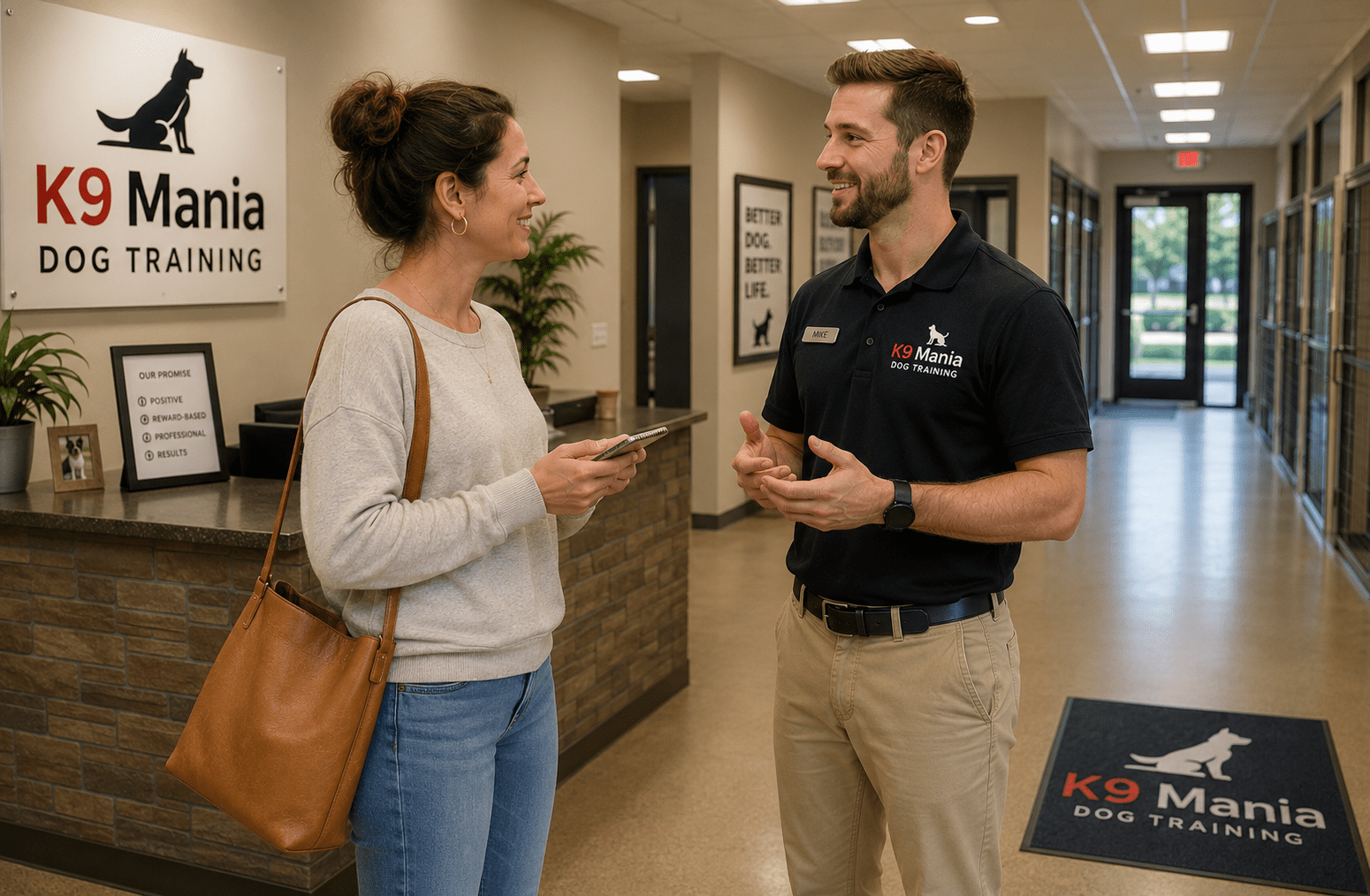
Questions worth asking directly:
- How many dogs does each staff member supervise at one time?
- Is someone with the dogs overnight, or are they left unattended?
- How do you handle a dog that becomes stressed or shows aggression?
- Are dogs grouped by size and temperament?
- What happens if a dog gets sick or injured during the stay?
The answers tell you more about the quality of the facility than any website or marketing description ever will.
Dog Boarding Done Right Starts Here
K9 Mania Dog Training is the leading board and train provider on Long Island, and our team includes the best animal behaviorists for dogs in the area. Whether your dog needs basic boarding care, a full board and train program, or targeted behavior work before any stay, we build every program around your dog’s real needs. No matter what behavior issue your dog is facing, we can help. Trust K9 Mania Dog Training to give your dog the care, structure, and training they deserve. Visit our website to get started today.
You May Also Want to Read
How to Train a Blue Heeler Dog
How to Train a Dog on an Invisible Fence
How to Train Your Dog to Be a Comfort Dog
What Are Good Guard Dog Breeds
Frequently Asked Questions About Dog Boarding
What does dog boarding usually include?
Most boarding stays include feeding, outdoor bathroom breaks, supervised playtime, and a safe sleeping area. Some facilities offer add-ons like grooming, extra one-on-one time, or training sessions. The specifics vary by facility and the package you choose, so always confirm exactly what’s covered before booking. Ask about overnight supervision and medication handling if your dog has specific needs.
What words do dogs hear best?
Dogs respond best to short, one or two-syllable words spoken in a calm, consistent tone. Words like “sit,” “stay,” “come,” and “no” work well because they’re simple and distinct. Tone matters as much as the actual word. A steady, confident voice gets better responses than a frustrated or high-pitched one, which is part of why consistent training makes boarding go much more smoothly.
Is it better to board your dog or leave at home?
Boarding is the better choice for multi-day trips when no one is available to check in regularly. A boarding facility provides structure, supervision, and daily interaction that a dog left home alone simply can’t get. Extended time alone increases the risk of anxiety, destructive behavior, and accidents. A well-run facility keeps your dog safe, fed, and engaged throughout the day and night.
Is it stressful for a dog to be boarded?
It can be uncomfortable at first, but most dogs settle in within the first day or two. Dogs that are well socialized and know basic commands tend to adjust faster. Signs of stress include refusing food, excessive panting, or withdrawal from interaction. Choosing a facility with consistent routines and trained staff reduces stress significantly, and preparing your dog beforehand makes an even bigger difference in how the stay goes.
How do I prepare my dog for boarding?
Start with a tour of the facility, bring familiar bedding or a toy from home, and make sure vaccinations are current. Practice short departures before the stay so your dog isn’t experiencing extended separation for the first time at drop-off. If your dog struggles with commands or hasn’t spent much time around other dogs, addressing those gaps in advance gives them a much better shot at a calm, comfortable stay.
Where do overnight pet sitters sleep?
In-home overnight pet sitters typically sleep in your home, either in a guest room or on the couch, depending on what’s arranged. Some setups have the sitter bring your dog to their own home for the night instead. Either way, the arrangement should be clearly agreed on before the booking is confirmed. If your dog is staying at a facility, ask directly whether staff are physically present with the dogs through the night.